

B
Species Profile

Beauceron

Canis lupus familiaris (domestic dog)

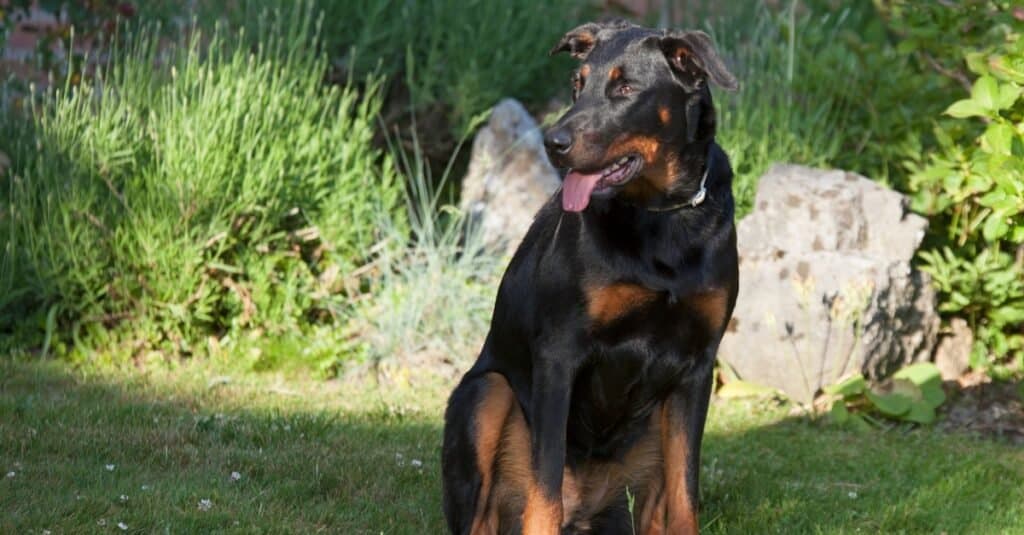
Red Stockings: brains, brawn, backbone
Shannon Y/Shutterstock.com

Beauceron Distribution

Click a location to explore more animals from that region

Origin Location

This map shows the native origin of the Beauceron. As a domesticated species, they are now found worldwide.

Loading map...

Found in 1 country

Size Comparison

Human 5'8"
Beauceron 2 ft 2 in

Beauceron stands at 38% of average human height.

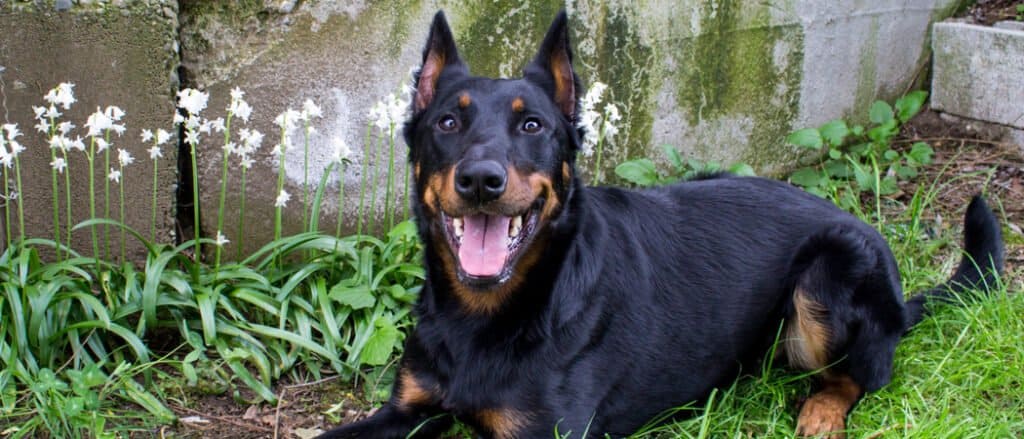
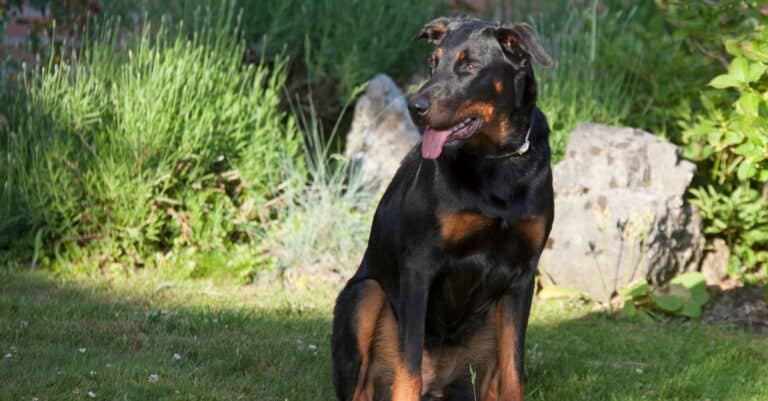
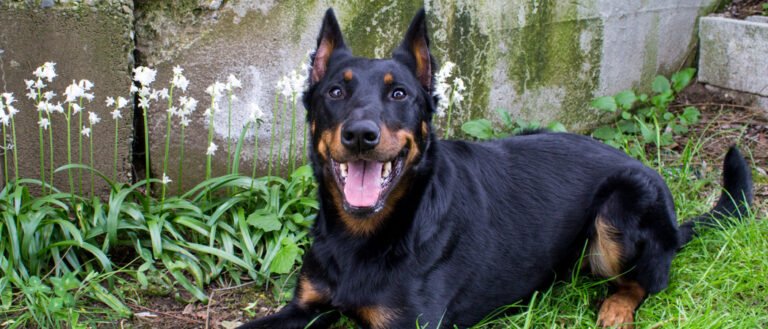
Beauceron laying by stone wall

At a Glance

Domesticated
Also Known As Beau, Beauce Shepherd, Bas Rouge
Diet Omnivore
Activity Diurnal+
Lifespan 11 years
Weight 50 lbs
Status Not Evaluated
Did You Know?

Nicknamed "Red Stockings" for its tan lower-leg markings.

Scientific Classification

The Beauceron is a large, athletic French herding and livestock-guardian dog breed known for intelligence, trainability, and a steady protective temperament.

Kingdom
Animalia
Phylum
Chordata
Class
Mammalia
Order
Carnivora
Family
Canidae
Genus
Canis
Species
Canis lupus familiaris

Distinguishing Features

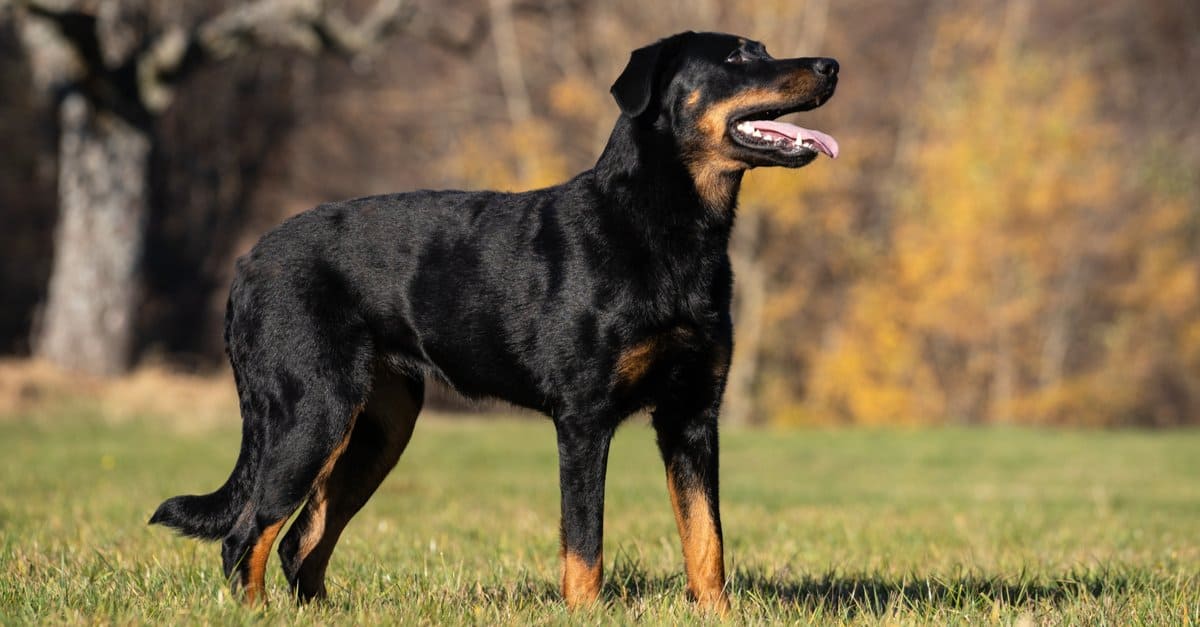
  • Large, short-coated French shepherd with a powerful, square-built frame
  • Characteristic double rear dewclaws on each hind leg (breed hallmark)
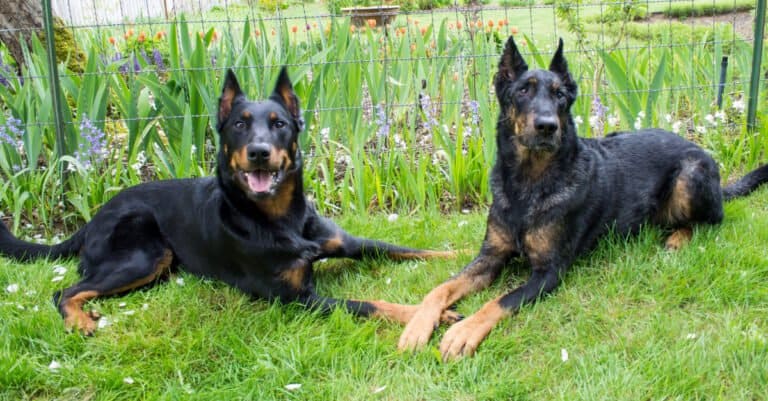
  • Common coloration: black-and-tan or harlequin (blue merle-like with tan points)
  • Historically used for herding and guarding sheep/cattle; strong working drive

Physical Measurements

Males and females differ in size

Height
♂ 2 ft 3 in (2 ft 2 in – 2 ft 4 in)
♀ 2 ft 1 in (2 ft – 2 ft 3 in)
Length
♂ 3 ft 11 in (3 ft 7 in – 4 ft 3 in)
♀ 3 ft 9 in (3 ft 5 in – 4 ft 1 in)
Weight
♂ 88 lbs (71 lbs – 110 lbs)
♀ 76 lbs (66 lbs – 86 lbs)
Tail Length
♂ 1 ft 6 in (1 ft 4 in – 1 ft 8 in)
♀ 1 ft 6 in (1 ft 4 in – 1 ft 8 in)
Top Speed
31 mph
Fast, athletic herding dog

Appearance

Primary Colors
Secondary Colors
Skin Type Haired mammalian skin with a short, dense, weather-resistant double coat (short topcoat with protective undercoat). Low-to-moderate oiliness; seasonal shedding common. Working-breed skin/coat built for outdoor herding and livestock-guardian duties in France.
Distinctive Features
  • Large, athletic, rectangular working-dog build with strong bone and pronounced muscling; bred for herding and guarding livestock/property.
  • Signature identifier: double rear dewclaws on each hind leg (functional/anchoring trait historically valued in French herding dogs).
  • Short coat (not long/corded), distinguishing it from the long-haired Briard; overall outline is sleek and utilitarian rather than shaggy.
  • Confident, intelligent, and protective temperament; typically steady and discerning when well-socialized-can become wary/over-guarding without early, consistent training and exposure.
  • Head is long and clean with a strong muzzle; eyes typically dark and alert; ears may be natural (semi-erect/rose) or cropped in some regions (where legally permitted).
  • Tail is long and carried low with a slight hook ('J') at the tip when at rest.
  • Breed-specific care needs: high daily exercise plus structured mental work (advanced obedience, herding, tracking, protection sports) to prevent boredom-driven behaviors.
  • Grooming: generally easy (weekly brushing, heavier during seasonal shed); special attention to nail care and monitoring/maintenance of rear dewclaws.
  • Watch for hip dysplasia (sometimes elbow dysplasia), bloat (gastric dilatation-volvulus) in deep-chested dogs, and reported heart problems like dilated cardiomyopathy. Regular bone, joint and heart checks are advised for breeding dogs.
  • Working heritage management: thrives with clear rules, confident handling, and early socialization; not ideal for sedentary homes or inconsistent training.

Sexual Dimorphism

Males are typically larger and more powerfully built with broader head/neck; females are slightly smaller and often more refined while retaining an athletic, working outline.

♂
  • Heavier bone and muscle; broader chest and neck.
  • Broader head and more pronounced masculine expression.
♀
  • Slightly lighter, more streamlined build while remaining sturdy and athletic.
  • Often a more refined head and overall silhouette.

Did You Know?

Nicknamed "Red Stockings" for its tan lower-leg markings.

A key breed hallmark is the required double rear dewclaws-often used to confirm true Beauceron type.

Despite being a French shepherd, it has a short, dense coat (unlike the long-coated Briard).

Historically worked as both a herder and a flock guardian-moving sheep/cattle and deterring predators.

Accepted coat patterns include black-and-tan and harlequin (blue-mottled with tan).

Beaucerons have been used as military and service dogs in France (e.g., messenger/sentry roles), reflecting their trainability and nerve.

They mature slowly mentally and physically; many owners note the "adult brain" arrives later than in some breeds.

Unique Adaptations

  • Double rear dewclaws provide extra contact points that can aid traction and stability on uneven ground during fast turns-useful for livestock work.
  • Short, weather-resistant double coat: easier maintenance than long-coated French shepherds while still protective in field conditions.
  • Athletic, square-leaning build and strong hindquarters support endurance trotting and sudden bursts-classic all-day pastoral work traits.
  • High trainability paired with independence: selection for problem-solving in open-country herding and guarding, not just following commands.
  • Steady, confident temperament (when well bred) suits dual roles: moving stock with control and standing ground as a deterrent.

Interesting Behaviors

  • Purposeful "patrol loops": many Beaucerons naturally circle and check boundaries like a working guardian.
  • Herding-by-pressure: uses body positioning, shoulder blocks, and controlled forward drive; some individuals may heel-nip if under-stimulated or untrained.
  • Quick pattern-learning: excels at chaining behaviors (obedience, rally, agility, herding) and can anticipate routines-great for work, mischievous if bored.
  • Handler-focused confidence: tends to bond strongly and "read" human posture and tone, responding best to clear, consistent leadership.
  • Protective assessment: often watches first, then acts; well-bred dogs typically show steady, not frantic, reactivity when properly socialized.
  • Mouthy play style: as a working dog, many use their mouth in play/handling-needs early bite inhibition and appropriate outlets.

Cultural Significance

The Beauceron (Berger de Beauce), a French farm shepherd dog (Canis lupus familiaris), is a symbol of France's farm dog tradition. It herds and guards livestock, served in wartime and modern work, known for 'Red Stockings' and double rear dewclaws.

Myths & Legends

French rural tradition preserves the nickname "Red Stockings," a bit of countryside lore that frames the dog as the stalwart, ever-present shepherd's companion recognizable at a distance by its tan legs.

Among shepherds and breed fanciers, double rear dewclaws have been treated as a sign of authenticity and "true Beauceron blood," an identity marker that carries a quasi-superstitious weight in working-dog storytelling.

Origin tales in French cynology often describe the Beauceron as an old, native plains shepherd dog shaped by wolves and wide farmlands-an enduring narrative used to explain its guarding seriousness and hardiness.

In the late 19th century, French experts formally split the short-coated Beauceron from the long-coated Briard. This origin story is often told as when the "red stockings" dog got its name and protection.

Stories treat the Beauceron (Berger de Beauce), a working dog, as a quiet flock guard—watchful rather than loud—stepping between livestock and danger and calmly returning to work, a common pastoral motif.

Conservation Status

NE Not Evaluated

Has not yet been evaluated against the criteria.

Population Stable

Life Cycle

Birth 7 pups
Lifespan 11 years

Lifespan

In the Wild
10–12 years
In Captivity
8–13 years

Reproduction

Mating System Polygyny
Social Structure Managed Domestic
Breeding Pattern Transient
Fertilization Managed Selective
Birth Type Managed_selective

People manage Beauceron breeding: they pick mates, often using one sire with many female dogs (popular-sire/polygyny). Mating is timed natural or assisted with internal fertilization. No lasting pair bond. Pregnancy about 63 days; medium litters.

Behavior & Ecology

Social Pack Group: 4
Activity Diurnal, Crepuscular
Diet Omnivore Meat-forward meals (e.g., beef or lamb-based diets)

Temperament

Confident, steady, and protective; more guardian-like and suspicious of unfamiliar approaches than the average domestic dog (species context: domestic dogs vary widely, but Beaucerons commonly lean toward watchful territoriality).
Highly intelligent and trainable with strong handler focus; thrives on structured learning and clear rules (distinguishing trait: pronounced work ethic and persistence typical of herding/guardian landraces).
High energy and athletic; requires substantial daily aerobic exercise plus mental work (tracking, obedience, herding-style games, protection sports where appropriate).
Moderate-to-high prey/chase and herding drive; may attempt to control movement of children/animals via blocking, circling, or heel-nipping without training redirection.
Reserved with strangers; typically not indiscriminately friendly, but should remain stable and controllable with proper socialization.
Can be dog-selective or same-sex intolerant in some lines; benefits from early, ongoing, well-managed dog-dog social exposure and impulse-control training.
Needs a job/enrichment to prevent boredom-related behaviors (excessive alert barking, reactivity, destructive chewing).
Care requirements: consistent training, early socialization, secure fencing, and management of guarding tendencies; coat care is generally low-maintenance (regular brushing, seasonal shedding).
Beauceron may have hip dysplasia, bloat (gastric dilatation‑volvulus), bone and joint strain from high activity, and some inherited heart or eye problems. Do health checks and lower bloat risk: split meals, avoid exercise around meals.

Communication

Deep alarm barking used for territorial notification Often more discriminating/strategic than many pet breeds
Growls and low rumbles during boundary setting or guarding; should be read as distance-increasing signals.
Whines/whimpers for attention, anticipation, or mild frustration during training.
Occasional howls or bay-like calls in high arousal or when separated.
Intense visual monitoring (staring/positioning) as a control behavior consistent with herding ancestry.
Body blocking, circling, and forward-leaning posture to influence movement of people/animals.
Tail/ear carriage changes and stillness to signal alertness; freeze-and-stare may precede barking or interception.
Mouthiness or controlled nipping attempts in juveniles (herding motor pattern) unless trained out/redirected.
Scent marking and investigative sniffing typical of domestic dogs; may mark more when patrolling territory.
Play bows and mutual chase with familiar partners; often prefers structured play or task-based interaction over chaotic group play.

Habitat

Agricultural/Farmland Suburban Urban Grassland Woodland Deciduous Forest Coniferous Forest Prairie Steppe Shrubland Desert Tundra Alpine Meadow Mountain Wetland Marsh Swamp Coastal Beach Rocky Shore +14
Biomes:
Temperate Grassland Mediterranean Boreal Forest (Taiga) Tundra Alpine Desert Hot Desert Cold Savanna Tropical Dry Forest Tropical Rainforest Wetland Freshwater Marine +7
Terrain:
Plains Hilly Valley Plateau
Elevation: Up to 14763 ft 9 in

Ecological Role

Human-associated working omnivore (herding and livestock-guardian breed)

livestock herding and movement control predator and intruder deterrence/guarding around farms pest deterrence (discourages rodents and mesopredators by presence) human companionship and service/working roles utilization of human-provided food resources, reducing waste when managed appropriately

Diet Details

Main Prey:
Small mammals Birds and bird eggs Carrion and animal scraps Livestock byproducts
Other Foods:
Starches from cultivated grains and tubers Legumes Vegetables Fruits Grasses and plant matter

Human Interaction

Domestication Status

Domesticated

The Beauceron (Berger de Beauce) is a fully domesticated dog (Canis lupus familiaris) from France. Bred for herding and guarding livestock and property, it was chosen for endurance, obedience, strong protective instincts, and a work focus. Today it works on farms, in military and police roles, in sports (IGP, obedience, agility), and as a family guard.

Danger Level

Moderate
  • Large, powerful dog capable of serious injury if it bites; risk increases with poor socialization, inadequate training, or mishandled protective instincts
  • Territorial/guardian tendencies may lead to suspicion of strangers and reactive behavior if not managed
  • High drive and intensity can cause accidental knocks or injuries during play or work (especially to children/elderly)
  • Potential dog-to-dog conflict (especially same-sex) without careful introductions and management
  • Off-leash chasing/herding behaviors may create safety issues around runners/cyclists if impulse control is not trained

As a Pet

Suitable as Pet

Legality: Beauceron dogs are usually legal to own in most areas, but may have to follow dangerous-dog rules, leash or muzzle laws, or insurance limits. Check local and housing rules before getting one.

Care Level: Experienced

Purchase Cost: $1,200 - $3,000
Lifetime Cost: $20,000 - $50,000

Economic Value

Uses:
Companion animal (active households) Working dog (herding, property/livestock guardian) Service roles (search-and-rescue, detection, protection work where permitted) Sport/competition (obedience, IGP, agility, herding trials) Breeding/show (conformation programs)
Products:
  • Sale of puppies from health-tested lines
  • Professional training services (obedience, protection sports, working certifications)
  • Working contracts (farm herding/guard roles, SAR participation via organizations)
  • Pet industry spending (food, vet care, insurance, grooming tools, equipment: crates, harnesses, long lines, muzzles as needed)
  • Sport-related fees and equipment (trial entry fees, decoys/helpers, club memberships)

Relationships

Ecological Equivalents 6

Animals that fill a similar ecological role in their ecosystem

Domestic dog
Domestic dog Canis lupus familiaris Beauceron, a domestic dog breed, was bred for French farm work—primarily herding, guarding, and versatile tasks. Large and athletic with a short double coat and double rear dewclaws, Beaucerons exhibit a steady, protective temperament. They require substantial exercise, consistent training, and thorough socialization. Recommended health screening includes hip dysplasia, bloat (gastric dilatation-volvulus), and inherited eye, nerve, and heart conditions.
German Shepherd Dog
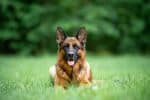
German Shepherd Dog Canis lupus familiaris Similar niche as an intelligent, trainable, herding-derived working dog used for guarding, police/military, and protection work. Both require substantial training and enrichment to prevent behavioral issues.
Belgian Malinois
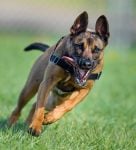
Belgian Malinois Canis lupus familiaris Comparable high-drive working role—protection, detection, and sport. Like the Beauceron, it thrives with experienced handling and demanding daily work, though Malinois are often even more intense and high-arousal.
Briard
Briard Canis lupus familiaris Another French herding breed historically used on farms. Overlaps in herding and guardian function but differs in coat type (long vs short) and in grooming load.
Rottweiler
Rottweiler Canis lupus familiaris Occupies a comparable guardian/utility working niche with a steady, protective temperament; shares the need for early socialization, firm training, and structured outlets.
Anatolian Shepherd Dog
Anatolian Shepherd Dog Canis lupus familiaris Shares the livestock-guardian function and independence. Contrasts with the Beauceron's more handler-responsive herding/versatility focus, but overlaps in protective tendencies and in the need for management around strangers and other animals.

The Beauceron (also known as the Berger de Beauce or the Bas Rouge) is a French herding dog that originated in the late Middle Ages from the agricultural region southwest of Paris, France. Over its long history, this breed has played many roles, including a soldier, bodyguard, shepherd, police dog, search and rescue dog, and companion. When herding livestock, its preferred strategy is to remain wide of the herd or flock, rather than up close, to avoid scaring or spooking them.

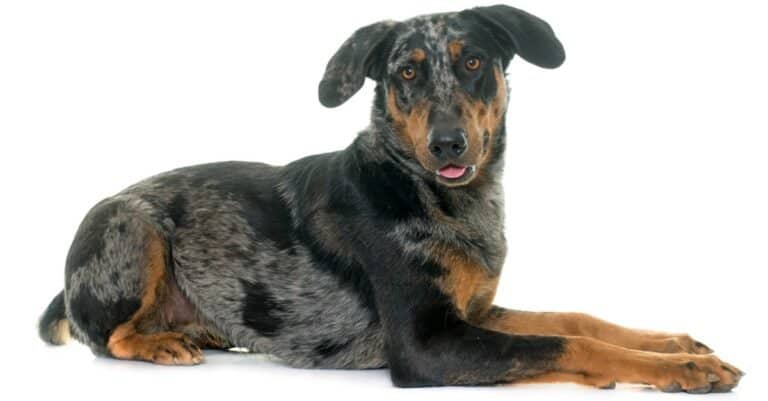
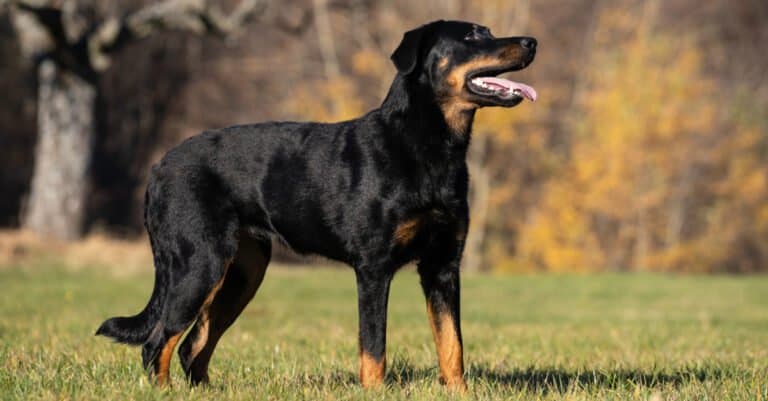
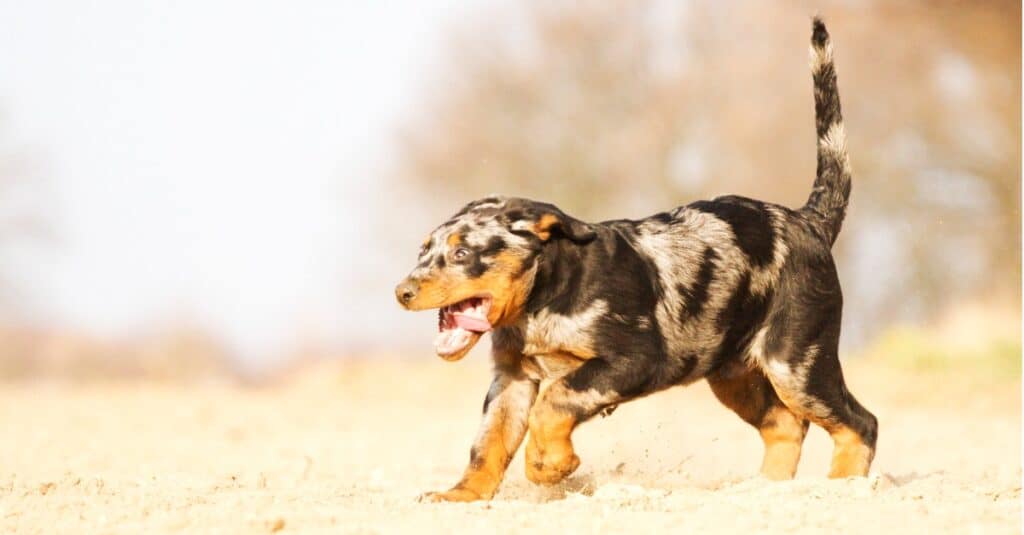
The Beauceron’s physical features include an athletic frame, a long and prominent snout, naturally floppy ears, and double dewclaws on the back legs. The short and thick double coat of fur, which consists of a hard outer coat and a woolly undercoat, is normally colored black and tan with an occasionally mottled appearance known as a harlequin. The harlequin coat mixes black, gray, and tan together in a fascinating mottled package. The ears are sometimes made straight and erect by cropping them, but this practice is no longer allowed in many countries.

3 Pros And Cons Of Owning A Beauceron

ProsCons
Highly Athletic: The Beauceron is great for active and athletic owners.High Physical and Mental Needs: Owners should expect to spend a lot of time with this dog.
Alert and Protective: This breed makes for a very good watchdog.Lots of Shedding: Especially in the shedding season, the fur tends to get on your clothing, furniture, and carpet.
Obedient: This breed is very responsive to its owner’s commands.Reserved with Strangers: The Beauceron is generally respectful but may take some time to warm up around strangers.
Beauceron resting in the grass

Beaucerons are highly athletic. This breed is best suited for owners who can devote a lot of time to exercise.

Size And Weight

The Beauceron is a fairly large dog with a muscular and athletic frame and tall shoulder height.

Height (Male):25.5 to 27.5 inches
Height (Female):24 to 26.5 inches
Weight (Male):70 to 110 pounds
Weight (Female):66 to 85 pounds

Common Health Issues

Beauceron laying by stone wall

The Beauceron is prone to allergies and cardiomyopathy, so regular vet checkups are important.

While the Beauceron does have a good lifespan of around 10 to 12 years, it is prone to developing several health problems, including allergies (beef, milk, cereals, chickens, etc), eye conditions, cancer, an enlarged heart condition called dilated cardiomyopathy, a defective cartilage condition called osteochondritis dissecans, and a developmental disorder called canine hip dysplasia, in which the hip joint comes loose from the socket. Another potentially dangerous condition is called gastric dilation, or simply bloating for short. This occurs often in breeds with deep chest cavities when excess gas causes the stomach to swell up and then twist and turn. Symptoms include excess salivation, retching or vomiting, a swollen abdomen, shortness of breath, and a rapid heart rate. If this occurs, seek medical attention immediately, because it can lead to life-threatening complications.

To improve your dog’s overall quality of life, a veterinarian should perform annual examinations to check for common health issues. Avoiding many of these conditions by doing business with trusted breeders is possible. If asked, they should provide proof that they’ve given their dogs a thorough health evaluation.

Temperament
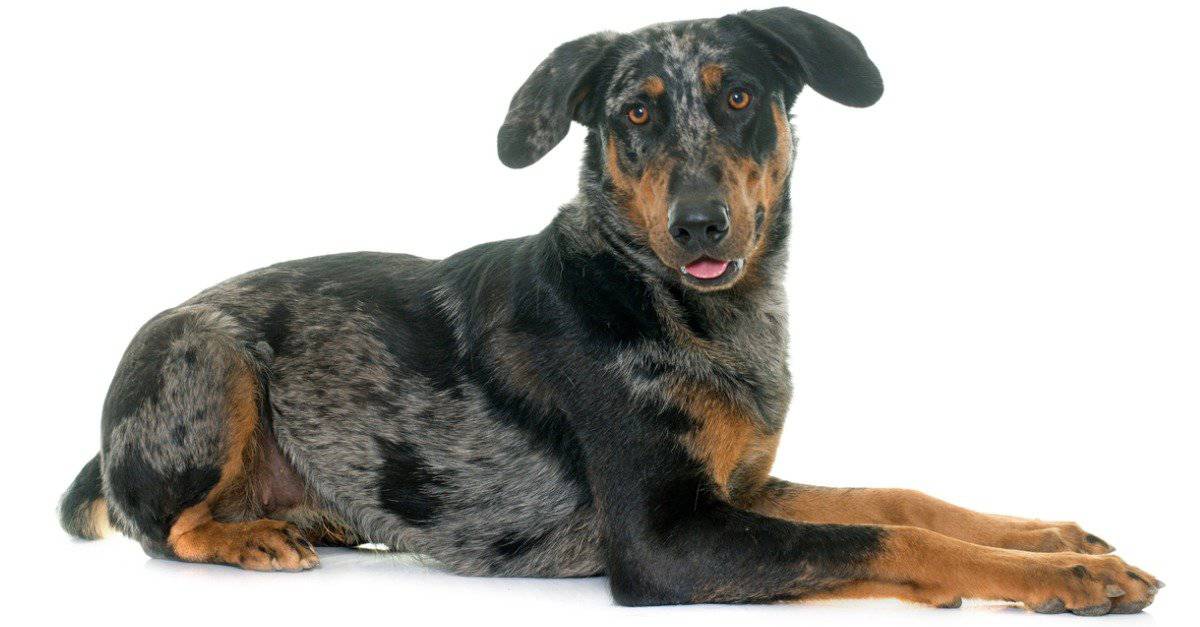
Beauceron isolated

Beaucerons are very friendly and have very high mental and physical needs.

The Beauceron is a smart, spirited, fearless, and gentle breed. While not necessarily given to overindulgent signs of affection, they are quite friendly and like to stick close to their owner. They also tend to encroach on your personal space by crawling up in your lap or jumping on you if not properly trained (which, given their size, can be quite difficult to deal with). Because of their wariness of strangers, loyal temperament, and strong herding instincts, they generally make good watchdogs and guardians around the home.

They also have very high physical and mental needs and should not be left alone for hours at a time. If left to its own devices, the Beauceron might cause some destruction in your home.

How To Take Care Of The Beauceron

The most important thing to keep in mind with any Beauceron is the amount of time you will need to spend attending to its mental and physical needs. For this reason, it is probably not a good choice for casual dog owners. Prior dog experience is recommended but not necessarily required. These dogs do prefer plenty of space as well. It may do okay in an apartment, but you need to make sure there is a yard or park around your home to ensure it has enough exercise and playtime.

The Best Dog Food For Beaucerons

This dog will probably need around 2.5 cups of food per day, although the exact amount will depend on its size, age, and activity level. Meals should be divided up throughout the day and kept separate from exercise time to reduce the possibility of life-threatening bloat.

Another consideration is the breed’s propensity for allergies. Fortunately, there are many limited-ingredient and allergy-control diets out there to alleviate food sensitivities in dogs.

Maintenance And Grooming
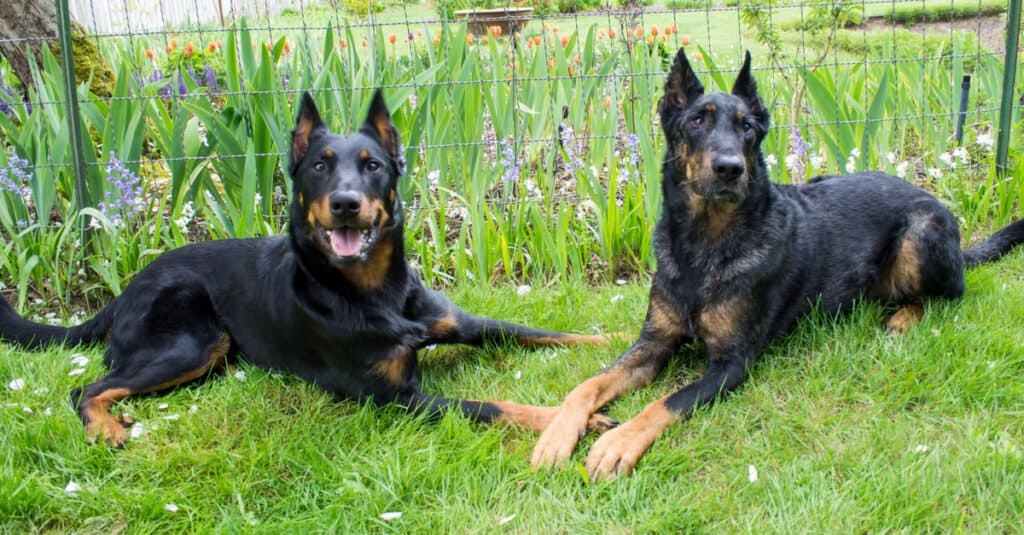
Beauceron dogs laying together

Beaucerons generally need no more than weekly grooming, except during shedding season.

Owners will need to set aside a good deal of time every week for grooming and maintenance. For most of the year, the Beauceron should require no more than weekly grooming with a medium bristle brush and mitts or gloves. When the shedding season begins, however, grooming should take place almost daily to remove all of the loose and dead hair around the coat. Bathing should occasionally be done to clean its fur, but not too often to strip away natural oils.

Another important aspect of its care should be regular nail trimmings every month or so to prevent them from clicking on the floor, which can be uncomfortable for your dog. Clean out the ears on occasion with a simple cotton swab and cleansing solution. Finally, brush their teeth regularly with a kind of appropriate dog-specific toothpaste.

Training

Owners should have few problems with training this breed. Intelligent, responsive, and obedient, the Beauceron can learn a vast number of different commands and rules in a short amount of time. However, because of their sensitive nature, they do not respond very well to negative or harsh training methods. Owners should strive to be consistent, positive, and fair while training this breed.

Exercise
Beauceron taking a break from running

Beauceron dogs will require vigorous daily exercise.

The seemingly endless motor is one of the most notable features of the Beauceron. It will probably require at least an hour of vigorous exercise every day in the form of long walks, fetching, running, and playtime. It also excels at flyball, tracking, agility trials, obedience events, and herding.

Puppies

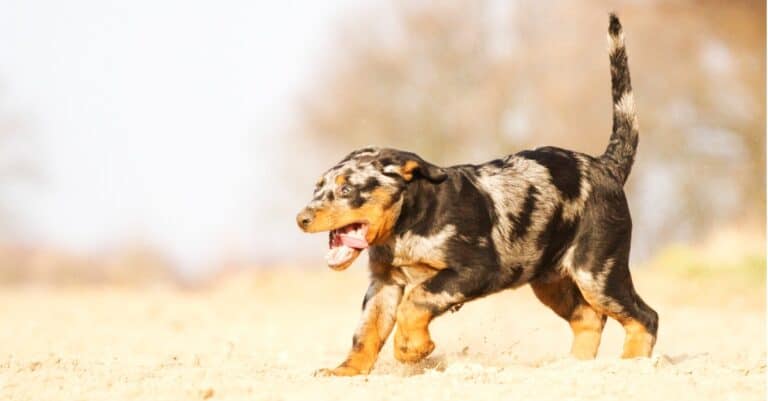
Beauceron puppies are known for being a little over-exuberant; they like to jump on people and grab things in their mouths. These behaviors need to be discouraged early on if you want to prevent them from developing into bad habits later on as an adult. Puppies will need to undergo a thorough process of training and socialization in their first few months of age. Daycare, professional training programs, and visits to the dog park can all help in this regard.

Crate training is also a very useful tactic. While it is not strictly necessary, a crate can help your puppy adapt to its new home and also with housebreaking.
Beauceron puppy playing

Beauceron puppies are very fun and loving. However, given their size, they must be watched closely around children.

The Beauceron And Children

While this isn’t the most affectionate breed, the Beauceron does enjoy being around children. Especially if it’s raised with kids from an early age, it will be very loyal and protective of them. The one thing to look out for is their size. Since these dogs are very physical, they might knock down or disturb younger children. Adults should always supervise interactions between their dog and their children.

Dogs Similar To The Beauceron

The Beauceron bears a very strong resemblance to the following breeds of herding dogs:

  • Briard: The Briard is a large herding dog that originated from the Brie region near Paris. It is characterized by long, wavy, and shaggy hair with solid black, fawn, and gray and blue colors accepted. While it might be hard to tell under all that hair, the Briard is actually a close relative of the Beauceron.
  • Rottweiler: People who have never seen a Beauceron before will sometimes mistake it for a Rottweiler or Rottweiler mix. With the Rottweiler’s massive size, strong herding instincts, short but thick double coat of fur, and black and tan color scheme, it’s easy to see how someone can make that mistake.
  • Berger Picard: This large herding dog, which originated from the Picardy region of France, looks a lot like the Briard thanks to the long shaggy hair, colored fawn or brindle. It is lively, intelligent, easy-going, sensitive, assertive, and a little reserved around strangers.

Famous Beauceron Dogs

The Beauceron is best known in its native France, where it’s been kept by celebrities and famous cultural figures. Writer and actress Sidonie-Gabrielle Colette, who wrote the 1944 novella “Gigi,” once owned a Beauceron. This breed has also made a small impact on the international scene. It has been featured in numerous films, including the 1979 Bond movie “Moonraker” and the 2002 Martin Scorsese film “Gangs of New York.”

View all 453 animals that start with B

Sources

  1. American Kennel Club / Accessed September 15, 2021
  2. American Beauceron Club / Accessed September 15, 2021
Melissa Bauernfeind

About the Author

Melissa Bauernfeind

Melissa Bauernfeind was born in NYC and got her degree in Journalism from Boston University. She lived in San Diego for 10 years and is now back in NYC. She loves adventure and traveling the world with her husband but always misses her favorite little man, "P", half Chihuahua/half Jack Russell, all trouble. She got dive-certified so she could dive with the Great White Sharks someday and is hoping to swim with the Orcas as well.
Connect:

Thank you for reading! Have some feedback for us?


Beauceron FAQs (Frequently Asked Questions)

The Beauceron is a large-sized French herding breed with a gentle and loyal temperament. Some of its physical features include a long snout, a double dewclaw on the legs, and a short but dense coat of black and tan or sometimes harlequin colors.