







C
Species Profile

Cheagle

Canis lupus familiaris

Big nose. Small package.
Danae Abreu/Shutterstock.com

Cheagle Distribution

Click a location to explore more animals from that region

Origin Location

This map shows the native origin of the Cheagle. As a domesticated species, they are now found worldwide.

Loading map...

Size Comparison

Human 5'8"
Cheagle 11 in

Cheagle stands at 16% of average human height.

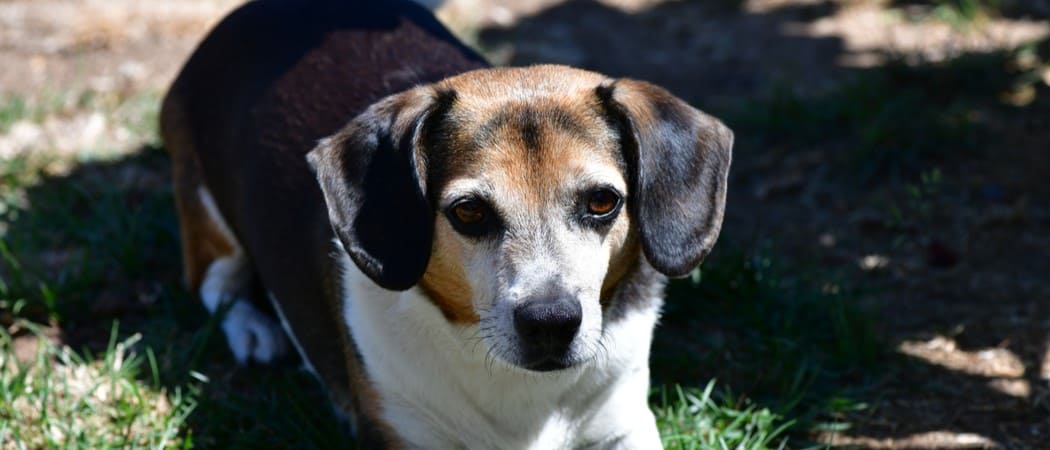
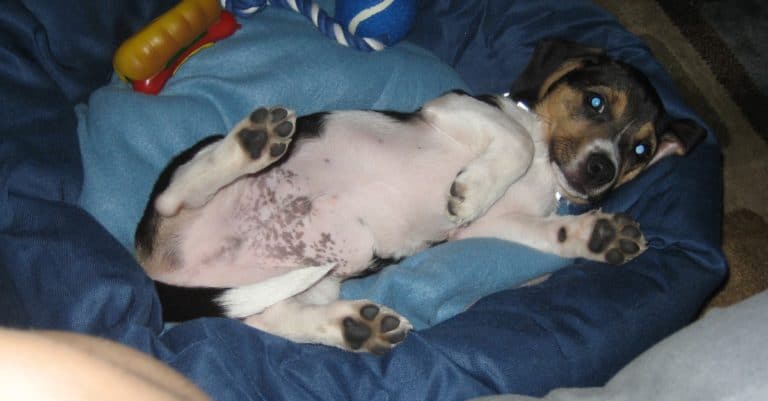
Adorable tri color Chichuahua Beagle (Cheagle) mix

At a Glance

Domesticated
Diet Omnivore
Activity Diurnal+
Lifespan 13 years
Weight 11 lbs
Status Not Evaluated
Did You Know?

Cheagles aren't a standardized kennel-club breed-littermates can look and act surprisingly different depending on which parent they take after.

Scientific Classification

The Cheagle is a mixed-breed domestic dog produced by crossing a Beagle with a Chihuahua. It is not a standardized kennel-club breed, but a common companion-animal cross with variable size, coat, and temperament traits influenced by the parents.

Kingdom
Animalia
Phylum
Chordata
Class
Mammalia
Order
Carnivora
Family
Canidae
Genus
Canis
Species
Canis lupus

Distinguishing Features

  • Small-to-small/medium companion dog; size and build vary by parentage
  • Often inherits Beagle-like scent-hound behaviors (curiosity, tracking) combined with Chihuahua-like alertness
  • Coat typically short to medium; color patterns can resemble Beagle tricolor or a wide range of Chihuahua colors
  • Ears may be floppy/semi-erect; muzzle length variable

Physical Measurements

Males and females differ in size

Height
♂ 12 in (9 in – 1 ft 3 in)
♀ 11 in (9 in – 1 ft 1 in)
Length
♂ 1 ft 11 in (1 ft 6 in – 2 ft 4 in)
♀ 1 ft 10 in (1 ft 6 in – 2 ft 3 in)
Weight
♂ 19 lbs (11 lbs – 26 lbs)
♀ 15 lbs (10 lbs – 22 lbs)
Tail Length
♂ 8 in (6 in – 11 in)
♀ 6 in (4 in – 9 in)
Top Speed
19 mph

Appearance

Primary Colors
Secondary Colors
Skin Type Cheagle (Canis lupus familiaris): Skin can be sensitive; depends on coat. Coat usually short to medium, smooth and Beagle-like, sometimes longer with Chihuahua influence. Some may have mild allergies; parasite prevention and gentle grooming help.
Distinctive Features
  • Small-to-small/medium companion-dog build compared with the base species context (domestic dogs vary widely, but Cheagles typically skew smaller due to Chihuahua influence).
  • Head/face varies: can show a Chihuahua-like apple/rounded head and shorter muzzle, or a more Beagle-like longer muzzle; ear set often intermediate.
  • Ears commonly semi-floppy to floppy (Beagle influence), though some may be higher-set and less pendulous depending on Chihuahua genetics.
  • Eyes often large and expressive; may appear more prominent in Chihuahua-leaning individuals.
  • Tail varies: may be Beagle-like carried up and slightly curved, or Chihuahua-like with a tighter curl; commonly shows a lighter/white tip if Beagle traits dominate.
  • Scent-hound behaviors may be prominent (tracking, nose-to-ground walks, selective hearing when following scents) distinguishing it from many toy breeds; requires secure leash/fencing.
  • Voice can trend toward "big-dog" baying/Howling (Beagle) or sharp alert barking (Chihuahua); training and enrichment are important for apartment living.
  • Mixed-breed variability is the defining trait: size, coat thickness, ear carriage, and temperament can differ widely even within a single litter.
  • Common health concerns to watch (varies by individual/line): dental crowding/periodontal disease (small-dog tendency), patellar luxation, hip/elbow strain in overweight dogs, intervertebral/back sensitivity in smaller frames, allergies/skin irritation, and Beagle-associated ear infections due to drop ears.
  • Weight management is a key care requirement: Beagle appetite/food motivation combined with a smaller body can predispose to obesity; measure portions and use low-calorie training rewards.
  • Exercise/enrichment needs: typically moderate daily activity plus scent games/foraging to satisfy Beagle instincts; mental stimulation reduces nuisance barking/howling.
  • Grooming: usually easy-care short coat with weekly brushing; more frequent ear checks/cleaning if ears are floppy; routine dental home care is strongly recommended.
  • Temperature sensitivity: smaller, short-coated individuals may chill easily (Chihuahua influence); may need a sweater in cold weather and should avoid prolonged exposure.

Sexual Dimorphism

As in domestic dogs (Canis lupus familiaris), dimorphism is generally mild: males average slightly larger/heavier with a broader head/neck; females often slightly smaller and more refined. Individual variation and parent-breed influence typically exceed sex differences in this mixed cross.

♂
  • Often a slightly broader skull/neck and more muscular forequarters when not overweight.
  • May show more pronounced marking contrast (not reliable) and a sturdier stance in Beagle-leaning males.
♀
  • Often slightly lighter-boned with a narrower head and slimmer neck profile.
  • May appear more compact/"toy-like" when Chihuahua traits are stronger (not reliable).

Did You Know?

Cheagles aren't a standardized kennel-club breed-littermates can look and act surprisingly different depending on which parent they take after.

Many inherit the Beagle's powerful nose and may "vacuum" scents on walks, even if they're Chihuahua-sized.

They often combine a Chihuahua's watchdog alertness with a Beagle's friendly, pack-oriented sociability.

Coats range from short and sleek to slightly denser, with common Beagle-style markings (tri-color, tan/white) showing up often.

A Cheagle's voice can be a mix: Chihuahua yaps plus Beagle baying-some individuals are notably chatty.

Because both parent breeds can gain weight easily, portion control and daily activity matter more than people expect for a small dog.

Unique Adaptations

  • Heightened olfactory drive from scent-hound ancestry-many Cheagles benefit from nose-work games to channel this safely.
  • Compact body size and low energy cost relative to larger dogs (a domestic-dog adaptation shaped by human selection), making them suited to apartment life when exercised daily.
  • Neotenous (juvenile-like) facial features common in small dogs can elicit human caregiving responses-part of domestic dog evolution from the gray wolf.
  • Flexible coat/ear inheritance: some get Beagle-style floppy ears (which can trap moisture), others more Chihuahua-like ears (often better ventilated).

Interesting Behaviors

  • Scent-tracking "zigzags" on walks, stopping to investigate every interesting smell (Beagle influence).
  • Alarm barking at door sounds or unfamiliar movement, then warming up quickly once introduced (common Chihuahua tendency).
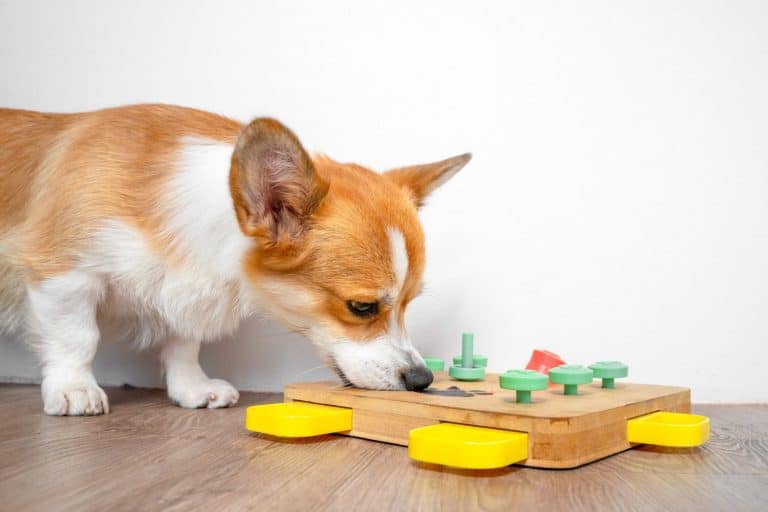
  • Food-motivated problem-solving-sniffing out treats in pockets, bags, or puzzle toys.
  • "Shadow dog" attachment to one person, following room to room; may show separation stress if under-stimulated.
  • Burrowing into blankets and choosing warm, enclosed spots for naps (often seen in small companion breeds).
  • Selective hearing outdoors when a scent trail appears; recall reliability can drop without training reinforcement.

Cultural Significance

The Cheagle (Chihuahua × Beagle mix; Canis lupus familiaris) is a modern designer companion dog blending the Beagle's British scent-hound roots with the Chihuahua's Mexican/US toy-dog ties. It shows how humans made dogs smaller, friendlier, and live with people, not hunt like gray wolves.

Myths & Legends

In ancient Mesoamerican belief, small dogs—ancestors of breeds like the Chihuahua and linked to the Cheagle—guided souls after death, showing dogs' spiritual role in Mexico and regional stories.

Many origin stories link the Chihuahua to an ancient small companion dog kept by the Toltec people; later tales place similar tiny dogs in Aztec homes, making Chihuahua-type dogs a common "ancient companion" legend.

In Britain, Beagles are woven into hunting-country tradition: stories and sporting anecdotes celebrate small hounds whose voices carried across fields, with the "beagle chorus" becoming part of rural soundscape lore.

One suggested etymology for "Beagle" traces to old French words related to "bellowing" or "open-mouthed" sound-an enduring naming story often repeated to explain the breed's famous bay.

European folk tales say dogs guard homes, notice things people can’t, watch doorways at night, and warn of unseen visitors. That helps explain why small, alert mixes like Cheagles are prized watchdogs.

Conservation Status

NE Not Evaluated

Has not yet been evaluated against the criteria.

Population Stable

Life Cycle

Birth 3 pups
Lifespan 13 years

Lifespan

In the Wild
10–15 years
In Captivity
10–15 years

Reproduction

Mating System Polygynandry
Social Structure Managed Domestic
Breeding Pattern Transient
Fertilization Internal Fertilization
Birth Type Internal_fertilization

Cheagle (Chihuahua × Beagle mix) mating is polygynandry (multi-male/multi-female). Breeding is usually managed or prevented by owners. Fertilization is internal with a copulatory tie; females have about two heats a year. Long-term pair bonds and cooperative breeding are not typical.

Behavior & Ecology

Social Pack Group: 3
Activity Diurnal, Crepuscular, Cathemeral
Diet Omnivore Meat-forward, highly palatable foods (especially poultry or beef-based wet food/kibble); many Cheagles are strongly treat-motivated.

Temperament

Affectionate, people-oriented companion; often forms strong attachment to a primary person (more intense than many base-species domestic dogs due to Chihuahua lineage)
Alert and watchful; may be quick to alarm-bark and can be wary of strangers without early socialization
Scent-driven and curious (Beagle influence): may roam, pull on leash, or ignore cues when following odors; benefits from structured scent games and secure fencing
Playful with moderate exercise needs; energy varies widely by size and which parent traits dominate
Stubborn/independent streak possible; responds best to short, reward-based sessions with high-value treats and consistent routines
Can show separation distress or frustration barking if under-stimulated or over-attached
Potential dog-selectivity/resource guarding in some individuals; proactive socialization, trading games, and management reduce risk
Cheagle risk dental crowding, knee problems (patellar luxation), windpipe (tracheal) sensitivity or collapse, obesity, ear infections, and occasional back/IVDD issues. Care: weight control, daily teeth cleaning, ear checks, use a harness, and keep warm.

Communication

High-frequency barking/alert barking Often more pronounced than average domestic dogs due to small-dog vigilance
Beagle-like baying/howling in some individuals, especially when excited or scent-tracking
Whining/whimpering to solicit attention or indicate anxiety
Grumbling/low growl as a warning signal during resource guarding or discomfort
Scent investigation and tracking behavior (nose-to-ground scanning, persistent sniffing) used as primary information-gathering
Body posture and facial tension signals (stiffening, lip-licking, head turns) that can be subtle in small dogs-important to monitor in social encounters
Tail carriage and wag patterns High, fast wags when aroused; tucked when fearful
Pawing, jumping up, and proximity-seeking (leaning/curling in lap) to solicit contact
Scent marking (urine marking) and targeted sniffing of people/objects to map social and environmental changes
Play bows and quick darting movements during play; may switch rapidly from play to alerting when stimulated

Habitat

Biomes:
Temperate Forest Temperate Grassland Mediterranean Desert Hot Desert Cold Boreal Forest (Taiga) Tundra Alpine Tropical Rainforest Tropical Dry Forest Savanna Freshwater Wetland Marine +8
Terrain:
Plains Hilly Valley Coastal Mountainous Plateau Island Riverine +2
Elevation: Up to 18044 ft 8 in

Ecological Role

Domesticated companion dog; primarily a human-dependent omnivore with occasional opportunistic predation and scavenging behavior, shaped in the Cheagle by strong scent tracking (Beagle influence) and small-body companion traits (Chihuahua influence).

Human companionship and social support Assistance/alert and watchdog behavior (varies by individual) Localized pest deterrence/control via opportunistic predation on small rodents Encourages human outdoor activity (walking, scent games), indirectly supporting human well-being

Diet Details

Main Prey:
Commercial dog food Animal-based proteins Dog
Other Foods:
Grasses Berries and fallen fruit Vegetables Starches and grains Fungi and plant matter

Human Interaction

Domestication Status

Domesticated

The Cheagle (Chihuahua × Beagle) is a modern pet cross, not a kennel-club breed. They mix Chihuahua (small, alert) with Beagle (scent drive, friendly). Cheagles vary a lot in size, coat, and temperament. People keep them as pets, use vets, trainers, and boarding; sometimes therapy. They follow licensing and leash rules and may bark or roam.

Danger Level

Low
  • defensive or fear-based nipping (more likely if poorly socialized or handled roughly)
  • resource guarding (food/toys) in some individuals
  • escape/roaming risk if strong Beagle scent drive is present, increasing chances of traffic incidents or conflicts
  • barking-related neighbor conflict; occasional reactive behavior toward unfamiliar dogs/people if undertrained

As a Pet

Suitable as Pet

Legality: Cheagles are usually legal as pets in most places but must follow local rules like dog licenses, leash laws, vaccine rules, and landlord or housing limits. Rarely targeted by breed laws, but any dog can be restricted if dangerous.

Care Level: Moderate

Purchase Cost: $50 - $900
Lifetime Cost: $15,000 - $32,000

Economic Value

Uses:
Companion animal market Veterinary services Training and behavior services Grooming and boarding/daycare Pet food and retail supplies Therapy/ESA (individual-dependent)
Products:
  • companionship and recreation (walking, hiking at appropriate intensity)
  • consumer demand for small-to-medium family pets
  • service revenue (vaccinations, dental care, parasite prevention, spay/neuter)
  • training services (obedience, scent-drive management, barking control)

Relationships

Ecological Equivalents 5

Animals that fill a similar ecological role in their ecosystem

Beagle
Beagle Canis lupus familiaris Shares the scent-hound niche: a strong nose, a drive to track and forage, and a tendency to vocalize (howling/baying). Beagles often have strong food motivation and a propensity to gain weight, so structured feeding, scent games, and reliable recall and leash skills are especially important.
Chihuahua
Chihuahua Canis lupus familiaris Small companion and alert dog. Very attached to family, barks as a watchdog, and is sensitive to cold. May have crowded teeth typical of Chihuahuas; requires daily brushing and small-breed dental care, and a harness rather than a neck collar if tracheal sensitivity is present.
Dachshund
Dachshund Canis lupus familiaris Occupies a similar niche as a small dog with strong prey/scent interest and a tendency to be stubborn and independent. Like Dachshunds, Cheagles can be prone to back and other orthopedic strain if overweight; keeping them lean and limiting repeated jumping from furniture helps.
Jack Russell Terrier
Jack Russell Terrier Canis lupus familiaris Comparable niche as a high-drive small companion that benefits from daily exercise and mental stimulation. Cheagles can resemble Jack Russell Terriers in intensity and reactivity when under‑enriched. They do well with short training sessions, puzzle feeders, and controlled socialization.
Red fox
Red fox Vulpes vulpes Ecologically similar as a small-to-mid-sized canid adapted to opportunistic foraging and reliance on keen scent/olfactory use. This comparison underscores why Cheagles may be persistent scavengers and countersurfers — management through secure trash and food storage is key.

Quick Take

  • Owners must provide exactly 1 cup of food daily to maintain critical blood sugar levels.
  • A minimum weight of 9 pounds presents significant safety risks when interacting with small children.
  • A standard 50/50 mix ironically fails to produce an equal distribution of inherited traits.
  • Completing socialization by the 4-month mark is essential for ensuring well-behaved adult behavior.

The Cheagle is a feisty, charismatic little dog that mixes many characteristics of a Chihuahua and a Beagle. At first glance, this might seem like a strange cross. The Chihuahua is a toy dog with a big and charming personality. Its lineage dates back to pre-Columbian Mexico. The Beagle, by contrast, is an energetic and happy-go-lucky pack hound. With a history that goes back to at least the 11th century, it was originally bred to track down deer and hare.

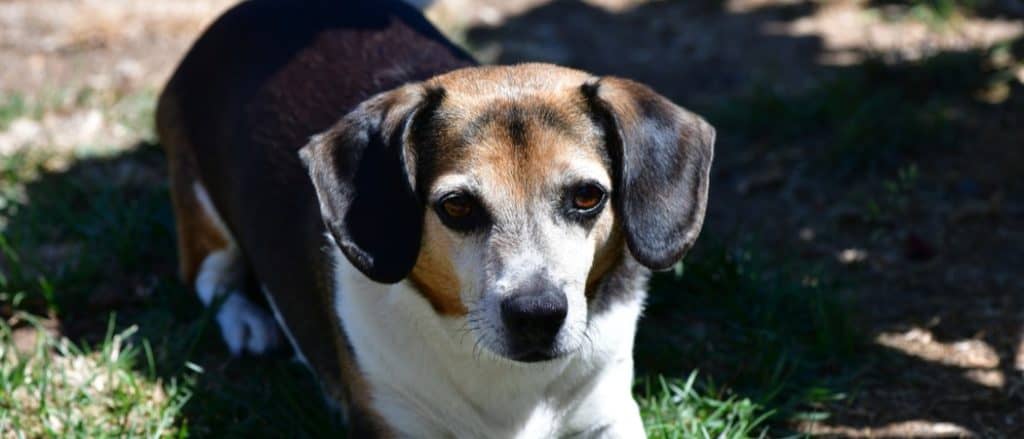
Despite being a 50/50 mix between a Beagle and a Chihuahua, this crossbreed will not necessarily inherit traits in equal proportion. Most of these dogs will have broad and rounded heads with expressive brown eyes. It may inherit the long and wide muzzle of the Beagle or the short and pointed muzzle of the Chihuahua. The ears can likewise be erect or floppy. Most, but not all, Cheagles will have a short, shiny double coat of fur, sometimes accompanied by featherings around the ears, legs, and tail. The fur is usually a combination of black, white, cream, and brown.

A detailed infographic about the Cheagle dog breed featuring a central illustration of a puppy, icons for health risks, and charts for exercise and diet needs.
Think a hybrid is a perfect 50/50 split? Think again. Owning a Cheagle means balancing high-stakes nutrition with a personality that refuses to follow the rules. © A-Z Animals

3 Pros and Cons of Ownership

ProsCons
Loyal
The Cheagle forms a deep bond with its owners.
Stubborn
The Cheagle might inherit a slight stubborn streak from the Chihuahua.
Charismatic and Fun-Loving
This dog loves to engage in fun activities and playtime.
Demanding
This dog will demand a lot of its owner’s time and attention.
Active
This is a good choice for owners with an active lifestyle.
Loud and Vocal
This dog has a tendency to bark.
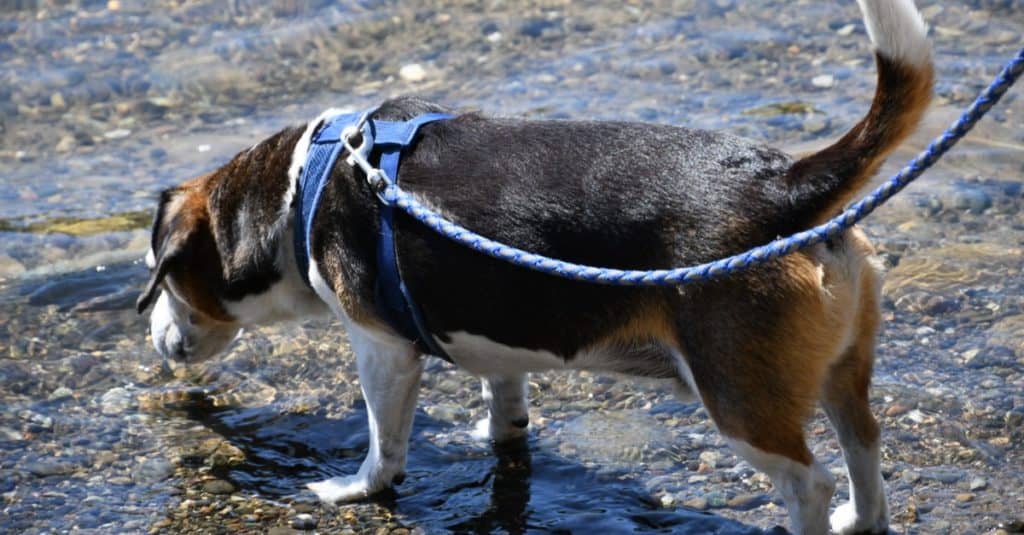
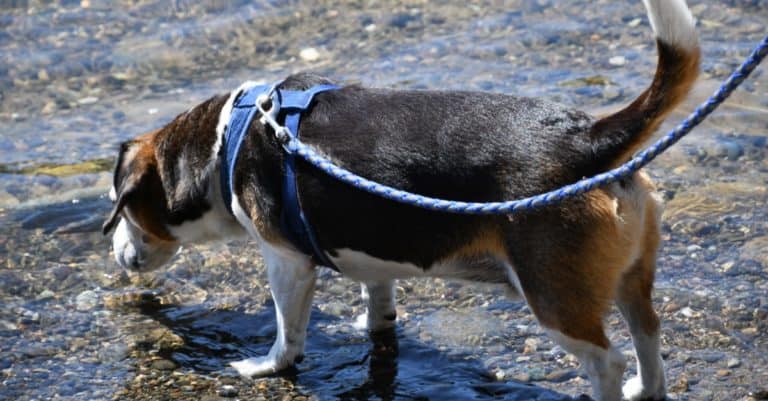
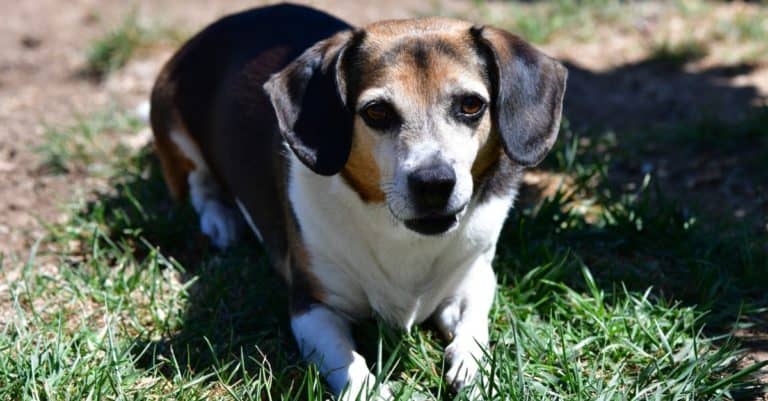
Cheagle playing at the river

The Cheagle is a high-energy, very loyal dog that loves to play and get attention.

Size and Weight

The Cheagle is a small dog, usually weighing somewhere between the Beagle and the Chihuahua. The small size is obviously influenced by the fact that the Chihuahua is one of the smallest breeds in the world. The so-called teacup Chihuahuas, the smallest dogs of all, weigh only about a pound. They are obviously named for the fact that they will fit inside a teacup. The Cheagle is rarely the size of a teacup, but it can weigh as little as 9 pounds.

Height (Male)9 to 14 inches
Height (Female)9 to 14 inches
Weight (Male)9 to 20 pounds
Weight (Female)9 to 20 pounds

Common Health Issues

Just like its two parent breeds, the Cheagle may tend to suffer from heart disease, cancer, mange, thyroid problems, obesity, eye infections, and hip dysplasia (a developmental disorder that causes the hip to become dislocated in its socket).

Another potential problem is a degenerative spinal condition called intervertebral disc disease. This can lead to pain and weakness in dogs. Good breeders will always try to screen their dogs for potential health problems, but it is impossible to eliminate all risks. A regular checkup at the vet is necessary to catch problems as early as possible. This will lead to better outcomes in the long run.

Temperament
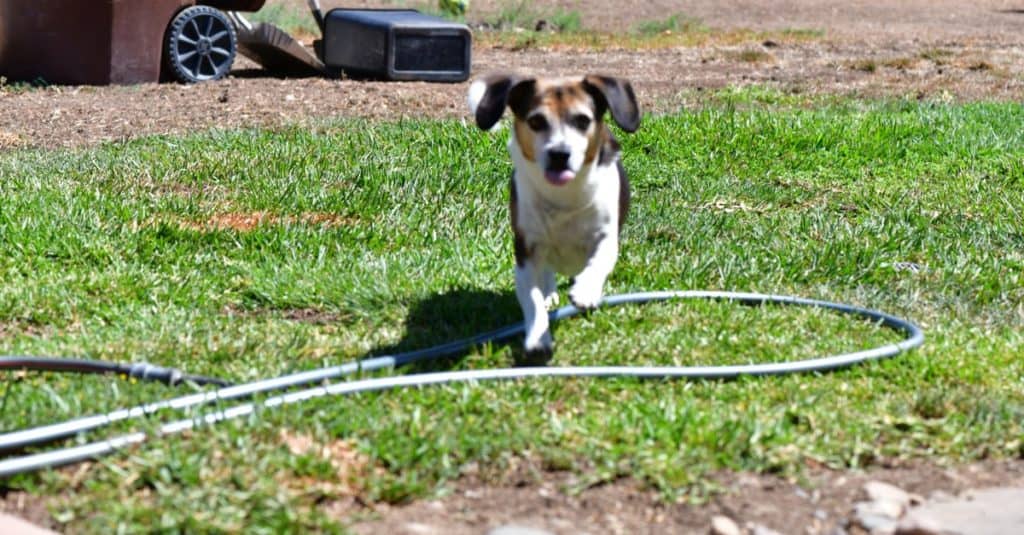
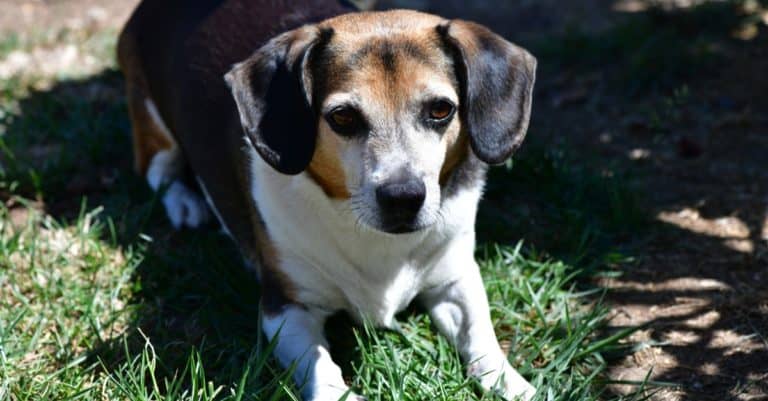
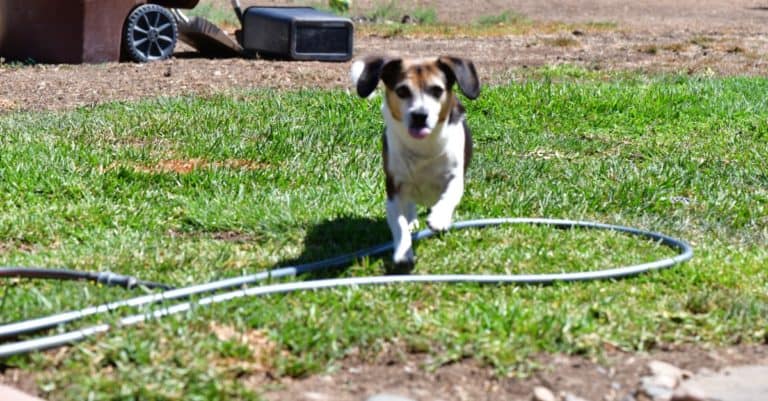
Cheagle playing outside

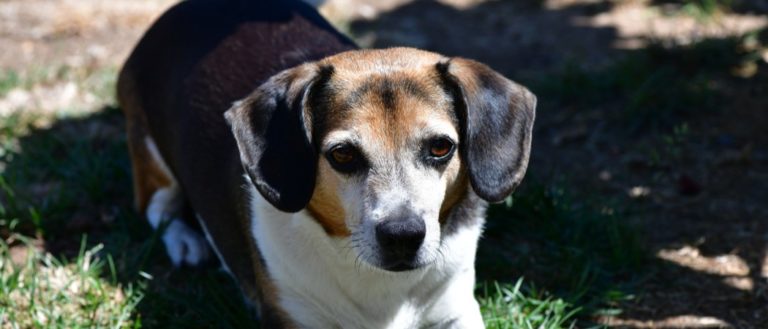
A cheagle forms a deep bond with its owner, and its tendency to bark at strange people and sounds makes it a good watchdog.

The Cheagle is a loyal and fun-loving mix with a sassy and charismatic personality. As a great people-oriented dog, it should form a deep bond with its owner, but be aware that its behavior can vary widely based on what traits it inherits from its parents. Some individuals may be more of a toy dog, like the Chihuahua.

Other individuals may inherit a strong prey drive and hunting instinct from their Beagle parent that can cause them to chase around smaller pets and animals. This can be partially mitigated with proper training, but some individuals are always more likely to chase after animals than others, so you should be cautious when letting them off the leash. Despite its high energy level, the Cheagle should do reasonably well in apartments and indoor spaces. The dog’s tendency to bark at suspicious sounds and people makes it a good choice for a watchdog as well.

Care

While the Cheagle is by no means an easy dog to care for, it should be a good choice for all types of owners, whether experienced, novice, or first-time, who want an energetic and intelligent hybrid. Owners might want to consider investing in a crate, plenty of toys, and some winter clothing (this dog may be vulnerable to cold weather). Also, consider spaying or neutering your dog if this has not already been done. If you have any other questions or concerns, then you should consult with your vet.

Best Dog Food

A full-grown adult Cheagle will need about a cup of high-quality dry food, preferably divided up into two meals a day, to maintain stable blood sugar levels. Puppies should be fed calorie-dense, high-protein food around three or four meals a day to support their rapidly growing bodies. Of course, the exact amount will depend on your dog’s size, age, and activity level. Since this mix is prone to obesity, owners should carefully monitor its calorie intake. Do not feed it a lot of treats and scraps throughout the day.

Maintenance and Grooming
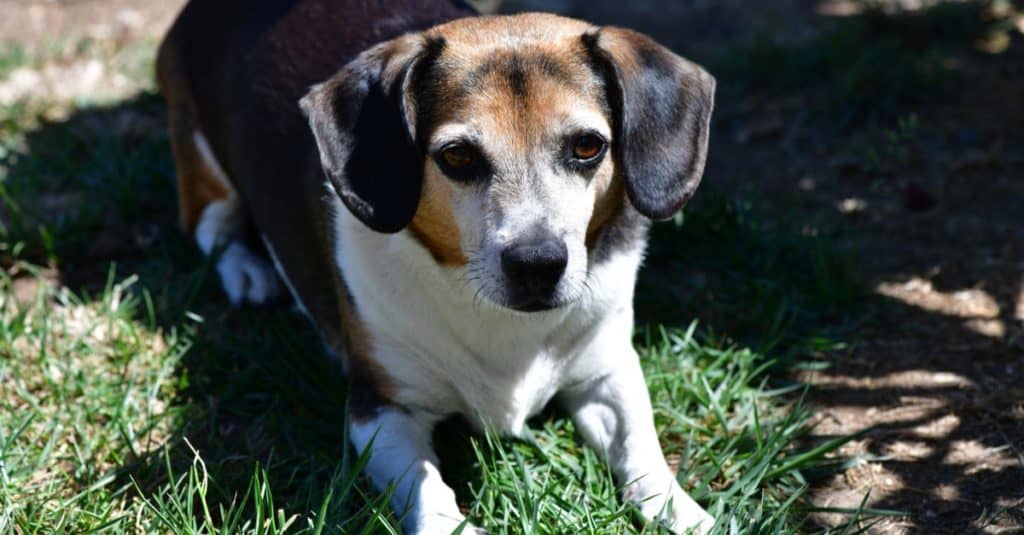
Adorable tri color Chichuahua Beagle (Cheagle) mix

Cheagles have short hair, so they are light shedders that need only two to four brushings per week.

As a light shedder, the Cheagle only needs about two to four brushings per week to remove dead hairs and distribute some of the natural oils throughout the fur. Because the dog tends to develop dry and irritated skin, it should only receive baths on occasion when it becomes particularly dirty. If the dog has longer hair than normal, then it may require some extra time to work out tangles in the fur by hand. Owners should also strive to cut the nails, clean out the ears, and brush the teeth on a regular basis.

Training

Since the Cheagle will benefit from a sense of direction and discipline, the training process should be as much about boundary setting as anything else. Let your dog know when it has crossed a line of bad behavior, but always keep in mind that the Cheagle is sensitive to the sound of your voice, so positive reinforcement methods in the form of praise and treats work best. Most of all, owners need to be consistent with their commands. Otherwise, you will only confuse your dog and complicate the process. If you are struggling to train your dog, then you should try to find a professional in your area who can help you.

Exercise

The Cheagle needs only about 30 to 60 minutes of exercise per day. It should be satisfied with short, leisurely walks and indoor playtime. If your dog inherited some hunting instincts from the Beagle, then you may want to throw in some scent activities as well. It is always a good idea to have an enclosed yard or a nearby dog park so you can let it run around freely without a leash. However, if your dog has inherited a short snout, then it might be vulnerable to respiratory issues; don’t let this dog overexert itself.

Puppies

In order to become a well-behaved full-grown adult, Cheagle puppies will need to begin training and socialization within the first three to four months of age. Despite their potential stubborn streak, they are usually quite good about following their owners’ orders. A crate can help a bit with housebreaking, but this is not strictly necessary.

In order to find a good puppy, owners should always do business with reputable breeders who screen their puppies for health problems. If you can, you should ask the breeders for proof of their dogs’ health. While puppy mills and pet stores have a lower price, their puppies are also more likely to have health problems, which can lead to more problems in the long run. Most experts recommend bringing a puppy home between 8 and 10 weeks of age.

Children

The Cheagle is a great companion for kids of different ages. But because of its small size and frail body, it might not be appropriate for the smallest children who do not understand how to handle these dogs.

Similar Dogs

If you are a fan of the Cheagle, then you might find plenty of things to like about the following breeds:

  • American Foxhound: Originally bred for the thoroughly English tradition of foxhunting, the American Foxhound is more of a pure hunter than the Cheagle mix. Nevertheless, it has a sweet, affectionate, and easy-going personality.
  • Cavalier King Charles Spaniel: A favorite of the British nobility, the King Charles is a gentle, dignified toy breed with spunky energy and athleticism that should thrill highly engaged and attentive owners.
  • Pomeranian: If you’re looking for a toy dog like the Chihuahua, then it’s often been said that the Pomeranian is an ideal companion. This small, bold, vivacious, affectionate, and fun-loving breed has a cute, expressive face and a cuddly coat of long orange or red fur. It will demand some time and effort to care for, however.

View all 392 animals that start with C

Sources

  1. Doggie Designer / Accessed April 18, 2021
  2. Wag Walking / Accessed April 18, 2021

Thank you for reading! Have some feedback for us?


Cheagle FAQs (Frequently Asked Questions)

A Cheagle is an eclectic mix between a Chihuahua and a Beagle. While it may inherit some of the hunting instincts of the Beagle, this hybrid is a good household companion in many other respects. It has a friendly, affectionate, outgoing, charismatic, and even a bit sassy temperament.