




D
Species Profile

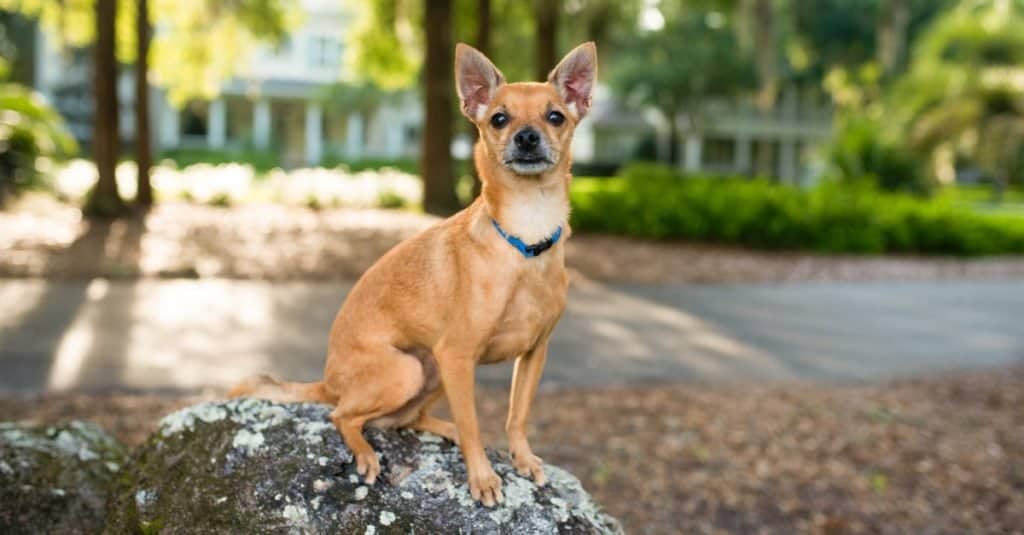
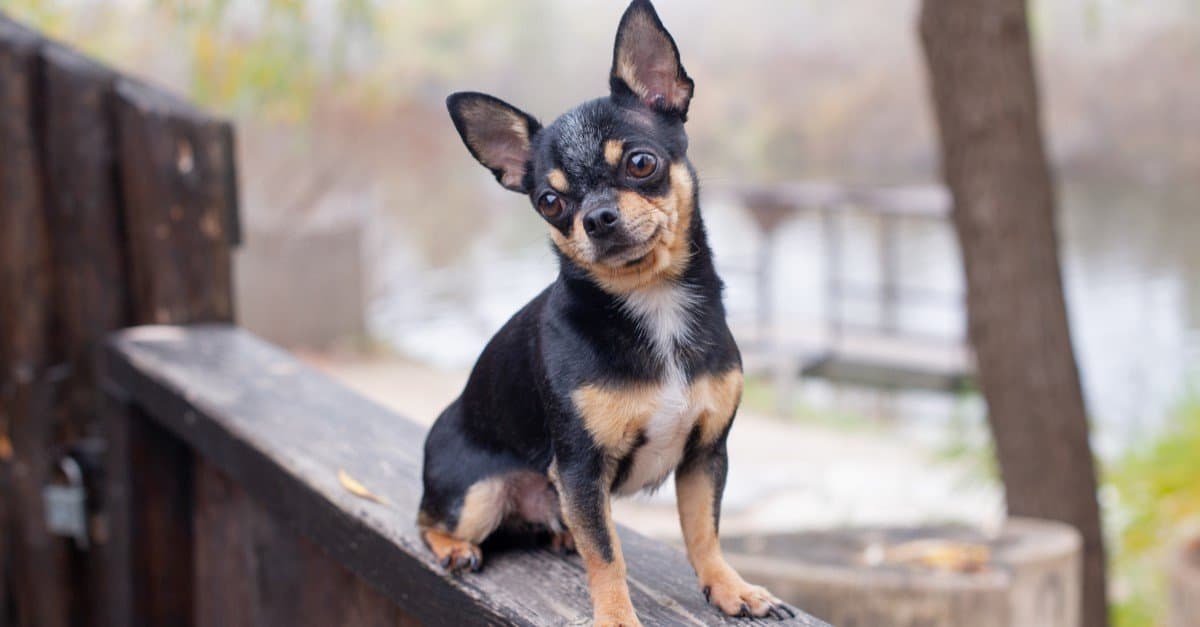
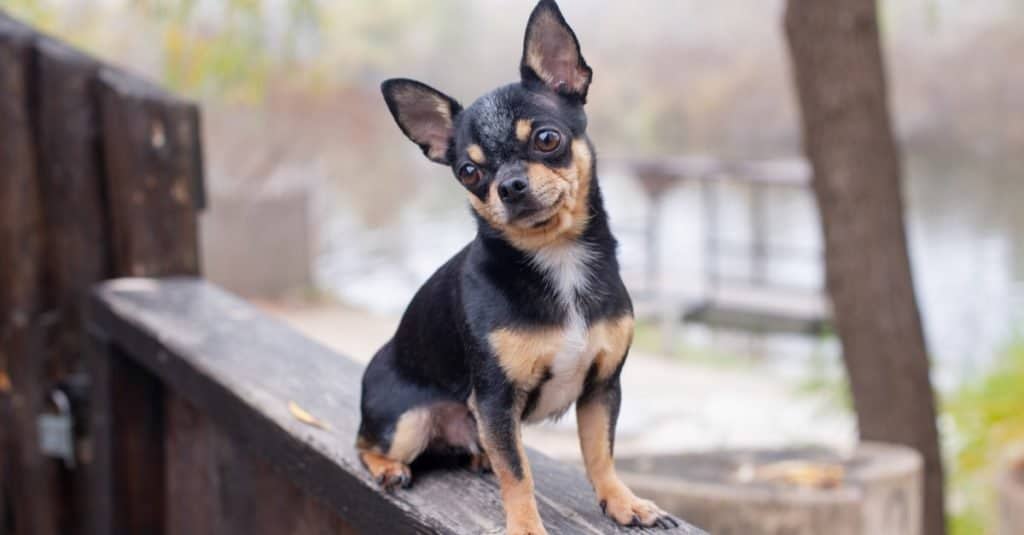
Deer Head Chihuahua

Canis lupus familiaris

Big attitude, deer-headed charm
Lesia Kapinosova/Shutterstock.com

Deer Head Chihuahua Distribution

Click a location to explore more animals from that region

Origin Location

This map shows the native origin of the Deer Head Chihuahua. As a domesticated species, they are now found worldwide.

Loading map...

Found in 1 state/province

Size Comparison

Human 5'8"
Deer Head Chihuahua 8 in

Deer Head Chihuahua stands at 12% of average human height.

A pet Deer Head Chihuahua sitting on a deck outside.

At a Glance

Domesticated
Diet Omnivore
Activity Diurnal+
Lifespan 5 years
Weight 3.6 lbs
Status Not Evaluated
Did You Know?

"Deer head" is a descriptive nickname, not a separate breed or taxon; major kennel clubs register them simply as Chihuahuas.

Scientific Classification

The Deer Head Chihuahua refers to an informal head-shape type of the Chihuahua dog breed, characterized by a comparatively longer muzzle and a less domed (less 'apple-shaped') skull. It is not a separate species or formally recognized taxon; it is a colloquial variety within domestic dogs.

Kingdom
Animalia
Phylum
Chordata
Class
Mammalia
Order
Carnivora
Family
Canidae
Genus
Canis
Species
Canis lupus

Distinguishing Features

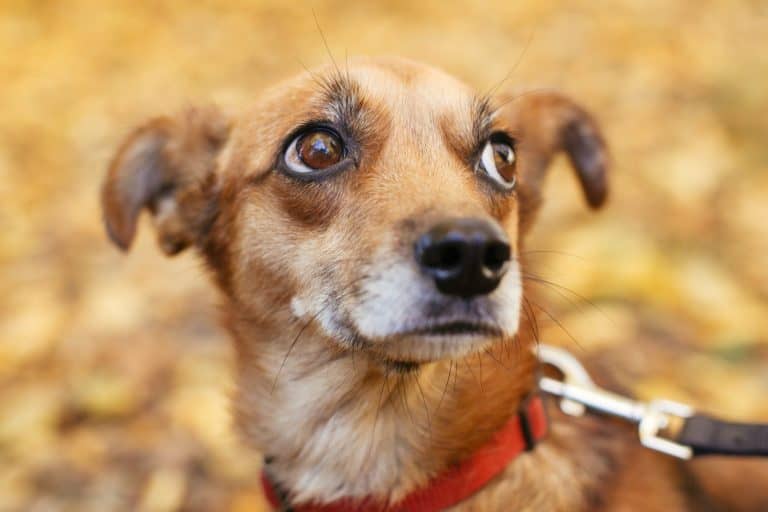
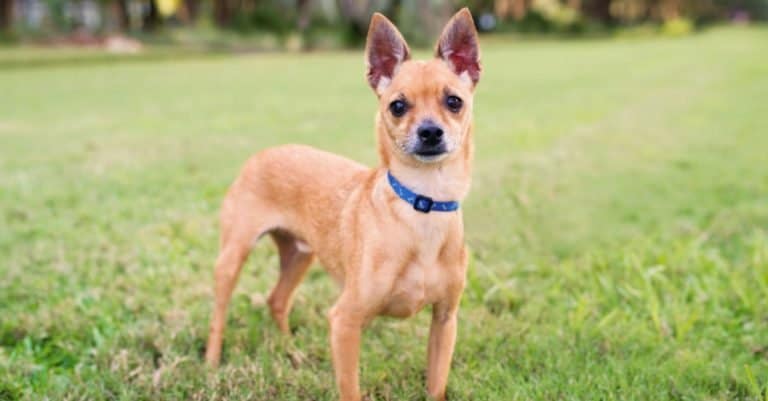
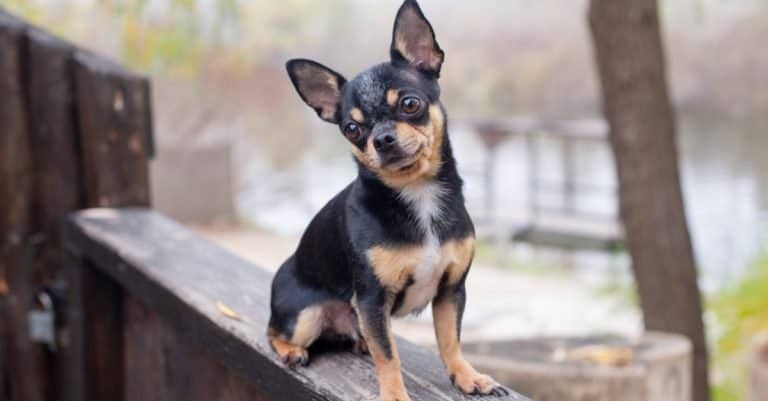
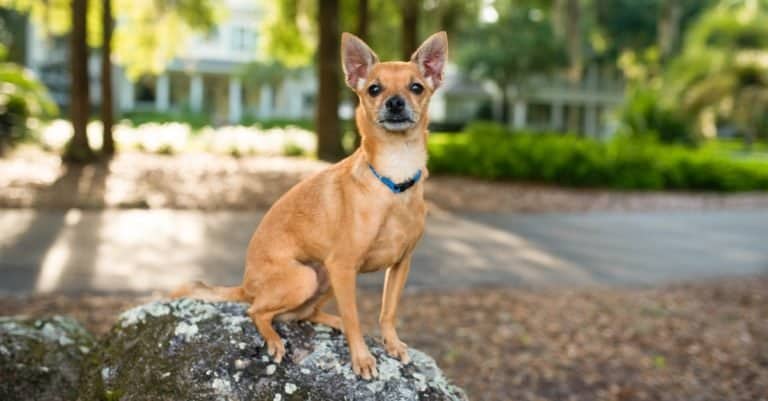
  • Longer, more tapered muzzle compared to 'apple head' Chihuahuas
  • Less rounded/domed skull; head profile sometimes described as more 'deer-like'
  • Often appears slightly larger/longer-limbed than show-standard 'apple head' examples, though size varies widely
  • Typical Chihuahua traits: small body size, prominent eyes, large ears (erect)

Physical Measurements

Height
8 in (6 in – 10 in)
Length
1 ft 1 in (11 in – 1 ft 4 in)
Weight
5 lbs (3 lbs – 8 lbs)
Tail Length
6 in (4 in – 7 in)
Top Speed
16 mph
short sprint, varies

Appearance

Primary Colors
Secondary Colors
Skin Type Canine skin with either smooth (short, close coat) or long coat possible; typically thin/low body-fat toy-dog skin profile that is prone to chilling and can be sensitive to harsh grooming products.
Distinctive Features
  • Toy-sized companion dog; "deer head" is an informal Chihuahua look with a less-rounded (less "apple-dome") skull and a longer muzzle, and it is not a separately recognized breed or taxon.
  • Distinguished from the base species (wolf-derived domestic dog in general) by extreme miniaturization, shortened overall skull/face compared with most dogs, large erect ears, and very large eyes relative to skull size.
  • Deer Head morphology: comparatively longer muzzle, less domed/less "apple-shaped" skull, and a more sloped forehead; often gives a slightly more "hound/deer-like" profile versus Apple Head Chihuahuas.
  • Typically lighter, more refined head and jaw appearance than apple-head show types; bite alignment varies (watch for malocclusion/crowding typical of toy breeds).
  • Deer Head Chihuahuas can have dental problems (crowded or retained baby teeth), patellar luxation, tracheal collapse (avoid collar pressure), low blood sugar in tiny pups, heart murmurs, eye injury, and hydrocephalus.
  • Daily teeth brushing and vet cleanings; use a harness, not a collar. Keep warm with sweaters. Gentle exercise on soft ground. Measured meals—small, frequent for puppies. Early socializing. Gentle brushing; long coats brushed often.
  • Typical build: compact body with fine bone; delicate limbs and small paws; alert carriage with erect ears and expressive eyes.

Sexual Dimorphism

Sexual dimorphism is subtle (typical for many toy companion breeds). Differences are more in overall size/robustness and secondary sex traits than in coloration or pattern.

  • Often slightly more robust through neck/shoulders; may appear marginally larger within the same weight range.
  • Can show more pronounced head/cheek musculature in some individuals (still small overall).
  • Often slightly finer-boned and may carry a slightly longer body silhouette; changes related to reproductive history (e.g., mammary development) may be visible.
  • May show a slightly more delicate head profile, though individual variation is large.

Did You Know?

"Deer head" is a descriptive nickname, not a separate breed or taxon; major kennel clubs register them simply as Chihuahuas.

Compared with "apple head" Chihuahuas, deer heads typically have a less domed skull, longer muzzle, and often a slightly leggier outline.

Chihuahuas are among the smallest domestic dogs, a dramatic size shift from their ancestor species context (gray wolf lineage within Canis lupus).

Toy size doesn't mean "low energy": many deer head Chihuahuas are quick, agile, and enjoy short bursts of play and training games.

Their small jaws and crowded teeth make routine dental care unusually important for long-term health.

They often bond intensely to one person, showing strong "companion animal" behavior shaped by domestication rather than wolf-like pack hunting.

Because of low body mass, they lose heat quickly and commonly seek warm laps, blankets, and sunlit spots.

Unique Adaptations

  • Extreme miniaturization within domestic dogs: reduced body size changes metabolism, heat balance, and feeding needs compared with larger Canis lupus familiaris types.
  • Longer muzzle than "apple head" Chihuahuas may offer slightly more room for nasal passages and teeth alignment in some individuals (though health varies by dog).
  • Efficient "companion niche" traits from domestication: strong human-focused communication and attachment rather than wolf-style cooperative hunting.
  • Fine-boned frame and small paws suited to indoor living, but requiring protection from jumps, falls, and rough handling.
  • Highly responsive to vocal tone and routines, making them excellent at learning household patterns and cues.

Interesting Behaviors

  • "Velcro dog" bonding: following a favorite person room-to-room and preferring close contact.
  • High-alert watchdog behavior: quick to notice novel sounds and movement, often vocalizing to announce changes.
  • Burrowing and nesting: digging into blankets or clothing to conserve warmth and feel secure.
  • Selective sociability: may be reserved with strangers but affectionate with trusted people; early socialization is key.
  • "Air snapping" or quick defensive displays when startled-often linked to fear or handling discomfort in very small dogs.
  • Learning tricks rapidly with rewards; they tend to enjoy short, upbeat sessions rather than long drills.
  • Sunning and heat-seeking: choosing warm surfaces, laps, or heated beds more than many larger breeds.

Cultural Significance

The Deer Head Chihuahua (Canis lupus familiaris) is from Mexico and is a well-known toy dog. The deer-head look is a cute style, not a separate breed. Chihuahuas are famous lap dogs in ads, film, and among celebrities. Ancestors like the Techichi add to their roots.

Myths & Legends

In Aztec tradition, the god Xolotl is associated with guiding souls through the underworld; dogs appear in Mesoamerican beliefs as spiritual guides for the dead in their journey after life.

Folklore in parts of Mexico has long treated small companion dogs as protective household presences, sometimes viewed as spiritual companions that "watch over" the home at night.

Historical anecdotes tie the Chihuahua's mystique to the Techichi, a small dog kept in pre-Columbian societies; later storytelling often frames modern Chihuahuas as living echoes of those ancient companions.

Popular modern superstition around tiny lap dogs (including Chihuahuas) casts them as "little guardians" whose barking wards off misfortune or unwanted visitors-an urban folk belief reinforced by their vigilant temperament.

Conservation Status

NE Not Evaluated

Has not yet been evaluated against the criteria.

Population Stable

Life Cycle

Birth 3 pups
Lifespan 5 years

Lifespan

In the Wild
2–10 years
In Captivity
10–20 years

Reproduction

Mating System Polygynandry
Social Structure Managed Domestic
Breeding Pattern Transient
Fertilization Managed Selective
Birth Type Managed_selective

Deer Head Chihuahua (Canis lupus familiaris) is a Chihuahua head-type with a longer muzzle. Humans manage mating (polygynandry, short pairings). Small size raises birth risks; gestation ~63 days, litters often 1–3. Health concerns: teeth, knees, trachea, hydrocephalus, low sugar, heart.

Behavior & Ecology

Social Pack Group: 3
Activity Diurnal, Crepuscular, Cathemeral
Diet Omnivore High-quality small-breed complete dog food with animal-protein as the first ingredient (often poultry-based)

Temperament

Alert, vigilant companion; rapid threat detection and high watchfulness often expressed as quick barking (breed-typical 'alarm' style).
Strong human-directed bonding and lap-seeking; can be prone to separation-related distress if not taught gradual independence.
Wary of strangers and sensitive to handling; early, gentle socialization and consent-based handling reduce fear-biting risk (important due to small size and frequent picking-up by humans).
Bold/feisty 'big-dog' attitude with potential for reactivity toward larger dogs; leash skills and controlled exposures are key to prevent defensive aggression.
Compared to apple-head Chihuahuas and other dogs, deer-head Chihuahuas have a longer nose and flatter skull, giving slightly better breathing and less head crowding, but remain small and fragile.
Health problems in Deer Head Chihuahuas can change mood and friendliness. Patellar luxation, collapsed trachea (use a harness), dental disease, puppy low blood sugar, and older heart disease affect social patience.
Deer Head Chihuahuas seek warmth and dislike cold, so may avoid outdoor play. They do best with short, frequent training, set routines, regular dental care, gentle play, and child supervision.
Trainability: responds best to reward-based methods; harsh corrections can increase fear and defensive behaviors. High food motivation is common but manage for obesity risk in a small frame.

Communication

High-pitched bark/yap used for alarm and attention
Growl Resource guarding or boundary-setting
Whine/whimper Solicitation, anxiety, discomfort
Grumble/low rumble Close-contact warning
Howl Less common; may occur with sirens or social facilitation
Snarl/teeth chatter Fear or escalating conflict; also can occur with cold/stress
Body posture: forward-leaning stiff stance for 'bravado'; crouch/tuck for fear
Facial signals: lip licking, yawning, averted gaze Stress appeasement
Ear and tail carriage changes Alert ears; tail high and stiff when aroused; tail tucked when fearful
Pawing and climbing onto laps as contact-seeking; leaning for social comfort
Scent marking (urine marking) and investigative sniffing; may increase with arousal or new environments
Trembling/shivering as arousal, cold response, or stress signal Common in toy breeds; interpret with context
Air-snapping or quick head turns as a distance-increasing signal when handled against preference
Eye contact alternation (look at stimulus → look at owner) as a learned request for help/attention

Habitat

Biomes:
Temperate Forest Boreal Forest (Taiga) Tundra Temperate Grassland Savanna Desert Hot Desert Cold Mediterranean Temperate Rainforest Tropical Rainforest Tropical Dry Forest Freshwater Wetland Marine +8
Terrain:
Plains Hilly Mountainous Coastal Island Valley
Elevation: Up to 16404 ft 3 in

Ecological Role

Domestic, human-associated omnivore and companion animal; not a natural apex predator in most settings, but an opportunistic consumer with minor predatory impact at small scale.

companionship and psychosocial benefits to humans local nuisance/rodent deterrence (limited by size but can reduce small-rodent activity) alarm/alert behavior (non-dietary but common functional role in households) participation in urban/suburban food webs primarily via human-provided resources rather than self-foraging

Diet Details

Main Prey:
Small rodents Small birds Insects Small reptiles and amphibians
Other Foods:
Fruits Vegetables Grains and starches Edible plant matter from formulated diets

Human Interaction

Domestication Status

Domesticated

Domestic dogs (Canis lupus familiaris) are a domesticated subspecies of the gray wolf shaped by human selection. The Deer Head Chihuahua is not a separate breed but a head-shape type in Chihuahuas: longer muzzle, less domed skull, often larger than the apple-head type. People keep Chihuahuas as pets and take part in breeding, shows, vet care, rules, and behavior.

Danger Level

Low
  • defensive/fear-based biting (often linked to poor socialization, handling, or pain)
  • resource guarding or reactivity toward strangers/other dogs if untrained
  • zoonotic risks common to pet dogs if not prevented (e.g., intestinal parasites, rabies risk without vaccination)
  • trip/fall hazards due to very small size underfoot

As a Pet

Suitable as Pet

Legality: Deer Head Chihuahua (Canis lupus familiaris) is usually legal as a pet where dogs are allowed. Usual rules: license, rabies shot, leashes, housing or insurance limits that apply to all dogs; travel needs microchip and vaccination papers.

Care Level: Moderate

Purchase Cost: $300 - $2,500
Lifetime Cost: $12,000 - $35,000

Economic Value

Uses:
Companion animal ownership Small-breed breeding and sales Veterinary services Pet retail (food, treats, crates, carriers, clothing) Grooming services Training/behavior services Pet sitting/boarding
Products:
  • companionship and emotional support roles (informal, non-working)
  • pet industry demand for small-breed supplies (harnesses, carriers, sweaters)
  • participation in shows/sport events for Chihuahuas (where applicable; deer-head is typically a colloquial type rather than a show classification)

Relationships

The Chihuahua may be among the smallest of all dogs, but its big, charming personality and striking features have made it a symbol of an entire country and one of the most popular breeds around the world. Originally descending from an ancient Mexican breed called the Techichi, this dog survived the fall of the Toltecs and the Aztec Empire, only to be later rediscovered in remote Mexican villages. This breed is characterized by erect ears, big and expressive eyes, and a compact body. The Chihuahua has traditionally come in two different variations: a long or a short coat, both of which have black, white, fawn, red, silver, chocolate, or gray markings. But there is one other dividing line: the shape of the head.

Evolution

Evidence suggests that this breed descended from the ancient Techichi, which dates back all the way to the 9th century in Mexico. It was so popular at the time that it permeated many aspects of Mesoamerican culture in paintings and artifacts. After the conquest of the Aztecs, the Techichi retreated to Mexico’s countryside. When it was rediscovered by the wider world in the 19th century, the breed had undergone significant change. In fact, the modern chihuahua is largely Eurasian in influence — somewhat changed from the original Mexican chihuahua.
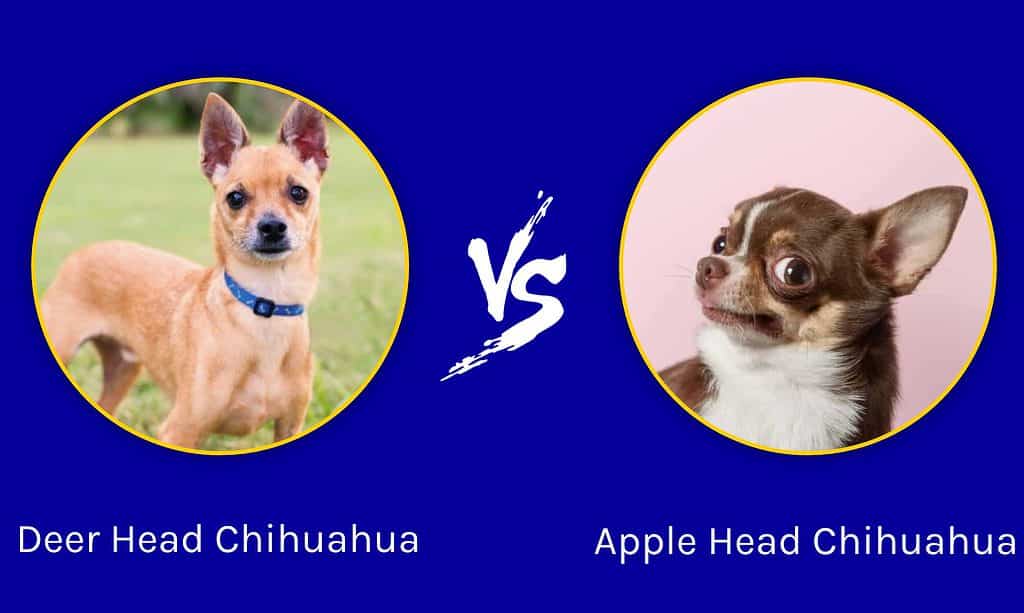
Deer Head Chihuahua vs. Apple Head Chihuahua

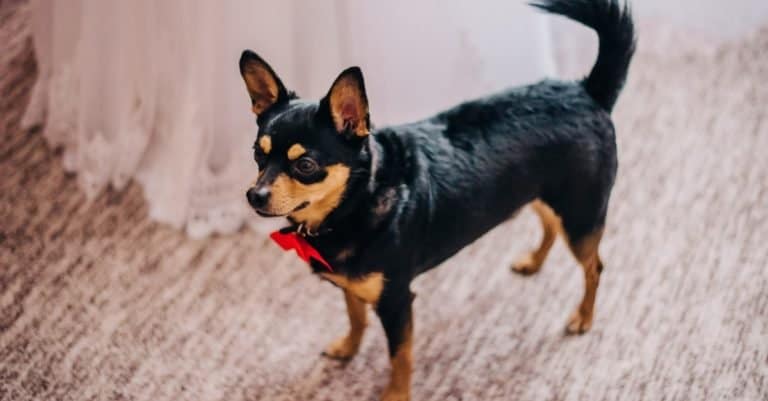
The apple-head Chihuahua is considered to be the breed standard. It has a more rounded head and a smaller overall body. By comparison, the deer head Chihuahua has a narrower head, a longer snout and jaw, smaller eyes, and a larger body. However, as it’s not considered to be part of the traditional breed standard, the deer head might disqualify it from many dog shows and competitions. Deer-head chihuahuas are purebred dogs if born to purebred parents and can even be born to two apple-head chihuahuas.

3 Pros and Cons of Owning a Deer Head Chihuahua

ProsCons
Friendly and Affectionate
The Chihuahua loves to be around people.
Fragile
The Chihuahua cannot tolerate a lot of stress or rough play.
Loyal
The Chihuahua can develop a strong bond with its owner.
Sensitive to Cold Weather
This breed may need a sweater or coat when it goes outside in cold weather.
Easy to Train
This breed grasps human commands very quickly.
Bossy
If not properly trained, this breed has a tendency to boss people around.
Deer Head Chihuahua outdoors, during evening sunset.

Deer Head Chihuahuas have long legs and can be quite athletic.

Size and Weight

The Chihuahua is one of the smallest dog breeds in the world. Some individuals are so small that they weigh only one or two pounds. These “teacup dogs” are so named because they can fit inside a teacup. The deer head Chihuahua is generally larger than the apple head counterpart, but it does come in teacup size. However, be wary of breeders who claim to breed for teacup dogs specifically, since these dogs can develop more health problems.

Height (Male)5 to 12 inches
Height (Female)5 to 12 inches
Weight (Male)1 to 12 pounds
Weight (Female)1 to 12 pounds

Common Health Issues

The Chihuahua is a relatively healthy breed of dog with a typical lifespan of around 14 to 16 years for both apple head and deer head Chihuahuas, though some deer heads may occasionally live up to 20 years with excellent care. Chihuahuas have a predisposition toward developing several health conditions, including eye diseases, epilepsy, cancer, low blood sugar, a loose kneecap condition called patellar luxation, and several types of heart problems like patent ductus arteriosus and mitral valve disease. The deer head Chihuahua is usually less prone to these problems than the apple head. They can also develop a soft spot on the head called a molera, but this condition is actually less common than it is in the apple head variety.

There are a few things that you, as an owner, can do to ensure the health of your dog. First, never buy from puppy mills, pet shops, or breeders that cannot guarantee the health of their dogs. Second, regular checkups at the vet are always necessary to catch health problems as soon as possible.

Temperament

The deer head chihuahua is a sweet, energetic, and charming little companion who will want to follow you almost everywhere and crawl up into your lap whenever it gets the chance. They tend to form a deep bond with a single person, and they are eager to please. Their charming personality and ease with which they adapt to small living spaces make them excellent choices for apartment dwellers. They can also double as watchdogs. Socialize these dogs as pups so they will be calm around other people and dogs as they get older.

How to Take Care of the Deer Head Chihuahua

The deer head chihuahua should be a suitable breed for owners of all experience levels. It’s easy to groom, easy to train, and doesn’t require a whole lot of exercise. If you have any other questions or concerns about how to raise your dog, then you should talk with your vet.

The Best Dog Food

A fully grown adult deer head chihuahua will only need to consume about half a cup of dog food per day, although the exact amount will depend on the dog’s size, age, and activity level. The Chihuahua can be a picky eater, but small-sized dry kibble rich in proteins and fats may be the best for this type of dog.

Maintenance and Grooming

As mentioned previously, the Chihuahua comes in two different types of coats, which will affect how often it needs to be groomed. The short-haired Chihuahua should only be brushed and bathed whenever the need happens to arise.

The long-haired Chihuahua, on the other hand, needs to be brushed about once a week to remove the tangles and mats in its fur. This should be combined with a good dental hygiene program as recommended by your vet. You should also check the ears on a regular basis and remove any excess wax and debris. And trim the nails whenever they become particularly long.
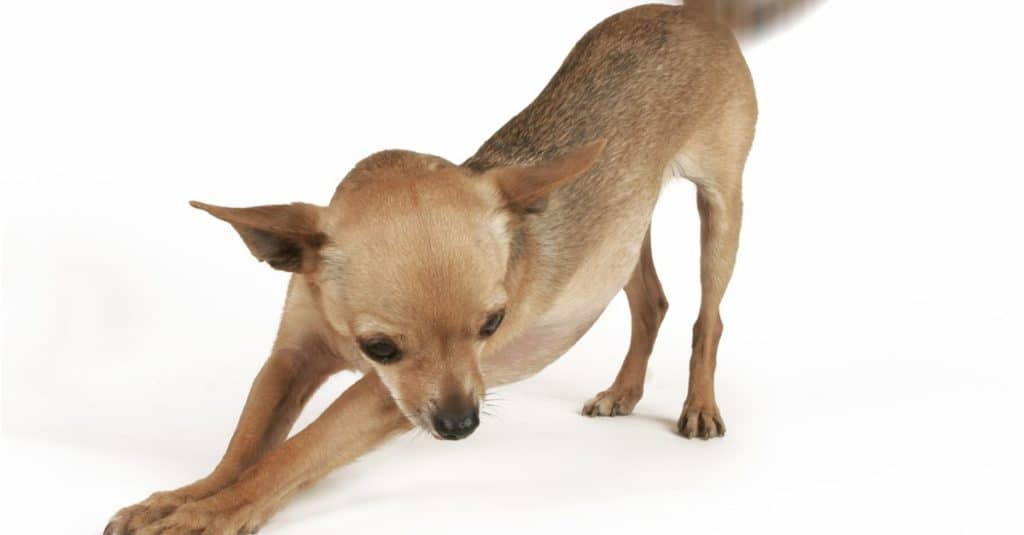
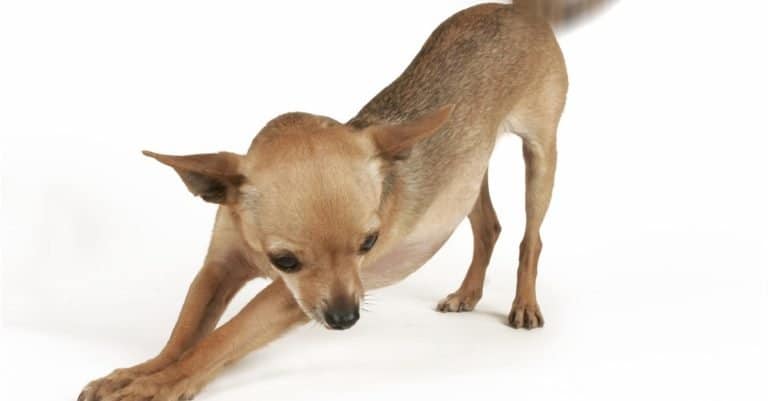
A tiny Deer Head Chihuahua stretching, isolated on a white background.

Deer head chihuahuas are eager to please and easy to train.

Training

Based on past experiences with other dogs, owners may naturally come to dread the training process. But the deer head chihuahua is a different matter altogether; these intelligent and curious dogs can make training fun and entertaining. They grasp human commands quickly and respond very well to positive reinforcement methods. If you are struggling with the entire process, then you might want to hire the services of a professional trainer.

Exercise

The deer head chihuahua needs about 20 to 30 minutes of exercise every single day. Short walks and playtime should be sufficient to keep this breed satisfied. Although energetic, athletic, and capable of excelling at some sports, this is not an intense or high-endurance breed. If your dog begins panting and overexerting itself, then you need to give it a short break. Fortunately, they’re small enough that you can carry them home once they become tired.

Puppies

Deer head chihuahua puppies will need to undergo proper obedience training and socialization within a few months of age. Dog parks, classes, puppy kindergarten, and even arranged social gatherings all offer opportunities for socialization. Chihuahuas are relatively easy to housetrain, but unless you’re willing to take your dog outdoors every hour or two, it might be a good idea to invest in a crate to teach your puppy how to control itself. Crate training is also a great way to stop your dog from engaging in destructive behavior; just don’t treat it like a punishment or confinement that you can lock it away in. As for their physical development, Chihuahua puppies should be treated with extra care. Due to their fragility and size, they are sometimes prone to injury.
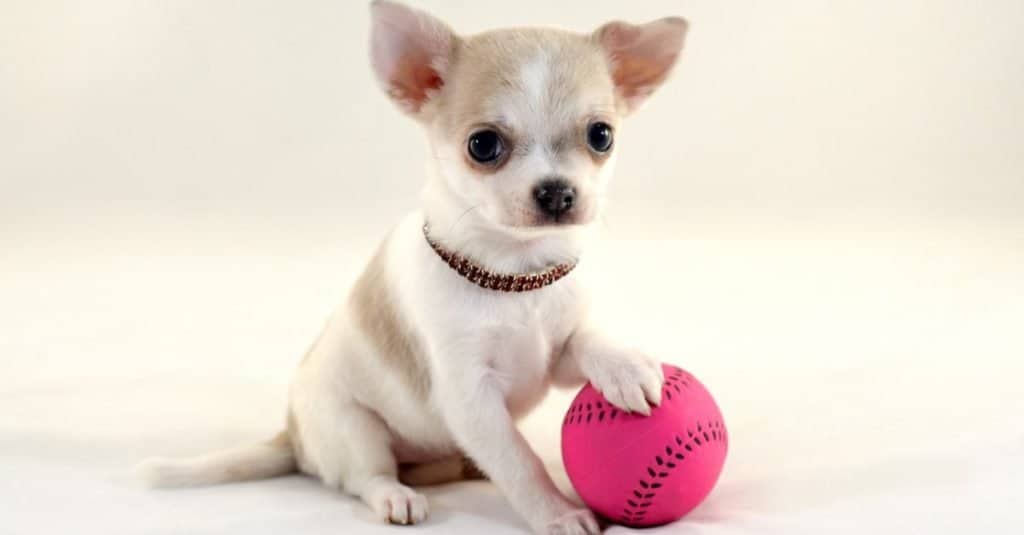
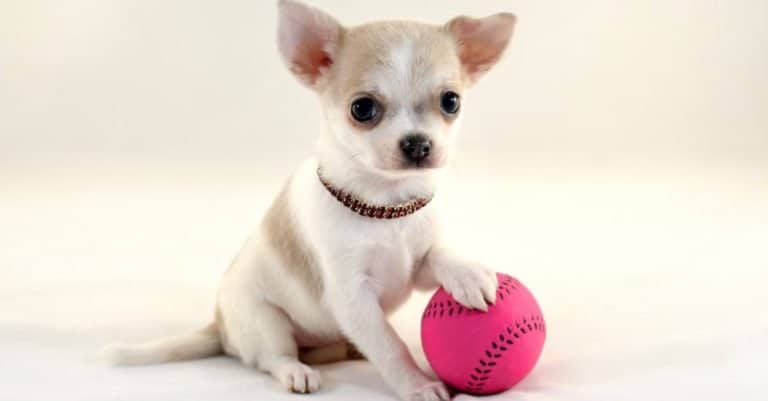
Cute short-haired white color miniature Deer Head Chihuahua puppy with a tennis ball on white background.

Deer head chihuahua puppies love children, although children should be taught to be gentle with these fragile dogs.

Deer Head Chihuahuas and Children

The deer head chihuahua is a great companion for children. It’s friendly, affectionate, playful, relatively low maintenance, and easy to train. But because their small, fragile bodies are not well-suited for rough play, it definitely requires plenty of supervision with children under the age of eight.

Dogs Similar to the Deer Head Chihuahua

If you’re attracted to some of the characteristics of the deer head chihuahua, then you might be interested in these similar breeds:

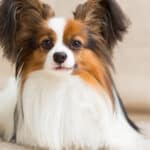
  • Papillon: Originally bred in France, this small toy breed, measuring no more than 10 or 11 pounds, is a friendly, alert, and lively dog of exceptional athleticism and beauty. Featuring wing-shaped ears, a plumed tail, and a long and silky coat of fur, they make great companions for all members of the family.
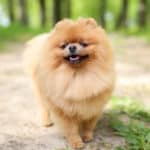
  • Pomeranian: This spirited little breed typically weighs no more than 8 pounds, but it can be a real whirlwind of energy and fun. Originally descended from the part of northern Europe that bears its name, the Pomeranian sports a thick double coat of fur that can come in many variations of black, white, orange, red, and tan, including spotted and brindle patterns. Fortunately, they are quite easy to train.
  • Pugs: Once a favorite of the nobility from all over the world, the small and adorable pug with short hair and a wrinkled face will win the heart of its owner with a charming, fun-loving, and mischievous personality. They come in three main colors: silver, apricot-fawn, or all-black.

Famous Chihuahuas

The chihuahua is well-represented in plenty of movies, TV shows, and commercials. Gidget, who lived between 1994 and 2009, was the one-time spokesdog of Taco Bell. Moonie, who actually lived with Gidget for a time, also played the dog, Bruiser Woods, in the film “Legally Blonde” with Reese Witherspoon.

View all 450 animals that start with D

Sources

  1. American Kennel Club / Accessed April 30, 2021
  2. American Kennel Club / Accessed April 30, 2021
  3. Rover / Accessed April 30, 2021
Lisha Pace

About the Author

Lisha Pace

After a career of working to provide opportunities for local communities to experience and create art, I am enjoying having time to write about two of my favorite things - nature and animals. Half of my life is spent outdoors, usually with my husband and sweet little fourteen year old dog. We love to take walks by the lake and take photos of the animals we meet including: otters, ospreys, Canadian geese, ducks and nesting bald eagles. I also enjoy reading, discovering books to add to my library, collecting and playing vinyl, and listening to my son's music.

Thank you for reading! Have some feedback for us?


Deer Head Chihuahua FAQs (Frequently Asked Questions)

The deer head Chihuahua has all the characteristics of a standard Chihuahua – small, spunky, charming, and intelligent with black, white, fawn, red, silver, chocolate, or gray fur – but its head is more V-shaped instead of rounded.