
Remember the classic rainy-day games of hopping over small, wiggling earthworms scattered across the sidewalk? Now, picture that same scene, but this time, the worms are the length of a yardstick, or even longer. While most earthworms are just small additions to your garden, their colossal cousin — the largest earthworm in the world — completely redefines what it means to be “big.”
About the Giant Gippsland Earthworm
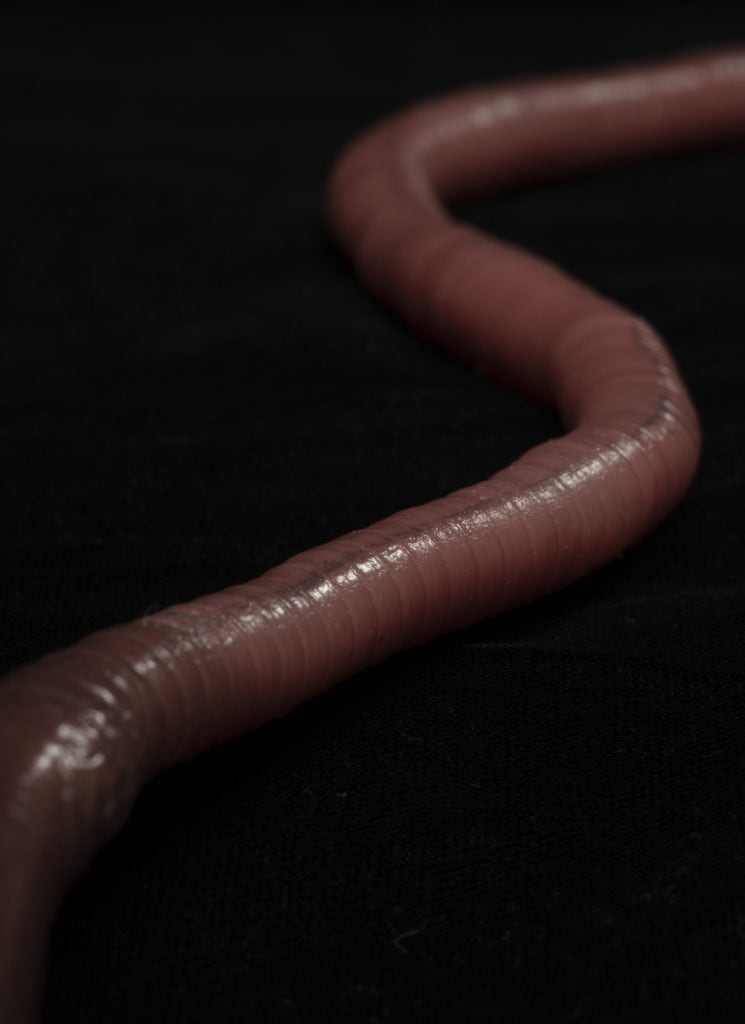
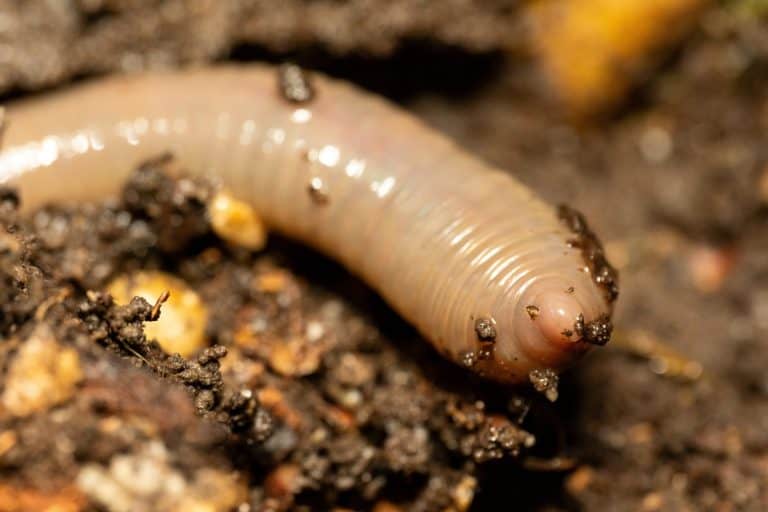
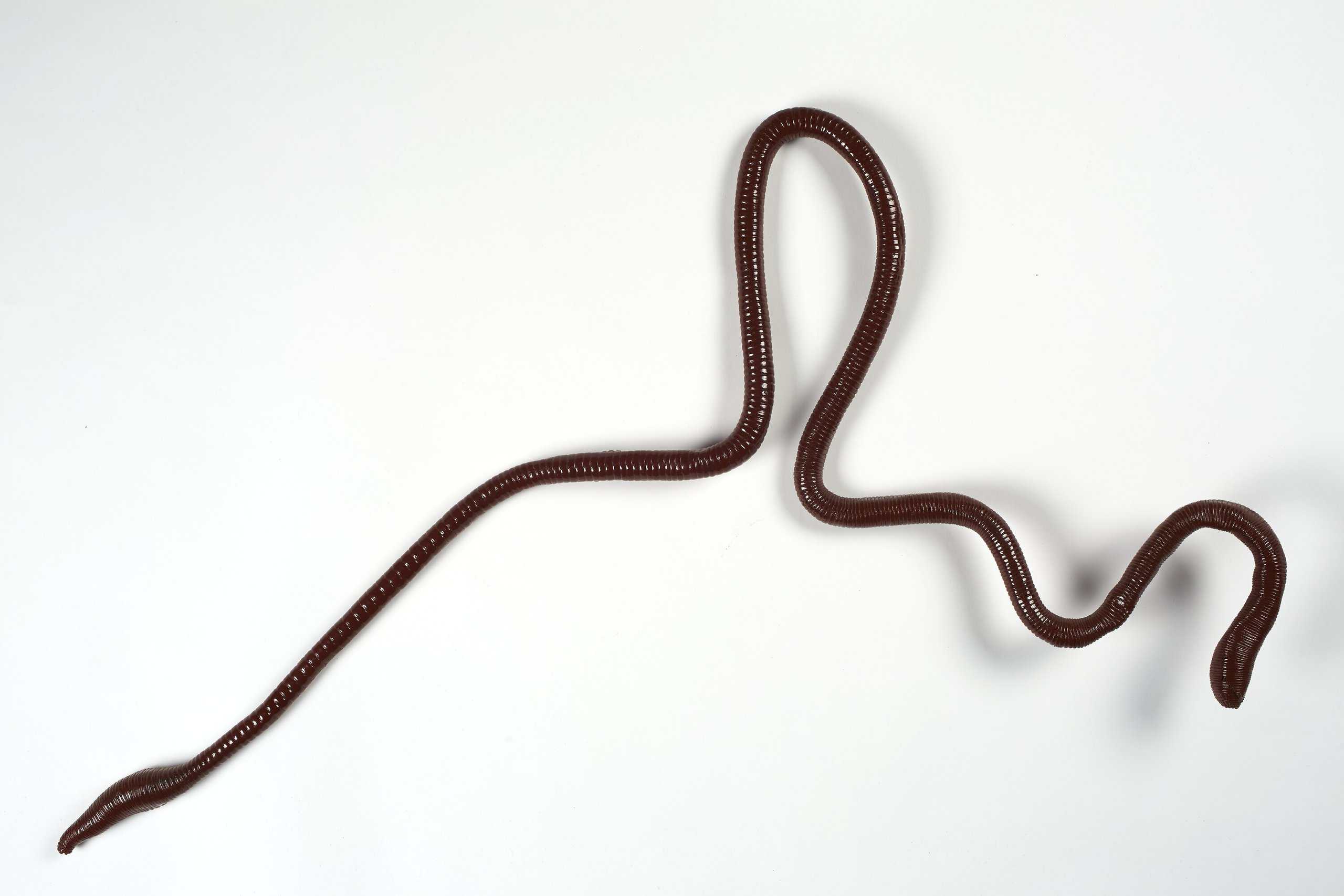
Giant Gippsland earthworms can reach over 6 feet long.
©Jon Augier / Copyright Museums Victoria / CC BY 4.0 – Original / License
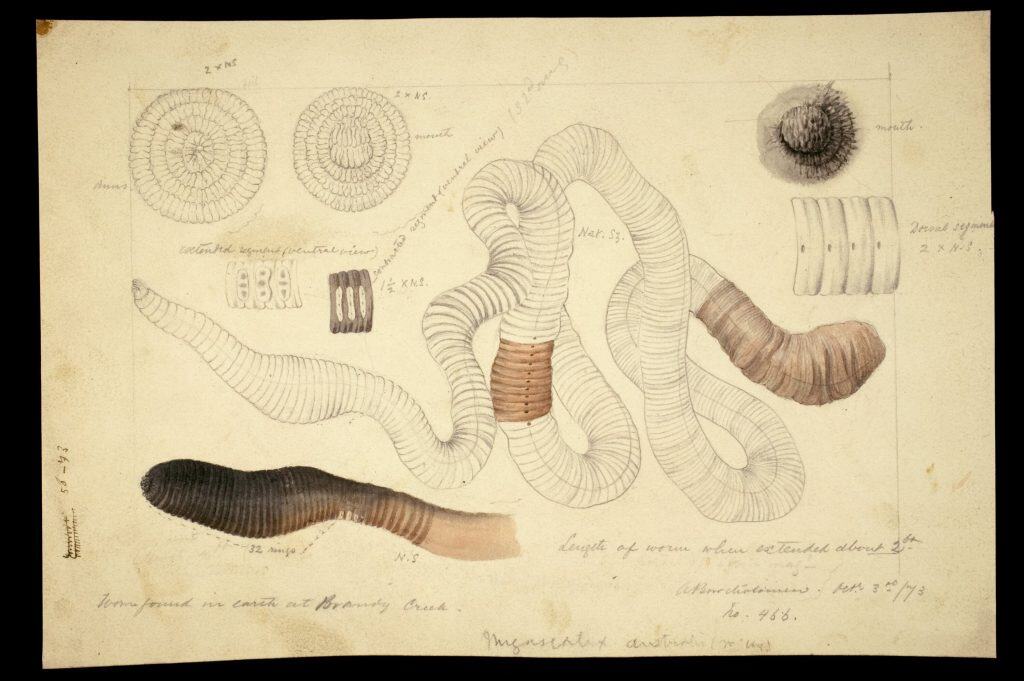
The world’s largest earthworm, the giant Gippsland earthworm (Megascolides australis) has been reported to grow to an astounding 9.8 feet long, but this has not been scientifically verified. However, worms reaching nearly 6.5 feet and weighing over three-quarters of a pound, which is comparable to three sticks of butter, have been found. These earthworms average about 3.3 feet with a diameter of up to 0.79 inches. They typically weigh around 0.4 pounds. Giant Gippsland earthworms are difficult to measure because they can stretch and contract their bodies. They can appear twice as long or half as long as their actual size.
While the 2009 Guinness Book of Records reports the African worm (Microchaetus rappi) as measuring nearly 22 feet long, some scientists are skeptical and believe the actual measurement was likely closer to 6 feet.
Where Do Giant Gippsland Earthworms Live?
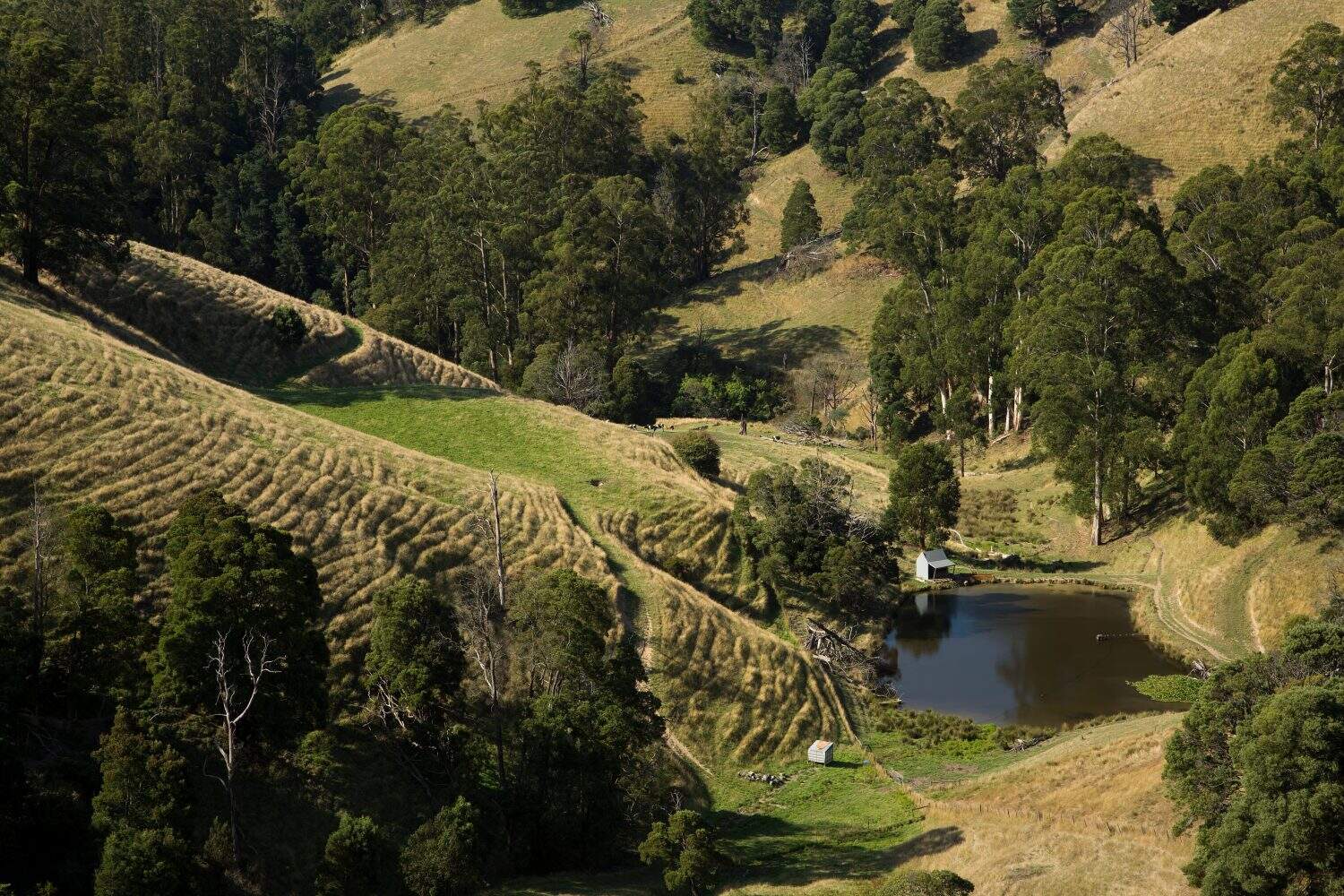
Giant Gippsland earthworms only live in west and south Gippsland in Victoria, Australia.
©David L Young/Shutterstock.com
Native to a small area of Victoria, Australia, giant Gippsland earthworms are surprisingly reclusive despite their enormous size. They are only found in about 154 square miles of southern and western Gippsland, primarily on private farmland. The first third of their bodies is a dark purple color, changing to a pinkish-grey for the remaining two thirds. However, despite their gigantic size, they are rarely seen. They spend most of their lives within the top 5 feet of the soil. Yet, after particularly heavy rains, you can walk or stomp on the ground and listen for the strange gurgling or squelching sounds these massive worms make as they try to escape the vibrations of your footsteps.
Giant Gippsland earthworms are quite finicky and have very specific requirements. These earthworms require soil moisture that’s just right — never too wet, but also never too dry. This makes them difficult to relocate or conserve, as they only inhabit very specific locations. They prefer well-draining clay, which allows them to maintain a moist burrow without getting waterlogged. The worms often colonize areas near stream banks, drainage channels, or shaded, south-facing slopes.
These massive worms live in small, isolated colonies that can range from a few worms to hundreds of individuals. Due to their deep underground lifestyle and fussy habitat requirements, they are incredibly challenging to study. In fact, scientists have not yet been able to keep them alive in laboratory conditions. However, experts believe they grow slowly and might live for a decade or more.
Protecting the Giant Gippsland Earthworm
Giant Gippsland earthworms have one of the slowest reproductive rates of any earthworm.
The giant Gippsland earthworm is classified as an Endangered species by the IUCN Red List. Victoria’s Flora and Fauna Guarantee Act 1988 Threatened List also classifies the giant Gippsland earthworm as Endangered. It is listed as Vulnerable under Australia’s national Environmental Protection and Biodiversity Conservation Act 1999. The worm’s numbers are declining due to a naturally slow reproductive cycle and the fact that it only lives in isolated patches of earth within a small region of Victoria.
The greatest threat to these worms is the destruction or alteration of their natural habitats. Because they require very specific soil conditions, changes caused by damming creeks, altering waterways, or construction projects can be devastating. Even planting trees or dense vegetation above their burrows can kill these fragile creatures, as the plants absorb the moisture the worms need to survive. The worms are so delicate that even digging in search of them can cause significant stress or even result in their death. Other threats include climate change, pesticides, and agricultural grazing.
Many people are actively involved in the preservation and protection of giant Gippsland earthworms in Victoria. One key initiative, for example, is a major survey, the first of its kind since 1980. Landowners can complete the survey online, fill out a paper form, or even report through the “Giant Gippsland Earthworm” mobile app. Learn more about the initiative on the South Gippsland Landcare Network website.
Celebrating the Giant Gippsland Earthworm
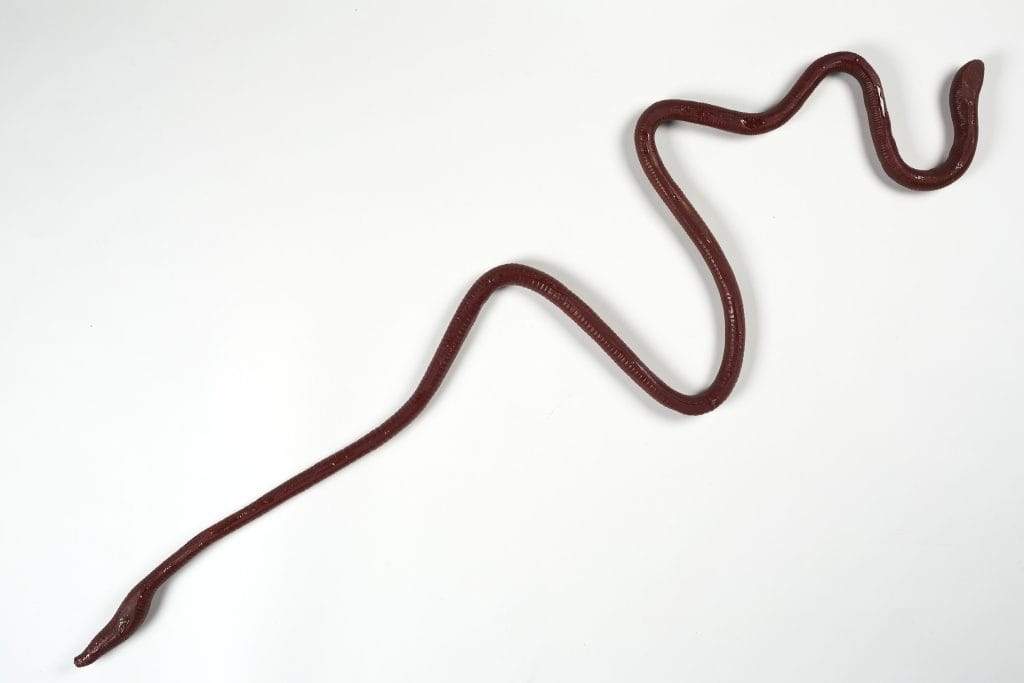
Giant Gippsland earthworms are a protected species in their native Victoria.
©Rodeny Start / Copyright Museums Victoria / CC BY 4.0 – Original / License
Despite the many challenges the giant Gippsland earthworm faces, it is a protected and cherished species in its native region. The town of Korumburra once celebrated this enormous earthworm with an annual festival featuring a 148-foot-long pink earthworm mascot named “Karmai.” The festival, which included a parade, games, and the crowning of an Earthworm Queen, ran from the 1970s to the mid-1990s.
Although the Korumburra festival ended, the town still honors these extraordinary earthworms with educational exhibits and displays. Farmers in the region also recognize the worms as an important part of the local ecosystem, as the earthworms’ burrows help aerate the soil and improve water flow. For many, spotting one of these rare creatures is considered a once-in-a-lifetime experience.