

Quick Take
- Owners must maintain a 9-mile weekly walking quota to satisfy this small breed’s intense energy requirements.
- Reaching a weight of 35 pounds triggers specific skeletal vulnerabilities that demand immediate dietary intervention.
- This companion hybrid possesses tracking capabilities often utilized in professional search and rescue operations.
- Implementation of obedience protocols must begin at birth to bypass an inherent behavioral resistance.
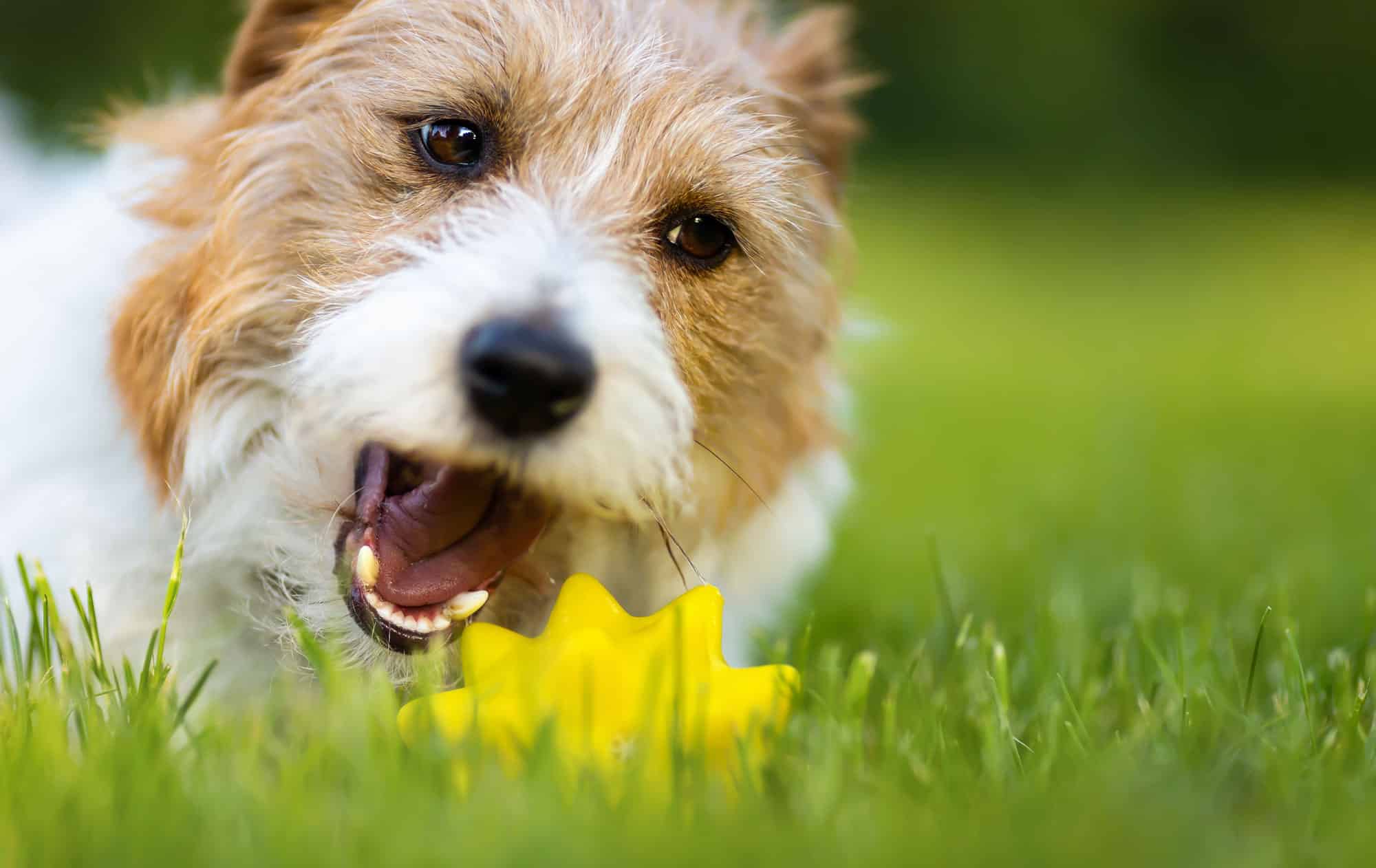
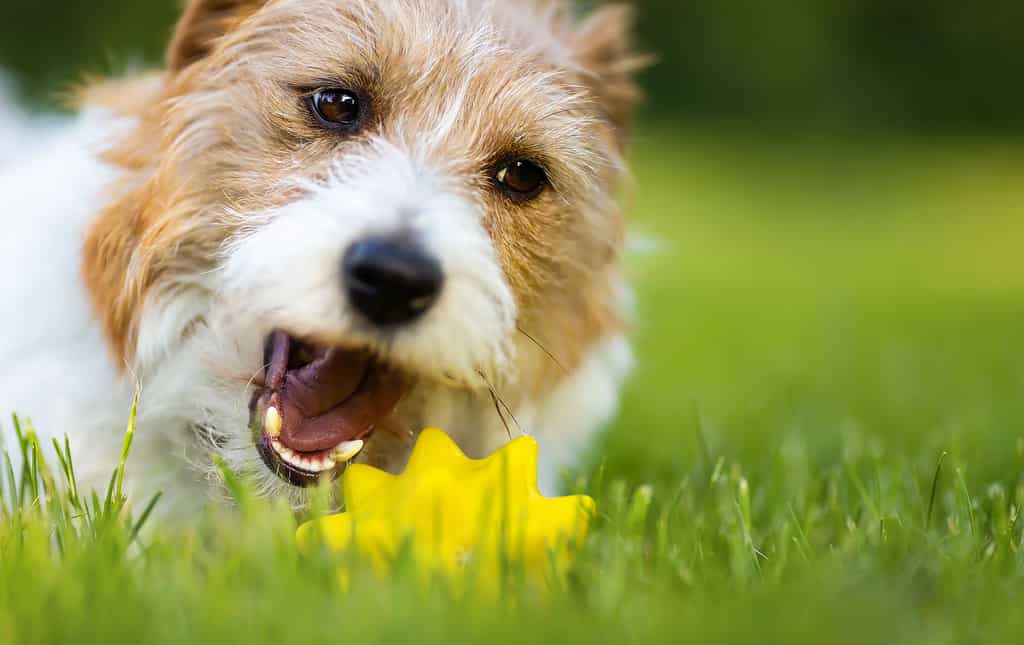
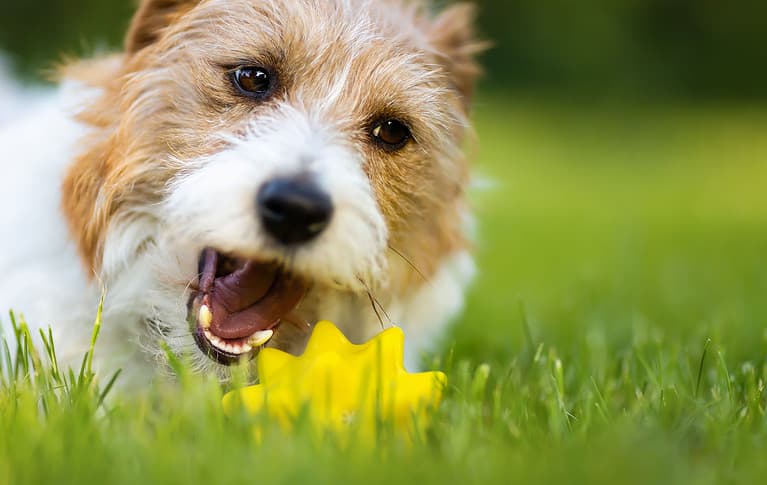
As an intelligent and fun-loving dog, Glechons are well suited for both families and individuals seeking that perfect companion. Don’t underestimate this dog, however, because they are also known to be great trackers as a result of their impressive sense of smell.
Though neither of the breeds that combine to create the Glechon has a particularly detailed history, it seems that the Beagle and Bichon Frise both originated in the Western European region of the world. The beagle is thought to have descended from pack hounds that predated the Roman era, and the Bichon Frise was rediscovered by Italian sailors in the 1300s, sometime after the Spanish had a documented history with the breed. The beagle’s hunting background translates well into the Glechon’s tracking abilities, while the Bichon Frise lays claim to more of the physical appearance of this hybrid. This non-sporting dog is a wonderful pet and has a rich, while sometimes unclear, lineage that makes it quite a well-rounded dog.

3 Pros and Cons of Owning a Glechon
| Pros | Cons |
|---|---|
| An adaptable breed thanks to its small size Glechons rarely grow to more than 35 pounds. This small size provides versatility for a number of living conditions. | Health Concerns Glechons are susceptible to a few health issues that can be cause for concern. These include hip dysplasia, Legg-Calve-Perthes disease, congenital heart defect, and intervertebral disc disease. |
| Playful and kid-friendly Glechons are a very playful breed of dog. They’re affectionate, kid-friendly, play well with other dogs, and are generally welcoming to strangers. | Challenging to train Glechons can be quite difficult to train once they are no longer puppies. This can also mean that they are difficult to housebreak. It is advised to begin training right from birth. If trained right, they are generally an obedient breed. |
| Minimal Shedding While all dogs have grooming needs, the Glechon’s short coat makes grooming much less complicated than that of other dog breeds. This is also great for those with allergies. | Exercise needed! If left alone without exercise, Glechons can begin acting out and destroying homes. If you are unable to provide ample exercise for Glechons, you may want to consider alternative breeds. |
Size and Weight
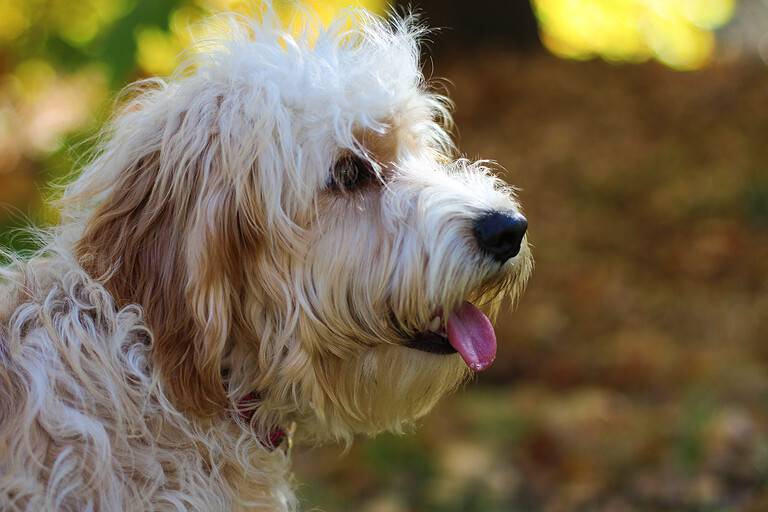
The Glechon is a medium-sized dog with a medium coat length of normal density. The average height for both males and females is 13 to 16 inches, while the weight ranges from 15 to 35 pounds.
History and Origins
The Glechon dog is a relatively new breed, and its history can be traced back to the early 2000s. It is a cross between a Bichon Frise and a Beagle, two popular breeds with different characteristics that were combined in order to create an ideal family pet.
Bred primarily as companion dogs, Glechons are known for their friendly and playful personalities. They are also highly adaptable and make great pets for people who live in smaller homes or apartments due to their small size.
Despite being bred for companionship, the Glechon’s origins can be traced back to hunting dogs. The Beagle parent of this breed was originally used by hunters to track small game such as rabbits, while the Bichon Frise was bred as a lapdog for French nobility.
Today, the Glechon has become increasingly popular among dog lovers around the world due to its charming personality, low maintenance requirements, and adaptability. As with all mixed-breed dogs, each individual may inherit different traits from its parent breeds, so it is important for potential owners to research both breeds thoroughly before making a decision about whether or not this delightful little dog would be right for them.
Common Health Issues
Glechons have a few common health issues. The most common is hip dysplasia, which affects the ball and socket joint in Glechons’ hips and can severely affect the animal’s movement and range of motion later in life. Legg-Calve-Perthes disease causes a dog to limp on the affected leg until weight can no longer be placed on the leg at all. In some instances, pain and lameness occur suddenly, though this condition typically sees a limp beginning gradually.
Congenital heart disease is a condition that is present at birth and can be treated in some instances; unfortunately, surgery is not always an option, depending on the individual case. Intervertebral disc disease is the most common spinal disease in dogs and can lead to dehydration, bladder issues, and paralysis in certain cases.
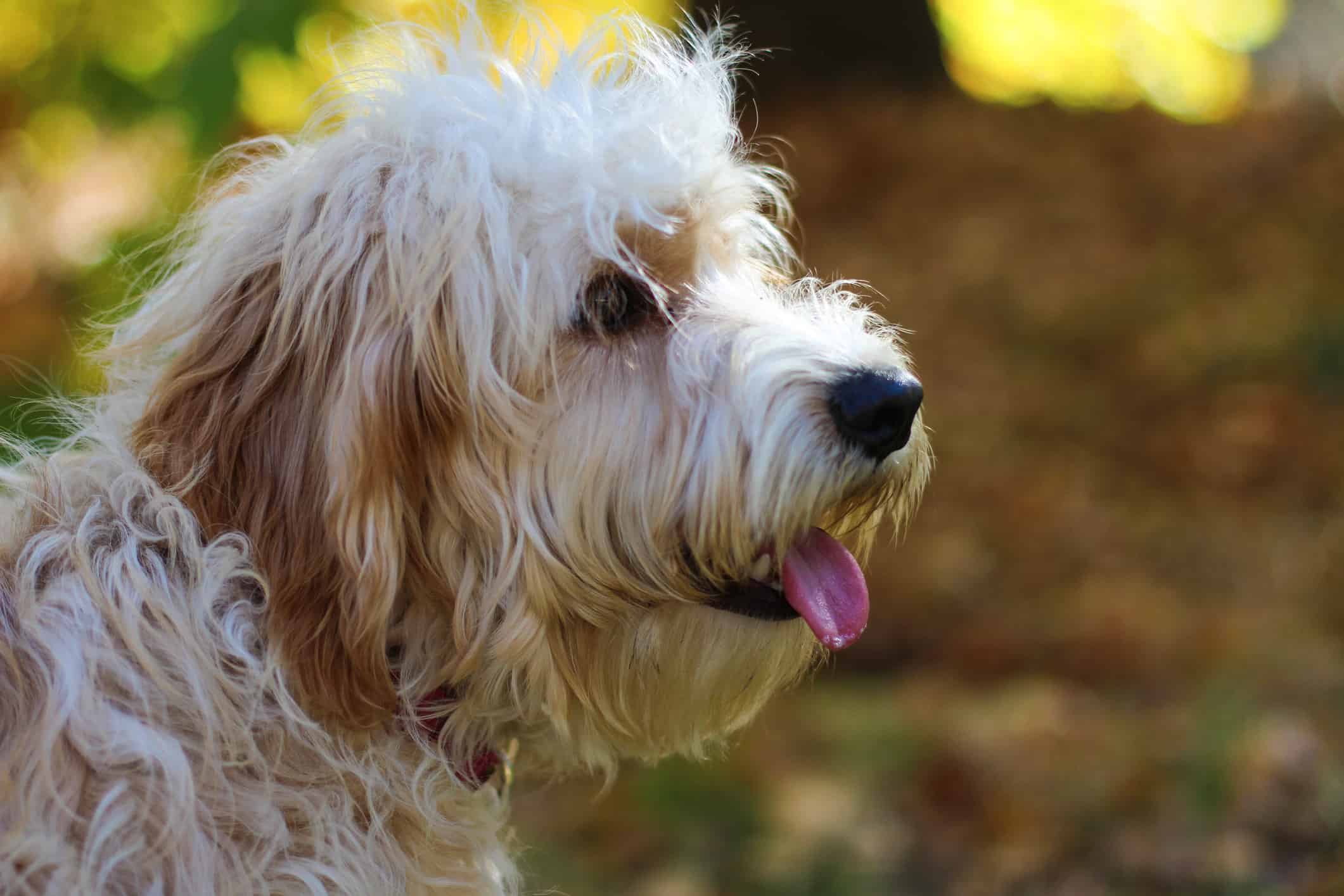
Glechons can be susceptible to a few diseases, inherited from their parent breeds.
©kirendia/ via Getty Images
Temperament and Behavior
The Glechon is known to be a brave yet laid-back dog with an overall good temperament. These personality traits ensure that this hybrid breed will have good behavior and display loyalty. Given their intelligence and curiosity, this loving dog gets along well with children and adults. They will love to play with children as much as possible, but this hybrid’s gentler traits will also show as they cuddle up with you to rest.
Their strong sense of smell, combined with curiosity and an intelligent personality, makes the Glechon a good tracker used from time to time in search and rescue operations. They may chase small animals, but they tend to maintain their good behavior, doing great with other dogs and even strangers.
How To Take Care of a Glechon
New pet owners looking for how to care for Glechons, specifically Glechon puppies, must consider a range of unique factors. Whether it’s health issues like hip dysplasia or different care related to their energy level and need for social interaction, Glechons have breed-specific factors that must be considered. It is recommended that this breed be trained while they are still puppies, as Glechons are known for their stubbornness. It is best to begin training from socialization to obedience and crating right from birth if it is possible.
The Best Dog Food
Glechons, particularly puppies, have different health considerations compared to other dog breeds. For example, the breed is prone to congenital heart disease. Be aware of the connection between legumes in dog food and dog heart failure, because you may want to opt for legume-free dog food.
Glechon puppy dog food: Because of their size and genetic makeup, Glechons have a high tendency to develop hip dysplasia. When considering wet or dry dog food for a puppy, consider a brand that has higher calcium content to avoid these issues later in life. Dog food that contains chicken or fish is a good option.
Additionally, as this breed is quite susceptible to obesity, be sure to choose the best quality dog foods. You can do this by selecting foods that are meant specifically for dogs of this size and energy level. Be careful to avoid overfeeding, which includes restricting food treats that are provided. For best results, divide the daily allotted food your dog requires into two parts that will be eaten as two separate meals.
Glechon adult dog food: Similar to puppy dog food considerations, pet owners should ensure their adult dog’s diet meets standard nutritional requirements, including appropriate calcium levels, but should only provide supplements if recommended by a veterinarian. Because Glechons remain active well into adulthood, we also recommend an active dog food variety that balances carbohydrates with fats and proteins.
Maintenance and Grooming
Glechons are low-shedding dogs with an easily maintained coat. Owners should use a pin brush to prevent tangles in the coat at least three to four times per week. Bathing should occur as needed, though it is recommended that the ears be cleaned weekly to avoid infection caused by excess moisture or dirt.
Teeth should be brushed a few times a week to foster gum health while preventing any pain or dental issues down the road. Depending on the activity level of the individual pet, nails can be trimmed as needed.
Training
Glechons are fairly obedient dogs, but best trained during puppyhood. It is recommended that this breed be trained as early as possible to make housebreaking, crating, and socializing common practice. This dog is known to be stubborn, so it is best to maintain a consistent and firm approach rather than scolding. Glechons are generally well-behaved and appreciate cool praise and positive responses to new tricks, good behavior, and advances in training.
Exercise
Glechons have a moderate to high activity level, and it is recommended that they walk nine miles per week, with at least 60 minutes of activity per day. This breed is active, fun-loving, and playful, which means that they need stimulation as well as general exercise. Anything from a brisk walk to a jog should be mixed in with games and trips to the dog park, and let them run freely in a safe, fenced area if it is available. These dogs can do well in a smaller living space as long as they are adequately socialized and given an outdoor space to play. Lots of exercise and general activity are key to a long lifespan.
Puppies
Not much differs in the way of taking care of Glechon puppies versus adults. It should be remembered that training at a younger age is always recommended, and regular trips should be taken to the vet to ensure that there are no health problems.
Glechons With Children
Glechons are wonderful dogs for families with children of any age. They can act as a companion to children, even younger ones, who might not be as playful because their gentle nature allows them to be a bit more patient than some other breeds. Be sure to remind children that certain forms of interaction are not acceptable, such as tail pulling.
Similar Dogs
Other similar dog breeds to the Glechon include pointers, Aussiedoodles, and Kerry Blue terriers.
- Pointer: This breed is similarly loyal, high-energy, and independent, making maintenance and care quite similar to that of the Glechon. Also a good family dog, this playful breed is easy to groom and a good choice for those who prefer larger dogs.
- Aussiedoodle: This mix between a Poodle and Australian Shepherd ranges from small to medium size and is similar to the Glechon in its need for training early on in life. While boundaries are important, the Aussiedoodle loves children and is a very loyal, affectionate family pet.
- Kerry Blue Terrier: This terrier is similar in size and lifespan to the Glechon and Aussiedoodle. Another dog that is great for families, this pet comes with a smart and loyal temperament. It is also hypoallergenic for those with sensitivities to animal fur or dandruff.
Glechon Pictures
View all of our Glechon pictures in the gallery.

iStock.com/Wavetop
Sources
- Wagwalking / Accessed April 18, 2021
- Dog Breed Info / Accessed April 18, 2021
- 101 Dog Breeds / Accessed April 18, 2021
- Petkeen / Accessed April 18, 2021
- Dog Temperament / Accessed April 18, 2021