



Quick Take
- Full-grown Aussiedoodles require advanced training before maturity to prevent permanent bad habits.
- A 50-pound weight variance makes predicting adult size a specific technical challenge for owners.
- Hypoallergenic traits create a surprising grooming burden that demands professional intervention.
- Managing inherited herding instincts during early socialization is a requirement for household safety.
Take the poodle, cross it with an Australian Shepherd, and you get the Aussiedoodle.
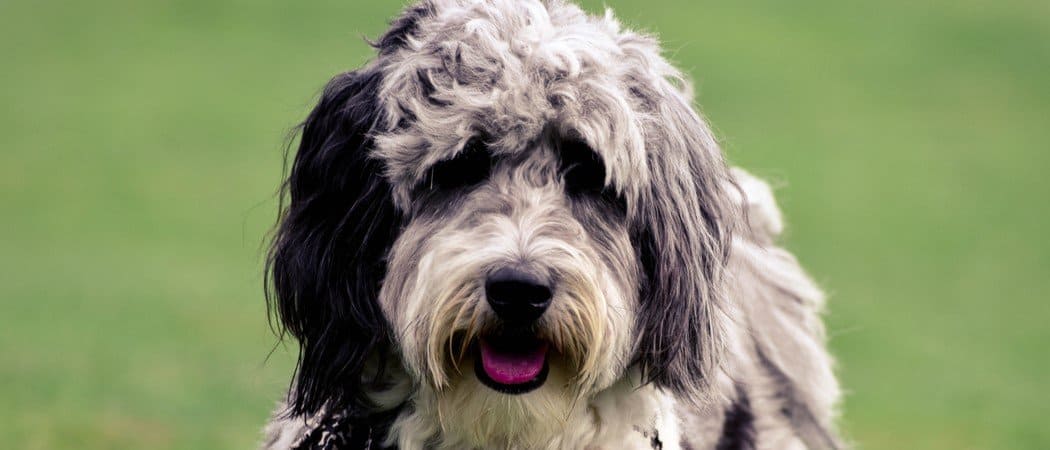
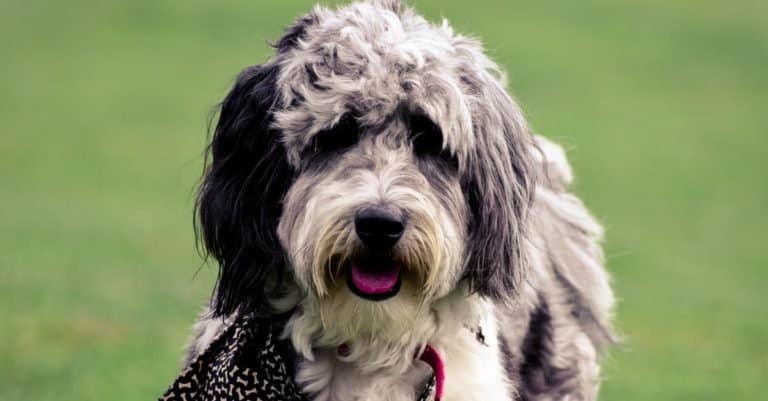
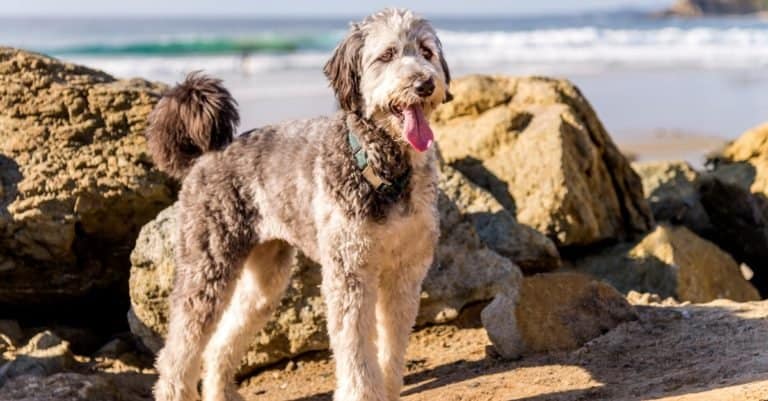
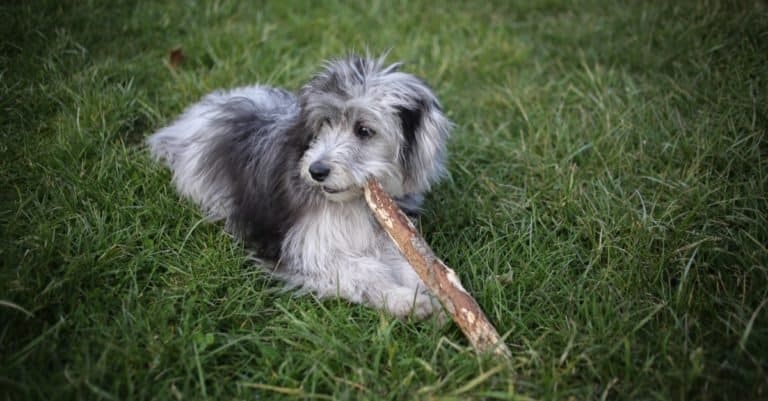
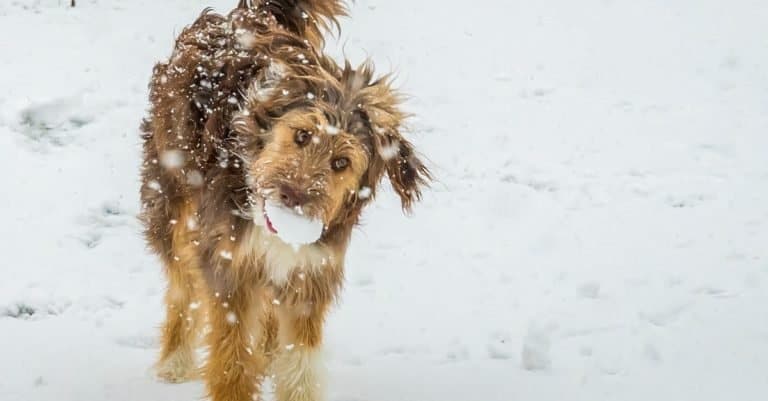
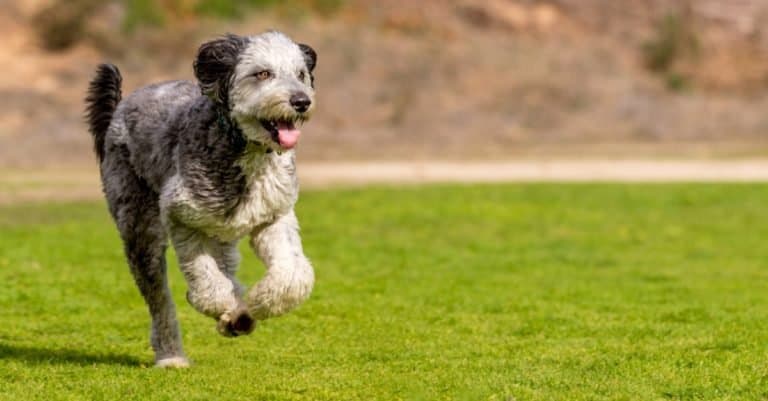
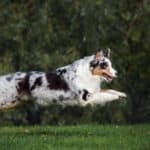
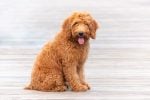
Almost unbelievably adorable, the full-grown Aussiedoodle is a fluffy-haired bundle of cuteness. Like the average designer dog, this breed’s physical characteristics vary. Typically, this dog is slim, medium-sized, and has a strong body. Coat colors come in many a range, but coats can be straight, wavy, or curly, depending on the genetic influence of the parents.
Born from extremely intelligent animals, the Aussiedoodle is extremely intelligent. It’s also a fairly cooperative dog, making training almost easy. These dogs love work. And, for the Aussiedoodle, work and play are the same thing. They put as much joy and enthusiasm into competing as they do chasing a stick.
The Aussiedoodle is fun and will keep the family entertained and active. This is a great pet for an active family with a nice yard or a nearby dog park.
Other names for the Aussiedoodle include Aussie Poo, Oz, Aussie-poo, Australian Shepherd Poodle, Aussiepoodle, and Aussiepoo.

Owning An Aussiedoodle: 3 Pros And Cons
The canine community sees the Oz as one of the smartest mixed breeds around. Though a purebred mix, these unique animals can be found for rescue and in shelters. But before you bring an Aussiepoodle home, here are three pros and cons to consider.
| Pros | Cons |
|---|---|
| Aussiedoodles are healthy dogs. While hybrid dogs like the Aussiedoodle may benefit from genetic diversity, both Poodles and Australian Shepherds are prone to certain health issues, and Aussiedoodles can inherit conditions from either parent breed. | Aussiedoodles have a tendency to easily pick up bad habits. These dogs are easily trained, and they’re smart. These traits can work the wrong way. They can pick up bad habits quickly. It’s a good idea to have your Aussie poo trained early, hopefully, while the puppies are not full-grown. |
| Aussiedoodles have a reputation for their loyal temperament. They’re known for being loving and goofy. But these creatures know no bounds in their great affection for humans. They do have the capacity to pick out favorites, tending to lean on them, and catering to them. | Aussiepoodles don’t handle solitude well. If left alone for long periods of time, the dogs get bored and could find all sorts of trouble. Try to minimize the time leaving your Oz alone, as they need your company and attention. |
| Aussiedoodles don’t shed much. Blessed with the minimal shedding of the poodle, the Aussiepoodle isn’t going to make keeping your home dander-free harder. These dogs produce fewer allergens, making them hypoallergenic. They’re a great choice for homes with occupants suffering from respiratory problems. | Aussiedoodles are high maintenance when it comes to coat care, haircuts, and grooming. Like most poodle breeds, the distinctive look of the Aussiedoodle requires work and diligence on the owner’s part. |

This breed has minimal shedding and produces fewer allergens.
©Steve Bruckmann/Shutterstock.com
History Of The Breed
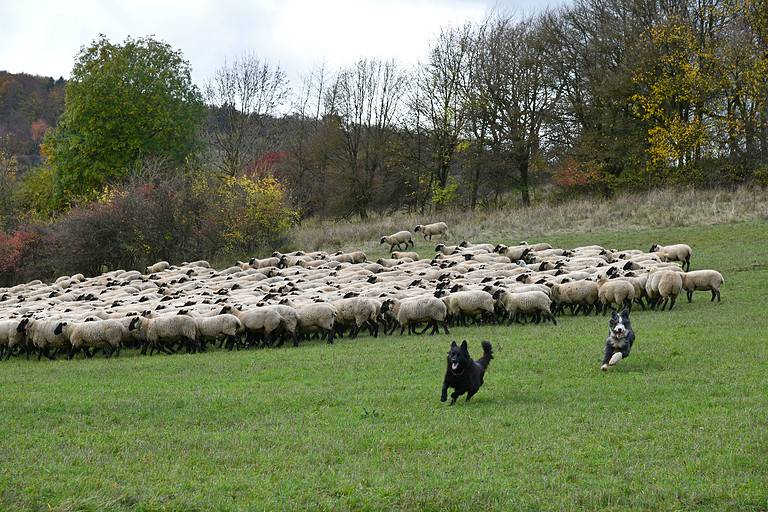
The Aussiedoodle was first created in the 1990s and early 2000s by breeders in North America by mixing the Australian Shepherd and the Poodle. Since it is a relatively newer breed, they don’t have a detailed or extensive history but their parent breeds go back much further. The Australian Shepherd, despite its name, did not come from Australia but rather from the western United States in the 19th century, and was intended as a herding dog by farmers for their flocks of sheep.
The Poodle, although it is the national dog of France, actually originated in Germany and was bred as a hunting dog. Their name means “to splash in the water” and comes from the German word pudel. Poodles are believed to have started in the Middle Ages.
Size And Weight
Physically, the Aussiedoodle can strongly exhibit the traits of either a poodle or an Australian Shepherd. They are more likely to have the characteristics of the toy or standard poodle. But the Aussie side can dominate too. This puts the Aussie-poo in size ranges of small to medium.
The dog community averages the Aussiepoo’s weight by using the two breeds that spawn the Oz. So, based on their lineage, full-grown Aussiedoodles can weigh in a range of 25 to 70 pounds and are 14 to 25 inches tall. Breeders can better predict a dog’s potential size as they know the size of each parent.
Common Health Issues
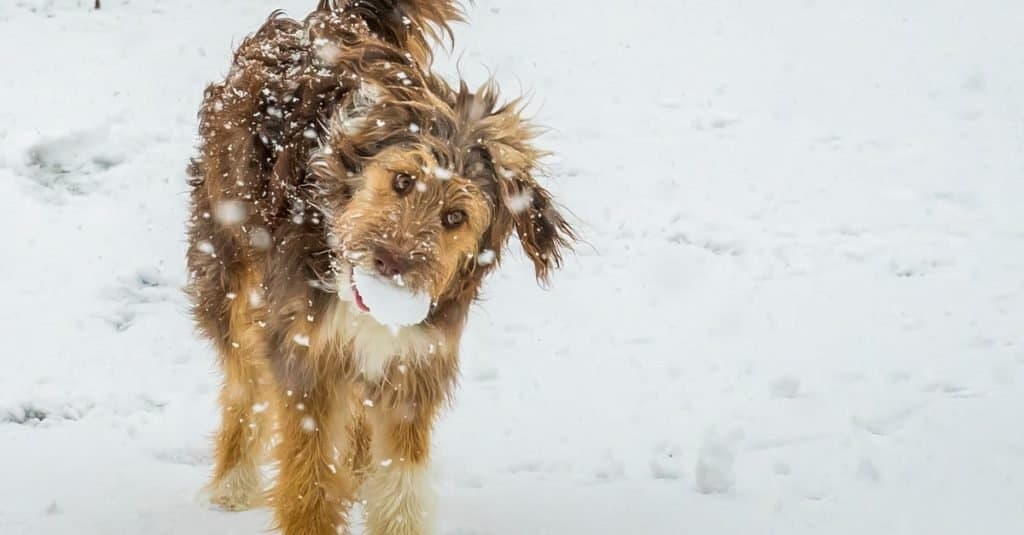
No breed is immune to illness, and the Aussiedoodle is prone to a few medical issues, like Cushing’s Disease.
©Peggy McClure/Shutterstock.com
Despite its inherent healthy genes, no purebred crosses are fit for battle. Some hybrids are healthier and do show more resilience. But mixing breeds can create strains in genes, too. The Aussiedoodle puppies can be healthier as a result of their parentage, but they can also be equally weakened by breed-specific issues.
Breeders know how to take precautions to reduce the risk of health issues through inheritance. This is likely why this hypoallergenic Aussie dog is so healthy. But no dog is immune to illness.
Caring For Your Aussiedoodle
Training will be important. You need to start early, setting up boundaries, rules, and limitations. These dogs are consistent as long as they have leadership. Not to say these dogs — or any canine, for that matter — are angels. Every dog breed is like humankind. Most are genetically predisposed to a form of behavior. But proper training will help your Aussiepoodle become the best dog.
Temperament And Behavior
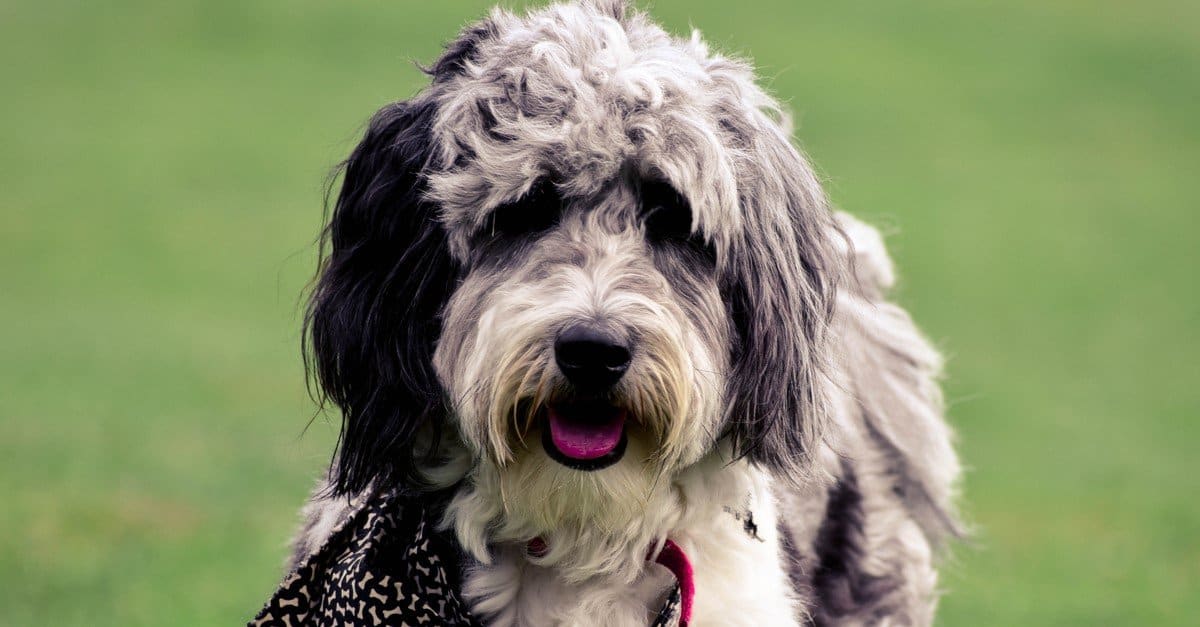
A highly intelligent breed, the Aussiedoodle needs human interaction for a balanced, happy life.
©IK Photography/Shutterstock.com
Being a hybrid, your Aussie’s temperament will be hard to pin down. Generally, we see these dogs as extremely smart, energetically playful, and filled with great love. These are traits you’d find in both their parents. They love people and children and are a safe investment.
These dogs are very affectionate, loyal, and devoted. They need human interaction for a balanced, happy life. They are not candidates for life in kennels, shelters, or rescue houses. If you’re lucky enough to save one, you will have a friend for life.
As excellent family pets, Aussiedoodles love children. There should be supervision whenever the dog is with very young children. (All animals should be supervised.) The dog is filled with energy and could hurt a small child by accident. This is true when the dogs are young. These are rambunctious puppies and can get a little out of control.
Early training and socialization will be important. Some Aussiedoodles are born with herding instincts (for their Australian Shepherd side). These traits can be annoying and risky. You want them corrected at a young age.
The Best Dog Food
Remember that puppies have different nutritional requirements and eat a smaller quantity of food than adult dogs. Look at your dog’s age, size, activity level, and most likely potential health problems, and consult a vet for guidance in planning an appropriate diet. Most Aussiedoodles are healthy overall, but owners want the best for their dogs, so it’s smart to find quality dog food that suits the breed’s specific needs. Raw-blend and freeze-dried food can be a good route toward complete nutrition.
Maintenance And Grooming
You should prepare to give your dog proper grooming once a week. Use a slick brush to remove loose hair. Do this at least twice a week during the Fall and Spring seasons. If your Aussie is more poodle, you may be better off with a professional groomer. You’ll want to get your Aussiedoodle’s hair cut at least every couple of months.
These Aussie dogs are prone to matting. Regular brushing and grooming sessions are the only way to prevent this. Let the length of your dog’s hair determine how often and how long you should brush. You also want to trim the hair on the face, especially around the eyes.
Being a hypoallergenic canine, you don’t have to worry about shedding. So, you’re not grooming so much for hair loss as for appearance. So your haircuts will be important.
Ensure your Aussiedoodle’s health through regular veterinary checkups. That will develop a care routine and help catch health concerns early.
Training
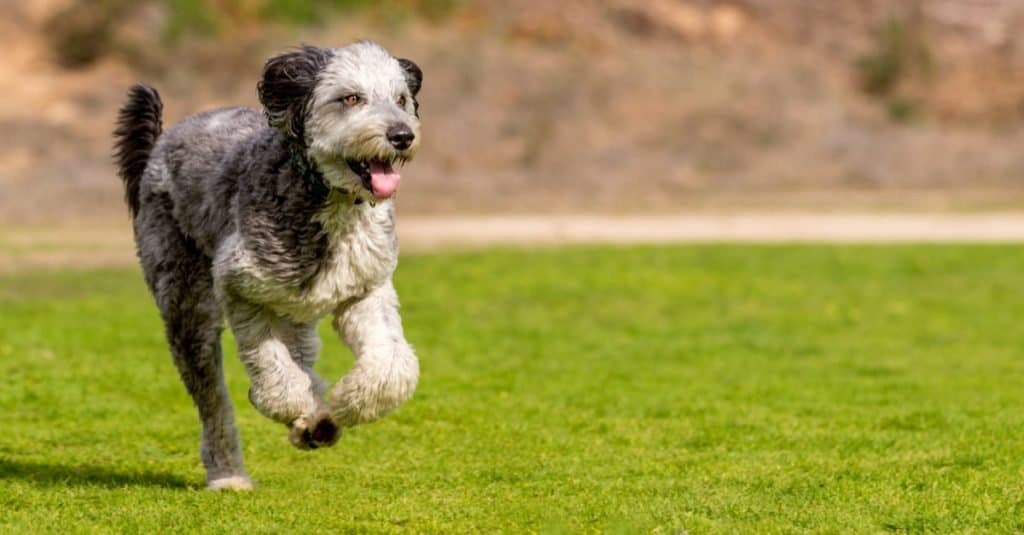
Aussiedoodles are fast to pick up on training lessons but need a firm, loving hand.
©Steve Bruckmann/Shutterstock.com
With its intelligence, breeders say training the Aussiedoodle can be a breeze. These puppies want to please and are fast to pick up on lessons. For reward-based training, these dogs put their best foot forward. Like most breeds, they don’t respond well to poor and harsh training.
When training the Aussiepoodle, use a firm but loving hand. Maintain consistent leadership. It’s the best way to sustain a regimen that turns Aussie puppies into full-grown and well-behaved dogs.
Exercise
Your dog has high energy levels and a love of play. It’s important to give your Aussiepoodle plenty of time to burn off energy with regular exercise. A daily hour-long walk will work. If you jog, it’d be great to let your Aussiedoodle tag along. They’re great company and love following humans whenever they can.
On top of this, these dogs need mental stimulation and challenges. They like applying themselves and basking in the reaction their successes generate. Keep dog toys around when the dog needs to keep itself busy, but don’t rely on them.
In essence, this is a dog best suited for active families with energetic children. You will all have to dedicate time to the dog, stimulating him through physical and mental activity every day.
Puppies
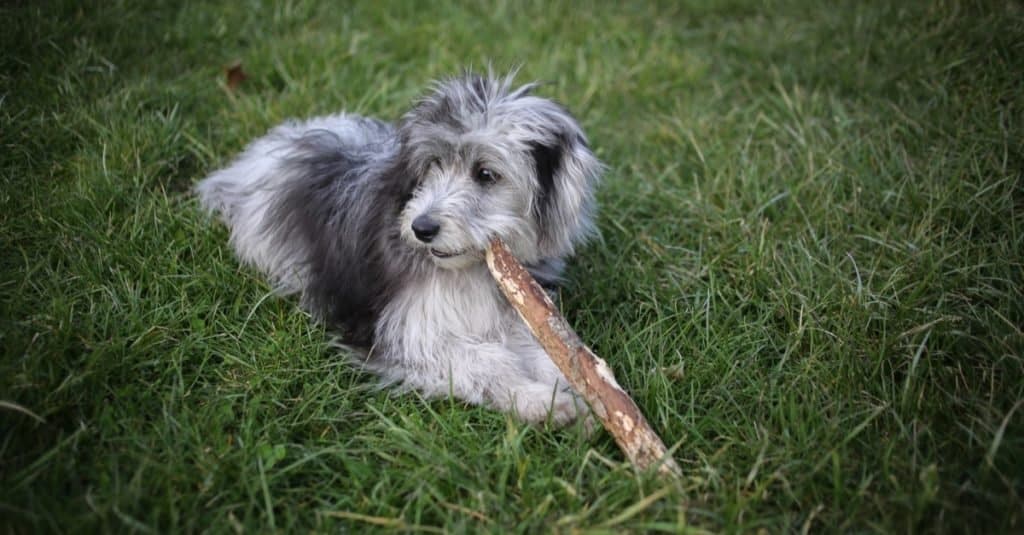
Aussiedoodles should be socialized from an early age.
©Holly Anne Cromer/Shutterstock.com
From an early age, you want to socialize your Aussie puppies. They get along well with humans and other animals, but you must breed this behavior in them. The Poo is a curious breed. Expose the dog to as many safe social situations as possible. Doing so will help them grow into well-balanced adult dogs.
This training won’t be too hard a task. Aussiedoodles draw plenty of attention. It’ll be harder to keep people away and vice versa.
Aussiedoodle And Children
Aussiedoodles need plenty of exercise and play. This is what makes them great family pets. Even if on the outskirts of activity, the dog will love running around with the family as they play. But children must understand how to interact safely with a toy Poo.
Early socialization, training, and monitoring will go a long way to ensuring your dog safely functions around others.
Dogs Similar To Aussiedoodles
The doodle family is a large breed of pure and crossbred canines. Here are three dogs like the Aussiedoodle that will also make great rescue pets.
- Pomapoo: The Pomapoo is a tiny dog, a mix of Pomeranian and Toy Poodle. Personalities can vary, but overall, they’re affectionate, amicable, and spunky. They’re known for being outgoing with family and friends but reserved around strangers.
- Bernedoodle: First bred in 2003, the Bernedoodle comes in three sizes. That’s standard, miniature, and tiny. Bred to be companions, this breeding of poodles and Bernese Mountain dogs fits a variety of households. Compared to the Aussiedoodle, the Bernedoodle is loving and gentle with children. Thanks to their temperament, they are often selected as therapy dogs.
- Labradoodle: Friendly and energetic, the Labradoodle is a favorite of doodle fans. The breed’s a big stuffed animal with curly coats. They are among the most sought-after breeds for family pets. They adapt to many environments and socialize well.
Aussiedoodle Pictures
View all of our Aussiedoodle pictures in the gallery.

IK Photography/Shutterstock.com
Sources
- Petguide / Accessed March 6, 2021
- Puppies Club / Accessed March 6, 2021
- Dog Breeds 911 / Accessed March 6, 2021
- Dogtime / Accessed March 6, 2021
- Daily Paws / Accessed March 6, 2021
- 7 News / Accessed March 6, 2021