

H
Species Profile

Havamalt

Canis lupus familiaris

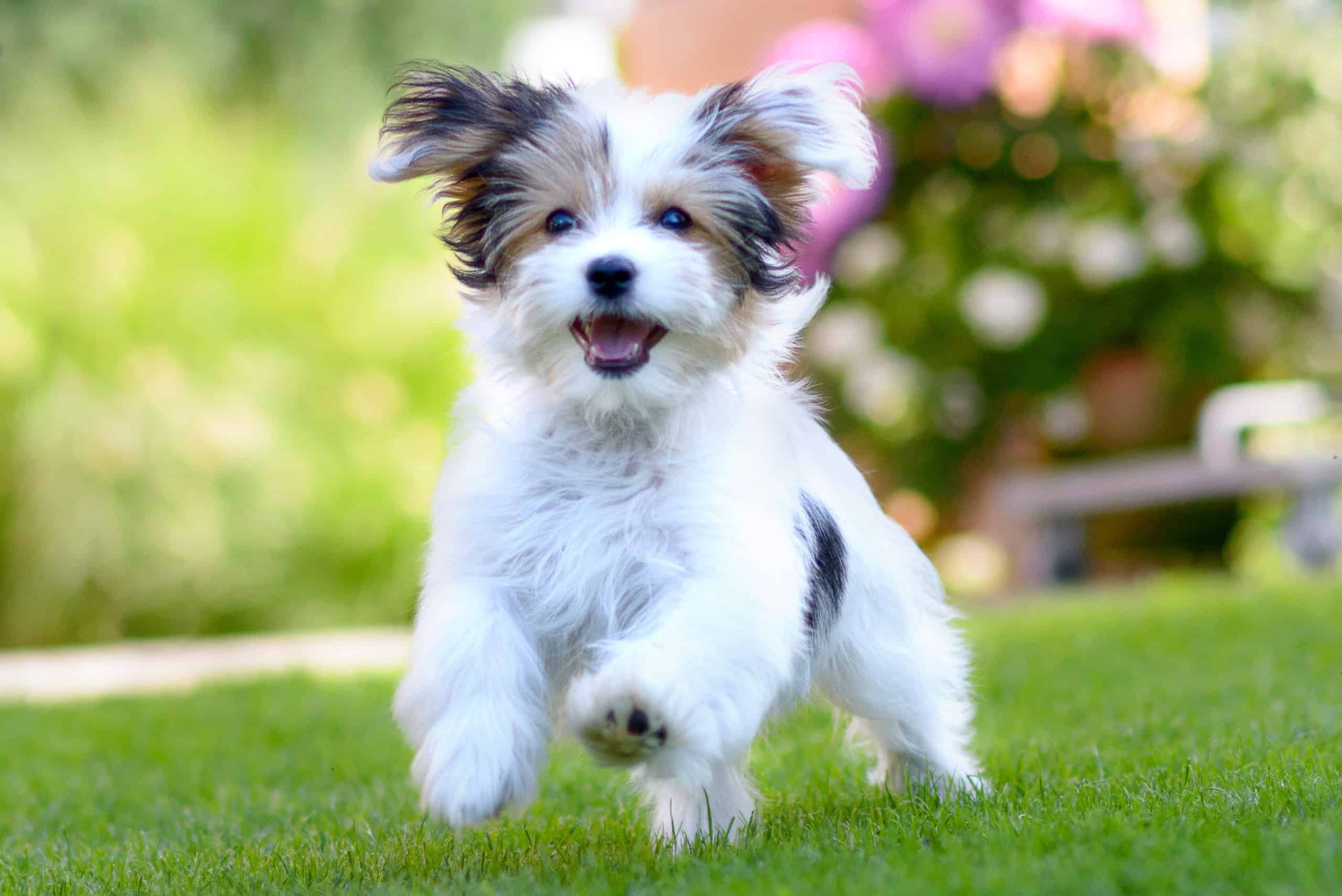
Tiny charmer, big heart.
Michaelheim/Shutterstock.com

Havamalt Distribution

Domesticated Species

Found Worldwide

Size Comparison

Human 5'8"
Havamalt 9 in

Havamalt stands at 14% of average human height.

Havamalt

At a Glance

Domesticated
Also Known As Hava-Malt, Hava Malt, HavaMalt
Diet Omnivore
Activity Diurnal+
Lifespan 14 years
Weight 7 lbs
Status Not Evaluated
Did You Know?

A Havamalt is a designer cross (Havanese ร— Maltese), not a standardized kennel-club breed-so looks and temperament can vary by litter.

Scientific Classification

Havamalt is a small companion dog cross (not a separate biological species/subspecies), typically bred from Havanese and Maltese parents. Like many designer mixes, appearance and temperament can vary by individual.

Kingdom
Animalia
Phylum
Chordata
Class
Mammalia
Order
Carnivora
Family
Canidae
Genus
Canis
Species
Canis lupus

Distinguishing Features

  • Small/toy-sized companion dog
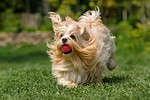
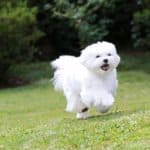
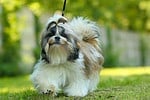
  • Often a long, soft or silky coat (may be wavy)
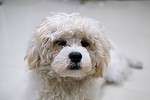
  • Commonly white/cream or light-colored, but coloration can vary
  • Drop ears and a moderately short muzzle typical of many toy companion lines
  • Traits vary because it is a crossbreed rather than a standardized breed

Physical Measurements

Males and females differ in size

Height
โ™‚ 10 in (9 in โ€“ 11 in)
โ™€ 9 in (8 in โ€“ 10 in)
Length
โ™€ 1 ft 6 in (1 ft 3 in โ€“ 1 ft 9 in)
Weight
โ™‚ 12 lbs (9 lbs โ€“ 15 lbs)
โ™€ 9 lbs (6 lbs โ€“ 12 lbs)
Tail Length
โ™‚ 7 in (6 in โ€“ 8 in)
โ™€ 6 in (5 in โ€“ 8 in)
Top Speed
14 mph
Top speed ~18โ€“25 km/h

Appearance

Primary Colors
Secondary Colors
Skin Type Skin is moderately pigmented and usually covered by a long, fine coat. Skin can be sensitive and prone to irritation or allergies in some lines. Eyes may show tear-stains; nose and eye rims often black.
Distinctive Features
  • Species context (Canis lupus familiaris): A domesticated companion dog; compared with the base species (wolf lineage), the Havamalt is strongly neotenous (juvenile-like facial features), very small-bodied, and selected for companionship rather than hunting/working.
  • Size/build: Small toy-companion proportions; light, agile frame; fine bone common (not guaranteed).
  • Head/face: Moderate stop; short-to-medium muzzle (not brachycephalic); dark, round-to-oval eyes; tear staining can be visible on light coats.
  • Ears: Drop ears with long feathering; ear set and length vary by which parent breed is more strongly expressed.
  • Coat: Long, soft, silky-to-wavy coat (often low-shedding relative to many dogs, but not truly non-shedding for every individual). Coat can mat easily without routine brushing/comb-out.
  • Tail: Plumed tail commonly carried over or near the back (Havanese-like), though carriage varies.
  • Grooming/care requirements: Frequent brushing (often daily to several times weekly), regular bathing and blow-drying, routine trimming around eyes/paws/sanitary areas, and professional grooming if kept in a long coat.
  • Common small-dog health issues: dental crowding (brush teeth daily), patellar luxation, tracheal sensitivity/collapse (use a harness, avoid collar pressure), eye problems (tear stains, dry eye, cataracts), skin allergies, and occasional Legg-Calvรฉ-Perthes.
  • Small with a fine coat, Havamalt is often sensitive to cold and may need a coat in cold or wet weather. Needs moderate exercise โ€” short walks and play โ€” avoid high jumps or falls.

Sexual Dimorphism

Sexual dimorphism is mild; males are often slightly larger/heavier with a broader head/neck, but overlap is substantial and individual variation is high in this designer mix.

โ™‚
  • May have slightly broader skull/muzzle and more robust neck/chest proportions.
  • Often carries marginally more overall body mass at the same height (variable).
โ™€
  • Often slightly finer-boned and lighter in frame.
  • May appear more narrowly built through the chest/neck (variable).

Did You Know?

A Havamalt is a designer cross (Havanese ร— Maltese), not a standardized kennel-club breed-so looks and temperament can vary by litter.

Both parent breeds are classic lapdogs: selected for companionship rather than hunting or herding, which shapes the Havamalt's people-focused nature.

Coat types range from silky-straight to wavy/curly; many are low-shedding, but none are truly "hypoallergenic."

Their small size and sociable temperament often make them good candidates for learning tricks and therapy-style visiting work-when well-socialized.

Havamalts may inherit the Havanese's "velcro dog" tendencies and the Maltese's alert, lively watchdog behavior (more barking in some individuals).

Because both parents are toy breeds, dental care is especially important; small mouths often mean crowded teeth and tartar buildup.

The name reflects a modern trend in companion-dog breeding-portmanteau "designer" names intended to signal expected traits rather than a fixed standard.

Unique Adaptations

  • Companion-breed temperament: unlike the wild-type wolf (Canis lupus), this mix is shaped by domestication for sociability, reduced fear of humans, and strong human-directed bonding.
  • Small-body efficiency: requires less space and overall exercise than most larger dogs, fitting apartment living when mental stimulation is provided.
  • Coat variability with protective function: longer hair can provide mild insulation and sun protection, but also increases grooming needs; individuals may inherit a drop coat (Maltese-like) or a wavier coat (Havanese-like).
  • Neotenous features (toy-breed selection): many individuals retain juvenile facial proportions that humans find appealing, reinforcing the companion role.
  • Communication tuned to humans: attentive eye contact and responsiveness to voice cues are common domestic-dog traits amplified in lapdog lineages.

Interesting Behaviors

  • Shadowing/"velcro" following: many prefer to stay near their person from room to room, reflecting companion-breed selection.
  • Play-bow bursts and zoomies indoors: short, energetic sprints are common in small companion dogs with moderate exercise needs.
  • Alert barking at novel sounds: can appear as a "doorbell alarm," especially if the Maltese vigilance is inherited.
  • Lap-to-explorer switching: often happy to cuddle, then suddenly investigate scents and new objects on walks.
  • Pawing or "asking" gestures for attention: frequent in dogs bred for close human interaction.
  • Trick-learning enthusiasm: many enjoy short, reward-based sessions; they tend to respond best to gentle methods and consistency.

Cultural Significance

Havamalt (Havanese ร— Maltese) shows todayโ€™s love for small, friendly pets. Its parents link to old lapdog traditions: Maltese from the Mediterranean and Havanese from Cuba. It stands for affection, small size, and easy-to-live-with coats.

Myths & Legends

Maltese lapdogs appear in Mediterranean cultural history with stories of beloved "ladies' dogs" kept by the nobility; classical-era anecdotes and later European traditions portray them as treasured companions of high status and refined households.

The Maltese is often connected (in historical writings and popular retellings) to seafaring and port towns of the Mediterranean, with tales of small white dogs traveling aboard ships and charming merchants and aristocrats alike.

Havanese tradition includes the long-repeated "Havana silk dog" origin story-small companion dogs linked to Cuba's elite society, celebrated as affectionate indoor dogs with a soft, silky coat.

Across European court culture, small Bichon-type lapdogs (the broader family that includes Maltese- and Havanese-type companions) feature in aristocratic lore and portrait traditions as symbols of loyalty, gentility, and domestic comfort.

Modern "designer dog" naming itself has become a kind of contemporary folklore: blended names like Havamalt serve as storytelling shorthand for a dog's expected personality and look, even though each individual can differ widely.

Conservation Status

NE Not Evaluated

Has not yet been evaluated against the criteria.

Population Stable

Life Cycle

Birth 3 pups
Lifespan 14 years

Lifespan

In the Wild
12โ€“16 years
In Captivity
12โ€“16 years

Reproduction

Mating System Polygynandry
Social Structure Managed Domestic
Breeding Pattern Transient
Fertilization Managed Selective
Birth Type Managed_selective

Havamalt (Havanese ร— Maltese, Canis lupus familiaris) breeding is people-managed: internal fertilization with short-term pairings and planned mate choice. Dogs can have multiple mates (polygynandry), but breeders control matings and people raise the pups.

Behavior & Ecology

Social Pack Group: 3
Activity Diurnal, Crepuscular, Cathemeral
Diet Omnivore Highly palatable, soft/odorous animal proteins (e.g., chicken or turkey) often preferred; many Havamalts show pickiness and respond well to small, high-value training treats.

Temperament

Affectionate, people-oriented companion; commonly seeks lap contact and close following behavior (distinct from the base species' more independent, task- and territory-focused social ecology).
Sociable and generally friendly with familiar people and dogs; HUBS pattern: most are outgoing, but some individuals can be cautious with strangers without early socialization.
Playful and lively in short bursts; well-suited to indoor play plus daily walks, with moderate exercise needs rather than sustained endurance work.
Alert and may be vocal; can develop nuisance barking if under-stimulated or reinforced for alarm behavior.
Trainable with positive reinforcement; may show soft sensitivity to harsh corrections and does best with gentle, consistent handling.
Potential for separation-related behaviors (whining, pacing, destructive chewing) if left alone abruptly; benefits from gradual alone-time training and enrichment.
Care requirements (breed-typical): frequent grooming to prevent tangles/mats (coat varies from silky to wavy/curly), routine eye/tear staining hygiene, and high-priority dental care due to small-breed periodontal risk.
Common issues: kneecap problems, teeth crowding and dental disease, windpipe sensitivity or collapse, allergic skin or itching, ear infections if ears are hairy or floppy, and occasional eye problems; keep healthy weight.

Communication

Sharp alert barks Often triggered by door sounds, novel people, or movement outside
Whines/whimpers for attention, greeting, or separation distress.
Low growls or grumbles when uncomfortable Handling, resource guarding in some individuals
Play vocalizations (short yips, excited barks) during games.
Body language: tail carriage/wag style, ear set, and posture changes to signal friendliness vs. uncertainty; small size can make signals subtle and easily missed by larger dogs.
Proximity/physical contact: leaning, pawing, nudging, and lap-seeking to solicit interaction Common companion-breed emphasis
Facial/eye behavior: soft eye contact for affiliation; averted gaze/lip licking as calming signals when stressed.
Scent communication: routine sniffing and limited marking; many are more home-attachment focused than territory-patrolling compared with wild canids.
Licking/grooming behaviors directed at people as appeasement/affiliation, especially in strongly bonded individuals.

Habitat

Biomes:
Temperate Forest Temperate Grassland Mediterranean Boreal Forest (Taiga) Tundra Alpine Desert Hot Desert Cold Tropical Rainforest Tropical Dry Forest Savanna Freshwater Wetland Marine +8
Terrain:
Plains Hilly Valley Coastal Mountainous Island
Elevation: Up to 14763 ft 9 in

Ecological Role

Human-associated commensal omnivore (companion animal) with residual small-prey predatory/scavenging tendencies; not an ecological specialist and typically dependent on humans for food.

companion/social support to humans (anthropogenic ecosystem service) alerting/guardian signaling (barking) that can deter intruders and some pests incidental pest control in some settings (rare, opportunistic) participation in nutrient cycling via waste when not properly managed (negative/neutral service depending on stewardship)

Diet Details

Main Prey:
Small rodents Small birds Insects and other small invertebrates Carrion
Other Foods:
Starchy plant foods Vegetables Fruit Dietary fiber sources

Human Interaction

Domestication Status

Domesticated

The domestic dog (Canis lupus familiaris) came from gray wolves through a long history of living near humans and breeding by people. The Havamalt is not a separate species; it is a modern companion cross (Havanese ร— Maltese) within domestic dogs. People breed them for companionship, small size, low-shedding coats, and friendly temperaments, but traits vary.

Danger Level

Low
  • Bites or nips (often fear-based, pain-related, or from poor socialization/handling)
  • Scratches from play or jumping
  • Allergen exposure (dander/saliva) despite often being marketed as 'hypoallergenic'
  • Zoonotic risks common to dogs if unvaccinated/untreated (e.g., parasites), generally preventable with routine care

As a Pet

Suitable as Pet

Legality: Havamalt (Havanese ร— Maltese, Canis lupus familiaris) is usually legal where dogs are allowed, but must follow licensing, vaccination, leash, and cruelty laws. Housing, pet limits, airline, import, or local rules may apply.

Care Level: Moderate

Purchase Cost: $800 - $3,000
Lifetime Cost: $14,000 - $35,000

Economic Value

Uses:
Companion animal market Breeding and sales (designer mixes) Pet services economy
Products:
  • puppies sold through breeders/rescues
  • veterinary preventive care and grooming services
  • training/socialization classes
  • pet insurance and wellness plans
  • specialty diets and treats
  • boarding/daycare

Relationships

Ecological Equivalents 6

Animals that fill a similar ecological role in their ecosystem

Quick Take

The Havamalt is an entertaining little furball resulting from crossbreeding the Havanese and Maltese. They get their loving nature from the Havanese and their playful personality from the Maltese. These dogs are easygoing and are perfect for families with children and other pets.

However, they don’t like to be left alone for too long and need owners who can dedicate much of their time to their care. Havamalts are generally healthy dogs and, if cared for properly, can live long and happy lives.

Educational infographic about the Havamalt dog, showing parent breeds and a list of physical traits and care needs.
The ultimate family dog comes with a major catch: separation anxiety that can turn destructive. © A-Z Animals

Three Pros and Cons of Owning a Havamalt

ProsCons
Loving and affectionate natureProne to health issues like obesity, patellar luxation, and joint problems
Good with families and other petsCan suffer from separation anxiety
Easy to trainHavamalts can be destructive when left alone for long periods of time

Size and Weight

Havamalt males do not differ in size from the females; both genders weigh around 5 to 12 pounds, and their height varies from 9 to 12 inches.

Common Health Issues

While hybrids are sometimes assumed to be healthier than their purebred parents, research suggests there is no consistent difference in overall health between the two, though they are still prone to some health issues. For the Havamalt, this includes:

Besides being susceptible to these health issues, Havamalts generally have a long lifespan of 12 to 14 years.

Temperament

Havamalts are gentle, sweet-natured dogs who crave lots of human attention and are ready to show affection at all times. Their temperament makes them perfect for families with children and other pets.

In addition, they are loyal and will guard your family to the best of their abilities, despite their size. However, these dogs may suffer from separation anxiety if left alone for long periods, making them anxious and destructive. So, they will thrive in a house where someone is home a lot and will participate in interactive playtime.

How to Take Care of a Havamalt

It’s tough to determine what kind of maintenance a Havamalt needs because it depends on which parent it takes after. However, here is a general outline of what these furry pups might need.

The Best Dog Food

Finding the best dog food for your Havamalt is essential to their health and well-being. Their diet should reflect their age, size, and energy level. For example, energetic dogs require a high-calorie diet to sustain their muscles while they run and play. So, if your dog is low-energy, do not feed them a high-calorie diet.

In addition, Havamalts suffer from joint issues, making obesity a big concern in this breed, which is why you should never free-feed them. Instead, provide your Havamalt with 2 to 3 small meals throughout the day. That way, you can control the amount of food your pup is consuming.

Grooming

Havamalts can vary in coat type, with some inheriting the Havanese’s double coat and others the Maltese’s single coat, but most have long, silky hair. While they don’t shed a lot, they still require a thorough brush 3 to 4 times a week to avoid matting. In addition, they should go for a professional trimming every 3 months.

These pups need natural oils to keep their skin healthy; bathing them too often will dry out their skin, so only wash them when necessary.

Smaller breeds tend to suffer from dental issues, so you must brush their teeth at least 3 to 4 times a week, but daily is even better.
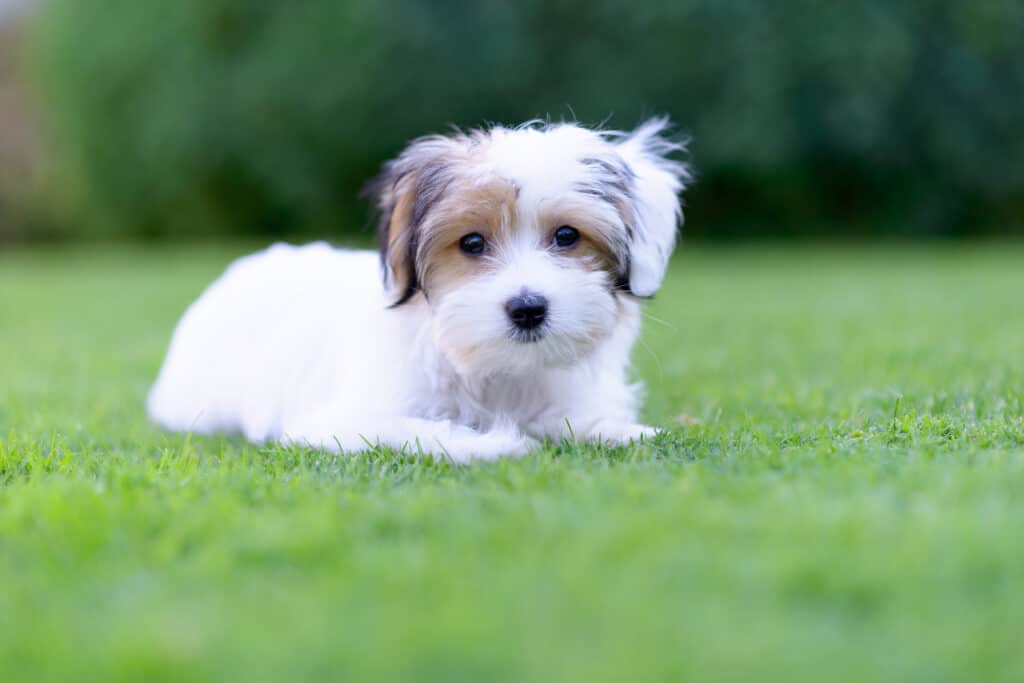
Havamalt

Havamalts are gentle, sweet-natured dogs who crave lots of human attention and are ready to show affection at all times.

Training

Havamalts are intelligent and eager to please. Because of these traits, they are quick learners and relatively easy to train. However, training and socialization need to start when they are young. They respond best to a consistent approach of verbal praise and reward-based training.

Exercise

The Havamalt is a low-energy breed and would much rather play games indoors than go for a lengthy walk. This makes them the perfect apartment dog, but they still need a daily dose of fresh air. To keep them mentally stimulated and fit, they need a daily combination of short walks and indoor interactive activities.

Puppies

While Havamalts are gentle, loving dogs, puppies require early socialization to ensure they get along with other pets.

Havamalt puppies are very small and fragile, so young children require supervision when handling them, as they could accidentally injure their joints or bones.

Both of the Havamalt’s parent breeds have bone and joint issues, so use caution when leash training. If they sustain joint injuries from over-exertion, it could lead to bigger health problems later in life.

Havamalt and Children

Havamalts are perfect for families with children and other pets if socialized from a young age. They are gentle and affectionate and will fit in well in any situation if properly introduced.

Dogs Similar to the Havamalt

There are a few dogs that are similar to the Havamalt when it comes to size and behavior; they include:

View all 288 animals that start with H

Sources

  1. Wag Walking / Accessed September 29, 2022
  2. Pet Guide / Accessed September 29, 2022
  3. Pet Keen / Accessed September 29, 2022
  4. Dog Zone / Accessed September 29, 2022
Chanel Coetzee

About the Author

Chanel Coetzee

Chanel Coetzee is a writer at A-Z Animals, primarily focusing on big cats, dogs, and travel. Chanel has been writing and researching about animals for over 10 years. She has also worked closely with big cats like lions, cheetahs, leopards, and tigers at a rescue and rehabilitation center in South Africa since 2009. As a resident of Cape Town, South Africa, Chanel enjoys beach walks with her Stafford bull terrier and traveling off the beaten path.
Connect:

Thank you for reading! Have some feedback for us?


Havamalt FAQs (Frequently Asked Questions)

The Havamalt is an entertaining little furball resulting from crossbreeding the Havanese and Maltese.