




Quick Take
- This breed came within a whisker of vanishing forever, and its entire modern lineage traces back to a single dog. Discover the breed's revival →
- These dogs are great with kids, though their herding instinct means children might get an unexpected surprise. See herding instincts with kids →
- Your grooming sessions could be doing double duty as health screenings. Here's what to watch for in the coat. Spot health signs while grooming →
- Don't let the size fool you. This dog has a dealbreaker living requirement that surprises most first-time owners. See their living requirements →
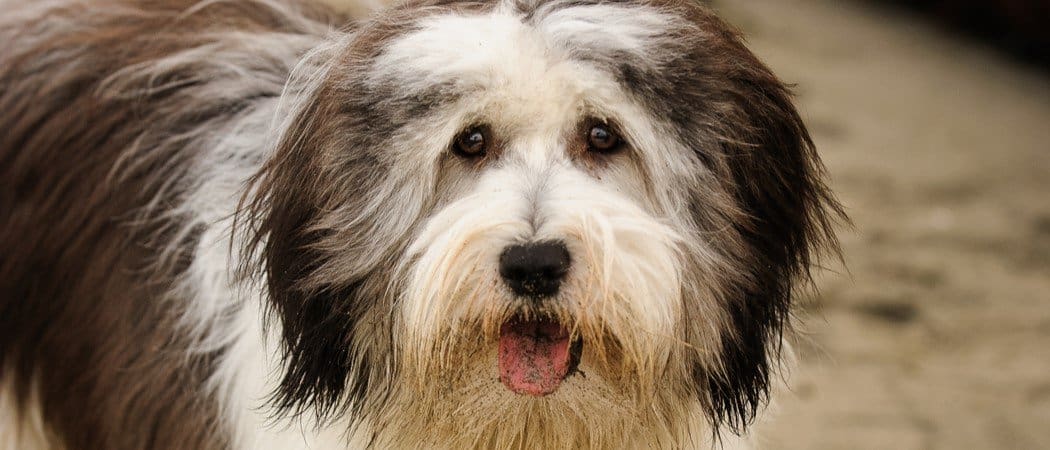
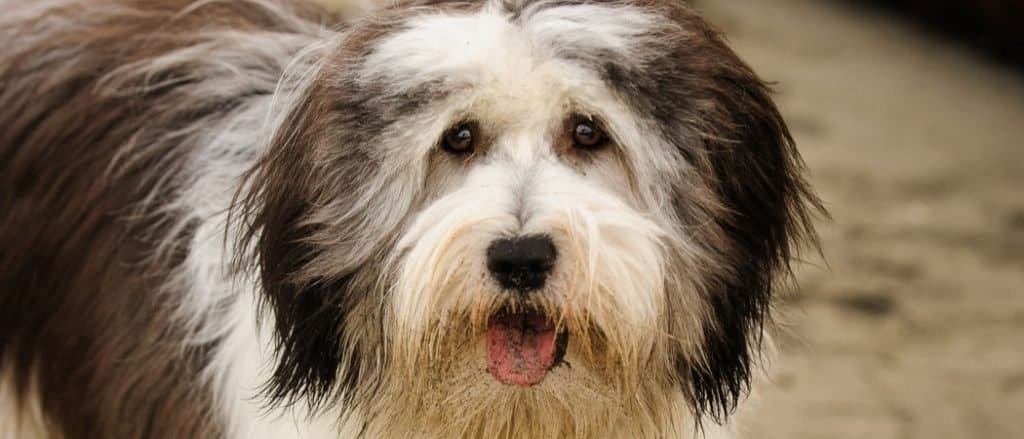
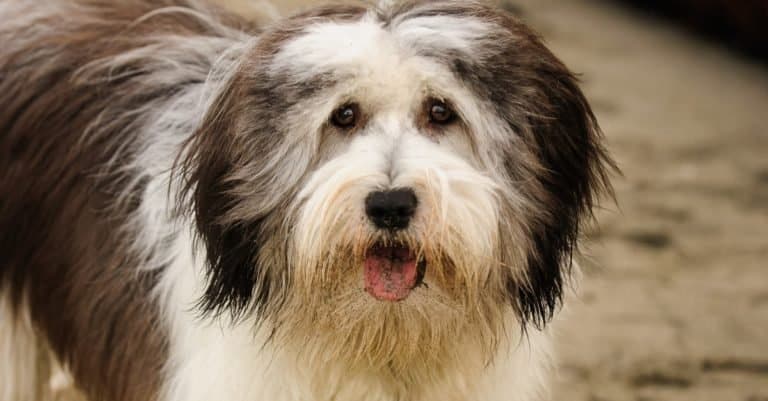
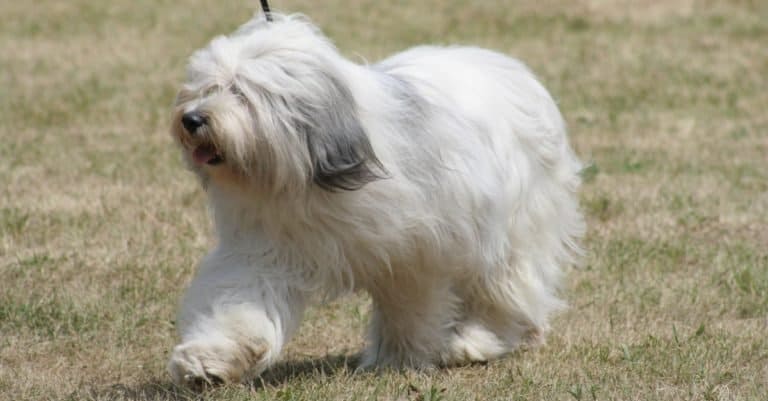
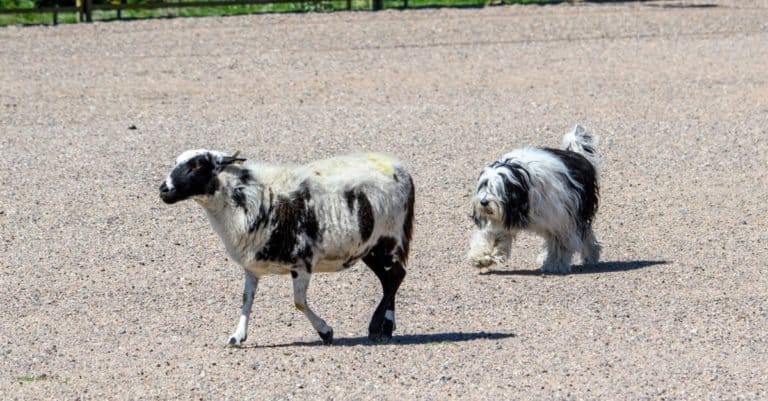
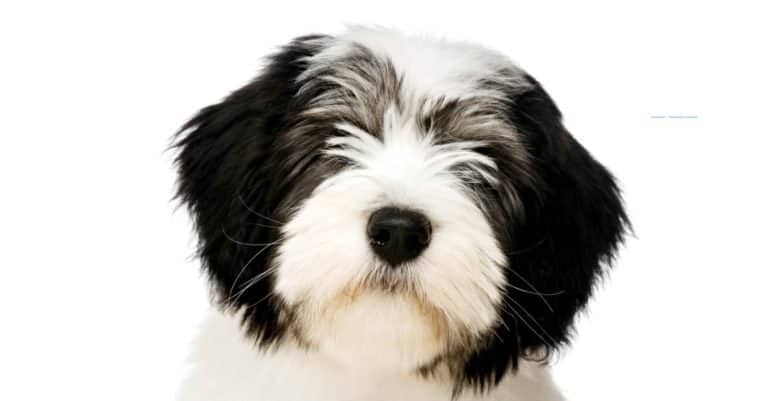
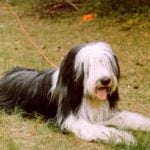
The history of the Polish Lowland Sheepdog dates all the way back to the 1500s. The Polish Lowland Sheepdog was developed in Poland, with possible ancestral links to Central Asian breeds such as the Tibetan Terrier and the Hungarian Puli. Though they are smaller dogs, they are confident and alert when it comes to caring for a herd of sheep. These shaggy dogs belong to the herding group.
This dog is sometimes referred to as a PON. PON is an acronym for the full Polish name of this dog: Polski Owczarek Nizinny. These dogs are playful, energetic, and smart. In addition, they are good with children as well as other pets.

3 Pros and Cons of Owning a Polish Lowland Sheepdog
| Pros! | Cons! |
|---|---|
| Friendly with kids These shaggy dogs have a friendly temperament and are gentle with children. | An extensive grooming routine This dog has a double coat that needs to be brushed at least twice each week. |
| A good watchdog The alert nature of these dogs makes them great for watching over a household. | A high-energy pet These herding dogs need at least 60 minutes of exercise each day. |
| Friendly with other pets These canines get along with other dogs and pets in a family. | Prone to separation anxiety This dog loves to be with its family. So, it can become destructive if left home alone for long periods of time. |
Size and Weight
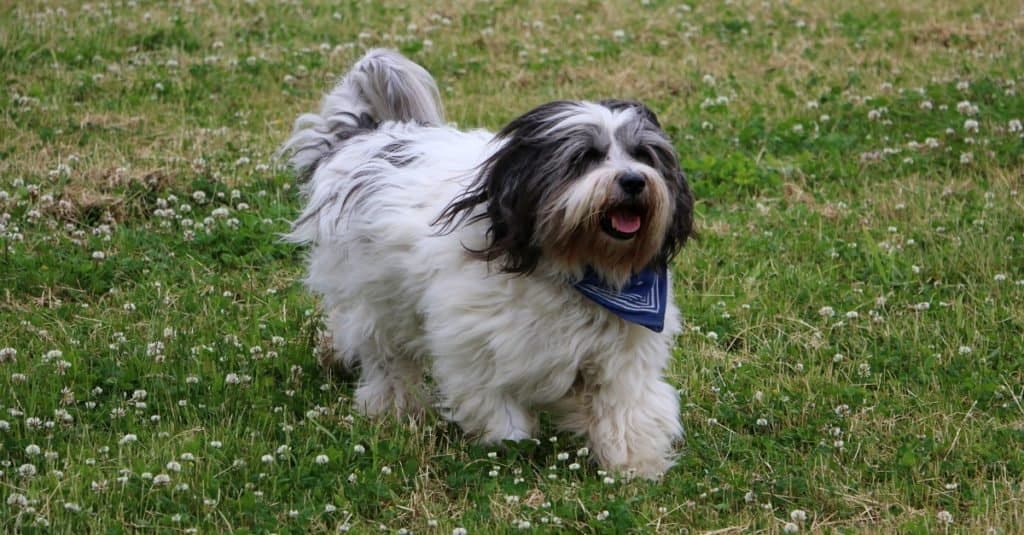
Male Polish Lowland Sheepdogs are slightly larger than their female counterparts.
©Bianca Grueneberg/Shutterstock.com
A male Polish Lowland Sheepdog can grow to a height of 20 inches tall at its shoulder, while females can be 19 inches tall. Males can weigh as much as 50 pounds, fully grown, whereas females weigh up to 45 pounds. Polish Lowland Sheepdog puppies that are 7 weeks old weigh between 8 and 10 pounds. These dogs are considered fully grown between 12 and 18 months old.
Origins
The recent history of these affectionate, fluffy balls of energy can be traced back to a single ancestor Dragon (Smok), into the 1950s.
In other words, the tale of this breed, like so many others, is one that was brought back from the brink following World War Two. But to get to that point, we need to reach even further back in time to its earliest beginnings. The Polish Lowland Sheepdog is believed to be the descendant of the Tibetan terrier, a long-haired canine used to run errands on the Tibetan mountainside. The Puli is another of its forebears. This clever, agile canine, noted for its trademark corded coat, is believed to have been brought to Hungary during the 9th century.
The Polish Lowland Sheepdog is believed to have emerged in Poland by the 16th century, with possible ancestral roots dating back earlier. It is also believed to have reached Scotland in the 16th century thanks to Polish seamen who swapped the long-haired breed for other animals.
Following the Second World War and the reversal of its fortunes which followed, a plucky vet, Dr Danuta Hryniewicz, bred her beloved Smok in hopes of establishing the breed. And the rest, as they say, is history. The canine was responsible for no less than 10 litters during the decade following the end of World War II. The breed was well on its way, and by the end of the decade in 1959, it was recognized by the Belgium-based Fédération Cynologique Internationale.
Common Health Issues
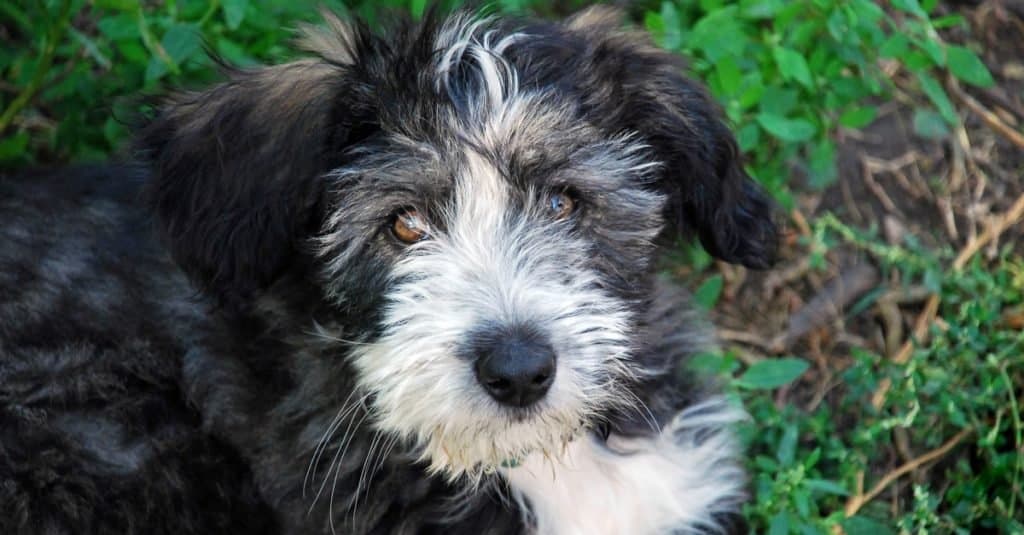
Polish Lowland Sheepdogs are prone to hypothyroidism and hip dysplasia.
©KawaiiS/Shutterstock.com
Like other dog breeds, the Polish Lowland Sheepdog has some common health issues. One of those issues is known as hip dysplasia. Hip dysplasia occurs when a dog’s hip joint doesn’t fit together properly. Hopping and limping are two signs of this condition. The treatment for hip dysplasia depends on how severe it is. Some dogs can improve with physical therapy, while others need surgery.
Another common health issue is progressive retinal atrophy. Progressive retinal atrophy occurs when the retinal tissue begins to deteriorate. The tissue continues to deteriorate throughout the dog’s lifespan. A dog that has trouble seeing at night may be suffering from this condition. Unfortunately, there’s no treatment for progressive retinal atrophy.
Hypothyroidism is another common health issue of this breed. Hypothyroidism happens when there’s a reduction in thyroid hormone levels. Hair loss, lethargy, and itchy or flaky skin are all symptoms. Fortunately, hypothyroidism can be treated with medication.
Temperament and Behavior
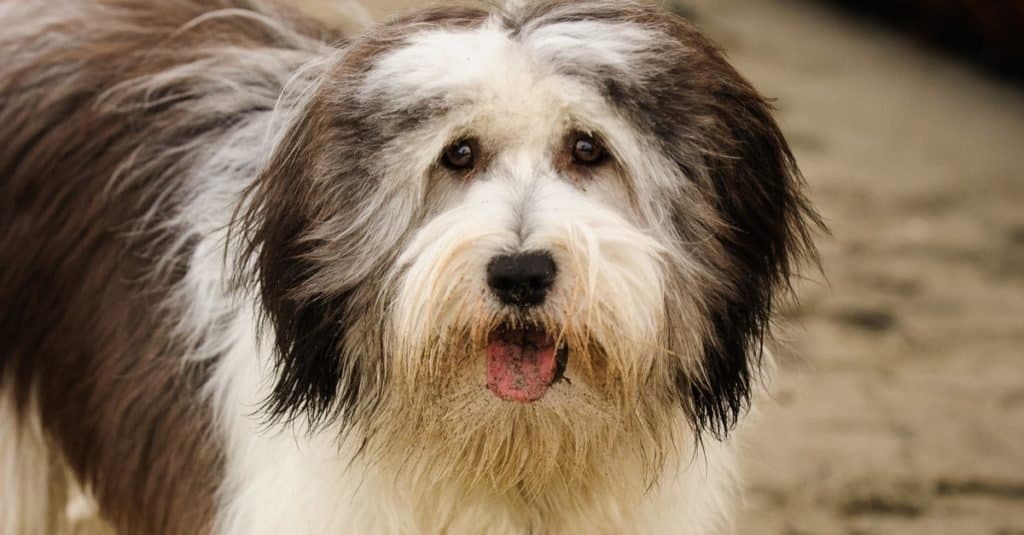
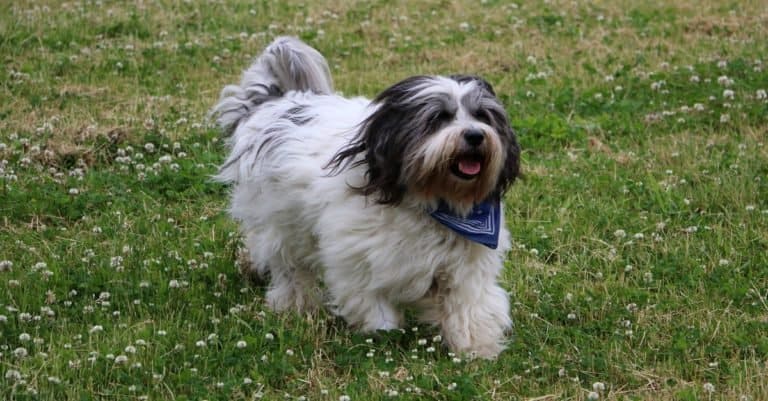
Polish Lowland Sheepdogs are renowned for their friendly, playful disposition.
©everydoghasastory/Shutterstock.com
This shaggy dog has a cheerful, friendly personality. They are suitable for families with or without children and other pets. The behavior of this dog is energetic and playful. This pooch likes to have fun!
Loyalty is one of this dog’s most valued traits. They love to be around their family, no matter the activity. These dogs are known as excellent watchdogs because they are always alert to what’s happening in their environment. They are not shy about barking to let their family know someone is on their property.
How to Take Care of a Polish Lowland Sheepdog
Learning about the diet, exercise requirements, grooming routine, and healthcare needs of a dog or puppy is a big part of being a responsible pet owner. Look at some specifics regarding the overall care of these dogs.
The Best Dog Food for Polish Lowland Sheepdogs
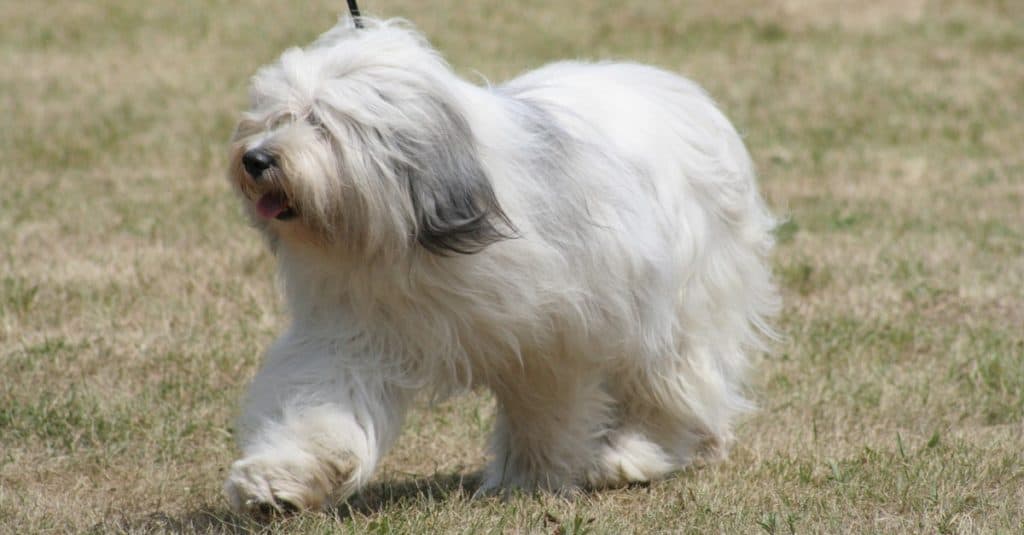
Polish Lowland Sheepdogs require a diet that is low in carbs and filled with lean protein to ensure optimal health.
©Piotr Zajac/Shutterstock.com
Not surprisingly, the food an owner feeds a Polish Lowland Sheepdog can contribute to its health. Of course, puppies and adult dogs need different diets.
Polish Lowland Sheepdog puppy food: Lean protein is important for the developing joints, bones, and cartilage of a puppy. This is especially true for a breed prone to hip dysplasia. Fat in the diet gives these puppies the energy they need to jump, run, and explore their surroundings. Calcium supports the growing teeth, bones, and claws of a young herding dog. Omega-3 fatty acids contribute to healthy brain and eye development in these active puppies. Also, fatty acids help maintain this puppy’s beautiful double coat.
Polish Lowland Sheepdog adult dog food: Chicken, turkey, and fish are all lean proteins that support strong joints and cartilage as well as healthy tissue in adult Polish Lowland Sheepdogs. Fat in a limited amount is necessary for this dog’s diet. A limited amount of fat allows them the energy they need to run and play while not adding excess pounds to their small frame. Vitamin A helps to maintain healthy vision, and the antioxidants in vitamin C help to repair damaged cells. Fiber assists in proper digestion in both adult dogs as well as puppies.
Maintenance and Grooming
How much do these dogs shed? They do a moderate amount of shedding. That’s why brushing them twice a week can help to reduce the amount of shedding they do on the sofa!
A pin brush is an excellent tool to help an owner work through the shaggy hair of this sheepdog. Be sure to check between this dog’s toes for small mats or tangles. An undercoat rake can help to remove any tangles further down in its thick hair. A soft hair brush with boar’s hair bristles can be used on the dog’s face.
Remember that itchy, flaky skin can be a sign of hypothyroidism in this breed. So, an owner should be on the lookout for those signs while working through the grooming routine. A veterinarian will be able to determine whether the dog has hypothyroidism or skin allergies.
Training
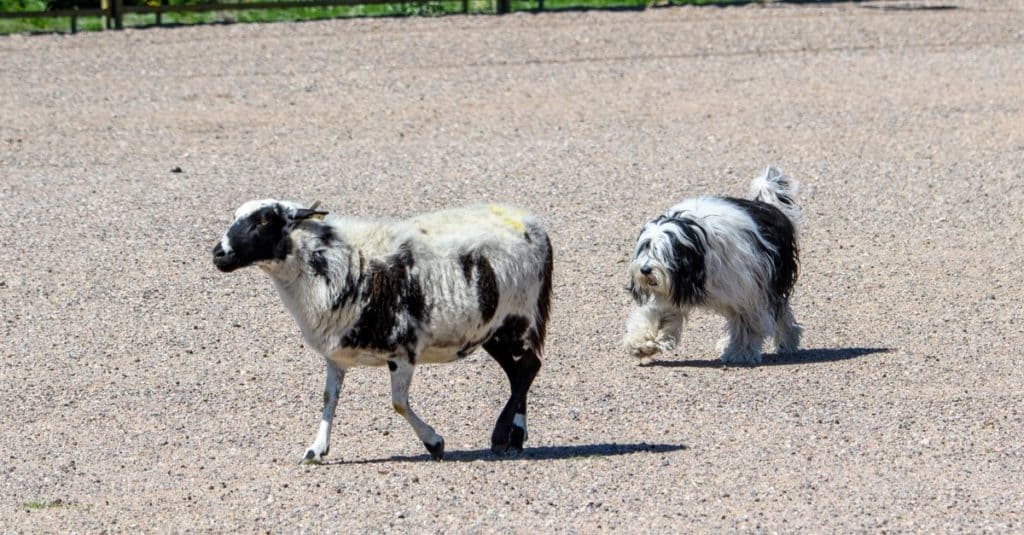
As a result of having been bred to be in charge, Polish Lowland Sheepdogs are known to have a mind of their own.
©GoDog Photo/Shutterstock.com
These dogs are relatively easy to train. Though they are smart, they can be independent and stubborn. After all, they were bred as herding dogs in charge of large numbers of sheep. So, an owner needs to be confident when putting this pooch through its obedience lessons.
Exercise
This high-energy, shaggy canine needs 60 minutes of exercise each day. These dogs need regular, daily exercise to maintain their health as well as their happy temperament.
Hikes in the woods, walks in the park, games of chase or fetch, and visits to the dog park are all great ways to give this dog exercise.
These herding dogs need to be able to stretch their legs in a large area. So, they aren’t good candidates for apartment life. A home with a medium to large-sized yard would be ideal for this lively dog.
Puppies
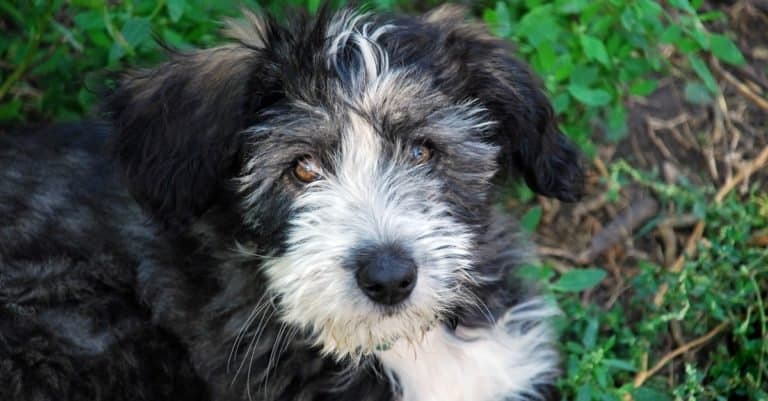
When it comes to these dogs, it’s important to start the socialization process early. A responsible breeder begins this process soon after a litter of puppies is born. Since they were bred to herd sheep, these canines like to be in control. Socialization at an early age lets them know the owner is in charge and makes them a welcome addition to a household.
Children
After purchasing one of these dogs from a breeder or adopting one from a rescue organization, it’s best to monitor its interactions with children. These are herding dogs and may try to push small children in certain directions simply out of instinct. Once again, socialized puppies are less likely to try to herd the kids.
Dogs Similar to the Polish Lowland Sheepdog
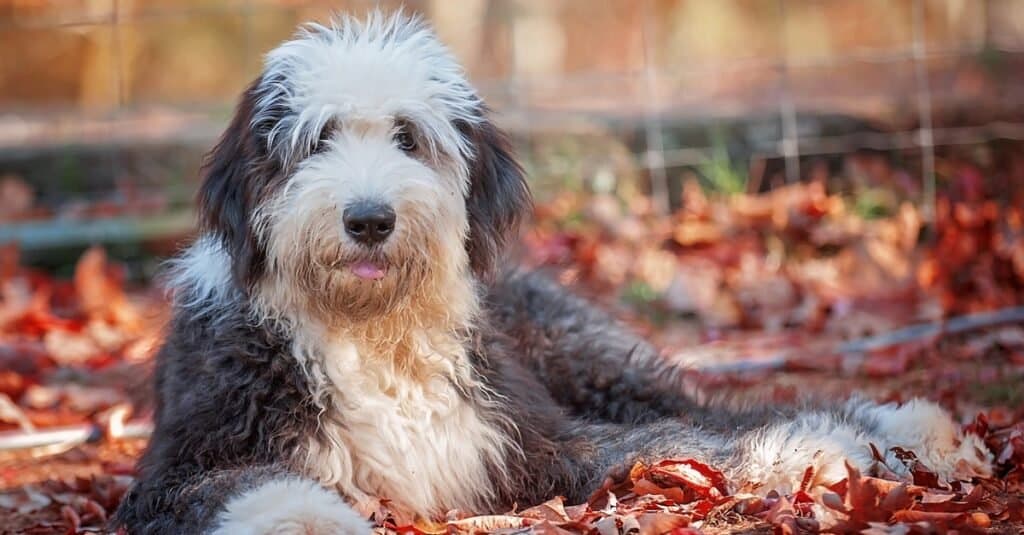
Dogs similar to the Polish Lowland Sheepdog include the Australian Shepherd, Old English Sheepdog, and Belgian Sheepdog.
- Australian Shepherd: This dog and the Polish Lowland Sheepdog share a lot of the same coat colors. Also, they both have a friendly, affectionate temperament. However, Australian Shepherds are larger in size.
- Old English Sheepdog: These dogs have a shaggy coat and sweet temperament, just like the Polish Lowland Sheepdog, but the Old English Sheepdog is bigger in size.
- Belgian Shepherd: Though this dog weighs more and is taller than a Polish Lowland Sheepdog, they have some things in common. Both breeds are alert, friendly, and have a gentle temperament, making them good with kids.
Famous Polish Lowland Sheepdogs
These adorable, shaggy dogs have shown up in the entertainment world. A Polish Lowland Sheepdog named Sparky played the character, Paul Anka, on the popular show Gilmore Girls.
Polish Lowland Sheepdog Pictures
View all of our Polish Lowland Sheepdog pictures in the gallery.

everydoghasastory/Shutterstock.com
Sources
- American Kennel Club / Accessed July 16, 2021
- APONC / Accessed July 16, 2021
- Wikipedia / Accessed July 16, 2021