





Quick Take
- The Yoranian's two parent breeds share a surprisingly scrappy, working-class past, though both ultimately ended up as pampered favorites of royalty and the wealthy. Explore their origins →
- The Yoranian's biggest health vulnerability isn't what most small-dog owners worry about, and ignoring it has consequences that compound fast. See the health vulnerabilities →
- They're marketed as great with other pets, though there is one household situation where a Yoranian's instincts can turn that reputation upside down. Check temperament details →
- Training a Yoranian sounds simple, but there's one thing owners consistently do that stalls the whole process. See training challenges →
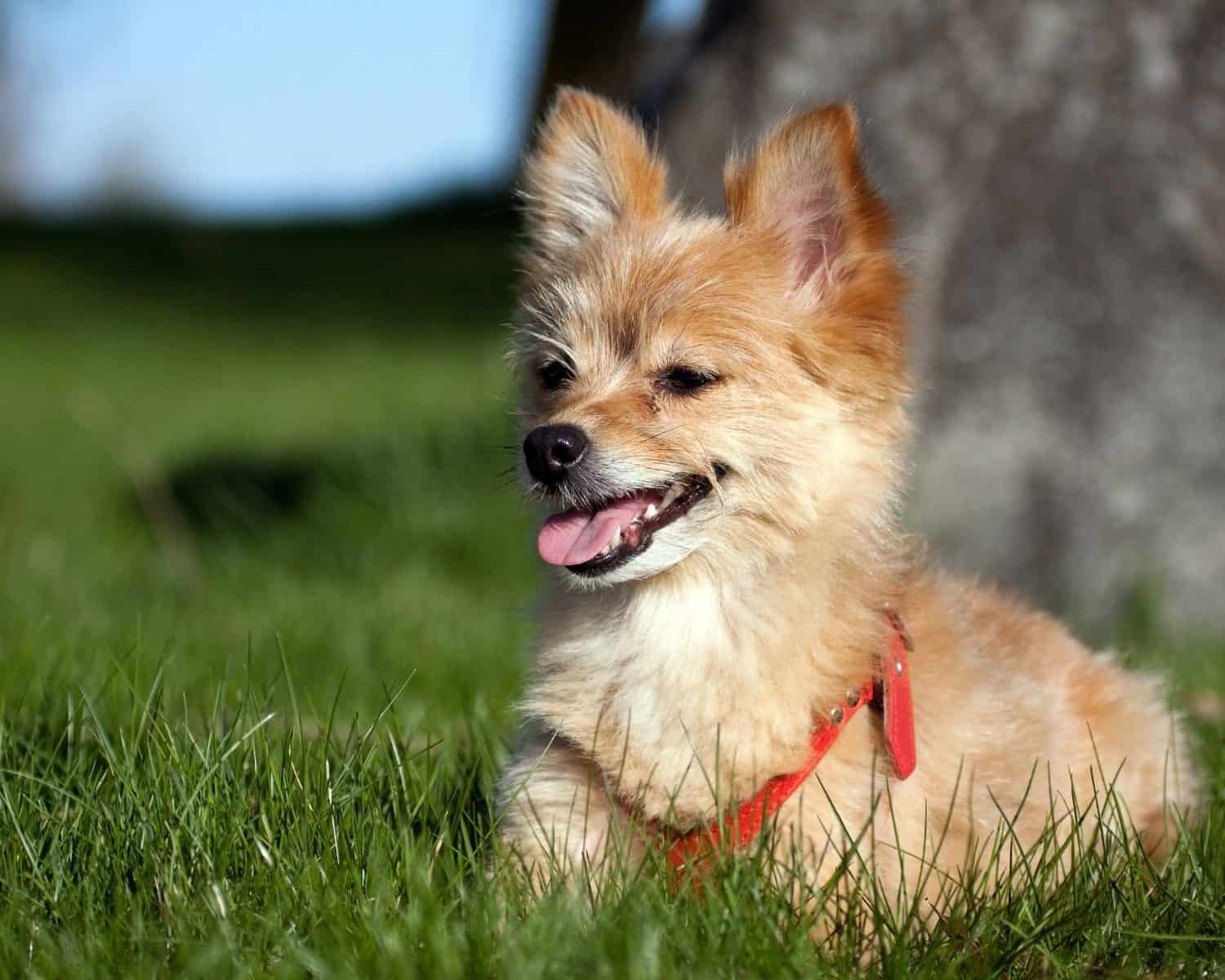
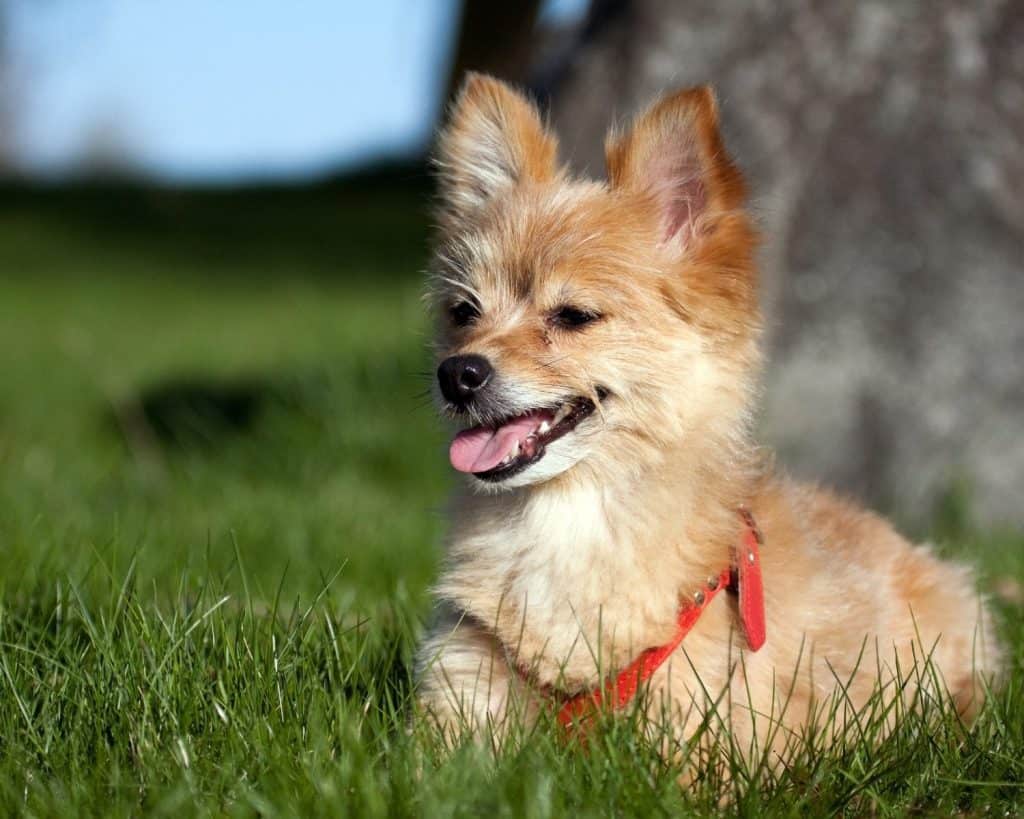
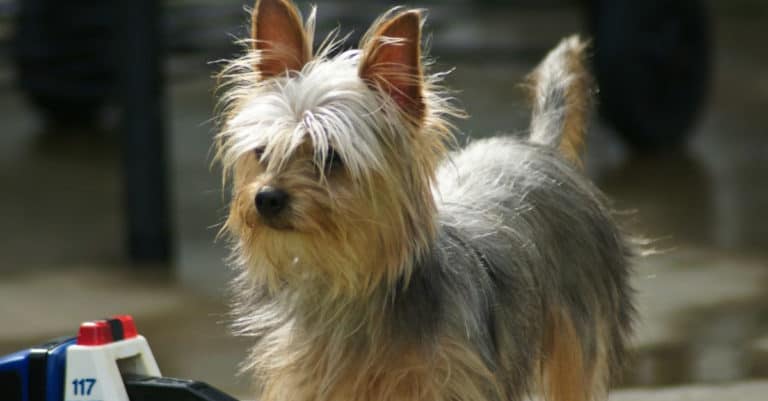
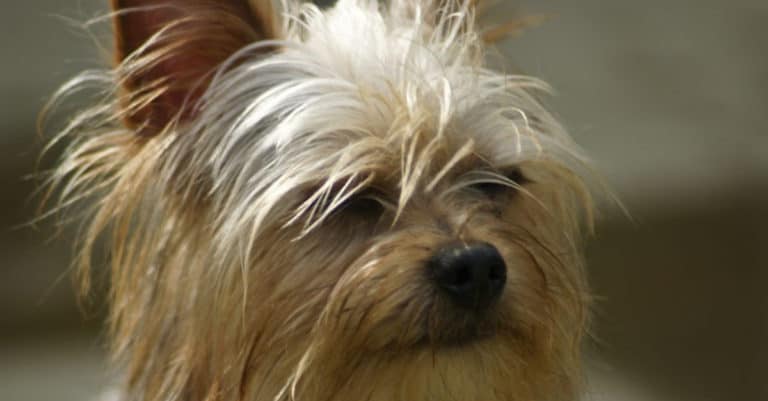
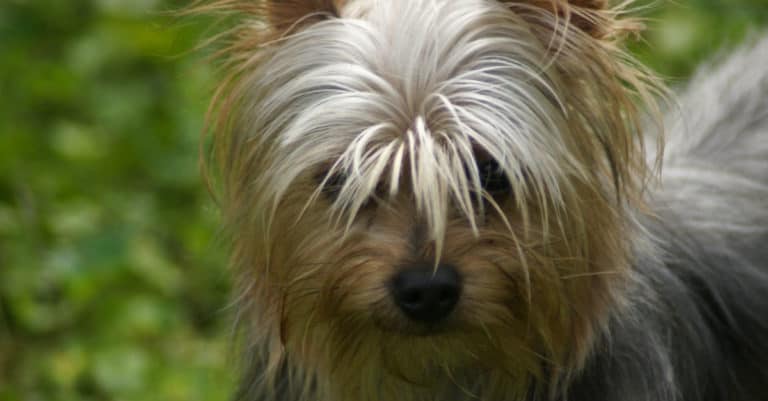
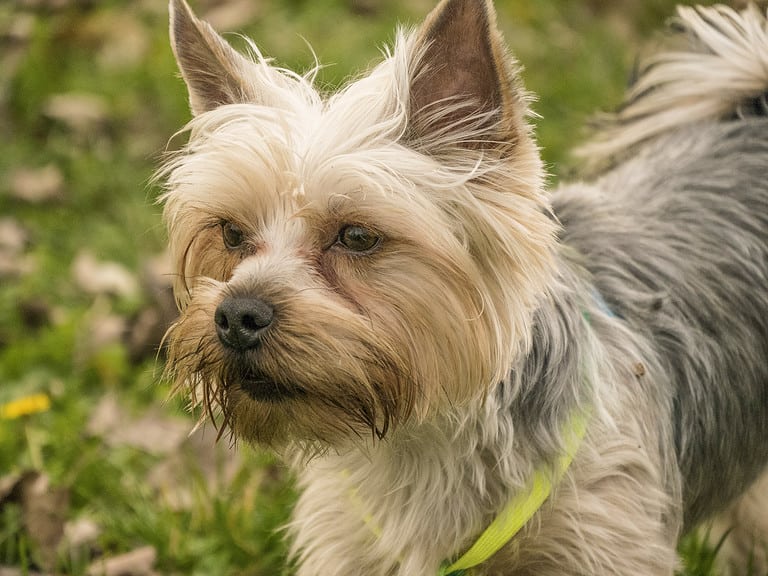
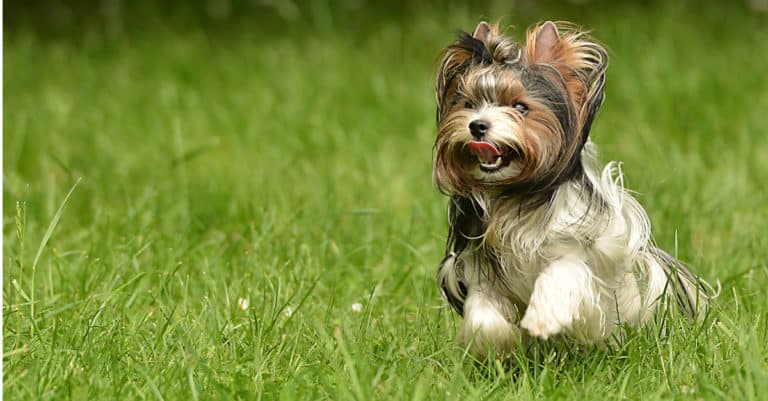
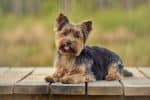
Yoranians are hybrid dogs, a crossbreed between a Yorkshire Terrier and a Pomeranian. They are often referred to as a Yorkie Pom or Porkie Pom. They are tiny in size, growing only six to ten inches in height. Their weight varies from three to seven pounds. They are sturdy little dogs with well-built bodies.
These crossbreed dogs are very playful around children, but they should always be supervised. They bond well with their owners and are happy dogs. Despite being small in size, these dogs have a big attitude. They are very protective of the people they love.

3 Pros and Cons of Owning a Yoranian
Owning a pet comes with its own set of pros and cons. Understanding both the good and the bad about any breed is important, but hybrid breeds are a bit more complex. Here are a few details that might help you make your decision about a Yoranian.
| Pros | Cons |
|---|---|
| Intelligent: These dogs are highly intelligent and pick up tricks and commands in no time. | Small in size: If you want a dog that is not very small in size, then this would not be a good option to consider. |
| Moderate shedding: If you are looking for a dog that does not shed too much, this can be a good option to consider. | Health issues: These dogs are also prone to health problems, which can be inherited from either of their parents. |
| Great with children: Despite their small size, these dogs are great with children and are very playful around them. | Need supervision: When around children, these dogs need constant supervision; otherwise, they can end up hurting the children or themselves during playtime. |
Size and Weight
These dogs are small dogs with big attitudes. They have sturdy and well-built bodies. They are 6 to 10 inches in size and weigh about 3 to 7 pounds in weight as adults.
Origins

Yoranians come from rat-hunting forbears
©pakornkrit/Shutterstock.com
No one can quite tell who first bred the yoranian, or when it first stepped on the scene. And yet, like all mixed-breed dogs, the origins of this adorable ball of fluff are best explored by taking a look at the history of its parentage.
Pomeranians are the smallest Spitz breed. As their name suggests, they originate from Pomerania, a name given to a region wedged between Germany and Poland. However, they experienced the 19th-century equivalent of going viral thanks to Queen Victoria, who adored the puffy little canines and was a huge fan.
Yorkshire terriers are a mix of breeds and were brought by Scottish textile workers to the north of England. There, they earned their keep eliminating rats in mills and even served the same purpose in mines. Official recognition in the late 19th-century saw them elevated to a position of pampered luxury owing to a growing fondness of wealthy ladies for their rodent-like faces, silky fur, and feisty natures.
Common Health Issues
Due to being a mix between a Yorkshire and a Pomeranian, the Yorkie Pom is at risk for various health concerns that stem from both its parents. Their teeth are at a greater risk than those of other breeds. Tooth decay and tooth loss are frequent issues for this breed. Eye irritation is relatively common as well, potentially leading to retinal atrophy. Other known problems include hip dysplasia, a collapsed trachea, and patellar luxation.
Temperament
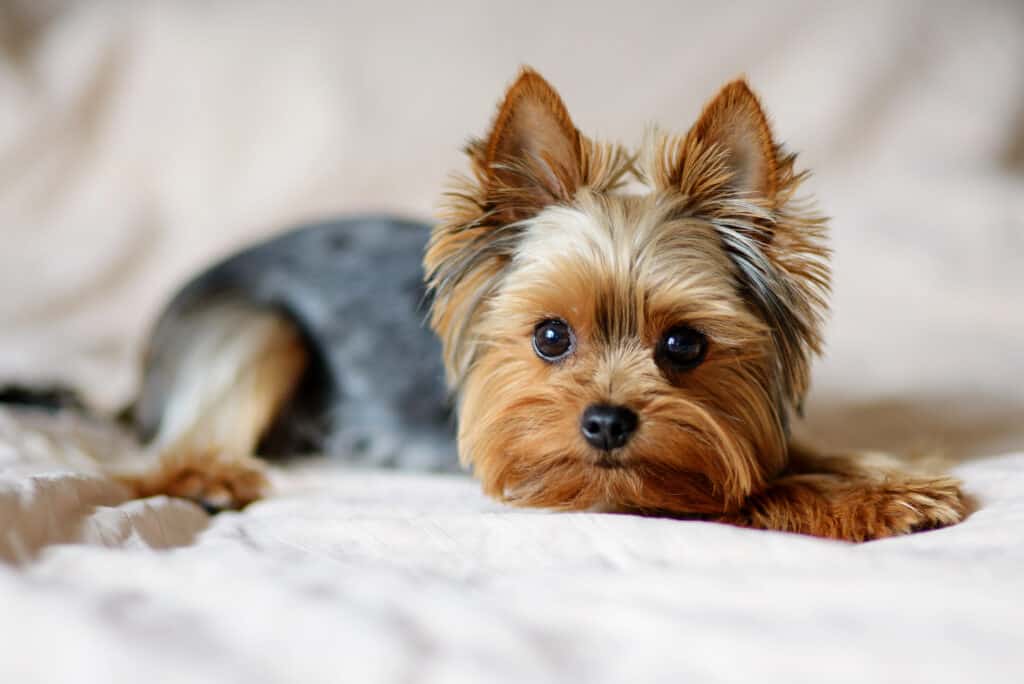
Yoranians are just as feisty as their Yorkshire Terrier relatives.
©Anna Vasiljeva/Shutterstock.com
This tiny dog is fearless and has a big attitude. They adore their owners and their families. Yoranians are a little uncomfortable around strangers, which is why it helps to socialize these dogs with older animals and with people to prevent behavioral issues. These dogs are also known to be super alert and overprotective of their owners.
Despite being a small dog, these dogs are great with children. These dogs are really playful around children, especially when they grow up with them. However, they should always be supervised around children due to their small size. A clumsy child could easily injure one of these small dogs.
Not only are these dogs good with children, but they are also good with other pets. However, they should be introduced to smaller pets with caution because they have a strong prey drive.
How to Take Care of a Yoranian
Taking care of a pet is of utmost importance. Therefore, before you buy or adopt the Porkie Pom, it is important to understand how to take care of them. Here are a few tips:
The Best Dog Food
These dogs love eating wet food. However, you should also consider giving your dog premium-quality dry dog food. They will require tiny kibble bites. Dry dog food will help clean the teeth and gums, which is important in a breed known for dental issues. Feed high-quality puppy food to Yoranians under a year of age. Watch the portions carefully when you switch to an adult diet. Your vet can help you determine the right amount of food for your adult Yorkie Pom.
Since dental issues are one of Yoranians’ biggest health problems, settle on a dog food that supports their dental health. Dry dog food can help reduce plaque compared to wet food, but the best way to support your Yoranian’s dental health is regular tooth brushing and, if needed, dental chews or a combination of dry and wet food as recommended by your veterinarian.
Maintenance and Grooming
Yoranians do shed moderately. You need to brush their coat daily to remove their loose hair and prevent matting. These dogs do not need to visit the groomer regularly. It is important to prevent any kind of plaque buildup in your dog’s mouth. You may need to brush your dog’s teeth. You need to cut the dog’s nails and clean its ears by wiping them with a cloth.
Training
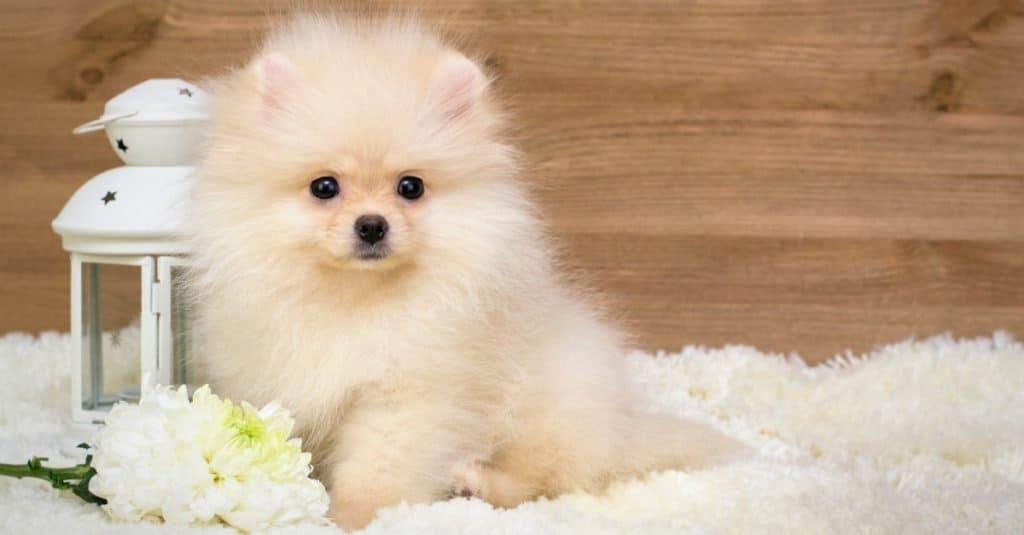
Yoranians take after their German Spitz relatives in intelligence.
©Ivan4es/Shutterstock.com
Yoranians are easy to train, which is why they make great partners and pets. They are intelligent and can easily pick up commands. It is very easy to train them and teach them various tricks while playing with them. Consistency is the key with them. To teach them any trick, all you have to do is keep repeating the trick until they finally pick it up and learn it.
Exercise
These dogs do not have extensive exercise requirements. One walk per day is usually sufficient for them. These Yorkie dogs enjoy their workouts and love playing with toys. You can take this little dog out to play with other small dogs at your local dog park. Make sure that your Yoranian is dressed warmly when the weather is cold.
Puppies
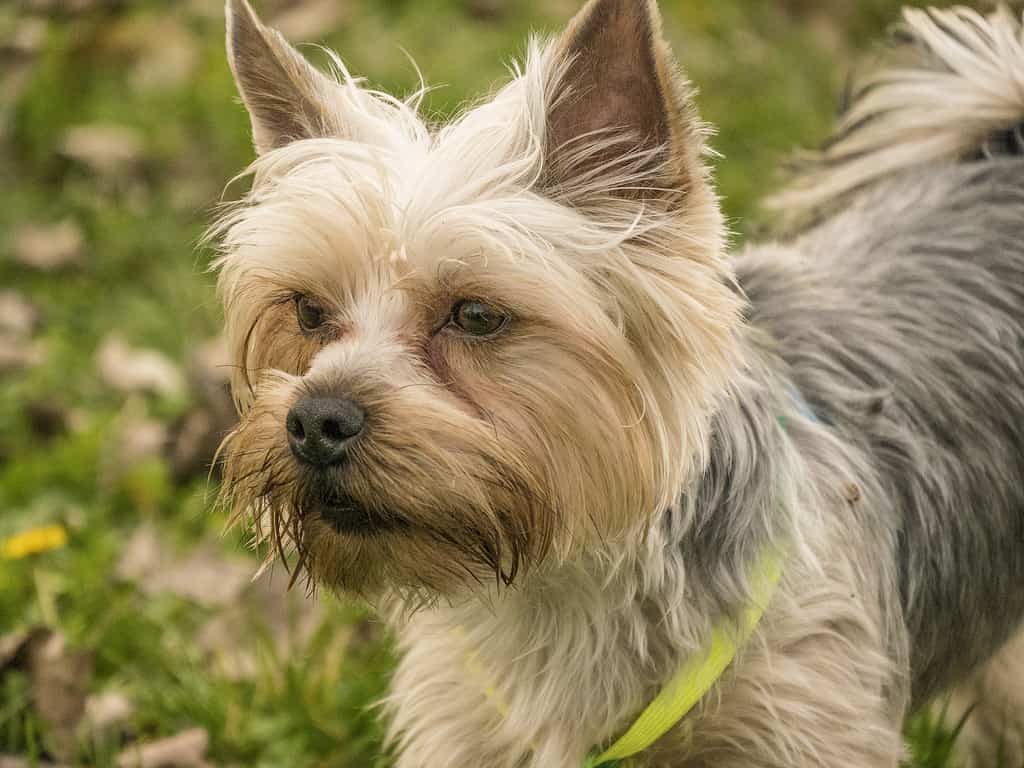
This Yorkie Pom knows how adorable he is.
©iStock.com/DigitalContentCreation
Yorkie Pom puppies need their meals divided into several portions served throughout the day. Their tiny stomachs cannot digest much food at once. The puppy should also be introduced to a social circle early on in life so that it can develop good habits and avoid behavioral issues.
Children
Despite their small size, these animals are great around children. They are highly playful, especially if they grow up with the kids of the family. However, any new animal should be supervised around children, as they can get hurt while playing or can unintentionally hurt the infants of the house.
Dogs Similar to the Yoranian
Even though this Yorky Pomeranian can be a sweet companion, you might find that another breed is a better match. These pups are similar to Yoranians and can make incredible pets.
- Yorkshire Terrier: These dogs are alert and attentive. They have a strong personality and are known to shed moderately.
- Pomeranian: These dogs are super intelligent and do not need a lot of exercise. They are generally healthy and long-lived, but can be prone to health issues such as tracheal collapse, dental problems, and patellar luxation.
- Australian Terrier: These dogs are generally healthy and are fun to travel with due to their small size. While they can get along with other pets if properly introduced, their high prey drive means caution is needed around smaller animals..
Yoranian Pictures
View all of our Yoranian pictures in the gallery.

Sources
- Nylabone Dog Park Locator / Accessed April 20, 2021
- Eye Care For Animals / Accessed April 20, 2021