
Charles Darwin’s On the Origin of Species was first published in 1859, introducing much of the world to evolutionary theory. By that time, Darwin had lived through most of the first Industrial Revolution. He experienced the smokestacks and factory mills of London described by Charles Dickens during an era when the world’s most industrialized powers exploited the labor of indigenous peoples to extract natural resources from Africa, Central America, India, and many other regions, disturbing ecosystems and driving species to extinction in the process. And while humanity’s standing on human rights has largely evolved, our impact on the planet’s plant and animal life has been devastating. Extinctions and habitat destruction happen naturally, but our growing understanding of climate change’s impact on the world around us has only made clear how dire it is.
Our understanding of natural selection has also grown, and this knowledge has been integral in helping us understand the vectors of climate change. Most of us have seen pictures of emaciated polar bears wasting away as the polar ice caps melt, but that’s just one flashpoint in a world full of them. Despite the density and astonishingly specialized roles of many animals, most ecosystems are generally stable and aren’t prone to major disruption unless faced with a crisis such as an invasive species, a major disease, or a catastrophic change in sea levels, temperature, or weather patterns. Recent research indicates that thousands of animal species — including more than 3,500 species — are directly threatened by climate change, with impacts documented across birds, mammals, and many other groups. These are but a few of their stories, with each one offering insight into both the fragility and the adaptability of the world’s ecosystems.
Polar Bears: The Immediate Victim of Global Warming
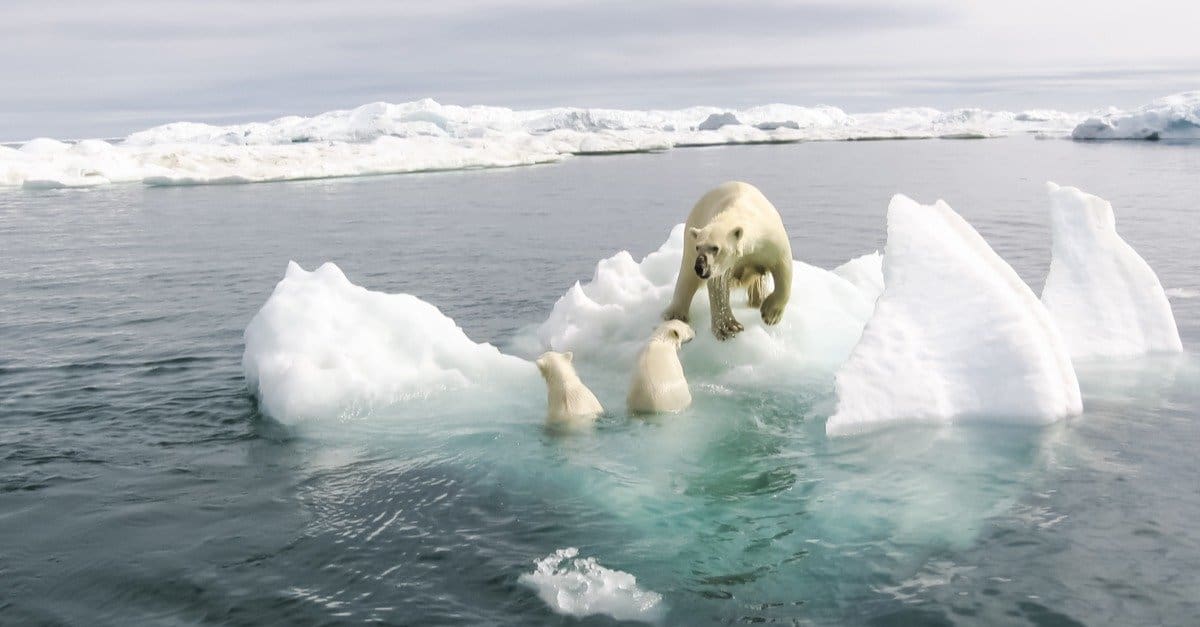
By mid-century, projected loss of summer sea ice could threaten the survival of most polar bear populations, with some models suggesting ice-free Arctic summers as early as 2027.
©iStock.com/AndreAnita
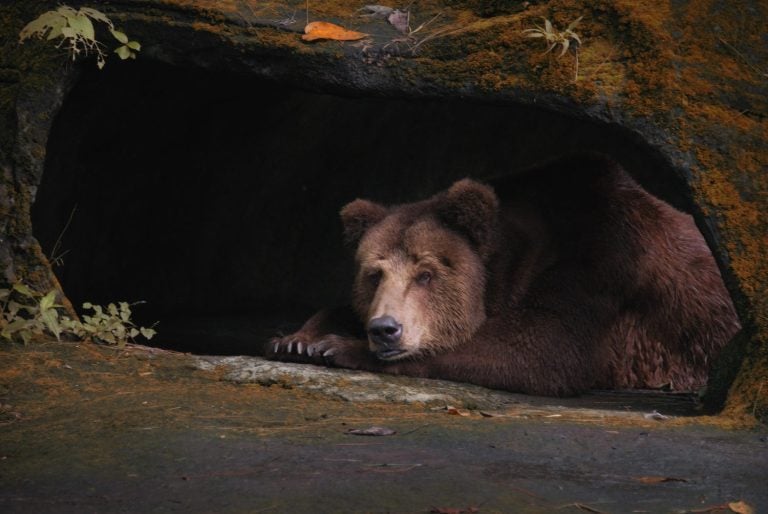
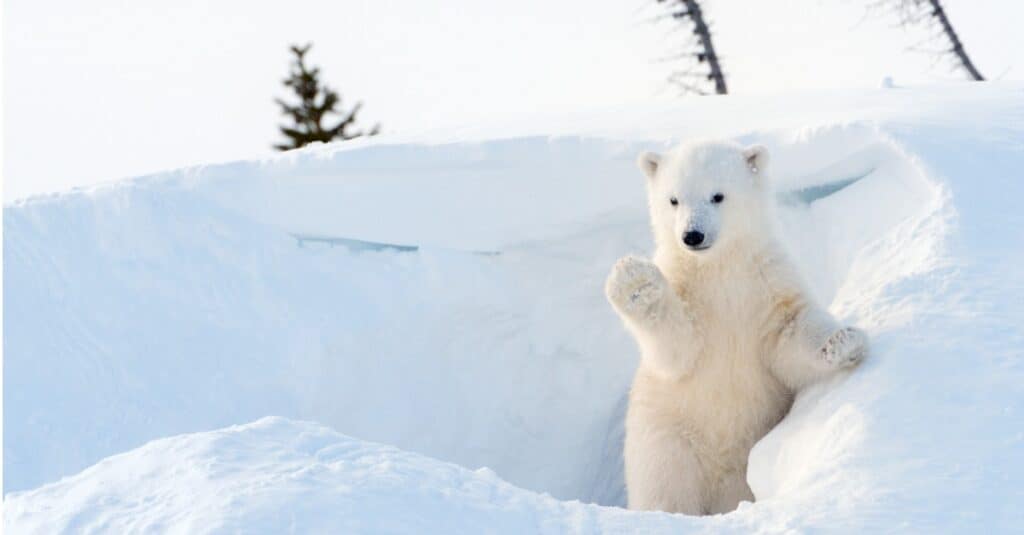
There’s a direct line of ancestry from the polar bear to the brown bear, and they continue to be quite similar in build, apart from the snowy white coat of the polar bear. Despite this, it’s only been 1.5 million years since the family line split. It’s a reminder of how quickly a minor genetic variation and the promise of abundant and available prey can completely change the dynamic of an ecosystem. It’s also a reminder of how quickly these specialized creatures can plummet from healthy populations to endangered species to extinction when their environment is disrupted.
The loss of an apex predator would have devastating effects on practically any environment and, in ordinary circumstances, could lead to population explosions in prey animals, a rise in the spread of disease, and possible bouts of famine. In ordinary circumstances, a new order would form. Current projections indicate that if global temperatures rise between 1.5 and 2°C, the Arctic could experience ice-free summers as early as 2027, with most models predicting nearly ice-free conditions by mid-century. It’s a ripple effect that could jeopardize a wide range of animals, including moose, walruses, and the Arctic fox, itself an endangered species.
Some of these animals may learn to adapt by relocating south and either supplanting or adapting to fit among the existing ecosystems. Unfortunately, the polar bear likely won’t be one of them. Polar bears rely on large prey like harp seals to survive. As polar bears flee, they find themselves in the territory of grizzly bears, which are both perfectly capable of defending their territory and of surviving on a significantly more omnivorous diet.
Mosquitoes: A Deadly Beneficiary of Climate Change
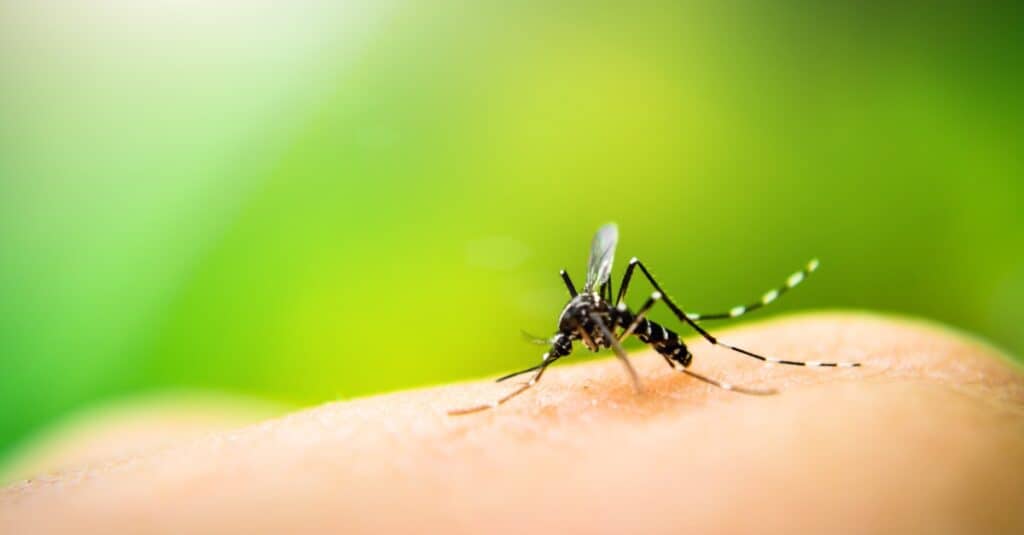
Climate change will expose half of the world’s population to disease-spreading mosquitoes by 2050.
©iStock.com/auimeesri
Climate change affects some species favorably, at least in the short term. Mosquitoes thrive in hot and humid environments. Rising sea levels, unusual precipitation patterns, and climbing temperatures all contribute to an environment far more palatable to these tiny vampires. One of the hottest summers ever recorded in the United States (2021) contributed to a notable spike in mosquito populations.
Unfortunately, a win for mosquitoes is a loss for humans. Mosquitoes are the deadliest animal to humans, causing more than 700,000 deaths per year through the diseases they spread. That’s a serious public health risk for communities that already have to deal with infected mosquitoes — but as temperatures warm at higher elevations, it will allow mosquitoes into previously inaccessible ecosystems, where they could have the impact of an invasive species and a devastating effect on communities of people who have neither developed immunity to diseases like malaria and Zika nor the infrastructure to confront such a public health emergency.
A 2019 study suggested an even more worrying effect on mosquitoes by global warming. They discovered, through modeling 200 million years of evolution, that the speed at which mosquitoes mutate and thus evolve rises dramatically in conjunction with both increasing temperatures and CO2 levels. More mosquito breeds mean more mosquitoes in general, but it could also bring new diseases and the ability to survive in more environments.
Elephants: A Critical Player in African Habitats
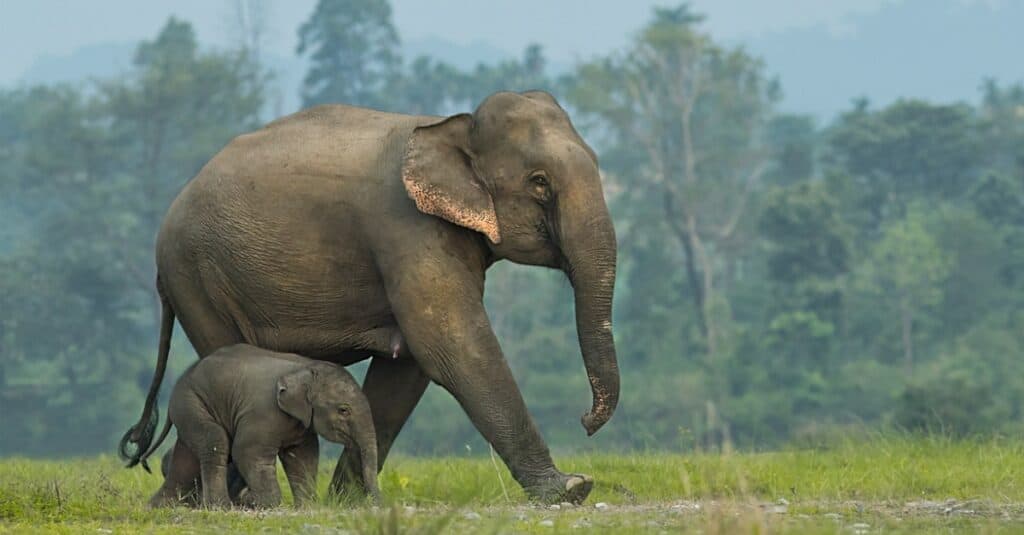
African elephants are sensitive to heat, making them vulnerable to climate change.
©iStock.com/saha_avijan
There are some distinct and notable differences between African and Asian elephants, but both are critically endangered species that face many of the same daunting challenges. Both find themselves hunted by human poachers seeking ivory, and the expansion of human agriculture, industry, and infrastructure has fractured their natural habitats.
Elephants are the largest terrestrial mammals, and the home range of an African elephant can extend 3,000 miles. Wandering herds can include up to 70 elephants, and these big guys have big appetites. Under normal conditions, elephants are essentially the gardeners of Africa’s savannahs and deserts. Elephants will strip down trees to feed on and rip apart limbs for use as tools, transforming the forest into shrublands and creating environments adaptable to a wider variety of smaller life. Their heavy hooves crush long grass so that the shorter grass preferred by wildebeest and other grazers can grow.
Elephants offer manure for plants to grow and spread the seeds themselves, and they even bring water to the desert by digging watering holes. Global warming and unsettling precipitation patterns are jeopardizing the capacity of elephants to fulfill their duties. An investigation into droughts at the border of Kenya and Tanzania in 2007 and 2009 resulted in drastic reductions in the populations of large mammals, including elephants. Africa is no stranger to droughts, but climate change has led to an increase in dry weather patterns. It has also brought invasive plant species with it. At its current pace, climate change is now considered a bigger threat to elephants than poaching, according to Kenya’s Wildlife and Tourism Board.
Coyotes: A Lesson in Respecting Habitats
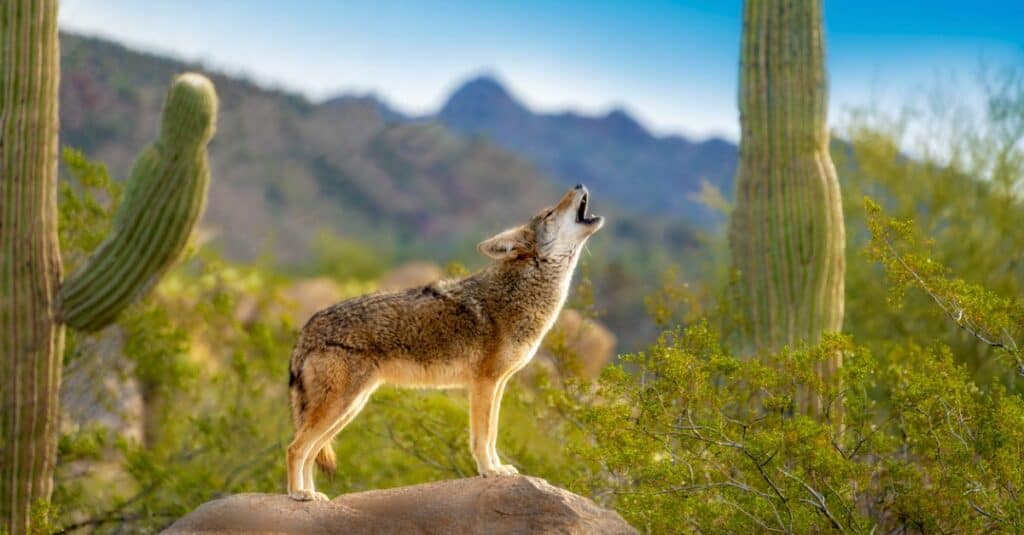
Climate change has caused some coyotes to interbreed.
©JayPierstorff/Shutterstock.com
If any animal short of the cockroach is expected to survive the climate change shift, it might as well be the coyote. This clever canine already has a history of getting the best of us. By the 19th century, America’s aggressive westward expansion was already well underway, to the point that farmers and ranchers had driven away the traditional prey of wolves, and the wolves had instead turned to domesticated cattle. After pressure from interested parties, the federal government instituted a campaign to exterminate wolves. They nearly succeeded, but wolf populations have begun to recover.
But this campaign left an absence that the coyotes adapted to well. They excelled so well that they expanded from a relatively small habitat in the American Southwest into every American state except for Hawaii. Federal and private organizations have regularly waged extermination campaigns against coyotes, and hundreds of thousands are killed nearly every year, with some estimates approaching half a million. Ironically, these efforts may be perpetuating the problem. Coyotes have spread so prodigiously because they adapt to most habitats and effectively control populations of smaller animals like mice and squirrels.
Climate change, along with habitat loss and urban expansion, is contributing to increased sightings of coyotes and other predators like bears in cities. Whether it’s due to wildfires or drought, coyotes survive quite capably in urban and suburban environments, although they don’t exactly thrive and often eat trash out of desperation. Coyotes still avoid humans and generally don’t pose a threat, but they’re in 91% of cities in the United States, and we doubt they’re going anywhere soon. Dealing with climate change will require us not only to minimize the root causes but also to learn to live more closely with some aspects of nature than ever before
Migratory Birds: An Increasingly Costly Trip
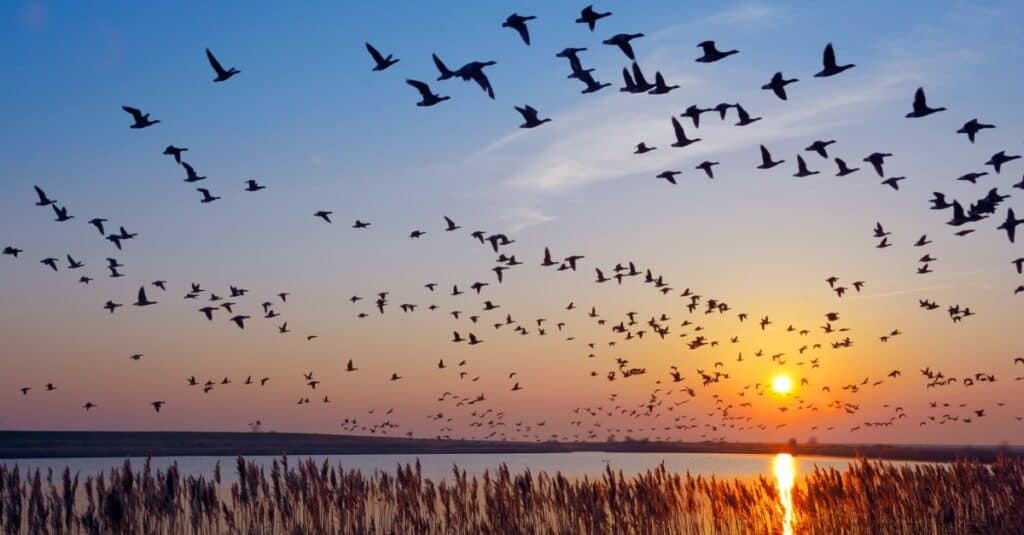
It is thought that climate change may cause migratory birds’ bodies to get smaller.
©eurotravel/Shutterstock.com
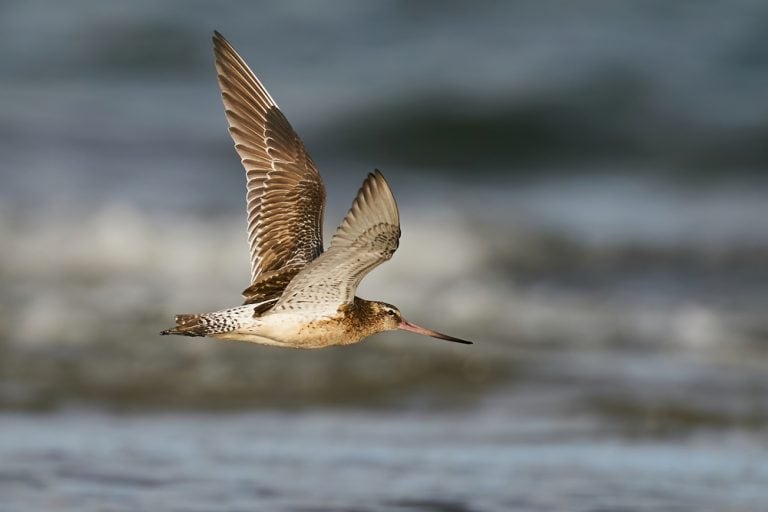
Flight is costly. Even with wings that have been in development for 150 million years, bones that are designed to minimize their weight, and conservation techniques like swooping, birds use a lot of energy in flight. Fortunately, they give that energy back into the environment by spreading seeds and pollinating flowers. In the case of migratory species, their impact can affect not just their current home and their destination but also everywhere in between. The two ecosystems at the ends of the migration point rely on birds to arrive at certain times — to pollinate flowers, serve as feed, or control populations of smaller birds and insects. And these birds also refresh the ecosystems in between by spreading seeds.
Major weather and temperature changes are affecting the timing of travel patterns for migratory birds and causing some species to alter their traditional migration routes. And while some research indicates that natural selection is favoring smaller birds that are better equipped to handle rising sea levels and temperatures, things are already quite dire. A 2019 report from the National Audubon Society revealed that overall bird populations in North America have plummeted nearly 30% since 1970. It’s a trend that’s not slowing, as many species could disappear entirely without mating grounds to retreat to. Even if the world could survive without birds, it would be much less satisfying.