
Quick Take
- Five new wasp species were hiding in plain sight on one of Europe's most visited tourist islands. Meet the five new species →
- One of these wasps was named after an ancient goddess, and the reason why is more fascinating than you'd expect. Discover the goddess namesake →
- These wasps kill their hosts from the inside out, and that gruesome strategy is exactly why farmers and gardeners want them in their fields. See why farmers welcome them →
- Cyprus has over 6,000 recorded insect species, though researchers suspect that number barely scratches the surface. Explore Cyprus insect diversity →
No fewer than five new wasp species have recently been discovered, and they were not in some remote area of a tropical rainforest. They were on the popular holiday destination and Mediterranean island of Cyprus! While visitors sipped cocktails and lounged beside pools, these previously unrecorded wasps were getting on with their lives. We recount the story of their discovery and what it tells us about insect biodiversity on our doorsteps.
Continue reading
The Mysterious Insects of Cyprus
Cyprus is the third-largest island in the Mediterranean, situated between Africa, Asia, and Europe. It covers 3,572 square miles and is home to 1,382,000 people. The island is dominated by two mountain ranges and contains the Cyprus Mediterranean forests ecoregion. Cyprus enjoys a subtropical climate and attracts around four million tourists each year.

Cyprus is a popular tourist destination.
©Serenity-H/Shutterstock.com
From a biological standpoint, Cyprus’s topography and climate contribute to its high level of endemism—meaning some species are found only on the island and nowhere else in the world. This unique environment also supports a rich variety of habitats.
Despite its significant human population and large number of visitors, much of Cyprus remains understudied in terms of insect diversity, especially chalcid wasps. There are more than 6,000 recorded insect species living on the island, but there could be many more!
How Was the Cyprus Wasp Population Investigated?
A recently published study explains how insect specimens were collected from various localities in Cyprus between 2024 and 2025. These were collected in the provinces of Limassol, Nicosia, Paphos, and the U.K. Sovereign Base Area of Akrotiri. The specimens were collected by sweeping, hand collection, or by using a beating sheet with an entomological umbrella. Both natural and urbanized habitats were surveyed. Insect specimens were dried and mounted for examination to determine their species.
Which New Wasp Species Were Found in Cyprus?
Amazingly, five new species of pteromalid wasps—a large family of wasps—were found on the island. Previously, only five chalcid wasp species had been recorded on Cyprus, so this discovery more than doubles the known species. This highlights how much insect diversity may remain undocumented, and shows that we still have much to learn about European wasps.
Each of the five new species has been given a name with an interesting origin. Ablaxia makrisi and Erythromalus makrisi were named after Christodoulos Makris, a prominent Cypriot entomologist, in honor of his studies on Cypriot biodiversity and his collection of the holotypes for these two species.

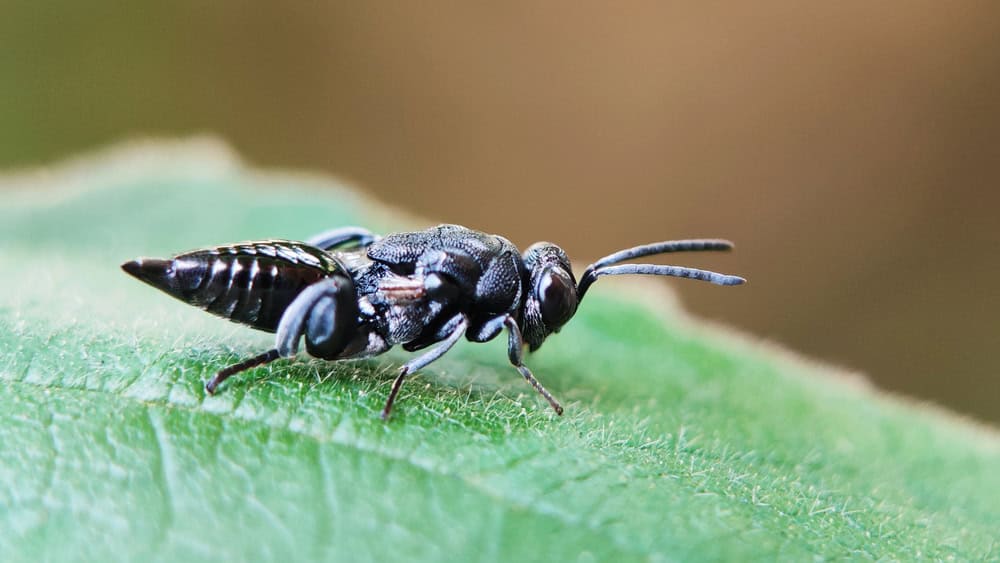
Janssoniella Aphrodite was named after the ancient Greek goddess Aphrodite.
©Anton Zelenov/Shutterstock.com
The third species, Hemitrichus akrotiriensis, was named after the Akrotiri peninsula in Cyprus. This peninsula, which includes the southernmost point of the island, features a variety of habitats such as wetlands, coastal scrub, dunes, and the Episkopi cliffs, and is recognized as a biodiversity hotspot. The fourth species, Ablaxia toxeftrae, was named after Toxeftra Beach on the Akamas peninsula, where its holotype was found.
Finally, Janssoniella Aphrodite was named after the ancient Greek goddess Aphrodite. Its holotype was found in the Yeroskipou area of Paphos. Petra tou Romiou, also known as Aphrodite’s Rock, is a sea stack in Paphos believed to be the birthplace of the goddess of love and beauty.
What Do We Know About Pteromalid Wasps?
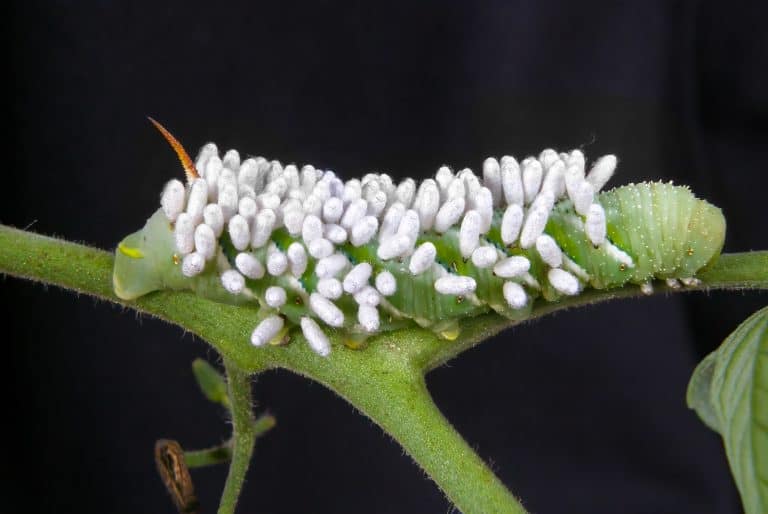
Pteromalid wasps belong to the family Pteromalidae in the order Hymenoptera. There are at least 4,000 recorded species, but likely many more. Most are parasitoids of other insects, meaning they require another organism to complete their life cycle, though their strategies for doing so vary greatly. Some are ectoparasitoids, living on the outside of their hosts, while others are endoparasitoids, living inside. Some simply kill and consume their hosts immediately, but most are internal parasitoids. Females lay their eggs inside the host’s body. When the eggs hatch, the developing larvae consume the host from within, eventually killing it.
How Are Parasitoid Wasps Useful?
These wasps play a crucial role in local ecosystems and food webs, and have also been highly useful for pest control. The insects they destroy to complete their life cycles are often agricultural pests. Behind the scenes, these wasps silently help control pests in gardens, crops, and forests. Some also attack spiders and ticks.
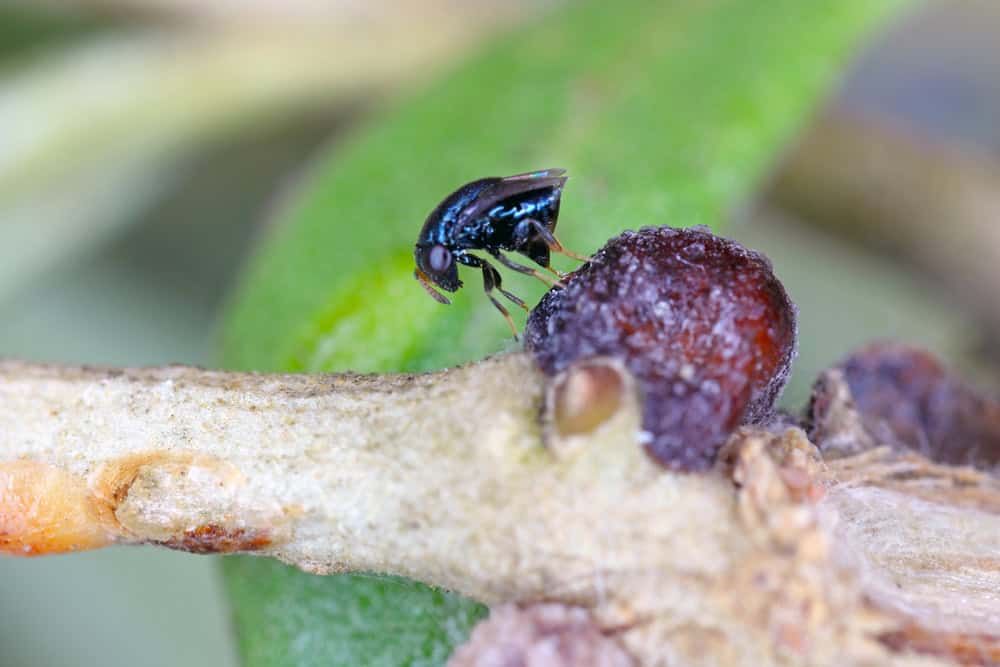
Parasitoid wasps can be important biological control agents.
©Tomasz Klejdysz/Shutterstock.com
In the US, parasitoid wasps have been deployed in the fight against the invasive emerald ash borer. You can even purchase them to release in your own garden!
Some are specialists, attacking only a single host species. Others are more flexible and will attack a range of related species. A few are generalists with wide host ranges, although this strategy is less common. As we discover more new wasp species, we can hopefully develop a better understanding of how to protect them.