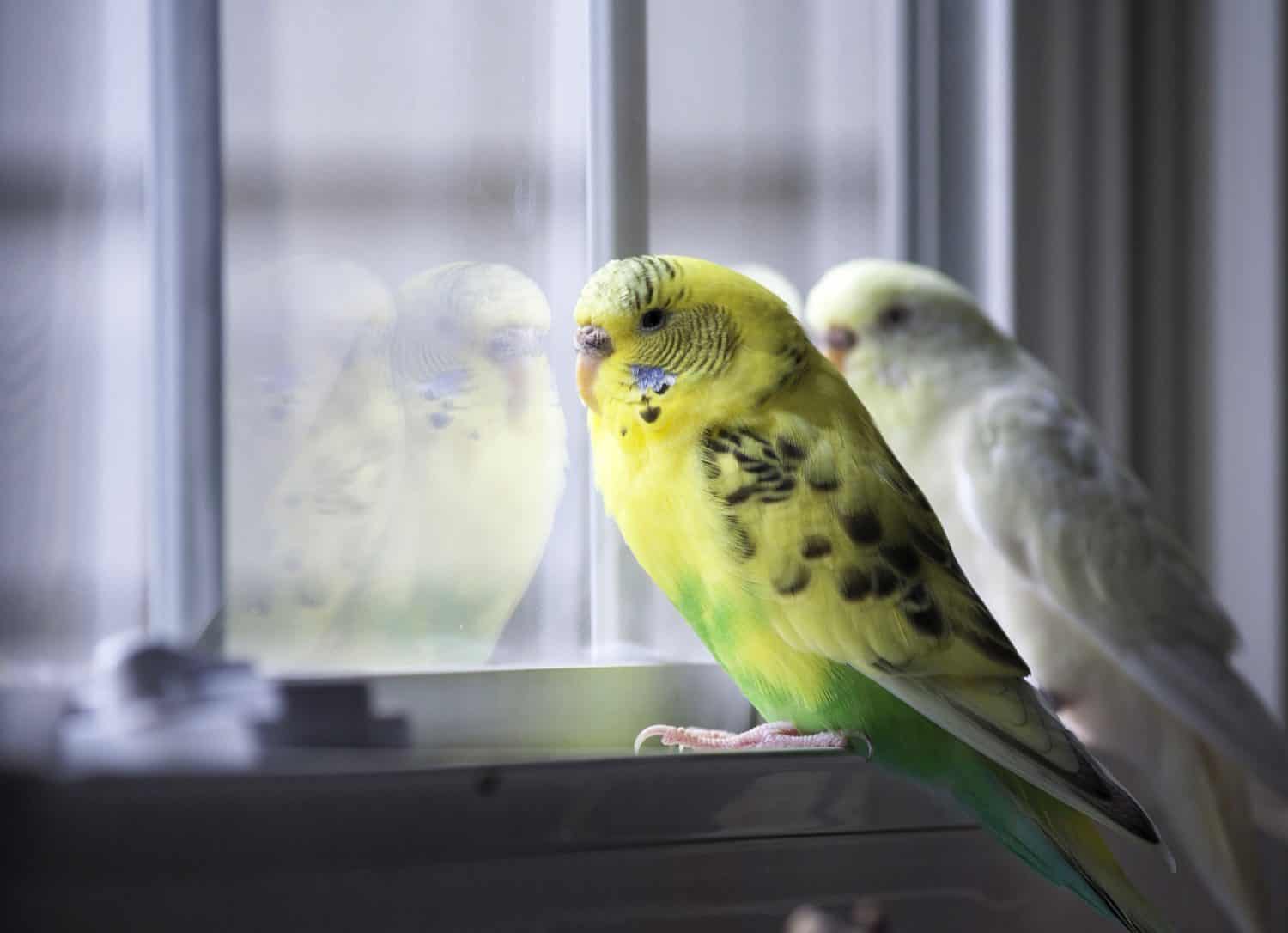

Keeping a bird as a pet can be a fun, rewarding experience. Birds that are kept as pets are chosen for good reasons: they are interesting, highly social, and often quirky. As any parrot owner will tell you, it’s almost like having another person living in the house. That said, birds aren’t the easiest pets to take care of. They require strong bonds and constant stimulation; otherwise, they can get the blues. It’s important to know how to tell if your pet bird is lonely or not.
Pet birds are wonderful, but can be expensive, messy, and frankly, very loud. Most pet birds will sing when they are happy and shout when they are upset or just bored. Owning a pet bird requires a lot of work, and just as much of your time. If you’re up for the challenge and love to be social, however, a bird just might be the pet for you.
Too Much Grooming
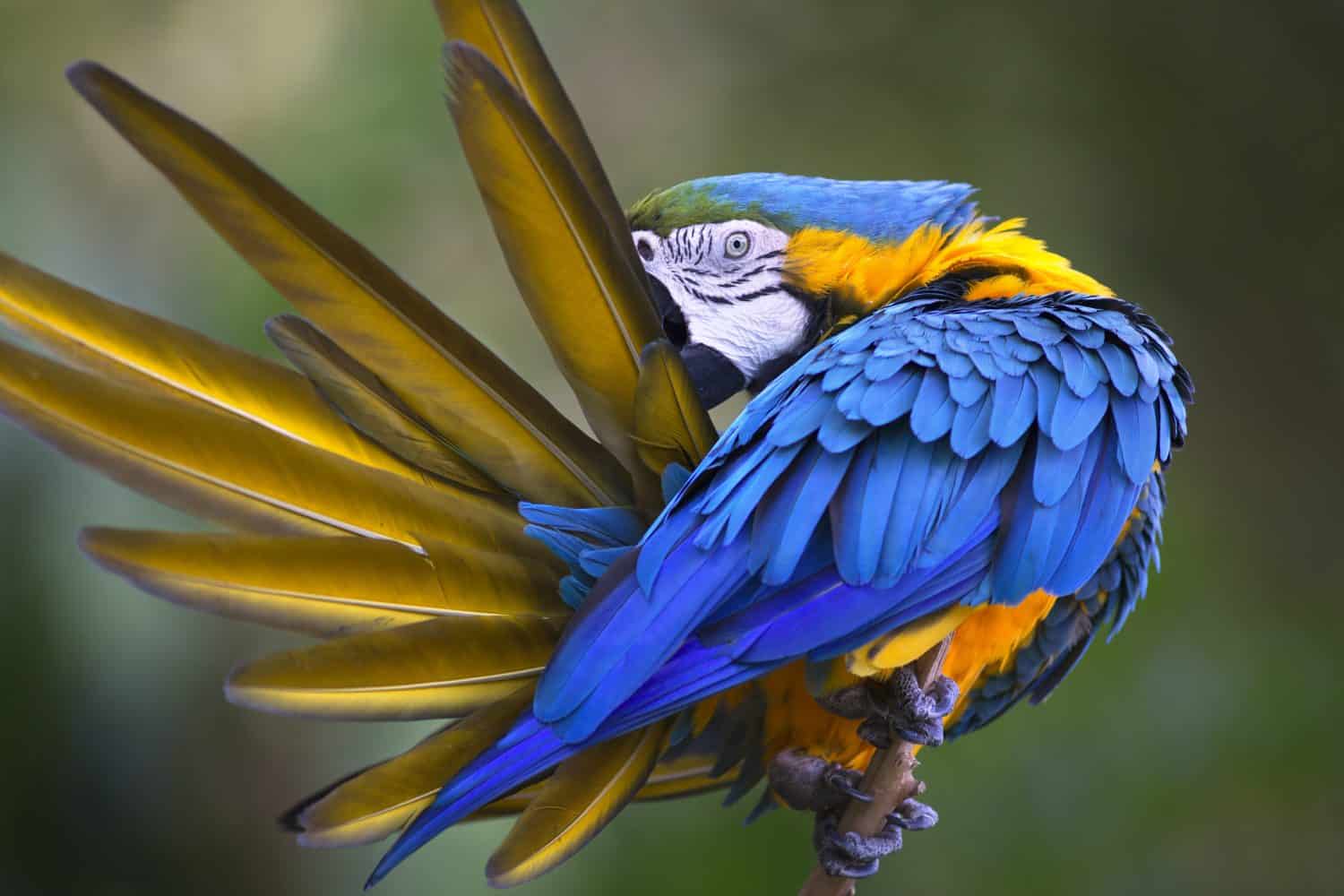
Excessive grooming is a sign that your bird is lonely or agitated.
©Papa Bravo/Shutterstock.com
When birds are distressed or lonely, they often engage in excessive grooming. When birds are restless and agitated, over-grooming serves as a self-soothing mechanism. It helps them feel a sense of control in an otherwise uncontrollable situation. If this behavior is allowed to continue without intervention, over-grooming can lead to bald spots and even injury. Try to provide your pet bird with plenty of stimulation and a stable environment to help it feel more comfortable. But if it becomes fixated on a toy or object, that’s a sign it isn’t getting its social needs met.
Lethargy/Sluggishness
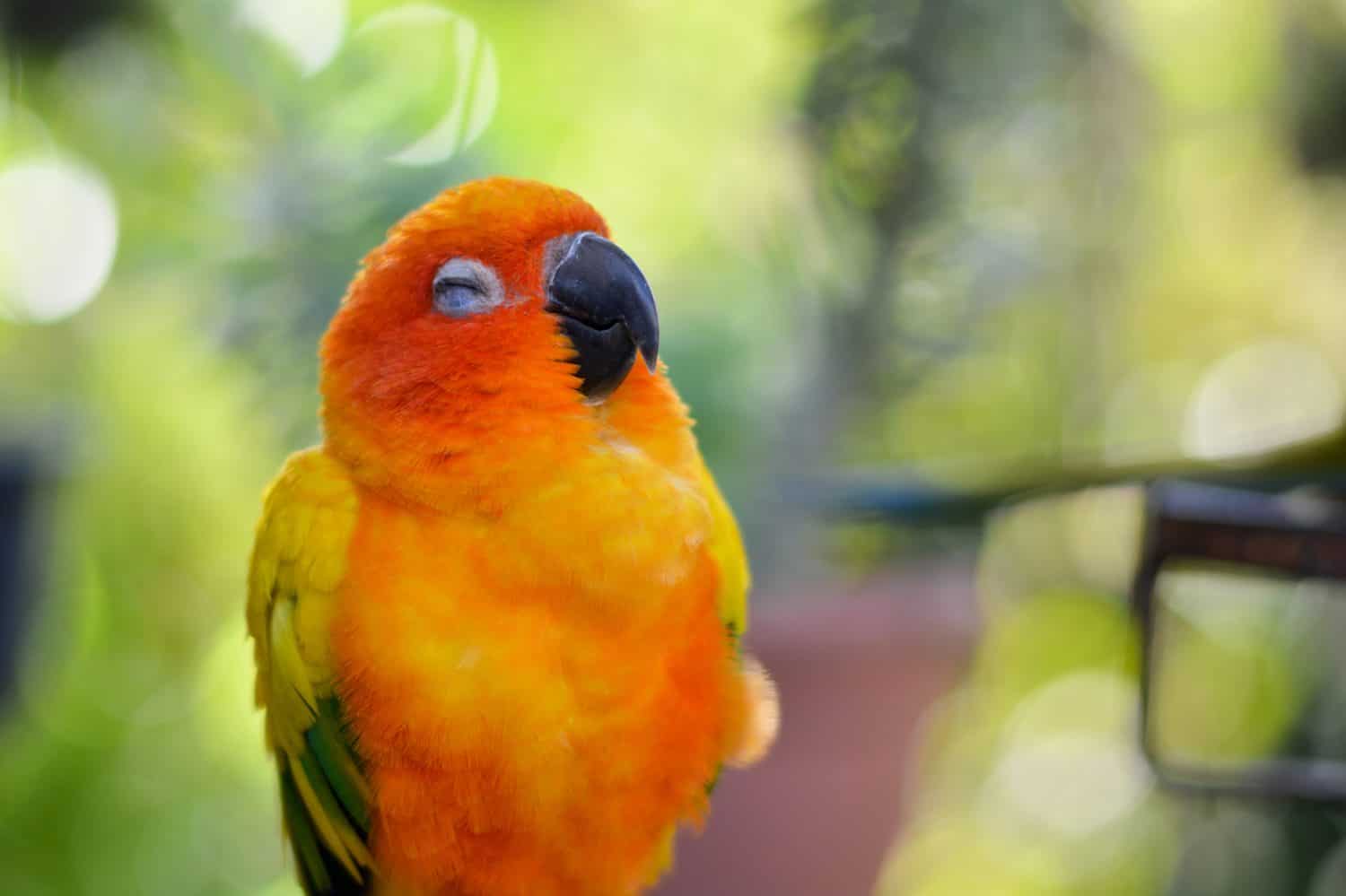
A sleepy bird is normal. An excessively lethargic or withdrawn bird is a cause for concern.
©BlurryMe/Shutterstock.com
While lethargy, sluggishness, and withdrawal are typically signs of a health problem in your pet bird, they can also indicate loneliness. Birds are very social, but they are also very good at hiding their issues. When birds feel lonely or distressed, they may withdraw from you or their surroundings. If you see your pet bird hiding in a corner with its feathers expanded, uninterested in the goings-on of the household, there’s probably something bothering it.
Anger/Irritability
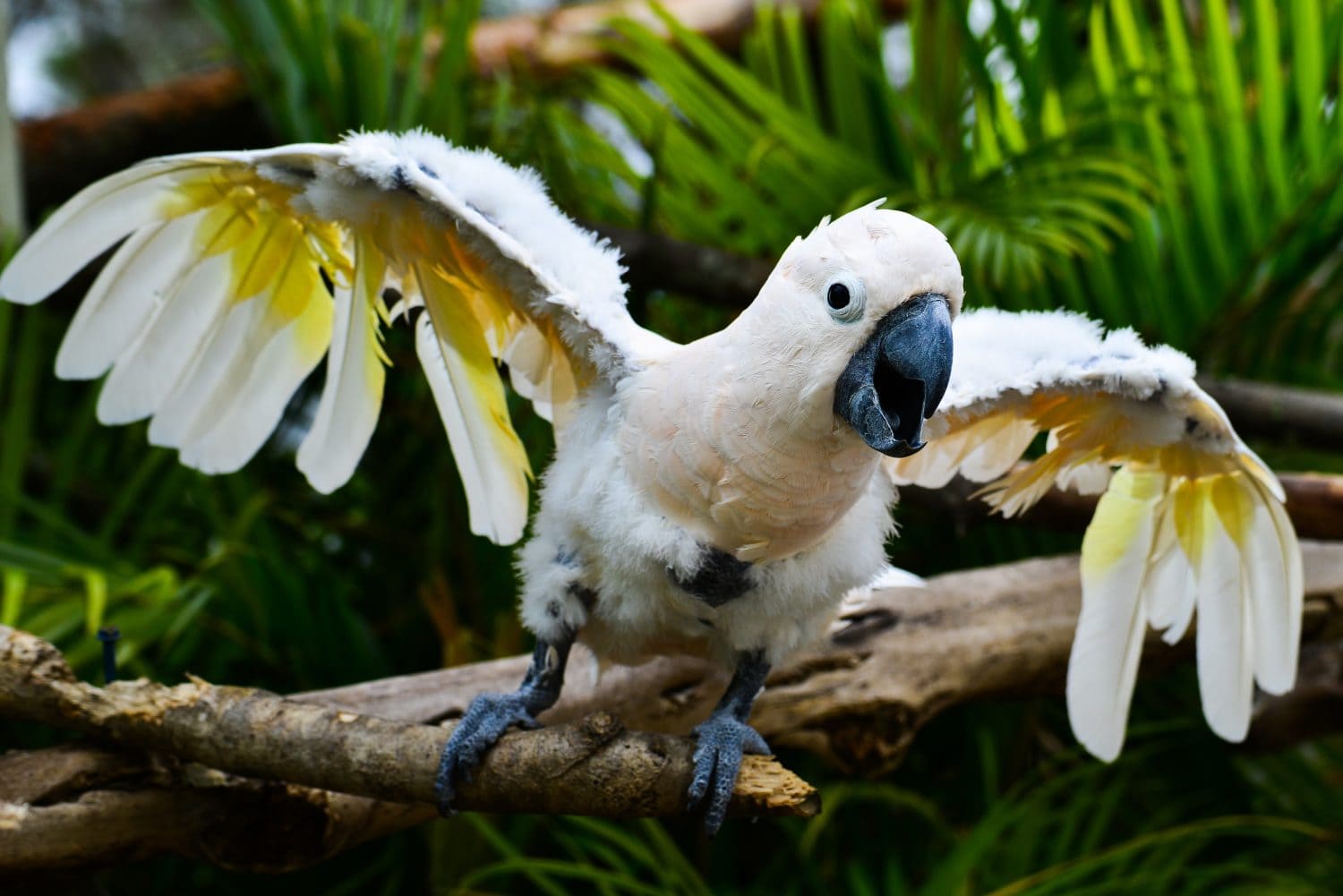
Birds will get aggressive or withdrawn if they aren’t having their needs met.
©Orhan Cam/Shutterstock.com
Typically, pet birds are prey animals, but that doesn’t mean they can’t or won’t be aggressive. While violent or aggressive behavior can be a sign of trauma, it can also be a sign of emotional disturbance or frustration. Some lonely birds express their irritation intensely, either by biting or by ignoring you. Even if this behavior is not due to loneliness, some need of theirs is unfulfilled. Sometimes, it’s an easy fix. If you put your bird’s cage away from the rest of the house, for example, it is probably craving more connection.
Too Many Calls
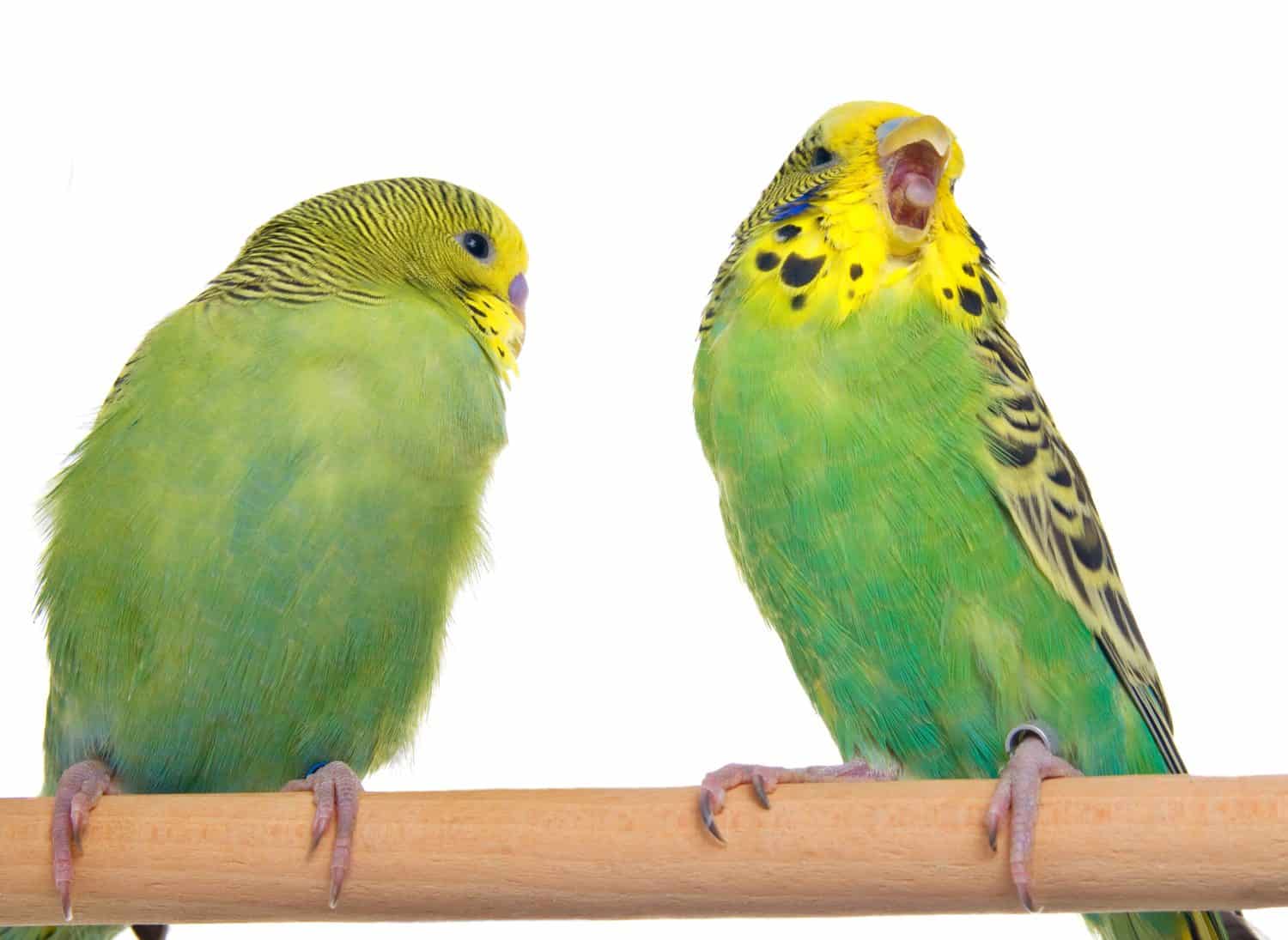
Most pet birds talk a lot, so if they are always trying to talk, they might be reaching out for connection.
©motorolka/Shutterstock.com
You’ll know your pet bird is lonely if it won’t stop talking or shouting. Birds are social creatures and use vocalizations to stay in touch with companions. If your bird is repeatedly calling or squawking, it is probably trying to get your attention. This is especially true if it gets louder every time you leave the room. If you’ve tried every trick in the book to make them feel better, you might consider getting them a companion. Make sure you do careful research and consult an avian veterinarian or behaviorist, as not all birds will benefit from or accept another bird. Your two birds can become the best of friends, but they probably need a slow and steady introduction to avoid tension or violence.
Appetite Shifts
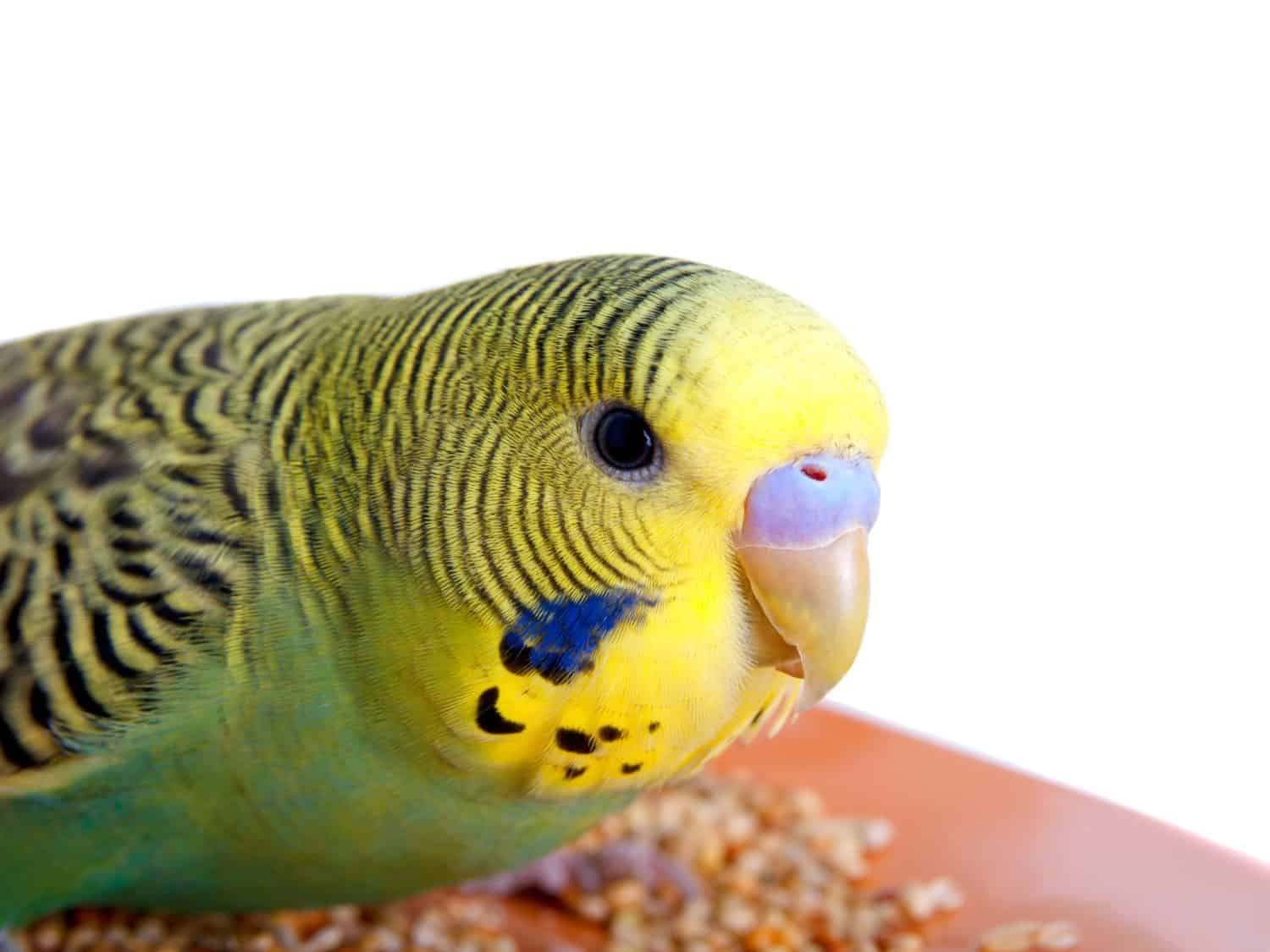
A shift in appetite likely means a shift in health or mood.
©motorolka/Shutterstock.com
A lonely or stressed bird will likely change its eating habits. It might start eating less, more, or stop eating altogether. Any extreme shift in appetite can be a cause for concern, so be sure to watch out for sudden changes in their food intake. Food is a big part of any creature’s life, and pet birds are no different. Their relationship with food is linked to both their physical and emotional well-being. Perhaps your pet bird needs more stimulation or opportunities to express its natural behaviors, such as foraging or climbing.
Clinginess
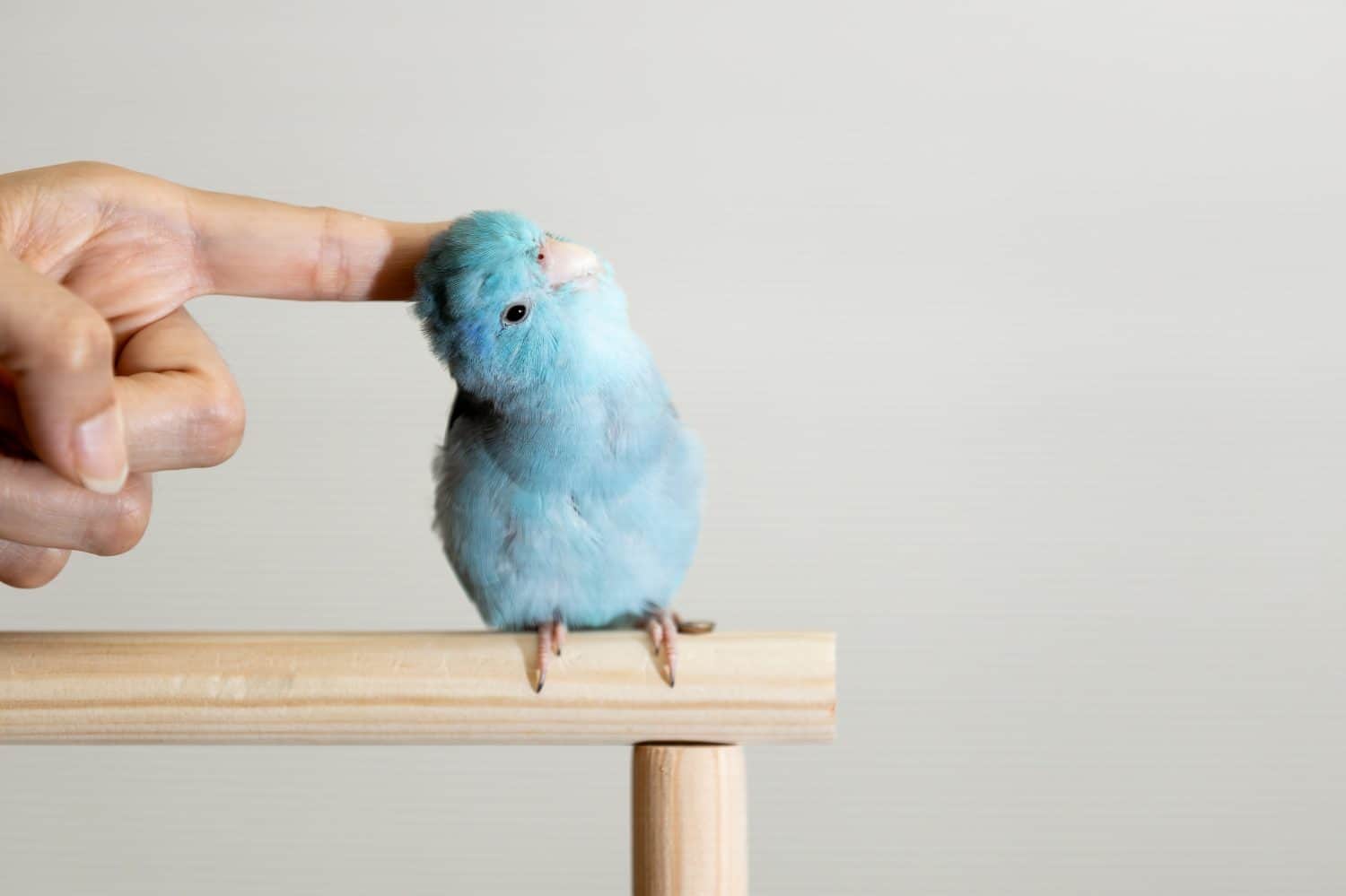
A pet bird that’s become increasingly clingy or distressed when you’re not around is likely lonely and wants to see more of you.
©CGN089/Shutterstock.com
A surefire way to tell that your pet bird is lonely is if it just can’t leave you alone. Sure, birds are very social creatures, but if your pet bird constantly follows you or refuses to eat without you, it may be experiencing loneliness. This attempt at fixing loneliness could manifest as expressing anxiety when you leave the room or by following you around the house all the time. Luckily, addressing this symptom of loneliness is easy. Spend more time with your bird, as it is craving your presence and affection.