
Quick Take
- The five leech-prone lakes in South Dakota share a hidden set of conditions, and knowing them reveals exactly which waters to watch out for elsewhere. See the shared conditions →
- Most people's instinct for removing a leech can actually make the situation significantly worse. Find the safe removal steps →
- Leech-heavy lakes in South Dakota don't necessarily need to be avoided, and the reason why might surprise you. Find out why they're still safe →
- There's no official leech-free lake list in South Dakota, but there is a smarter way to find safer water. Discover the smarter approach →
The thought of being surrounded by leeches can easily make people pass on swimming, but with leeches found in nearly every U.S. state, they can be hard to avoid.
For those living in the Upper Midwest, leeches tend to be present in lakes year-round. In South Dakota, several of these lakes may have leeches, meaning swimmers may encounter them. Which lakes are inhabited by leeches, and should they be avoided?
Lakes In South Dakota Most Likely to Have Leeches
South Dakota is known for Mount Rushmore, Badlands National Park, Native American culture, and… leeches? Yes. South Dakota has plenty of lakes that leeches call home.

Covell Lake is one of the lakes where leeches can thrive.
©NayaDadara/Shutterstock.com
Leeches live in shallow, warm aquatic habitats near the shoreline. The lakes in South Dakota that support this habitat include:
- Antelope Lake (Clark County): 25 feet deep
- Blue Dog Lake (Day County): Eight feet deep
- Cattail-Kettle Lake (Marshall County): 18 feet deep
- Covell Lake (Minnehaha County): 7.6 feet deep
- Deadman’s Lake (Bennett County): Three feet deep
Other lakes in South Dakota may also support leeches. For the most up-to-date conditions and information on increased leech activity in any of South Dakota’s lakes, it is recommended to stay up to date with notices from the South Dakota Game, Fish and Parks.
Why Leeches Thrive in Lakes Like These
Leeches thrive in specific waterways. The handful of lakes in South Dakota that are known for leech activity have supportive environments. But what is it about these ecosystems that makes them more hospitable than other aquatic environments?
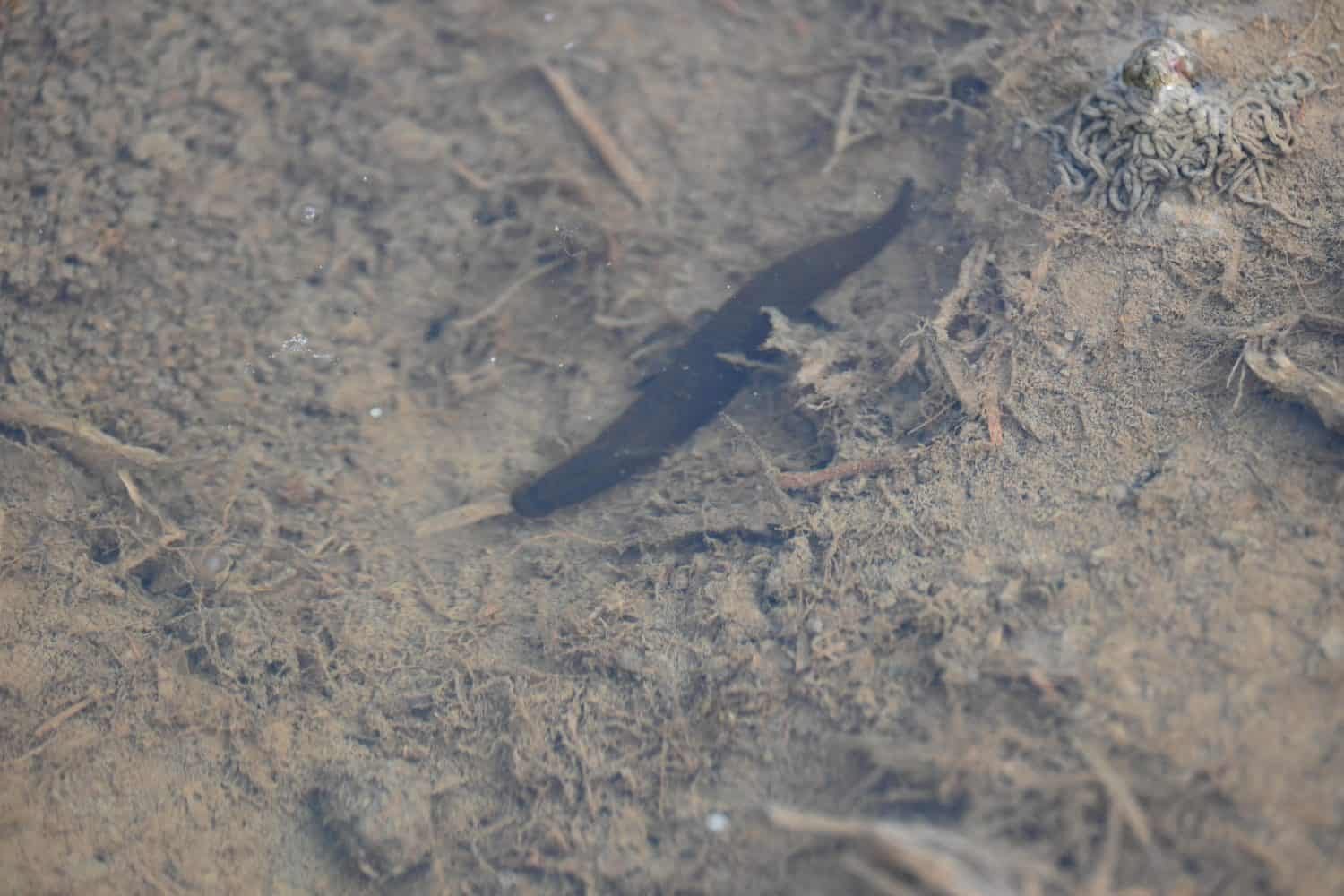
Freshwater leeches prefer waterways with muddy bottoms.
©SUBAS CHANDRA MAHATO/Shutterstock.com
Although Antelope Lake, Blue Dog Lake, Cattail-Kettle Lake, Deadman’s Lake, and Covell Lake are located in different parts of South Dakota, they share commonalities that make them ideal leech habitats in the state. The conditions are as follows:
- Muddy waterway bottoms
- Shallow lakes
- Calm waterways
- Thick vegetation near the shoreline
- Abundant prey, including worms, insect larvae, and snails
- Water temperatures that do not undergo big temperature swings
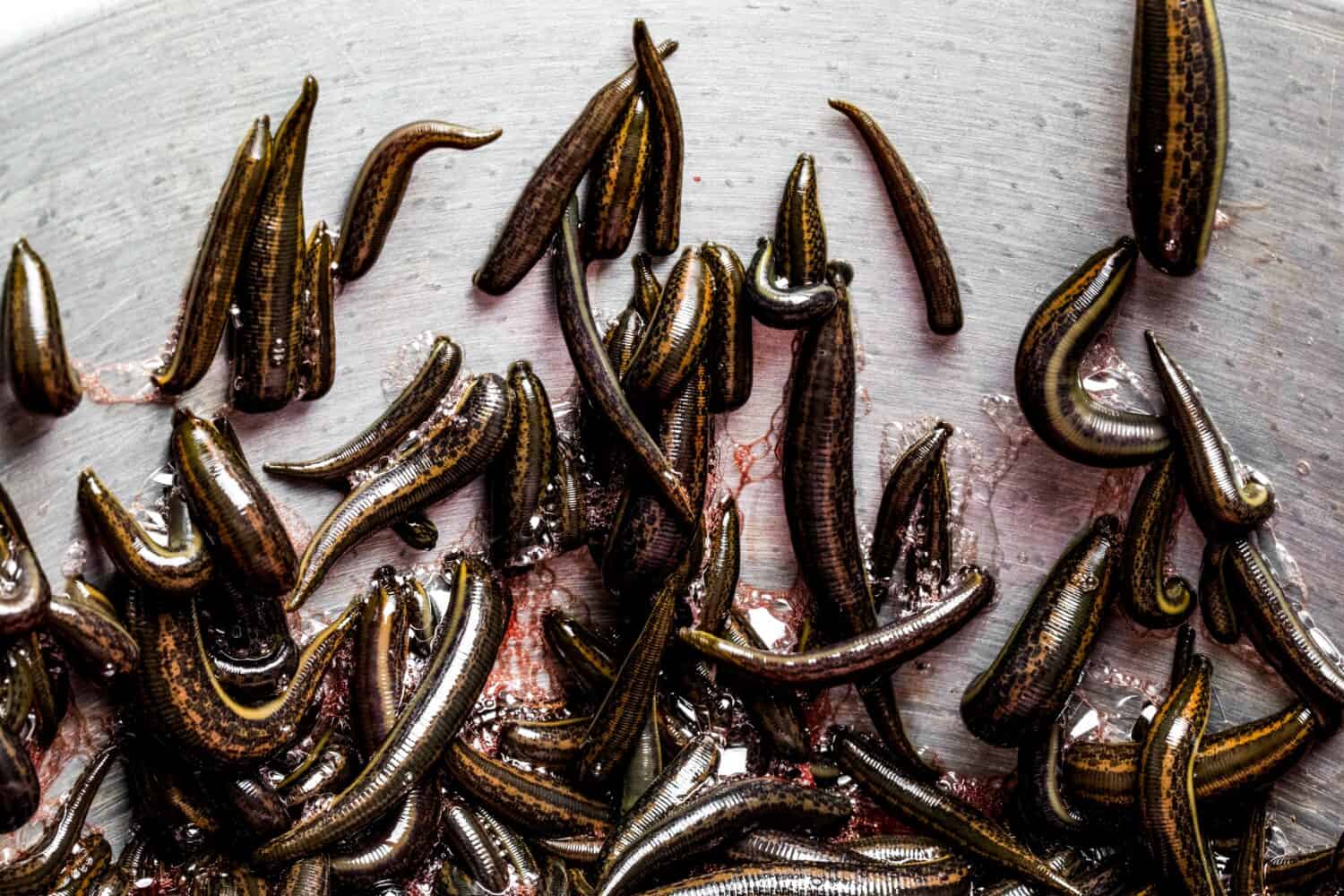
Due to these conditions, leeches are capable of surviving year-round in the previously mentioned lakes. Though most people aren’t exactly fond of leeches, their presence is not a bad thing. Because leeches are present year-round, they are consistent nutrient recyclers. As they break down organic matter, it becomes nutrition for other creatures and plants, while bringing oxygenated water to deeper portions of the sediment. Bacteria, plants, and freshwater creatures all benefit from the presence of leeches.
Are There Any Leech-Free Lakes in South Dakota?
No list of leech-free lakes in South Dakota exists. Stagnant, warm water is most likely to support leeches, so if you want to avoid them, it is best to find lakes that do not offer such conditions.
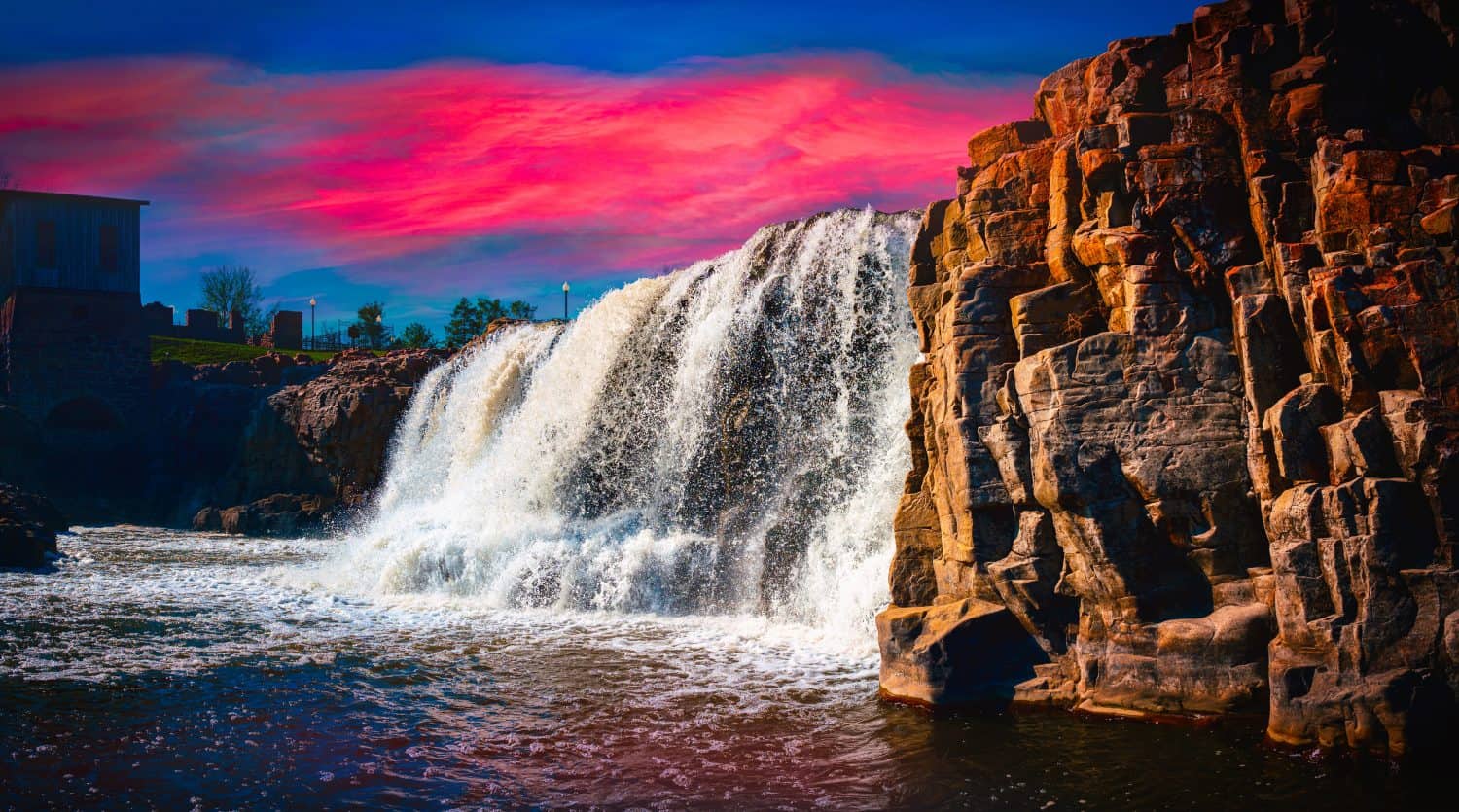
Big Sioux River is too deep and fast-moving to support leeches in the main river channel.
©NayaDadara/Shutterstock.com
Those who prefer not to share an aquatic environment with leeches should seek out waterways with the following qualities:
- Fast-flowing water
- Deep water
- Sandy bottom waterways
- Bare waterway bottoms with massive sun exposure
- Waterways where organic debris has not accumulated
- Waterways with a lack of suitable prey
- Waterways prone to extreme temperature fluctuations
While lakes may not have these characteristics, rivers, streams, and other bodies of water in South Dakota do.
Should Lakes with Leeches Be Avoided in South Dakota?
With leeches found in several lakes in South Dakota, does this mean the waterways need to be avoided? The answer is no. People do not need to avoid these lakes. However, those who choose to wade or swim in them may want to take precautions.
Leeches tend to be found near the shore, where the water is warmer, shallower, and potentially stagnant. Ways to take precautions against being bitten by a leech include:
- Do not spend extended periods in the shallow areas of lakes; swim in the deeper areas
- Avoid leech-prone lake shorelines during the spring and summer when leech activity is at its highest
- Avoid areas with dense vegetation and muddy bottoms, opting for rocky and sandy bottom shorelines instead
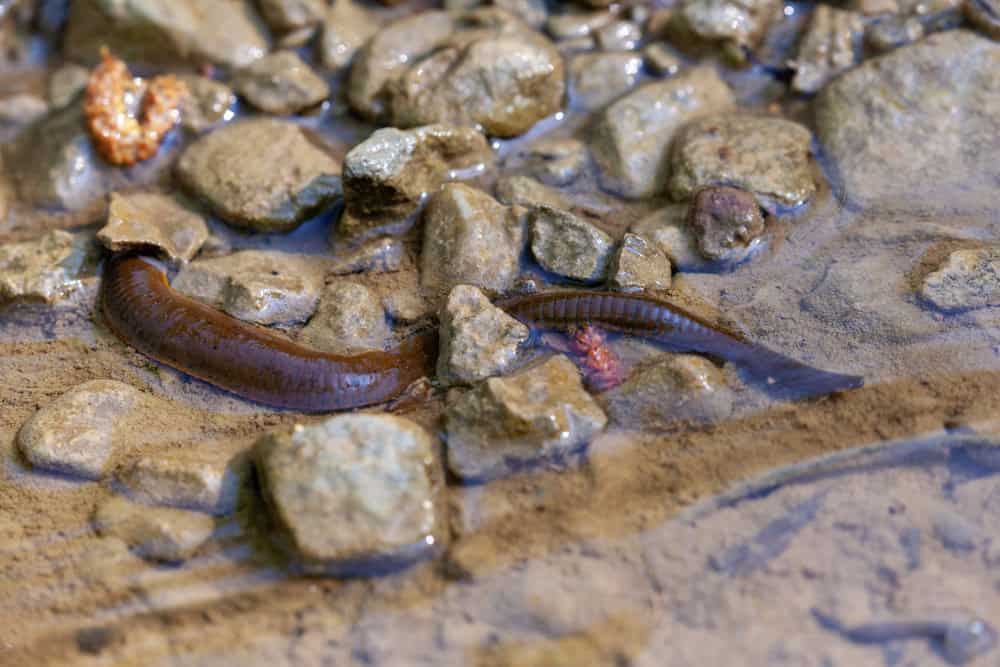
Bodies of water with leeches do not have to be avoided, as long as precautions are taken to stay away from leeches.
©goran_safarek/Shutterstock.com
It is worth mentioning that those who have been bitten by leeches, have had reactions, or have open wounds should not wade through the shorelines of South Dakota lakes known to have leeches.
Protection against leeches latching onto the body is key. Wear water shoes and long pants tucked into socks and avoid long periods of stillness along the shoreline.
What To Do If a Leech Attaches Itself to You While Swimming in a Lake
Even with the best precautions, leeches can still attach themselves. When this happens, removing them is fairly simple. The key is making good decisions about the process and remaining calm when doing so.
When a leech attaches itself to the body, the best ways to remove it include:
- Determine which end is the head and mouth, and which is the backside.
- Stretch the skin where the leech is attached until it is tight and smooth.
- Slide a thin, firm object under the leech’s mouth, such as a credit card, to dislodge it from the skin.
- Once separated, remove the leech from the body.
- Clean the site thoroughly with soap and water to prevent infection.
- If bleeding, put a Band-Aid over the wound until bleeding stops.
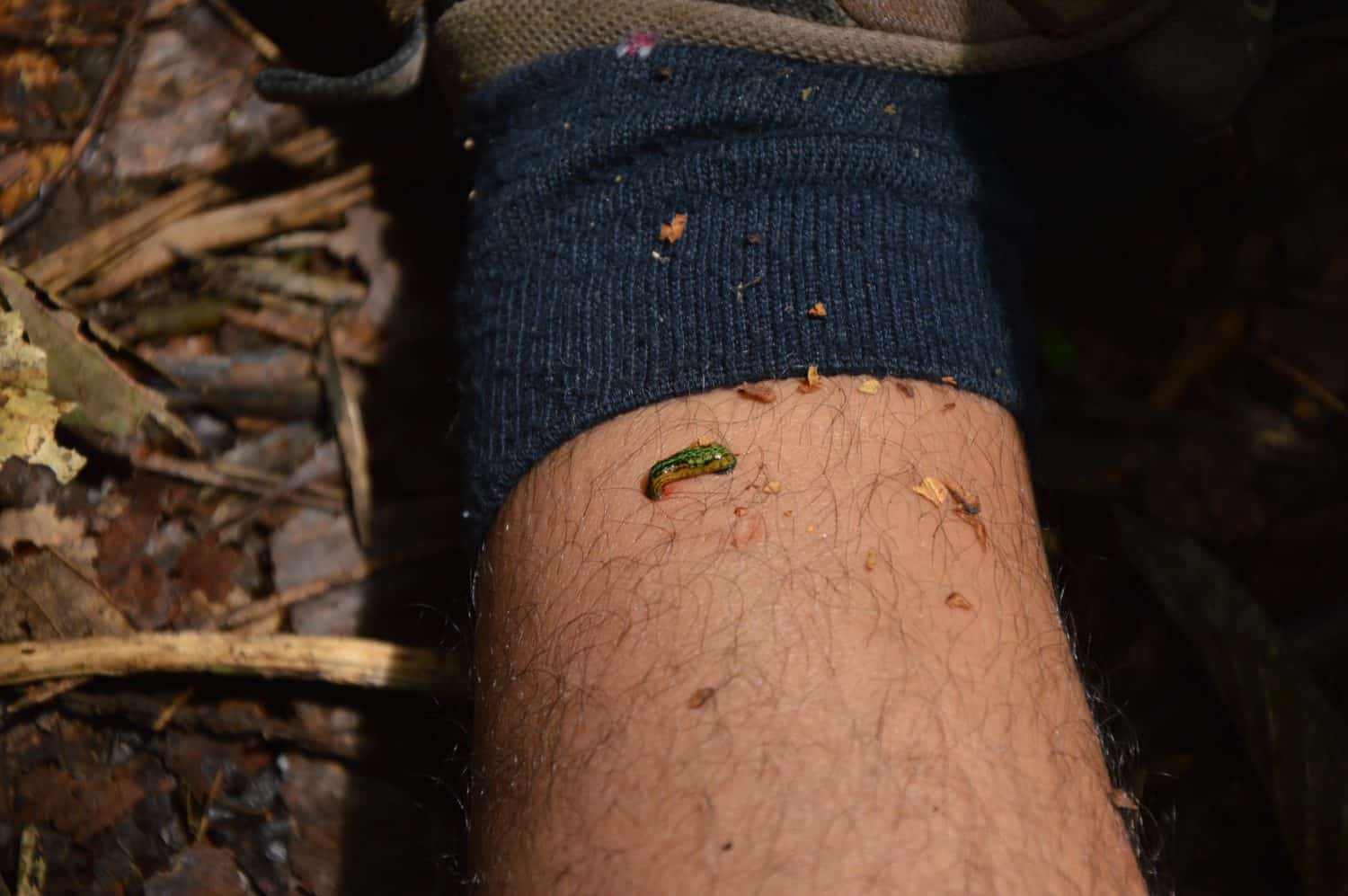
To remove leeches, they need to be pried off the body rather than burned or treated with chemicals.
©Heri kay/Shutterstock.com
Some techniques, including burning, applying chemicals, or even placing salt on a leech, are said to make it detach. While they may work, they can also cause the leech to spit up everything it has sucked from the body. If this happens, the risk of infection increases exponentially. Consequently, it is best to physically remove a leech to avoid worsening the situation.
Leeches found in South Dakota are generally harmless to humans. They are not known to spread diseases or to be dangerous. However, for those who would prefer not to come into contact with leeches, avoid freshwater lakes that are known ecosystems for them, or at least the areas where they are known to thrive.