
Tigers are some of the most powerful predators in the world, known for their stealth and speed. There are many different populations of tigers, including Siberian and Bengal tigers. These two are among the largest tiger populations in the world, with individuals exceeding ten feet in length. However, you might be wondering how to tell these big cats apart, and luckily, there are a few differences that we can spot. Keep reading to learn more!
Comparing a Siberian Tiger vs. a Bengal Tiger
Siberian tigers are also known as Amur tigers and were once classified as Panthera tigris altaica. However, a reclassification in 2015 put both Siberian and Bengal tigers in the Panthera tigris tigris subspecies, but as different populations within it. Even though they are technically the same subspecies, there are still some distinctive differences between them. The table below highlights some of these differences.
| Traits | Siberian Tiger | Bengal Tiger |
|---|---|---|
| Location | Northeast China, Russia | India, Bangladesh, Bhutan, Southwest China, Nepal |
| Habitat | Coniferous forests and snowy tundras | Grasslands, mangroves, rainforests, temperate forests |
| Size | Length: 7 to 12 feet Weight: 220 to 675 pounds | Length: 6 to 10 feet Weight: 240 to 570 pounds |
| Appearance | Pale orange to yellowish tan, particularly in winter. Dark brown to black stripes. | Reddish-orange to yellowish color year-round. Dark brown to black stripes. |
| Diet | Deer, boar, elk, bears | Deer, elk, boar, dholes |
| Predators | Adults: none Cubs: Bears and wolves | Adults: none Cubs: Leopards, crocodiles, bears |
| Population Size | Approximately 400 to 600 | Approximately 3,000 to 5,000 |
Bengal and Siberian tigers are technically part of the same subspecies, but there are still significant differences between the two populations. Although the most noticeable differences are size and appearance, they also have different locations and habitats. Let’s take a closer look.
Siberian Tiger vs. Bengal Tiger: Size
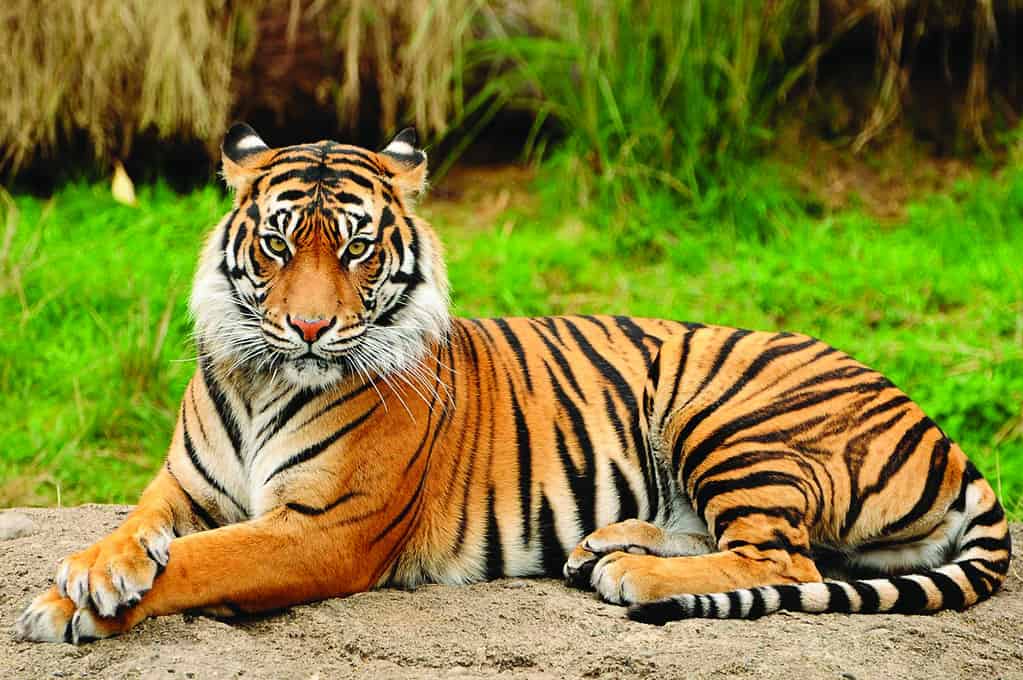
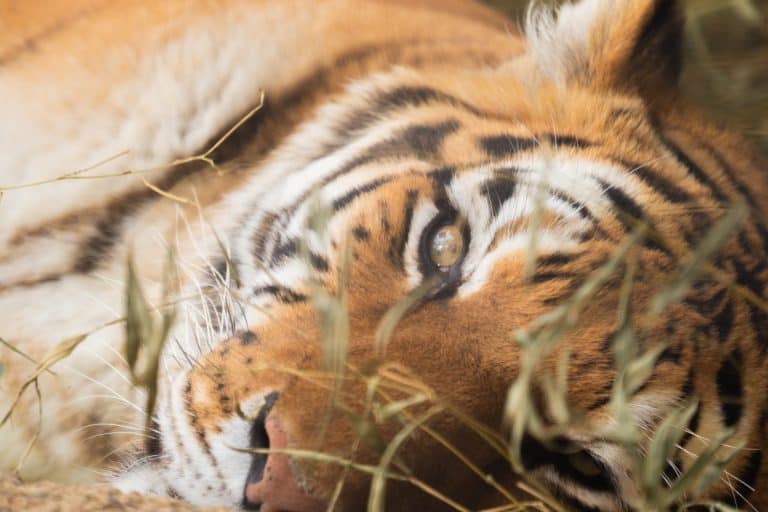
Bengal tigers are generally a little smaller than Siberian tigers.
©Thinker360/iStock / Getty Images Plus via Getty Images
The first difference between Siberian and Bengal tigers is their size. On average, Siberian tigers are larger than Bengal tigers, although in both instances, the males are larger than the females. Bengal tigers are typically six to 10 feet long, and females weigh approximately 240 to 345 pounds. However, males can weigh up to a maximum of 570 pounds. In comparison, Siberian tigers are seven to 12 feet long, including their tail. Males can weigh as much as 675 pounds, although the females weigh 220 to 370 pounds. Both tigers tend to be 30 to 43 inches high at the shoulder.
Siberian Tiger vs. Bengal Tiger: Location and Habitat
Aside from the physical differences between the two, Siberian and Bengal tigers actually inhabit different places. Although they historically had a wider distribution, today Siberian tigers are mainly found in the eastern region of Russia, with smaller numbers living in the northeastern region of China. Siberian tigers predominantly inhabit temperate forests, including mixed coniferous and broadleaf forests, in cold and snowy regions.
Bengal tigers are native to India, Bhutan, Bangladesh, Nepal, and the southwestern region of China, where they tend to inhabit grasslands, mangroves, rainforests, and temperate forests. However, some of these populations are small and fragmented.
Siberian Tiger vs. Bengal Tiger: Appearance
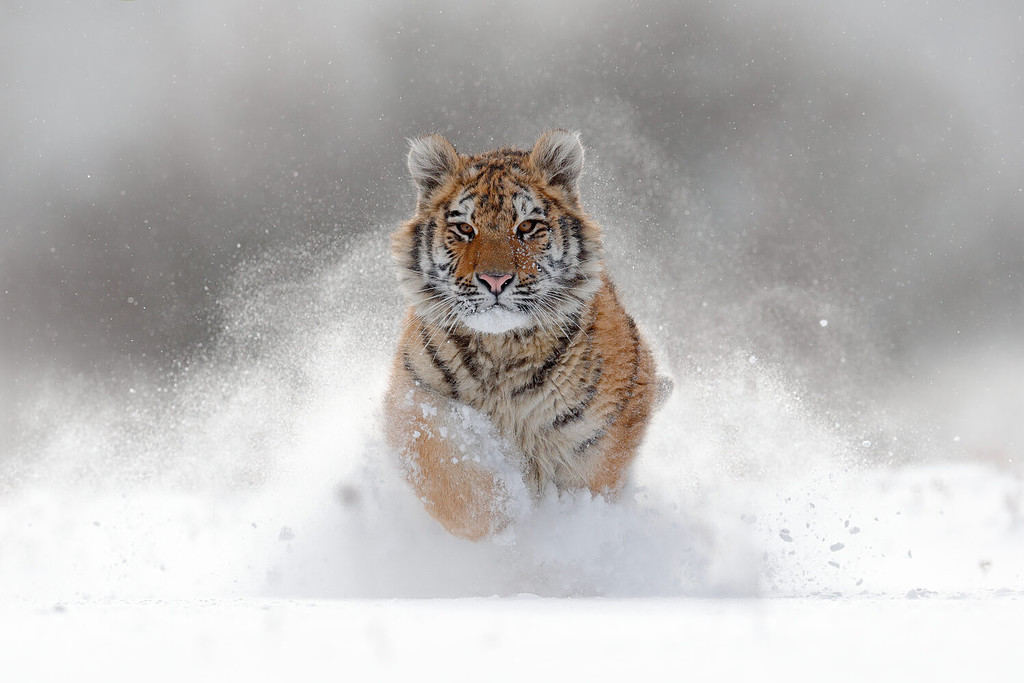
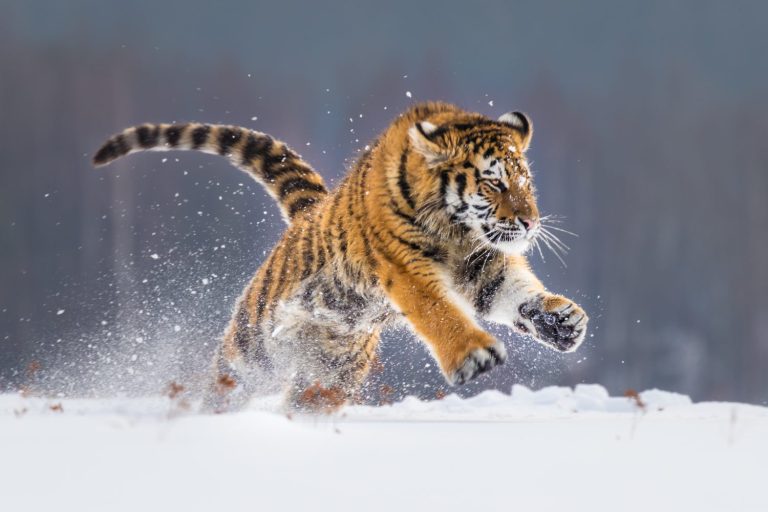
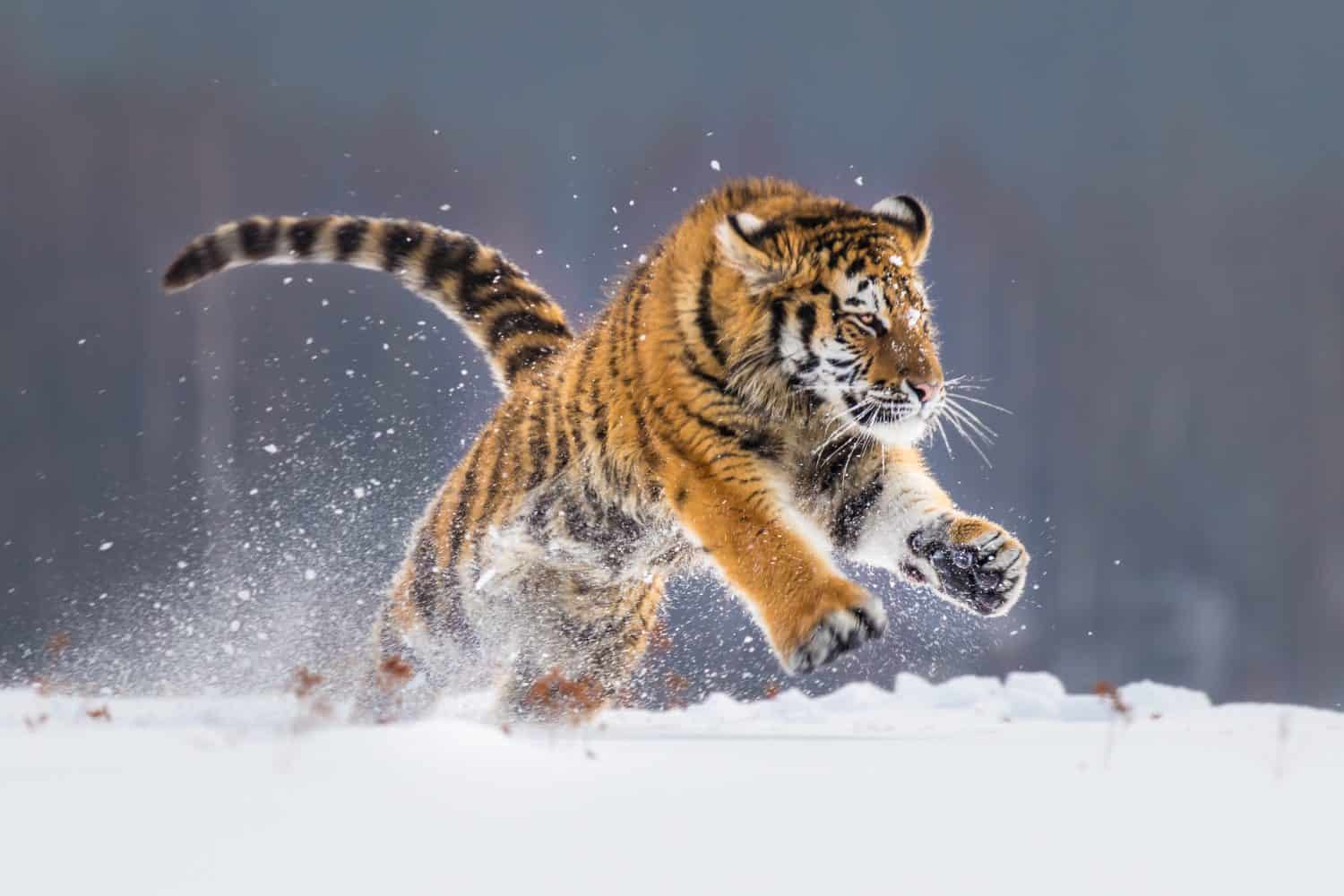
Siberian tigers have a paler appearance than Bengal tigers due to their snowy habitat.
©Ondrej Prosicky/Shutterstock.com
The most noticeable difference between these two tigers is their appearance. Bengal tigers have a typical reddish-orange to yellowish coat all year round, with the distinctive black or brown stripes and a lighter undercarriage. However, Siberian tigers have a much paler appearance in comparison.
Siberian tigers tend to have a pale orange to yellowish-tan appearance, which is often described as looking “washed out”, and their coats are usually paler in winter than in the summer months. There’s actually a reason for the Siberian tiger’s different appearance: their habitat. Siberian tigers tend to live in much colder, snowier habitats than other tigers, and this paler appearance provides better camouflage against their surroundings compared to the typical reddish-orange coats of other tiger populations.
Siberian Tiger vs. Bengal Tiger: Diet
Both Siberian and Bengal tigers are powerful apex predators. They have a fairly similar diet, with only a few differences. Both prey predominantly on animals such as deer, elk, and wild boar. However, Siberian tigers also prey on bears — both black and brown — while Bengal tigers also prey on leopards and dholes.
Siberian Tiger vs. Bengal Tiger: Population Size
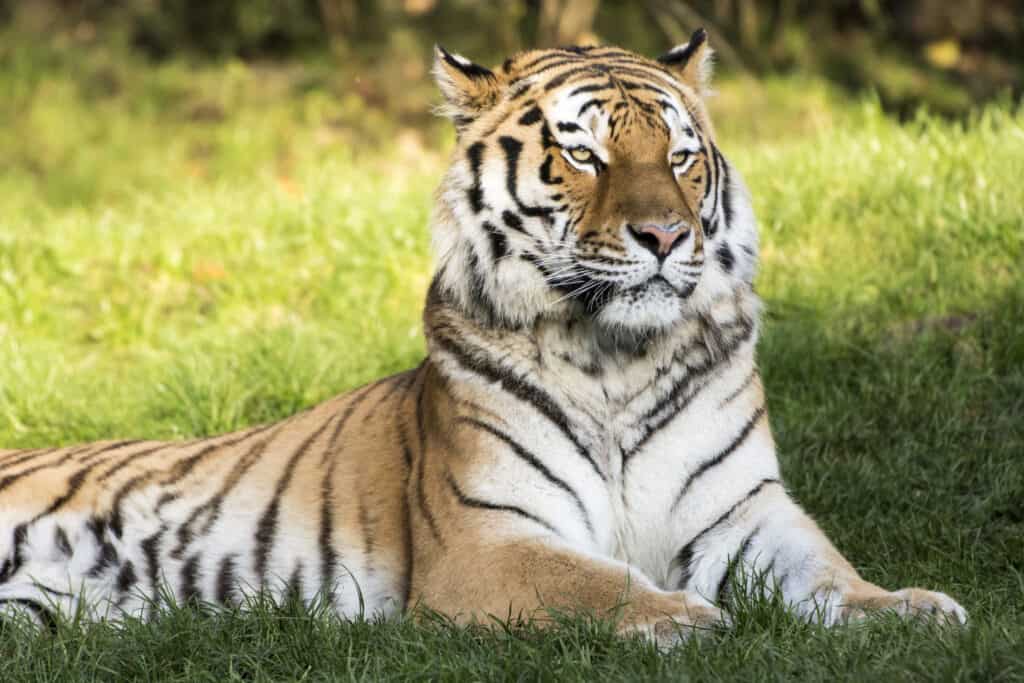
There are only 400 to 600 Siberian tigers left in the world today.
©Gerckens-Photo-Hamburg/Shutterstock.com
Unfortunately, there’s also a difference in the size of the populations. There are approximately 3,000 to 5,000 Bengal tigers left in the world, but the population of Siberian tigers is much smaller, with estimates suggesting that there are only 400 to 600 individuals.
As adults, both populations have no natural predators in the wild. Cubs, however, may face predation from other animals, though this is relatively rare. However, the main threats to both Siberian and Bengal tigers are habitat loss and poaching. Deforestation poses a major threat to these stunning animals, and there’s also an increasing number of tigers killed due to human-wildlife conflict when the tigers are pushed further into human areas due to this habitat loss. Hunting and poaching also greatly affect the populations, with tigers being taken for the illegal wildlife trade or killed so that their body parts can be used in traditional medicine.