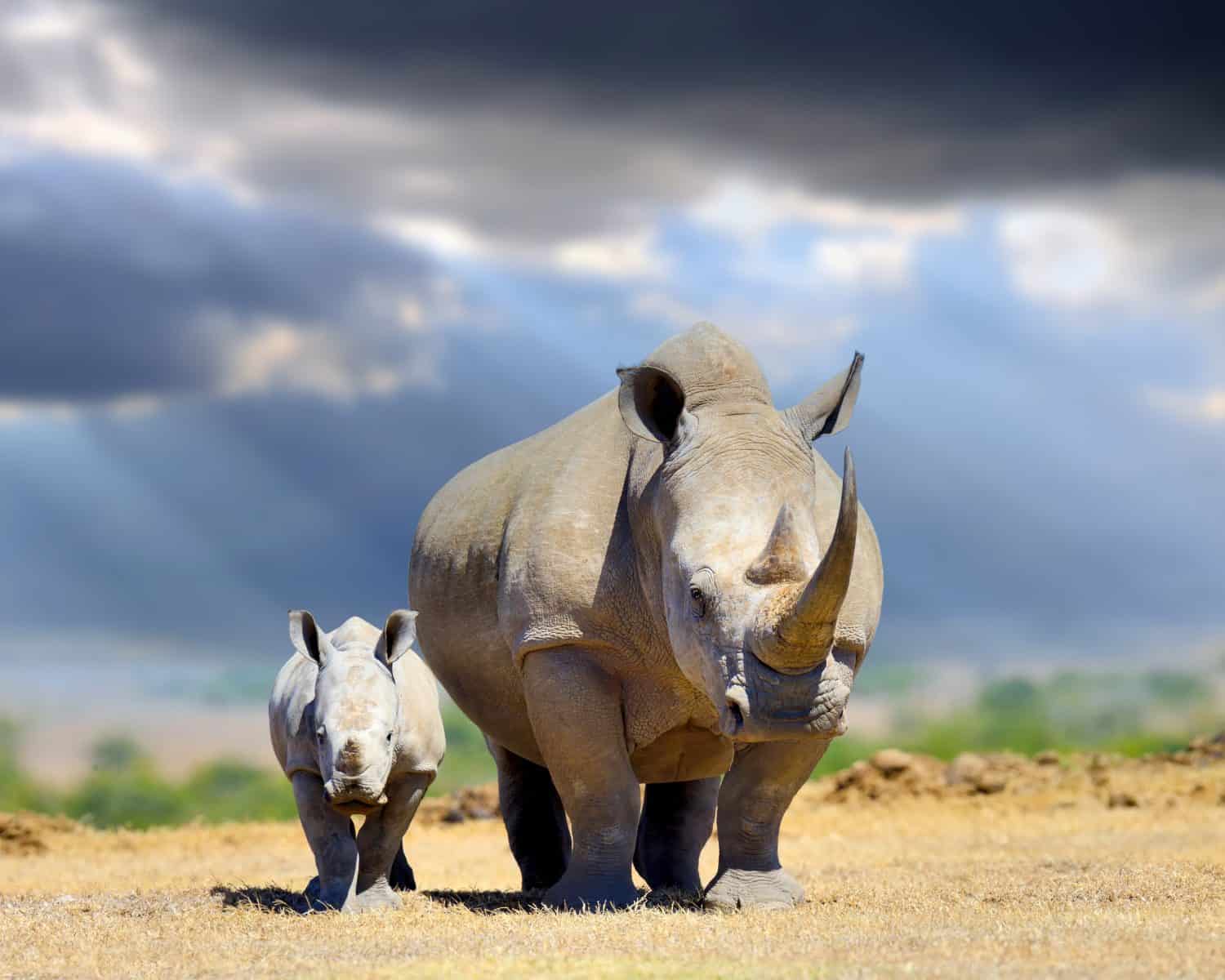

The two animals in this YouTube clip are very different in size but have figured out a way to work together for their mutual benefit. In the short film, the rhino and the turtle live in harmony in a muddy African watering hole. Take a look at the clip, then read on to discover more about mutualism, the different types, and how it works between this rhino and turtle.
What Is Mutualism?
Mutualism is defined as a relationship between two creatures (of the same or different species) that confers a benefit on both. It is very different from other relationships between animals where just one of them derives an advantage, such as competition, exploitation, and parasitism. However, some mutualistic relationships began as parasitic ones and evolved over time to become more balanced. The term was first used by a Belgian zoologist called Pierre-Joseph Van Beneden in his book Animal Parasites and Messmates, published in 1876. Mutualism is just one of the many complex relationships between living things that are essential for the balance and stability of ecosystems.
Types of Mutualism
There are several different types of mutualism with distinctive relationship patterns. Here are the main ones:
Facultative mutualism: This is where the creatures have a flexible relationship. They both derive a benefit from the relationship, but they are not fully dependent on each other. This is the most common type of mutualism.
Obligate mutualism: In this special type of mutualism, the relationship is so extreme that the creatures completely depend on each other. Either one or both of the species involved cannot survive without the relationship.
Trophic mutualism: There is a focus on food in this type of mutualism. There is a transfer of energy/nutrients between two species. This is common among bacteria and fungi and can be obligate or opportunistic.
Defensive mutualism: As the name suggests, this type of mutualism is connected with protection from threats such as predators or parasites. One of the partners receives food or shelter, while the other gets help with fending off a threat.
Dispersive mutualism: This is seen in plants where one of the partners (termed a pollinator) receives food from a plant (such as nectar). In return, they help the plant to spread its pollen, which is essential for the plant’s reproduction.
Ticks on Rhinos
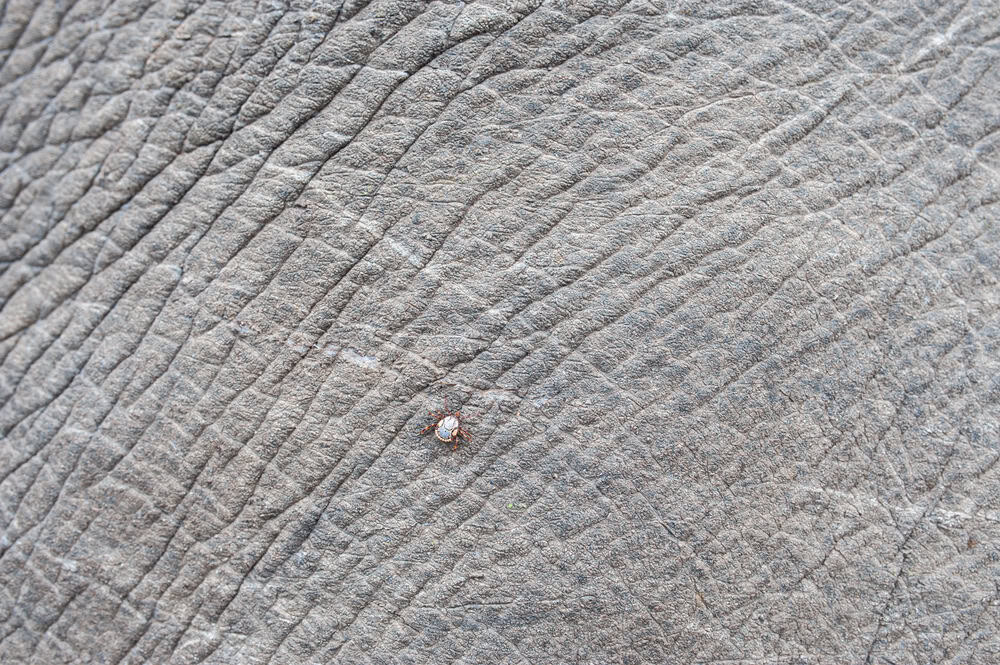
Ticks cling to rhino skin.
©Rudi Hulshof/Shutterstock.com
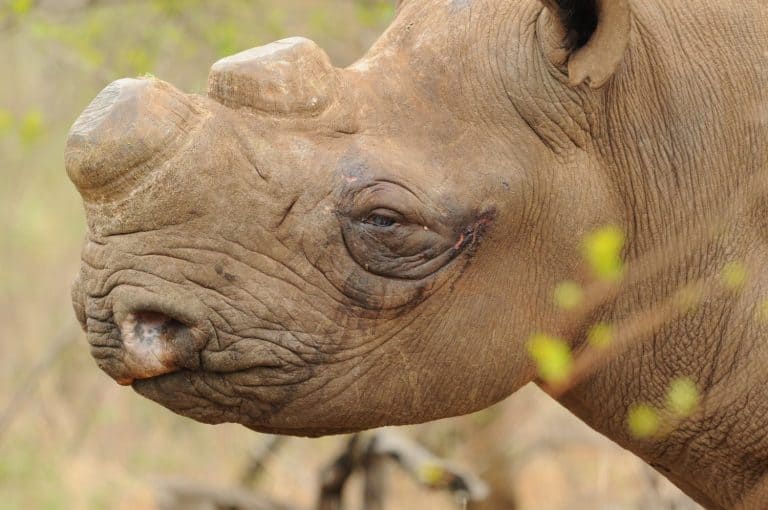
White rhinos (Ceratotherium simum) were once found from South Africa to the coastal regions of north-eastern Africa. However, the arrival of European settlers, hunters, naturalists, and travellers caused their populations to rapidly decrease. Thanks to concerted efforts to save the species, their numbers are more stable, but poaching remains a significant threat to their long-term survival. The fate of the black rhino (Diceros bicornis) was similar. Their numbers are reported to have declined from approximately 70,000 in the early 1960s to only 2,410 in 1995. Careful management has resulted in some improvements.
In addition to all of the challenges faced by these magnificent animals, their skin can also get infested by ticks! In fact, rhinos are infested with a greater array of ornate ixodid ticks than any other mammal species in East and southern Africa. One particular tick, the Dermacentor rhinocerinus, is essentially a parasite specific for rhinos – its name is a clue! However, many different tick species can also be found on rhinos.
Rhino Ticks
Ticks are small external parasites (ectoparasites) belonging to the arachnid class, making them similar to spider-like mites. Adults are under a quarter of an inch long and have a retractable head with developed mouthparts. They feed by consuming the blood of a host – an animal that they manage to climb onto. Feeding on blood is essential for their survival and for progressing to the next stage of their lifecycle. Even though they can fast for some time, they will eventually die if they cannot find a host.
Once on the host, the tick finds a suitable feeding spot, often in an area where the skin is thinner. It is an incredible feat for such a small animal to be able to pierce rhino skin. Rhino skin contains many keratin fibers (a protein found in human nails and hair) surrounded by calcium crystals, all arranged in a unique lattice structure. In some parts, their skin can be 2 inches thick!
Damage Caused by Ticks
Once the tick has located a suitable feeding spot, it cuts into the skin’s surface. They cut a hole in the epidermis (the outermost layer of skin) and insert their mouthparts. Ticks have incredible mouths! There is a harpoon-like structure that anchors them firmly to the host’s skin and stops them from being brushed off when feeding. Then, they overcome the host’s natural clotting mechanism by excreting an anticoagulant. Ticks remain attached until they are completely engorged with the rhino’s blood, during which time their weight can increase by thousands of times. Once they are full, they drop off the rhino and wait in nests, burrows, or vegetation until they need another meal, at which point they scramble onto another passing animal.
Obviously, there is a benefit for the ticks in their relationship with rhinos, but the larger animal gets no advantage from it at all. In fact, these parasites can cause rhinos problems. First, the rhino inevitably loses some blood as the ticks feed, but because the ticks are so tiny and the rhino is so large, this is unlikely to cause a significant problem. The injury caused by the tick breaking open the rhino’s skin could potentially become infected. More worrying, however, is the possibility of tick-borne diseases. As the ticks transfer from one animal to another (not even necessarily in the same species), they can also transfer pathogens. Examples include protozoa (one-cell organisms) called Babesia. A newly described species, Babesia bicornis sp., was thought to have caused the death of some black rhinos in Tanzania and South Africa. Ticks also transmit heartwater disease to rhinos. Overall, ticks are bad news for rhinos, and they would prefer to get rid of them.
African Side-Neck Turtles
African side-neck turtles, also called African mud terrapins and swamp terrapins, provide an essential service for the rhinos because they remove the ticks. Because this is a mutualistic relationship, the turtles also benefit—specifically, the ticks provide them with a meal. As the rhino relaxes in the mud, which also acts as a parasite deterrent, the turtles approach and pluck off the ticks.
The African mud turtle is a medium-sized turtle and lives in aquatic or semi-aquatic habitats. Their range includes sub-Saharan Africa, Madagascar, and the Seychelles. They are known as ‘bottom walkers’ because they move along the bottoms of slow-moving bodies of water. They live in the type of muddy areas that rhinos like to hang out in, such as lakes, swamps, and marshes. These carnivorous turtles feed on small creatures such as arthropods and worms, as well as the ticks they pluck off rhinos.
The Turtles Have Competition
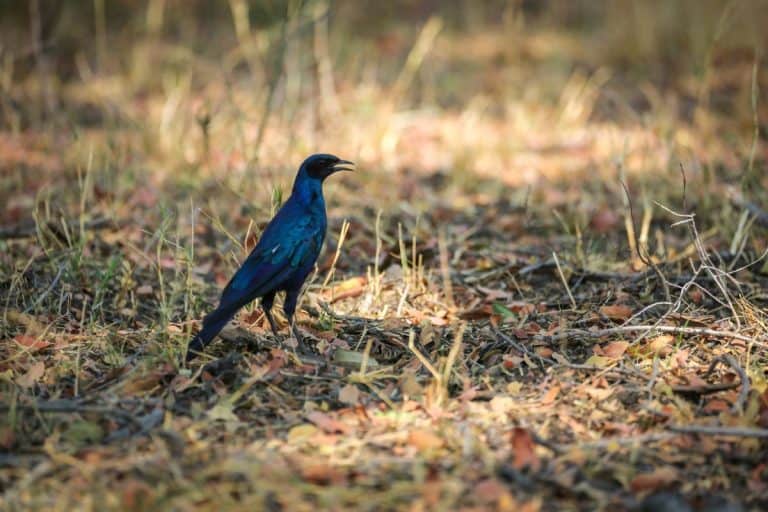
These turtles are not the only candidates lining up to provide pest control services to rhinos. A bird in the starling family, called the oxpecker, also picks ticks off a rhino’s skin along with flies and other bugs (and even ear wax). In the past, this was considered a mutualistic relationship, but recent research has questioned this assumption. Studies have found that oxpeckers actually open up new wounds on the rhino and feed on their blood. Also, while they are feeding on the sores, the lesions take longer to heal. Given these new findings, rhinos may be better off sticking with the turtles.