
Florida may be most famous for Spring Break and its many white-sand beaches, but in addition to its tourism industry, the state is also very ecologically diverse, rich in strange and dangerous wildlife, such as native alligators and other predators, wild mammals, common rodents, endangered species, some invasive amphibians, and many species of bird. The weather in Florida is hot and humid throughout most of the year.
The Official State Animals of Florida
Given its biodiversity and its access to both freshwater and saltwater, it is no surprise that Florida has named eight official state animals and even a state butterfly. In addition to the animals below, it might seem strange, but there is also a state shell, a state stone, and a state soil! The shell title belongs to the Conch.
State Animal of Florida: Florida Panther
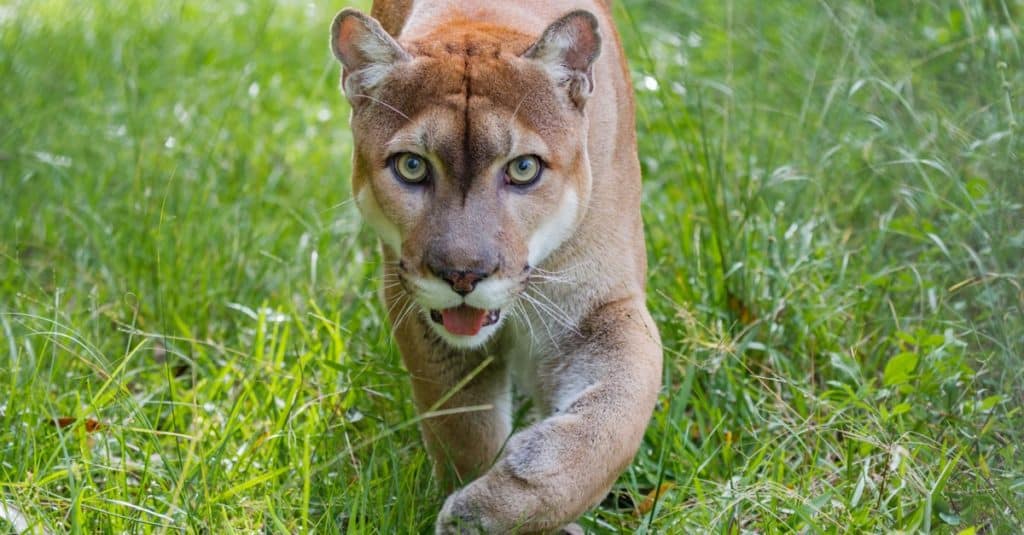
Florida Panther is the state animal of Florida.
©jo Crebbin/Shutterstock.com
These native panthers are not black like those found in other parts of the world. These sleek predators are tan and brown, looking a lot like a bobcat but larger, and they became one of the state mammals of Florida in 1982. Florida Panthers (Felis concolor coryi) are considered endangered, and hunting them has been illegal since 1958. They are sometimes referred to as “painters” or “catamounts.”
State Bird of Florida: Mockingbird
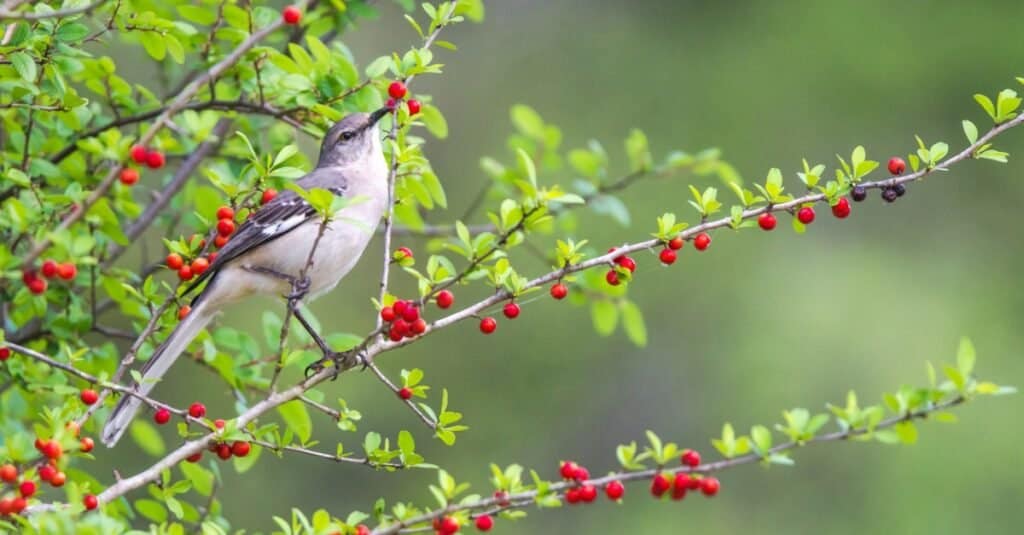
Mockingbirds have been the state birds of Florida since 1927.
©iStock.com/Kanokwalee Pusitanun
The Mockingbird (Mimus polyglottos) was designated the Florida State bird in 1927. This small mimic bird is common and popular in the southern United States. Though this clever mimic is often seen during the day and heard recreating the songs of other birds, its own song is most often heard at night, especially in the spring.
State Reptile of Florida: Alligator
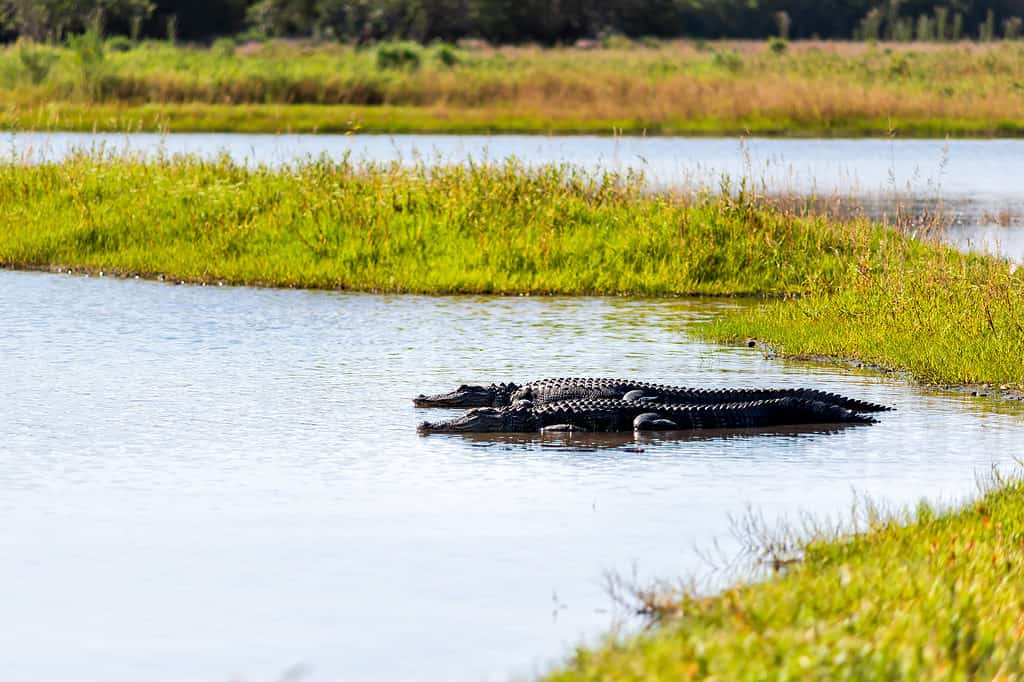
It is no surprise that the lovely Alligator is the state reptile of Florida.
©Kristi Blokhin/Shutterstock.com
The Alligator (Alligator mississippiensis) was adopted as the state reptile in 1987. These predators are possibly Florida’s most well-known animals. They are found all over Florida, in its many lakes, swamps, and wetlands. Their diet consists primarily of small aquatic and semi-aquatic animals. They were once endangered, but their populations have recovered after a period of overhunting. A female alligator may lay as many as 30 eggs in her nest, of which she is fiercely protective.
There is estimated to be about 1.3 million alligators in Florida lakes. The Florida lake with the most alligators is believed to be Lake Okeechobee, which is home to around 30,000 alligators.
State Saltwater Fish of Florida: Sailfish
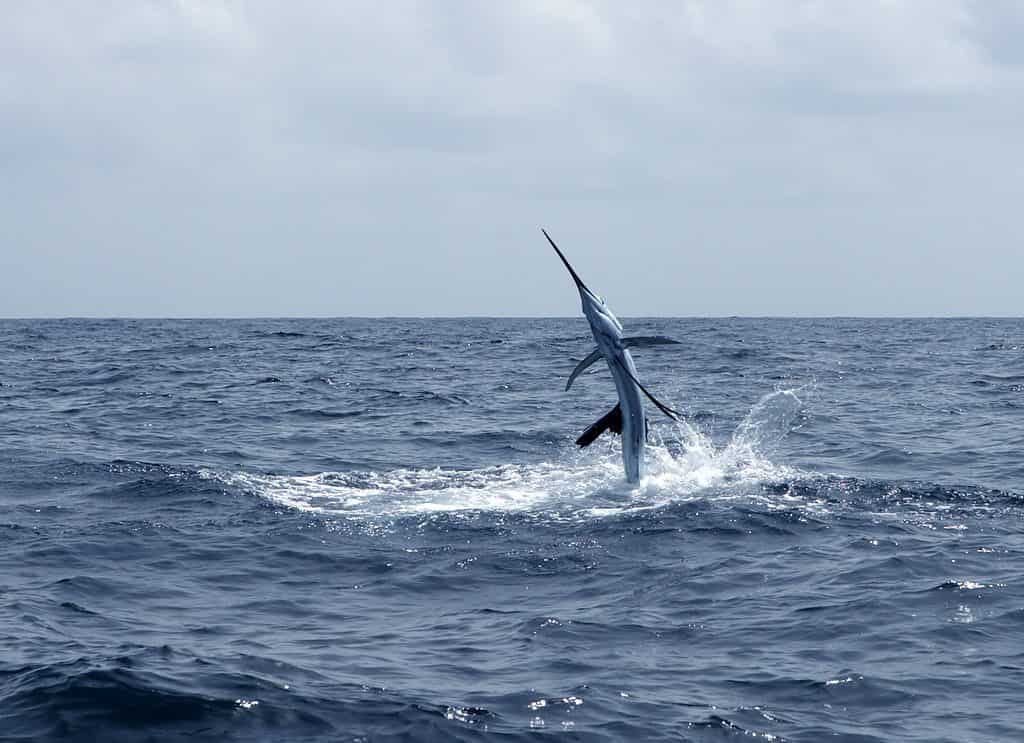
The sailfish have been the state saltwater fish of Florida for nearly 50 years.
©lunamarina/Shutterstock.com
The sailfish (Istiophorus platypterus) was named the official state fish in 1975. It was recognized because sail fishing is very popular in Florida and the Keys. Ernest Hemingway famously caught a nine-foot specimen in 1934. These incredible fish can reach speeds up to 60 miles per hour and weigh nearly 50 pounds.
State Freshwater Fish of Florida: Largemouth Bass
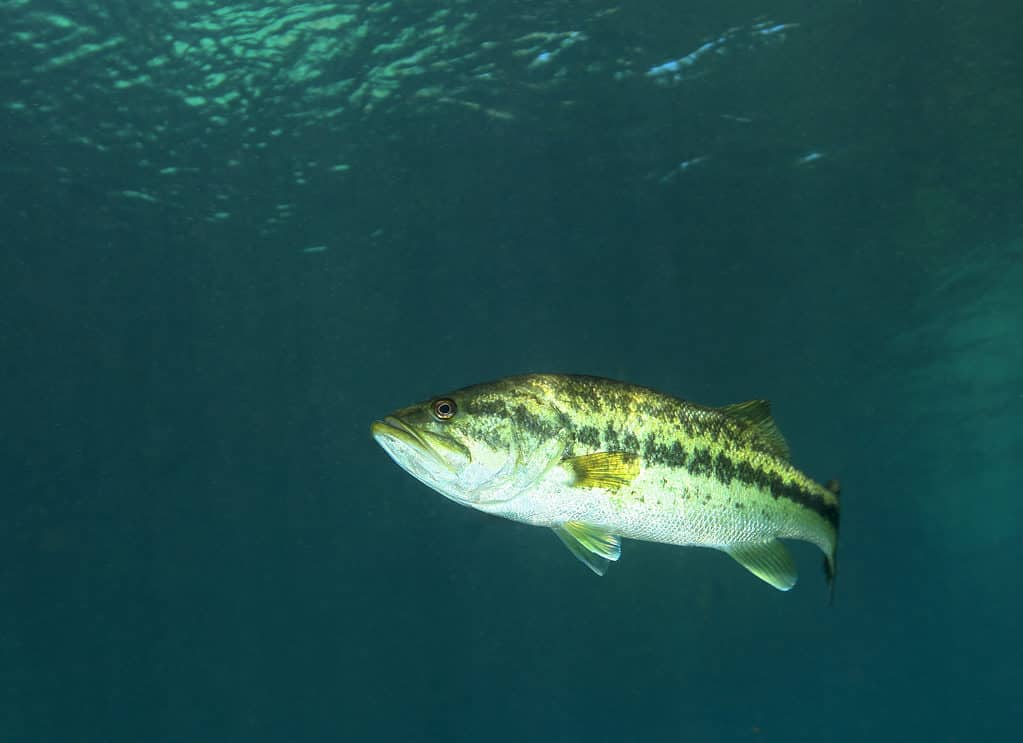
A Florida Largemouth Bass is so loved that it was named the state freshwater fish!
©iStock.com/mpwoodib
The largemouth bass (Micropterus salmoides floridanus) is a popular prize for sport fishing. These fish are said to grow larger in Florida than elsewhere for some reason, reaching lengths of nearly two feet and weights of up to fifteen pounds. They have an oversized mouth, after which they are named, and also a notched dorsal fin.
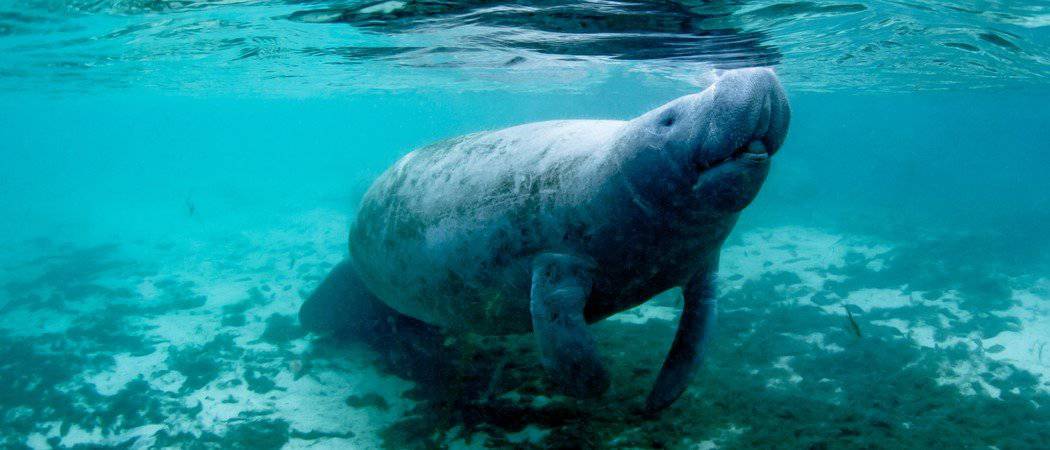
State Marine Mammal of Florida: Manatee
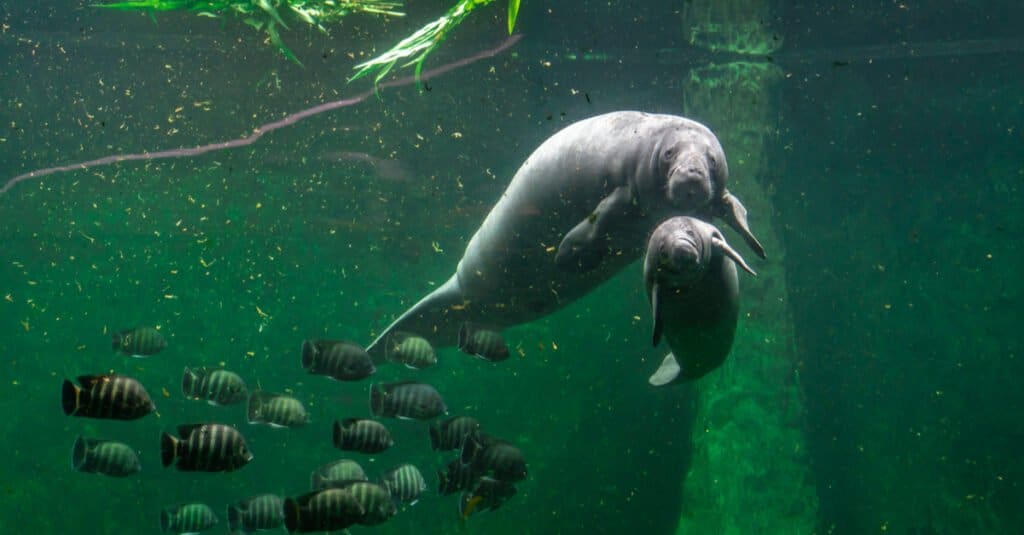
The manatee (a threatened species) is the state mammal of Florida.
©Lukasz Machowczyk/Shutterstock.com
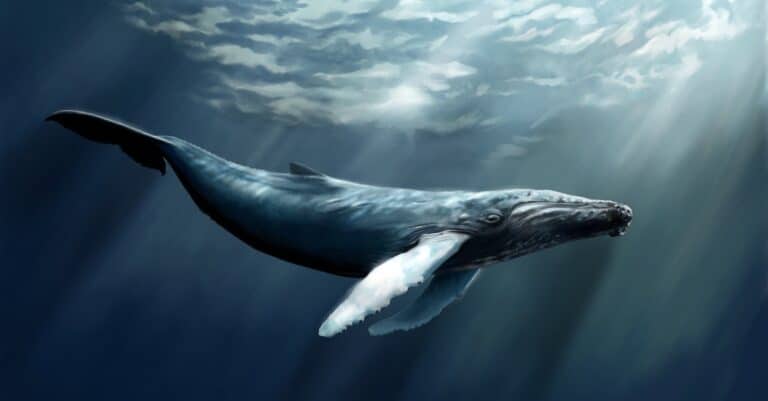
Designated the state marine mammal in 1975, the manatee (Trichechus manatus) is a surprisingly graceful animal, given its size. They can be seen in the rivers and bays in Florida, particularly in the winter months, when they arrive in larger numbers seeking warmer water. Unfortunately, these amazing animals are a threatened species.
State Saltwater Mammal of Florida: Porpoise or Dolphin
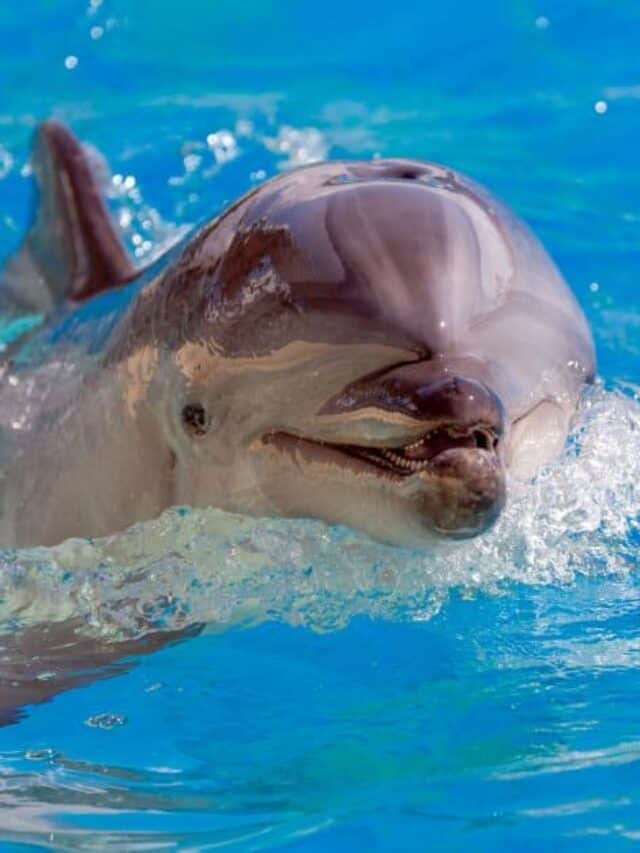
You may be thinking that a porpoise and a dolphin are not the same mammals, and you would be correct. However, strange as it seems, when these state saltwater mammals were being designated as such, the legislature said the title belonged to the “porpoise, also commonly known as the dolphin.” The waters around Florida are home to Bottlenose Dolphins and this is likely the animal to which they were referring since true porpoises are not found near Florida.
Where To Find The Top Wild Animals in Florida
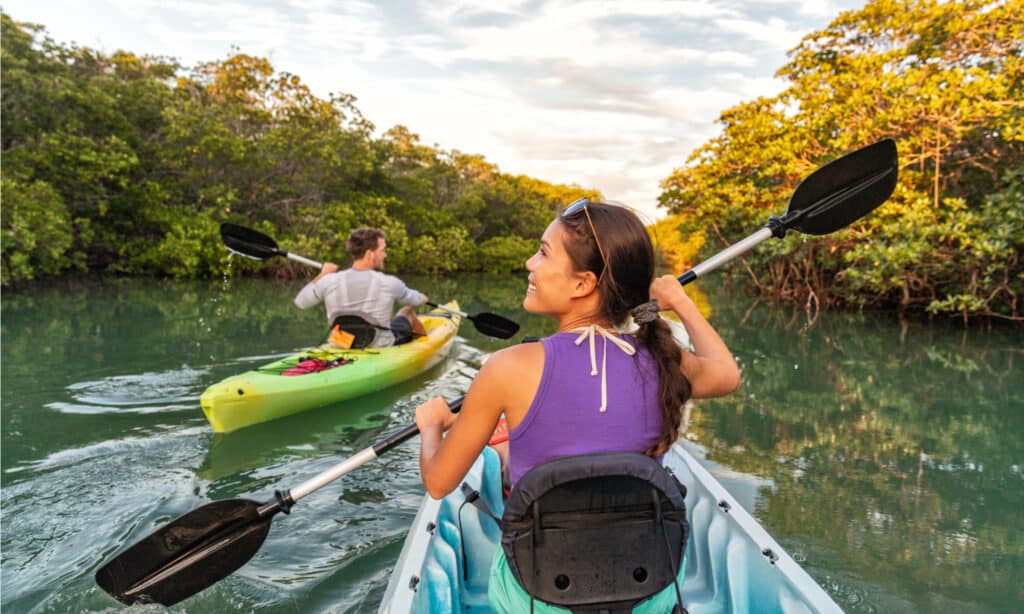
The Everglades National Park is a great place to see diverse wildlife in Florida.
©Maridav/Shutterstock.com
There are five separate ecoregions found throughout all of Florida, and many different types of wild animals are found in each one. In Florida, you may see black bears, coyotes, and wolves, or even beavers, badgers, otters, monkeys, turtles, alligators, bobcats, raccoons, white spiders, gopher tortoise, geckos, rodents, scorpions, birds like hawks and eagles, and even some invasive species like the Cuban tree frog or Burmese Python. Aquatic animals can also be found in Florida, but there are no sea snakes in Florida. Read about snakes in Central Florida.
Here are some of the best places to view wildlife in each section of the state:
- Blue Spring State Park – This park in Orange City is the recommended site for viewing manatees in Florida without a boat. There is a river trail from which you can view the State Marine Mammals, swimming in clear water, from various platforms.
- Three Sisters Springs, Crystal River is another great place for viewing manatees in Florida, this time by boat or kayak. It is possible to see up to 100 of them at once in certain spots.
- Navarre Beach Marine Sanctuary – This nature preserve is located in the western section of the Florida panhandle. It is a good place to see sea turtles and other marine life.
- Everglades National Park – The Everglades in southern Florida is an excellent viewing location for egrets and other waterfowl. You might also see some alligators in the wild!
- Merritt Island National Wildlife Refuge – Off the coast east of Orlando, on Florida’s largest barrier island, this refuge is not far from the longest biking trail in Florida. Why not take in the wildlife views at a pedaling pace?
Read about the smallest snakes in Florida and also the biggest snakes in Florida.
Zoos in Florida
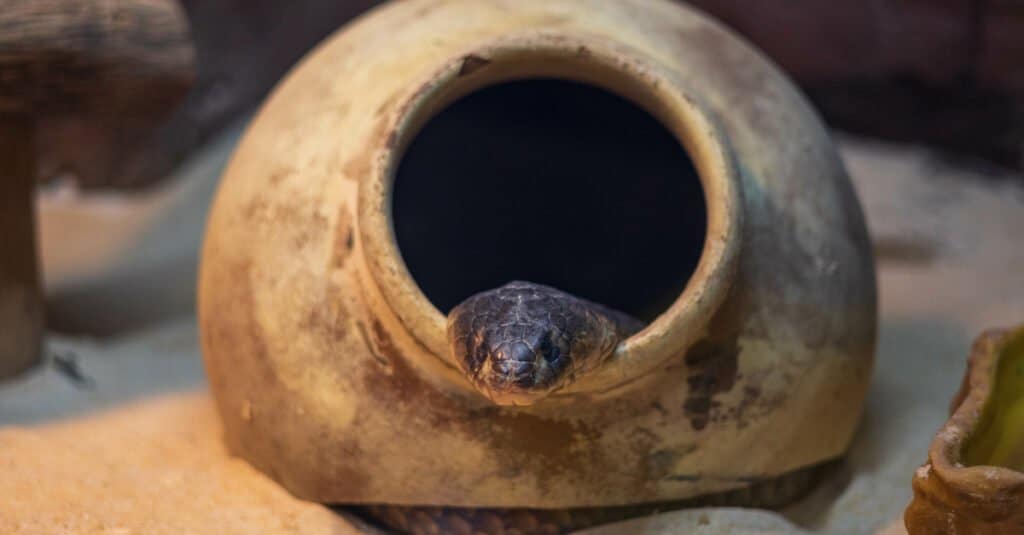
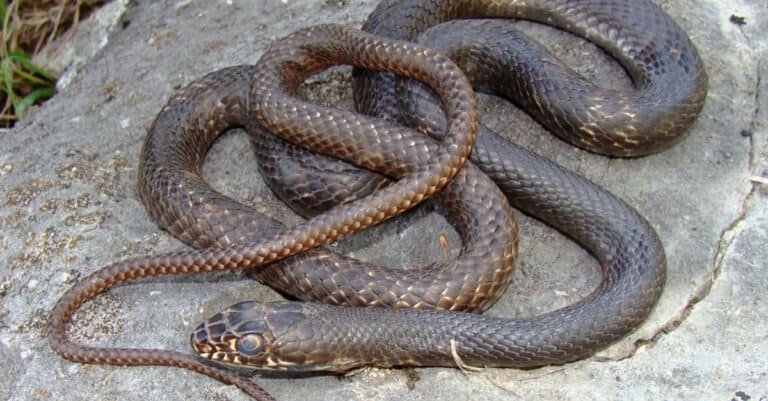
A Texas Indigo snake is one of the many animals you can see in Central Florida Zoo Botanical Gardens.
©Wirestock Creators/Shutterstock.com
Florida’s zoos are home to a variety of animals from around the world, ranging from exotic mammals and birds to reptiles, amphibians, and fish. Visitors can explore their habitats through interactive exhibits, educational programs, animal shows, and more. Zoos in Florida provide an opportunity for people of all ages to get close to nature while learning about conservation efforts and sustainability practices.
Zoos have many benefits beyond entertainment. They promote public education on conservation issues as well as provide research opportunities for scientists. Additionally, they offer safe havens for endangered species that could be threatened if left in the wild due to poaching or habitat destruction. Many facilities also conduct captive breeding programs, which help increase the population numbers of species that may otherwise become extinct.
In addition to providing educational experiences and contributing to global wildlife preservation efforts, zoos are essential economic drivers within their local communities. They create jobs for zookeepers, veterinarians, and other personnel who work hard year-round maintaining the facility and caring for its inhabitants, ensuring guests have positive experiences when visiting them.
- Central Florida Zoo & Botanical Gardens –
- Jacksonville Zoo and Gardens – Jacksonville, FL
- Palm Beach Zoo & Conservation Society – Palm Beach, FL
- Tampa’s Lowry Park Zoo – Tampa, FL
- Lion Country Safari – Palm Beach County, FL
3 Rarest Animals in Florida
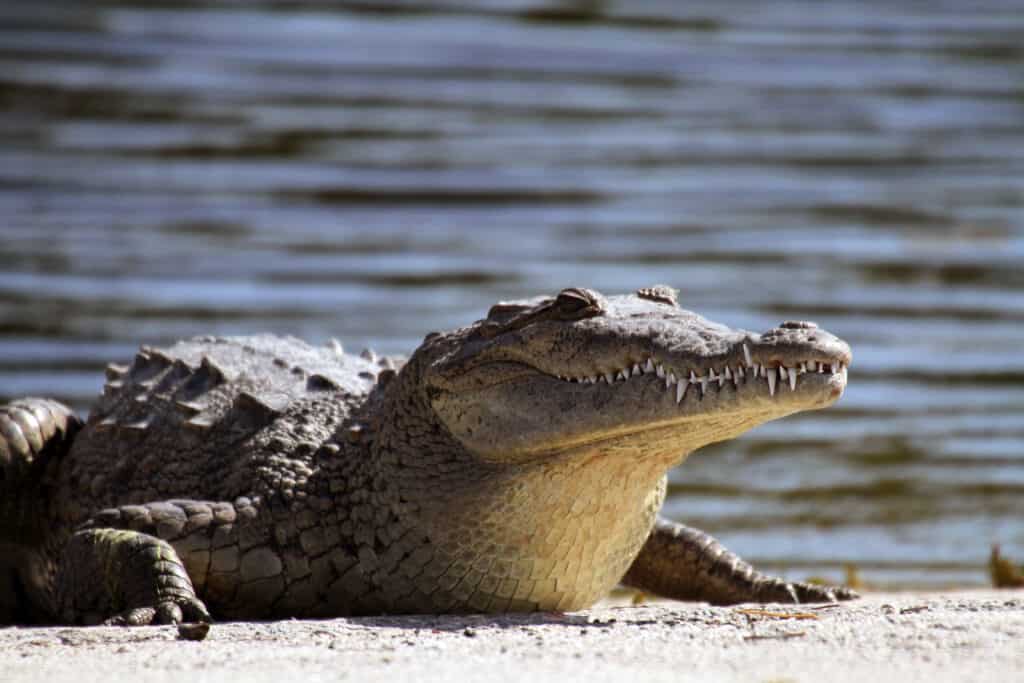
American Crocodiles love to bask in the hot Florida sun to help them digest large meals.
©iStock.com/GriffinGillespie
The Florida panther is considered one of the rarest animals in Florida. This large wildcat is found only in the southern part of the state, inhabiting swamps and forests. It is listed as an endangered species due to its small population size and loss of habitat over time. The biggest threats facing this animal are vehicle collisions and diminishing prey due to human activity.
Another rare animal native to Florida is the manatee, also known as a “sea cow.” These aquatic mammals inhabit warm shallow waters near shorelines such as estuaries and coastal areas, where they feed on sea grasses along the bottom of these habitats. Manatees are vulnerable to injury or death from boat strikes, fishing gear entanglements, cold stress syndrome caused by changes in water temperature, red tide poisoning from algal blooms, and other human-related activities that can disrupt their natural environment.
Finally, there is another very unique animal living in Florida. The American crocodile! Unlike alligators which live mainly in freshwater habitats like rivers and lakes, crocodiles prefer saltwater environments like creeks near ocean coasts where they can hunt for their food using powerful jaws equipped with sharp teeth. They face many threats, including the destruction or alteration of their wetland homes due to development projects that take away vital nesting sites needed for reproduction purposes.
3 Largest Animals in Florida
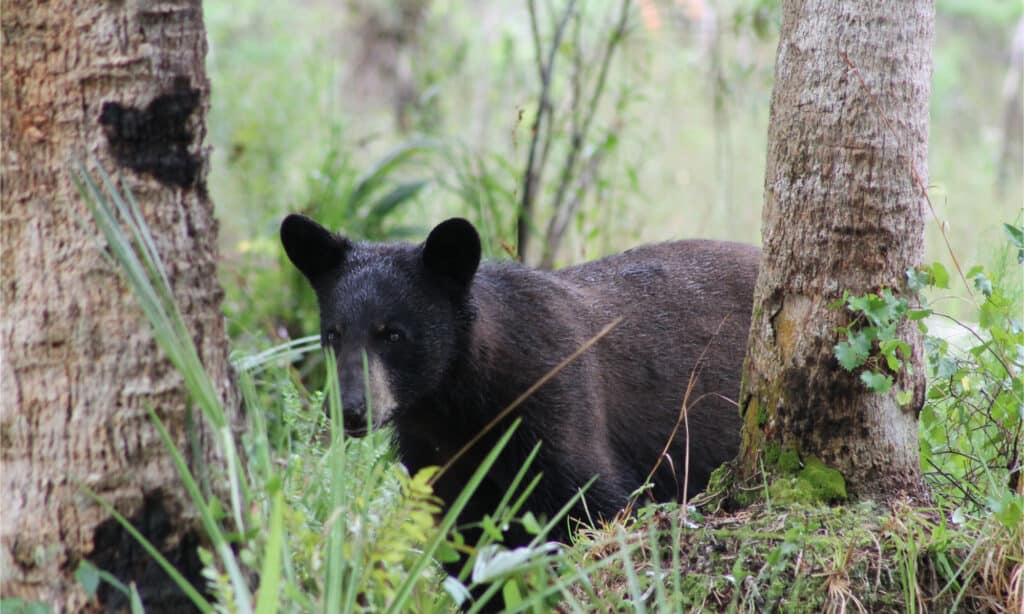
Florida black bears have year-round food in this warm climate and can weigh up to 500 pounds.
©Robin Cabral/Shutterstock.com
The three largest animals in Florida are the American alligator, the white-tailed deer, and the black bear. The American alligator is one of the most iconic reptiles in Florida, growing up to 14 feet long and 800 pounds! They live in freshwater rivers, lakes, swamps, canals, and marshes throughout Florida. Alligators have been around for millions of years and play an important role as top predators in their aquatic habitats.
White-tailed deer are another large mammal native to Florida. These majestic creatures can reach up to 3 or 4 feet at shoulder height, with antlers spanning about 2 or 3 feet wide on males! Deer prefer open forests or wooded areas where they feed on grasses, shrubs, and other vegetation. While most active during dawn or dusk hours, deer can also be seen out during daylight hours grazing away contentedly.
Black bears are a third species that make their home in Florida’s wetlands and forests. Adult male black bears usually weigh between 250 and 500 pounds, while females may range from 130 to 300 pounds depending upon age and food availability. Black bears generally inhabit dense forest stands located near water sources such as streams or swamps but will venture into more open spaces in search of food. With proper conservation efforts, these impressive animals should remain a part of our state’s wildlife population for many years to come!
The Most Dangerous Animals In Florida Today
Alligators are probably the most well-known dangerous animals that live in Florida. They can be found living in freshwater environments such as swamps, lakes, rivers, and ponds. Alligators can grow up to 14 feet long and weigh over 1000 pounds, so they pose a serious danger to humans. In addition to their size and strength, alligators have incredibly powerful jaws which can easily bite through bone or crush an adult human with ease.
Another one of the more dangerous species native to Florida is the Florida panther. These large cats are apex predators primarily located in southern areas of the state, such as Everglades National Park and Big Cypress National Preserve, where they inhabit forests, wetlands, and scrubland habitats. Male panthers reach up to 7 feet in length, including their tail, and females average around 6 feet in length. Both sexes weigh roughly between 100–180 lbs when fully grown, making them very strong animals capable of killing large prey items like deer or wild boar. Although rarely seen by humans due to their nocturnal habits, it’s important for anyone who spends time outdoors within these regions to know what signs may indicate a nearby panther presence, as these creatures should not be approached under any circumstances since they will attack if threatened or cornered!
Florida has a lot of common dangerous predators, including gators, water snakes, bobcats, venomous snakes, brown snakes, red snakes, yellow snakes, and other ferocious wildlife. Read about the most common (and nonvenomous) snakes in Florida.
Some of the most dangerous wildlife found wild in Florida is:
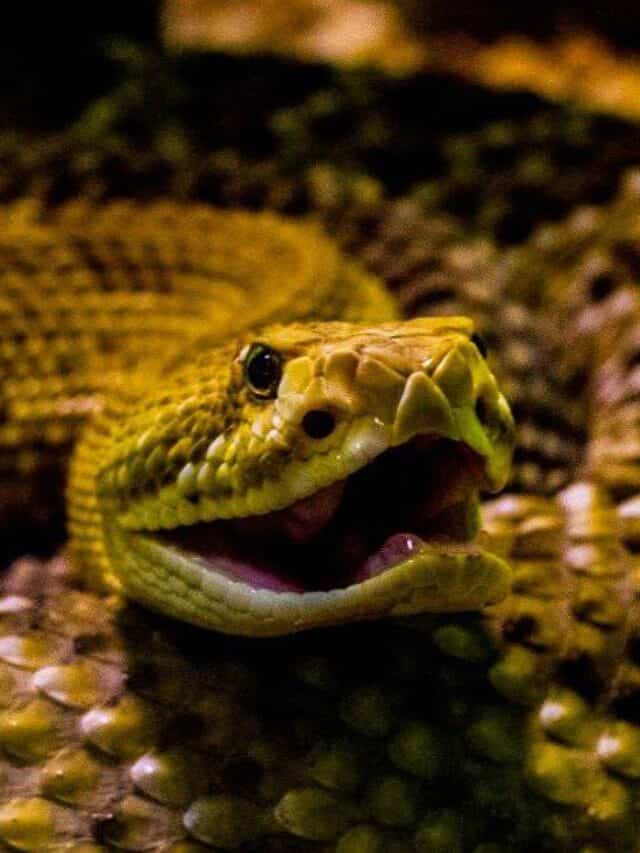
- Eastern Rattlesnake – Though not terribly aggressive, their bites can be lethal. Rattlesnakes thankfully rarely bite humans, but when they do, they inject up to 55 percent of their venom in one go. You can read about the largest rattlesnake found in Florida.
- Black Bear – These bears are quite aggressive, though human encounters are rare.
- Bobcats – These cats are shy, but they are also stealthy, and it is easy to stumble upon one by accident. A scared animal is a dangerous animal.
- Alligators – While adult humans are not at a large risk from these reptiles unless they get too near a nest, children and pets have been attacked and any encounter with a gator should be avoided whenever possible.
- Invasive Species – Invaders like the Cuban tree frog are stealing habitat and food from local native wildlife, as well as killing them off in large numbers.
- Black Widow – These spiders are perhaps even more common in Florida than in the rest of the southern U.S. They aren’t often fatal, but they do pose a serious danger to small children and some adults.
- Sharks – New Smyrna beach in Florida is being called the “shark bite capital of the world,” since shark bites are so much more common there than elsewhere.
While Florida has a number of black snakes in the state, they generally pose little danger. Some species of ticks also live in Florida.
Endangered Animals In Florida
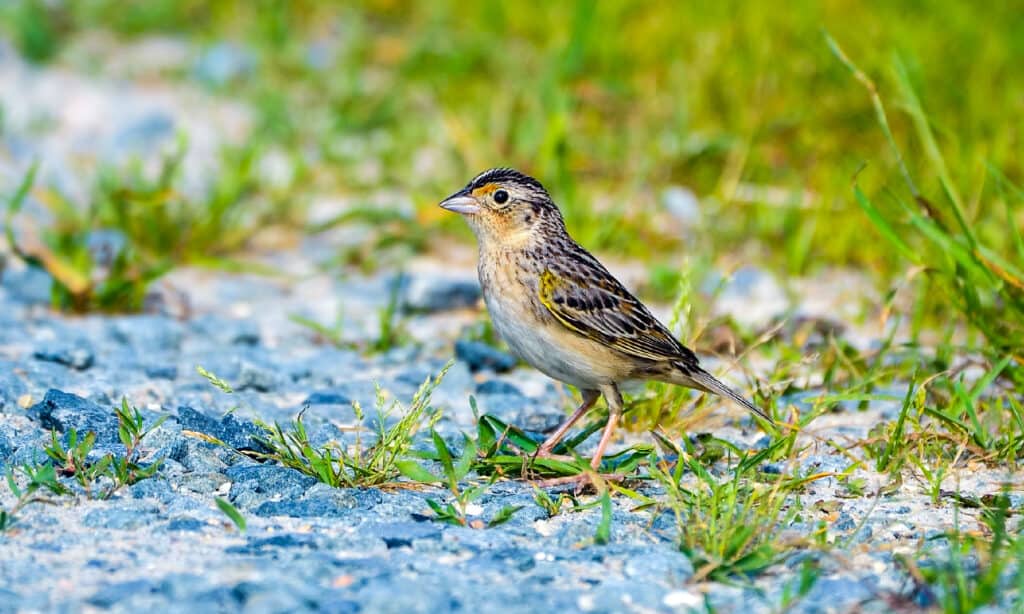
Florida Grasshopper sparrows are endangered species native to Florida
©iStock.com/BrianEKushner
The single biggest cause of climate change is considered to be anthropogenic greenhouse gas emissions from burning fossil fuels such as oil and coal for energy production or transportation purposes. This process releases an abundance of carbon dioxide into the atmosphere, which traps heat within Earth’s system causing global temperatures to rise over time. The resulting increase in temperature has caused severe droughts, melting polar ice caps, ocean level rises due to thermal expansion, and other drastic environmental changes all around the world. Most notably in animal habitats like those found throughout Florida’s lush wetlands and tropical forests.
The people of Florida can help endangered animals in a variety of ways. One important way is to support conservation efforts and organizations that specialize in protecting wild species. People can also contribute their time, money, or expertise to these causes. Furthermore, citizens should be aware of local regulations and laws regarding the protection of threatened species, as well as refrain from activities that may damage their habitats or disrupt migration patterns.
Several of the species native to Florida are endangered or threatened. For a complete list see HERE. The most endangered animals include:
- Manatee – Humans with boats are responsible for half of all known manatee fatalities. It is hoped that tighter restrictions on boat speeds in the bays and rivers during the winter and other conservation measures will help restore their numbers.
- Florida Panther – Habitat loss is their biggest threat, and experts believe their numbers are only around half the amount they need to be in order to survive as a species and avoid extinction.
- Gray Sea Turtles – Several species of these reptiles can be found in the waters off the coast of Florida, and at least five of them are listed as endangered. Habitat loss, human encroachment, boating, fishing, and invasive species all contribute to the declining numbers of these animals.
Check out more endangered animals living in Florida.
Rivers in Florida
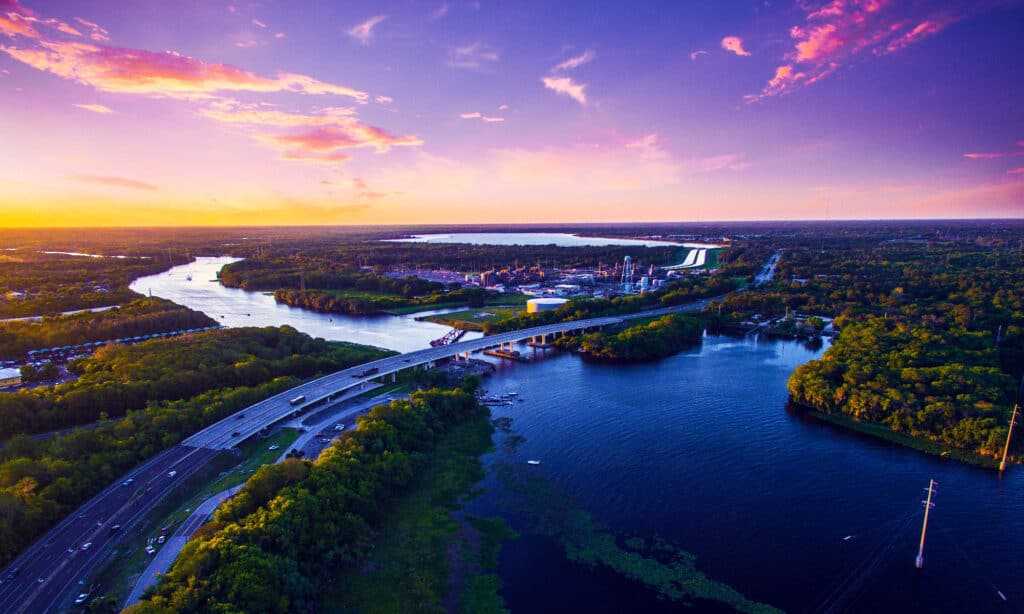
The St Johns River in Florida is just one of many rivers in the state teaming with wildlife.
©Javier Cruz Acosta/Shutterstock.com
The rivers of Florida are a treasure trove of wildlife, including manatees, alligators, and freshwater fish. These species rely on the 25,949 miles of river that make up this state for sustenance. One particularly endangered tree can also be found growing along these rivers – the bald cypress. This species is especially vulnerable to destruction by development and climate change.
Of course, many other creatures call these waters home. Turtles, ospreys, herons, and egrets can often be seen along the banks or in mid-flight above them. The presence of these birds helps to indicate healthy water quality as they’re sensitive to pollutants like fertilizer runoff from farms or sewage discharges from cities into waterways.
Rivers help form an important part of any ecosystem, providing habitats for aquatic creatures while also connecting landlocked areas by allowing migratory animals access to new food sources and spawning grounds each year. In Florida, it’s no different. Some species, such as manatees, depend on specific rivers throughout their lives while others may only pass through during certain times of the year when conditions are most favorable for reproduction or growth stages in young animals’ lives (such as juvenile salmon). By understanding more about what makes up our state’s unique river ecosystems, we can better protect them from overuse or pollution so that future generations will have the same opportunity to enjoy all that Florida has to offer!
- Peace River: An excellent river for fossil hunting. Fossils from recent eras, like mammoths, mastodons, bison, and shark teeth, are abundant.
- Indian River – A waterway that is home to 2,200 animal species, including 685 fish, manatees, and sea turtles.
- Apalachicola River – Home to the endangered Florida Torreya, a tree that grows only in the area and is one of the world’s rarest trees with a remaining population of about 200 trees.
Native Plants in Florida
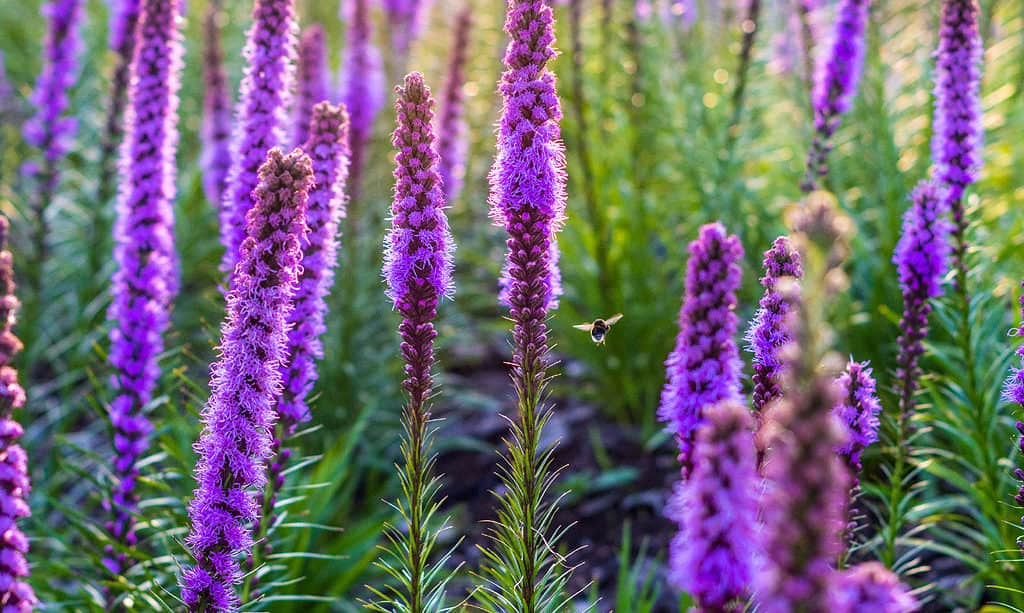
The dense blazing star thrives in sedge meadows and moist prairies throughout Florida.
©iStock.com/Natalya Mamaeva
From the pine flatwoods of the northern region to the subtropical wetland hardwood hammocks in southern Florida, native plants have adapted to a wide range of climates and habitats. Of these, blazing stars are especially notable for their tall spikes that reach up to five feet high and produce bright purple flowers between June and October.
Blanket flowers, on the other hand, boast cheerful yellow blooms, which can be seen from spring until early fall. Other unique species include wild coffee bushes with fragrant white blossoms as well as beautyberry shrubs with collections of small lavender-colored berries along their branches.
Whether you’re exploring wetlands or prairies in Florida, there is no shortage of diverse plants to discover! From seagrapes lining the beachside to saw palmetto palms inhabiting coastal areas, each one adds something special and unique to this nature-filled landscape.
Read about 10 native plants in Florida here.
The Flag of Florida
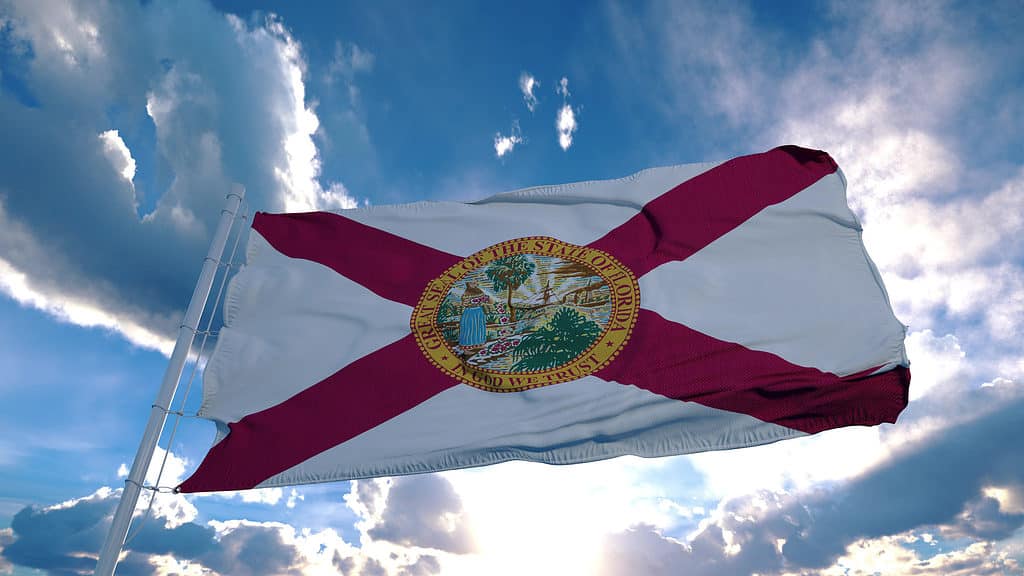
Flag of Florida has a lot of symbolic meaning.
©iStock.com/Дмитрий Ларичев
The flag of Florida is a powerful symbol that showcases the state’s rich history and heritage. The bright red saltire cross on the white background stands out prominently, with a central state seal featuring many symbolic elements.
In the foreground, there is a Native American woman scattering flowers to represent peace and harmony in this beautiful region. Behind her stands a steamboat sailing through the waters, representing transportation and trade development.
Above the scene are sunbeams radiating around a Sabal palm tree. The palm is an iconic native species found in Florida, symbolizing beauty and strength within nature. This unique combination of imagery encapsulates what makes this state so special. Its vibrant culture, diverse wildlife, and sense of regional pride for those who call it home.
Beetles Found in Florida
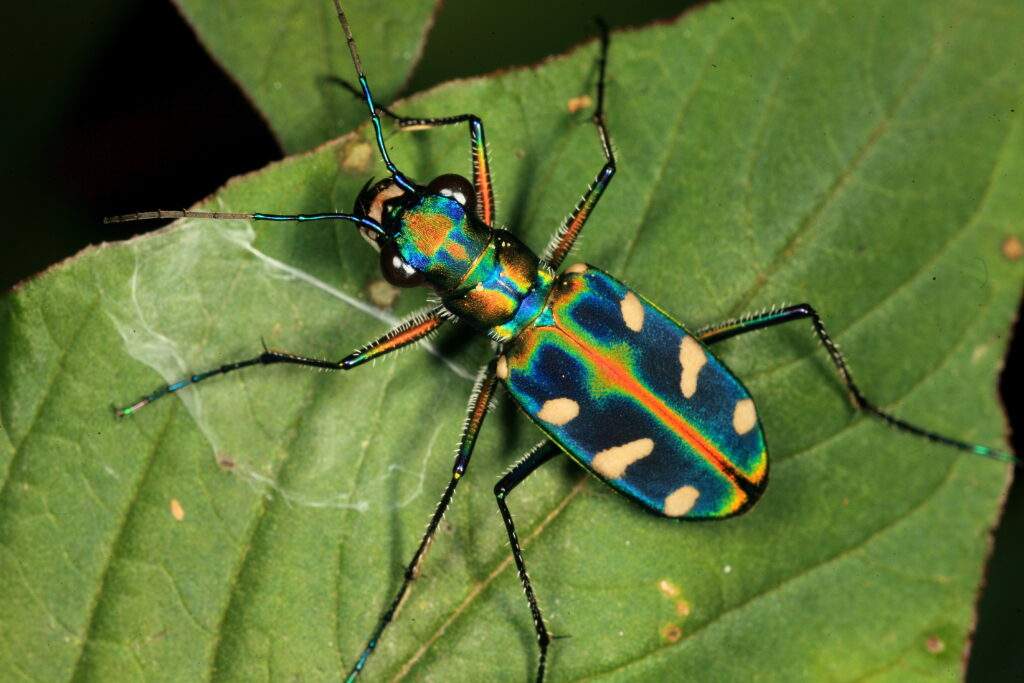
Tiger Beetle.
©wagtail/Shutterstock.com
Did you know that nearly 200 types of beetles are found in Florida? You’ll find unique-looking beetles such as the tiger beetle, the Ant-Like Longhorn Beetle and even the American Oil Beetle.
More Articles Related to Florida
Read about:
- extinct animals that lived in Florida.
- Florida’s shark attacks in 2022.
- the largest thresher shark ever caught off Florida.
- the largest lemon shark ever caught off Florida.
- the biggest bull shark ever caught off Florida
- The largest great white ever caught off Florida.
- the best national parks in Florida.
- the prettiest state parks in Florida.
- the longest hike in Florida.
- the most amazing waterfalls in Florida.
- plants invading Florida.
- the best dog parks in Jacksonville, Miami, Tampa, St. Petersburg, and Orlando, Florida.
- Florida’s most snake-infested area.
- the largest snake found in the Florida Everglades.
- the largest snake ever caught in Florida.
- the largest spotted bass ever caught in Florida.
- the largest white bass ever caught in Florida.
- the largest python ever caught in Florida.
- the largest Florida kingsnake ever found.
- the biggest tiger shark ever caught off Florida.
- Florida’s best bird-watching spots in summer.
- the best camping spots in Florida and more awesome spots to camp in the Florida over the summer
- the best fish to catch in Florida in the summer
- 10 native plants in Florida