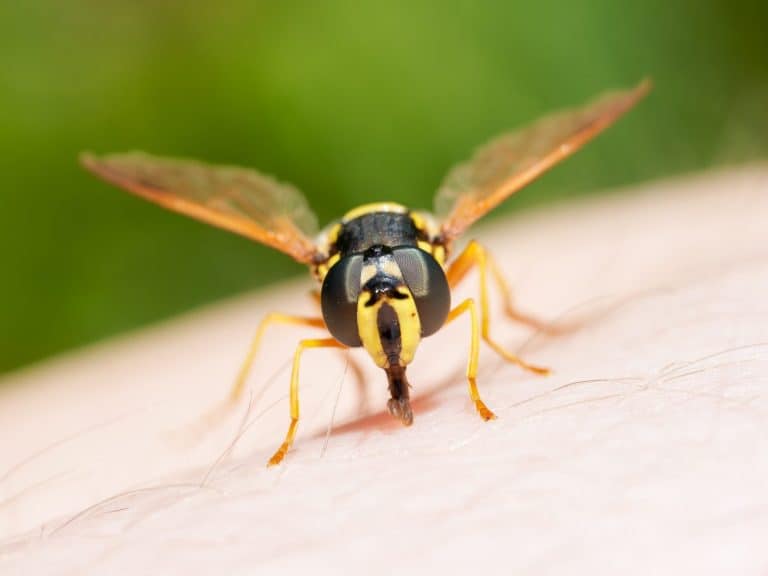
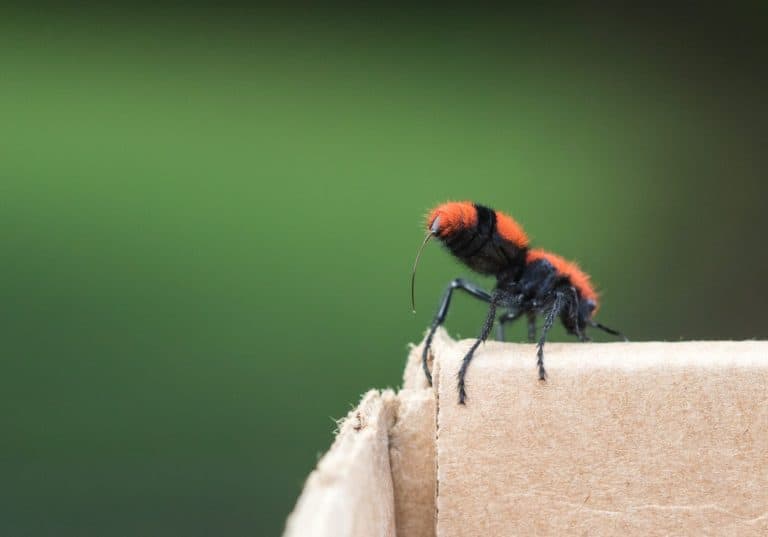
Two new invasive European parasitic (parasitoid) wasp species have been discovered in the U.S. Scientists have discovered them in samples from oak trees and published their findings recently. Here, we look at what these insects are and how they may impact the environment.
What Are Parasitoid Wasps?
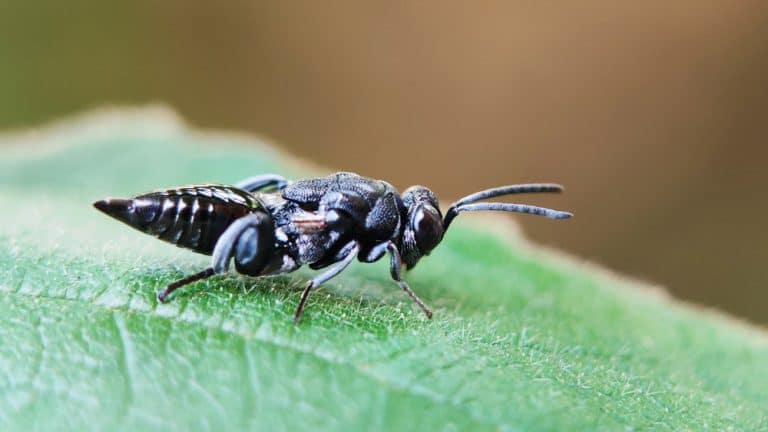
Parasitoid wasps are a kind of wasp that needs to lay their eggs inside another insect to complete their life cycle. There are hundreds of thousands, possibly up to a million, different species. They belong to the taxonomic order Hymenoptera, along with other wasps, bees, and ants. Even though they are a very diverse group in terms of size and location, they have similar lifestyles. They are also exceptionally useful pollinators!
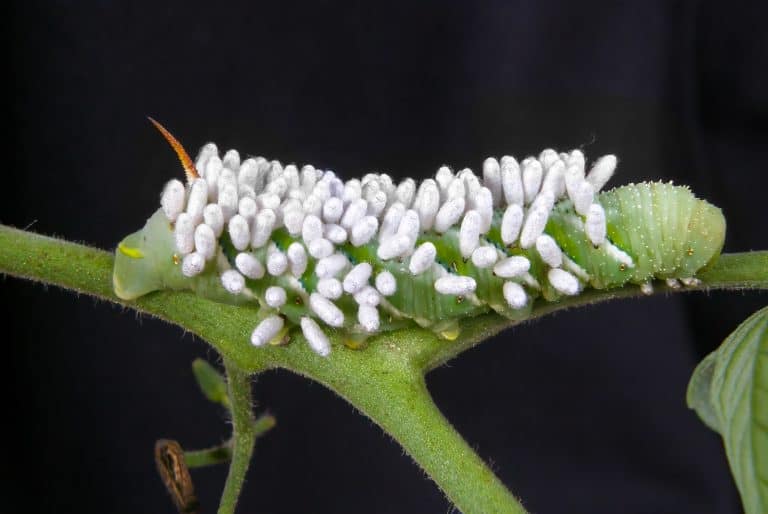
The adult wasps seek out other insects to lay their eggs in! Some species use aphids and caterpillars as hosts, while others use different types of insects. The eggs hatch into larvae inside the parasitized insect and feed on its body. After feeding, the larvae turn into pupae, which may sometimes be visible outside the host insect. Eventually, an adult wasp emerges from the pupa, and the parasitized insect host dies.
New Invasive Parasitic Wasps in the US
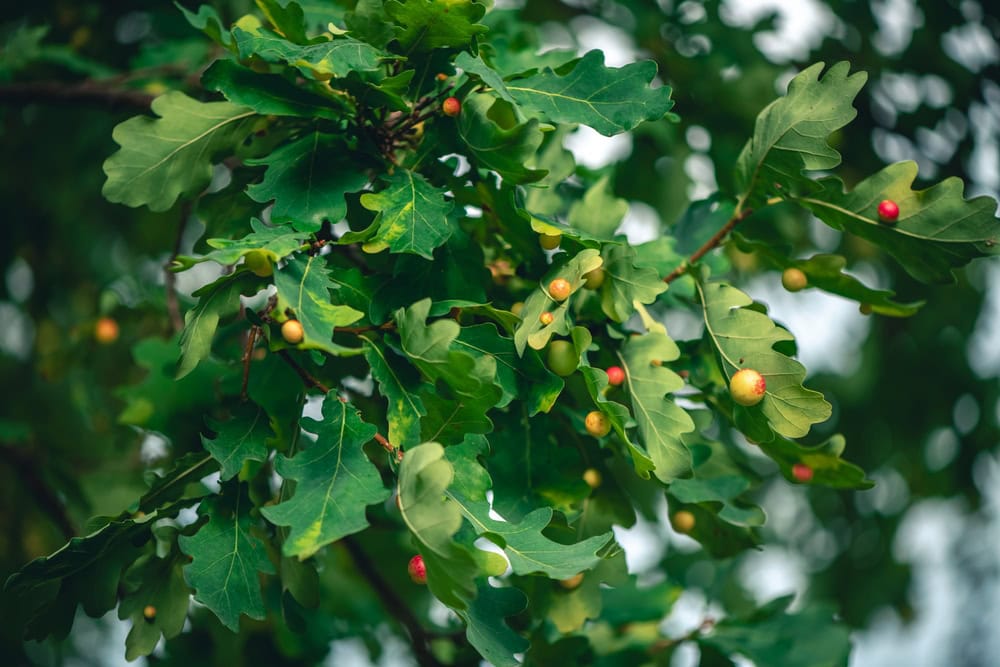
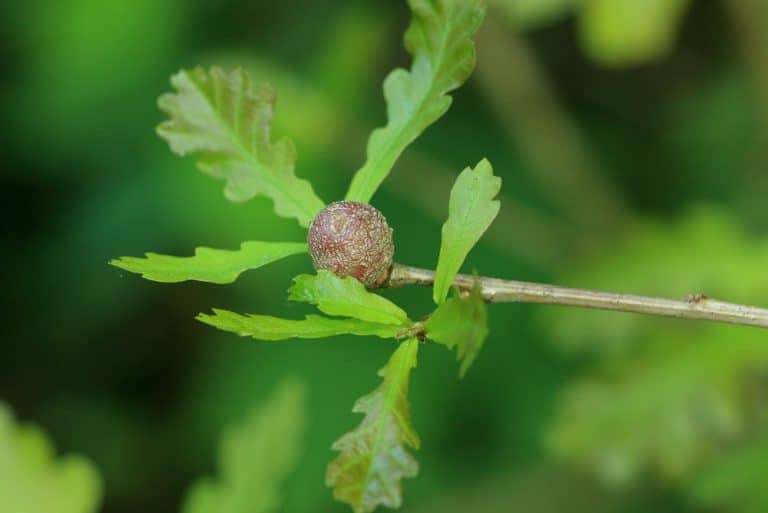
Oak galls are formed by a type of wasp.
©Olga Ilina/Shutterstock.com
Two previously unknown species of parasitoid wasps have been identified in the US by a team including researchers from Binghamton University, State University of New York. These species lay their eggs inside another type of wasp, called the oak gall wasp. These hosts are small insects responsible for the tumor-like growths, called ‘galls,’ that are seen on plants. There are around 800 species of oak gall wasps that live on the 90 or so different species of oak trees found in North America. The parasitic wasps lay their eggs in the galls, and their larvae consume the entire oak gall wasp.
The scientists collected oak gall wasps around North America and then used genetic sequencing to identify which parasitic wasps had invaded them. They found two separate populations of the European species Bootanomyia dorsalis in the wasp family Megastigmidae. This species was identified on both U.S. coasts—California and New York State.
Why Is This Significant?
The findings suggest that the European species has been introduced at least twice, separately on each coast. Genetic analysis indicates that these introductions were limited in number and localized. The wasps may have arrived with non-native oak species introduced into North America in the 17th century. Alternatively, they may have arrived by plane, as they can survive for up to 27 days. Some introduced parasitic species pose a threat to native insect populations. However, the impact of this particular species is not yet known.