
First, rabbits appeared in yards with strange, horn-like appendages growing out of their bodies. Now, squirrels are showing up with the same bizarre growths. These tumors look like something out of a horror movie, but they’re surprisingly harmless to humans. They’re relatively harmless to squirrels, although they look unsightly. It turns out one common virus is responsible, and it does little more than temporarily disfigure its victims.
An Unusual Pathogen
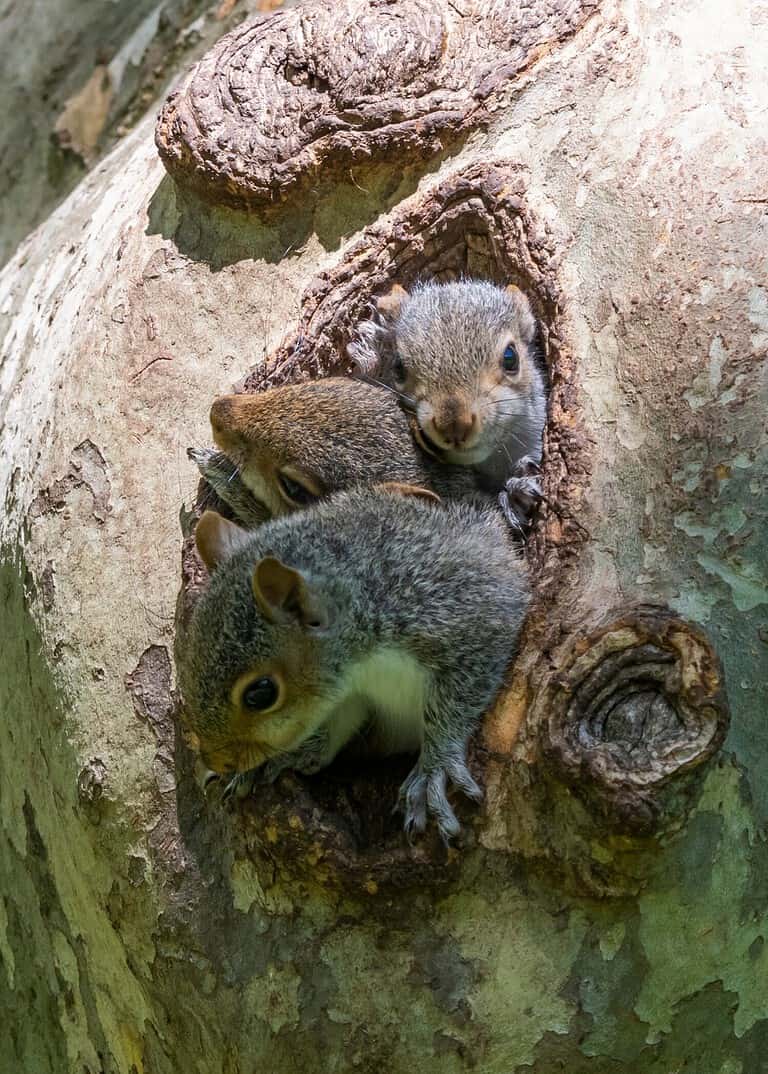
The tumorous growths on the affected squirrels aren’t cancerous. It is also not contagious between squirrels and humans. It’s caused by a virus called leporipoxvirus, specifically the squirrel fibroma virus, and it causes oozing sores. The first observed case of this in 2025 happened in Maine and Canada, where people reported seeing diseased squirrels. However, cases have been recorded as early as 2023. The virus causes a disturbing amount of pus-filled lesions, but holds no threat to humans. Nicknamed “zombie squirrels,” the infected animals had bald spots, sores covering their bodies, and open sores on their faces and heads.

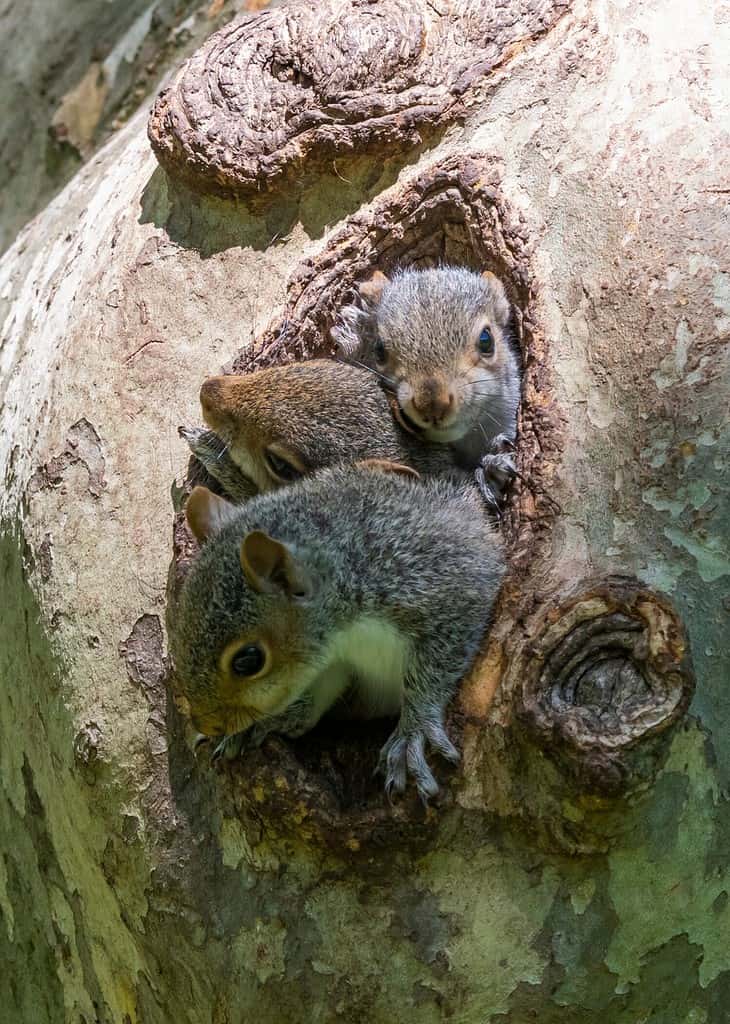
These growths are noncancerous.
©Naturally awesome/Shutterstock.com
The virus is also known as squirrel fibromatosis and is often confused with the U.K. parapoxvirus, also called “squirrelpox.” The U.K. version affects red squirrels and can be fatal, while the North American leporipoxvirus is typically mild. The North American leporipoxvirus is the strain infecting squirrels in the Northeast and is not harmful to the animals. While leporipoxvirus can cause trouble with vision if tumors grow over the face, it causes more discomfort than damage. After four to six weeks, most squirrels make a full recovery from the virus. The lesions, or fibromas, that develop from the virus often shrink over time, leaving no significant trauma.
How Leporipoxvirus Spreads From Squirrel to Squirrel
The virus is scary in appearance but completely harmless to humans. It can be transmitted within the same species, but there have not been any confirmed squirrel-to-human cases. The virus primarily infects squirrels, rabbits, and hares. This version infects gray and fox squirrels, which can be found throughout most of North America. Once the virus is contracted, the squirrel becomes a host. Fibromas start developing on the skin of the animal, sometimes spreading to its appendages and face. These cause bald patches and open, oozing sores. Leporipoxvirus can prove fatal only if the lesions become severe.
The growths are called fibromas.
©Marc A Sherman/Shutterstock.com
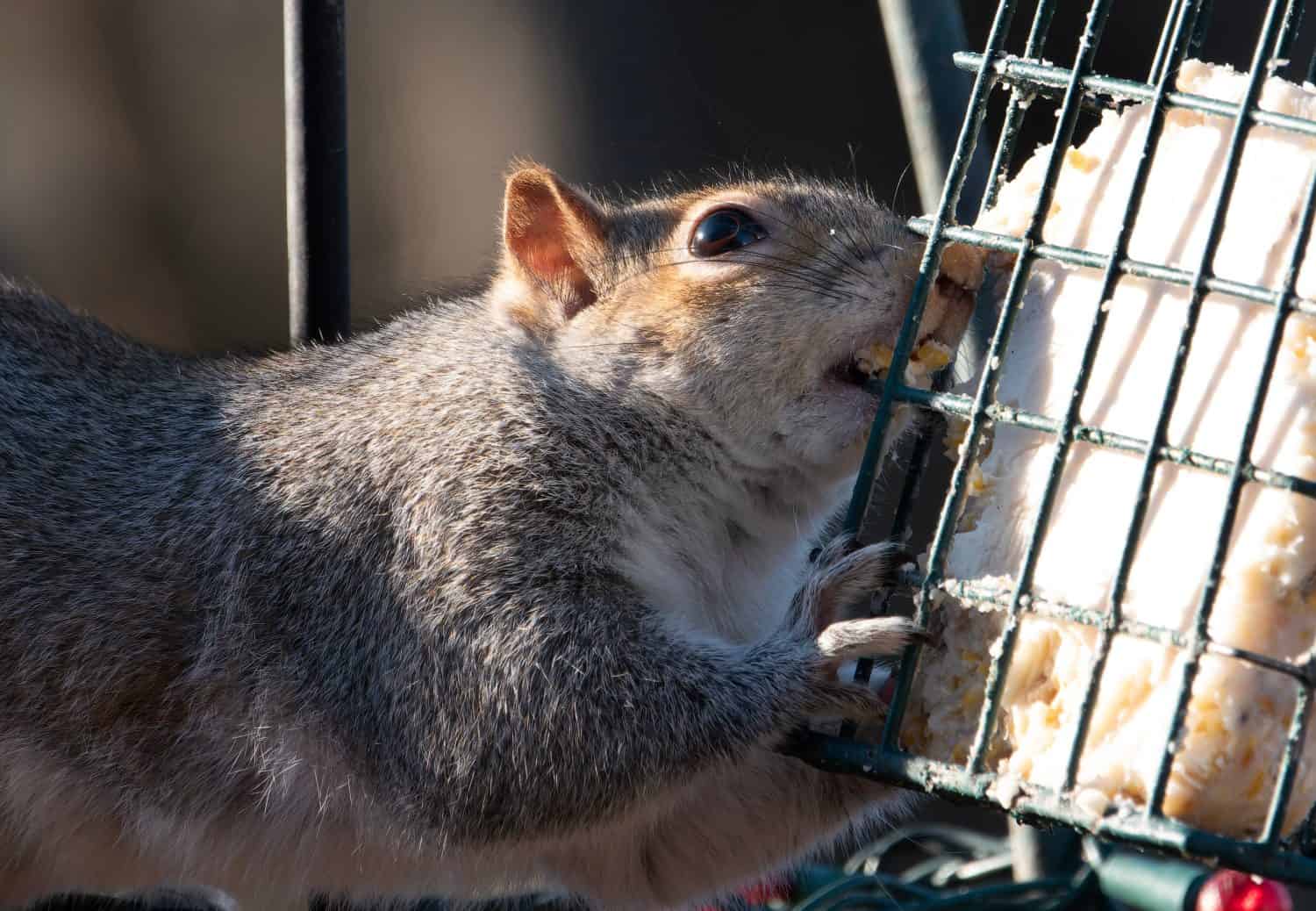
While humans can’t catch leporipoxvirus, they can unintentionally spread it to other squirrels. It’s transmitted through saliva or bodily fluids, such as pus from lesions. Squirrels can easily spread it to other squirrels in passing, at bird feeders, while mating, or with a bite when acting in self-defense. It spreads rapidly, which is why cases have been on the uptick in the summer of 2025. The leporipoxvirus that causes squirrel fibromatosis primarily infects squirrels. It cannot be spread to other animals like cats or dogs, so there is no risk to pets that are around infected squirrels.
Direct Spread Through Insect Bites
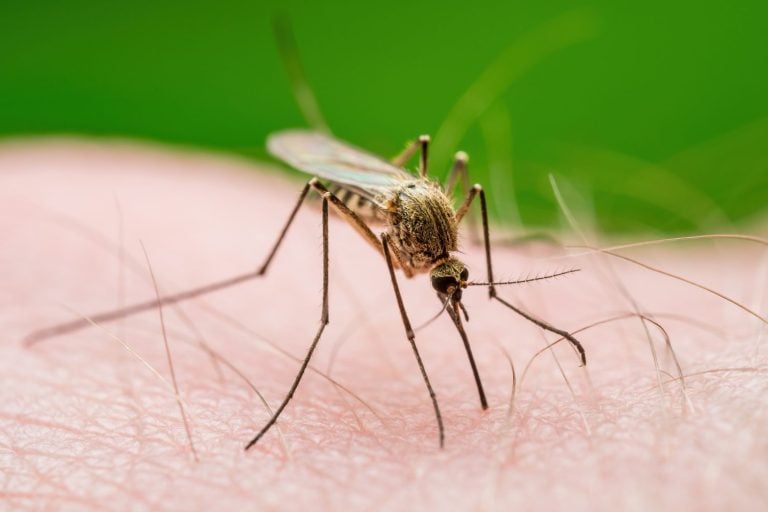
As with many viruses, leporipoxvirus can also be spread by insects. Insects like mosquitoes and fleas cannot host the virus, but they can carry it from one animal to another. For example, if a mosquito feeds on an infected squirrel, it carries the virus with it to the next animal. If it feeds on another squirrel, it can then infect it with the virus through contaminated mouthparts. Unlike some other transmitted viruses, leporipoxvirus does not multiply while inside the mosquito.
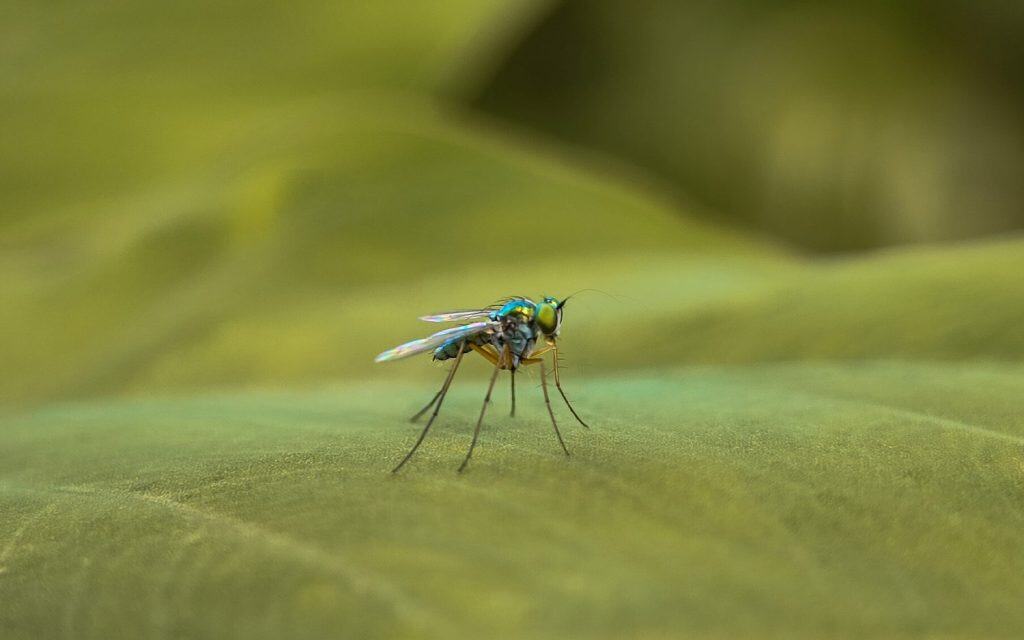
The virus spreads through mosquito bites.
©Tasif4545/Shutterstock.com
Mosquitoes are common carriers of the virus, and this is also how rabbits and hares become infected with various strains. While the virus that infects these two species is myxomatosis, the symptoms are similar. However, myxomatosis can be fatal for infected rabbits and hares. Each strain varies in its severity, with the North American version of myxomatosis being one of the most fatal for the species. The fatality rates for these infected rabbits and hares are incredibly high, potentially making the virus lethal.
Coming Into Contact With an Infected Squirrel
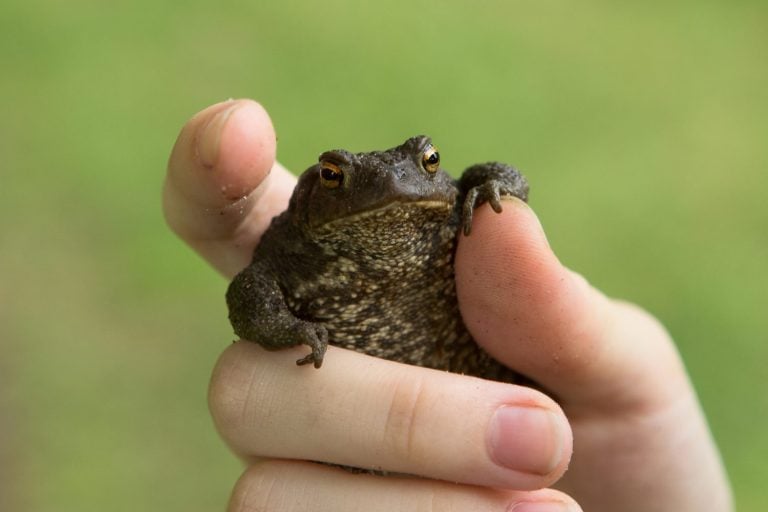
The same rules apply to these animals as with any other wild animal. Authorities advise people to keep their distance and avoid touching squirrels. It might be instinctual to want to help, but this would only spread the virus further. Although humans can’t catch leporipoxvirus, they can still spread it by handling fluids from an infected animal.
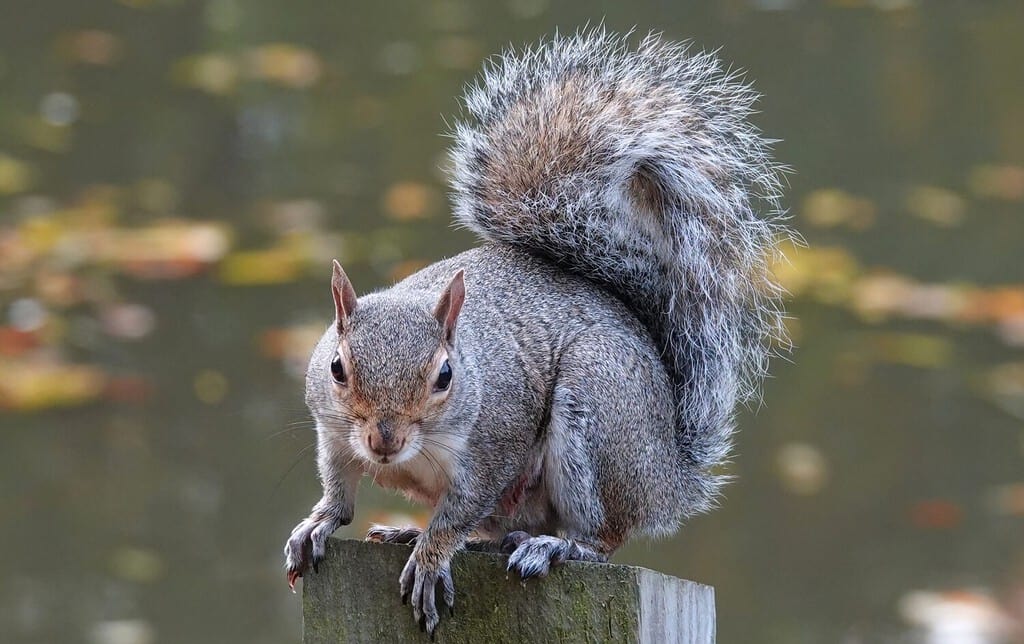
Don’t touch squirrels, regardless of whether they appear sick.
©Nigel J. Harris/Shutterstock.com
Experts also advise people not to leave out bird feeders if infected squirrels have been seen in the area. This can potentially increase the spread of the disease, as multiple squirrels often feed from the same feeders. If squirrels crowd one another for food, the virus can easily be transmitted through an entire community. Another proactive measure is to eliminate any standing water that might attract mosquitoes. Since the virus is also transmitted via insects, taking precautions to avoid attracting them is key.