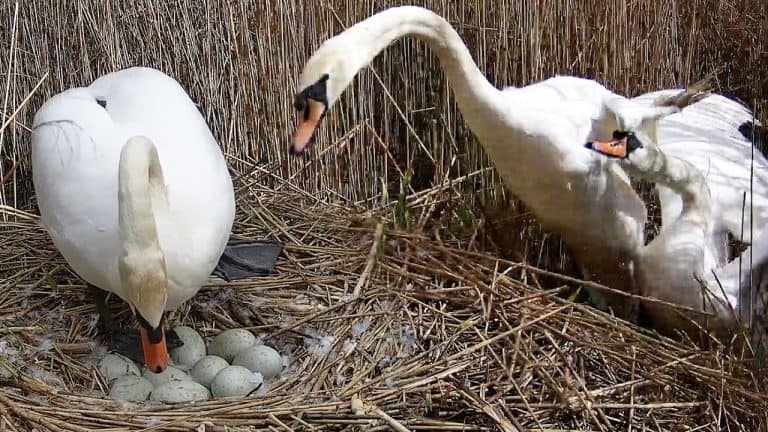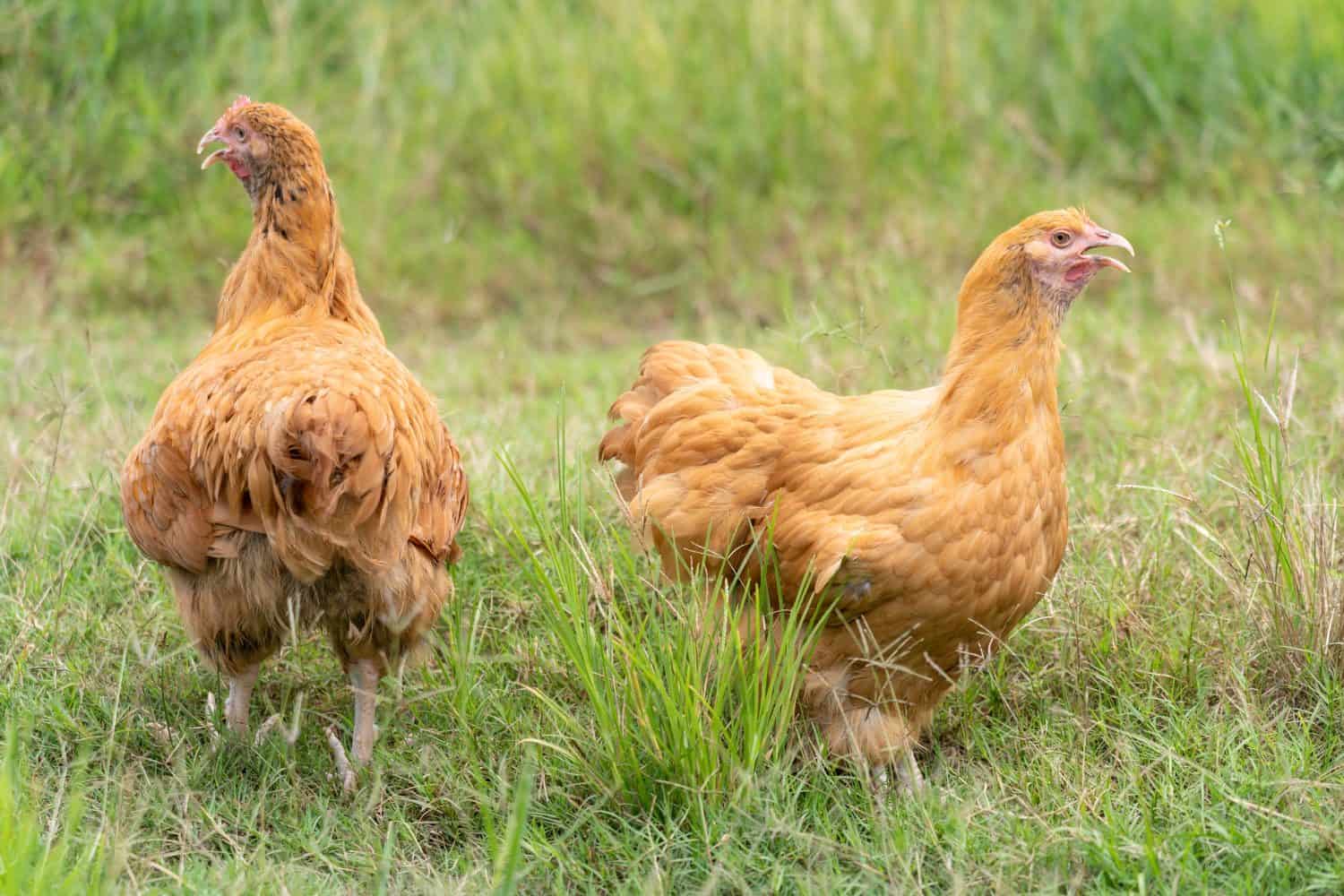

Have you ever wondered how hens feel whenever humans take their eggs away? Given that eggs are a staple of our everyday meals, it is easy to forget where they come from. While some hens don’t seem bothered, others get broody. This YouTube Short by @gulfcoastcluckers shows a hen getting protective over her eggs. Read below to learn more about why some hens get broody.
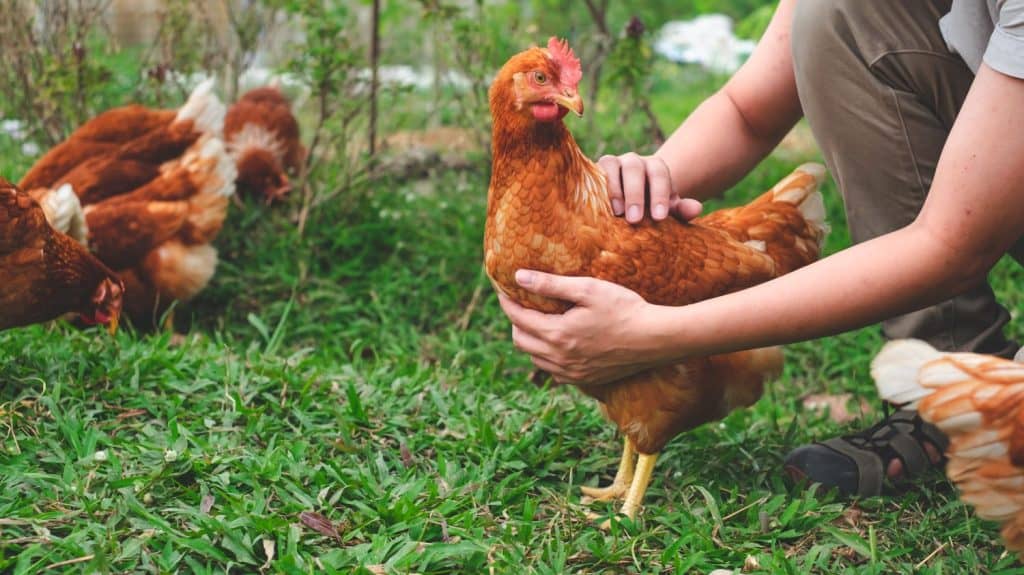
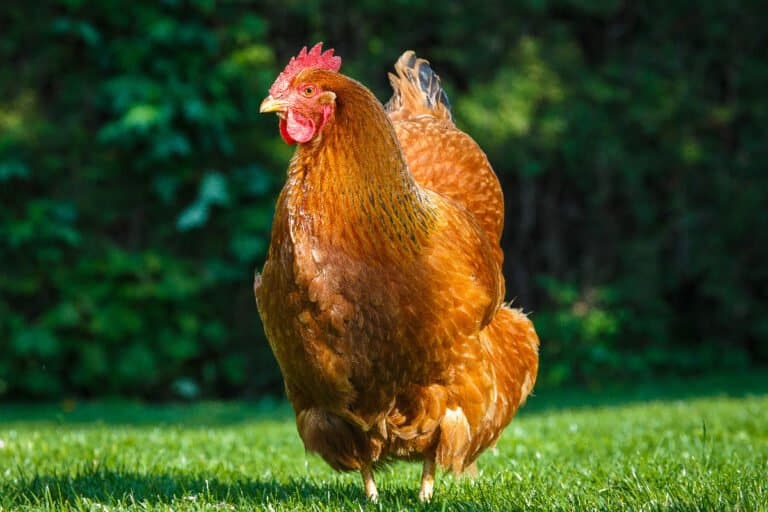
Hens are very protective of their eggs.
©CardIrin/Shutterstock.com
What Makes Hens Broody?
Broody hens are hens that wish to incubate and hatch their own eggs. When one is broody, she will spend hours at a time sitting in her nest, rarely leaving her eggs unattended. Like any mother wishing to protect her young, these hens will become defensive and territorial. If you approach, they may peck or cluck aggressively, as seen in the video above. Also seen in the video, broody hens are reluctant to move. The hen in the video is less aggressive than some other broody hens, but she is still reluctant to leave her nest. While it may seem like a problem, it is completely natural. The most inconvenient result is a delay in egg laying or difficulty in collecting the eggs. To prevent broodiness, it is commonly recommended to remove eggs promptly, limit access to nesting sites, or use a wire-bottom cage (broody breaker) to discourage the behavior. Simply moving the hen may not always be effective by itself.
Hens go broody for several different reasons, ranging from genetics to environment. Laying eggs can create a hormonal response that causes the hen to produce higher levels of prolactin, a hormone that can increase nesting behaviors. Genetics plays an important role as well, with some breeds such as Silkies, Cochins, and Sussex hens getting more broody than others. While certain breeds are more likely to become broody, individual hens within the same flock can also vary in their tendency to brood. Another reason is the season. In warmer temperatures with longer daylight, the environment is more fit for hatching, potentially creating broody hens. If the nest is quiet and comfortable as well, this creates the ideal environment for hatching. These are some of the factors that can make a broody hen.