
Quick Take
- Most birds sit on their eggs to keep them warm, but the malleefowl's approach is so different that it earned this bird a completely different name in two European languages. See the unique approach →
- The nest has to hit a precise temperature window before September, and the method the male uses to check it will surprise you. See the male's method →
- Malleefowl chicks get zero parental help after hatching, and yet within 24 hours they achieve something that most birds take weeks to master. Watch the chicks hatch →
- Building this incubator requires moving a staggering amount of material daily, and that grueling effort turns out to serve a second, unexpected purpose. Explore the nest building →
Imagine a bird that’s both an engineer and a living thermometer. Here we introduce you to the incredible malleefowl. This bird works tirelessly and intelligently to maintain its eggs at the correct temperature. But first, the malleefowl must construct a carefully built incubator by September.
Continue reading
The Extraordinary Malleefowl
The malleefowl (Leipoa ocellata) is one of just fourteen megapodes, which are birds distinguished by their large feet. They live on the ground and are well adapted to dry habitats. They obtain most of their water from their diet, which includes leaves, fruits, flower buds, seeds, and insects. These birds are about the same size as a domestic chicken.
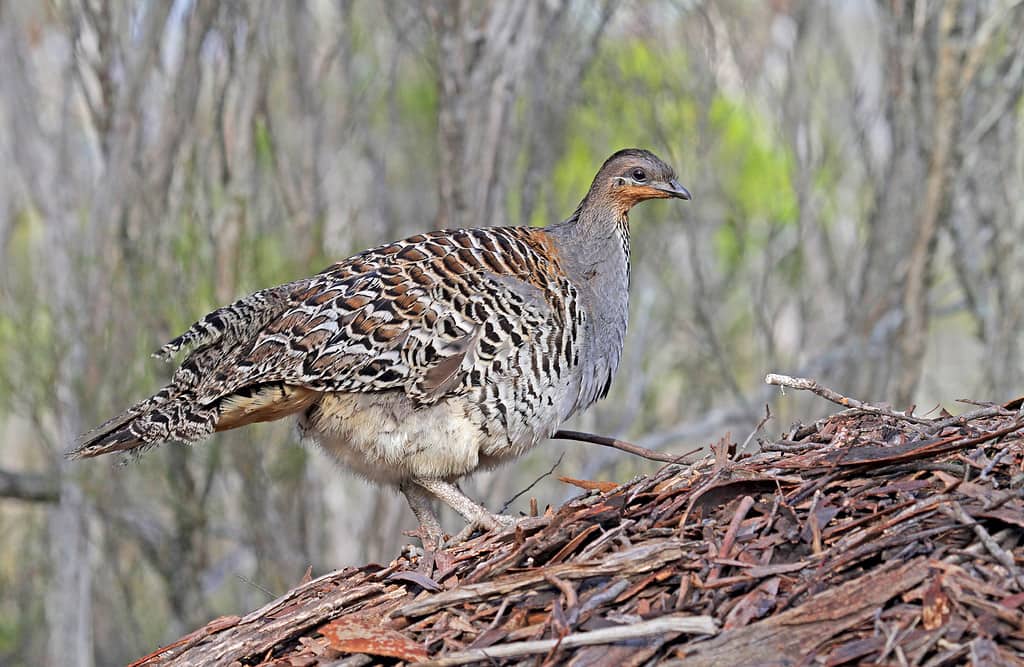
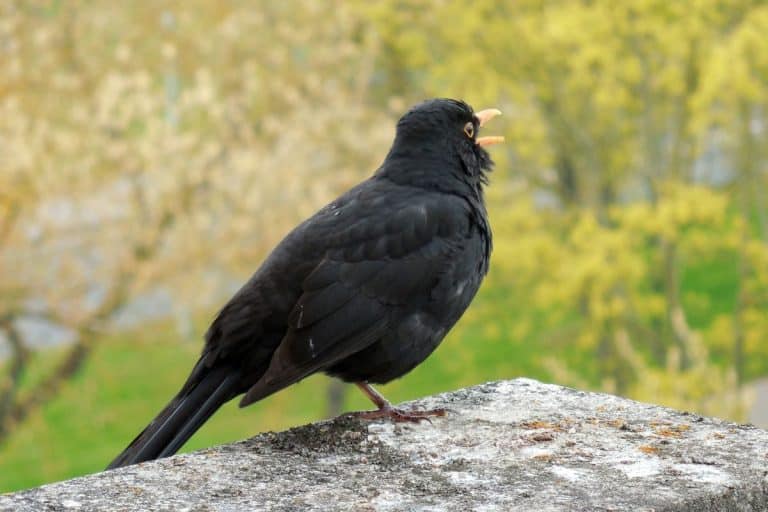
Malleefowl are shy birds that mate for life.
©AGAMI stock/iStock via Getty Images
They were once common in arid and semi-arid tall mallee and low wattle scrub across much of western, southern and central Australia. Today, however, they are only found in fragmented and isolated populations in New South Wales, Victoria, South Australia and Western Australia. These birds are shy and solitary, relying on their intricately patterned plumage to stay hidden.
Why Do Eggs Need to Be Kept Warm?
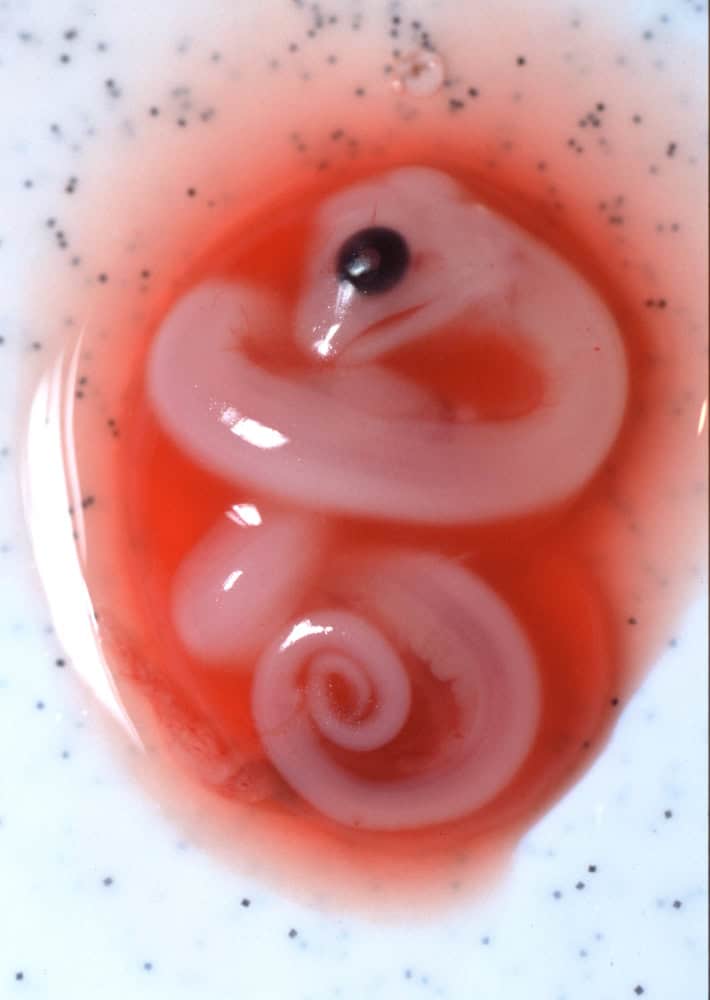
Avian embryos leave the mother’s body before they are capable of independent life. Therefore, they are encased in a protective covering (a shell) with a source of food. They also need to be maintained at body temperature by the parents because they cannot yet generate their own heat. The eggs must be kept at a temperature a few degrees below the normal body temperature of adult birds.
Many birds create the required temperature by sitting on the eggs. They transfer heat via a temporarily bald patch of skin called the “brood patch.” Some birds, such as penguins, transfer heat through their webbed feet. The malleefowl, however, uses a remarkable method that does not rely on parental body heat.
Malleefowl Nests Are Superb Feats of Engineering
Malleefowl mate for life. Their nests are typically maintained within two or three degrees of 91–93 degrees Fahrenheit. They also have to be ready for September! To achieve this, the males and females work together to dig a 3-foot-deep crater that is 10 feet wide. The male fills it with vegetation such as grass and leaves. Once this has been soaked by seasonal rain showers, he creates an egg chamber and covers the whole thing with sandy soil. Under the soil, the moist vegetation starts to decompose, and this creates heat. The clever malleefowl has created an incubator.
How Are Eggs Laid in the Malleefowl Incubator?
Female malleefowl lay eggs between September and February, typically producing a clutch of around 15 eggs, though in some cases, depending on conditions, they may lay 30 or more. When she is ready to lay an egg, the male removes the soil so she can access the egg chamber. When she has finished, he immediately covers it back up with soil. The nests may be used for several breeding seasons and grow larger each year, with some reaching a circumference of 16 feet.
Maintaining the Correct Temperature
Embryos inside eggs are sensitive to both too low and too high temperatures. Therefore, the male malleefowl monitors the temperature of the nest incubator carefully. He does this by plunging his beak into the nest like a living thermometer. This is why they are called the “thermometer bird” in Dutch and German.

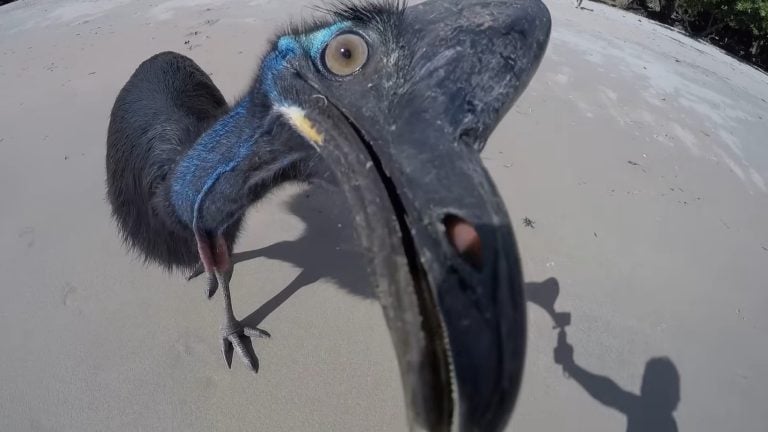
Malleefowl can alter the temperature in their nests.
©Imogen Warren/Shutterstock.com
At first, the fermenting vegetation may raise the nest temperature too much. When this happens, he lets heat escape by scratching away the topsoil covering above the eggs. Once the eggs have cooled down, he replaces the soil.
When the sun is strong, he may add extra soil to insulate the eggs from the heat. When all the vegetation has finished fermenting and no more heat is being produced, he removes nearly all the soil. This allows the warmth of the midday sun to incubate the eggs. In the late afternoon, he covers the eggs back over with warmed soil to keep them warm at night.
This is one of the most sophisticated examples of thermal regulation known in any bird. It is also hard work—a male malleefowl can spend more than five hours a day moving 1,800 pounds of soil! Keeping the soil loose also benefits the chicks when they hatch.
The Chicks Emerge
Incubation times are governed by temperature, rainfall, and many other factors. For these birds, it can be anything from 50 to 100 days. When the chicks are ready to hatch, they use their strong feet to push through the loose soil covering them. Even though their father has kept the soil loose, it can still take up to 15 hours for the chicks to emerge. Once they are out, they take a deep breath and can run around within an hour. Within a day, they can fly and lead a life completely independent of their parents.