Animal Habitats

Urban

Cities and towns where wildlife adapts to buildings, parks, and human activity
1,700 Animals
1/71 Page
Overview

Understanding This Category

Urban habitat is a human-dominated environment characterized by dense built infrastructure (buildings, roads, utilities) interspersed with fragmented, heavily managed or spontaneous green spaces. Ecological conditions are strongly shaped by human activity, creating novel climates, resources, and disturbance regimes that favor disturbance-tolerant and synanthropic species.

Urban areas are a patchwork of hard surfaces (concrete, asphalt, roofs) and soft patches (parks, gardens, rivers). Hard cover raises runoff, causes flash floods, raises pollution, and reduces groundwater; cities are warmer with longer seasons. Urban wildlife are shaped by people and city life; some use food waste and feeders. Connected green-blue spaces help pollinators, migratory birds, and native species.

Key Characteristics

Dominance of built structures and impervious surfaces (roads, rooftops, parking lots)
Highly fragmented habitat with small, isolated green patches (parks, yards, vacant lots)
Strong human-driven disturbance and management (construction, landscaping, mowing, pest control)
Urban heat island and modified microclimates (warmer nights, altered wind and humidity)
Artificial light at night and chronic noise altering behavior and phenology
Altered hydrology and water quality (rapid runoff, pollutant loading, engineered drainage)
High rates of species introductions and synanthropic assemblages; novel ecosystems
Frequent pollutant exposure (air contaminants, heavy metals, road salt, microplastics)
Environment

Environmental Conditions

Climate

Temperature Range
-30°°C to 45°°C
Precipitation
Highly variable by region; typically ~250-2000+ mm/year (often altered locally by runoff, reduced infiltration, and irrigation).

Conditions

Strongly altered: high artificial light at night (ALAN), frequent light pollution, and sharp shade-sun contrasts from buildings. Daytime light can be reduced in street canyons; vegetation patches receive managed/fragmented light regimes.

Frequently includes engineered or modified waters: stormwater drains, retention/detention ponds, canals, rivers/streams (channelized), fountains, reservoirs, and coastal harbors/estuaries where present. Hydrology dominated by impervious-surface runoff, flashy flows after rain, and variable water quality (nutrients, hydrocarbons, metals).

Ecology

Ecological Community

Biodiversity Level

Medium: species richness is often moderate overall, with many generalist, introduced, and human-associated species dominating. Habitat fragmentation, disturbance, pollution, and simplified vegetation structure reduce sensitive specialists, but parks, street trees, vacant lots, green roofs, and waterways can create diverse microhabitats and support notable insect, bird, and plant diversity where green space is extensive and well-connected.

Flora

  • Street and park trees (often hardy, pollution-tolerant)
  • Ornamental shrubs and garden plants
  • Turf grasses and groundcovers
  • Ruderal/weedy annuals and perennials in disturbed soils
  • Climbing vines on fences/walls
  • Mosses, lichens, and algae on built surfaces

Ecosystem Services

  • Urban cooling via shade and evapotranspiration (mitigates heat-island effects)
  • Air-quality improvement (particulate capture; some pollutant uptake)
  • Stormwater interception and infiltration; reduced runoff and flooding
  • Carbon storage and sequestration in trees/soils
  • Pollination support for gardens and urban agriculture
  • Habitat and movement corridors for wildlife; supports urban nature experiences
  • Noise buffering and windbreak effects from vegetation
  • Soil stabilization and reduced erosion in managed and vacant lots
  • Cultural services: recreation, mental health benefits, environmental education
Conservation

Conservation Status

Mixed and variable. Urban habitats are growing fast but often have poor condition: fragmented green space, much disturbance, pollution, and changed water flow and climate. Native biodiversity is usually lower than nearby natural areas, but cities can hold high species richness in managed green spaces and serve as refuges or corridors for some taxa.

N/A (net expansion of urban extent). However, within areas that are now urban, typically ~60-90% of original natural habitat cover has been converted to built surfaces and heavily modified green space over the last ~150-200 years (varies greatly by region and city age). Lost
Increasing Current Trend

Primary Threats

  • Continued expansion, densification, and road networks increase impervious cover, fragment habitat patches, and reduce connectivity among green spaces.
  • Air, water, soil contamination; nutrient loading; microplastics; and chronic noise/light pollution reduce habitat quality and disrupt behavior (e.g., navigation, breeding, foraging).
  • Urban heat island effects amplify warming; more frequent heatwaves, drought stress for urban vegetation, and intense rainfall/flooding events affect both biodiversity and green infrastructure.
  • Conversion of remnant natural patches, channelization of streams, loss of wetlands, removal of old trees/snags, and highly manicured landscaping simplify habitat structure.
  • High propagule pressure via trade/transport and disturbed conditions favor non-native plants and animals that can outcompete native species.
  • High human presence, pets (especially free-ranging cats/dogs), and conflict-driven removal/harassment of wildlife (e.g., urban carnivores, birds, bats).
  • High densities of people and synanthropic wildlife can increase pathogen transmission risks and facilitate novel host-pathogen interactions.
  • Over-extraction of water and heavy irrigation demand can reduce urban tree health and degrade connected aquatic systems, especially during droughts.

Protection Efforts

  • Urban protected areas and park systems; designation of nature reserves within metropolitan boundaries
  • Green infrastructure: street trees, green roofs/walls, rain gardens, bioswales, constructed wetlands, daylighting streams
  • Habitat connectivity measures: greenways, riparian buffers, wildlife-friendly fencing, wildlife crossings/culverts, pollinator corridors
  • Native planting and structural habitat enhancement (snags, deadwood retention where safe, diverse understory, pond creation)
  • Invasive species prevention and control; biosecurity in horticulture and landscaping supply chains
  • Reducing light/noise impacts (dark-sky lighting, shielding, curfews, quieter road surfaces)
  • Pet management and wildlife conflict mitigation (cat containment programs, secure waste, community education, non-lethal deterrents)
  • Brownfield remediation and soil restoration; pollution monitoring and stormwater treatment
  • Urban biodiversity strategies and city-level targets (e.g., biodiversity action plans, iNaturalist/bioblitz monitoring, no-mow/refugia policies)

Notable Protected Areas

Tijuca National Park (Rio de Janeiro, Brazil) Table Mountain National Park (Cape Town, South Africa) Sanjay Gandhi National Park (Mumbai, India) Bukit Timah Nature Reserve / Central Catchment Nature Reserve (Singapore) Royal National Park on Sydney's urban fringe (Australia) Central Park and adjacent protected urban natural areas (New York City, USA) Epping Forest (London, UK)

Restoration Potential

Moderate to high at local scales through retrofits and targeted projects (tree canopy expansion, wetland/stream restoration, green roofs, vacant-lot rewilding, brownfield cleanup). Constraints include limited space, contaminated soils, ongoing disturbance, and high management needs; nonetheless, cumulative gains across many small sites can be substantial and rapid.

Climate Vulnerability

High. Urban systems intensify heat stress (heat islands), face elevated flood/flash-flood risk from impervious surfaces, and are exposed to sea-level rise in coastal cities. Biodiversity in fragmented green spaces is sensitive to heatwaves and drought, while infrastructure can constrain species movement; nature-based solutions can reduce vulnerability but require sustained maintenance and equitable distribution.

Human Impact

Human Interaction

Human Uses

  • Housing and shelter (apartments, single-family homes, informal settlements)
  • Transportation and mobility corridors (roads, rail, sidewalks, bike lanes, parking)
  • Commerce and services (retail, offices, logistics, finance, hospitality)
  • Education and research (schools, universities, laboratories, libraries)
  • Governance and civic functions (municipal buildings, courts, public safety)
  • Healthcare and social services (hospitals, clinics, shelters)
  • Industry and utilities (light manufacturing, warehousing, power substations)
  • Food systems (restaurants, markets, urban farms, community gardens)
  • Green space use (parks, plazas, street-tree corridors, vacant lots)
  • Communication and digital infrastructure (cell towers, fiber networks, data centers)

Impacts

  • Habitat loss and fragmentation from buildings, roads, and impervious surfaces
  • Urban heat island effects altering local climate and species viability
  • Pollution (air pollutants, heavy metals, microplastics, nutrient runoff)
  • Stormwater runoff and altered hydrology (flooding, stream degradation)
  • Artificial light at night disrupting wildlife behavior and migration
  • Noise pollution affecting communication and stress in wildlife
  • Introduction and spread of invasive/non-native species via trade and landscaping
  • Human-wildlife conflict (pest control, persecution of synanthropic species)
  • High mortality risks for wildlife (vehicle strikes, window collisions, pets)
  • Soil compaction and contamination reducing plant health and ecosystem function

Sustainable Practices

  • Green infrastructure: rain gardens, bioswales, permeable pavements, detention/retention basins
  • Urban forestry: diverse native/region-appropriate street trees, canopy expansion, proper maintenance
  • Heat mitigation: cool roofs, green roofs, shade corridors, reflective materials
  • Biodiversity-friendly design: native plantings, habitat corridors, pollinator gardens, reduced mowing
  • Light pollution reduction: shielded fixtures, warmer color temperatures, adaptive/curfew lighting
  • Wildlife-safe buildings: bird-friendly glass, reduced reflective facades, retrofit decals/screens
  • Integrated pest management (IPM) to reduce pesticide use and protect non-target species
  • Waste reduction and circular practices: recycling/composting, litter control, reduced single-use plastics
  • Sustainable mobility: public transit, safe cycling networks, walkable mixed-use planning
  • Water conservation and reuse: efficient irrigation, greywater systems, leak reduction
Fun Facts

Did You Know?

Cities can support high biodiversity in small spaces: a mosaic of parks, gardens, rail corridors, canals, and vacant lots creates many micro-habitats packed into a tight area.

Urban "waste" resources (spilled grain, trash, compost, bird feeders) can stabilize food supply, letting some animals raise more young than they would in the wild-until control measures or disease intervene.

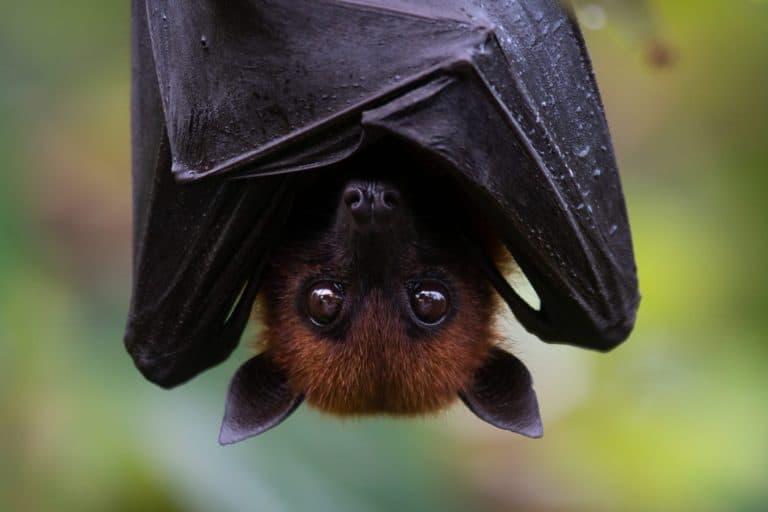
Some wildlife uses buildings exactly like natural habitat: swifts and bats roost in crevices like cave entrances; falcons treat ledges as cliff faces; lichens and mosses colonize concrete like rock.

Urban areas can become refuges from certain rural pressures (like hunting or intensive agriculture), so some species persist better in cities than in surrounding farmland.

Noise and light don't just bother animals-they can drive rapid behavioral shifts: some city birds sing at higher pitches or at different times of day to be heard over traffic.

Roads and railways are not only barriers; their verges can act as "linear meadows" and movement corridors for pollinators and some plants, especially when mowed less frequently.

Vacant lots often host surprisingly rich plant and insect communities-disturbance creates open ground that many wildflowers and pioneer species need.

Urban streams can look "dead" yet still hold resilient aquatic life; with cleaner inputs and better flow, many can rebound faster than expected.

Cities can select for bolder, more exploratory individuals-animals that tolerate people often gain access to food and nesting sites that shy individuals avoid.

Some urban ecosystems run on novel food webs (e.g., leftovers → insects → birds → raptors), where human activity supplies the base energy in a way rare in non-urban habitats.

Think of a city as a patchwork quilt: tiny fabric squares (gardens, parks, rooftops) stitched together by seams (streets, rails, rivers) that determine which species can move and mix.

Urban heat islands are like putting a warm blanket over the city: spring can "arrive" earlier downtown, affecting blooms, allergies, and insect seasons.

Skyscrapers and bridges are the city's "cliffs," while storm drains and subways can function like "caves" for species that seek stable, sheltered spaces.

Street trees are the "oases" of the asphalt desert-small canopy patches that cool sidewalks, feed insects, and connect habitat like stepping stones.

A vacant lot is nature's "pop-up shop": when disturbance clears space, fast-colonizing plants and insects move in quickly, often before trees take over.

Green roofs are like "tundra gardens in the sky": shallow soils and intense sun/wind favor drought-tolerant, low-growing plants similar to those in harsh open habitats.

Urban wildlife corridors (rail lines, canals, riparian strips) work like "highways with rest stops," letting animals move between habitat patches without crossing as much hostile terrain.

Light pollution is a "permanent twilight" that can confuse nocturnal navigation and extend feeding hours for some species while disadvantaging others.

A reclaimed wetland nature reserve on reclaimed land in Flevoland, Netherlands, between the cities of Almere and Lelystad, shows how an urban-adjacent landscape can become a major wildlife area when land is managed for nature.

Some of the world's largest "man-made cliffs" for wildlife are urban: skyscrapers and bridges host cliff-nesting birds like peregrine falcons, which now breed in many major cities.

Urban heat islands can make city centers several degrees warmer than nearby rural areas-an extreme microclimate that can shift flowering times and insect activity like a built-in "mini climate zone."

Artificial light at night in big metro regions can be bright enough to be seen from space and can rival moonlight levels locally-an extreme that reshapes nocturnal behavior and migration cues.

Some of the densest concentrations of certain species occur in cities (e.g., pigeons, rats, some gulls, and urban-adapted insects), because food and shelter can be unusually abundant year-round.

Urban Animals

Showing 1-24 of 1,700

All Animals A-Z

A

B

C

G

P

S

Today, nearly half of the world’s population lives in one of the many cities found around the world. This rapid flock to urban living has increased the size of cities and has therefore had an enormous impact on large areas of land around the world. Cities have transformed natural landscapes into busy urban centres, creating a new range of habitats for animals both inside and outside.

There are countless places in cities for animals to make their homes in, and more and more animals are attracted into the cities because of the large amounts of waste. Cities have completely altered the food chains of a number of different species, and rats particularly are growing dramatically in size due to all of the chemicals that they are consuming.

Although there are no natural habitats in urban areas, artificial ones can be found all over the world in the form of parks and areas close to water. Many insects inhabit areas throughout towns and cities, and some insects such as termites, have been known to cause severe structural damage to buildings.

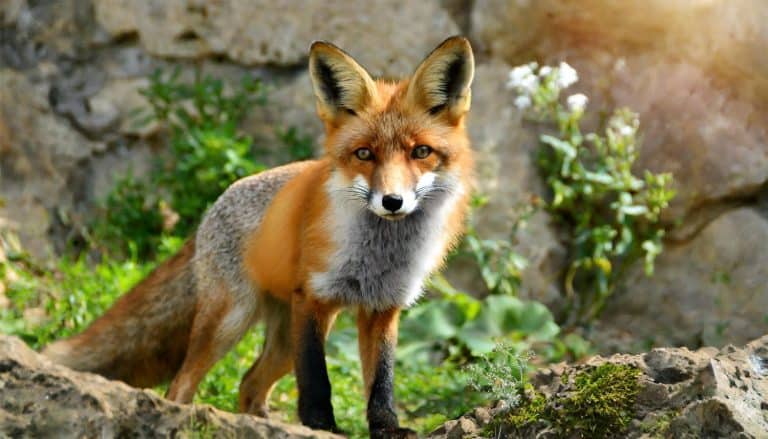
Animals create their homes both inside urban habitats and outside urban habitats. Small animals including insects, small rodents and reptiles make their nests inside buildings in small gaps and crevices, where they can be sheltered from predators and the elements. Large animal species such as foxes and rats can be found scurrying in the streets and gardens, hunting for food to eat.

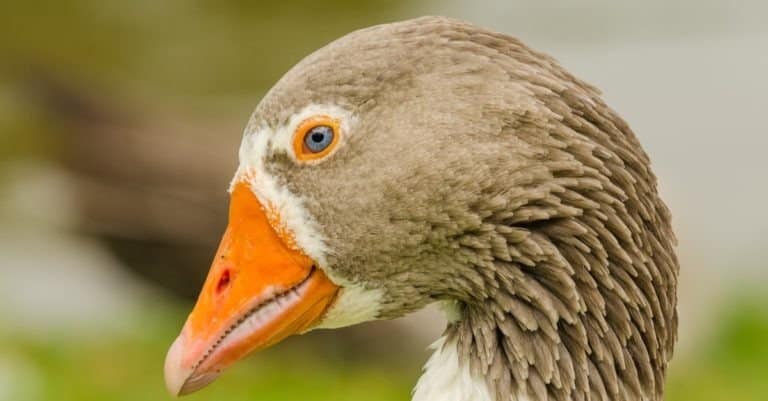
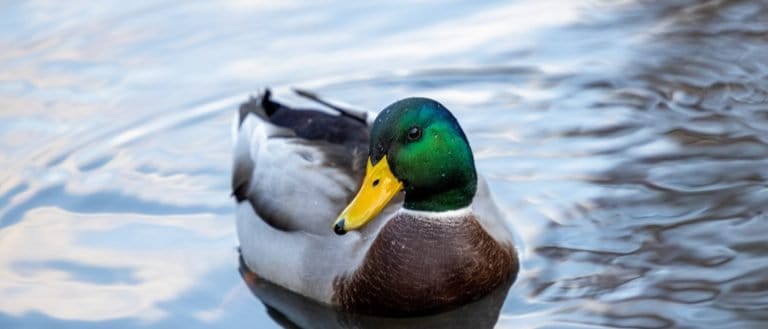
There are many natural areas in cities such as parks, lakes and rivers which attract even more animal species to live an urban lifestyle. Birds such as pigeons flock in their hundreds into city centres to snack on the food that is dropped in the streets and aquatic birds such as swans, geese and ducks can be found on the water. Rats are able to get into places where predators like cats and foxes cannot go. Rats thrive in urban areas mainly due to the enormous quantity of wasted food.

One of the biggest hazards to animals living in urban habitats is the threat of traffic and many are often run-over. There are numerous factors for animals trying to survive in the city to contend with along with traffic, which are pollution, noise, bright lighting and the lack of space all takes it’s on a number of species and deters many more from moving into the city.

Thank you for reading! Have some feedback for us?