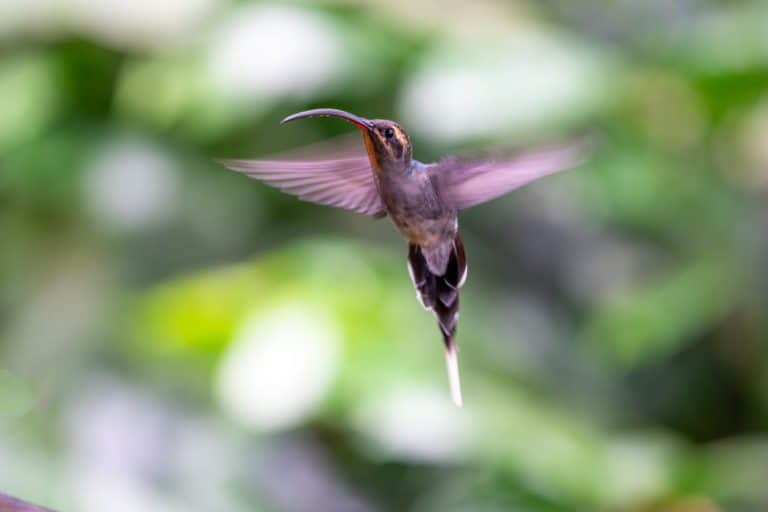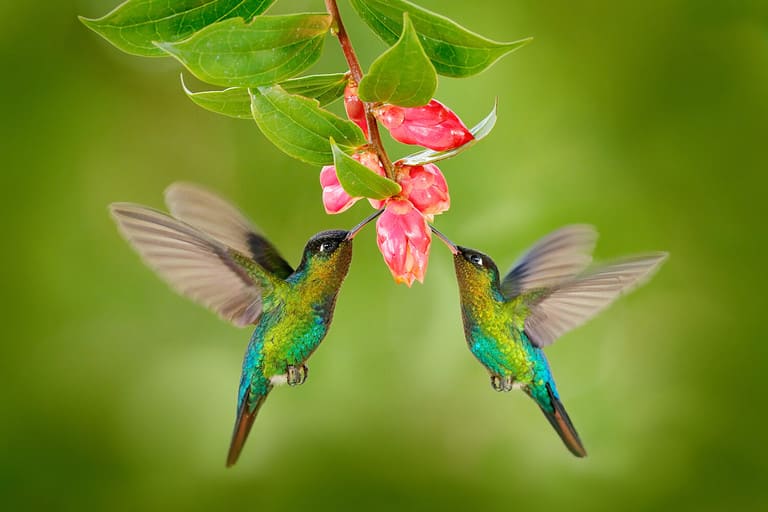

Hummingbirds are enchanting avian wonders that practically everyone can identify. Their iridescent feathers and fast-moving wings set them apart from other birds. When hummingbirds flee Indiana, it is very obvious.
Stereotypically, hummingbirds are often associated with tropical landscapes. Several species of hummingbirds live in Indiana for part of the year, though. However, they migrate out of Indiana (most of the time) during the winter.
In this article, we’ll look at hummingbirds in Indiana, including where they’re located and their migratory destinations.
The Hummingbird Migration
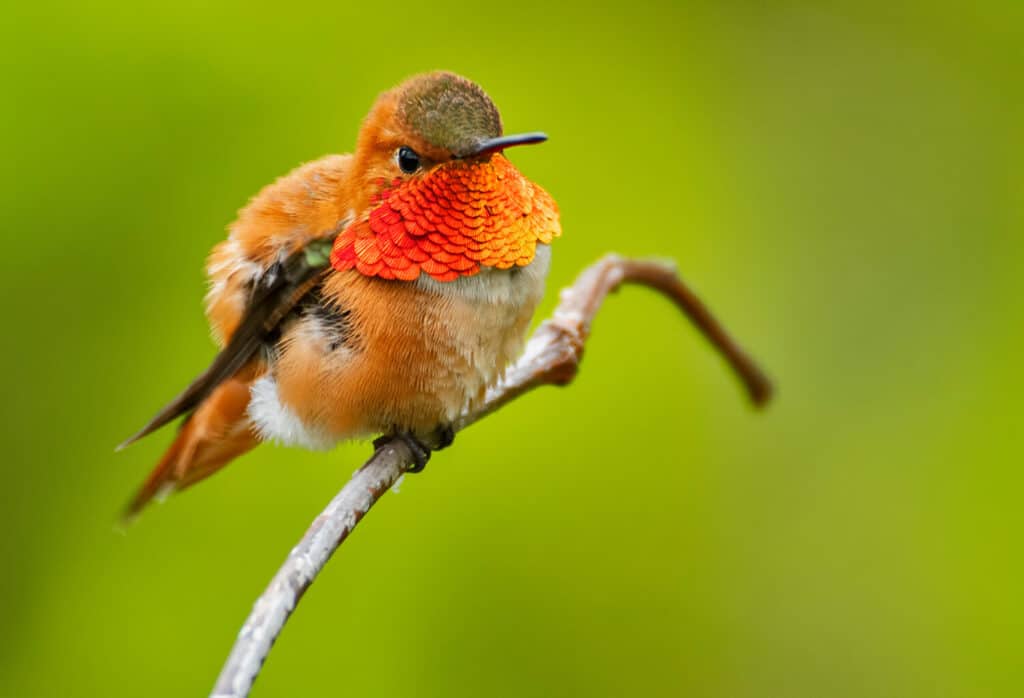
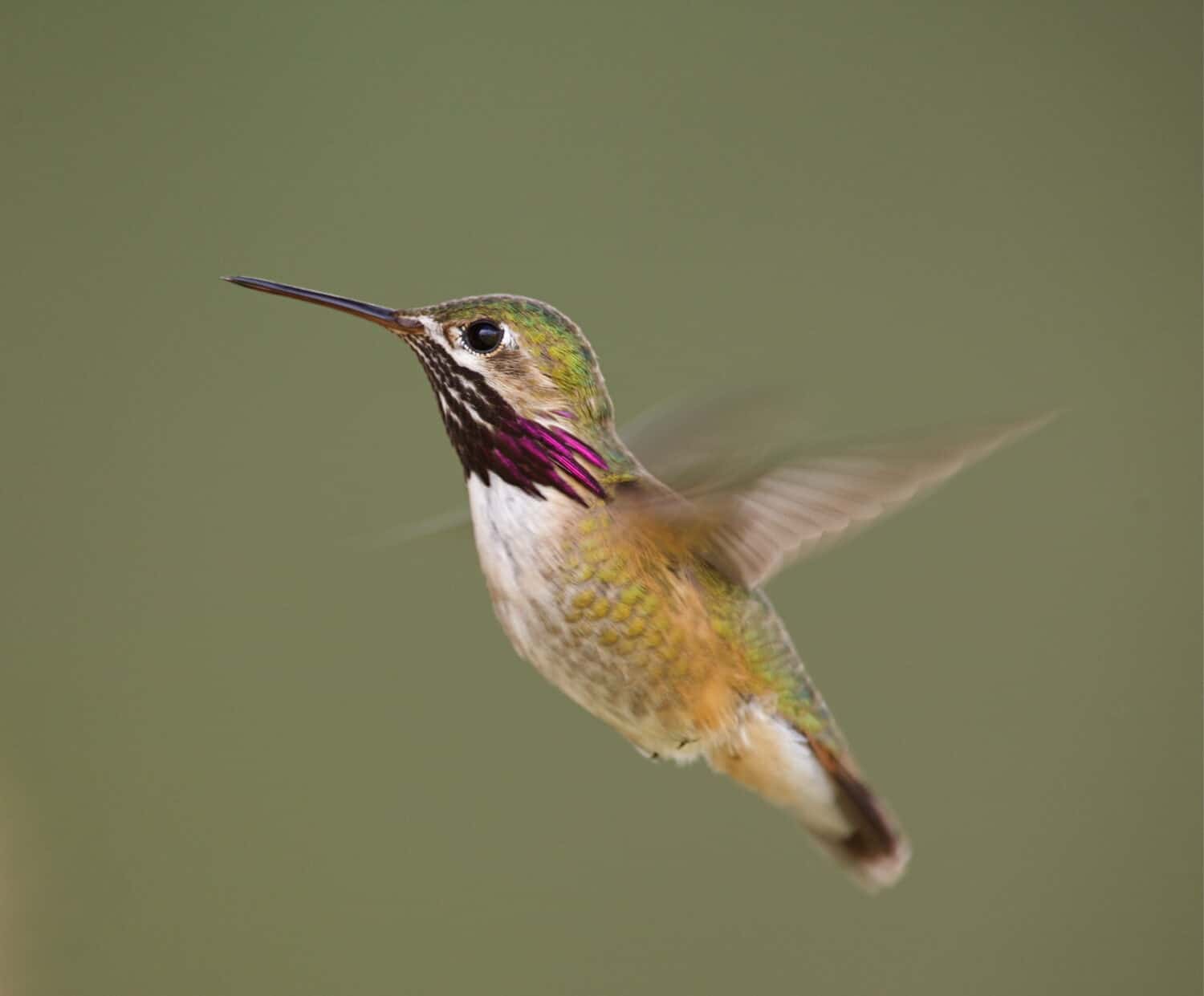
The Rufous Hummingbird is an occasional visitor to Indiana.
©punkbirdr/Shutterstock.com
The vast majority of hummingbird species migrate in the winter. They need nectar to survive, and flowers aren’t available in the winter in many areas. Therefore, when the flowers die, they must travel to more tropical areas.
Often, these journies take place over thousands of miles.
While the motivations behind migration are varied and complex, the pursuit of suitable weather and abundant food sources are among the key drivers. As the days grow shorter and cooler, these avian travelers sense the impending changes and instinctively prepare to embark on their migratory expeditions.
There is a lot about migration that we simply don’t know. For instance, we cannot be sure why birds migrate or how they know when it is time to leave. Much of it is still unknown to humans, despite scientists studying the phenomenon.
When Are Hummingbirds Set to Flee Indiana?
Now, let’s figure out when hummingbirds are set to flee Indiana.
In Indiana, hummingbirds leave just as summer is coming to an end. The exact timing varies from species to species; even individuals will have slightly different timing. However, these small birds usually leave in late summer to early fall.
You’ll notice changes in their behavior as they gear up to leave, which lets us know this isn’t completely random. They will feed more frequently and may seem more frantic as they try to stock up on calories before they go.
The weather doesn’t have a huge effect on when these birds leave. So, it doesn’t really matter how cold or warm the year’s summer has been. Instead, the birds are likely triggered by the decrease in sunlight. As the days get shorter, the hummingbirds know it is time to leave and seek food elsewhere.
Where Hummingbirds Migrate
Hummingbirds make a truly epic journey after they leave Indiana. The exact route varies from species to species. However, most hummingbirds will fly through the eastern United States and keep going until they reach Central America or even parts of South America.
Embarking on this journey covers an extensive distance of thousands of miles. It’s imperative for them to make regular stops for refueling as it’s not feasible to fly continuously for such a prolonged duration. Consequently, the journey takes a considerable amount of time to complete.
In order to continue their long journey, hummingbirds rely on important locations such as the Gulf Coast and the Yucatan Peninsula, where they can refuel and restore their energy reserves.
It’s not uncommon for those residing in the southern states to glimpse non-native species of hummingbirds as they pass through the area. These tiny birds are truly remarkable creatures, and the pit stops they make along their migration path are vital to their survival and well-being.
Non-Migratory Hummingbirds: The Resident Species
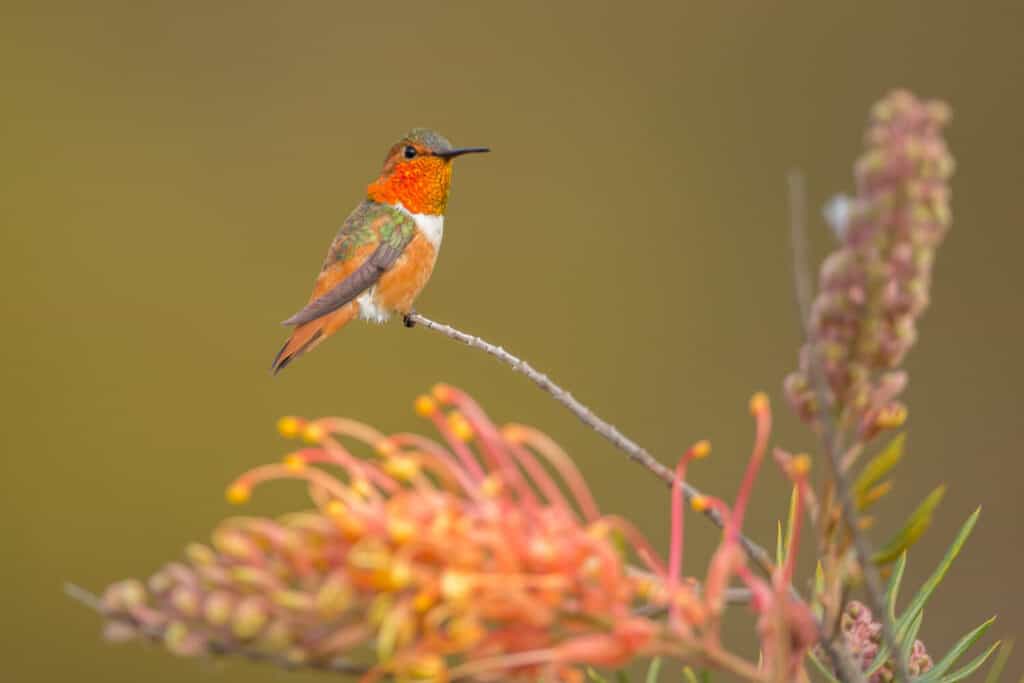
Some species do not migrate and instead tough out the colder winters.
©Keneva Photography/Shutterstock.com
Most hummingbird species do migrate. However, not all of them do. Some species are hardy enough to withstand the tougher winters in Indiana, so there is no need for them to migrate.
Two of the most common resident species are Anna’s Hummingbird and the Rufous Hummingbird. These are exceptions to the usual migration rule, and they stick around throughout Indiana’s chilly winters.
The Anna’s Hummingbird, known for its vibrant magenta-colored throat, finds its niche in the mild coastal areas of the western United States. Remarkably, it can survive winter temperatures that would send shivers down the spine of its migratory counterparts.
The Rufous Hummingbird, with its fiery orange plumage, is another tenacious species that opt to stay put rather than embark on a strenuous migration. Their ability to endure the cold and scarcity of food showcases the extraordinary adaptability of these tiny creatures.
Hummingbird Habitats in Indiana
Indiana offers a variety of different habitats that hummingbirds find appealing. These enchanting birds enjoy the strong mix of flowering plants that provide them with plenty of nectar.
Woodlands, gardens, meadows, and even urban settings provide them with crucial feeding grounds for these hummingbirds.
Many flowers in Indiana provide plenty of food for this avian species. For instance, flowers like bee balm, cardinal flower, and trumpet vine are among their favorites. Of course, hummingbirds also work as pollinators, so they help the flowers out, too.
Residents in Indiana can help hummingbirds by setting up feeders to supplement the bird’s diet.