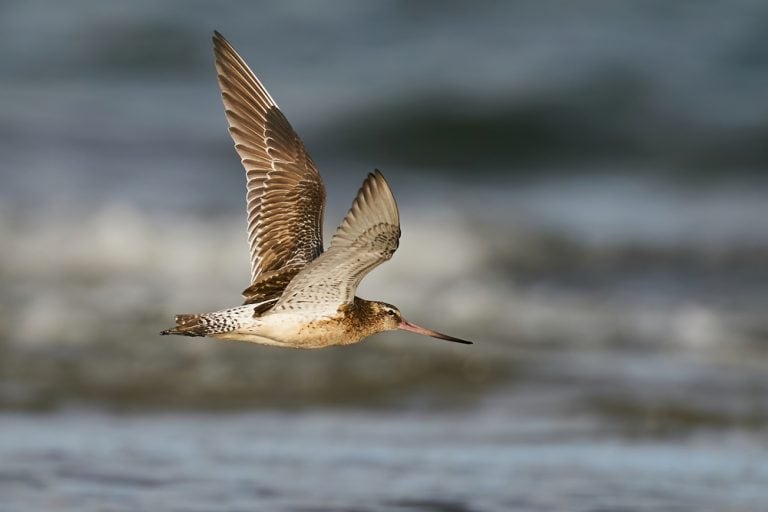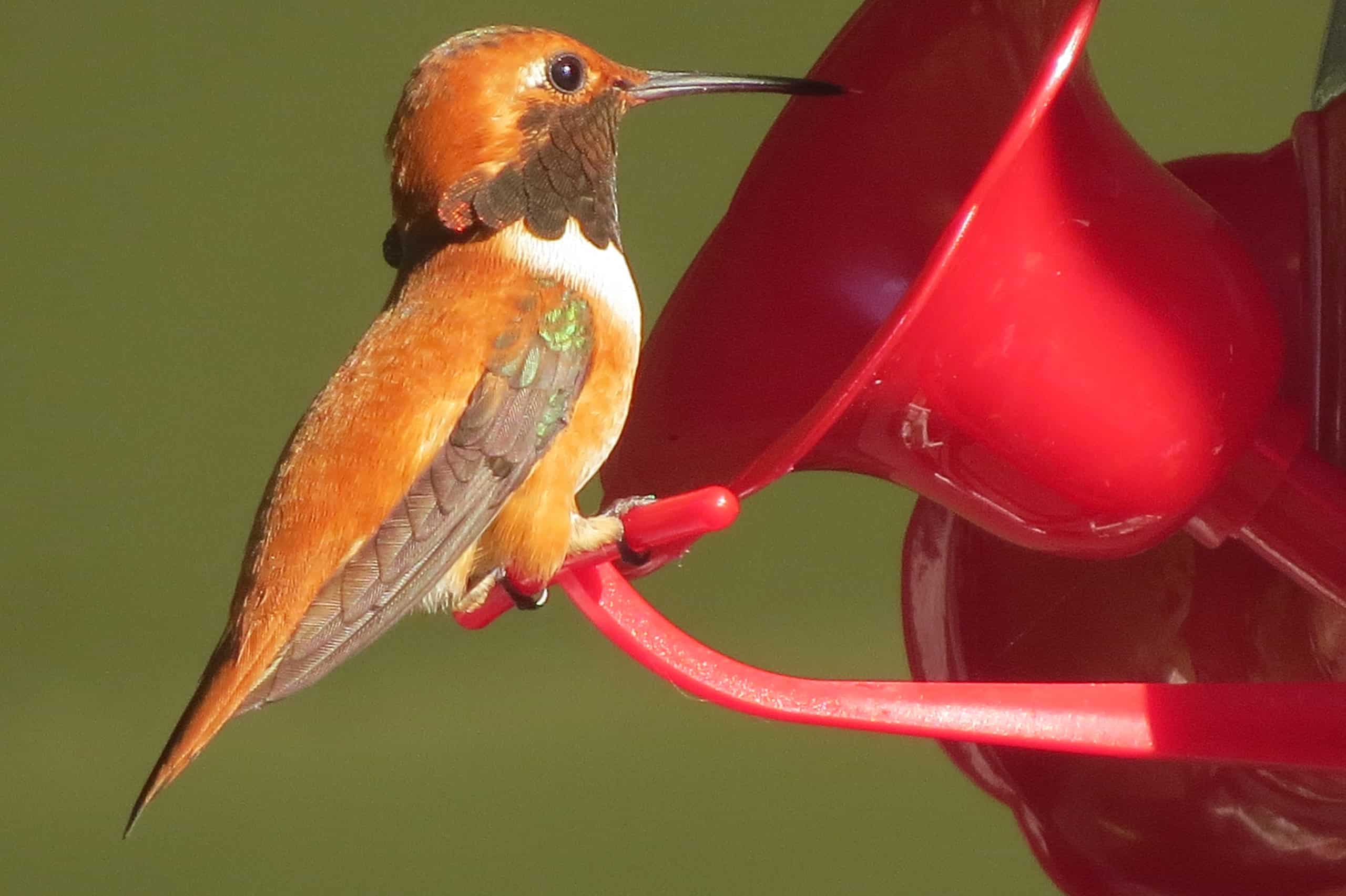

Hummingbirds are very small avians known for their fast-beating wings and bright colors. They’ve very easy to identify. Even if you can’t ID any other bird, you probably know what a hummingbird looks like.
Unlike many birds, they rely on nectar from flowers as their main food source. When these flowers start to die as the seasons change to fall, they must flee Maine and go to warmer climates. However, when the hummingbird is set to flee Maine depends on the species and individual.
We’ll look at the timing of the hummingbird migration in Maine, as well as where they migrate to below.
When are Hummingbirds Set to Flee Maine?
Maine’s hummingbirds embark on their migration journey in late summer to early fall. Mostly these hummingbirds largely depend on the changing light levels to figure out when it is time for them to leave. When the days start to shorten, they know that it is time to leave.
Diminishing food may also play a role. However, the truth is that we don’t completely know what makes hummingbirds (or other animals) know when to migrate. They don’t have calendars, and we can’t exactly ask them how.
Furthermore, some hummingbirds may leave sooner or later. Sometimes, this is due to species differences. Other times, it may be due to individual preferences or the weather.
Where Do Maine’s Hummingbirds Go?
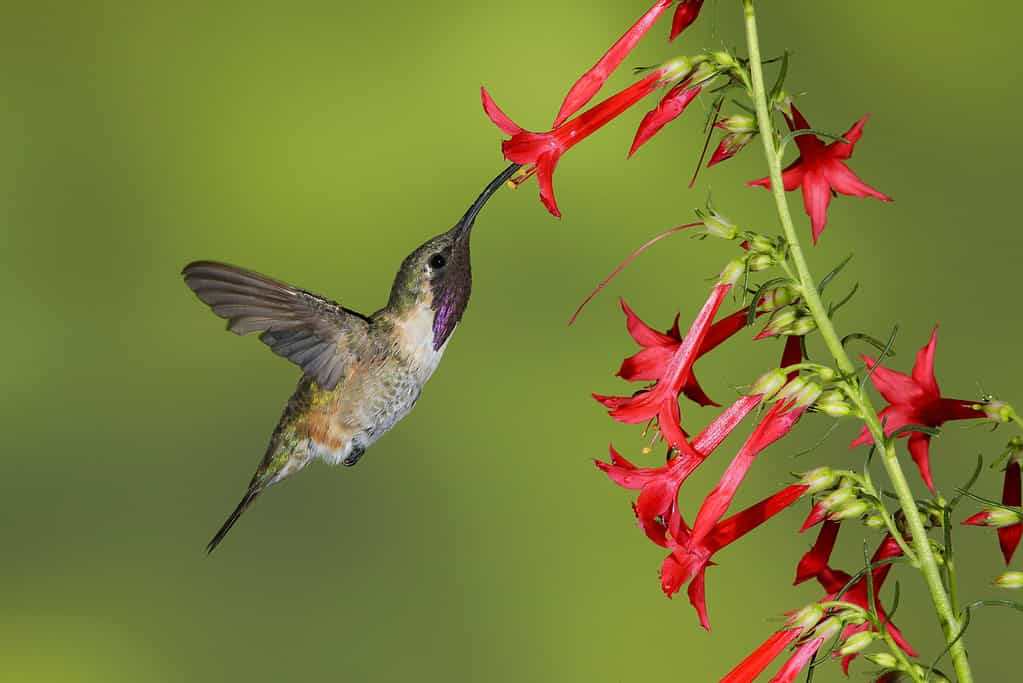
Hummingbirds migrate huge distances, despite their smaller size.
©AGAMI stock/iStock via Getty Images
These tiny birds complete a huge journey when they migrate during the winter. They often travel to Central and South America, where flowers are available year-round for them to eat. The exact country and area differ, though. It’s nearly impossible to know where one specific bird will end up.
The distance these birds cover is huge – and they make the same journey back up to Maine when the weather warms again.
To fly such a distance, they must consume plenty of extra food in the weeks leading up to the migration. You may notice more frenzied behaviors during this time as they attempt to store up extra fat.
When Should You Stop Feeding Hummingbirds in Maine?
Most hummingbirds will leave Maine between late August to early Septemeber. Therefore, in mid-September, you can safely stop feeding your hummingbirds in most cases. However, there are many exceptions to this rule.
For instance, resident hummingbirds may stay in Maine for sometime (even throughout the whole winter). If you have resident species of hummingbirds coming to your feeder, you may want to leave it up throughout the winter.
You should monitor the activity of hummingbirds (and the type around your feeder) to help you determine when to remove the feeders. You may notice a sharp decrease of activity or several smaller drop-offs. As the days start to get shorter and the temperatures drop, you’ll likely notice hummingbirds less frequently at your feeder.
Note the date when hummingbirds stop visiting your feeder. This practice will give you some idea of when hummingbirds leave your particular area each year. Once you haven’t seen any hummingbirds visiting your feeders for about two weeks after the last sighting, it’s a good indication that the local population has likely migrated.
After two weeks of no activity, you can safely remove the feeders for the season. This helps ensure that there aren’t any straggling hummingbirds still in the area.
Non-Migratory Hummingbird Species in Maine
While most hummingbird species migrate, some do not. Several species have evolved to find other food sources in the winter and are hardy enough to withstand the winter climate in Maine. However, this is obviously quite rare, as Maine’s winters get cold. Even non-migratory species may leave Maine for the more southern states.
These birds evolved strategies to survive the winter, which sets them apart from other hummingbirds.
That said, hummingbirds are pretty rare in the winter in Maine, despite some species technically being non-migratory.
Hummingbird Species in Maine
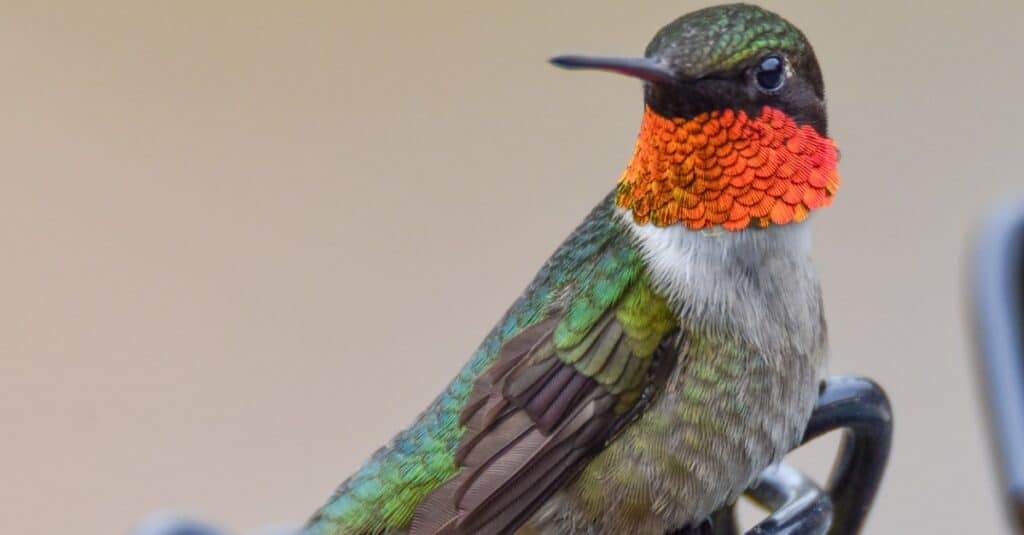
Ruby-throated hummingbirds are the main native species in Maine.
©iStock.com/Jessica Maruszewski
There are several hummingbird species in Maine. In Maine, you can primarily find the Ruby-throated Hummingbird. This species is the most common hummingbird in the eastern United States and is known for its vibrant green feathers and iridescent red throat patch in males. Ruby-throated Hummingbirds are migratory and will leave Maine in the late summer.
While the Ruby-throated Hummingbird is the predominant species in Maine, occasional sightings of other hummingbird species can occur, although they are less common.
It’s important to note that the presence of other hummingbird species in Maine might be rare or sporadic, as the state is primarily within the Ruby-throated Hummingbird’s range.
Summary of When Hummingbirds Leave Maine
Typically, hummingbirds leave main in the late summer to early fall. Ruby-throated Hummingbirds are the most common species in Maine, and they tend to be very migratory. They will leave the state of Maine for warmer weather in Central and South America.
There are some resident hummingbird species that do not migrate. However, these are incredibly rare in Maine, as it is too cold for most of them. These species are occasionally spotted, though.