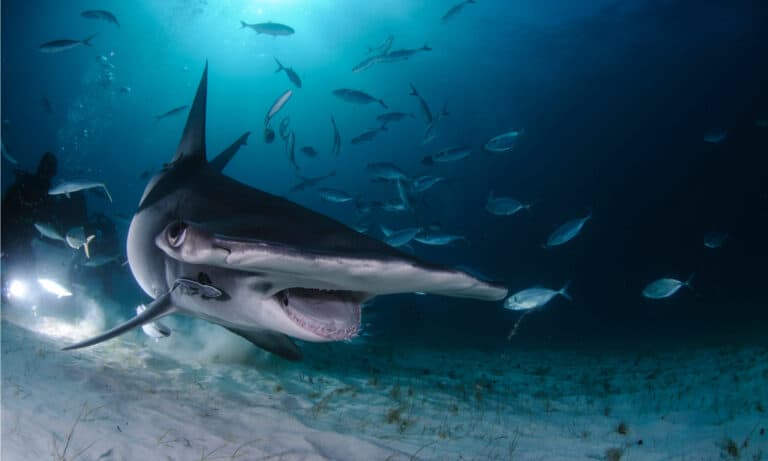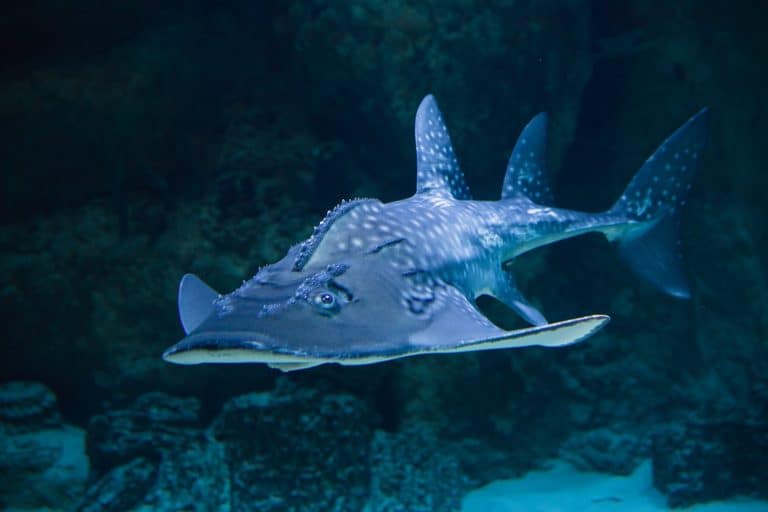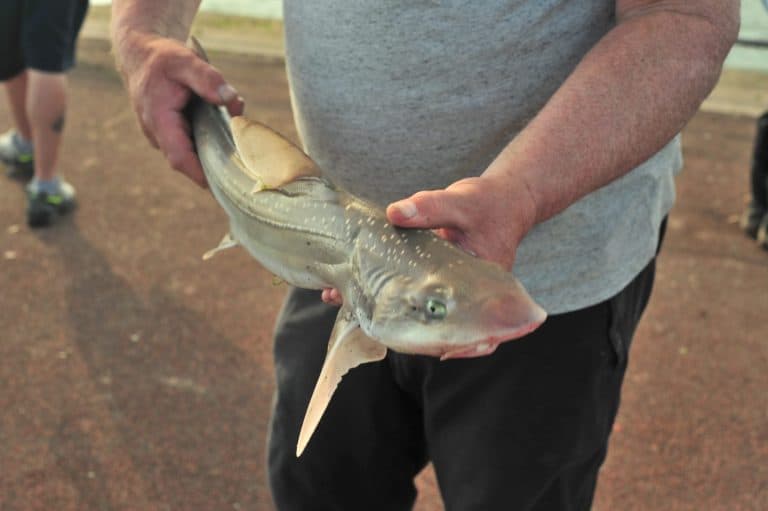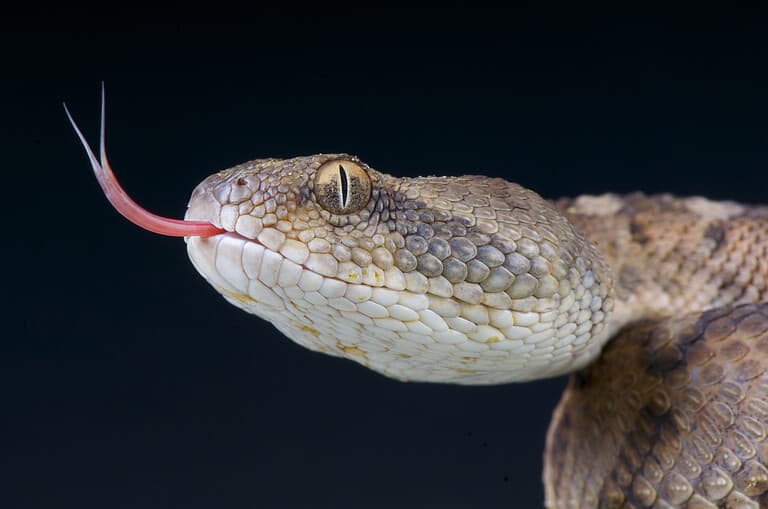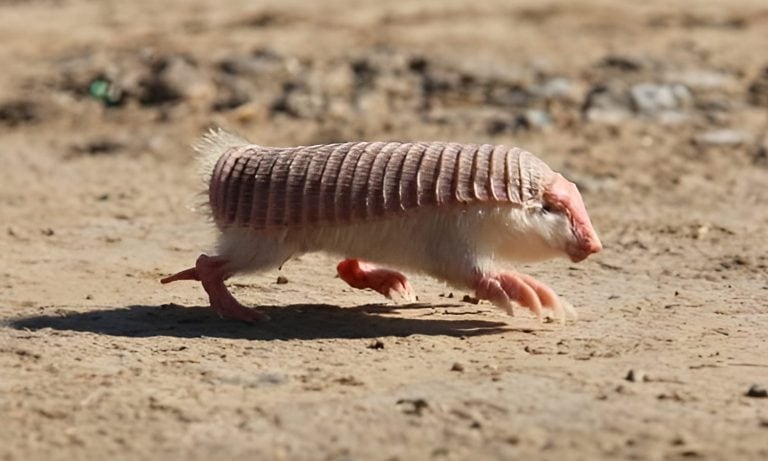

Great hammerhead sharks are found throughout the world in warm, coastal regions. Southern stingrays also prefer these warm environments, often staying near the coast. Great hammerhead sharks are distinguished by their uniquely shaped heads and the unusual way they’re able to sense their prey. Southern stingrays have an uncanny ability to camouflage in the sand and are known for having venomous tail spines. Hammerhead vs. Stingray: discover which of these two emerges victorious in an underwater fight!
Comparing a Great Hammerhead Shark and Southern Stingray
| Great Hammerhead Shark | Southern Stingray | |
|---|---|---|
| Size | – 15 feet long on average, may get up to 20 feet long – Up to 991 pounds | – Four to five feet long – Up to 200 pounds |
| Speed and Movement Type | – Up to 25 miles per hour (MPH) – Sideways swimmers for energy efficiency | – Up to 30 miles per hour – Undulating movements throughout their whole bodies |
| Defenses | – Biting – Head butting | – Venomous barbs on their tails – Camouflage |
| Offensive Capabilities | – Head butting and pinning down | – Puncturing and envenomating |
| Predatory Behavior | – Sensing bioelectric fields, using downward facing mouth to grab prey | – Pulling water in via spiracles to trap prey |
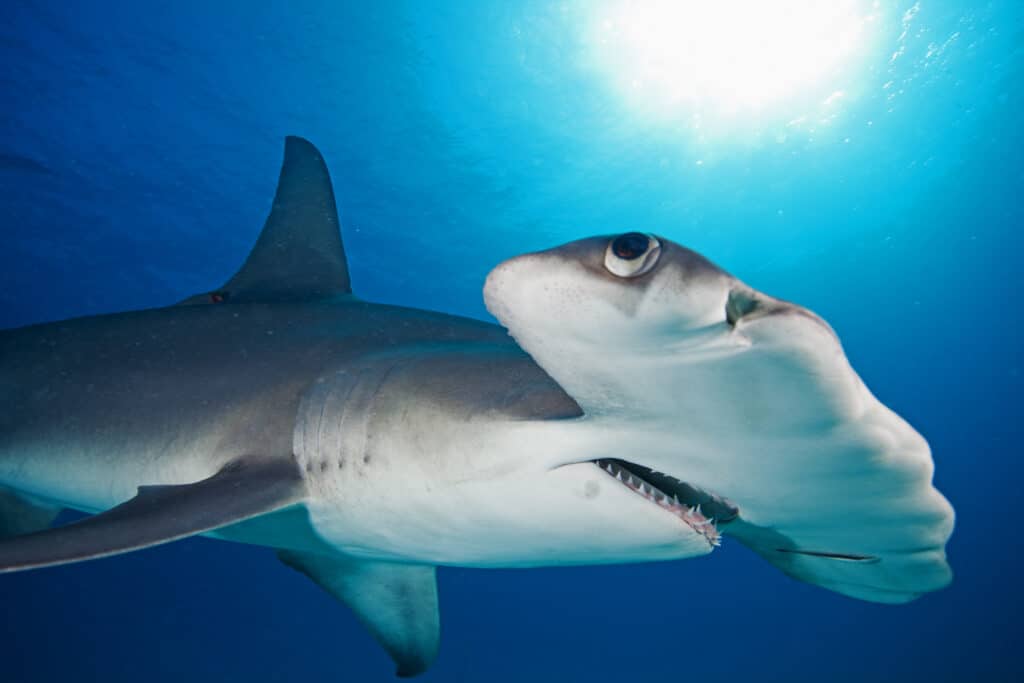
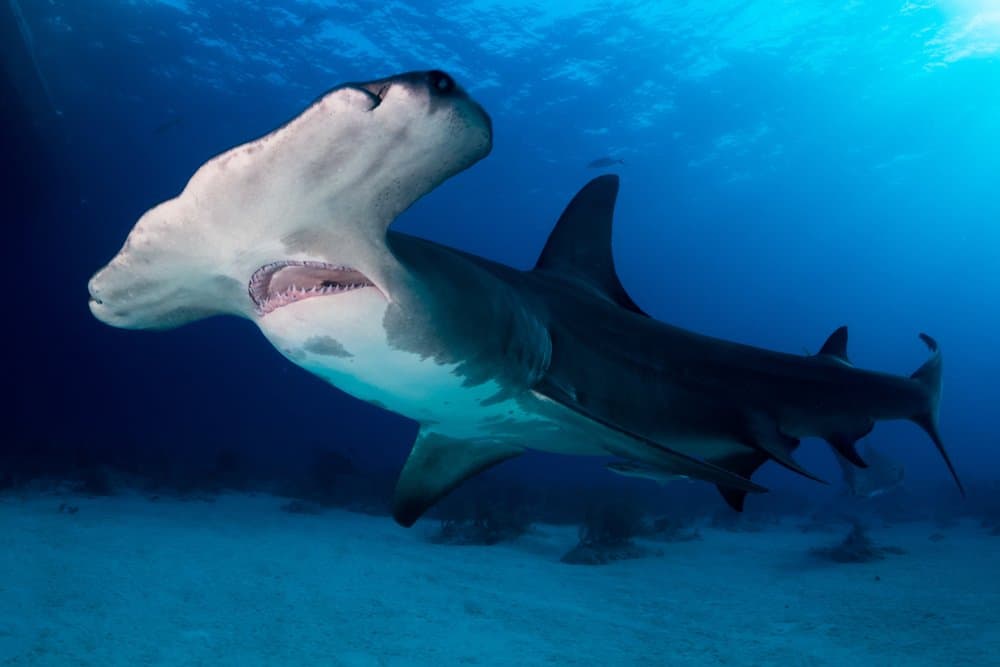
The great hammerhead shark can get up to 991 pounds!
©Martin Prochazkacz/Shutterstock.com
What Are the Key Differences Between a Great Hammerhead Shark vs. Stingray?
Great hammerhead sharks are much larger than southern stingrays in length and weight. However, both are excellent swimmers, with southern stingrays reaching faster speeds than their larger great hammerhead counterparts. Great hammerheads have small mouths, but they can bite when defending themselves and also have hammer-shaped heads that help them pin down or shove an opponent.
Southern stingrays aren’t just faster, but they also hold their ultimate defense: venom! They can usually go unnoticed as needed, camouflaging within the sand underwater, but when threatened, they engage their venomous spine. When they inflict a wound, it’s serious. The tissue of their opponent swells, and extreme pain follows, with several other symptoms ensuing depending on which animal they’ve stung.
Aside from their respective sizes, offensive, and defensive behaviors, great hammerhead sharks and southern stingrays also swim in different ways. Great hammerhead sharks have a distinctive sideways swim that would appear awkward at first glance, but that is the most energy-efficient method of swimming for them. Southern stingrays, on the other hand, use their entire disc-shaped bodies to swim, flapping in an up-and-down motion to travel through the water.
Great hammerhead sharks use their unique bioelectric field sensing ability to find their prey as if they were a metal detector scouring through the sand to find what they deem valuable. Southern stingrays use an equally unique method to capture prey, employing their spiracles to trap prey as if they were a natural filtration system. Although they employ different methods when searching for and capturing prey, they eat many of the same aquatic animals.
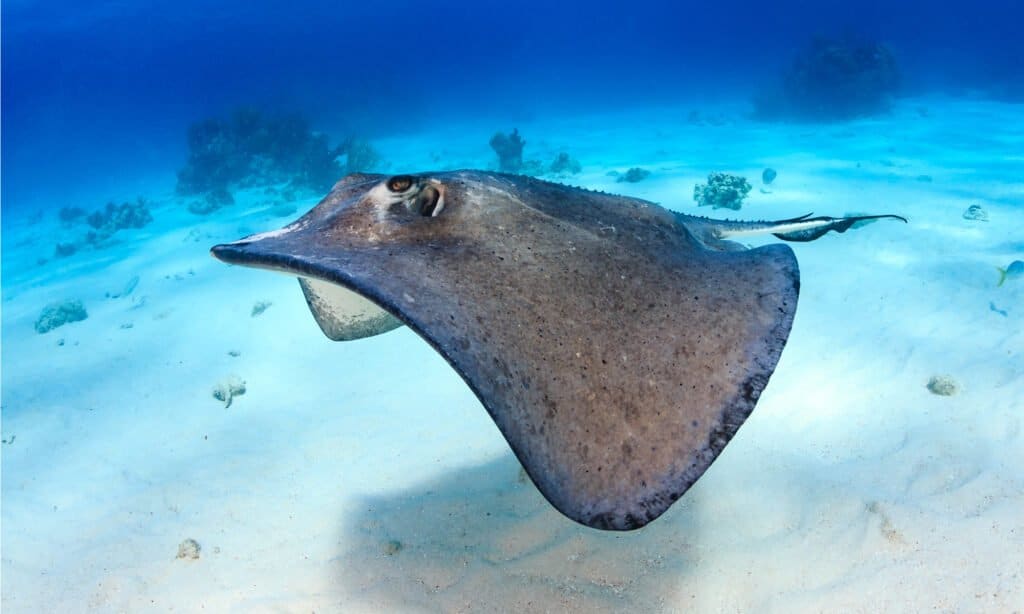
Southern stingrays aren’t just faster, but they also hold their ultimate defense: venom!
©Richard Whitcombe/Shutterstock.com
What Are the Key Factors in a Fight Between a Great Hammerhead Shark and a Southern Stingray?
Size, swimming speed, and offensive behaviors all play integral parts in the fight between a great hammerhead shark and a southern stingray. Hammerhead sharks are definitely the more aggressive of the two, but southern stingrays are equipped with venom, which makes them formidable opponents even if they’re not the first to start a fight. Between the two, hammerhead vs. stingray, the southern stingray is much more likely to mind its own business, swim away if needed, or use its incredible camouflaging ability to sit tight until the threat passes.
Great Hammerhead Shark vs. Southern Stingray: Size
The size difference is staggering between a great hammerhead shark and a southern stingray. Not only does a great hammerhead tower over a southern stingray, but it also has a unique shape to its body, allowing it to use its strength in ways that disable other aquatic animals. Southern stingrays can grow large, but they don’t compare to the length or weight of great hammerhead sharks.
Great Hammerhead Shark vs. Southern Stingray: Speed and Movement
If a southern stingray were to encounter a great hammerhead shark, its likely course of action would be to retreat. It could outswim a great hammerhead, but even though it can reach higher speeds in the water, it would be better off hiding out for a bit and then escaping the area after a great hammerhead loses sight of it. Great hammerhead sharks look to stingrays as prey, and they don’t necessarily need to see them to sense them. They’re able to sense their bioelectric fields, which gives them an advantage even though they are not as fast when zipping through the water, making this an interesting battle between a hammerhead vs. stingray.
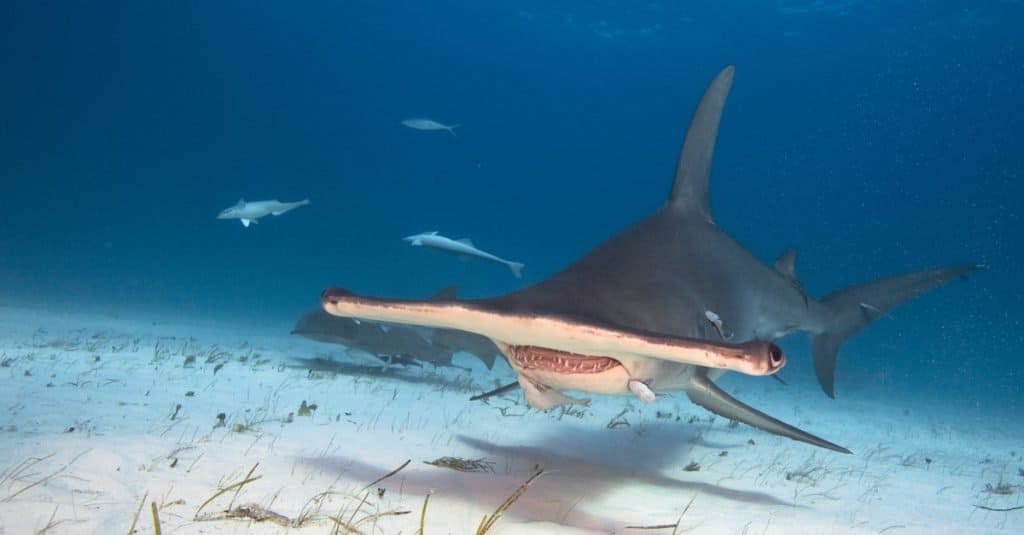
Great hammerhead sharks look to stingrays as prey.
©frantisekhojdysz/Shutterstock.com
Great Hammerhead vs. Stingray: Defenses
Perhaps a southern stingray’s best defense is its ability to camouflage, as it doesn’t have to engage further if a predator can’t find it. But considering that great hammerhead sharks don’t use their eyesight to find southern stingrays, the stingray has to engage another defense mechanism: its venomous barb. Although its venom doesn’t ensure death, it can certainly cause a lot of pain to deter a predator from engaging with the stingray any further. On the other hand, Hammerhead sharks have small mouths, but they bite when defending themselves. The shapes of their heads are also helpful, as they’re able to head-butt their opponents to deter them from continuing their attack.
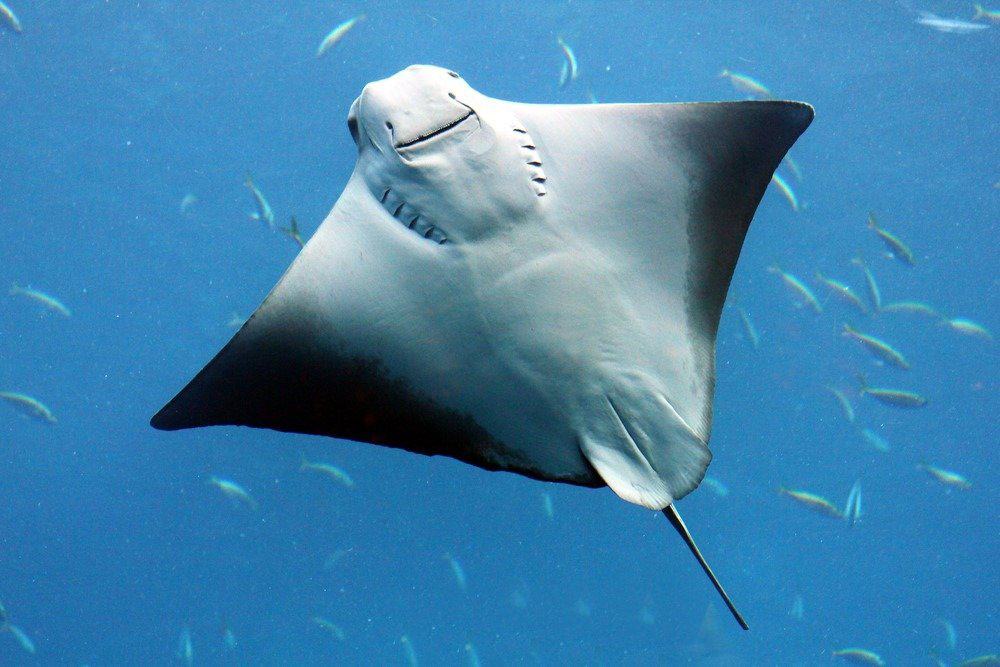
Although the stingray’s venom doesn’t ensure death, it can certainly cause a lot of pain to deter a predator from engaging with the stingray any further.
©Vicki L. Miller/Shutterstock.com
Great Hammerhead Shark vs. Southern Stingray: Offensive Capabilities
If a great hammerhead shark has its sights set on a southern stingray, it can overpower it by using its head like the hammer it looks like and pinning it down. It also uses its head like a weapon, thrashing against any opponent but especially prey, which stingrays are. Although the stingray is significantly smaller than a great hammerhead shark, it still harbors its ultimate weapon — the venomous barb. If it’s unable to confuse a hammerhead shark for long enough by burying itself in the sand and staying still, it can sting the great hammerhead.
Great Hammerhead Shark vs. Southern Stingray: Predatory Behavior
The predatory behavior of a hammerhead vs. stingray differs greatly. Great hammerhead sharks use electrical receptors to find the location of their prey, even if they venture into the sand and become seemingly imperceptible. Their mouths face downward, and they have serrated teeth, which they use to gobble down their prey. Their prey includes crustaceans, squid, different fish species, eels, and stingrays. Alternatively, southern stingrays start by flapping their pectoral fins to reveal their prey. Then, these stingrays use their spiracles to suck prey in and trap it. Their prey includes shellfish, worms, crabs, shrimp, and small fish.
Who Would Win a Fight Between a Great Hammerhead Shark and a Southern Stingray?
Although mature southern stingrays grow to the size of humans, their primary predators are hammerhead sharks. In a fight between a great hammerhead vs. stingray, the great hammerhead would be the one to swim away not just victorious but also satiated. On multiple occasions, hammerheads have been seen engaging in offensive behavior, pinning stingrays to the ground until they’re unable to use their speed against them. Already, one of their primary defenses — camouflage — is rendered useless because the hammerhead can sense them without the need for sight. As if that’s not enough putting the stingray at a disadvantage, hammerheads are not affected by a stingray’s ultimate defense — its venom. Hammerheads have the full advantage, able to overpower and bite through the stingray to turn it into a meal.
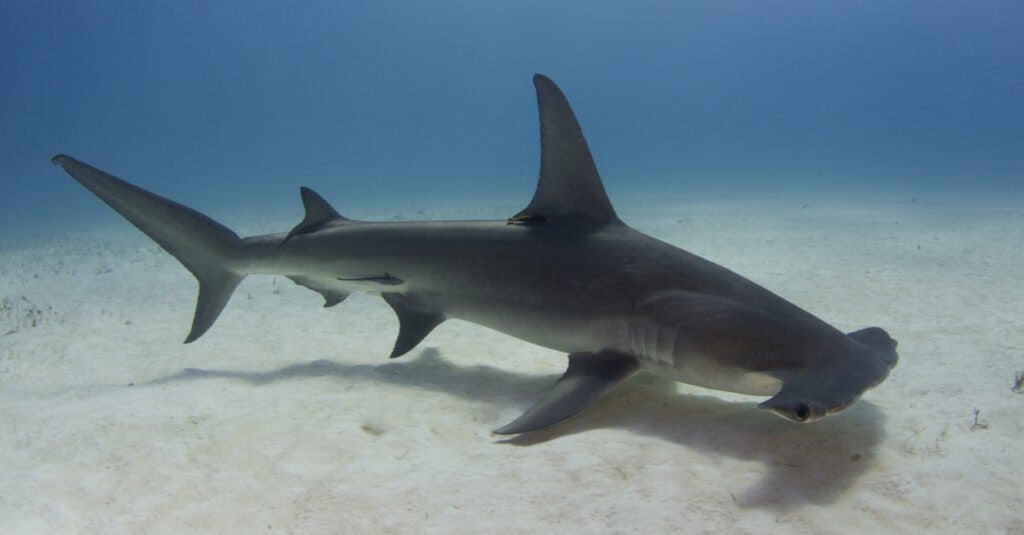
In a fight between a great hammerhead and a stingray, the hammerhead would have the full advantage of biting through the stingray to turn it into a meal.
©Matt9122/Shutterstock.com
Another Animal That Could Take Down a Stingray: Orca
It’s not just a hammerhead shark that can take down a stingray. There are bigger fish in the sea. Orcas, also known as killer whales, turn stingrays into meals as well. Stingrays often hang out by the coast, using seaweed and sand for cover. Orcas know this, and when they’re ready for a snack, they head over to these shallow areas to hunt stingrays. Although they’re typically opportunistic, if they know there’s a food source available, they exhibit specialized hunting behavior.

Orcas also come out victorious against stingrays.
©Alexander Baumann/Shutterstock.com