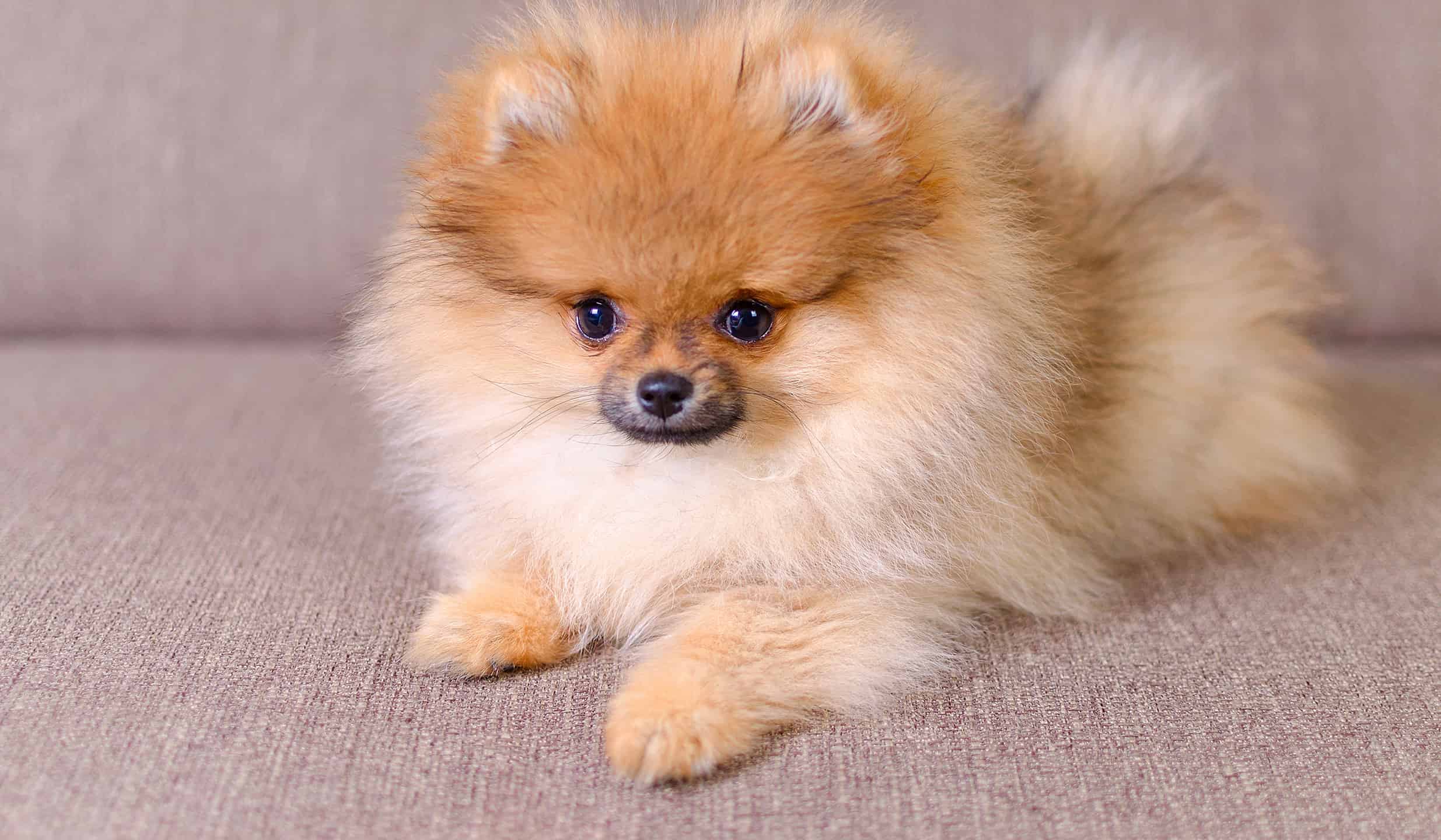

Pomeranians are one of the most popular dogs in the United States. They are often affectionately referred to as “Poms.” These delightfully small dogs have a very vibrant personality and a luxurious coat. They’re very affectionate and fluffy, which is one reason why they are so popular.
These canines are from modern-day Poland and Germany, specifically the Pomerania region, hence their name.
Despite being very small, these dogs are full of personality. They pack a ton of energy into their small body. However, this trait is one reason why they are so loved.
In this comprehensive guide, we’ll dive into the world of Pomeranians. Below, we’ve discussed all the care tips you need to take care of your Pomeranian properly.
Care Tips: Nurturing Your Pomeranian for Optimal Well-Being
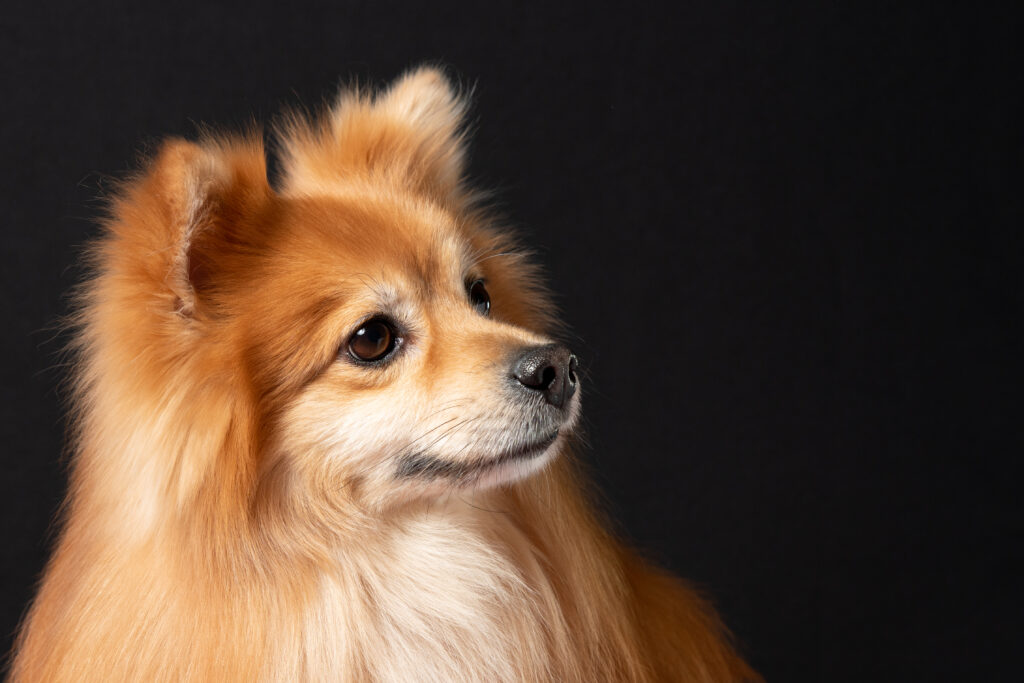
Pomeranians require similar care to any other small breed.
©Jen Ottepka/Shutterstock.com
Caring for a Pomeranian involves properly feeding, grooming, exercising, and socializing your canine. While these dogs are small, a lot goes into properly caring for them.
Feeding
Pomeranians do not have specific dietary requirements. However, they are smaller than most breeds, so it’s recommended that you feed them small-breed food. Otherwise, the kibble may be too large for them to eat properly.
You must also consider your dog’s age, size, and activity level. If your dog is young, puppy food is necessary. Older Pomeranians may benefit from senior-designed food (though there isn’t a specific age when this is necessary).
Poms are prone to obesity, so be cautious not to overfeed. If your dog is overweight, you may need to switch them to low-calorie food. These foods are designed to provide all the nutrients your dog needs while providing few calories. Just feeding them less of their usual food can result in deficiencies and isn’t recommended.
Grooming
Pomeranians have a fluffy, luxurious coat. While this is one of the reasons they’re so loved, it also means they need a lot of grooming. You’ll need to brush them several times every week to keep them looking their best. Brushing helps reduce tangles and keeps your canine clean.
During shedding season, you may need to brush them even more. These dogs shed a lot, so they aren’t the best choice if you don’t like hair around your house.
Of course, regular baths, nail trims, and dental care are also necessary. These help keep your canine in tip-top health and avoid unnecessary health issues, like dental problems.
Socialization
Pomeranians tend to be very sociable and friendly. Therefore, they make great family dogs. However, they still require socialization. You need to introduce them to many different people and animals, for instance. This socialization helps prevent them from being fearful later on, which can cause aggression.
Pomeranians tend to bond closely with their people, too. While this is often considered a benefit, it can make them a bit overprotective. You need to socialize them early and consistently to prevent them from being wary of strangers later.
Puppy classes are highly recommended, as these help with socialization.
Exercise
Despite their smaller size, Poms are energetic dogs that require daily exercise. They are very energetic, so they work best for somewhat active families. However, because they are small, they can achieve their exercise needs rather quickly.
Be sure to take them on short walks, play sessions, and interactive toys. They can get bored, so you need to plan on keeping them entertained.
That said, you should be cautious not to overexercise these dogs. They are smaller, so they shouldn’t be expected to exercise as much as larger dogs. They aren’t best for longer hikes, for instance.
Costs: The Financial Aspect of Pomeranian Ownership
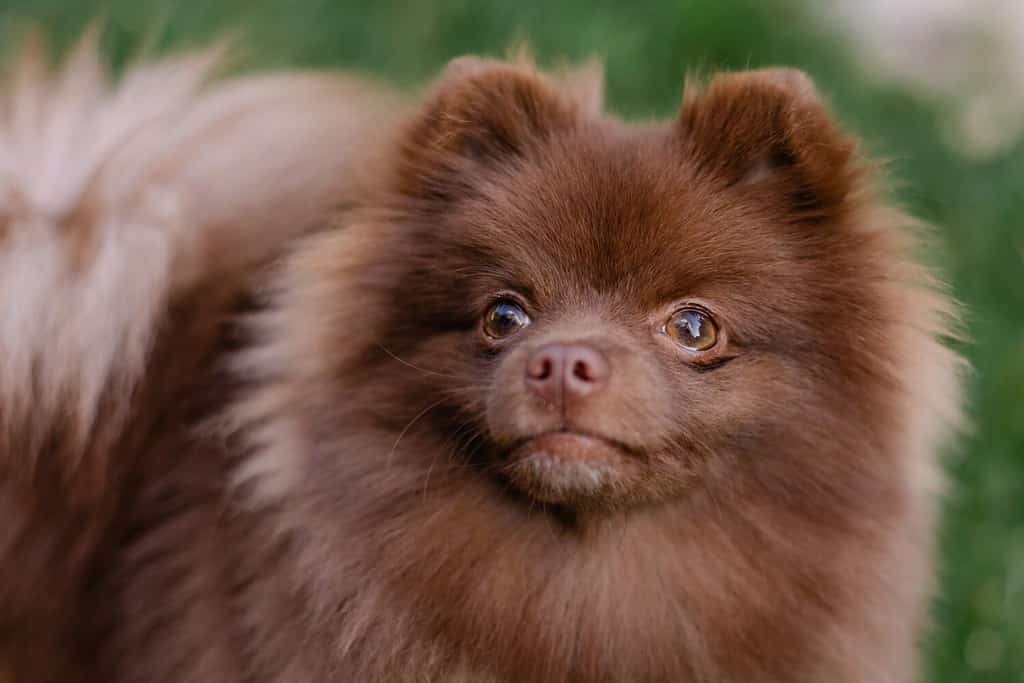
Before bringing a Pomeranian home, you need to consider the financial aspect of owning one. Pomeranians are not the most expensive breed, but they aren’t free, either. Planning for their financial needs is vital.
Initial Costs
These include the expense of actually purchasing a dog, as well as the dog’s initial needs. For instance, a Pomeranian requires a crate, bedding, bowls, toys, and other essentials. These are necessary to take care of your Pomeranian, but they can cost a few hundred dollars upfront.
Pomeranians aren’t the most expensive breed. However, you can expect them to cost around $1500 to $3000 from a qualified breeder. While this is expensive, you should avoid trying to save money by going to a backyard breeder or puppy mill. Often, these people don’t perform the proper health checks and prioritize quantity over quality.
You also have to consider health care for the puppy, like vaccinations and spaying/neutering. These costs can be substantial. If you purchase from a qualified breeder, some health care may be included in the cost for the puppy.
Ongoing Expenses
Of course, the cost of owning a Pomeranian doesn’t stop when you purchase the puppy. You’ll need to continuously make purchases that are necessary for the dog’s health. For instance, you’ll need to purchase high-quality dog food, routine veterinary check-ups, vaccinations, preventative medication, grooming supplies, and other costs.
There are lots of other ongoing expenses that vary from person to person, as well. For instance, if you go on vacation, you must consider boarding or pet-sitters. All of these things cost extra.
You’ll also have to consider grooming expenses, which can vary widely. You can groom your Pomeranian plenty at home. However, in other cases, you may decide to get professional grooming instead. This costs extra, as you might expect.
Temperament: Unpacking Their Energetic, Intelligent, and Loyal Nature
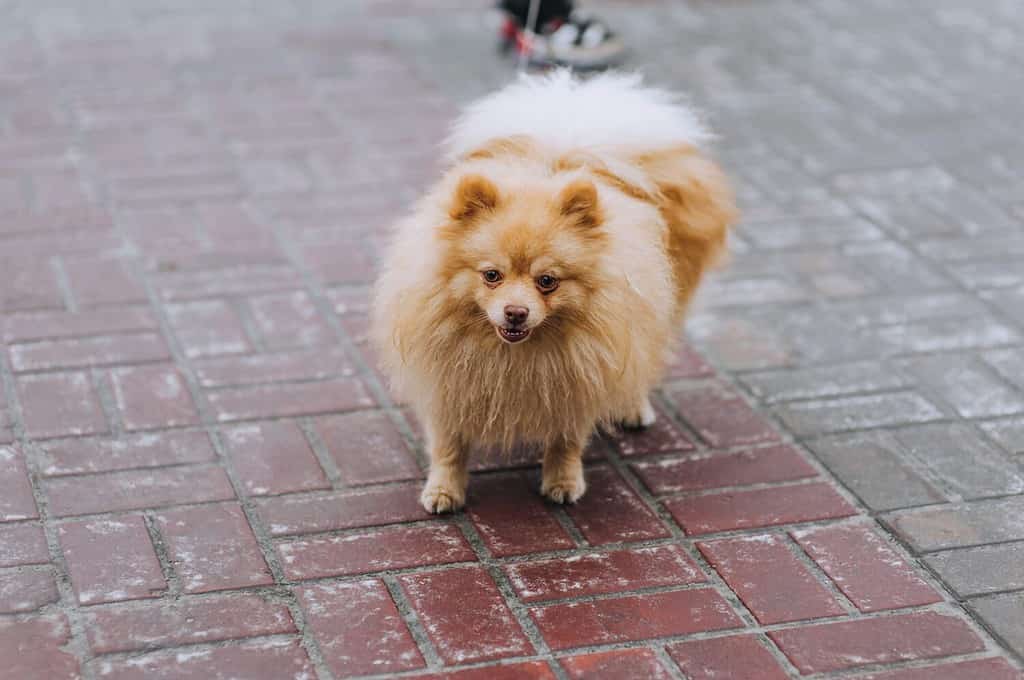
Pomeranians are very social and love being out and about.
©Shchus/Shutterstock.com
Pomeranians are big dogs with small bodies. They have a big personality, which is one reason they are very popular.
Pomeranians possess a surprising amount of energy and enthusiasm. They enjoy interactive play and short bursts of physical activity. Despite their size, they often excel in activities like agility and obedience training. They do best with active families for this reason.
These little furballs are highly intelligent and eager to learn. They thrive on mental stimulation, so engage in regular training sessions and provide them with puzzle toys to keep their minds sharp and active. They can get bored if left home alone for long periods, so they’re best for families that tend to spend a lot of time at home a lot.
Pomeranians bond closely with their people and are extremely loyal. They love their owners, but they can become a bit too attached. They’re prone to separation anxiety and may resource-guard their favorite people. Training and socialization are vital to prevent these potential behavioral problems.
Pomeranians are also extremely alert and vigilant. They won’t hesitate to bark at humans and intruders. This can be both a good thing and a bad thing. They can be very noisy dogs, but you’ll always know if someone is outside.
Lifespan: Navigating the Typical Lifespan and Health Concerns
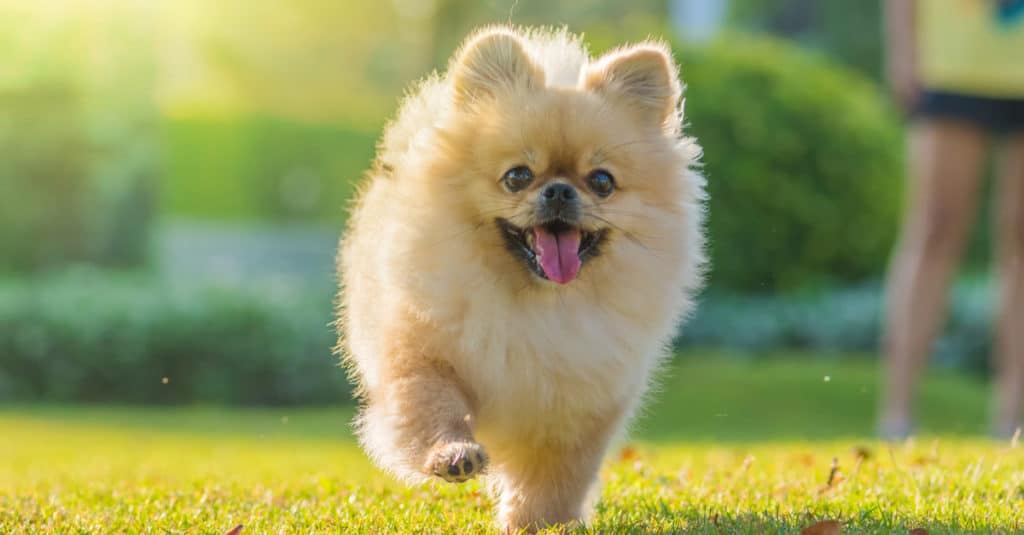
Pomeranians have several health concerns potential owners must know.
©wirakorn deelert/Shutterstock.com
The average lifespan of a Pomeranian is around 12 to 16 years, which is relatively long for a small breed. However, like all dogs, Pomeranians are susceptible to certain health concerns.
Here are some of the most common issues you need to watch out for:
- Dental Issues: Pomeranians are prone to dental problems, including tooth decay and gum disease. Regular dental care, such as brushing teeth and providing dental chews, can help prevent these issues. They have a very small mouth that leads to teeth crowding.
- Luxating Patella: This condition involves the kneecap slipping out of its normal position. Regular exercise, maintaining a healthy weight, and avoiding activities that could strain their knees can help reduce the risk.
- Tracheal Collapse: Due to their small windpipes, Pomeranians can develop a condition called tracheal collapse, leading to breathing difficulties. Using a harness instead of a collar and avoiding activities that cause strain on the trachea can help prevent this.
- Skin and Coat Issues: Their thick double coat can make Pomeranians susceptible to skin and coat problems. Regular grooming, a balanced diet, and proper hydration can contribute to healthy skin and fur.
- Eye Problems: Pomeranians are at risk of eye issues such as cataracts and dry eye. Regular eye examinations and proper grooming to prevent hair from irritating their eyes can help mitigate these concerns.
Conclusion
Pomeranians are a captivating breed that brings immense joy and companionship to their owners’ lives. Their spirited energy, intelligence, loyalty, and distinctive appearance make them stand out in the canine world.
However, potential owners must be prepared to care for these energetic dogs. These dogs require the same care as any other canine, like proper feeding and grooming. Pomeranians do have long lifespans, but they also deal with some health issues.
Remember, owning a Pomeranian is a long-term commitment, and their lifespan provides ample opportunity for cherished moments and unforgettable experiences. Be cautious not to think of these dogs as a small commitment due to their small stature.