
Whether you adopt your dog from the shelter or a reputable breeder, it’s exciting to learn more about their DNA. Humans are curious creatures, and learning more about both their own ancestry — as well as their furry best friend’s — is a niche interest some people enjoy doing.
However exciting it might be to get a dog DNA test, there are many cons to the purchase. Discover 17 different reasons to skip buying a dog DNA test, what DNA tests measure, and alternatives to them.
They’re Expensive
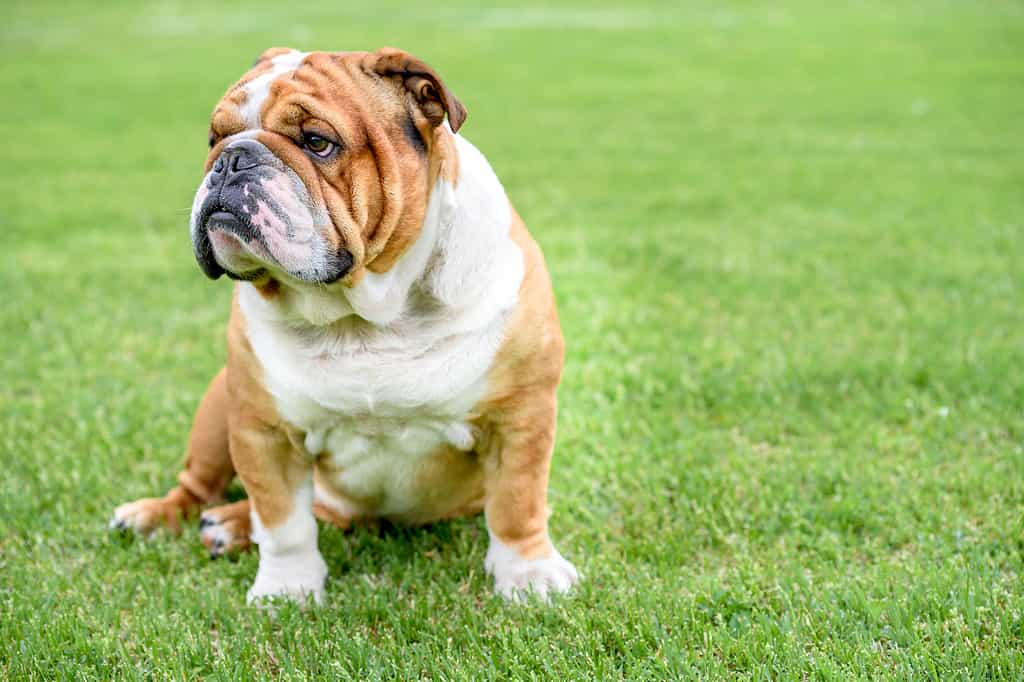
Depending on the DNA test you choose, you could spend upwards of 0.
©badmanproduction/iStock / Getty Images Plus via Getty Images
The biggest knock against dog DNA tests is the price. Some deals exist to get a percentage off, but the starting cost of a comprehensive dog DNA test is around $80 at the lowest. While the American Kennel Club offers a $50 test, it is only for verification purposes and will not determine breeds or supply comprehensive lineage information.
Even if the amount of money doesn’t bother you, many pet owners question the overall value of the investment. Because the “science is still out” and companies continue to evolve their methods of analysis, the results that do come from the test might become obsolete in just a few months or years when advanced technology improves testing.
No Regulations for Genetic Pet Testing
No regulations currently exist for the use of dog DNA. While each company has a policy of how they’ll use it — and volunteering of the DNA is completely mandatory by the owner — there’s no overarching governing body that can monitor the use. In addition, there’s no regulatory testing standard, meaning genetic testing labs may have different (and potentially flawed) methods of obtaining their results.
You May Get Inconclusive Results
With the multitude of factors that exist in the plane of dog DNA testing, it’s very possible you may get inconclusive results. At that point, you’ve spent money and made your dog uncomfortable during the testing process to learn what you already know about your dog — that they are a mixed breed and you love them.
Specifically, the technology that parses out one breed from another in a lineage of many different breeds doesn’t handle accuracy well. For example, many only go back three generations — which means rescue dogs have a much lower percentage of securing an accurate picture of the breeds that go into their background.
Apartment or Housing May Discriminate Breeds

Some communities have breed restrictions on shepherds, pit bulls, and other “bully” breeds.
©Bigandt_Photography/ via Getty Images
If you’re choosing to test your dog of your own volition to prove its lineage to a certain housing authority, do so with caution. Even if your mixed breed dog doesn’t look like it, it may have a bully breed somewhere in its DNA. If results come back confirming that ancestry, you and your dog could face discrimination for housing, insurance, or rentals like Airbnb or VRBO. The most discriminated-against breeds include pit bulls, terriers, Dobermans, shepherds, Rottweilers, Chow Chows, and Great Danes.
They’re Not Always Accurate
Most of the customers of dog DNA tests are parents of mixed-breed dogs. However, mixed breeds remain the point of contention for nearly all testing companies, as they find it difficult to pinpoint exact lineage. Industry-leading products claim to have between 95% to 98% accuracy based on their databases, but this method in itself can skew results.
In a 2023 test between Accu-Metrics, DNA My Dog, Wisdom Panel, and Embark, each dog in the experiment had completely different results from the company. Here are the findings:
- Accu-Metrics: Cocker spaniel, Labrador Retriever, Staffordshire terrier, Rottweiler.
- DNA My Dog: Bulldog, flat-coated retriever, German shepherd.
- Embark: Arabian village dog.
- Wisdom Panel: American pit bull terrier, chihuahua, German shepherd, Seguigio Italiano, and Xoloitzuinitli.
With so much variety for the same dog’s DNA, it’s hard to make the case that DNA panels have accurate findings.
They Might Not Meet Your Expectations
Because tests are expensive, you may find a cheaper one online somewhere. Use caution, though — cheaper is not always better and still carries the same risks outlined in the rest of this article.
Some of the complications you may run into using a cheaper version of a dog DNA test include:
- Inaccurate results.
- Spotty results (the company doesn’t give the amount of information you thought came with the package).
- Lack of results.
- Incredibly long processing times.
In addition, the location of the company that sends you the test results matters. Sending a U.S. dog’s DNA to a French or British lab won’t only take forever to receive results; it may test your dog’s DNA against a completely different database than you intended.
Tests Might Cause Undue Worry

Dog DNA tests can open owners up to worry for conditions their pets are at risk to develop.
©Zapp2Photo/Shutterstock.com
If you’re a helicopter dog parent or prone to worry, you may not want to give your dog a DNA test — especially if the vet has assured you they’re healthy.
Part of dog DNA tests may include a health screening for 150 different diseases your dog could be at risk or a carrier for. In this scenario, being better informed doesn’t always lead to a good outcome. You may focus too much on what might happen to your mixed-breed dog and forget to take care of the most basic needs that combat common problems like hip dysplasia, gingivitis, diabetes, and obesity.
Prevention for major diseases should already be baked into your work as a pet parent, including grooming for healthy skin and coat, feeding to maintain a healthy weight, and regular exercise to ensure proper cardiovascular health.
The Process Might Make Your Pet Uncomfortable
The process of obtaining a sample to send may make your dog(s) uncomfortable if they don’t like their teeth brushed or hands near their mouths.
To get a sample from your dog to send in for analysis, you need to swab the inside of their cheek and “scrape” off some of their tissue. While the scraping doesn’t hurt, many dogs despise the feeling of something foreign going into their mouth.
You might accidentally exacerbate the tension in the situation if you don’t often cut your dog’s nails or brush their teeth. Because you’re nervous about hurting them or how they’ll react, they may take the cue from you that this is a strange, uncomfortable situation that they should fear.
Additionally, it’s important to not give your pet treats before taking the sample. Just like human swab tests preclude you from eating or drinking something more than water, dogs can ruin the sample’s integrity if a piece of kibble, meat, peanut butter, or cheese marrs the DNA.
Tests Won’t Replace The Knowledge of a Veterinarian
Both a caution and a disadvantage of choosing to buy a dog DNA test is the incorrect assumption that the health information on the results is something to swear by. While the companies that create these tests do their best to have the most accurate and up-to-date information, the information about diseases and genetic predispositions are educated guesses based on a relatively new database at best.
When results indicate that your dog is a certain breed — and give information on how susceptible that breed (or breeds) is to specific diseases and conditions — it creates the assumption that a dog will suffer from whatever the results outline.
Instead, turn to your veterinarian to assess the real health risks your dog might have. Because they can ask you specific questions about their diet, allergies, activity level, personality, and more, a veterinarian has their education and intimate knowledge of your dog to make a better educated guess. They can also monitor health, review medical records, and predict preexisting conditions. Finally, veterinarians know their regions well, so they can provide additional suggestions, feedback, and updates on a rise in regional illnesses or parasites.
You May Discover Your Purebred Dog Isn’t Purebred
If you haven’t bought your dog from a reputable or registered breeder — but were told your dog was a purebred — a DNA test might prove your fear true. Breeders without proper registration, documentation, or information on the parents of a litter may claim the title of purebred even if they don’t meet official specifications. The official requirement for the American Kennel Club to call a dog purebred is registering both parents as one breed and then registering the litter the same. That means the first litter of a purebred and a nearly purebred will not produce purebred puppies.
While this realization won’t affect your dog’s health, appearance, or personality, it may make you angry to know you paid purebred prices for the non-purebred pup.
It Won’t Help You Get AKC Registered
Did you know the American Kennel Club has its own DNA testing program? This program does not help determine the breed of a dog, though, and only exists for lineage verification.
As such, breeders cannot use Embark or Wisdom Panel results to prove the lineage, health, breed, or age of a dog they’re trying to register. Instead, they must use the $50 DNA test from the American Kennel Club’s website.
This remains a voluntary program that strengthens breeders’ profiles. It includes a DNA analysis with a dog’s registration information from the American Kennel Club, their profile number, and the dog’s actual genotype as analyzed by the not-for-profit.
Your Sample Might Get Damaged
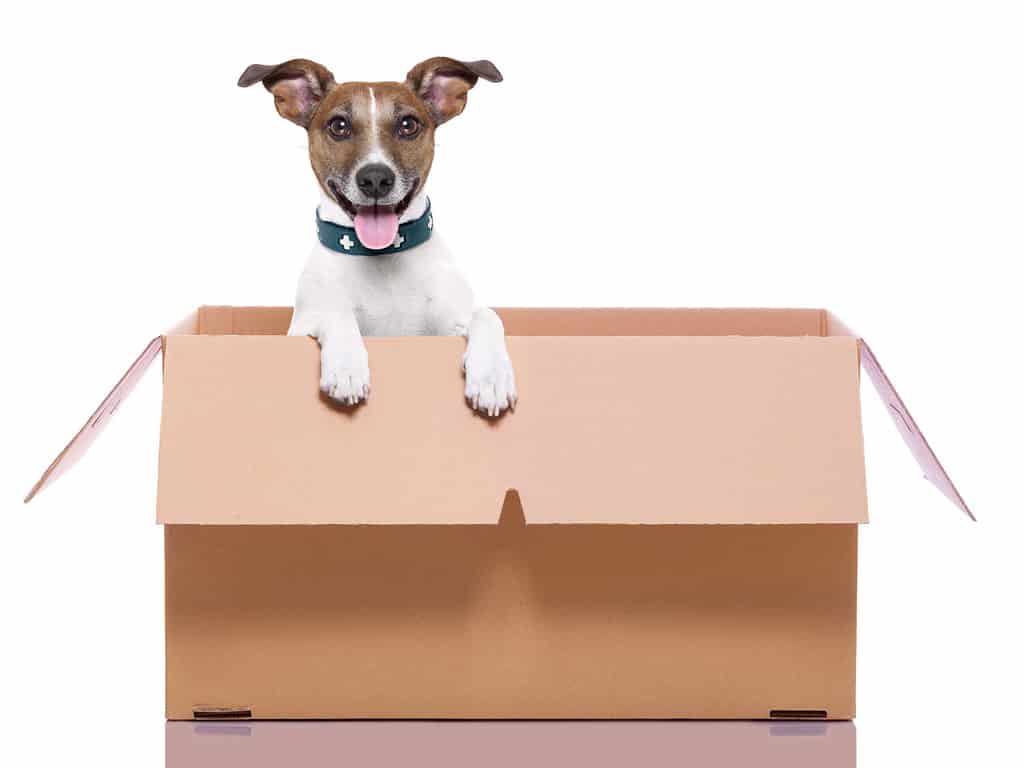
When sending mail through the U.S. Postal Service, your dog’s DNA test has the opportunity to become damaged.
©Javier Brosch/Shutterstock.com
As with human DNA tests, dog DNA test samples have the potential to become damaged in transit.
The U.S. Postal Service provides the shipping and handling services for major dog DNA tests like Embark and Wisdom Panel. According to 2022 data, nearly 10% of boxes and packages shipped become damaged and have to be re-shipped. Your dog’s sample has the chance to be in that category — which means waiting for another kit to arrive, making your dog uncomfortable for the test again, and submitting another sample with the hope it will arrive safely, timely, and undamaged.
Test Results May Affect Breeding Businesses
If you run a breeding business and choose to get your dogs’ DNA tested to disclose the lineage to the new owners of your litters, you may have some unintended consequences.
Many civilians believe a purebred to have 100% of their DNA marked for a certain breed, be it a poodle, a French bulldog, or a German shepherd. However, breeders internationally agree that the full-blood genetics required to call a dog purebred is only 87.5% of one breed. This percentage usually accounts for mixed breeding from generations ago, but amateur dog owners don’t think too far into dog genetics. Instead, they look at the numbers and form their own opinions about the legitimacy of a dog’s lineage.
If your dog’s results have less than a percentage in the high 90s, you may open your breeding business up to questions and even drive customers away.
The Results Take Long to Receive
If you’re looking at getting a dog DNA test for a certain occasion or time-sensitive reason, you may want to think twice. At a minimum, you’ll get the results of your test back in a little less than a month. The usual time frame is six to eight weeks.
Furthermore, this results window doesn’t account for first ordering the product, finding a time to test your dog, and sending it in. Once you send the sample, it’s out of your hands — and human error can very easily lose or damage the item. While most of the DNA collecting companies will send you another sample kit free of charge, this elongates the process by another couple of weeks on top of the time you’ve already waited for results.
Customer Service May Be Unhelpful

Some reviewers of Embark have cited terrible customer service for ruining their experience.
©Viktorya Telminova/Shutterstock.com
Depending on the dog DNA test company you use, you may encounter incredibly unhelpful customer service. While this sounds like a minor issue, some customers report this ruining their entire experience.
Most of the poor customer service comes in during the mailing process. When samples get lost or damaged, customers become rightly frustrated — after all, these tests cost a pretty penny. Negative reviews of Embark, in particular, cited that the moment their sample had an issue, dealing with customer service turned the experience into a nightmare. Despite getting results they were happy with, these customers vowed to choose a different company based on the poor experience they had.
The Test May Cause Anxiety About Your Dog’s Age
Shelter dogs especially have “rough” ages. Because many come off the street with no information prior to their arrival, shelters and rescues ask vets or their staff to give a “best guess” on how old the dog is. This estimation could be months or years off of their actual, biological age — especially if they’re adult dogs.
Dog DNA tests measure the length of its telomeres, which are caps at the end of chromosomes that essentially keep DNA in place. They tend to shorten with age, which some tests can measure and then provide an indication to how long of a lifespan your dog has.
The science on this test is spotty — even an industry leader took their age test off the market to continue to refine the science behind it. As such, it’s not worth the stress that may come with results that say your dog is much older than you thought. Chances are, you’ll focus too much on the “time you lost” rather than simply focusing on the time you have.
It Won’t Change How Much You Love Your Dog
While it goes without saying, the results of your dog’s DNA test won’t change how much you love your dog(s). “Good” or “bad” results — like finding out that your purebred isn’t actually purebred, that your dog may be a carrier for a specific disease, or simply that they’re not the mix of breeds you thought they were — aren’t reasons for you to change how you feel about your best friend.
At the end of the day, the results simply don’t matter. If you choose to buy a dog DNA test, you’ll basically pay for a little extra information your breeder or shelter didn’t give you that won’t have a bearing on how you interact with your pup. Depending on the results, it may spur you to give your dog different food or medicine, but this is something to trust a veterinarian with rather than your own intuition after receiving results.
What Are Dog DNA Tests?
As the name suggests, dog DNA tests take a DNA sample from your dog’s tissue, analyze it in a lab, and place it against other samples in a database. They’re very similar to human DNA tests, which tell you from where your ancestors come.
The most common findings dog owners look for when purchasing a dog DNA test is their dog’s breed (or mix of breeds), the genetic diseases they may be a carrier for, and the biometric age of a dog.
What Do Dog DNA Tests Measure?
These tests measure your dog’s unique genetic code that remains embedded in their DNA. The labs that run these tests have technology that processes the sample you’ve sent in to “decode” the DNA puzzle. This is a process known as genotyping. Once the lab has fragments of DNA to pit against hundreds of thousands of genetic markers with proprietary probes, they’re able to discover what breeds are in your dog’s lineage, their biological age, and more.
Alternatives to Dog DNA Tests

If you’re interested in finding out what your dog’s lineage is, consider consulting a vet, the breeder, or the rescue from which you adopted your pup!
©Karen Dole/Shutterstock.com
Instead of choosing to buy a dog DNA test, you can learn more about your dog’s health through your veterinarian or from where you got them.
As mentioned above, your veterinarian will tell you the most common risks they see with your dog’s breed based on the region in which you live. This offers a more comprehensive and unique diagnosis than what the DNA tests can tell you. In addition, vets have access to your dog’s complete medical records, so they understand their preexisting conditions, lifestyle, and allergies. Armed with this knowledge, they have a better ability than a database to tell you the potential health risks your dog might have.
Whether you adopted your dog from a breeder or a shelter, going back to their paperwork may tell you more about their ancestry. Breeders, especially those registered by the American Kennel Club, often keep lengthy records about the dogs they breed so puppy owners can reference their health and personality. While shelters usually don’t have records that extensive, you can request your dog’s file again, and talk with any of the volunteers or employees who may have handled your pup’s intake. This might shed more light on the situation in which they were in and any health conditions they or their littermates had prior to adoption.
Conclusion
Sure, dog DNA tests are fun if you have some money to blow and your dog doesn’t mind a strange swab in their mouth. However, the value of the test often isn’t worth the money based on inconclusive or incorrect results, the stress results may cause, and alternatives like veterinarians or breeders providing similar or better information on lineage and health conditions.