Tsunamis are powerful ocean waves caused by a variety of factors like earthquakes, volcanic eruptions, landslides, or even meteor impacts that displace large volumes of water. Unlike typical waves, tsunamis travel at incredible speeds across entire oceans and grow dramatically in height as they approach shallow coastal waters. This catastrophic natural disaster often arrives as a series of destructive surges rather than a single wave, capable of flooding communities, destroying building, and reshaping coastlines within minutes. While modern warning systems now help detect and track these waves, tsunamis continue to remain one of nature’s most unpredictable and devastating forces.
The east coast of the United States, more specifically the Northeast, is relatively blessed when it comes to suffering from natural disasters. The tornados of the Midwest, the earthquakes of the southwest, and the hurricanes of the southeast are all avoided in the northern east coast. But a few million years ago, an absolutely huge tsunami crashed into the east coast of the North American continent, decimating everything in its wake, including marine animals.
What was the largest tsunami to have ever occurred?
©Michael Vi/Shutterstock.com
The largest tsunami to have ever occurred happened 66 million years ago and ushered in the end of the dinosaur and the start of a new biological era for the Earth.
Before we say just how big this tsunami was, let’s understand its relative size in reference to waves that have happened in recent human history.
The largest and deadliest in human history
©D.J. Miller, United States Geological Survey / public domain - Original
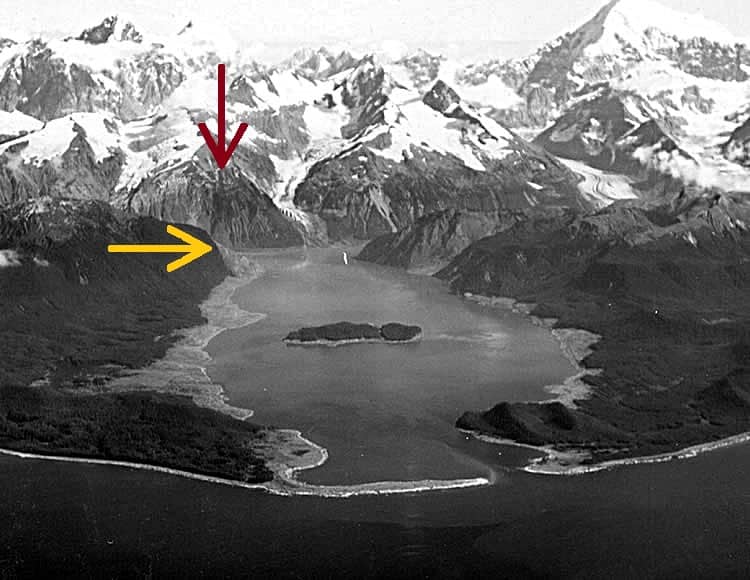
The largest tsunami in recent human history occurred in 1958 off the coast of Alaska, in Lituya Bay. This immense wave was nearly 1,700 feet high and swamped 5 square miles of land, clearing hundreds of thousands of trees. Incredibly, only two people died during this monster of a wave.
The largest and deadliest in human history (cont.)

©U.S. Navy photo by Photographer's Mate 2nd Class Philip A. McDaniel / public domain - Original
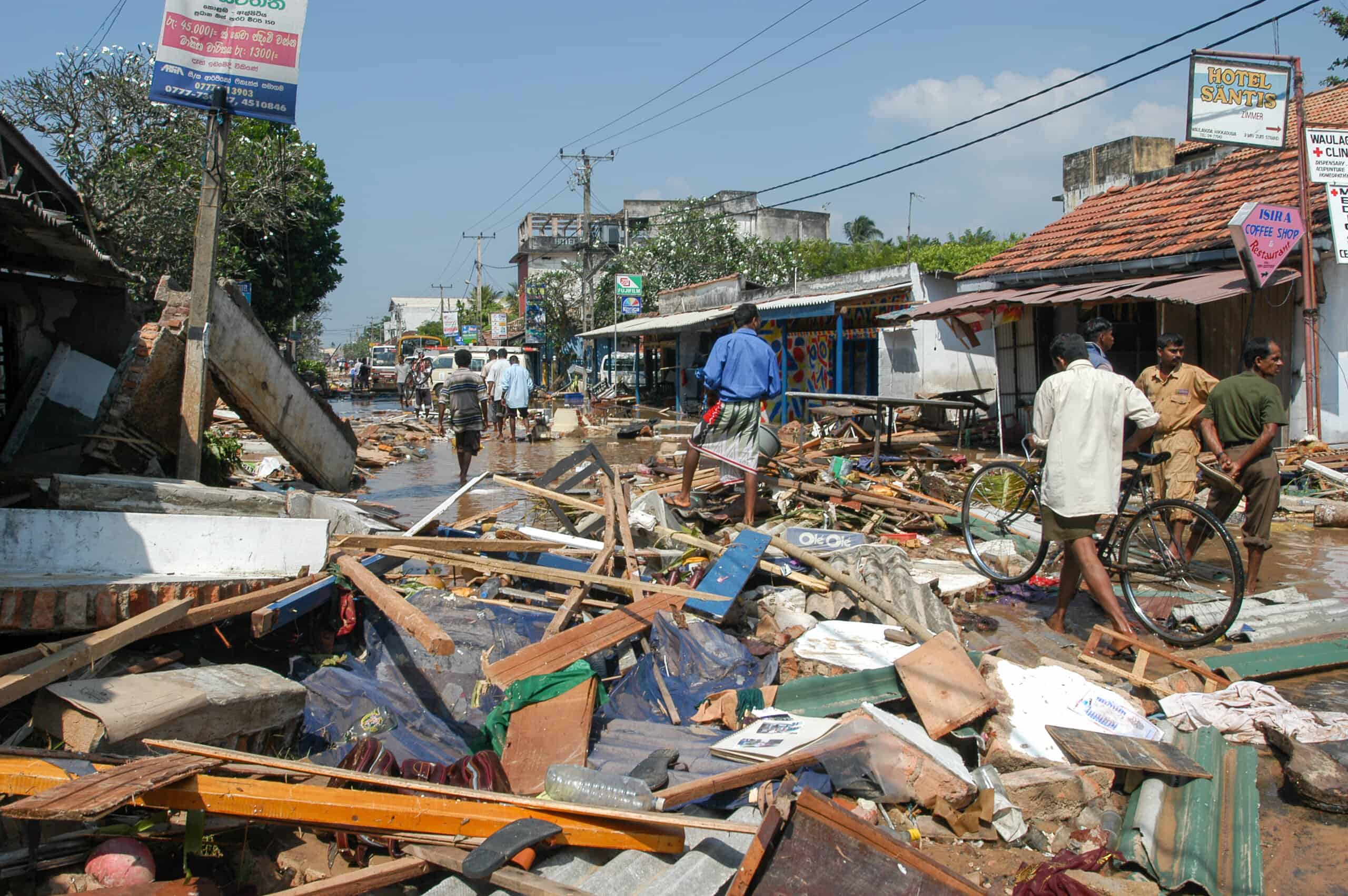
The deadliest tsunami in human history occurred in 2004 on December 26th. An earthquake in the Indian Ocean sent a wave 100 feet high, rolling across the extremely populated coast of Sumatra. Within hours, nearly 230,000 people died.
The size of the largest tsunami ever
©Stefano Ember/Shutterstock.com
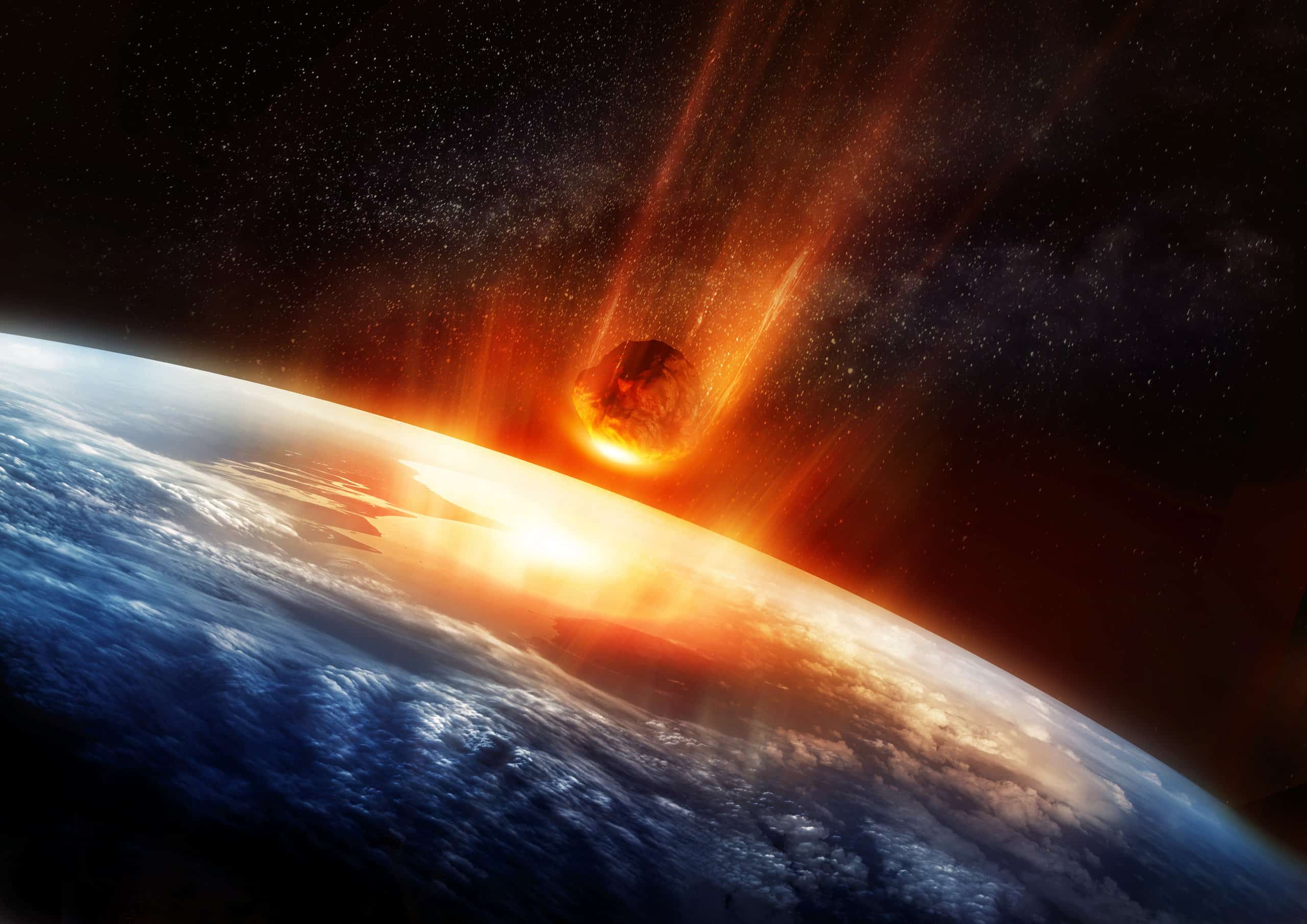
Even these monumental waves, despite their size or death toll, don’t compare to the largest in geological history. That tsunami occurred when the dinosaur-killing asteroid hit the Earth. This asteroid is estimated to have been around 6 miles in diameter and struck the Earth with the energy of 100 teratons worth of TNT (the largest nuclear bomb ever had two-millionths the energy).
Taller than the Alps!
©solarseven/Shutterstock.com
Once the asteroid hit, it sent a 3-mile-high wave radiating out from the impact zone, destroying anything within a few hundred miles. For reference, the wall of water would have been the same height as the total distance run in a professional 5k race. Even more, it would have been taller than the Alps in Europe. A wall of water as tall as a mountain range is the stuff of nightmares!
Don’t Worry…
©Tum Kia/Shutterstock.com
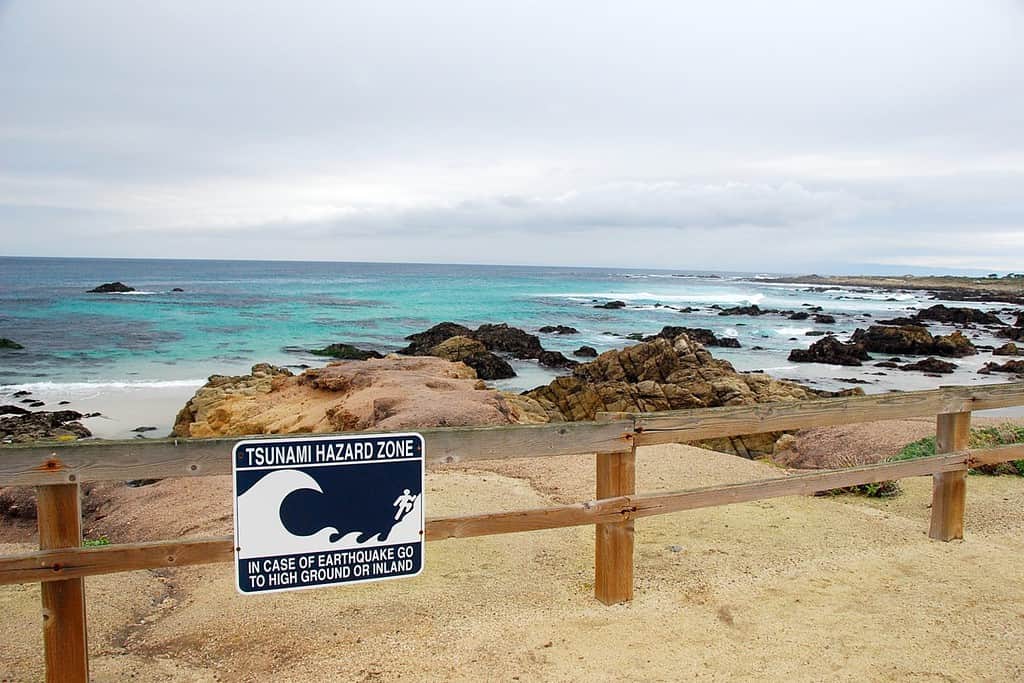
Thankfully, nothing today is likely to cause a megatsunami the size of that one. In fact, the event that caused the tsunami was so huge that the monstrous wave was probably the least of surviving animals’ worries at the time!
The Cause
©Dima Zel/Shutterstock.com
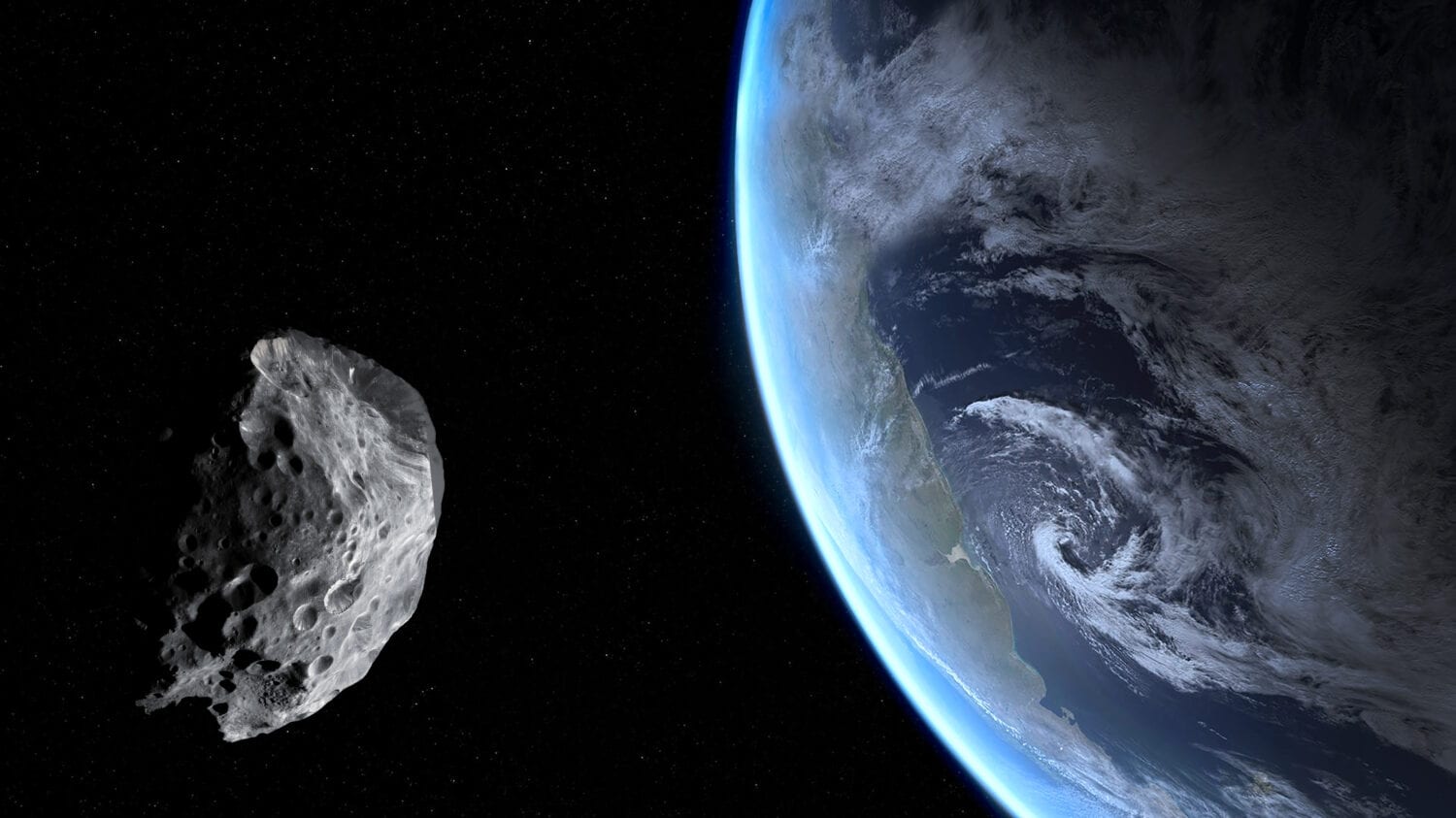
The cause of the wave was a massive asteroid that slammed into Earth, traveling 30 km/s or 67,108 mph. The asteroid struck Earth just north of the modern-day Yucatán Peninsula, right in the Gulf of Mexico. The impact was so strong that it left a crater in the sea floor large enough for us to see today. This large asteroid was the famous one that initiated the fall of the dinosaurs, nearly 66 million years ago.
The End of the Dinos
©serpeblu/Shutterstock.com
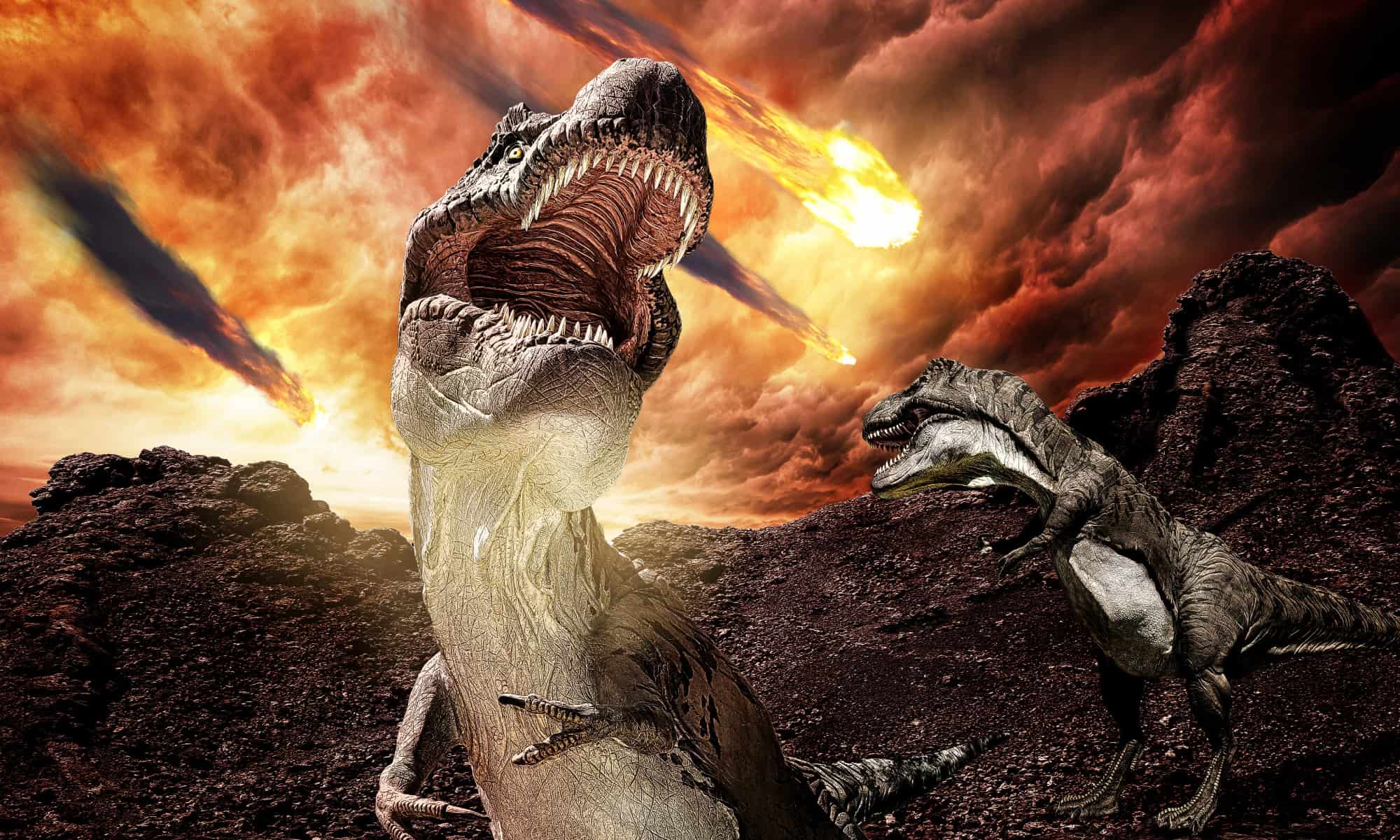
Once the asteroid hit with the power of 2 million Tsar Bomba (the largest nuclear bomb to have ever been made), it sent the wave radiating outwards. Additionally, a cloud of debris entered the sky, killing most plant life and dropping the temperate of the entire globe. With the death of most plant life and a change in climate, large dinosaurs simply couldn’t survive long-term, even if they did survive the blast.
Where did the megatsunami hit?

©Triff/Shutterstock.com
After the initial impact of the asteroid, the tsunami would have immediately begun traveling outward in a radius. Besides evaporating almost anything nearby, the residual wave would have traveled north and impacted the coastline of the Gulf of Mexico, including the modern-day states of Texas, Louisiana, Alabama, Georgia, and Florida. By the time the wave reached the coast, it would have been around 1 mile high, followed by subsequent ripples. The ripples would have been around 1 km apart from each other and averaged 16 meters tall.
Did anything survive the megatsunami?
©Dotted Yeti/Shutterstock.com
Although life on Earth did survive the impact of the asteroid and the ensuing complications, it would have had to be some distance away from the strike zone. Anything within range of the initial blast would have been vaporized, and any animals living along the modern-day Gulf of Mexico would have been killed by the wave that swept through. Some animal life could have survived further inland, but no large animals along the coast are likely to have made it.