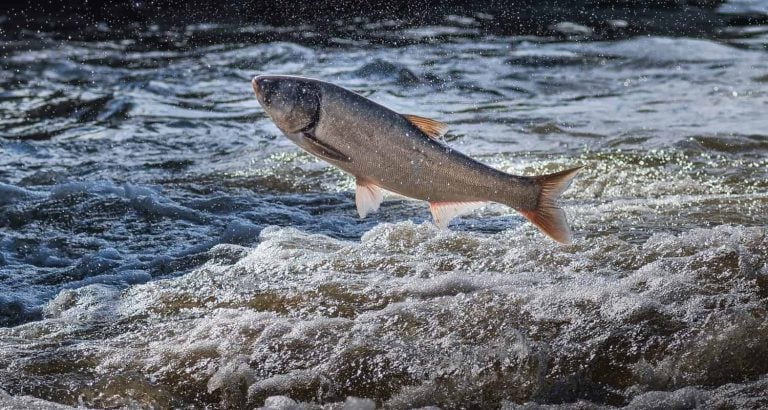
Finding a ghost may not sound like good news to most of us! However, this particular ghost sighting is a reason to celebrate for scientists and conservationists. The “Mekong Ghost” has become a common reference to the giant salmon carp (Aaptosyax grypus). This fish is found only in Southeast Asia’s Mekong River. It received its ghostly nickname due to its extreme scarcity.
A Ghost Reappears
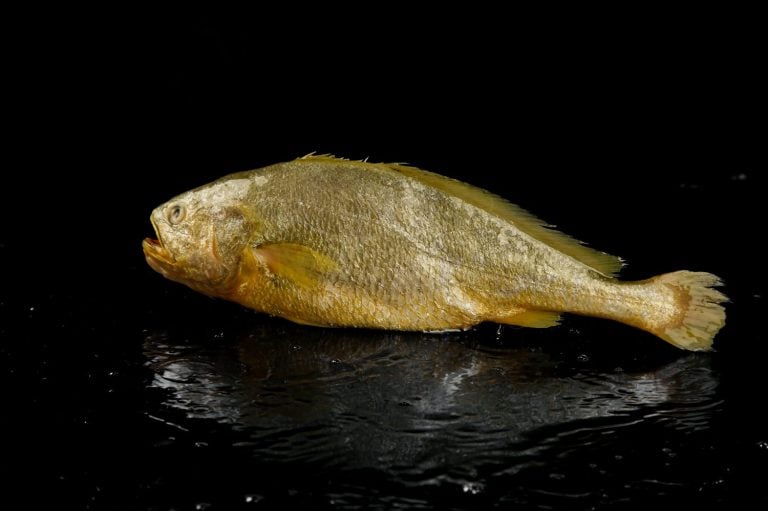
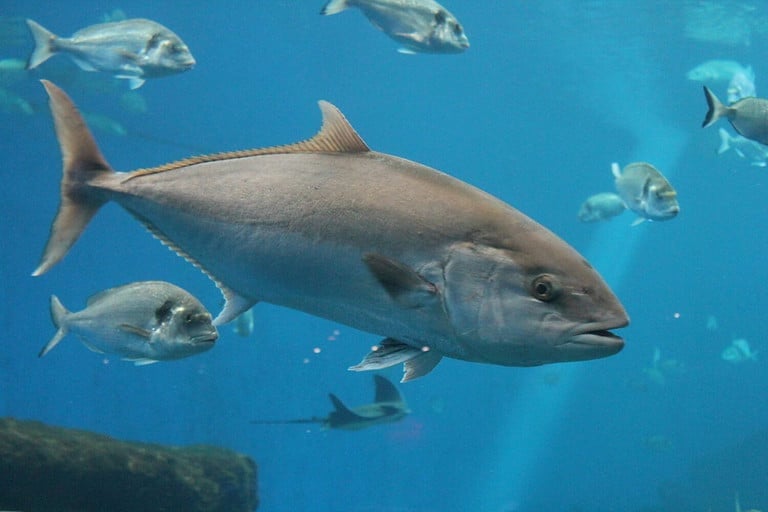
The last documented sighting of an adult giant salmon carp was in 2004. Many experts were beginning to fear that the fish was now extinct. Those fears have now been quelled, if only slightly. A giant salmon carp measuring three feet long and weighing 13 pounds was found at a local wet market along the banks of the Mekong in 2022. Though the fish at the market was dead, it gave rise to the hope that the species may still be swimming in the waters of the Mekong today.
This fish is so rare that it doesn’t even have a name in the indigenous languages of the region. When a merchant at the wet market noticed the fish, he took a picture. He then notified Chan Sokheng, a biologist with the Cambodian Fisheries Administration. The fish merchant told Sokhend of the trey chamlek, a Khmner phrase that translates as “strange fish.” Sokheng looked at the photo and recognized it as the imperiled giant salmon carp.
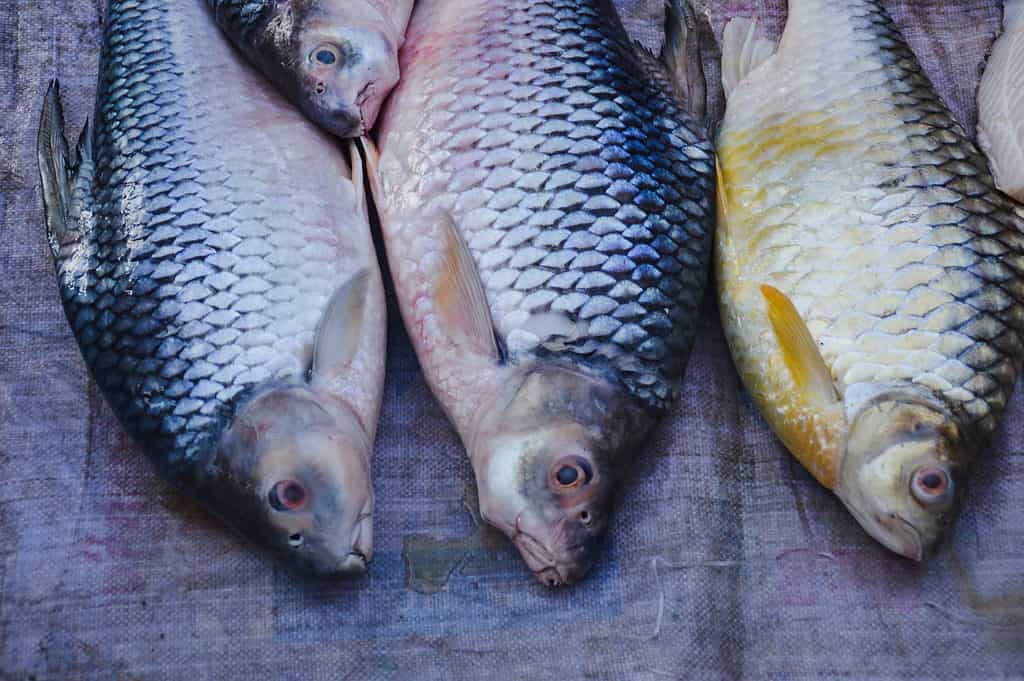
The giant salmon carp was thought to possibly be extinct.
©marie martin/Shutterstock.com
A Critically Important River
The Mekong River is the 7th-longest river in Asia and the 12th-longest in the world. It flows through six nations: China, Myanmar, Lao Peoples Democratic Republic, Thailand, Cambodia, and Vietnam. The Lower Mekong River Basin is home to some 65 million people. It is estimated that as many as 80% of this population depends directly on the Mekong for their livelihoods.
The river is also a hub of biodiversity, with an estimated 20,000 plant species and nearly 1,000 fish species discovered to date. It would be difficult to overstate the importance of this river, given its ecological significance as well as its sizable impact on human flourishing.
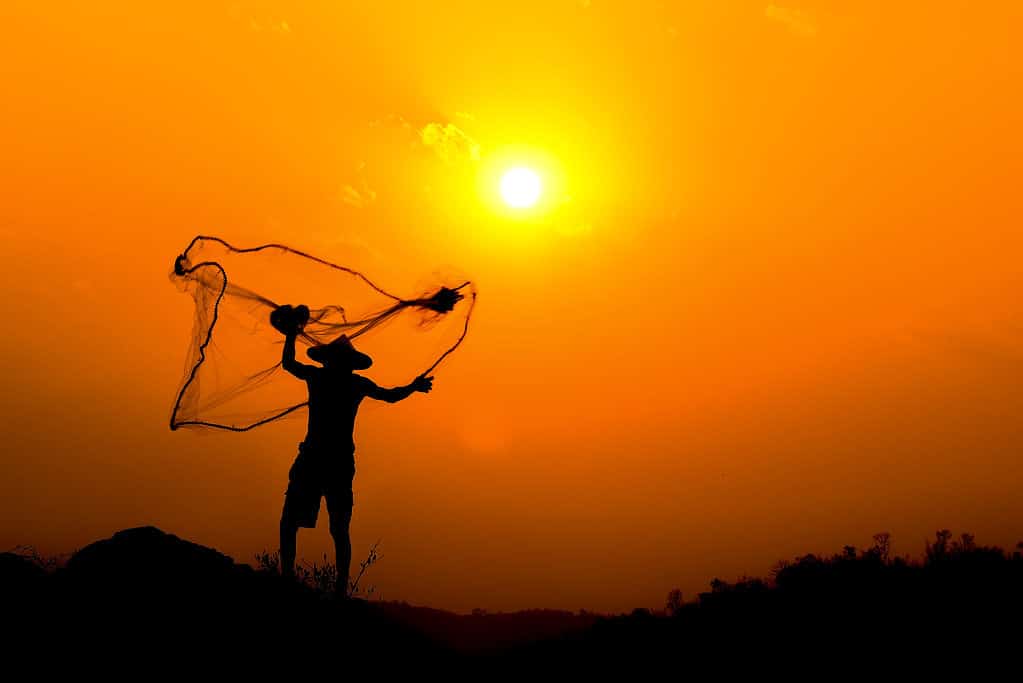
Millions of people, including this fisherman, depend on the Mekong River for their livelihoods.
©Sunti/Shutterstock.com
A Threatened Ecosystem
The river has come under increasing threats, though. Overfishing, dam building, and climate change have all presented new dangers to the Mekong ecosystem.
One of the more significant threats is to the megafauna (large or giant animals in a region) of the river system. Some of the most threatened species on earth pertain to freshwater megafauna. There are estimates of a 97% loss of freshwater megafauna in Asia since 1970.
The Mekong giant catfish, for example, is a rarely-seen species today. The largest recorded individual Mekong giant catfish was ten feet long and weighed an astonishing 646 pounds. It is believed that there may be no more than a few hundred of these fish left in the 2,700-mile-long Mekong River.
The giant salmon carp is even rarer than this, though. It was feared that this “Mekong Ghost” was lost forever, but a single fish that showed up in a local Cambodian wet market may have revealed to the world that all hope is not lost.
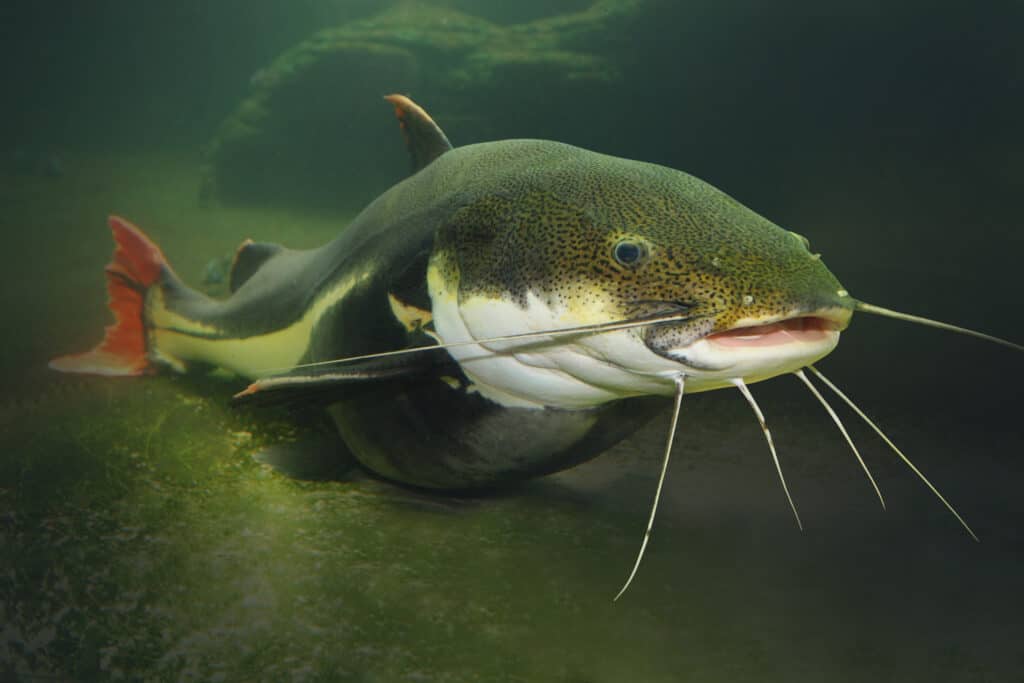
There may only be a few hundred Mekong giant catfish left in the world.
©Kletr/Shutterstock.com
Hope for the Mekong
There are other reasons to be optimistic about the at-risk fish of the Mekong. Last year, significant numbers of the endangered Mekong shad were documented. And then, in June 2022, scientists and local fishermen tagged and released a giant freshwater stingray weighing 661 pounds, setting the world record for the largest freshwater fish ever documented.
Conservationists are hoping that this is the beginning of a revival for the Mekong and its freshwater megafauna. They are also hoping that the giant salmon carp will be the next success story in this renaissance.
Zeb Hogan, a fish biologist at the University of Nevada, Reno (UNR), celebrated this finding. He has spent his career studying the fish of the Mekong and leads a research project to spotlight the river’s importance. In a press release from UNR, Hogan said, “The discovery of yet another amazing, but highly endangered animal, in an area that supports the livelihoods and food security of millions of people, shows plain as day the urgent need for conservation programs and the potential benefits of government, scientists and local communities coming together to safeguard the wonders of the Mekong.”
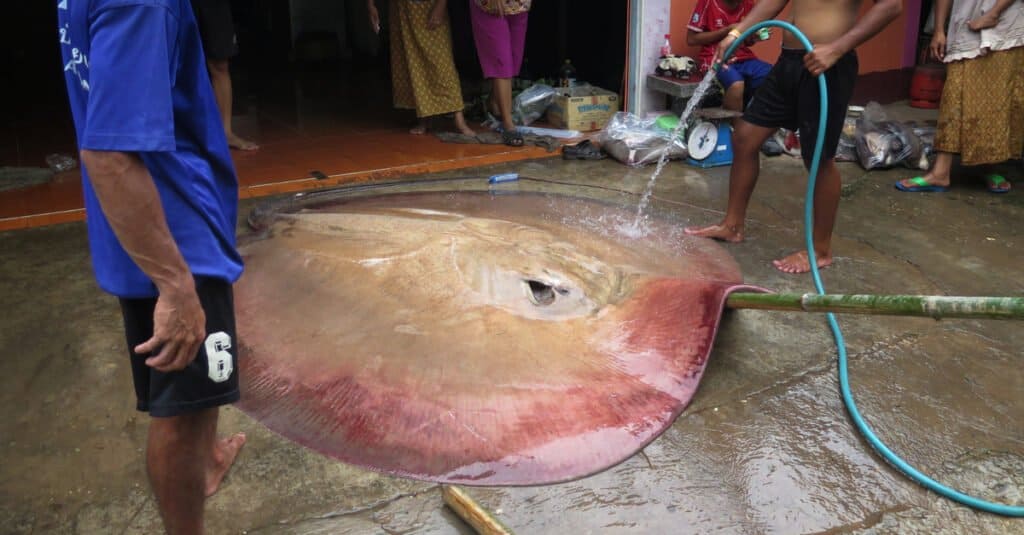
This giant stingray was caught in the Mekong River
©Mekong on tour/Shutterstock.com
Final Thoughts
Through the continued efforts of these communities, the Mekong River could be on the precipice of a turnaround. It’s a recovery that will undoubtedly take years, possibly even decades. But there is reason to hope. And a small bit of that hope comes from knowing that a ghost may still haunt the muddy waters of the Mekong.
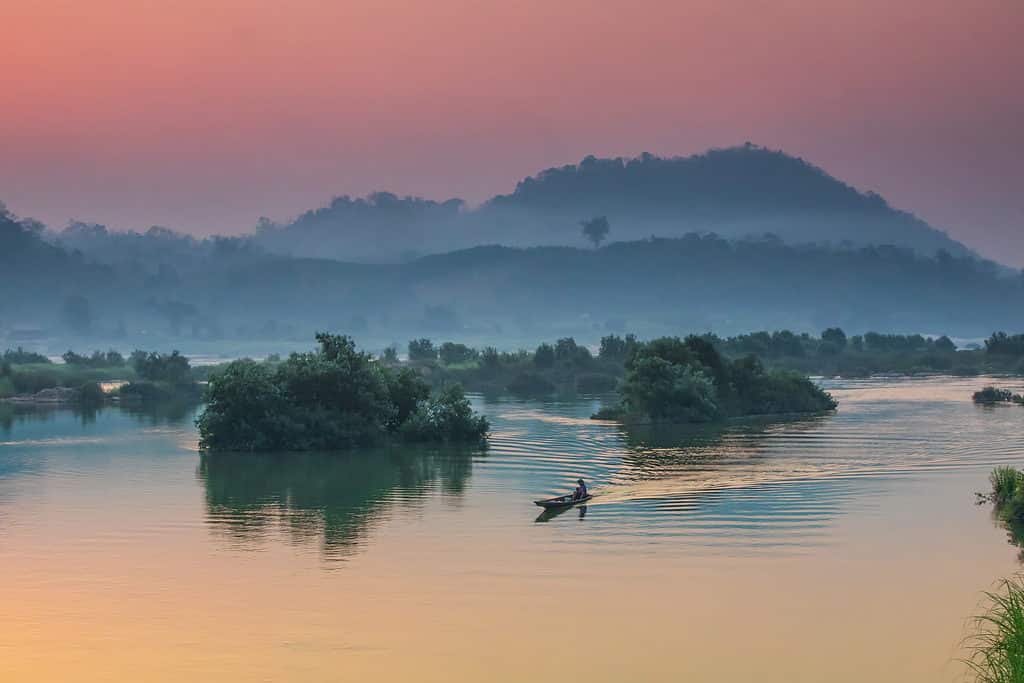
Could a new day be dawning for the Mekong?
©Nakornthai/Shutterstock.com