Quick Take
- The giant golden-crowned flying fox has been documented in Flora, Apayao, adding an important record to the region’s biodiversity data. Read about the discovery →
- These endangered bats are endemic to the Philippines and are among the largest bat species in the world. See their wingspan details →
- Giant golden-crowned flying foxes help forests regenerate by dispersing seeds as they feed on fruit. Discover their forest role →
- Habitat loss, hunting, and disturbance at roosting sites threaten these bats, making forest protection vital for their survival. Explore the habitat threats →
Bats are some of the most unusual animals in the world and can vary in size from just a few inches to several feet. One of the largest bats in the world is the golden-crowned flying fox, which has recently been documented in the forests of Flora, Apayao in the northern Philippines. These bats are endemic to the Philippines and are vital for the health of the ecosystem. Keep reading to learn more about these huge bats and why they are so important!
A New Species for Apayao’s Forests
The giant golden-crowned flying fox (Acerodon jubatus) was recently documented in the forests of Flora during a threatened-species monitoring survey conducted by the Department of Environment and Natural Resources (DENR) and the Apayao government. This is the first time that these bats have been recorded in the forest, making them an important discovery for the region. The survey was part of ongoing efforts to document threatened animals. Apayao is a UNESCO-designated Biosphere Reserve, which means that information about the species living within it is particularly important for understanding and protecting its biodiversity.

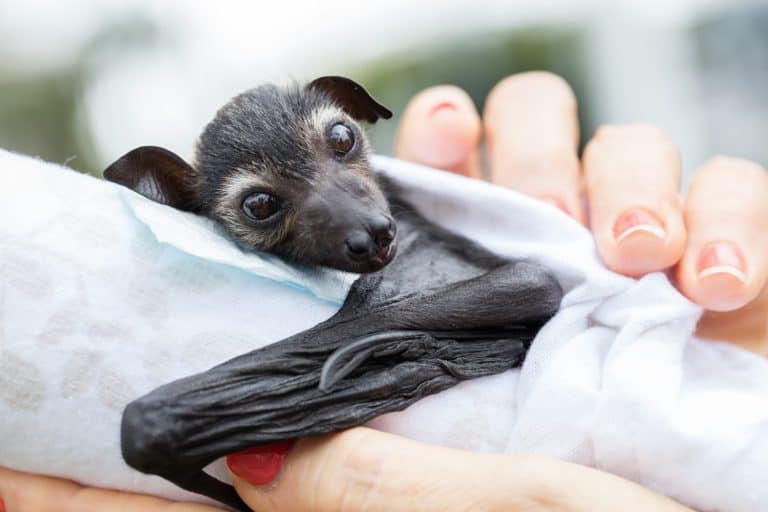
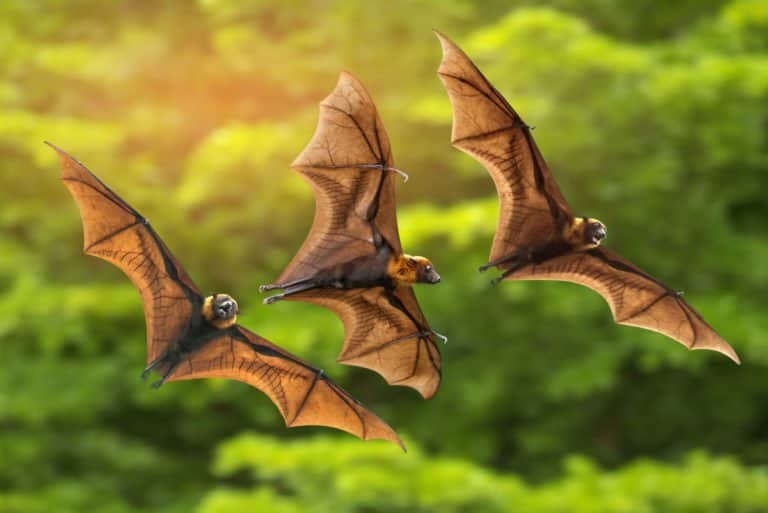
Giant golden-crowned flying foxes are an important discovery in Apayao.
©OREON Digital Composition/Shutterstock.com
Giant golden-crowned flying foxes have a fairly widespread distribution across the Philippines and are mainly found in mature lowland forests. However, they are absent from the Palawan region and the Batanes and Babuyan island groups. They are classified as endangered species by the IUCN as they have a decreasing population. The exact figures are not known, but it’s estimated that there are fewer than 10,000 of them left. In some mixed-species colonies, only around 5% of the colony are giant golden-crowned flying foxes. This drops to just 2% in areas where the roosting locations have been particularly disturbed.
The relatively small population makes understanding where these bats live especially important so that their forest habitats can be protected. The information gathered in the survey is added to Apayao’s biodiversity database to help support habitat protection. The DENR has proposed that the area be designated as a Critical Habitat. This designation could provide further protection for the threatened species that live there.
What Are Giant Golden-Crowned Flying Foxes?
Giant golden-crowned flying foxes have a huge wingspan of approximately 4.9 to 5.6 feet. They are the largest bats in the world and are an impressive sight soaring across the sky. Despite their vast wingspan, they have relatively small bodies of around 10 to 13 inches long. However, they are still larger than most other bat species. They are also amongst the heaviest bats in the world, with a weight of around 3.1 pounds. They exhibit sexual dimorphism and males are generally a little larger than females.
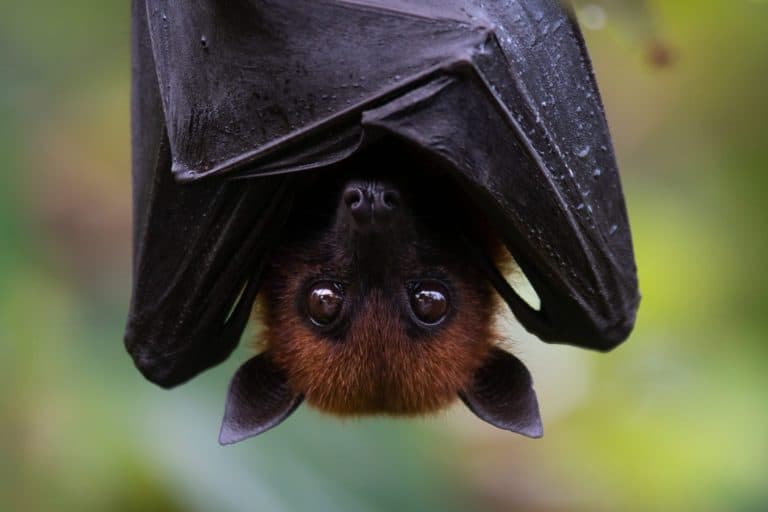
Giant golden-crowned flying foxes get their name from the golden or yellowish coloration on their head and neck. Their backs are reddish-brown, while their face, throat, and underside are typically black, contrasting with their lighter head.
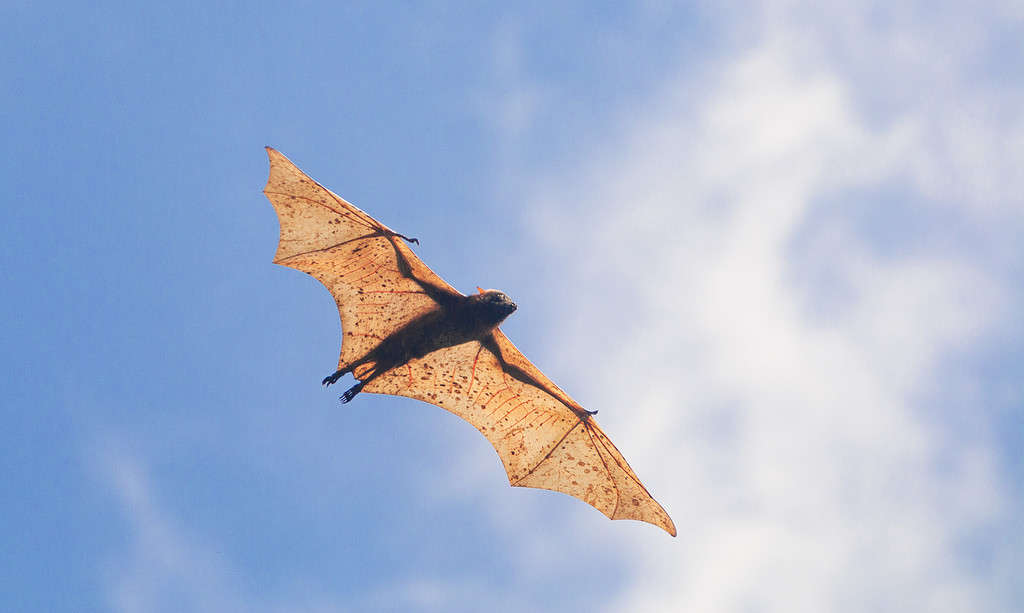
Giant golden-crowned flying foxes have a massive wingspan of more than five feet.
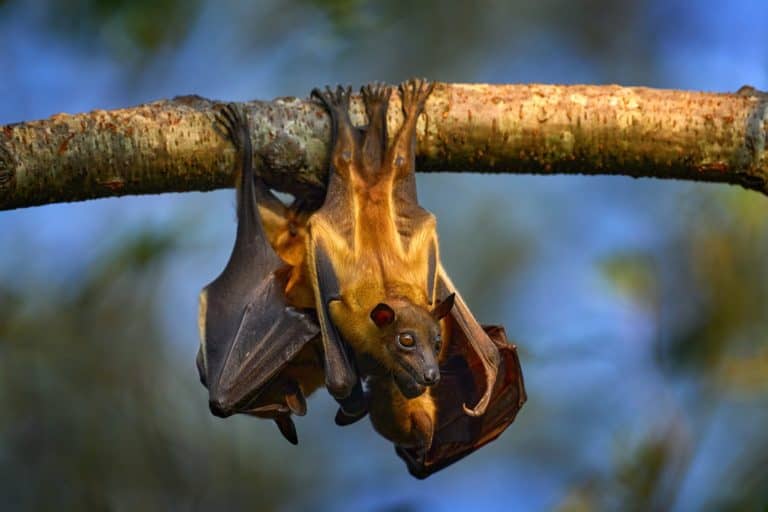
Despite their size, golden-crowned flying foxes primarily feed on fruit and other plant material, with figs being one of their main types of food. They are mainly active at night and leave their roosts to search for food in the trees. During the day, they rest in trees, often in large colonies. These colonies can sometimes include the large flying fox (Pteropus vampyrus), a species that was also documented in Apayao’s survey, although the two species were roosting in separate trees.
How Do Giant Golden-Crowned Flying Foxes Help Forests?
Giant golden-crowned flying foxes are also a vital discovery for Apayao because they are extremely beneficial for forests. Because they feed on fruit, these bats are important seed dispersers. As the bats move across the forest, seeds are deposited through their droppings, helping plants and trees grow in new areas and contributing to forest regenerate.
By spreading seeds over long distances, these bats help to maintain the diversity of plants within the forests. By dispersing seeds away from the trees they came from, it can help plants to regenerate in areas where vegetation has been lost. This is particularly important in forests that have been disturbed, as new growth helps to restore habitats and create new feeding and nesting areas for wildlife.
Despite their benefits, giant golden-crowned flying foxes face several serious threats. Hunting and disturbance of their roosting sites has contributed to their decline. However, habitat loss is their biggest threat, even within protected areas. Therefore, it’s vital that the remaining forests are protected so that the bats can continue to breed and contribute to the area that they live in. Identifying where the bats live helps conservationists plan how to protect the most important habitats.