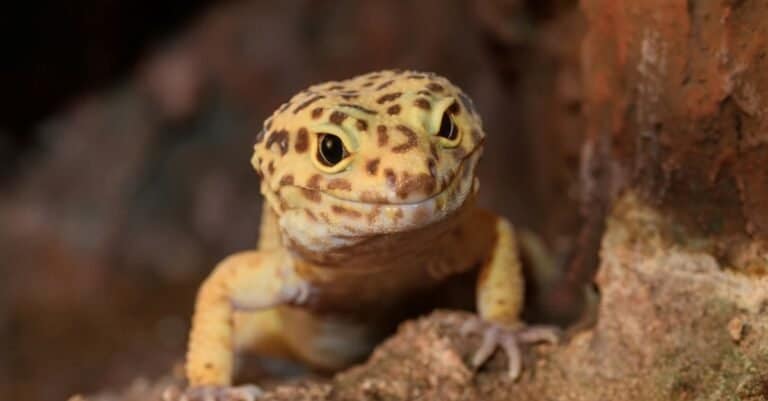
Leopard Gecko
Eyelids, spots, and a power-tail

Eyelids, spots, and a power-tail
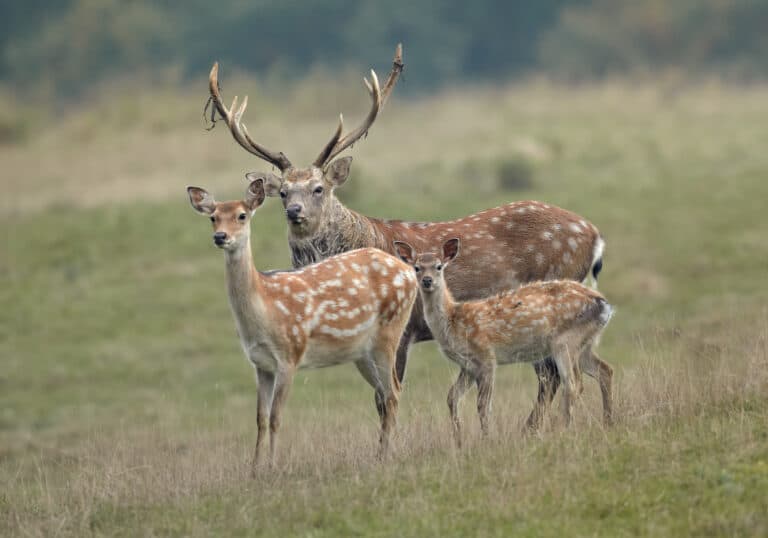
Spots in summer, screams in autumn
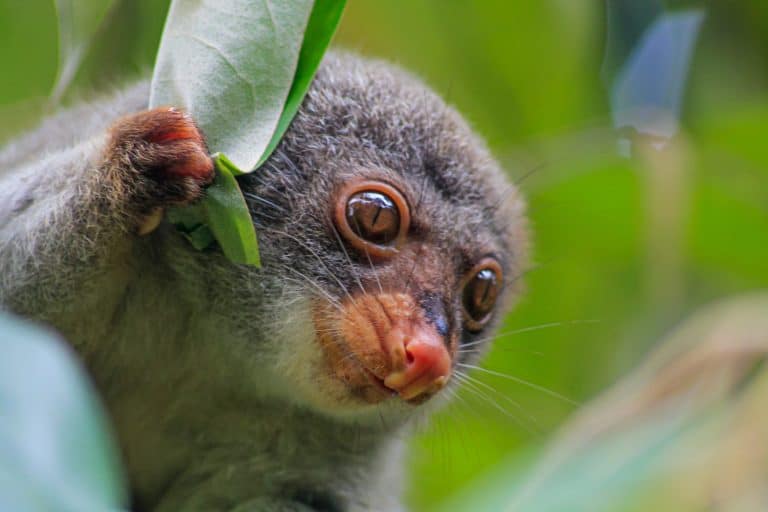
Spotted, silent, and built for the canopy
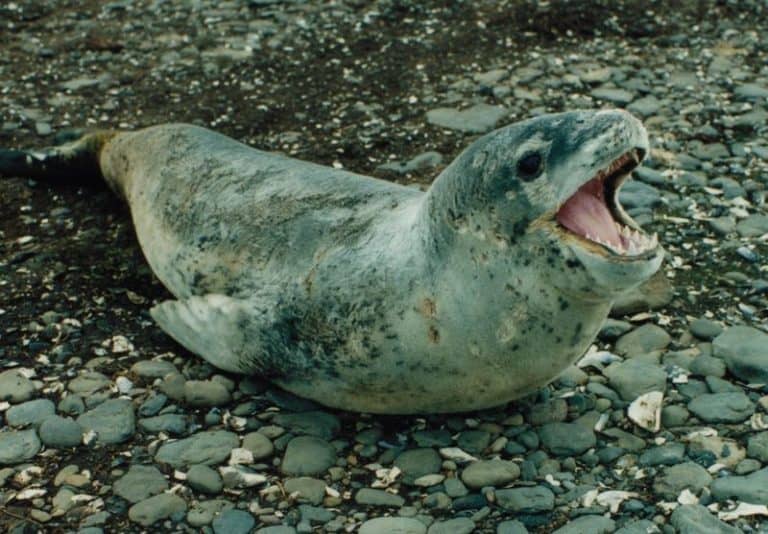
Spotted apex hunter of the pack ice
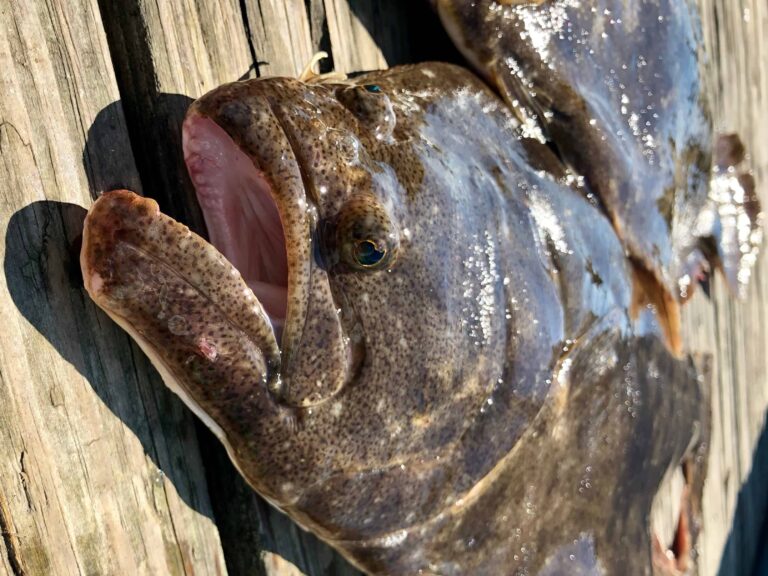
The fluke: seafloor stealth, summer bite.
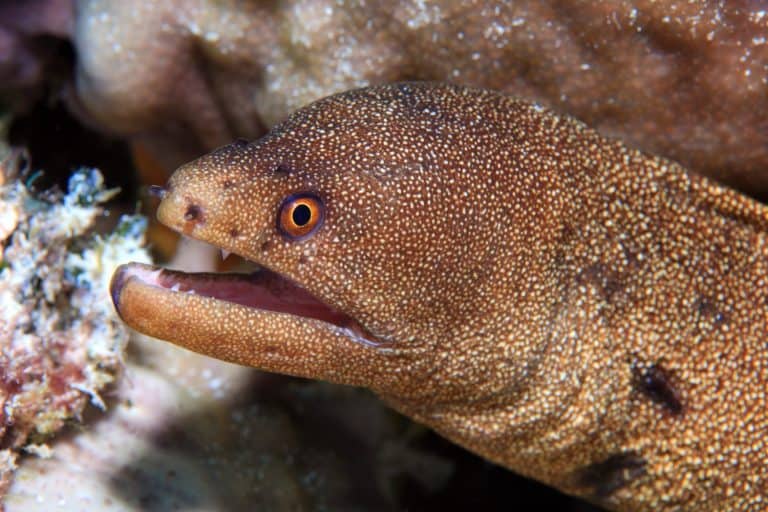
Golden tail, midnight hunter
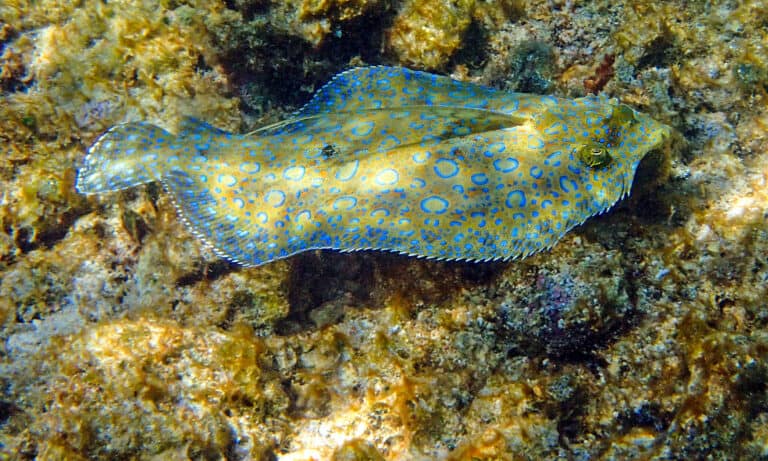
Two eyes, one side-seafloor masters

Spotted swimmer of Asia's wetlands
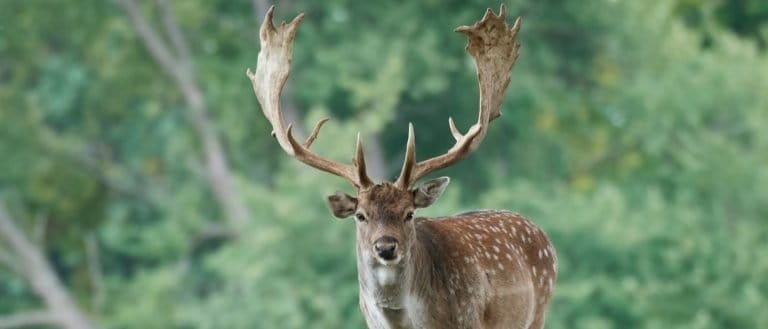
Palmate antlers, spotted summer style
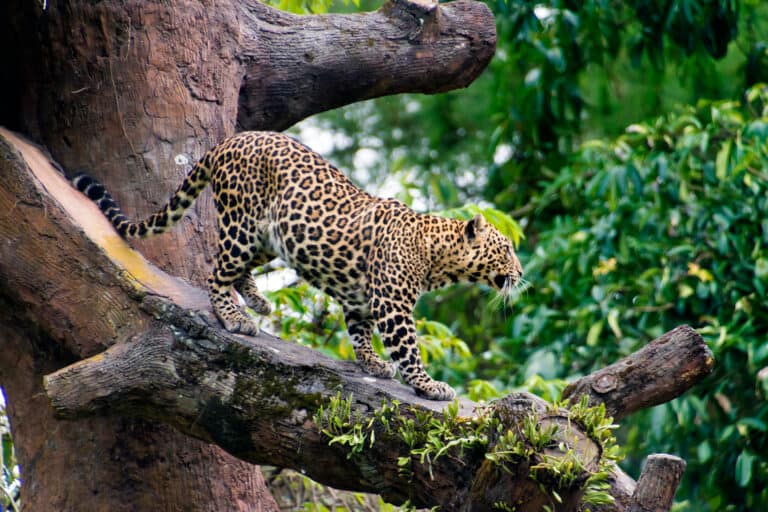
Java's hidden rosettes in the mist
Spotted coloration is a pigmentary and/or structural pattern in which discrete, non-contiguous marks (spots) of contrasting color are distributed across a differently colored background on the skin, fur, feathers, or scales. The spots vary in size, spacing, and boundary sharpness and arise from spatial patterning of chromatophores or melanocyte activity during development.
Spotted patterns are among the most visually striking forms of animal coloration, defined by separate dots, rosettes, or blotches that stand out against a contrasting base color. Because the elements are discrete rather than continuous (as in stripes), "spotted" can describe everything from fine peppering on a bird's plumage to bold, high-contrast patches on a mammal's coat or a fish's skin. The look is highly variable: spots may be tiny and densely packed, widely spaced and sparse, sharply edged or softly blurred, solid-filled or ringed.
In nature, spotting frequently functions as camouflage by breaking up the body outline (disruptive coloration) and creating visual noise that blends with dappled light, leaf litter, gravel, reefs, or speckled substrates. In other cases, spots contribute to signaling-helping individuals recognize mates or rivals, advertising toxicity or unpalatability in aposematic species, or providing conspicuous "targets" used in startle displays. The same basic spotted theme can therefore support very different ecological roles depending on contrast, placement, and viewing distance.
Biologically, spots emerge from developmental patterning processes that regulate where pigment cells (or pigment deposition) occur and how they interact as tissues grow. Changes in the timing and intensity of pigment production, the spacing rules between pigment cell domains, and the expansion of skin or feather tracts can all shift a species along a spectrum from fine speckling to large blotches, or from isolated dots to complex forms such as ringed ocelli and rosettes. This flexibility explains why spotted coloration has evolved repeatedly across mammals, birds, reptiles, amphibians, fish, and invertebrates.
"Spotted" is a high-contrast (or sometimes subtle-contrast) pattern rather than a single color: discrete dots, rosettes, or blotches of one pigment (the "spot" color) appear on a different base/background color. On animals this can present as: - Fine speckling: many small, closely spaced dots that may visually blend at distance into a mottled tone. - Classic spots: clearly separated, round-to-oval marks with consistent spacing. - Rosettes/blotches: larger, irregular patches; rosettes often have darker edges with lighter centers (common in big cats). - Edge quality: spot boundaries can be crisp (sharp, ink-like edges) or diffuse (soft-edged, "smudged" or feathered), depending on hair/feather structure, pigment distribution, and pattern genetics. - Distribution: spots may cluster on flanks/limbs, fade toward the belly, align along the spine, or change size across the body (e.g., smaller spots on legs, larger on torso). Overall the visual impression is a broken-up silhouette that disrupts body outline; the "color" experienced is the interaction of base color + spot color + spacing/scale.
Not a single wavelength range (patterned combination of pigments). Typical spot/background colors draw from visible spectrum ~400-700 nm; some species (especially birds, insects, many fish) may also incorporate ultraviolet reflectance (~300-400 nm) in either the base, the spots, or both.
Because "spotted" is a pattern, representative hex ranges are best described as common background-spot pairings: - Light base (cream/tan) + dark spots: base #F3E6CF-#C8A46A; spots #3B2F2A-#0B0B0B - White base + black/brown spots: base #FFFFFF-#E9E9E9; spots #2B2B2B-#0A0A0A or #5A3A1E-#2B1A0F - Gray base + darker gray/black spots: base #C9CED3-#7A828A; spots #4B4F55-#111315 - Reddish-gold base + dark rosettes: base #E0A24A-#B8772F; rosettes #4A3422-#1A120D - Dark base + pale spots (reverse-contrast, e.g., some fish/amphibians): base #2A2F35-#0B0E12; spots #D6DCE3-#FFFFFF
Humans: Humans (trichromatic vision) typically perceive spotted patterns primarily through luminance and color contrast. High-contrast spot/base pairings read as bold and easily detectable, while fine speckling can visually "average" into a more uniform color at distance. Under dappled light (forest shade, grassland), humans often experience spotting as effective camouflage because it breaks up outlines. Other animals (generalized): - Many mammals (e.g., dogs, deer; often dichromatic) rely more on brightness contrast than hue differences. Spots that differ strongly in lightness from the base remain conspicuous; red-green hue differences may be muted, making some brown-on-reddish spotting less distinct than it appears to humans. - Birds (often tetrachromatic, many with UV sensitivity) may detect additional contrast if either the base or spots reflect UV; a pattern that seems low-contrast to humans can be more obvious to birds, or vice versa, depending on UV reflectance. - Many fish and some reptiles/amphibians have diverse cone sets and can be sensitive to polarization or UV; underwater lighting shifts can alter perceived contrast, making dark-on-light spots stand out at one depth and blend at another. - Nocturnal species with rod-dominant vision emphasize luminance and motion cues; spot size/spacing that creates disruptive luminance boundaries can remain effective even when color discrimination is reduced. In short: "spotted" is perceived mainly through spatial contrast (spot size, spacing, edge sharpness) and luminance differences; the importance of hue varies by species' cone types and any UV reflectance in the coat/skin/feathers.
Very small, dense dots (often < hair/feather-width to a few mm) that can create a peppered look; may read as a single blended tone from far away.
Discrete, clearly separated round/oval spots with relatively uniform size and spacing; strong figure-ground separation.
Large, irregular patches with variable size; often fewer marks with more visual dominance per spot; edges can be sharp or clouded.
Ring-like or broken-ring spots with darker borders and lighter centers; creates depth and complexity (common in felids) and can reduce detectability in dappled habitats.
Intermediate between spots and marbling: spots partially merge or elongate, producing an uneven, "fragmented" pattern rather than clean dots.
Pale or reflective spots on a dark base; common in some nocturnal/reef species where bioluminescent-like contrast or disruptive patterning matters.
High-contrast: black-on-white or dark-on-cream is visually bold; low-contrast: spots only slightly darker/lighter than the base, appearing subtle except at close range or under certain lighting.
Edge-defined spots have crisp margins; diffuse spots have blurred boundaries (e.g., due to feather structure, hair length, or pigment gradients), producing a softer camouflage effect.
Brown to black pigment responsible for dark spots in many mammals, birds, reptiles, and some fish/insects. High local eumelanin production (and/or higher melanocyte density) yields dark spots on a lighter background.
Yellow to reddish-brown pigment that can form lighter spots on a darker background (or contribute to warm-toned spot coloration). Relative pheomelanin enrichment versus eumelanin can create contrasting spot fields.
In many birds, fish, reptiles, and invertebrates, carotenoids contribute yellow-orange-red spot coloration (e.g., orange spots or rings) overlaying or adjacent to melanin-based patterning.
Common in amphibians, reptiles, fish, and insects; can generate yellow/orange/red spots or speckles. Often interacts with melanins and structural reflectors to sharpen contrast.
In some birds and other taxa, porphyrins can contribute reddish-brown spotting (often in eggshells/feathers/skin) and can fluoresce under UV. Less common as a general body-spot pigment than melanin.
Spotted coloration is a versatile, multi-scale pattern that commonly improves survival by reducing detection in visually complex, patchy environments while also supporting recognition and signaling within the species. Its adaptive value is strongest where backgrounds are heterogeneous and where individuals benefit from balancing concealment with the ability to communicate or be identified at close range.
Spots break up the animal's outline (disruptive coloration) and can match naturally "dappled" visual noise (leaf litter, grass shadows, sun-flecked forest floors). Variable spot size/density can create background matching across multiple microhabitats and viewing distances.
Effectiveness: High in patchy-light habitats (woodlands, savanna shade, reef structure) and in complex backgrounds (leaf litter, rocky scree). Often strongest at medium distances where spots merge into overall tone; can drop in effectiveness in uniform environments (open snow, featureless sand, pelagic blue water) or when movement reveals the outline.
Spots can serve as high-contrast visual signals for intraspecific communication (e.g., spacing, dominance, threat displays) and can enhance motion signaling ("flicker" or "flash" effects) when an animal moves, making it harder for observers to track direction or speed.
Effectiveness: Moderate to high where vision is the dominant sense and lighting is sufficient. Particularly effective at close range for conspecifics; can be less effective in low light, dense turbidity, or where chemical/acoustic cues dominate.
Distinct spot arrangements can function as identity badges that help individuals recognize conspecifics and even specific individuals (stable, repeatable patterns). This reduces misdirected mating or aggression and supports social cohesion in group-living species.
Effectiveness: High in visually oriented species with repeated encounters (social mammals, many fishes, some birds). Reduced in highly nocturnal settings, very dense vegetation, or when spots are frequently obscured by mud, molt, or seasonal coat changes.
Spot number, symmetry, contrast, or regularity can act as condition-dependent ornaments or cues to age/health, influencing mate choice. In some taxa, exaggerated or higher-contrast spotting may be favored even if it slightly increases detectability to predators.
Effectiveness: Variable: high where mates assess visual traits and predation risk is manageable; lower where predation pressure strongly penalizes conspicuous contrast or where mating occurs in low-visibility conditions.
Spots can function as predator deterrents via confusion effects (dazzle) during pursuit, or as deflection/false-target markings when spots resemble eyes or draw strikes toward less vital body areas. In some cases, high-contrast spotting may startle predators during sudden reveal (flash display).
Effectiveness: Moderate: most effective during rapid movement (pursuit confusion) or when combined with behavior (freezing in dappled cover; sudden reveal then conceal). Less effective against predators relying mainly on smell/hearing, or in open habitats where outline is visible.
Spotted patterns can resemble toxic or unpalatable species, or mimic common background elements (e.g., pebbles, lichen) beyond simple camouflage. In some communities, similar spot motifs across species can create general resemblance that reduces attack rates.
Effectiveness: Low to moderate overall; high only where a well-known model species exists and predators learn/avoid that pattern. Weak where predator learning is minimal or where the pattern is not reliably associated with unprofitability.
In some animals, bold contrasting spots (especially on bright backgrounds) can function as aposematic signals advertising toxicity, spines, or other defenses. Spots can also be displayed conditionally (e.g., hidden until threatened).
Effectiveness: Variable: high when defenses are real and predators can learn; low when predators are naïve, lighting is poor, or the pattern blends too well with the background (reducing its warning clarity).
Differential pigmentation in spots can alter local heat absorption and radiative properties; spotting may help manage overheating by breaking up dark surface area or by creating micro-variation in heat gain across the body. Effects are often secondary compared with behavior and physiology.
Effectiveness: Low to moderate: potentially beneficial in habitats with intense solar radiation and intermittent shade. Often minimal or context-dependent; wind, fur/feather structure, and posture can overwhelm pattern-based thermal effects.
Often weak to moderate: many species show similar spotting in both sexes when camouflage is crucial (especially for juveniles or ground-dwelling forms). Where sexual selection is strong, males may exhibit higher contrast, larger/bolder or more regular spots, or spot placement that enhances display; females may retain more cryptic, lower-contrast or finer spotting for nesting/offspring protection. In some taxa, dimorphism is mainly in contrast or saturation rather than spot presence/absence.
Spotted coloration can influence conservation in multiple, sometimes opposing ways: (1) Detectability-high-contrast spots may make animals easier to spot for tourists, rangers, or poachers in some habitats, but can also enhance camouflage in dappled environments, reducing detection. (2) Monitoring-unique spot patterns enable noninvasive individual identification via camera traps and photo-ID (widely used for leopards, cheetahs, whale sharks, manta rays), improving population estimates and movement studies. (3) Human preference and conflict-charismatic spotted species can attract ecotourism support, but their skins/pelts may be targeted in illegal trade. (4) Atypical spotting (e.g., unusually bold or pale morphs) may increase capture pressure for private collections or the pet trade, complicating protection efforts.
Many spotted patterns aren't for "blending in"-they can be a moving-target trick. As an animal runs, high-contrast spots can confuse a pursuer's ability to judge speed and direction (a motion-dazzle effect).
Some animals grow out of their spots. Young tapirs are famously born with white spots/stripes that camouflage them in dappled forest light, then lose that pattern as adults.
Leopards vs. cheetahs: what people call "leopard spots" are often rosettes (ring-like clusters), while cheetahs have mostly solid, separate dots-two different pattern solutions that look similar at a glance.
Spots can be "hidden in plain sight." Melanistic (very dark) leopards/jaguars often still have rosettes-you can sometimes see them as 'ghost' patterns under the right light.
Spots can help animals manage heat. In giraffes, the patch network is linked to blood vessels; researchers have suggested patch size/shape may relate to thermoregulation as well as camouflage (exact roles vary by population).
Not all spots are paint-some are structure. In fish and insects, spot color can come from microscopic structures that scatter light (structural coloration), not just pigment.
Think of spots like nature's pixel art: a leopard's rosettes are the "large pixels," while a fawn's speckling is more like fine-grain dithering that mimics sunflecks through leaves.
Whale shark spots are like a star map on a moving continent: each individual's pattern is distinct enough that researchers can match photos to re-identify the same shark over years.
Cheetah spots are more like polka dots; leopard/jaguar rosettes are more like donuts. That small geometry difference can change how the coat breaks up an outline in different habitats.
A giraffe's patches are "continent-sized" compared to a gecko's: the same spotted concept spans orders of magnitude-from millimeter speckles on amphibians to hand-sized patches on megafauna.
In many habitats, spots function like living 'dappled light filters': they mimic the shifting bright-and-dark pattern you see under leafy canopies or tall grass.
Some "spots" are actually rings with a bullseye effect (e.g., blue-ringed octopus), closer to a flashing neon sign than camouflage-same category (discrete contrasting marks), opposite purpose.
Biggest spotted animal: the whale shark (Rhincodon typus) is the world's largest fish, and its back is covered in pale spots used for camouflage and identification.
Fastest spotted sprinter: the cheetah (Acinonyx jubatus)-the fastest land animal-wears solid black spots that help break up its outline in grassland heat haze.
Tallest spotted "canvas": the giraffe (Giraffa spp.), the tallest living land animal, is essentially a walking mosaic-its patches can span from coin-sized to dinner-plate sized depending on population.
Deep-sea standout: the ocean sunfish (Mola mola) can show mottled/spotty patterning on an animal that can weigh over a ton-proof that "spots" scale up dramatically in the ocean.
High-contrast warning champs: the blue-ringed octopus (Hapalochlaena spp.) can display intensely bright blue ring-spots-among the most visually striking spot patterns in nature-and it's a serious "do not touch" signal.
Master of instant spot-making: cuttlefish (Sepia spp.) can generate, erase, and move spot patterns in fractions of a second, making them among the fastest "spotted" visual shifters on Earth.

Small legs. Big hunter.

Silky spaniel, serious gundog.
Spotted apex hunter of the pack ice
Spotted, silent, and built for the canopy
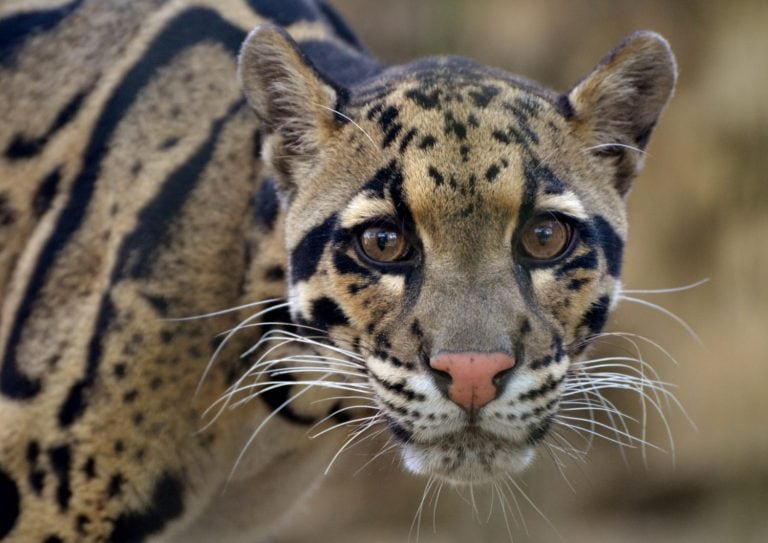
Built for the branches
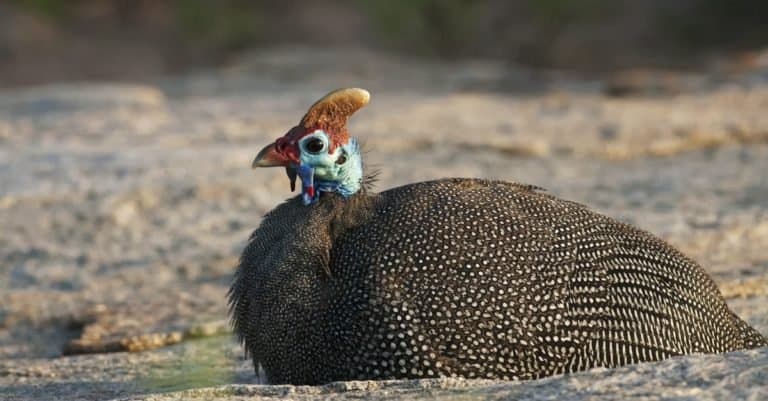
Spotted sentinels of the savanna
Two eyes, one side-seafloor masters
Spotted swimmer of Asia's wetlands
The fluke: seafloor stealth, summer bite.
Palmate antlers, spotted summer style
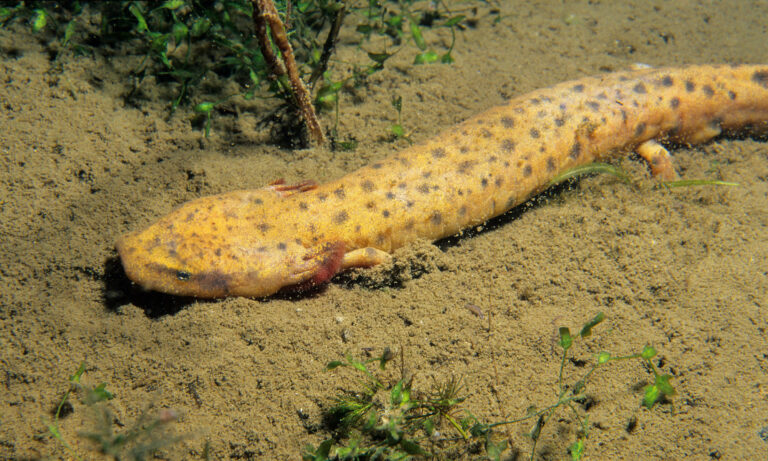
Gilled for life, built for the bottom.
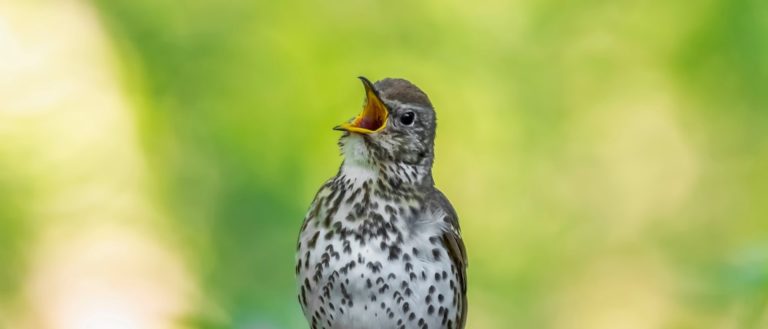
Forest flutes of the world
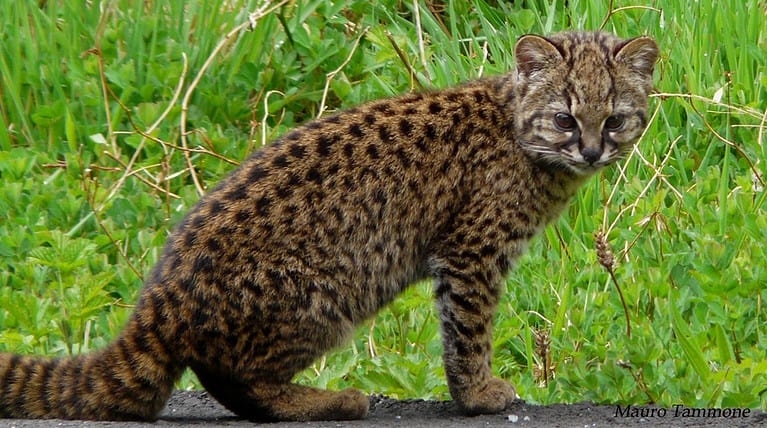
Tiny forest ghost of southern Chile
Eyelids, spots, and a power-tail
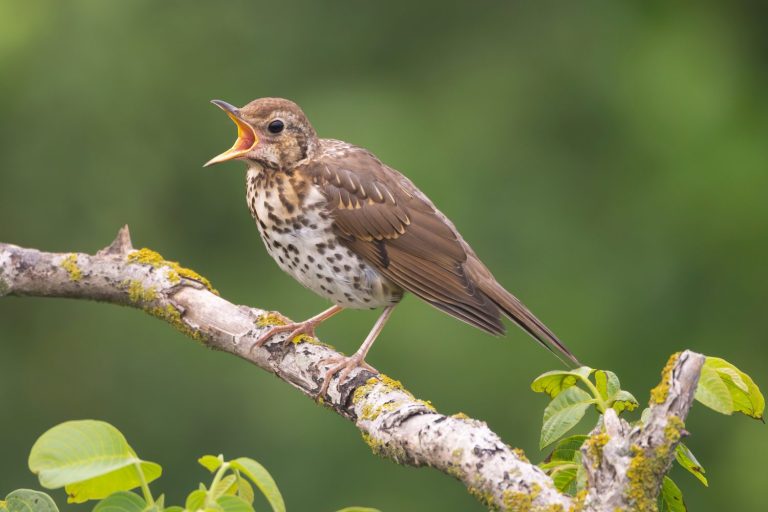
Repeat the phrase-own the dawn.
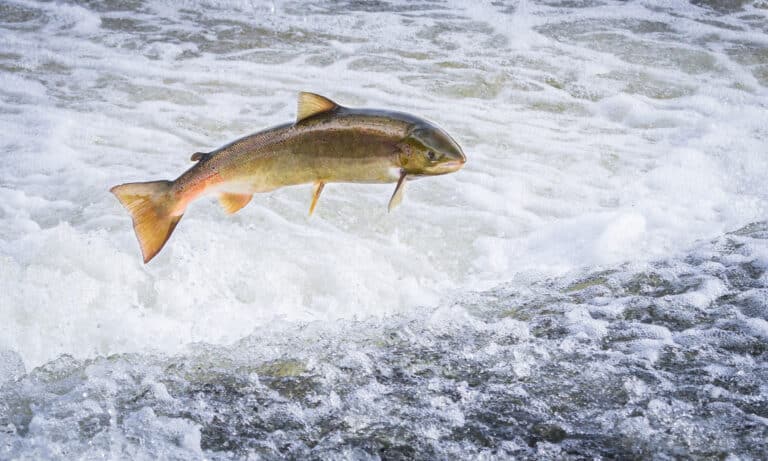
Born in rivers, grown at sea, home again
Golden tail, midnight hunter
Spots in summer, screams in autumn

Grit, speed, and swamp-country brains.
Java's hidden rosettes in the mist
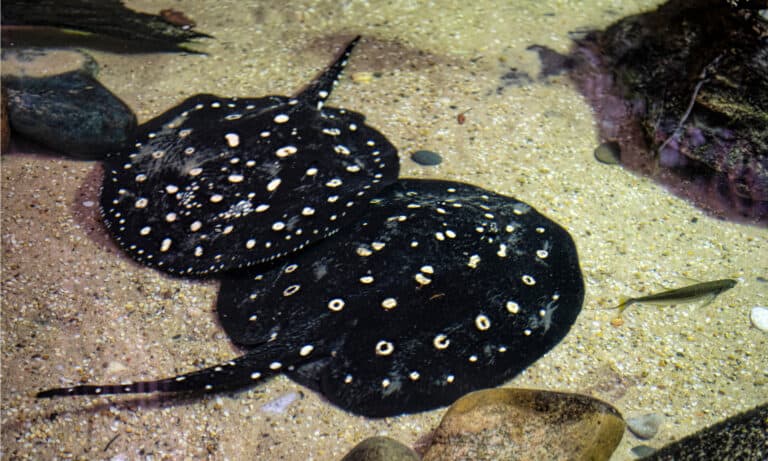
Rio Xingu's Black Diamond Stingray
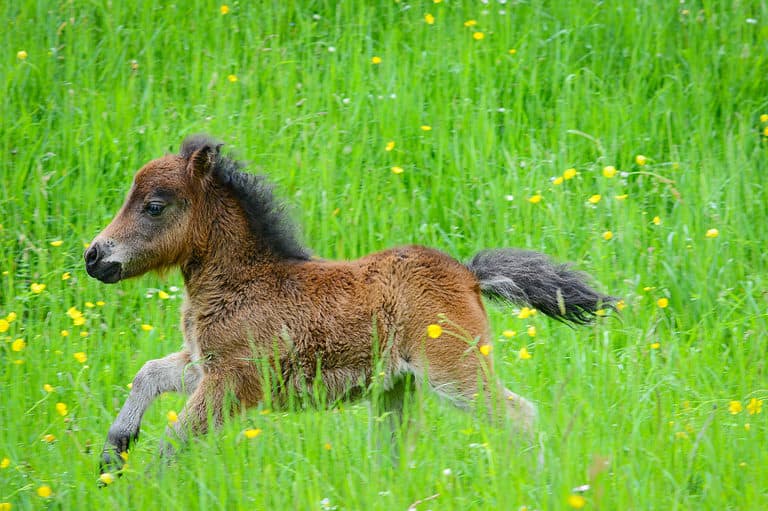
Big horse spirit, pocket size

Spots, rocks, and hard strikes
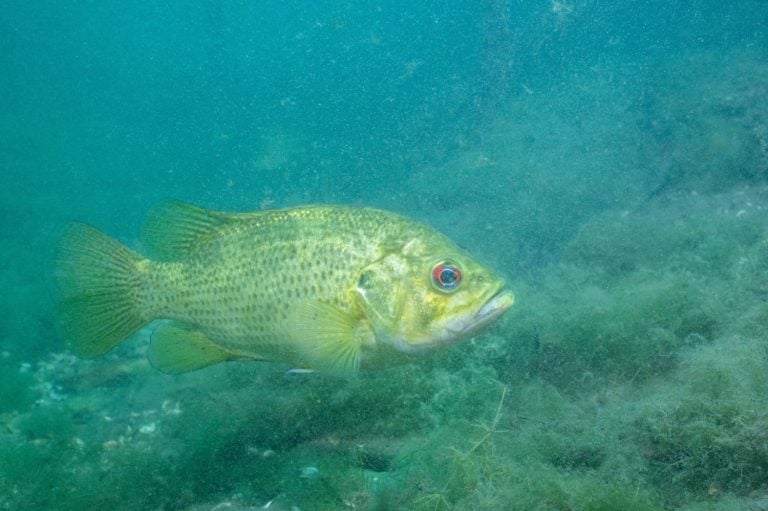
Red eyes, rock homes, sunfish attitude
Thank you for reading! Have some feedback for us?
We appreciate your help in improving our content.
Our editorial team will review your suggestions and make any necessary updates.
There was an error submitting your feedback. Please try again.