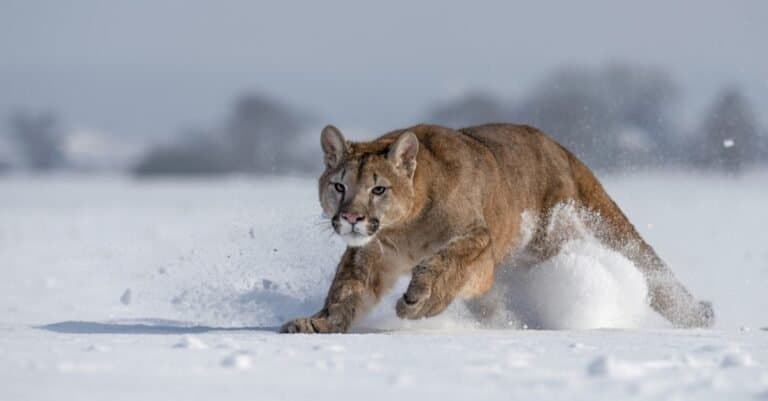
Cougar
One cat. Two continents.

One cat. Two continents.
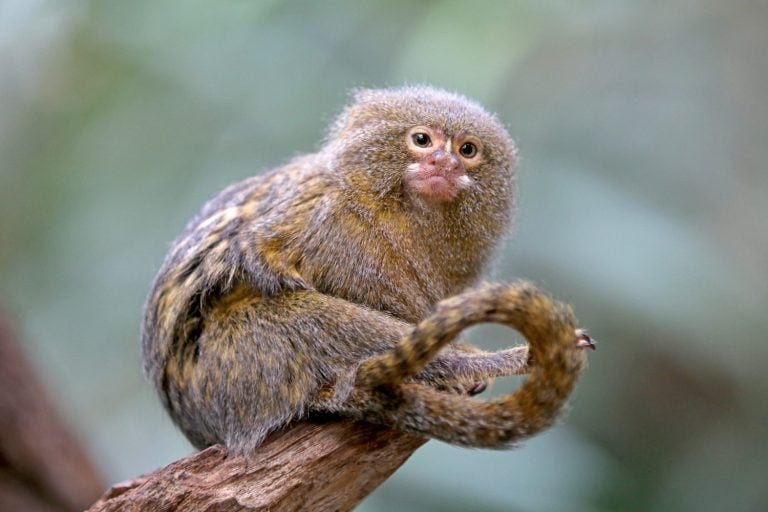
Tiny sap-sipping acrobats of the Amazon
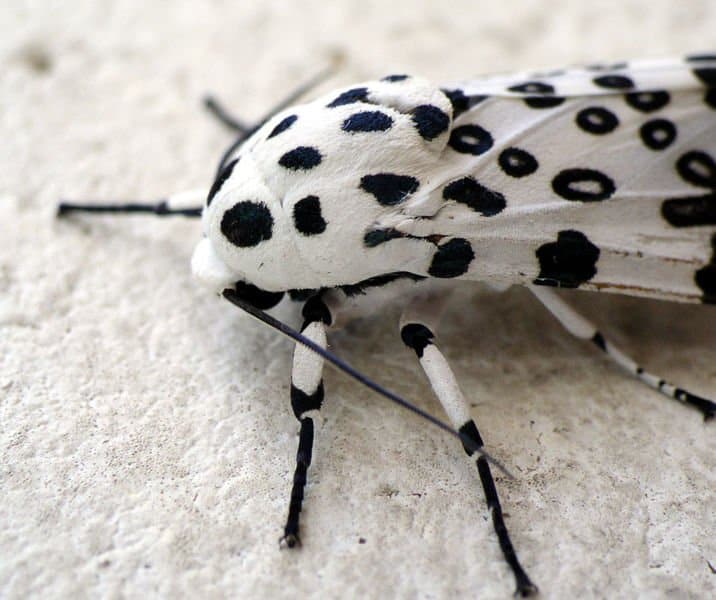
Six legs, endless lives.
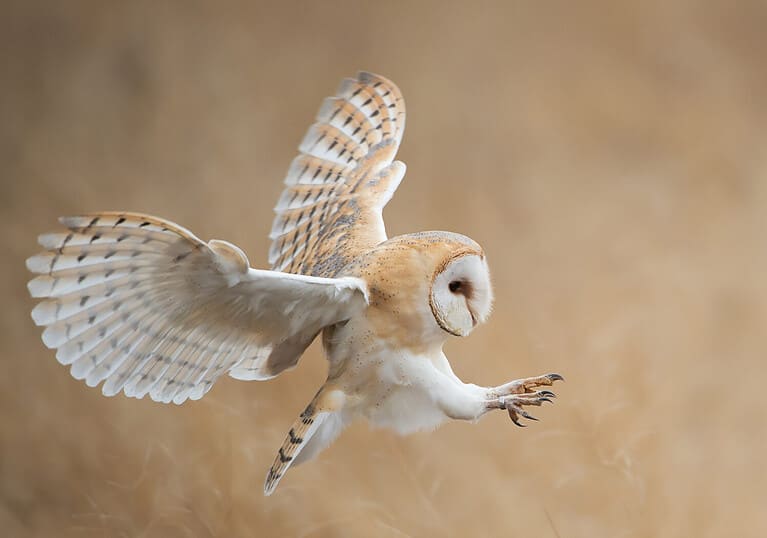
Heart-faced hunter of the night
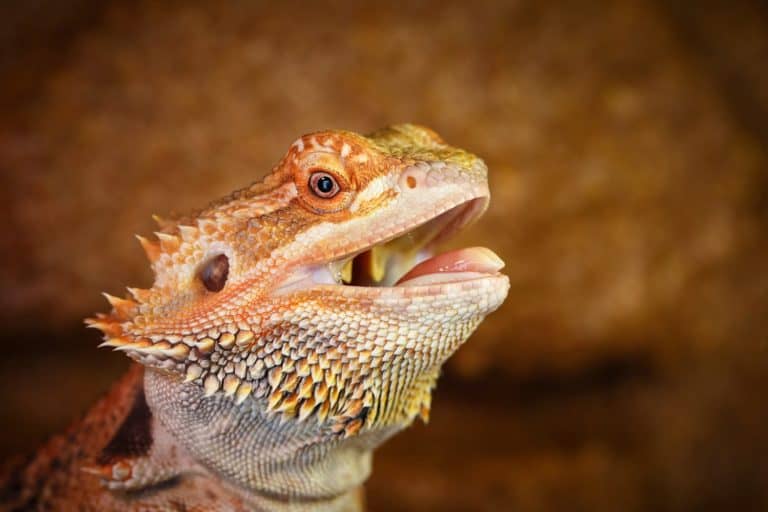
Big beard, bright sun, bold attitude.

Humps of fat, miles of grit
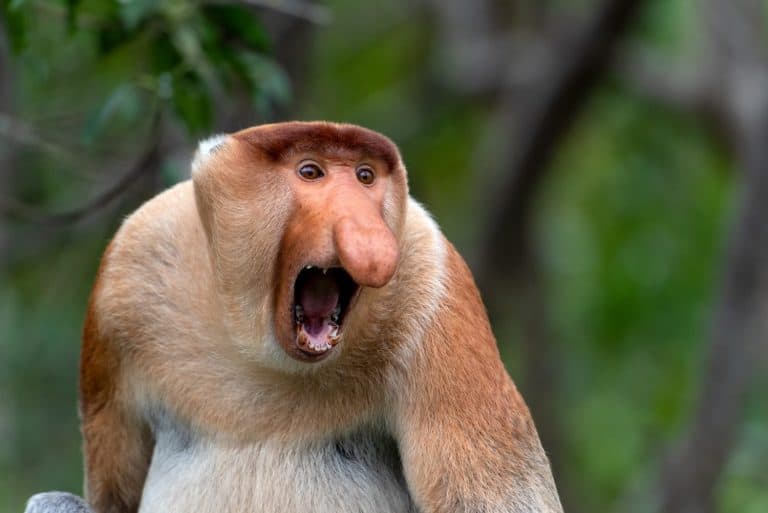
The river-nose of Borneo
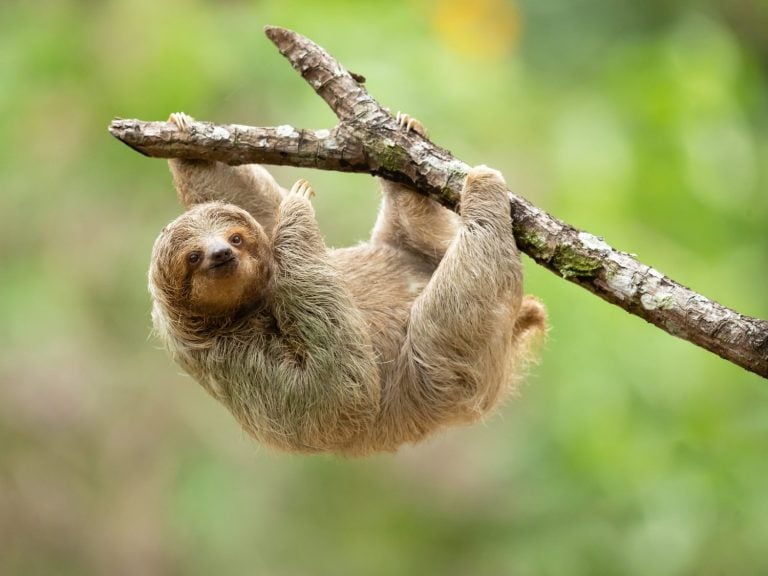
Slow life, high in the canopy
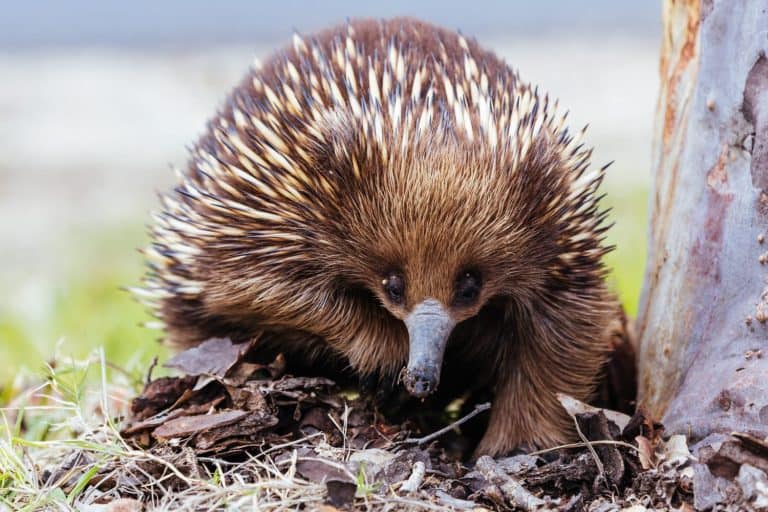
Spines, eggs, and ant-eating mastery
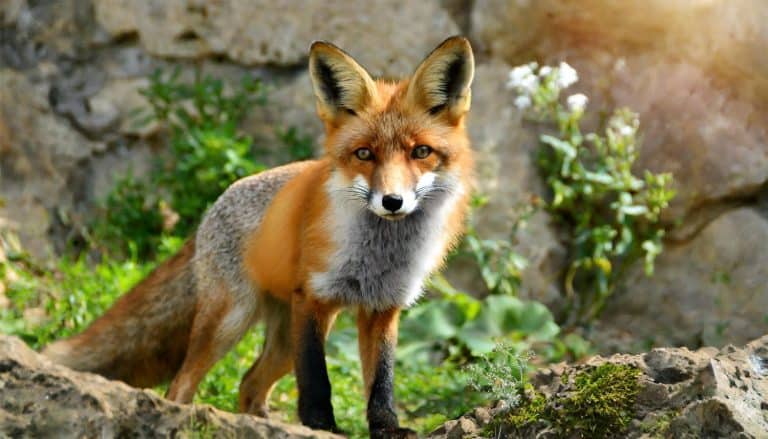
From dunes to tundra-fox smart.
Cream is a very pale, warm off-white animal coloration characterized by low overall pigment density with a subtle yellow-to-beige cast, often arising from dilute pheomelanin-based pigmentation (and/or reduced melanin deposition across hair, feather, or skin structures). Scientifically, it occupies a lightness range near white but retains warm spectral bias, distinguishing it from true white (minimal pigment) and cool pale grays (eumelanin-dilute).
Cream coloration sits at the threshold between "colored" and "nearly white," defined by its soft warmth: a faint buttery, ivory, or beige undertone that remains visible even when the animal appears almost white at a distance. In many mammals it reflects a diluted expression of pheomelanin (the reddish-yellow melanin), producing a pale golden wash rather than the neutral brightness of true white. This makes cream especially noticeable in thick coats where individual hairs can look off-white with subtle yellowing, while sparser hair or shorter pelage may read closer to ivory.
Across the animal kingdom, cream can function as camouflage in sunlit, sandy, dry-grass, or pale-soil environments, where a warm off-white blends more effectively than stark white. It also influences visual signaling: cream patches can highlight contours, soften contrast with darker markings, or create subtle pattern boundaries that remain visible under varied lighting. Because cream is close to white in brightness, its apparent tone is highly sensitive to illumination and background-warm daylight may intensify the yellow cast, while shade can make it appear closer to pale gray or off-white.
In domestic and wild populations alike, "cream" often appears as part of dilution pathways-genetic or developmental factors that reduce pigment concentration, shift pigment distribution along the hair/feather, or alter structural scattering that affects perceived brightness. This produces a continuum from near-white ivory through light buttery beige, commonly lighter than tan, fawn, or gold while still retaining a recognizable warm hue. The result is a color that reads gentle and luminous, yet clearly distinct from true albinism, leucism, or pure white patterning.
Cream on animals reads as a very pale, warm off-white with soft yellow, ivory, or beige undertones rather than a stark "paper white." It is often the visual result of dilute pheomelanin (red/yellow pigment) or reduced overall pigment deposition, so it looks luminous and slightly translucent in fine coats/feathers. In fur, cream commonly shows as a uniform light body color that can "bloom" warmer in sunlight and flatten toward off-white in shade. In dense double coats, cream can appear more matte and cooler at a distance, while individual hairs are frequently banded: pale shafts with warmer tips, giving a faint buttery cast. In feathers, cream may appear as buffy edging, pale panels, or overall wash, sometimes with subtle darker rachises (shafts) that add faint linear definition. In scales/skin (e.g., some reptiles, amphibians), cream tends to look like a light beige base with low saturation; it can be strongly influenced by moisture, shedding, and iridophore/structural reflections, shifting from chalky to slightly glossy. Cream often reveals patterning via contrast rather than pigment: tabby striping, points, masks, or countershading may appear as slightly darker fawn or biscuit against a creamy ground.
Not a single spectral band; cream is a low-saturation, high-lightness mixture dominated by broad visible-spectrum reflectance with a bias toward longer wavelengths (yellow/red). Perceived "warmth" typically corresponds to relatively greater reflectance in ~570-700 nm compared with blue (~450-500 nm).
Approx. #FFF8E1 to #E8D6B0 (near-ivory to light beige/cream). Common anchors: ivory #FFFFF0, cream #FFFDD0, eggshell #F0EAD6, vanilla #F3E5AB, light beige #F5F5DC, wheat (pale) #F5DEB3.
Humans: Cream is perceived as a warm, clean, gentle light color; it reads as 'softer than white' and can be strongly lighting-dependent-cool indoor light can make it look grayish/off-white, while sunlight makes it look buttery or golden. Fine texture (guard hairs, feather edges) increases perceived warmth by adding tiny shadowing and warm highlights. Other species (generalized): - Dogs (dichromatic, blue-yellow vision): Cream typically appears as a light neutral to slightly yellowish tone; the "warmth" humans see may be muted, and cream may be distinguished more by brightness (lightness) than by subtle beige/yellow nuances. - Cats (dichromatic with limited red sensitivity): Similar to dogs; cream is mainly a light value. Subtle differences between ivory vs beige-leaning cream may be less salient than contrast with darker markings. - Horses and many ungulates (often dichromatic): Cream reads primarily as a light coat; yellow-beige undertones are reduced, so cream vs very pale gray/white may rely on shading and context. - Birds (many are tetrachromatic with UV sensitivity): Birds may discriminate cream's subtle hue shifts better than humans if feather reflectance includes UV components. A "cream" that looks uniform to humans may contain UV contrast or boundary patterns (edges, panels) that are more visible to birds. - Reptiles/fish (species-dependent; some have UV sensitivity): Cream may appear differently if structural reflection (iridophores) adds UV/blue sheen; what humans call cream can be a composite of pigment and reflectance layers that other species parse as distinct signals. Overall: Across most non-human mammals, cream is chiefly a high-brightness (light) color with modest chromatic information; in UV-capable viewers (many birds, some reptiles/fish), cream can carry additional cues invisible to humans depending on UV reflectance.
Extremely pale, barely warm off-white. Often looks white at a distance but shows a yellowish cast in sunlight or next to true white markings.
Noticeably warm, "buttery" tint-common in dilute red-based coats; can look richer on glossy fur or in golden-hour lighting.
A creamy base with a faint peach or rosy warmth; can appear where pheomelanin mixes with low eumelanin or where skin undertone influences thin coats.
More beige than yellow; reads as light sand or buff. Often accentuates countershading, with slightly darker dorsal areas and lighter ventrum.
Individual hairs/feather edges are cream at the base with slightly darker beige tips, creating a soft 'toasted' overlay or haloed look.
Subtle pattern (tabby, brindle, barring) visible as low-contrast fawn/beige against the cream ground; most apparent in raking light or when wet.
Thicker winter coats can look paler and more matte (closer to off-white), while shorter summer coats often appear warmer and darker due to reduced light scatter and more visible skin/pigment.
Cream transitioning into slightly deeper tan/gold on extremities (ears, dorsal ridge, tail) due to higher pigment concentration, sun exposure, or abrasion revealing undercoat.
Warm red-yellow eumelanin-alternative melanin. In 'cream' it is present at low concentration or distributed in a way that yields a near-white but warm/beige cast. Compared with tan/gold, the total pheomelanin load in shafts/feathers is reduced, and/or melanosomes are fewer, larger, clumped, or unevenly transferred, making the surface appear much paler.
Black-brown melanin. Many 'cream' phenotypes are primarily pheomelanin-based, but small amounts of eumelanin may be present (e.g., in skin, points, or shading). When eumelanin is strongly reduced, the overall color reads as cream rather than fawn/buff.
Yellow carotenoids can add a subtle buttery/yellow warmth, especially in birds, fish, and some reptiles/amphibians where carotenoids are deposited into integument or associated with chromatophores. In many mammals, carotenoids usually contribute little to hair color but can influence skin/fat tone (species-dependent).
A major amplifier of cream's pale appearance. Low pigment allows the intrinsic scattering/reflectance of keratin and air spaces to dominate, producing a bright off-white base that is warmed by residual pheomelanin and/or minor carotenoids.
Cream coloration is broadly adaptive as a low-contrast, high-reflectance phenotype that improves concealment on pale substrates, reduces heat load in exposed environments, and supports visual signaling (social cohesion, recognition, and sometimes mate choice) with relatively low pigment investment compared to darker eumelanin-based tones. Its main trade-off is increased conspicuousness in dark, wet, or densely vegetated settings and susceptibility to staining that can degrade signaling or camouflage.
Cream coloration reduces visual contrast against pale, sunlit substrates (sand, dry grass, dust, bleached leaf litter) and in high-glare environments where shadows are weak. As a dilute warm off-white, it also blends with many mammal and bird underfur/feather bases that appear cream in bright light.
Effectiveness: High on sandy beaches, dunes, deserts, steppe, dry savanna, and open agricultural fields; moderate in mixed habitats with alternating pale and dark patches (effective when paired with patterning); low in dark forests, peatlands, lava/rocky black substrates, or wet shaded environments where cream increases conspicuousness.
Light cream surfaces reflect more solar radiation than darker browns, lowering heat gain and reducing risk of overheating in exposed, hot habitats. Cream can still provide some pigment-related UV buffering when not fully white, balancing reflection with minimal photodamage.
Effectiveness: High for diurnal animals in open, hot, high-insolation habitats; moderate in temperate zones or when animals are mostly nocturnal/crepuscular; low or potentially disadvantageous in cold climates where darker pigmentation could aid heat absorption, or in snowy environments where near-white provides better background match than warm cream.
Cream patches can serve as high-visibility signals at short-to-medium range under low-angle light (dawn/dusk) and in open habitats. Common roles include following cues (e.g., pale rump or tail), threat displays (piloerection revealing pale underfur), or group cohesion in herding/flocking.
Effectiveness: High in open habitats and at twilight where pale tones stand out; moderate in dense vegetation where line-of-sight is limited; low where predators key strongly on pale signals or where background is uniformly pale (signal-to-noise reduced).
Consistent cream areas (face masks, belly, ear margins, wing bars) can help conspecifics identify species or local morphs, especially where multiple similar brown/tan species co-occur. Warm undertones can be a cue distinguishing closely related taxa or subspecies.
Effectiveness: High in communities with sympatric look-alikes and in social species; moderate where other cues (song/odor) dominate; low when lighting is dim (forest understory) or when dust/molt season obscures color.
Cream can function as an indicator trait when its brightness/cleanliness reflects health, parasite load, or grooming. In some taxa, paler (cream) individuals may be preferred if the environment favors conspicuous yet low-cost signaling compared to darker pigments.
Effectiveness: Moderate in species where mate choice uses brightness/contrast and individuals can maintain clean coats/feathers; low in muddy, wet, or heavily stained environments where cream rapidly discolors, and in predator-rich habitats where conspicuousness carries high costs.
Cream underfur/undersides can reduce visibility from below (countershading) by matching bright sky/ground-reflected light, and pale margins can disrupt body outline when combined with darker dorsal tones. In some cases, lighter coloration may reduce biting insect attraction relative to very dark pelage (species-dependent).
Effectiveness: High as countershading in open habitats and for animals with cream ventral surfaces; moderate when combined with disruptive patterns; low if the animal is uniformly cream in dark habitats, increasing detection risk.
Often weak to moderate. In many species both sexes share cream as a camouflage/thermoregulatory base, but males may show more extensive or cleaner/brighter cream patches (mane, throat, rump, wing bars) used in display, while females tend to be slightly duller or more buff/beige for enhanced nesting or juvenile-guarding camouflage. In species with strong sexual selection, males may maintain higher brightness (less staining, sharper contrast), whereas females may retain more muted cream or increased patterning.
Cream coloration can influence conservation in opposing ways depending on species, habitat, and human context. In the wild, very pale/cream individuals may experience higher predation risk or reduced hunting success if the color reduces camouflage, particularly in darker or heterogeneous habitats; conversely, in sandy, arid, or dry-grass environments, cream tones can be neutral or even advantageous. Human interactions are often more consequential: distinctive pale animals can be easier for people to spot and report (aiding monitoring and citizen science) but can also be preferentially targeted for capture, trophy value, or the wildlife/pet trade when perceived as rare. If a cream phenotype is linked to specific alleles (including dilution variants affecting pheomelanin), small or isolated populations may face genetic management questions: maintaining adaptive camouflage and overall diversity may take priority over preserving a visually appealing morph. In reintroduction or translocation planning, coat color should be considered as part of phenotype-habitat matching to avoid increasing detectability or heat/sun sensitivity in the release environment.
Cream isn't "almost albino": Most cream-colored animals still have normal pigment cells (melanocytes); cream typically reflects diluted pheomelanin, not the near-total absence of melanin seen in albinism.
Blue eyes can be a dilution side-effect (not albinism): In double-dilute cream horses (e.g., cremello), blue eyes are common because the dilution reduces pigment in the iris-yet the animal still produces melanin.
"White" can actually be creamy: Many animals that look white in the wild are subtly warm-toned (cream/ivory) when seen up close, especially in natural sunlight.
Warm lighting can "create" cream: Cream coats often look more yellow indoors or at sunset because warm light emphasizes their beige undertones; the same animal can look almost white in cool daylight.
Coat thickness changes the shade: A dense coat can scatter light and make a warm buff coat read as lighter, creamier; a sleek coat can reveal deeper beige tones even with similar pigment.
Cream can be a genetics fingerprint: In cats, cream almost always indicates both orange-based pigment and a dilution genotype-so the color can hint at underlying inheritance patterns.
"Dirty white" isn't the same as cream: Staining (soil, oils, saliva) can yellow a white coat, but true cream coloration is pigment-based and usually appears evenly distributed through the hair.
Pheomelanin photobleaches: Sun and weather can lighten pheomelanin-rich hair over time, making some animals look "creamier" seasonally without a genetic color change.
Cream vs. white: White is typically the absence of pigment in hair/feathers (or strong light scattering with little pigment), while cream usually retains a warm, pale pheomelanin tint-like "paper white" versus "vanilla."
Cream vs. tan/gold: Tan and gold carry noticeably more pheomelanin; cream is the "pale milky-coffee" version-same pigment family, lower concentration.
Cream vs. gray/silver: Grays are usually melanin shifts toward eumelanin patterns (black pigment), while cream is largely pheomelanin-based-different pigment chemistry, different undertones.
Distance illusion: At long range, cream often reads as white; up close, the yellow/beige undertone becomes obvious-especially along the back and ears where pigment is densest.
Wet vs. dry contrast: When fur is wet, hair clumps and reflects less light, so cream often looks darker and more beige than when fluffy and dry.
Undercoat effect: Animals with pale guard hairs over a slightly warmer undercoat can look "two shades" of cream depending on wind, grooming, or coat lift.
Heat and habitat comparison: Cream coats are common in sunny, sandy habitats because they visually match high-reflectance backgrounds-think "sand-beige" rather than "snow-white."
Lightest "red": In many mammals, cream is the palest expression of pheomelanin (red/yellow pigment)-essentially "red, turned down to a whisper."
Double-dilute extreme: In horses, two copies of the Cream dilution gene can produce cremello/perlino coats that look nearly white-about as pale as pheomelanin-based coloring can get without being true white or albinism.
Big-cat blonding: Lions can show very pale sandy-to-cream tones; it's one of the most dramatic examples of warm, low-pigment camouflage in a large predator.
Signal-to-stealth champion: Desert and dune mammals (e.g., some foxes and rodents) can reach very pale buff/cream shades that maximize camouflage against sunlit sand while still retaining pigment.
"Gold to cream" spectrum standouts: Species with naturally warm coats (like some ungulates and canids) can span from rich golden to near-cream within the same population, highlighting how small pigment changes can create big visual shifts.
Dilution spotlight in domestic cats: "Cream" is the dilute form of orange/red in cats-one of the clearest, textbook examples of how a single dilution system can transform a vivid pigment into a pastel.
Humps of fat, miles of grit
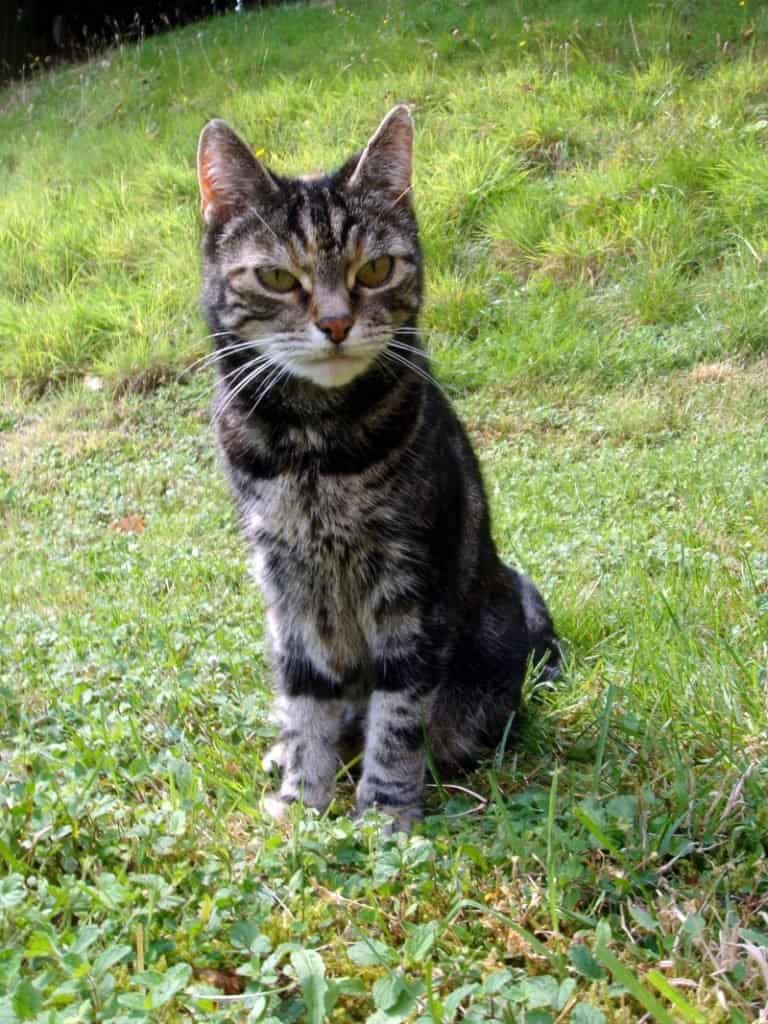
Small hunter, big household legend
One cat. Two continents.
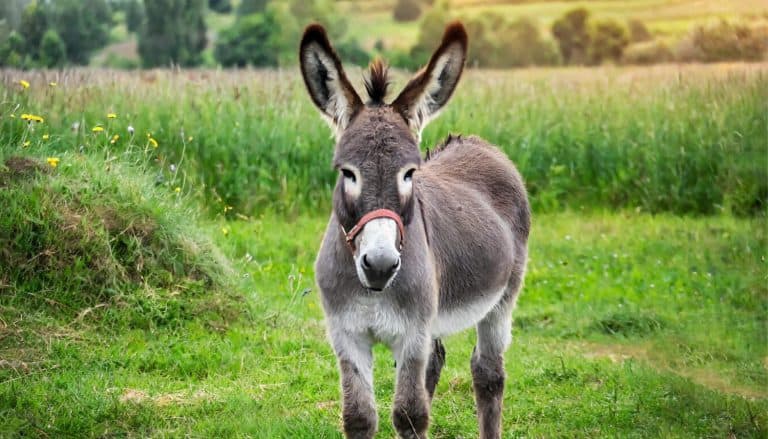
Sure-footed partner of people
Big beard, bright sun, bold attitude.
Spines, eggs, and ant-eating mastery
From dunes to tundra-fox smart.
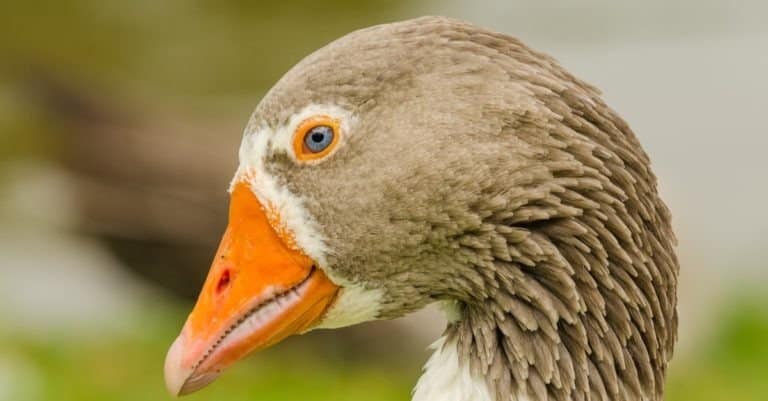
Webbed feet, sky roads, wetland lives
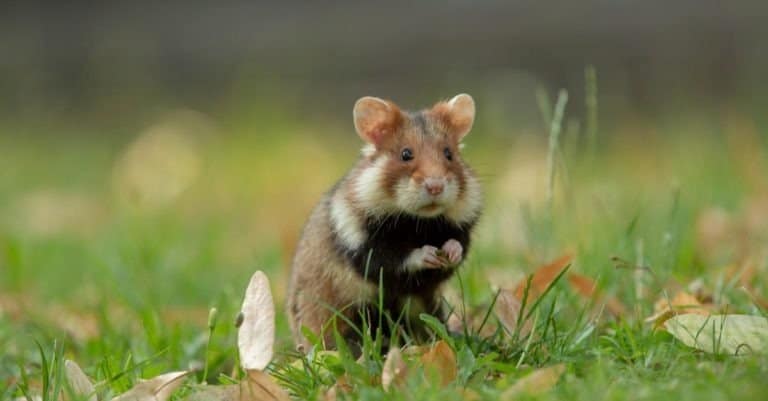
Pouches, burrows, and big impacts
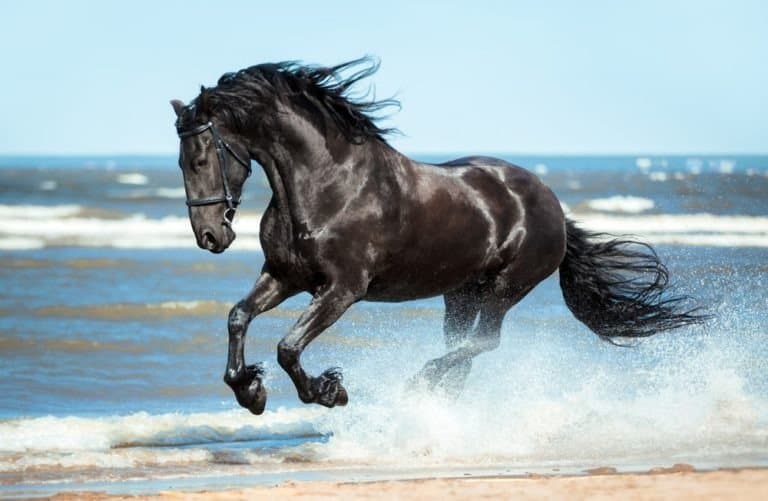
One hoofbeat, a thousand histories
Six legs, endless lives.
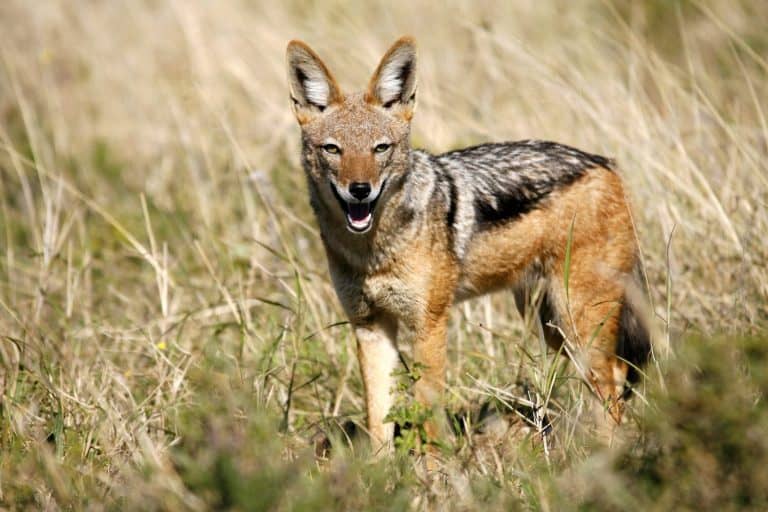
Small canids, big survival skills
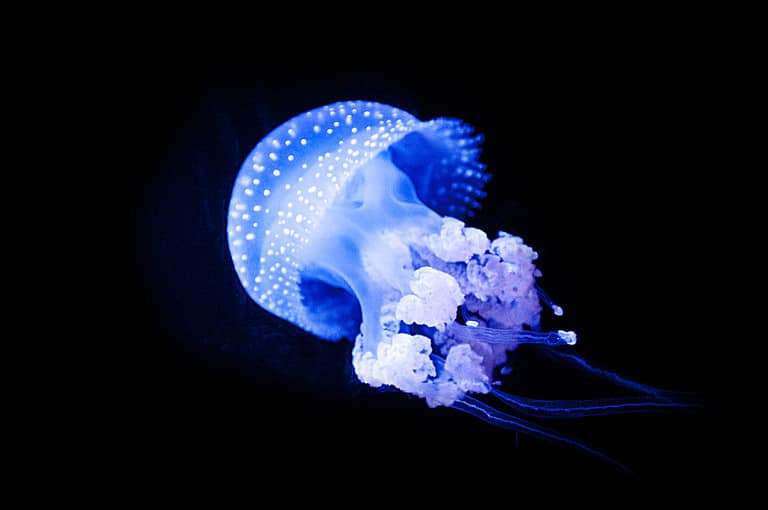
Sting-powered drifters of the sea
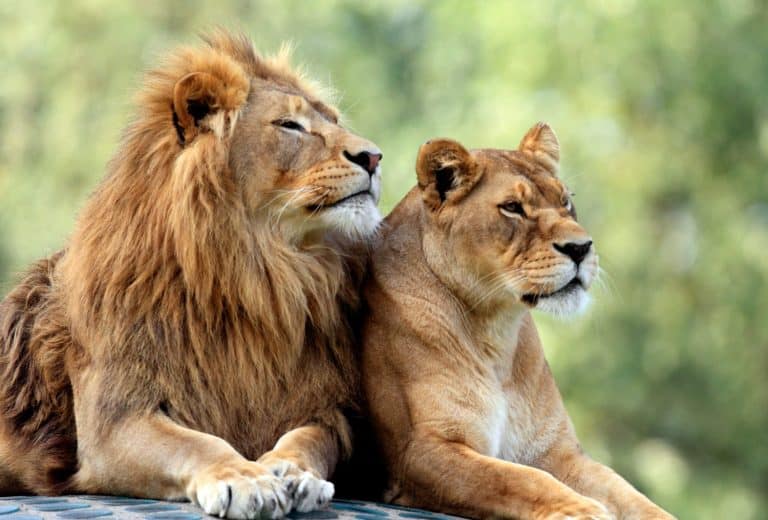
Built for prides, born for the hunt
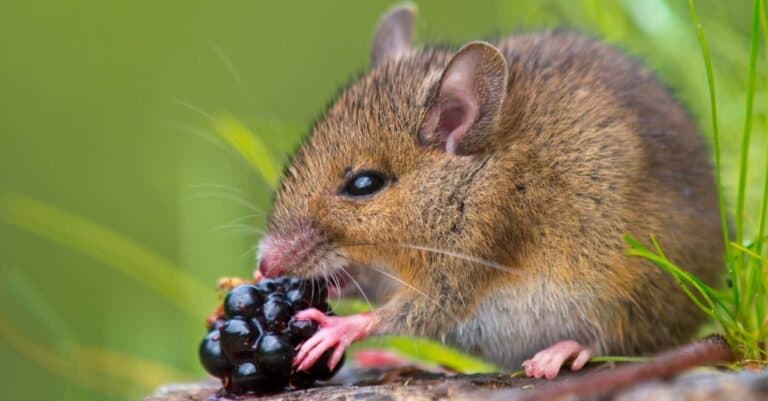
Small gnawers, huge impact.
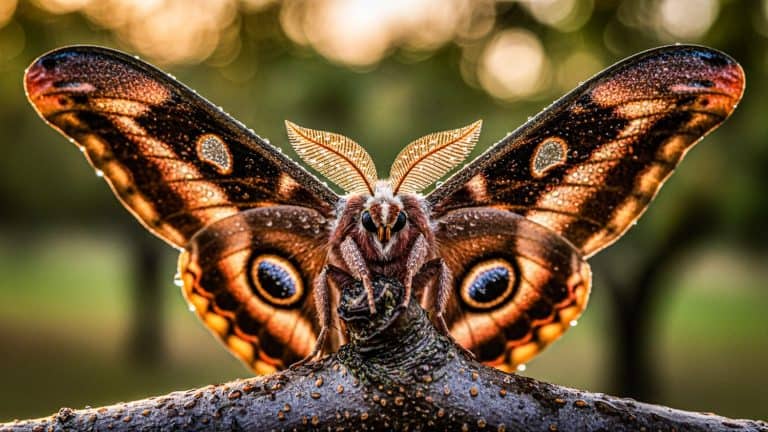
More than night flyers
Tiny sap-sipping acrobats of the Amazon
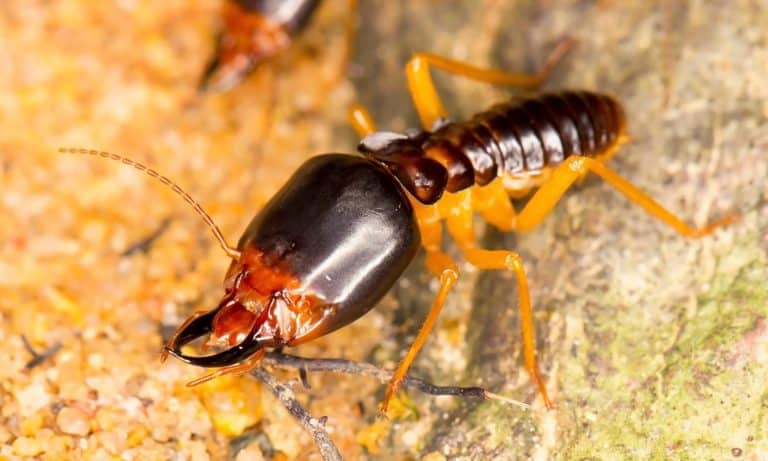
Nature's master recyclers (and builders)
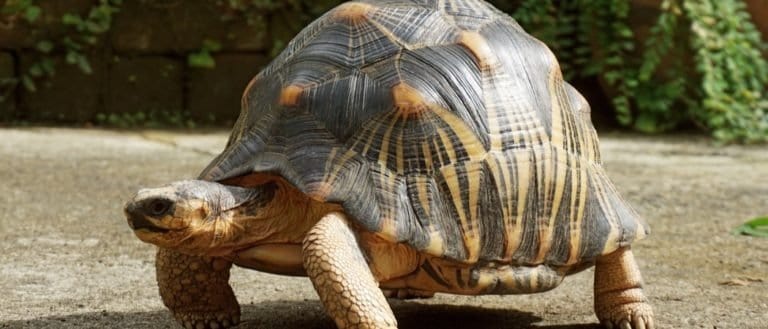
Built for land, made for time
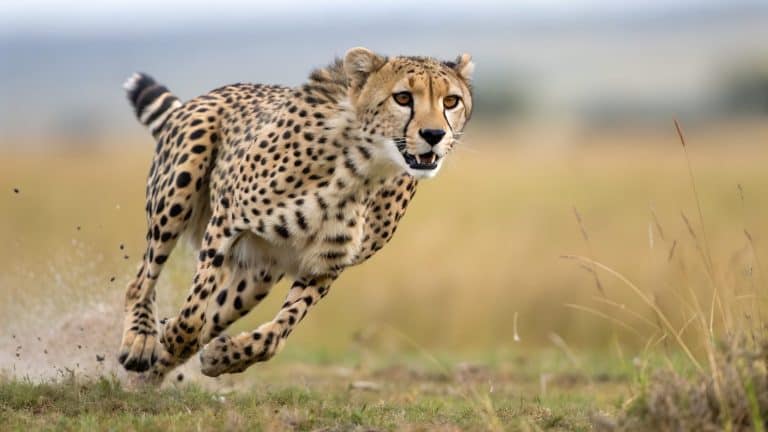
Built for the burst.
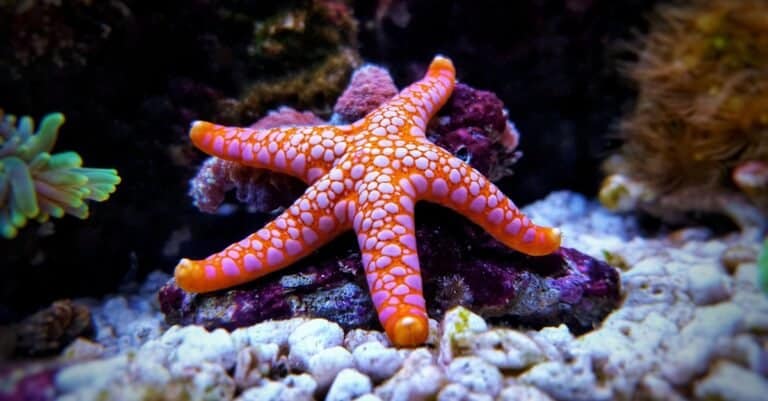
Hydraulic feet, star-shaped predators
The river-nose of Borneo
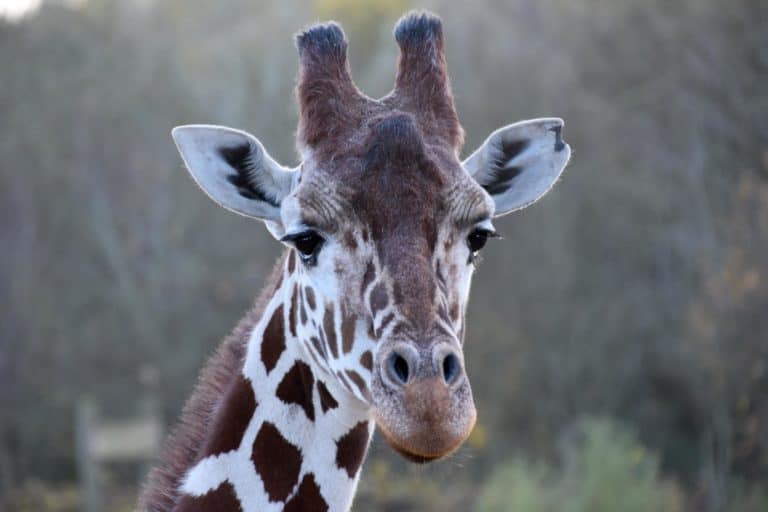
Spots, height, and silent savanna giants
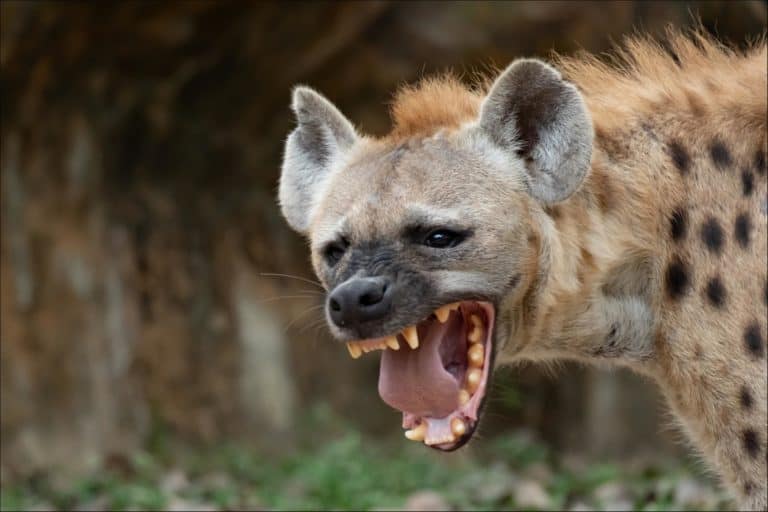
Bone-crushers, termite-lappers, ecosystem keepers
Thank you for reading! Have some feedback for us?
We appreciate your help in improving our content.
Our editorial team will review your suggestions and make any necessary updates.
There was an error submitting your feedback. Please try again.