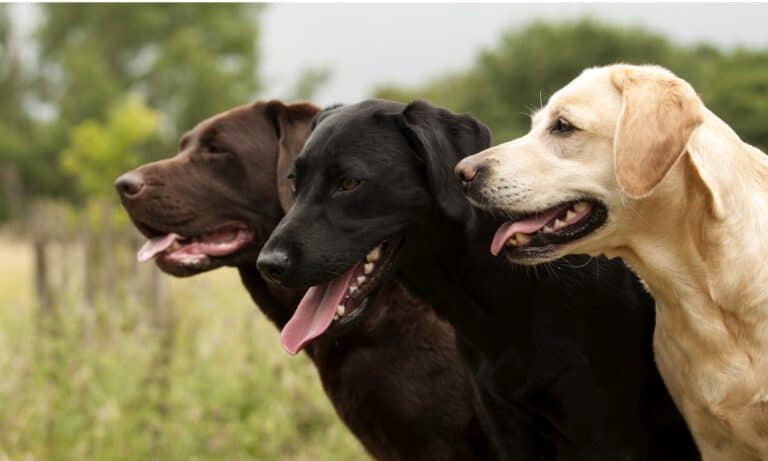
Labrador Retriever
Born to retrieve, built to bond.

Born to retrieve, built to bond.
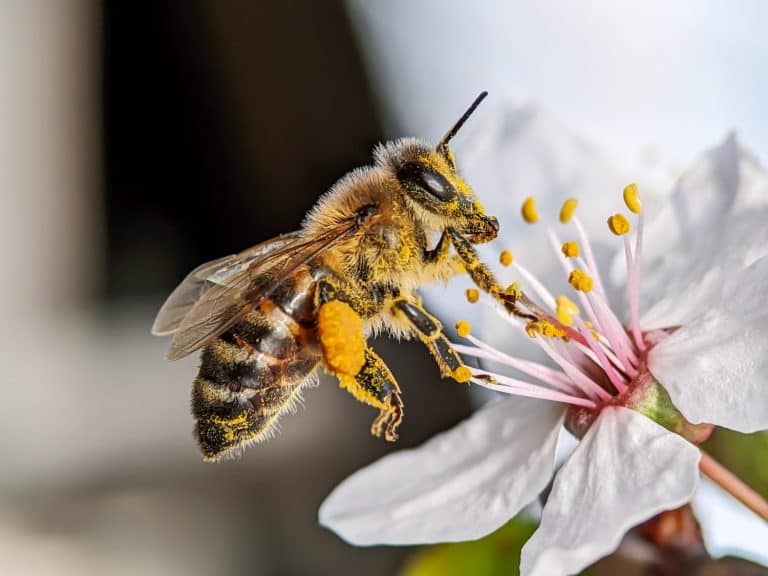
One genus, many hives-planetwide pollinators
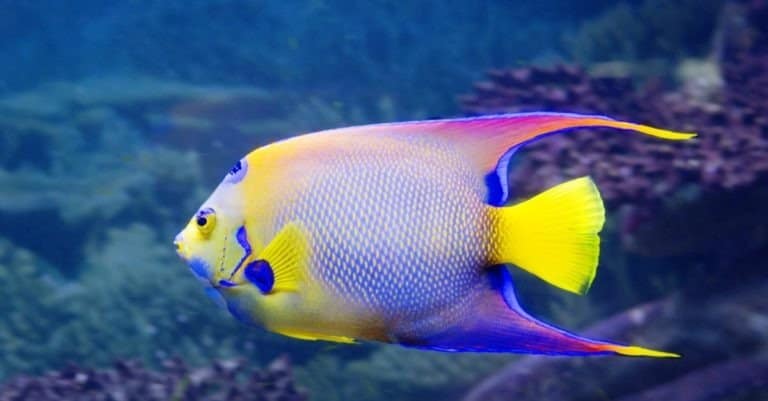
Reef royalty with a wardrobe change
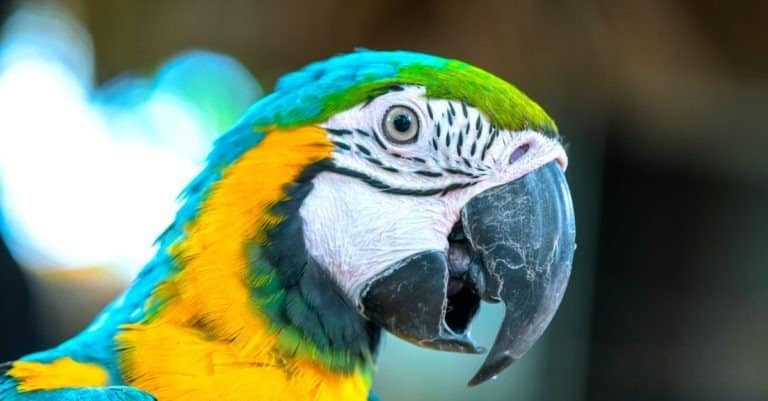
Brains, beaks, and big voices
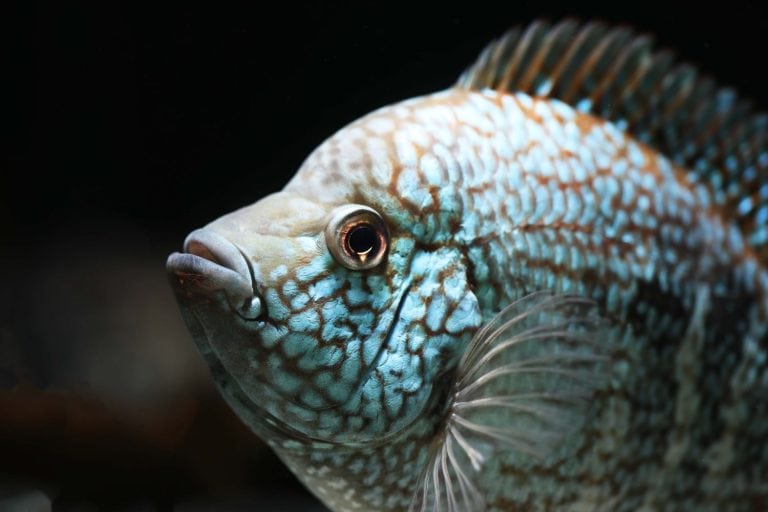
Nature's masters of rapid evolution
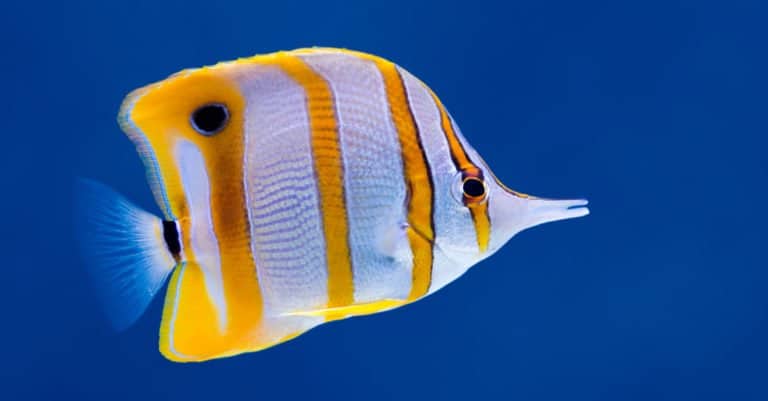
Color-coded courtiers of the coral reef
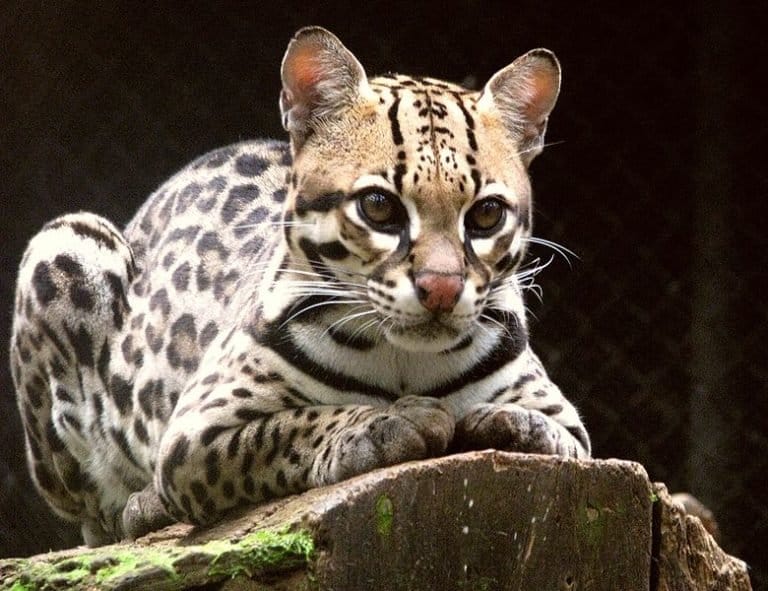
Rosettes in the shadows.
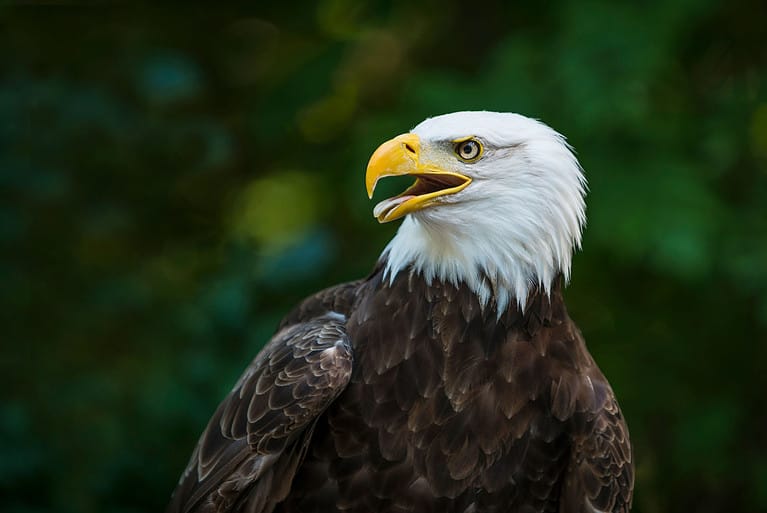
Feathers, flight, and endless variety
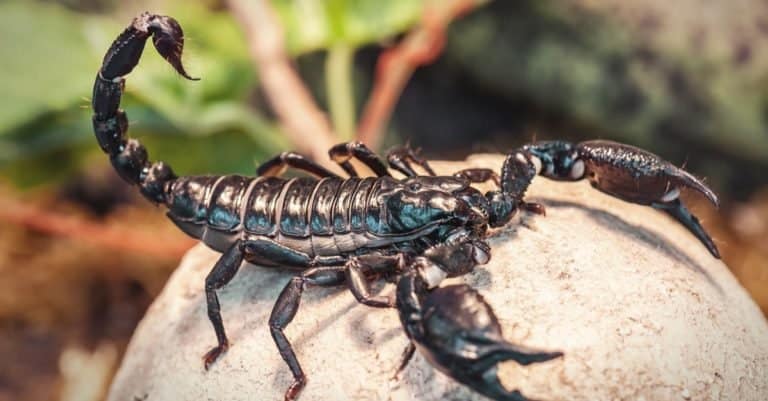
Glow at night, strike with precision
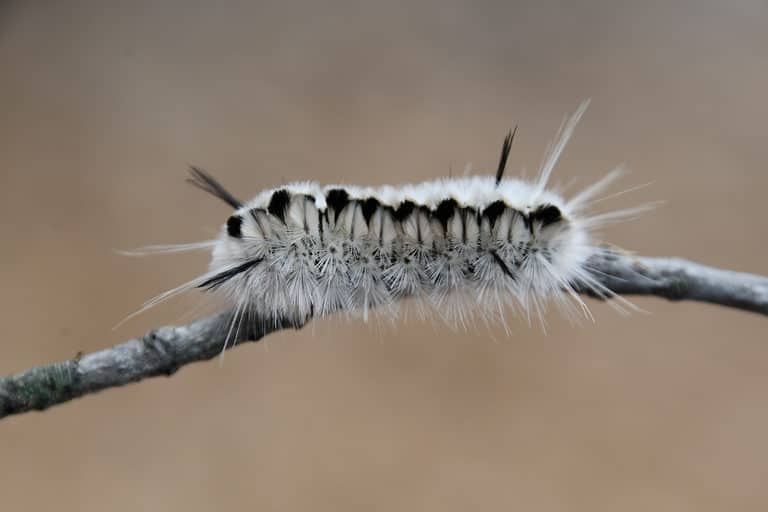
Eat. Molt. Metamorphose.
In animal coloration, yellow is a bright hue primarily produced by selective absorption of short (blue-violet) wavelengths and reflection of longer (green-red) wavelengths, most often due to carotenoid pigments deposited in integumentary tissues. Depending on the taxon, yellow can also arise from pteridines and, less commonly, from structural effects that enhance or shift pigment-based yellow.
Yellow is one of the most conspicuous colors in the animal kingdom, appearing in feathers, scales, skin, and even in soft tissues such as bills or fins. In many animals it is largely pigment-based-most commonly from carotenoids obtained through diet and then transported and deposited into growing tissues. Because carotenoids must often be acquired and managed physiologically, yellow coloration can correlate with nutrition, health, and parasite resistance, making it especially prominent in social signals and mate choice.
Beyond courtship, yellow frequently plays a role in ecological communication. When combined with black, yellow forms high-contrast patterns widely associated with warning or deterrence (aposematism) and mimicry in insects, amphibians, reptiles, and fish. In other contexts, yellow can reduce detectability by blending with yellow-green foliage, flowers, autumn leaves, or dry grasses-supporting camouflage, ambush strategies, or background matching.
Yellow also illustrates how different biochemical pathways can converge on a similar visual outcome. While carotenoids dominate many vertebrate yellows, pteridines contribute to yellow in numerous insects and some other groups, and reflective tissue structures can modulate brightness and saturation. This combination of dietary links, physiological constraints, and visual impact makes yellow a powerful and flexible color across animal evolution.
On animals, yellow ranges from pale straw and butter tones to intense lemon or golden hues. It often looks brightest on feathers and scales where pigment is concentrated in thin, translucent structures, giving a clean, luminous appearance. In fur, yellow tends to read as warmer and more muted because light scatters through hair shafts, producing buff, tawny, or sandy effects rather than "pure" yellow. In skin and amphibian/reptile integument, yellow can appear as flat, high-contrast patches, bands, or spots, sometimes bordered by black for maximum visibility. Many animal yellows are pigment-based (commonly carotenoids; sometimes pteridines), so saturation depends on diet and physiological condition; this can make the color look especially vivid in well-fed or high-quality individuals. Yellow also commonly mixes with structural whites (dilution) to create creamy tones, or with melanins to shift toward olive, tan, or ochre. Under different lighting, yellow can swing from warm (sunlit, golden) to cooler (shade, greener-leaning) and may show strong contrast against blues, blacks, and dark greens in natural habitats.
Approx. 570-590 nm (perceived yellow in human vision; boundaries vary by observer and context).
Approx. #FFF7B0 (pale creamy yellow) → #FFD200 (rich yellow) → #FFB000 (deep golden/yellow-orange).
Humans: Yellow is highly salient to human vision, typically perceived as bright and attention-grabbing, especially when adjacent to black (warning coloration) or complementary blues. Its apparent saturation changes strongly with illumination (sun vs shade) and surrounding colors. Birds (many species): Many birds are tetrachromatic and often UV-sensitive, so they can perceive additional contrast and subtle hue differences in yellow plumage (including UV reflectance components not obvious to humans). Carotenoid-based yellows may therefore function as especially information-rich signals to birds, with fine differences in saturation/brightness correlating with condition. Bees and many insects: Many pollinating insects see UV, blue, and green well but may not perceive "red" the way humans do; yellow flowers and yellow animal patterns can be highly conspicuous to them depending on UV reflectance. Some yellows that look plain to humans may have UV patterns that insects detect, altering perceived contrast and "target" visibility. Mammals (many species): Many mammals are dichromats with reduced sensitivity to red-green differences; they may perceive yellow as a lighter, less distinctly "yellow" tone-often closer to a generic light/bright color-making some yellow signals less striking to them than to humans or birds. Contrast (light vs dark) may matter more than hue. Fish and reptiles/amphibians: Perception varies widely; many have multiple cone types and can discriminate yellows well, and underwater spectral filtering can shift yellow's visibility with depth and turbidity. In terrestrial reptiles/amphibians, yellow patches can be extremely conspicuous at close range and are often integrated into warning or social displays. Overall: Yellow's conspicuousness is species- and habitat-dependent. It tends to be especially strong as a signal in taxa with richer color vision (birds, many fish, many insects) and may read more as brightness/contrast than a distinct hue to many dichromatic mammals.
Low-saturation, light yellow seen in down feathers, pale fur, or diluted skin tones; often looks like sun-bleached grass or dry reeds and can aid camouflage in arid habitats.
High-chroma, relatively "clean" yellow common in feathers (e.g., songbirds) and some fish/reptiles; frequently used in social signaling and mate choice due to strong visibility.
Warm, slightly orange-shifted yellow typical of many carotenoid-rich feathers, scales, or integument; reads as "gold" in sunlight and can look especially glossy when paired with dark outlines.
Earthier, brown-tinged yellow created by mixing yellow pigments with melanin or by scattering in fur; common in mammals (buff coats) and in camouflaging reptiles/insects that match soil and dry vegetation.
Duller, deeper yellow with a slight green/brown cast; often appears in warning patterns when paired with black, but can also blend into lichen, leaves, or weathered bark.
Yellow shifted toward green, often from combined pigments (yellow + structural/other pigments) or background coloration; useful for foliage matching and can look more "leafy" in shade.
In some cases, microstructure can boost brightness or add sheen over pigment, making yellow appear more luminous or angle-dependent (less common than structural blues/greens, but brightness enhancement can occur).
Yellow frequently appears as high-contrast markings-wing bars, facial masks, lateral stripes, ringed bands-amplifying recognition and signaling; black edging can make yellow look even more saturated (simultaneous contrast).
A common dietary xanthophyll producing bright yellow to yellow-green hues; frequently deposited in feathers, skin, and egg yolk. Often contributes to signal color in birds and fish.
A dietary xanthophyll that yields vivid yellow coloration and can shift toward orange when combined with other carotenoids. Common in birds, fish, reptiles, and many invertebrates.
A carotene that can contribute yellow-orange coloration and also serves as a vitamin A precursor; in some species it is directly deposited or metabolized into other yellow/orange carotenoids.
A pteridine commonly associated with yellow coloration in many insects and some vertebrate chromatophore systems; can produce bright, stable yellows, often in combination with other pigments.
Yellow pteridine found in various insects and some amphibians; contributes yellow to yellow-brown tones and may interact with structural background reflectance.
Not yellow itself, but spatial patterns of eumelanin can mask or dull yellow pigments (producing olive/khaki), increase contrast, and create pattern boundaries (bars/spots) that make yellow signals more conspicuous.
Diffuse scattering by keratin (feathers, scales) or collagen arrays (skin) increases brightness and can make pigment-based yellow appear more vivid by reflecting more broadband light back through the pigment layer.
A sulfur-containing melanin that produces yellow to reddish-brown hues. It is a major contributor to yellowish coloration in many mammals (fur) and can also contribute to yellowish tones in some bird plumage when present in keratinized tissues.
Yellow coloration is adaptively valuable because it can simultaneously enhance fitness through efficient signaling (mate choice, social communication, species recognition) and predator deterrence (warning, mimicry, flash displays), while also offering context-dependent camouflage in yellow-dominated backgrounds. When carotenoid-based, it can function as a condition-linked signal, potentially improving reproductive success; however, its conspicuousness imposes trade-offs under high predation or in habitats where yellow poorly matches the background.
Bright yellow often serves as aposematic coloration, advertising toxicity, unpalatability, stings, or other defenses (often paired with black for high contrast). Predators can learn and remember yellow-based warning signals quickly.
Effectiveness: High in open, well-lit habitats where yellow is highly conspicuous; strongest when paired with contrasting patterns (e.g., yellow-black). Reduced in dim light, deep shade, or murky water; less effective if many harmless species share similar yellow without reinforcement (signal dilution).
Yellow commonly reflects carotenoid acquisition and allocation (diet-dependent), acting as an honest or semi-honest indicator of foraging ability, health, parasite resistance, or immune function. Used in mate choice and intrasexual competition via brightness, saturation, and patch size.
Effectiveness: High where mates can assess coloration at close range and lighting is adequate (daylight, open canopy). More reliable when carotenoids are limiting in the environment; weaker as a quality signal when carotenoids are abundant or when non-carotenoid mechanisms mimic similar yellow. Can be costly under predation, reducing net benefit in high-risk environments.
Yellow patches function as conspicuous signals for dominance, territorial displays, threat postures, begging signals, or coordination within social groups. Often placed on movable or exposed areas (throat, crown, fins) to modulate visibility.
Effectiveness: High for short- to medium-range visual communication in bright environments; particularly effective when contrasted against darker body areas. Less effective in low-light, dense vegetation, or turbid aquatic systems; can be constrained by predation if signals are too conspicuous.
Yellow can provide background matching in habitats dominated by yellow substrates (dry grasses, reeds, sand, flowers, senescent leaves) or by disruptive patterning that breaks body outline when combined with browns/greens.
Effectiveness: High in grasslands, savannas, dunes, and flower-rich environments (especially for small insects/arthropods on blossoms). Lower in lush green forests or dark substrates where yellow is salient; effectiveness drops when movement reveals conspicuousness.
Yellow can support Batesian mimicry (harmless species mimicking yellow-warning models like wasps, bees, toxic frogs) or Müllerian mimicry (multiple defended species converging on similar yellow patterns to reinforce predator learning).
Effectiveness: High where the model species is common and predators are experienced; strongest with accurate pattern/behavioral mimicry (e.g., wing shape, buzzing). Weak in areas lacking the model or where predators are naïve; may fail if the mimic becomes too common relative to the model.
Species-specific yellow patches, bars, or facial/wing markings help individuals identify conspecifics, reducing wasted courtship or aggression and aiding flock/school cohesion.
Effectiveness: High in communities with many similar-looking species (e.g., mixed flocks, reef fish assemblages) and in good lighting. Reduced in low visibility (night, deep shade, turbidity) or when sympatric species share overlapping yellow pattern elements.
Yellow (often lighter and more reflective than dark pigments) can reduce solar heat gain relative to darker colors; in some taxa it may balance visibility with thermal costs by limiting overheating on exposed surfaces.
Effectiveness: Moderate: helpful in hot, open habitats where reflectance reduces heat load. Limited if yellow is highly saturated and not strongly reflective in relevant wavelengths, or if insulation/behavior dominates thermal balance. Trade-offs occur when warmth is needed (cool climates) or when conspicuousness increases predation.
Beyond warning, yellow can contribute to protection via startle/deimatic displays (sudden flashes of yellow), diversion (bright tail/wing patches drawing attacks away from vital areas), or signaling vigilance/awareness to predators.
Effectiveness: High when yellow is normally concealed and rapidly revealed (flash coloration), causing hesitation or misdirected strikes. Less effective against predators that habituate quickly or in environments where flashes are hard to detect (dim light, cluttered vegetation).
Commonly male-biased: males display larger, brighter, or more saturated yellow patches (often carotenoid-dependent) used in courtship and rivalry, while females are duller/less yellow for reduced conspicuousness during nesting or parental care. In some species both sexes are similarly yellow when mutual mate choice, pair coordination, or aposematism is important; in a minority, females can be brighter if female-female competition or signaling of fecundity/condition is favored.
Yellow coloration can strongly affect conservation outcomes through detectability, public perception, and ecological function. Highly conspicuous yellow animals may be easier to survey and monitor (improving detection and population estimates), but also more vulnerable to poaching/collection (ornamental birds, aquarium fish, rare morphs) and predation if habitats change and camouflage is lost. Because yellow is often carotenoid-based, it can act as a visible indicator of diet quality and habitat health; declines in carotenoid-rich foods (insects, algae, fruits) or pollution that alters food webs can reduce yellow intensity, potentially signaling ecosystem degradation. For aposematic yellow species, maintaining the ecological context (predator learning communities, intact habitats that support chemical defenses and host plants) is important; disruption can erode the protective value of warning coloration. In outreach, yellow animals can be conservation "flagships" due to their appeal, but messaging should avoid increasing demand in wildlife trade-pairing awareness campaigns with trade regulation, captive-breeding oversight, and habitat protection.
Many yellow animals don't make yellow pigments themselves: carotenoids must be obtained from diet (plants or prey) and then deposited into feathers/skin/scales.
A brighter yellow doesn't always mean "healthiest": in some species, it can also reflect access to specific foods (like carotenoid-rich seeds or algae) rather than overall condition alone.
Some animals look yellow without using much yellow pigment at all-structural effects (light scattering/reflection) can amplify or shift colors so the result appears more intensely yellow.
Yellow can be camouflage: in dry grasslands, sandy habitats, or among yellow flowers, a bright hue that seems "loud" to us may help an animal blend into its background.
Yellow warning patterns can deter predators even when the animal isn't highly toxic-predators often learn to avoid the color association, benefiting "bluff" species via mimicry.
Carotenoid yellow is like "dietary highlighter ink": the more carotenoids an animal can acquire and allocate, the more saturated the yellow often appears.
In sunlit shallow ocean water, yellow can travel farther visually than many reds (which are absorbed quickly), helping yellow reef fish stay noticeable at a distance.
A yellow-and-black pattern functions like nature's caution tape-high contrast makes the signal readable quickly, even in cluttered habitats.
Seasonal yellow in some birds is comparable to changing outfits: pigments are fixed once feathers grow, so the most dramatic shifts happen after molts, not overnight.
Many mammals can't produce bright carotenoid yellows in fur the way birds can in feathers; birds often show stronger, cleaner yellows because pigments bind to keratin in feathers with high visual effect.
Poison dart frogs rank among the most striking yellow animals: in some species, brighter yellow skin correlates with higher toxicity, making "most vibrant" also a potential honest warning signal.
The golden poison frog (Phyllobates terribilis) is often cited as one of the most toxic vertebrates; its bold yellow form is a classic example of extreme warning coloration (aposematism).
Male American goldfinches become dramatically more yellow in breeding season-among the most conspicuous seasonal "color upgrades" in common backyard birds.
Among birds, carotenoid-rich yellows can be intensely saturated because feather microstructures enhance pigment color-some songbirds achieve exceptionally "glowy" yellows relative to the same pigments in bare skin.
In many reef fish, highly reflective yellow (from specialized cells plus pigment) can be among the most visible colors in shallow, sunlit water, maximizing long-distance signaling.
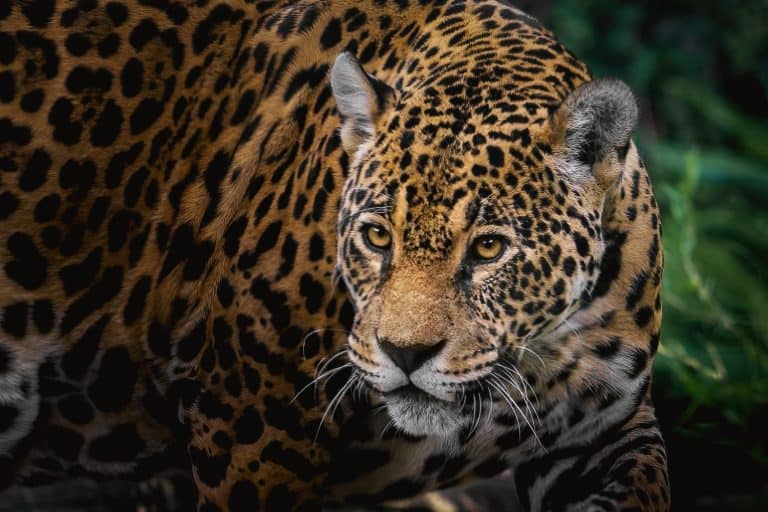
Power of the Americas' apex cat
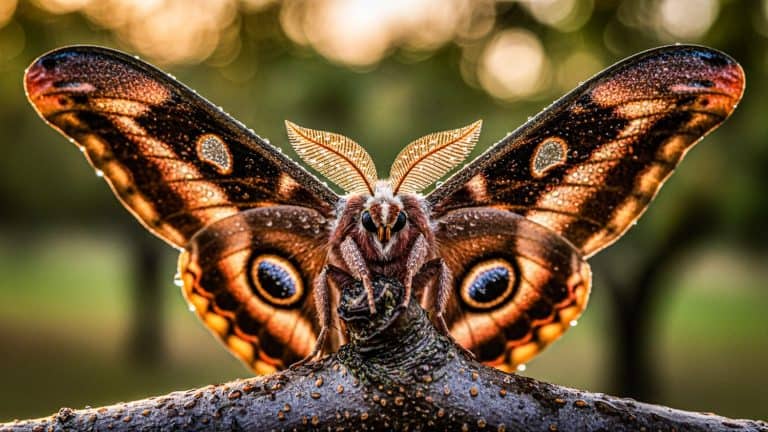
More than night flyers
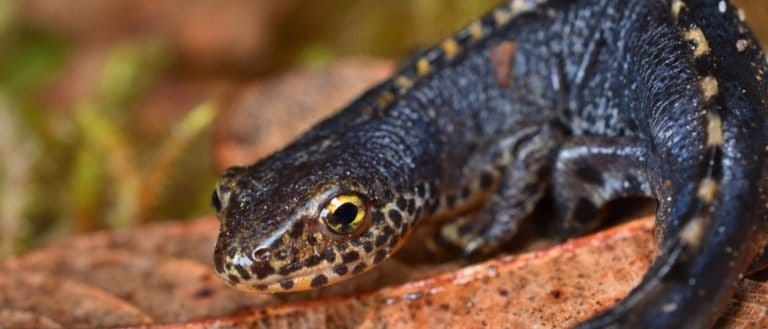
Crests, ponds, and potent defenses
Glow at night, strike with precision
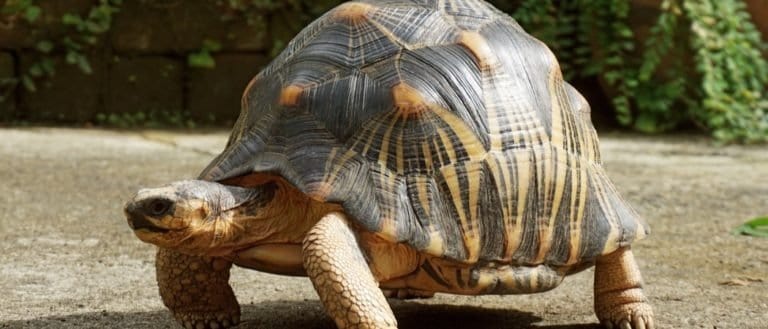
Built for land, made for time
Brains, beaks, and big voices
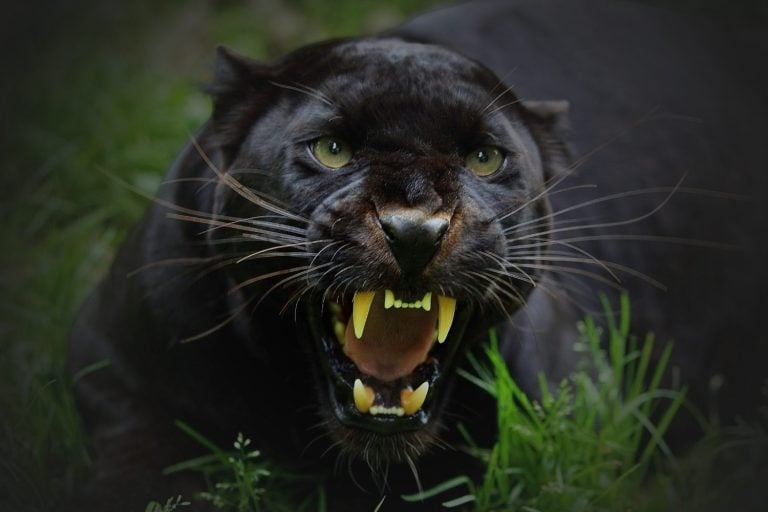
One name, many big cats
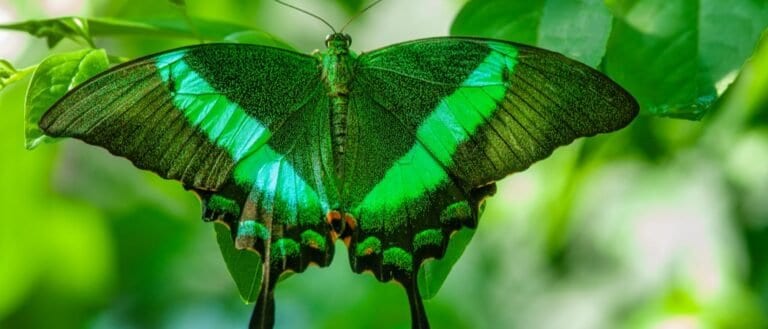
Scaled wings, big transformations.
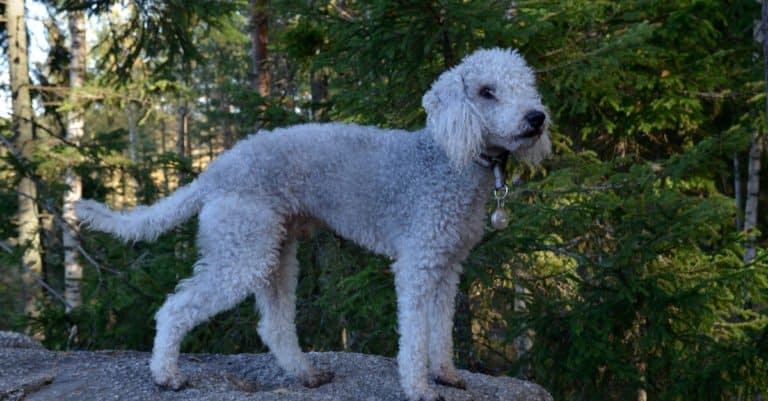
Looks like a lamb, hunts like a terrier
Born to retrieve, built to bond.
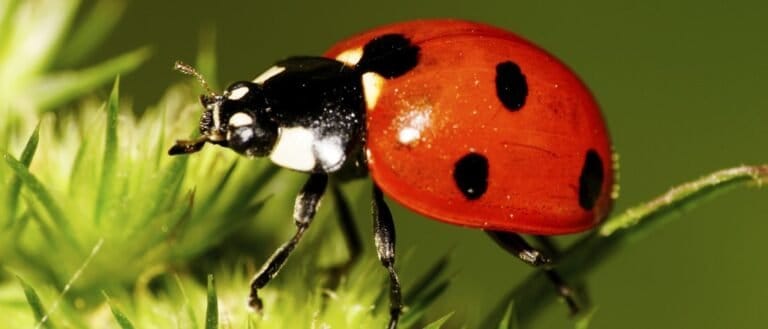
Spotted guardians of gardens
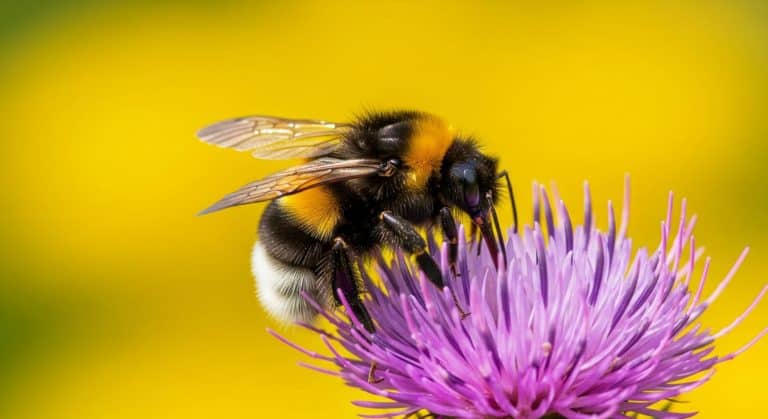
Built for buzz, born to pollinate
One genus, many hives-planetwide pollinators
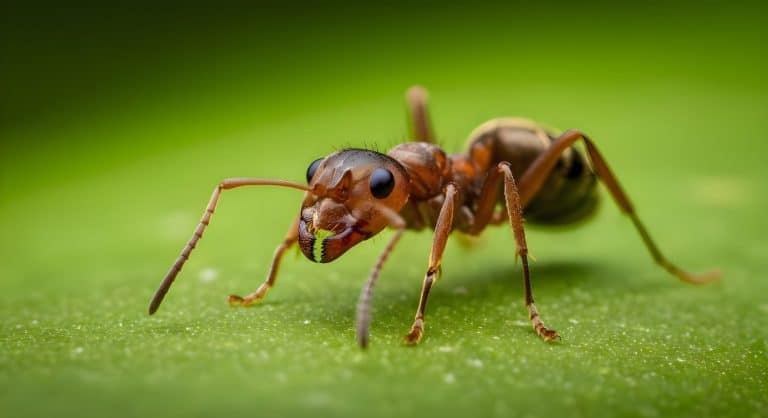
Small bodies, superorganism power
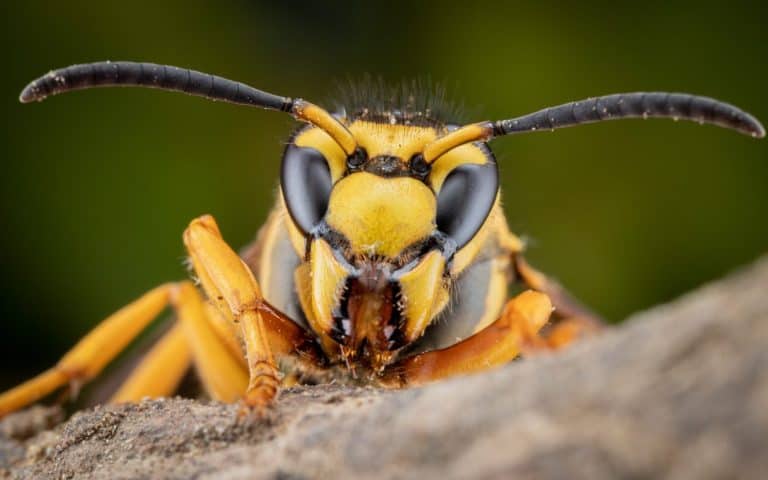
Small hunters, huge ecological impact
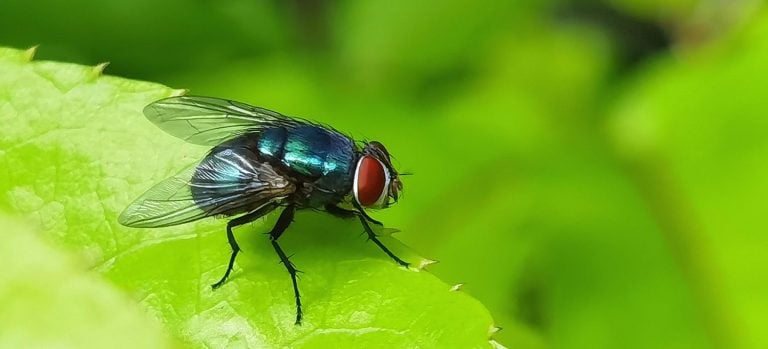
One wing pair. Endless roles.
Eat. Molt. Metamorphose.

Big bluff, sharp beak, potent chemistry.
Feathers, flight, and endless variety
Color-coded courtiers of the coral reef
Reef royalty with a wardrobe change
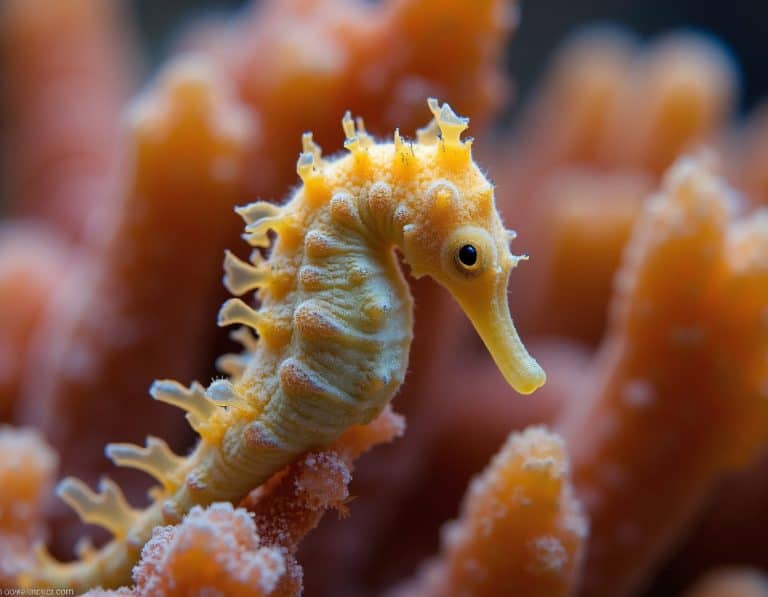
Dads who carry the ocean's babies
Nature's masters of rapid evolution
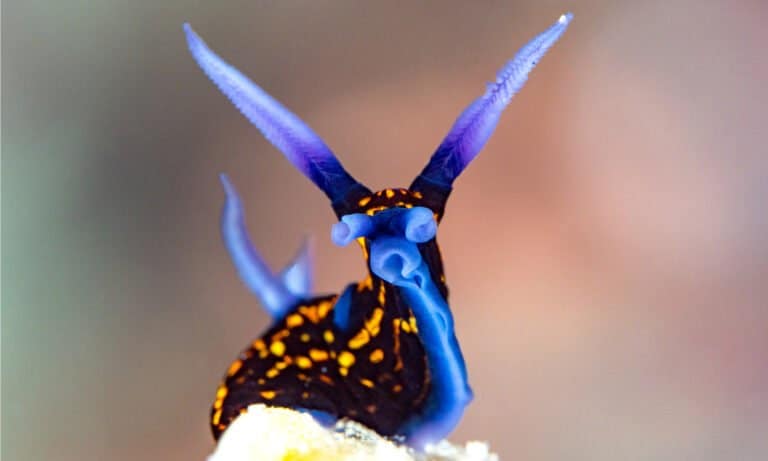
Naked gills, wild skills.
Thank you for reading! Have some feedback for us?
We appreciate your help in improving our content.
Our editorial team will review your suggestions and make any necessary updates.
There was an error submitting your feedback. Please try again.