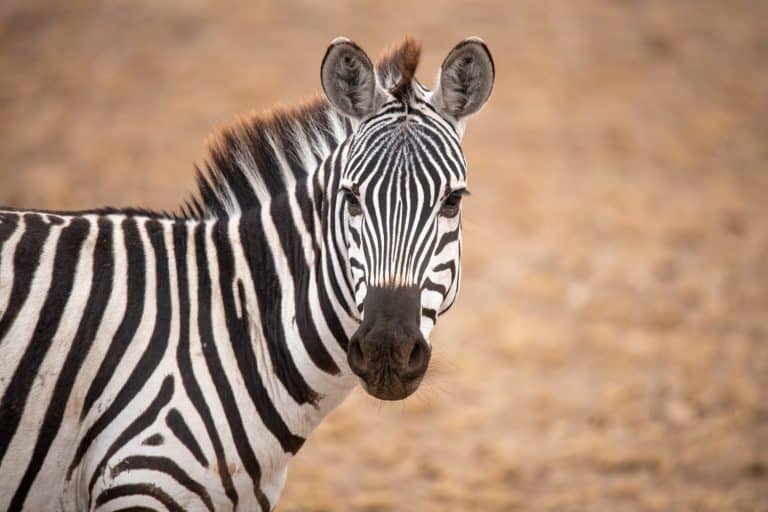
Zebra
Stripes built for the African wild

Stripes built for the African wild
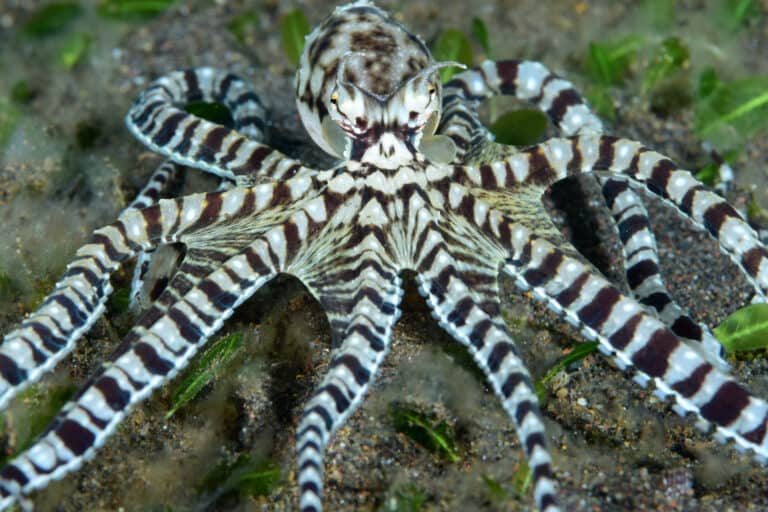
Eight arms, endless ingenuity
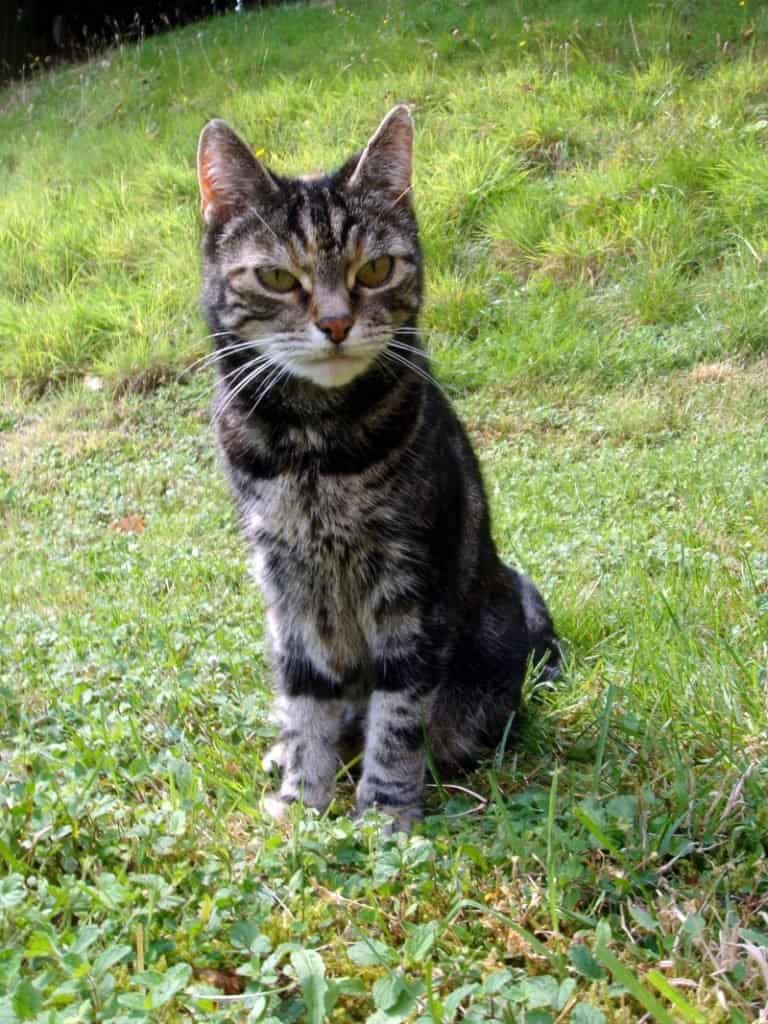
Small hunter, big household legend
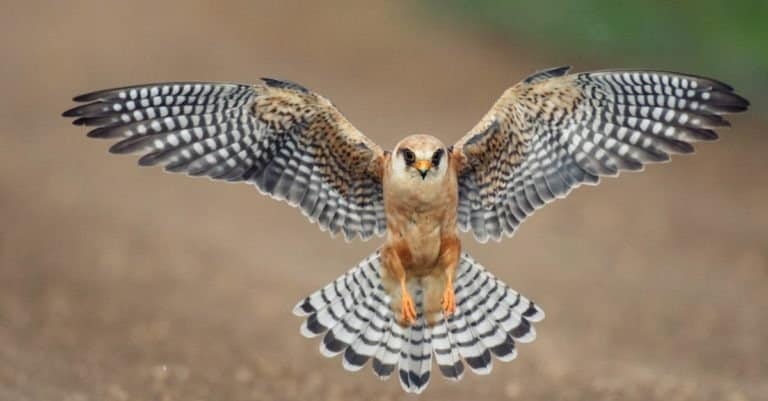
Speed, smarts, and sky mastery
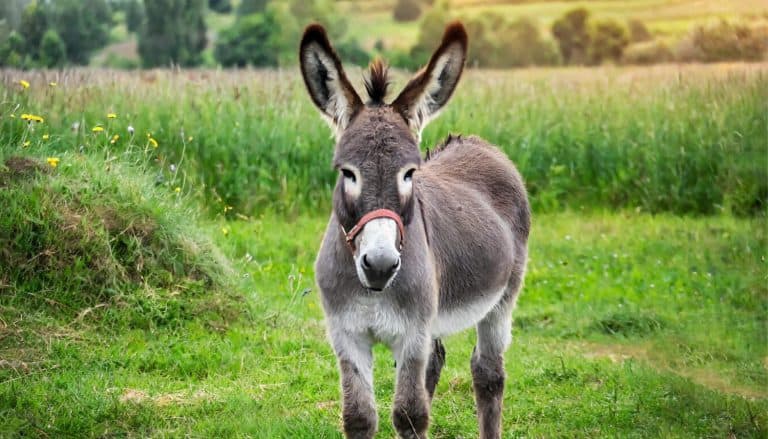
Sure-footed partner of people
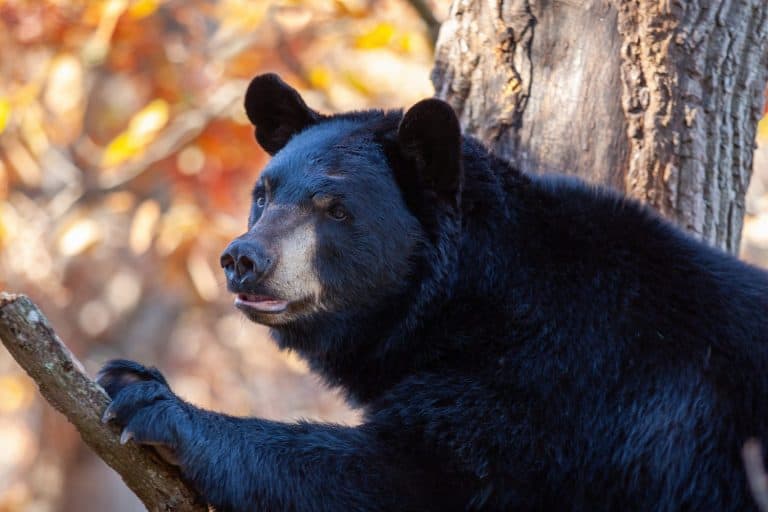
Many colors. One tough survivor.
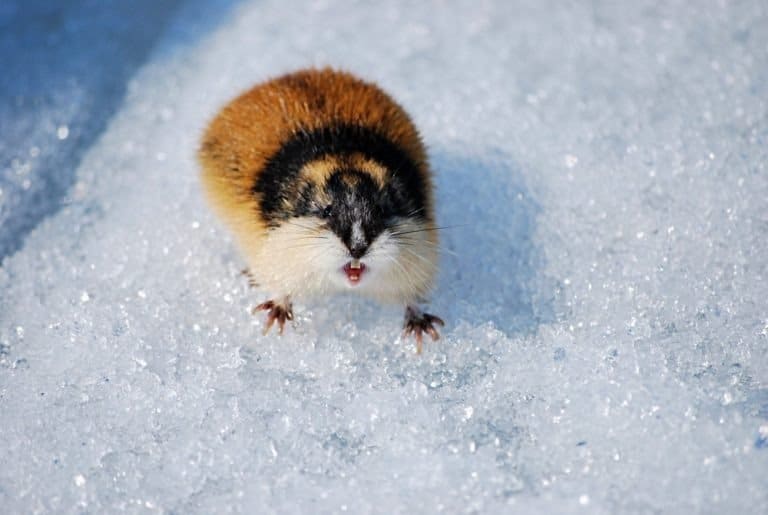
Small rodents, huge tundra impact
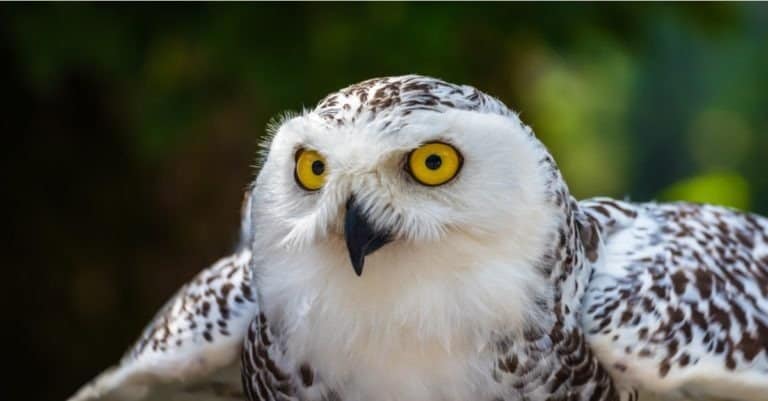
White hunter of the wide tundra
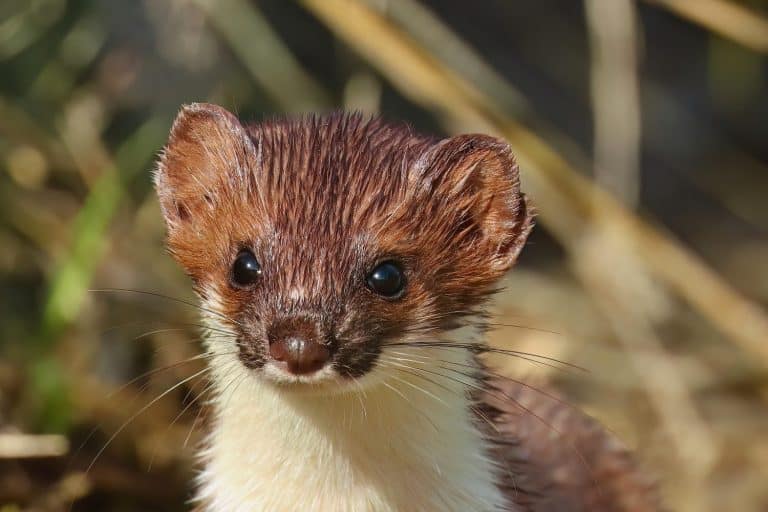
Small body, fearless hunter

Stripes of Asia's top predator
In animal coloration, white is an achromatic appearance produced when integumentary tissues reflect or scatter most wavelengths across the visible spectrum with minimal wavelength-selective absorption. It commonly arises from little to no pigment (especially reduced melanin) and/or from structural scattering by keratin, collagen, air vacuoles, or microstructures in hair, feathers, scales, or skin.
White is one of the most widespread "non-colors" in nature, created not by a single pigment but by the physics and biology of reflection. In many animals, white fur or feathers occur when melanin is absent or greatly reduced, allowing light to bounce through keratin or collagen-rich tissues and return broadly across the visible spectrum. In other cases, microscopic structure does much of the work: air pockets, irregular fibers, and layered tissues scatter incoming light efficiently, producing a bright, often matte or softly lustrous white even when pigments are scarce.
Ecologically, white can be a powerful form of camouflage in high-albedo environments such as snowfields, sea ice, pale sand, or sun-bleached rock, reducing contrast against the background. Seasonal whitening (e.g., in some mammals and birds) highlights how strongly selection can favor matching a changing landscape. At smaller scales, white patches and patterns also break up body outlines, helping animals avoid detection even outside purely white habitats.
White coloration is also prominent in communication and physiology. High-contrast white signals-wing flashes, tail patches, facial marks, or ventral "belly" whiteness-can serve in species recognition, courtship displays, and coordinated group movement. Because white surfaces reflect solar radiation more than dark surfaces, extensive white areas can influence heat gain and may interact with behaviors like basking or seeking shade. Across taxa, the same visual outcome (white) can thus reflect different mechanisms and functions, from pigment loss to intricate structural optics.
On animals, white typically appears as a bright, high-reflectance coloration with little visible hue, created either by very low pigment (e.g., reduced melanin in hair/feathers/skin) or by structural scattering from keratin, air pockets, or microstructures in fur and feathers. In fur, "white" often looks soft and matte, with individual hairs appearing translucent/clear and reflecting ambient light; density and underfur can make it look more uniform and opaque. In feathers, white can look crisp and clean when barbs/barbules scatter light efficiently; wear, oils, and dirt shift it toward off-white. In skin/scales, true white may be rarer and often appears as pale, chalky, or slightly pinkish/cream depending on blood perfusion and underlying tissues; in many cases "white" areas are actually unpigmented and show subtle translucency. White markings may have sharp borders (genetic patterning) or diffuse edges (roaning, frosting), and can range from small patches (spots, blazes, socks) to full-body white (leucism/albinism or naturally white morphs). Under different lighting, white can pick up environmental tints-blue in shade/snow glare, warm cream in sun, or gray in overcast-so it often reads as a 'neutral mirror' of the ambient color temperature.
Not a single wavelength; perceived white results from broad, relatively even reflection across the visible spectrum (~400-700 nm). Brightness depends on total reflectance; slight spectral biases create 'cool' (more short-wavelength) or 'warm' (more long-wavelength) whites.
Common digital approximations span from pure white to off-whites: #FFFFFF (pure), #FDFDFD-#F7F7F7 (soft whites), #F5F5F5-#EDEDED (light gray-white), warm/ivory whites often read around #FFF8E7-#FFF1D6, cool/blue whites often read around #F7FBFF-#EDF6FF.
Humans perceive white primarily as high luminance with minimal chroma; it readily shows shadows and subtle tints, so animal 'white' may look blue in shade or creamy in sun. Many non-human species do not experience white the same way because color channels and sensitivity differ: - Typical mammals (often dichromatic): Many have fewer cone types than humans and rely more on brightness contrast. White is strongly salient as a bright region, but subtle warm-vs-cool whites may be less distinguishable; edges and contrast against background matter most. - Birds (often tetrachromatic with UV sensitivity): Many birds can detect ultraviolet reflectance that humans can't. Feathers that look uniformly white to humans may have UV-bright or UV-dull characteristics, changing how 'white' reads for signaling or mate choice. - Insects (many see UV/blue/green): 'White' surfaces can be extremely conspicuous if they reflect UV; conversely, UV-absorbing whites may look comparatively darker. - Aquatic viewers (fish, marine mammals): Water filters wavelengths with depth; white remains a strong brightness cue near the surface but can shift in appearance as reds disappear and ambient light becomes bluer. Scattering and turbidity can reduce contrast. - Nocturnal species: With rod-dominated vision, white is mainly perceived as a high-reflectance/bright target; it can be highly conspicuous in low light, which can be used for signaling (e.g., tail flashes) or avoided for stealth. Overall, across species, 'white' is typically a powerful luminance signal, but its UV reflectance and subtle spectral biases can dramatically change how it functions and how conspicuous it appears to different viewers.
High-brightness, cool-leaning white that can appear slightly blue in shade or on snow; common in winter coats/plumage where dense, air-filled fibers maximize scattering.
Warm off-white with a faint yellow/tan cast; often from low levels of pheomelanin, dietary staining, keratin/oil effects, or environmental exposure.
White with subtle sheen or iridescent-like luster (not true iridescence), caused by smooth hair/feather surfaces and directional reflection; can look 'silky' under strong light.
Matte, opaque-looking white on skin/scales/feathers with a slightly dusty appearance; may occur where microtexture increases diffuse reflection.
Intermixed white and pigmented hairs/feathers giving a salt-and-pepper or frosted look; edges are diffuse rather than sharply bounded.
Even mixture of white and colored hairs across a region, producing a lighter overall tone without clear patches; can look pinkish/grayish depending on base color.
Distinct white areas on an otherwise pigmented body (blazes, collars, socks, spots). Boundaries can be crisp (strong pattern genes) or slightly feathered.
Reduced pigment across much of the body while eyes may remain normally colored; often yields an 'off-white' or slightly translucent look, with pattern remnants sometimes faintly visible.
Near-total pigment loss including eyes; body appears white to creamy, but skin and hair/feathers can look pinkish due to visible blood vessels and translucency; often paired with light sensitivity.
White that has taken on yellow-brown, gray, or reddish tones from soil, algae, iron-rich water, oils, or feather wear; common in ground-dwelling or aquatic settings.
Eumelanin normally produces black/brown; white commonly results when eumelanin deposition is absent or greatly reduced in integument (hair/feather/skin). In leucism/piebaldism, melanin-producing cells (melanocytes) may be missing from some regions; in albinism, melanocytes may be present but cannot synthesize melanin.
Pheomelanin produces red/yellow-brown hues. White can occur when both pheomelanin and eumelanin are absent/reduced (complete depigmentation) or when melanocytes are missing locally (white spotting).
Many white phenotypes are effectively a "no pigment" condition rather than a distinct white pigment. This includes hair/feather shafts lacking melanin granules, and skin lacking melanization (often appearing pink due to blood vessels underneath).
White coloration is broadly adaptive when it either (1) matches bright backgrounds to reduce detection, (2) enhances visual signaling through high contrast, and/or (3) reduces heat load under intense solar radiation. Its value is strongly seasonal and habitat-dependent: it excels in high-albedo or open, brightly lit environments but can impose costs via increased conspicuousness on dark substrates and potential UV sensitivity when pigment is absent.
Blends with high-albedo backgrounds (snow, ice, white sand, salt flats, pale limestone) and reduces edge contrast when paired with countershading or seasonal molt. White patches can also break up body outline in dappled light or against surf/foam.
Effectiveness: High in snow/ice and polar/alpine winters; moderate on pale sand/rock or in coastal surf zones; low in dark forests/soil or during snow-free seasons unless limited to small patches or used in disruptive patterns.
Reflects a large fraction of incoming solar radiation, reducing heat gain in strong sunlight. In some taxa, white fur/feathers also provide insulation via trapped air, affecting heat retention rather than reflection alone.
Effectiveness: High benefit in hot, sunny, open habitats (deserts, savannas, salt flats) for reducing overheating; mixed in cold climates where insulation dominates and whiteness is neutral/secondary; low benefit in shaded habitats where solar load is limited.
Acts as a high-contrast visual signal (flashes of white in wings/tails, facial patches) to coordinate group movement, alarm, startle predators, or signal intention during social interactions. Can also function as pursuit-deterrent displays (e.g., conspicuous tail flags) or as attention-focusing markings.
Effectiveness: High in open habitats and at twilight/dawn when contrast is strong; effective for long-distance signaling in flocking/herding species; reduced in dense vegetation, turbid water, or at night without sufficient ambient light (unless coupled with bioluminescence/reflective structures).
White plumage/patches can advertise condition (cleanliness, parasite load, structural quality, wear) and can be used in displays (courtship postures, wing-flicks). In some species, whiteness may correlate with age or dominance via molt timing or maintenance costs.
Effectiveness: Often high where mates assess visual traits and where white is conspicuous against the background (open habitats, breeding arenas); reduced where predation risk strongly penalizes conspicuousness or in visually cluttered environments.
Distinctive white patterns (wing bars, facial masks, rump patches) help individuals identify conspecifics, recognize flock members, or maintain pair bonds, especially in mixed-species groups.
Effectiveness: High in communities with similar-bodied species where pattern cues prevent misidentification; moderate when other cues (song/odor) dominate; low in low-light or highly obstructed habitats where patterns are not easily seen.
Can reduce detection by predators (via camouflage) and may also provide limited UV/solar protection indirectly by reflecting light, though lack of pigment can increase UV sensitivity in exposed skin/eyes. In marine systems, pale coloration can reduce contrast from below against bright surface waters (countershading).
Effectiveness: High protective value when background-matched or countershaded; context-dependent trade-off where unpigmented skin increases sunburn/UV damage risk (high UV environments) unless covered by fur/feathers or supplemented by behavior (shade-seeking).
Common patterns include: (1) males with larger/brighter white patches or whiter overall plumage/fur used in courtship and display, while females are more cryptic (reduced white or more mottled); (2) both sexes similarly white in strong camouflage-driven systems (e.g., snow-dependent habitats), with dimorphism expressed more in size/ornament than color; (3) white used as sex-specific signals (e.g., male-only wing/tail flashes) in species where display benefits outweigh predation costs for one sex.
White coloration can influence survival and human interactions, which in turn affects conservation. In snowy or pale habitats, seasonal or permanent white coats can provide critical camouflage; mismatches caused by reduced snow cover (climate change) can increase predation risk and lower fitness (notably in species that historically turn white in winter). Conversely, in dark habitats, conspicuous white individuals (including leucistic/albino animals) may suffer higher predation or reduced hunting success, making them less likely to persist. Human fascination with rare white morphs can drive disturbance, illegal collection, or targeted hunting, but it can also increase public engagement and fundraising if managed ethically. For monitoring, white individuals may be more detectable in surveys (potentially biasing counts) yet easier to identify for mark-recapture or photo-ID. Management decisions should avoid treating rare white morphs as separate conservation units unless supported by genetics and population structure; protecting habitat and genetic diversity generally yields better outcomes than focusing on color variants alone.
Polar bears aren't "painted white": their hairs are largely transparent and scatter light; the fur looks white even though the strands themselves have little to no pigment.
Black skin under a white coat: polar bears have dark skin beneath their pale fur-showing that "white on the outside" doesn't necessarily mean unpigmented skin.
"White" can be structural, not pigment-free: many animals look white because tiny structures (or air pockets) in hair/feathers scatter light in many directions, producing a bright white appearance.
Albinism isn't just a white coat: true albinism typically reduces melanin in skin, hair/feathers, and eyes-often giving pinkish/red eyes-while leucism can produce white fur/feathers but usually leaves eye color normal.
White babies can be the norm: beluga calves are born dark gray and only become white as they age-so the iconic white adult color is a "growing up" feature, not a birth trait.
Some "white" is actually microscopic mirrors: in many fish and some reptiles/amphibians, reflective cells (with guanine crystals) create silvery-white sheen that's more like a mirror than a paint color.
White is a broadband reflector: it reflects a large fraction of visible wavelengths-think of it as nature's "all-channel bounce-back" compared with a strongly absorbing black coat.
Camouflage by matching the background: a white winter coat works like wearing the same color as the landscape-effective at distance because predators/prey detect contrast more easily than fine detail.
Transparent fibers, white appearance: polar bear fur is like frosted glass-individual hairs can transmit light, but the combined scattering makes the whole coat look white.
Patch signals are high-contrast billboards: a small white rump patch (common in deer and antelope) can stand out as strongly as a flashlight beam against dark vegetation when the animal bolts.
White vs. "silvery" in water: silvery-white fish sides behave like a moving mirror, reflecting the water's brightness; on average this can reduce visibility more than a matte white would.
Seasonal white is a timed uniform: when snow lasts longer than usual, a white-coated hare on bare ground becomes conspicuous-like a person in a white snowsuit standing on a dark sidewalk.
Biggest "white-coated" land predator: the polar bear is the largest living terrestrial carnivore, and its pale coat is a top-tier example of snow/ice camouflage.
Largest wingspan on a mostly white bird: the wandering albatross (largely white-bodied) holds the record for the greatest wingspan of any living bird (up to ~3.5 m / ~11.5 ft).
One of the rarest "naturally white" bears: the Kermode (spirit) bear is a white-coated form of the American black bear, occurring at low frequency and concentrated in parts of coastal British Columbia.
Most dramatic wardrobe swap: animals like the arctic fox and willow ptarmigan can shift from brown/gray summer coats to near-white winter plumage/fur-among the most striking seasonal color changes in mammals and birds.
Among the whitest adult whales: belugas mature from gray to bright white, making them some of the most conspicuously white large marine mammals.
Extreme winter camouflage specialist: the snowshoe hare can become nearly all-white in winter in much of its range, closely matching snowy habitats.
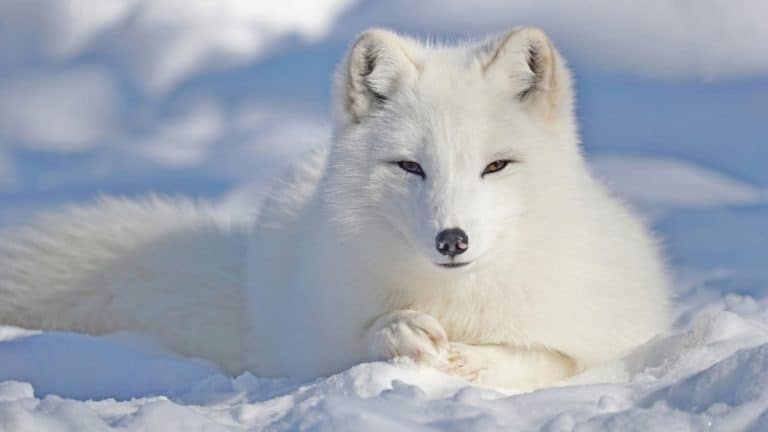
Built for blizzards, born for tundra

Humps of fat, miles of grit
Small hunter, big household legend
Sure-footed partner of people
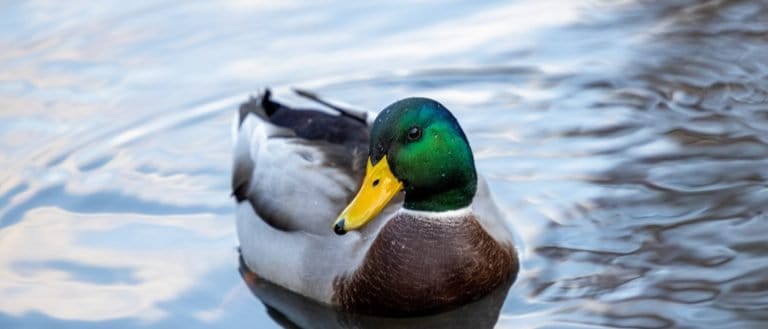
Webbed feet, world travelers.
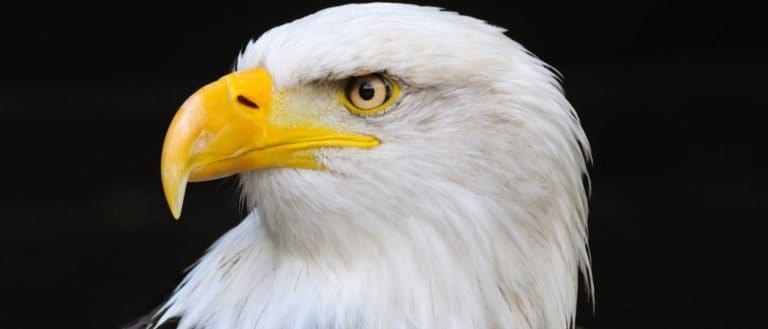
Built to soar, born to strike
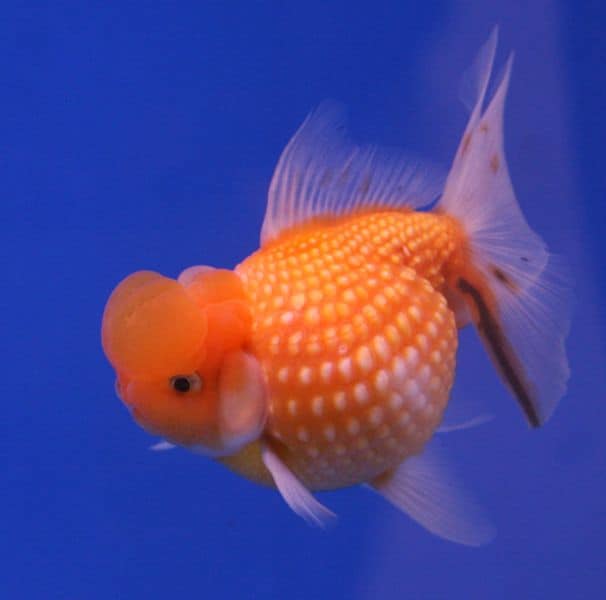
Bony rays, endless ways.
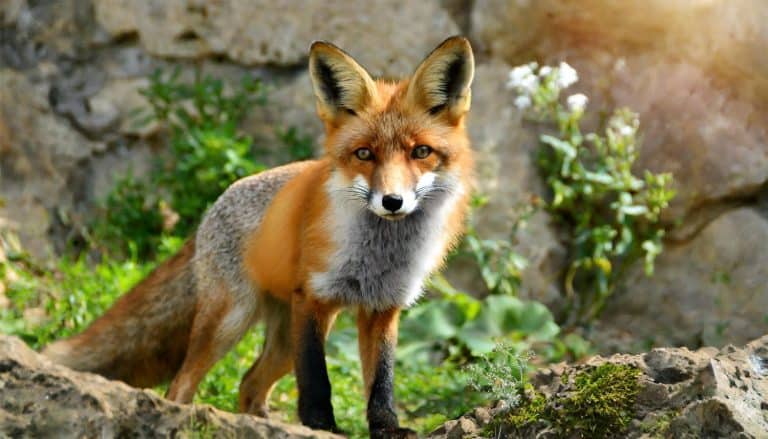
From dunes to tundra-fox smart.
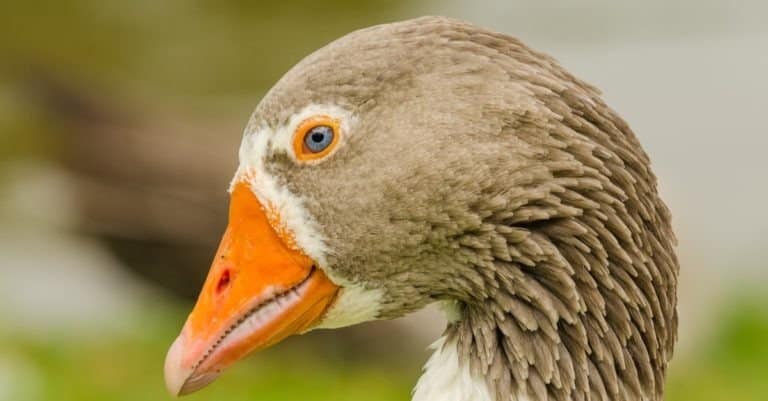
Webbed feet, sky roads, wetland lives
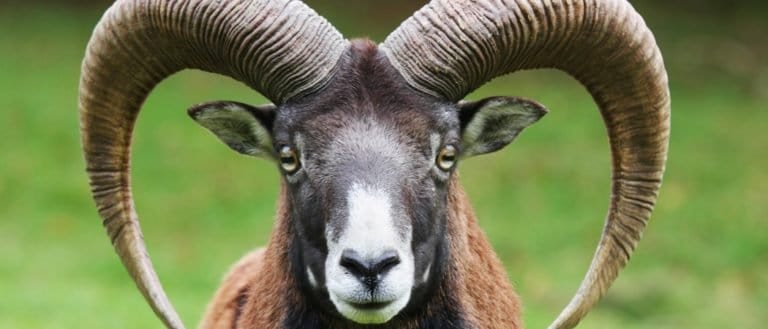
Sure-footed masters of rock and range
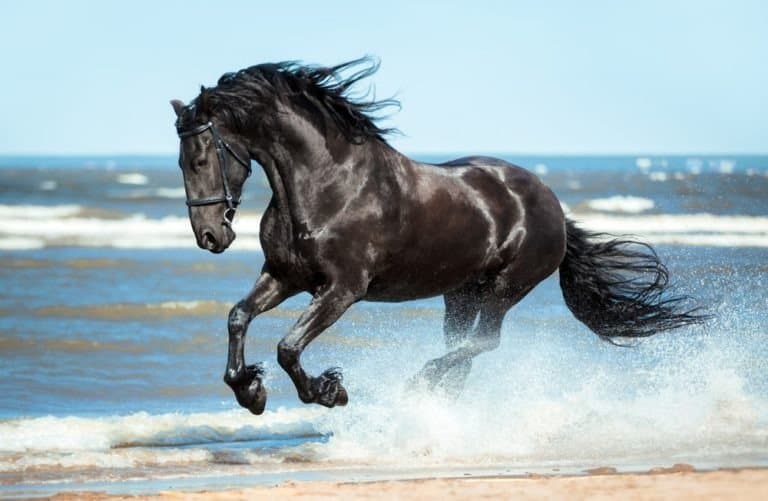
One hoofbeat, a thousand histories
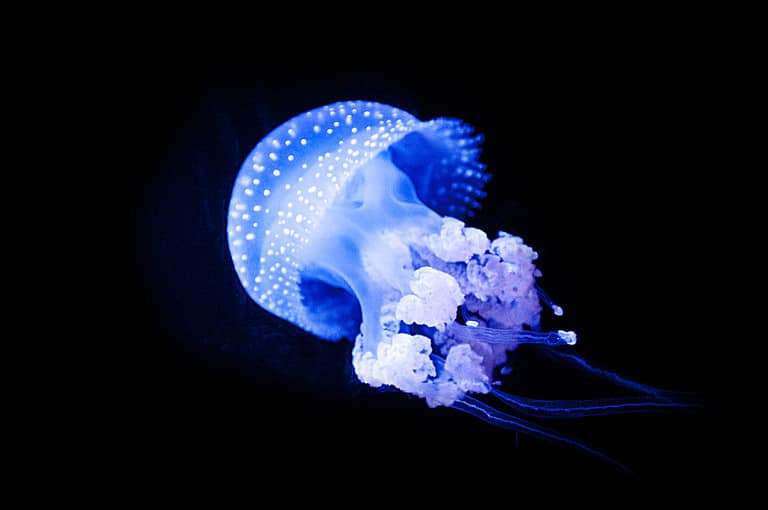
Sting-powered drifters of the sea
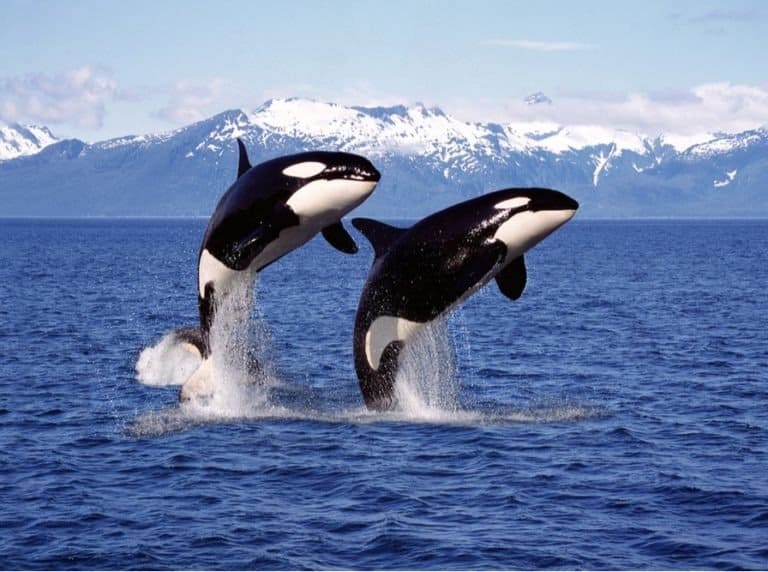
One species, many ecotypes.
Small rodents, huge tundra impact
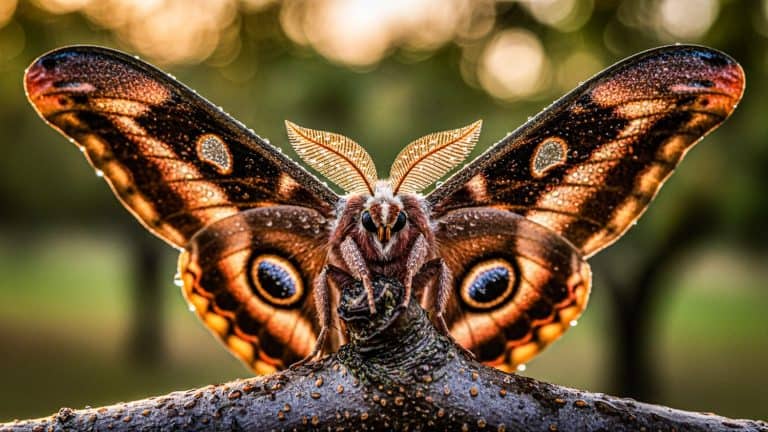
More than night flyers
Eight arms, endless ingenuity
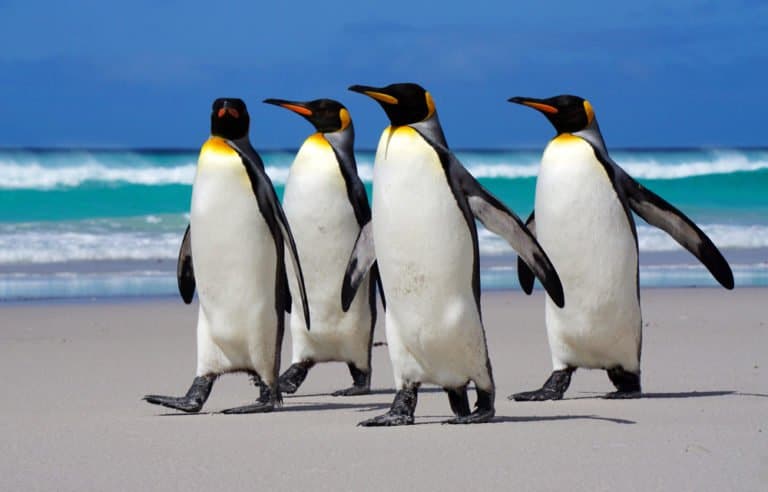
Born to dive, dressed to endure
Stripes of Asia's top predator
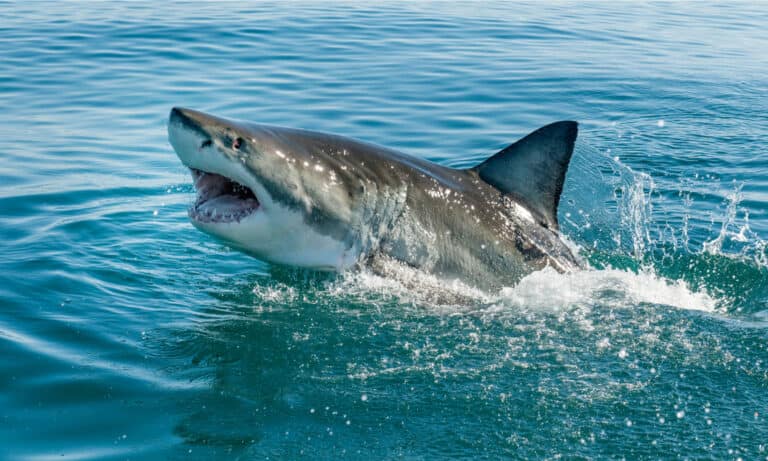
Warm-blooded hunter of the seas
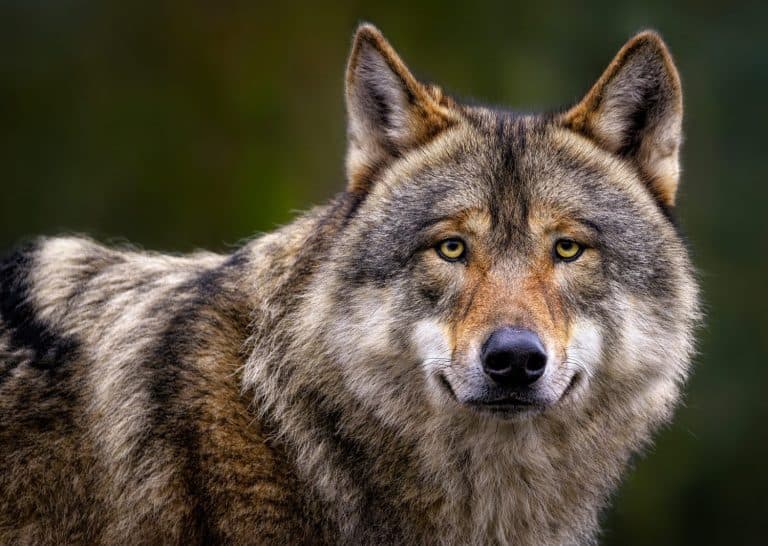
Packs, howls, and healthy wildlands
Stripes built for the African wild
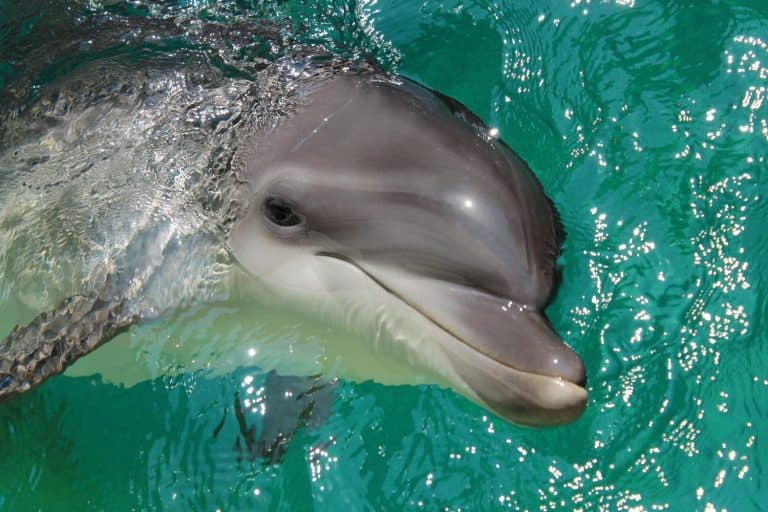
Built for the surf-and sonar.
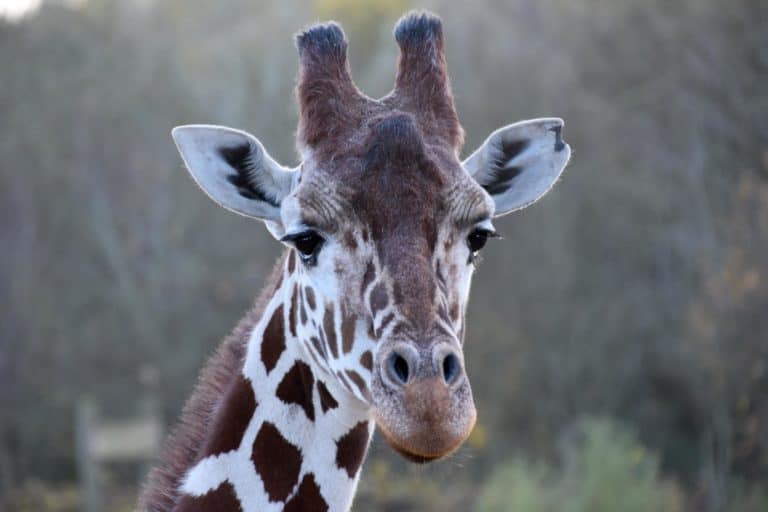
Spots, height, and silent savanna giants
Speed, smarts, and sky mastery
Thank you for reading! Have some feedback for us?
We appreciate your help in improving our content.
Our editorial team will review your suggestions and make any necessary updates.
There was an error submitting your feedback. Please try again.