


C
Species Profile

Catahoula Bulldog

Canis lupus familiaris

Grit, speed, and swamp-country brains.
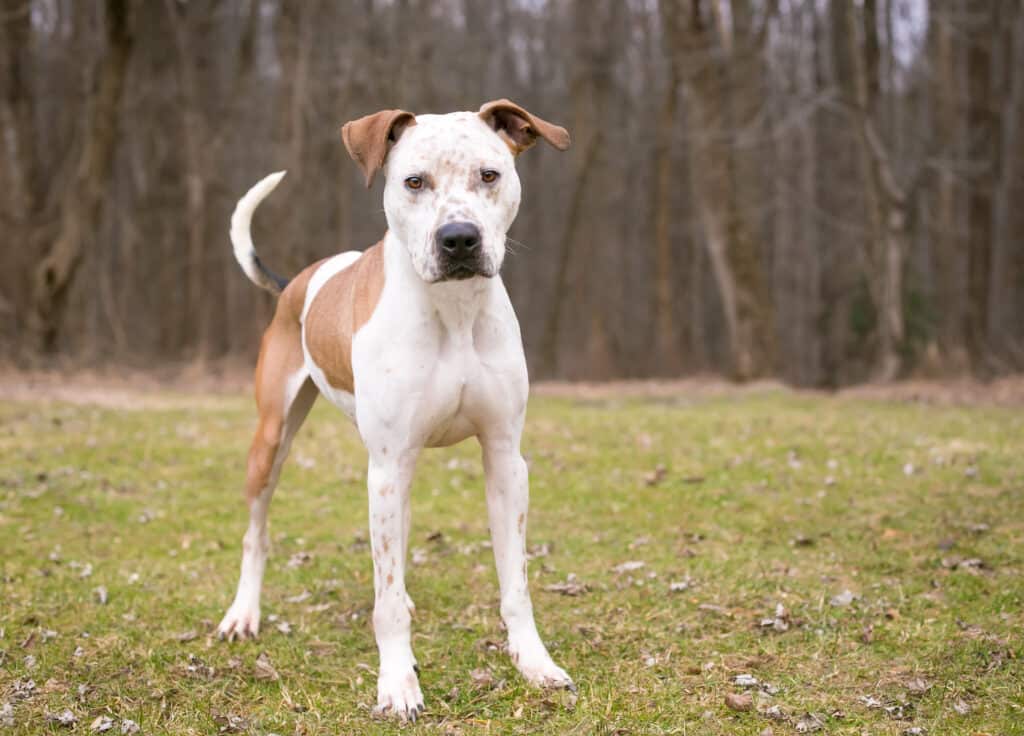
Mary Swift/Shutterstock.com

Catahoula Bulldog Distribution

Click a location to explore more animals from that region

Origin Location

This map shows the native origin of the Catahoula Bulldog. As a domesticated species, they are now found worldwide.

Loading map...

Size Comparison

Human 5'8"
Catahoula Bulldog 2 ft 1 in

Catahoula Bulldog stands at 36% of average human height.

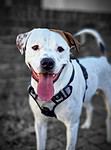
Catahoula bulldog

At a Glance

Domesticated
Diet Omnivore
Activity Diurnal+
Lifespan 5 years
Weight 50 lbs
Status Not Evaluated
Did You Know?

Not a standardized wild taxon-it's a working crossbreed of domestic dog (Canis lupus familiaris).

Scientific Classification

The Catahoula Bulldog is a purpose-bred working dog cross (not a distinct wild taxon), most commonly produced by crossing a Catahoula Leopard Dog with an American Bulldog. It is typically valued for athleticism, drive, and utility in hog hunting and ranch/farm work.

Kingdom
Animalia
Phylum
Chordata
Class
Mammalia
Order
Carnivora
Family
Canidae
Genus
Canis
Species
lupus

Distinguishing Features

  • Medium-to-large, muscular, athletic build
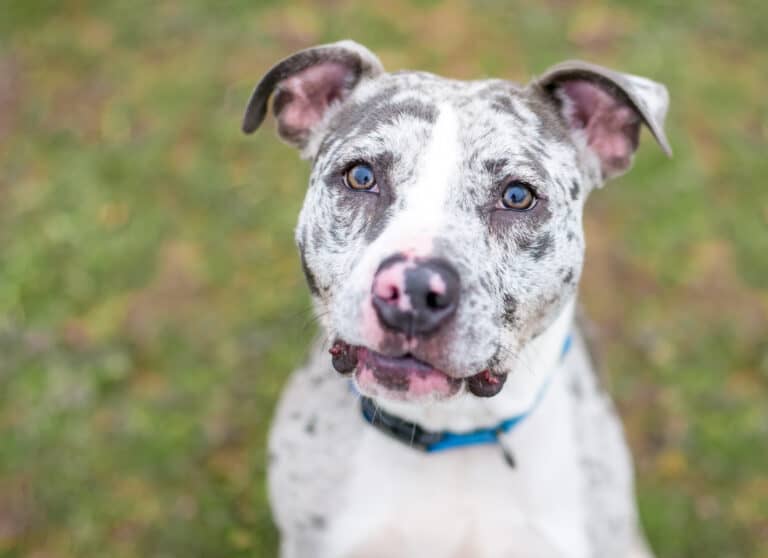
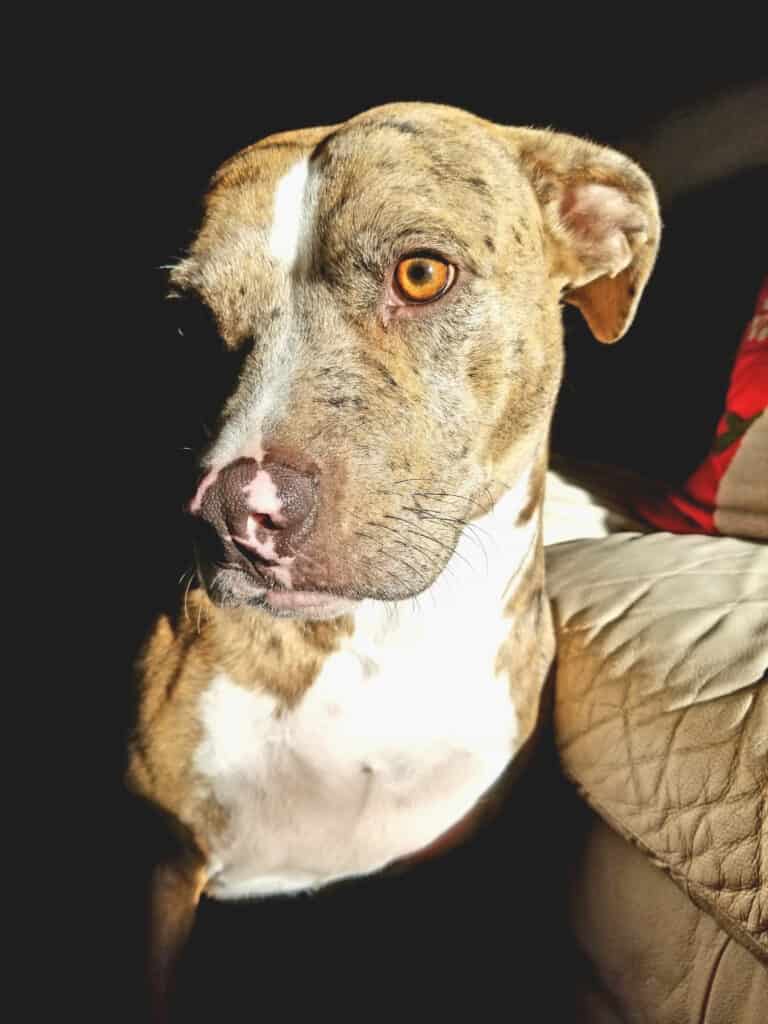
  • Often short coat; may show merle/leopard patterning inherited from Catahoula lines
  • High working drive and stamina; strong prey/hold instincts reported in working lines
  • Variable appearance due to crossbreeding; not a single standardized conformation

Physical Measurements

Males and females differ in size

Height
2 ft (1 ft 10 in – 2 ft 2 in)
1 ft 11 in (1 ft 8 in – 2 ft 1 in)
Length
3 ft 5 in (3 ft 1 in – 3 ft 9 in)
Weight
84 lbs (71 lbs – 99 lbs)
71 lbs (51 lbs – 90 lbs)
Tail Length
1 ft 2 in (12 in – 1 ft 4 in)
1 ft 3 in (12 in – 1 ft 6 in)
Top Speed
28 mph
fit adult sprint estimate

Appearance

Primary Colors
Secondary Colors
Skin Type Canis lupus familiaris (Catahoula Bulldog) has a short, close coat that sheds little to moderately. Bully-type dogs may have thicker, looser neck skin and white areas can be sun-sensitive and prone to irritation if overexposed.
Distinctive Features
  • Domestic dog crossbreed (not a separate wild taxon): purpose-bred working-type mix most commonly from Catahoula Leopard Dog × American Bulldog; appearance and temperament can vary substantially by line and selection.
  • Athletic, powerful build: generally more muscular and broad-chested than many other domestic dog types, with a functional, agile frame suited to hog work and ranch/farm tasks.
  • Head and muzzle often intermediate between parents: broader, more blocky skull and stronger jaw than Catahoula alone; muzzle length varies from moderate to shorter (avoid extreme brachycephaly in working lines).
  • Coat is usually short and easy-care; many individuals show leopard/merle-type mottling/spotting or patch-and-white patterns; brindle may appear in some lines.
  • Working-drive traits are common but not uniform: high prey/stock drive, intensity, and endurance are often selected for hog hunting and farm utility; requires experienced handling, early socialization, and ongoing training to channel drive safely.
  • Exercise and enrichment needs: typically requires daily vigorous activity (running, structured work, scent/tracking games, pulling/conditioning as appropriate) plus mental work; under-exercised dogs may develop destructive or reactive behaviors.
  • Health considerations (variable by lineage): potential for hip/elbow dysplasia and other orthopedic strain due to athletic work; cruciate injuries can occur in active, muscular dogs.
  • Skin/coat concerns: allergies/dermatitis may occur; dogs with significant white may be more prone to sunburn and skin irritation-provide shade, limit intense sun exposure, consider dog-safe sun protection on exposed areas.
  • Color-associated risks in some lines: merle-pattern inheritance can be linked with increased risk of hearing/vision issues when poorly managed in breeding (risk depends on genetics and pairing).
  • Care requirements: maintain lean body condition to protect joints; routine nail/foot care (working terrain), parasite prevention, and regular ear/skin checks; short coat generally needs weekly brushing and occasional bathing.

Sexual Dimorphism

Often noticeable but not extreme; males tend to be larger and heavier-boned with broader heads/neck musculature, while females are typically lighter, more streamlined, and may appear more athletic in outline. Degree varies by parentage and selection for work.

  • More pronounced head width and cheek/jaw musculature; thicker neck and forequarters.
  • Heavier bone and deeper chest; overall bulkier silhouette.
  • Generally smaller and lighter with a more streamlined, agile outline.
  • Less pronounced jowls/neck thickness; finer head and limb proportions.

Did You Know?

Not a standardized wild taxon-it's a working crossbreed of domestic dog (Canis lupus familiaris).

Most are produced from Catahoula Leopard Dog × American Bulldog pairings to blend grit with range and agility.

Some inherit the Catahoula's "leopard/merle" patterning and occasional light or "glass" eyes.

In hog work, many are used as "catch dogs" (grip/hold) or as multi-role bay-and-catch partners depending on build and training.

Coat, size, and temperament can vary widely because it's a cross, not a closed, uniformly registered breed.

The Catahoula Leopard Dog is Louisiana's state dog (1979), and that heritage influences the cross's Southern working-dog identity.

Strong bonding and protectiveness are common; they often thrive when given a job and clear structure.

Unique Adaptations

  • Blended working phenotype: Catahoula-style agility/endurance paired with American Bulldog power for physically demanding farm tasks.
  • Short, weather-tolerant coat common in the cross; many handle heat better than heavy-coated breeds (still require shade/water).
  • Often strong, athletic rear drive and springy movement for quick direction changes in brush or uneven terrain.
  • Variable coat genetics (including merle/leopard patterns in some) can provide disruptive camouflage in scrub/woods during field work.
  • Some may inherit slightly webbed feet traits seen in Catahoulas, aiding traction in mud/wet ground (varies by individual).
  • High pain tolerance and persistence typical of purpose-bred working stock-useful in the field, but can mask injuries and overexertion.

Interesting Behaviors

  • Bay-and-hold style livestock/hog work: circling, barking, and pressuring to stop movement, then holding at close range.
  • "Catch" behavior in some lines: targeted grip-and-hold with intense focus (needs careful management and training).
  • High environmental scanning: ranging out, checking back, and using body language to control animals rather than constant barking.
  • Problem-solving and boundary testing: will experiment with gates, latches, and fences if under-stimulated.
  • Strong handler orientation once bonded: tends to work in partnership and may become pushy without consistent rules.
  • Protective territorial routines: patrolling property edges and alerting quickly to novel sounds or visitors.
  • Prey-drive games: stalking, sudden bursts of speed, and vigorous tugging/holding behaviors.

Cultural Significance

Catahoula Bulldog (Canis lupus familiaris) comes from Southern U.S. catch-dog work. Bred for feral hog control, ranch and farm tasks, it mixes Louisiana Catahoula and American Bulldog roots. Today it reflects working-dog use and calls for ethical handling, careful breeding, and experienced homes.

Myths & Legends

In Louisiana working-dog circles, origin tales often describe ranchers and hog hunters "building the perfect dog" by crossing Catahoulas (for brains, range, and stock sense) with American Bulldogs (for grit and holding power).

Catahoula lore-often repeated in regional storytelling-links the Catahoula Leopard Dog to early Louisiana frontier life, where "leopard dogs" were valued for handling wild hogs and cattle in swamps and piney woods.

Naming stories around "Catahoula" are part of local tradition: it's commonly associated with Catahoula Parish and with Indigenous-language place-name explanations passed down in regional accounts.

American Bulldog heritage is frequently told through historical anecdotes of Southern farms preserving old working bulldog types after they faded in other places-stories that frame the bulldog as a symbol of rural resilience.

Hog-hunting camp stories often treat a standout catch dog as a near-mythic partner-remembered for specific boar encounters, night hunts, and "one-dog" saves-an oral tradition that keeps reputations alive long after the dog is gone.

Conservation Status

NE Not Evaluated

Has not yet been evaluated against the criteria.

Population Stable

Life Cycle

Birth 7 pups
Lifespan 5 years

Lifespan

In the Wild
2–10 years
In Captivity
10–14 years

Reproduction

Mating System Polygynandry
Social Structure Managed Domestic
Breeding Pattern Not Applicable
Fertilization Managed Selective
Birth Type Managed_selective

Catahoula Bulldog (Canis lupus familiaris) breeding is managed by people. Owners or breeders arrange matings; males and females may mate with multiple partners. Internal fertilization occurs, pair bonds aren’t needed, and humans care for puppies.

Behavior & Ecology

Social Pack Group: 4
Activity Diurnal, Crepuscular, Cathemeral
Diet Omnivore Meat-forward working-dog kibble or a balanced meat-based ration (e.g., beef or chicken)

Temperament

HUBS (domestic dog) baseline: highly social and human-oriented, with wide variation by genetics, early socialization, and training; Catahoula Bulldog tends toward a more intense working-dog profile (drive, stamina, persistence) than many companion breeds.
Breed-distinguishing traits vs base species/hub: athletic, high prey/engagement drive; often bold, forward, and problem-solving; may show territorial/protective tendencies and selective dog sociability if under-socialized.
Work style: commonly excels in hog hunting/ranch tasks (tracking, baying, holding/pressure); can shift rapidly from calm to high arousal-benefits from impulse-control training and clear off-switch behaviors.
Handler focus: often bonds strongly to one or a few people; can be stubborn/independent (Catahoula influence) yet powerful and people-driven (American Bulldog influence).
Social tolerance: may do well with known, well-matched dogs; can be pushy with unfamiliar dogs, especially same-sex or similarly intense individuals-management and careful introductions recommended.
Care requirements (behavioral): high daily exercise plus mental work (scent work, structured fetch/tug with rules, obedience, job-like tasks); needs secure containment (strong fencing/leash skills) due to drive and roaming potential.
Care requirements (training): early, ongoing socialization; reward-based training with firm consistency; avoid harsh handling that can escalate defensive behavior; muzzle training can be prudent for veterinary care or high-arousal environments.
Possible health issues: hip and elbow dysplasia; cruciate (ACL) injuries in active dogs; skin allergies and ear infections (if ear shape limits airflow); weight-related strain if under-exercised; merle-linked sensory problems.
Home compatibility: best with experienced owners who can provide structure, enrichment, and safe outlets; supervision around small pets/livestock is advised unless proven reliable through training and controlled exposure.

Communication

Barking: alerting/territorial signaling; can escalate with arousal during work or when restrained.
Growling: boundary-setting or discomfort; important to treat as information and address triggers rather than punish.
Whining: solicitation/anticipation, attention-seeking, or frustration when under-stimulated.
Bay/long vocalizations: may appear in individuals used for tracking/bay work, influenced by working context rather than being universal.
Panting/grunts: common arousal and exertion signals during intense activity.
Body language: direct stare, stiff posture, forward weight shift in high drive; soft eyes/loose body during affiliative interaction; clear need for handlers to read stress signals Lip lick, head turn, shake-off
Scent communication: urine/fecal marking and investigation; intense sniffing can be leveraged as enrichment and decompression.
Tactile communication: leaning, pawing, nudging with trusted humans; rough play is common-benefits from rules and interruption cues.
Play signals: play bow, bouncy movement; may play more physically (chest/shoulder contact) than some breeds-supervise to prevent escalation.
Environmental signaling: fence-running, pacing, and object carrying can indicate unmet exercise/mental needs; redirect into structured tasks and calm-settling routines.

Habitat

Biomes:
Temperate Forest Temperate Grassland Mediterranean Savanna Tropical Dry Forest Tropical Rainforest Desert Hot Desert Cold Boreal Forest (Taiga) Tundra Alpine Wetland Freshwater Marine +8
Terrain:
Plains Hilly Coastal Riverine Muddy
Elevation: Up to 16404 ft 3 in

Ecological Role

Human-associated omnivorous canid; in working contexts functions as a pursuit/bay/hold hunting and livestock-management dog rather than a free-ranging predator.

Assists humans in controlling feral hog populations and reducing agricultural damage (where legally and ethically managed) Deters wildlife and some pest species around farms/ranches Companion/working partnership that shifts its ecological impact to a managed, human-mediated role (fed primarily by people rather than wild foraging)

Diet Details

Main Prey:
Feral hog White-tailed deer Rabbit Rats and other small rodents Squirrel Raccoon
Other Foods:
Cooked grains and starches Vegetables Fruits Plant fiber sources

Human Interaction

Domestication Status

Domesticated

Catahoula Bulldog (Canis lupus familiaris) is a domestic dog cross, not an official pure breed. It mixes Catahoula Leopard Dog and American Bulldog. Bred for strong catch/prey drive, athleticism, endurance, pain tolerance and boldness for hog bay/catch and ranch work. People use them for hunting, stock work, training, farm guarding, or rehoming when too driven.

Danger Level

Moderate
  • Bite injury risk is elevated relative to average pet dogs when untrained/under-managed due to strong grip strength, high arousal during chase/catch behaviors, and protective/territorial tendencies in some lines.
  • Higher likelihood of dog-directed aggression or reactivity in some individuals; human injury can occur during dog fights or break-ups.
  • Working/hunting context adds risk of redirected bites during high-intensity encounters (e.g., hog catching, restraint, or injury/pain events).
  • Poor confinement management (chaining, inadequate exercise/enrichment) can increase frustration-related aggression and escape behavior.
  • Health-related pain (orthopedic issues) can increase irritability/handling sensitivity if not addressed. Breed-specific care/health notes (drivers of safe interaction): Needs experienced handling, early and ongoing socialization, and strong obedience/impulse-control training. High daily exercise and structured work reduce problem behaviors. Use secure fencing and safe containment. Common concerns seen in contributing breeds/lines include hip/elbow dysplasia, cranial cruciate ligament injuries, skin/allergy issues, ear infections, and (depending on ancestry) potential deafness/vision issues more associated with some Catahoula lines; injury rates can be higher in working dogs (lacerations, punctures, heat stress). Regular joint management, weight control, and heat safety are important.

As a Pet

Suitable as Pet

Legality: Catahoula Bulldog is usually legal to own in most places, but local breed laws, landlord or HOA (homeowners' group) rules, and insurance companies may limit 'bulldog/pit bull type' dogs. Check city or county and hunting or welfare rules.

Care Level: Expert Only

Purchase Cost: $300 - $1,500
Lifetime Cost: $15,000 - $45,000

Economic Value

Uses:
Working animal (farm/ranch utility) Hunting/boar control assistance Security/guard presence (informal) Breeding and sales (non-standardized cross) Training/boarding/veterinary services economy
Products:
  • Hog hunting and feral hog management support (bay/catch roles depending on line and training)
  • Ranch/farm tasks: property deterrence, moving/holding stock in some lines, general utility/dispatch work where legal
  • Paid services around ownership: professional training (recall, impulse control, neutrality), bite/catch management, conditioning, specialized veterinary care (injury treatment)
  • Stud services and puppy sales (variable pricing; quality and working pedigree drive value)

Relationships

The Catahoula Bulldog is a powerful and loyal hybrid breed (a cross between the American Bulldog and the Louisiana Catahoula Leopard Dog). It is known for its intelligence, endurance, and devotion to its family. This dog can make an exceptional companion and guardian, but it also comes with specific needs and challenges. Potential owners must understand this. This article looks at the key advantages and drawbacks of owning a Catahoula Bulldog.

Three Pros and Cons of Owning a Catahoula Bulldog 

While this breed is a great family dog and loyal to the core, it still has pros and cons that any dog lover should be aware of before buying one.

ProsCons
Great with children if socialized from an early age.Hard to train.
The perfect guard dog.Prone to health issues like hip dysplasia, dry nose, and allergies.
Does not shed a lot.Don’t do well in apartments and can become destructive.

The Best Dog Food for a Catahoula Bulldog 

The best food to feed Catahoula bulldogs would be a medium to large breed kibble. In addition, they should be provided with suitable food for the various stages of their life, like puppy, adult, and senior dog food.

If there is any doubt about what food to purchase for your dog, you can always ask your veterinarian, who will know exactly what food will work for your furry friend.
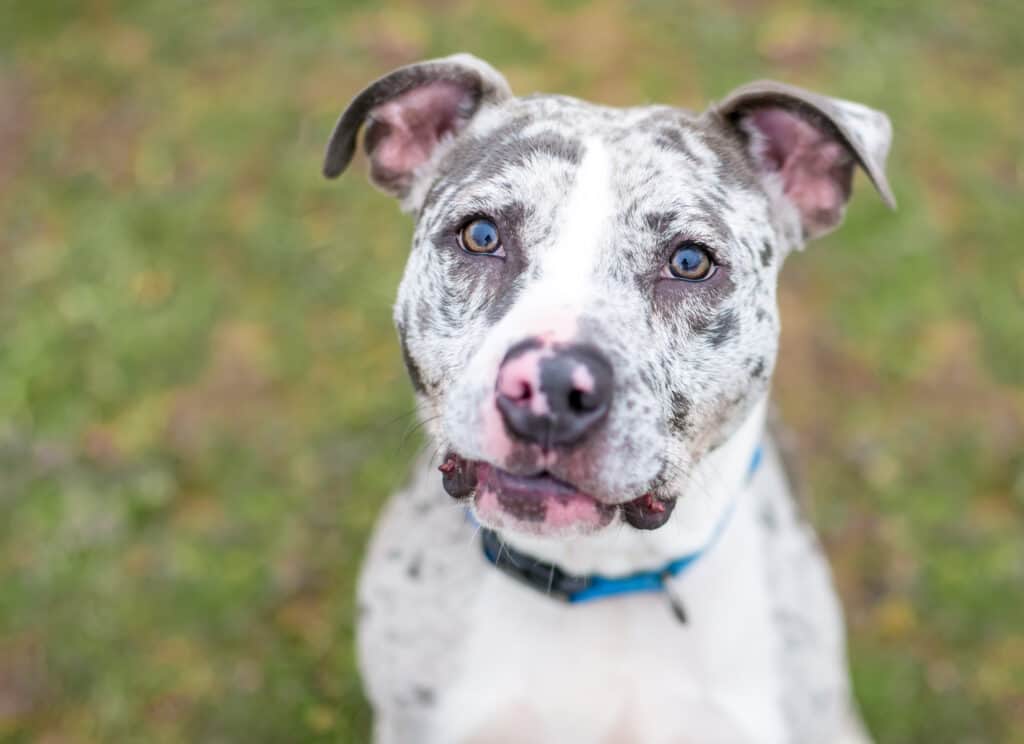
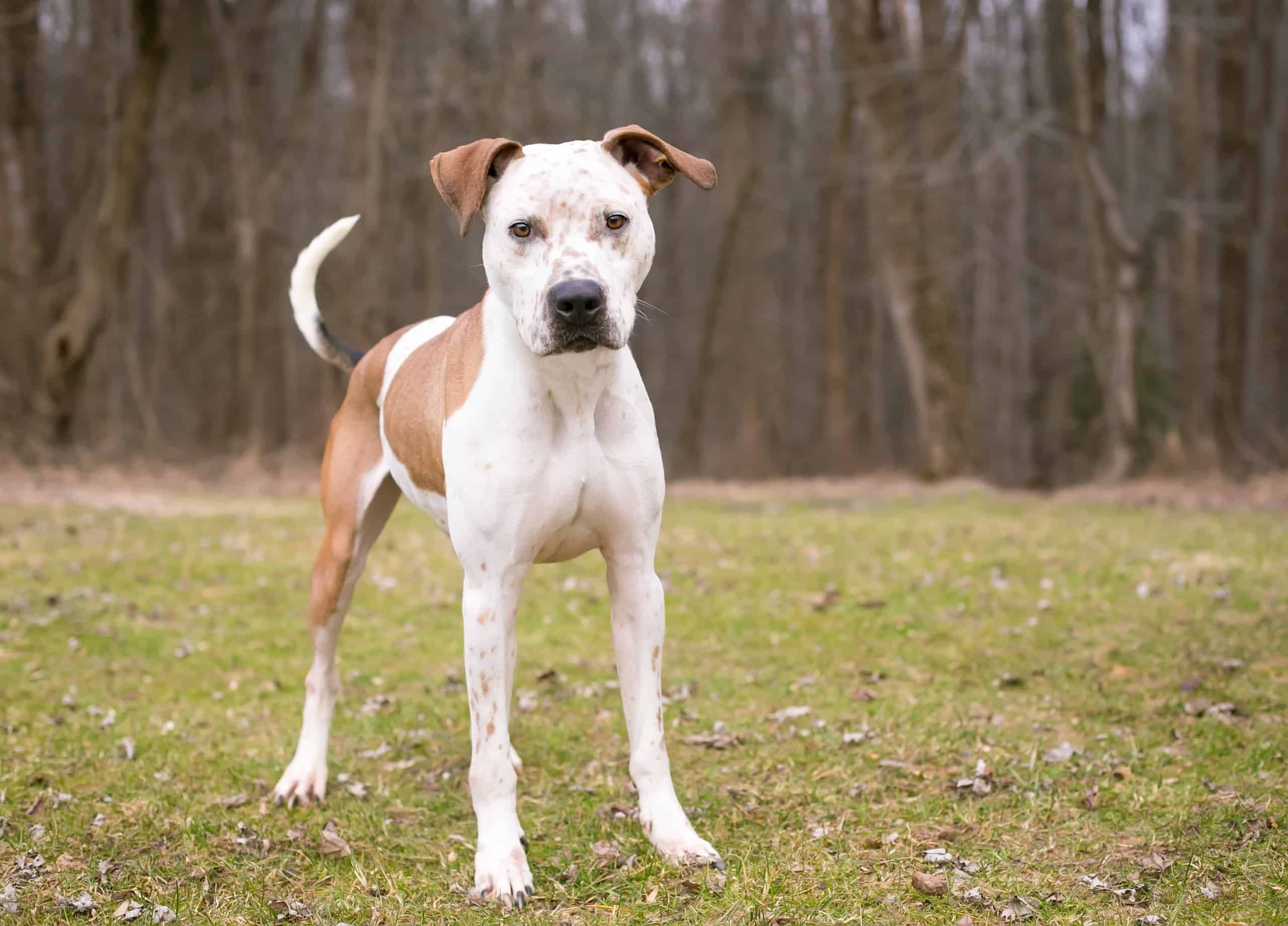
Catahoula bulldog

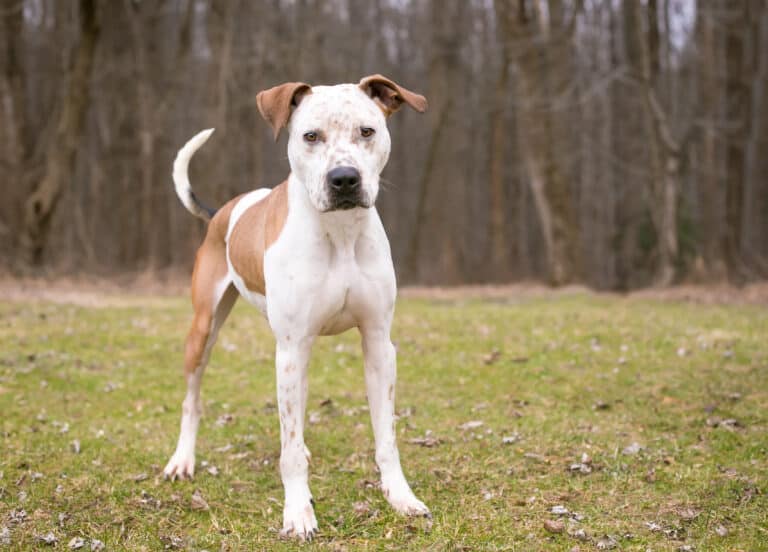
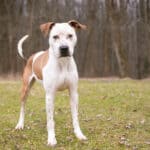
Catahoula bulldogs are a medium- to large-sized breed.

Size and Weight

Catahoula bulldogs are a medium to large-sized breed; however, because they can take after either of their parents, their size can differ significantly. Therefore, on average, they weigh between 75 to 100 pounds and can grow 24 to 26 inches tall.

Catahoula Bulldog Common Health Issues

The Catahoula bulldog is considered a healthy breed, but that doesn’t mean they don’t have any health issues. Unfortunately, they inherit a susceptibility to certain health problems from their parents, which include issues like:

Catahoula Bulldog Temperament

The Catahoula bulldog is highly energetic and exceptionally loyal. However, they are high-maintenance dogs that need a lot of exercise. Unfortunately, they don’t do well in apartments because of their destructive nature and high energy drive. In addition, they get bored quickly, which results in acting out and causing chaos.

Because of their powerful personalities, they need training from a young age to show them who’s boss and put them in their place. Luckily, they are incredibly loyal animals and will protect the family at all costs.

How to Take Care of a Catahoula Bulldog 

It’s imperative to take good care of your Catahoula bulldog if you want them to have a long and healthy life.

Grooming

These dogs are not hypoallergenic, and extra caution should be taken when around them if you are allergic to dogs. However, thanks to their Louisiana Catahoula Leopard Dog parent, they do not shed as much. Shedding only occurs during stressful situations and a change in weather. Catahoula Bulldogs need to be brushed every week; otherwise, they start to tangle and mat.

The Catahoula bulldog is not for you if you don’t like drool. In addition, their foot pads are prone to cuts, so they must be checked frequently. They also have fast-growing nails that need trimming every 3 to 6 weeks.

Their teeth need brushing once a week, but if you take them to a professional groomer, the Catahoula bulldog only needs to go once a year for teeth cleaning.

Training

When it comes to training, the Catahoula bulldog gets a 3 out of 5. While they are intelligent and eager to please, they need someone firm in charge who will act as the pack leader and exhibit consistency; otherwise, they believe they are in charge, which could lead to many behavioral issues.

These dogs are a large and powerful breed, and they can be dangerous to someone who has never had a dog before, especially when walking on a lead. That’s why Catahoula bulldogs are not recommended for first-time dog owners.

Exercise

The Catahoula bulldog is very active and needs intense play and exercise daily to remain content and stimulated. Therefore, they need at least two long and brisk walks every day. However, they need other methods of exercise as well to keep them stimulated, which can include:

  • Swimming
  • Chasing
  • Running
  • Interactive toy play

In addition, they don’t do well on small properties. This breed needs a large urban or rural home with access to open fields or a big yard. While some people have successfully kept them in apartments, it is not recommended because of their size and energy levels.

Puppies

The Catahoula bulldog can set you back a whopping $400 to $900, depending on the breeder and demand. However, they are a very popular breed amongst farmers and hunters, which means the price will fluctuate if there is little availability.

While adoption from a shelter would cost less, they can be less common in shelters, but Catahoula Bulldogs and mixes do appear in rescue organizations and adoption listings, so it is possible to find one with patience and persistence. Miracles do happen, so if you want to give it a shot, call around to your local rescues and ask to be put on a list, and if one comes in, they will call you.

Catahoula Bulldogs and Children

The Catahoula bulldog is excellent with children because of their loyal nature. Their guardian instincts will naturally kick in, quickly becoming your children’s protectors. However, they are very powerful dogs, so they need to be trained and socialized from a young age. In addition, your children need to be taught to act appropriately around dogs to ensure they will not engage in bad behavior, like pulling their ears or tails.

They also get along well with other pets, but sometimes, their hunting instincts can kick in, so if you plan on having various pets, it’s best to get a couple of strong-willed cats first, so they can show the Catahoula bulldog who’s boss from the beginning.

Dogs Similar to the Catahoula Bulldog 

Several breeds are similar to the Catahoula bulldog in size and temperament; they include:

View all 395 animals that start with C

Sources

  1. Dog Time / Accessed September 28, 2022
  2. Wag Walking / Accessed September 28, 2022
  3. Pet Net ID / Accessed September 28, 2022
Chanel Coetzee

About the Author

Chanel Coetzee

Chanel Coetzee is a writer at A-Z Animals, primarily focusing on big cats, dogs, and travel. Chanel has been writing and researching about animals for over 10 years. She has also worked closely with big cats like lions, cheetahs, leopards, and tigers at a rescue and rehabilitation center in South Africa since 2009. As a resident of Cape Town, South Africa, Chanel enjoys beach walks with her Stafford bull terrier and traveling off the beaten path.
Connect:

Thank you for reading! Have some feedback for us?


Catahoula Bulldog FAQs (Frequently Asked Questions)

The Catahoula bulldog is a hybrid breed whose parents are the Louisiana Catahoula leopard dog and the American bulldog.