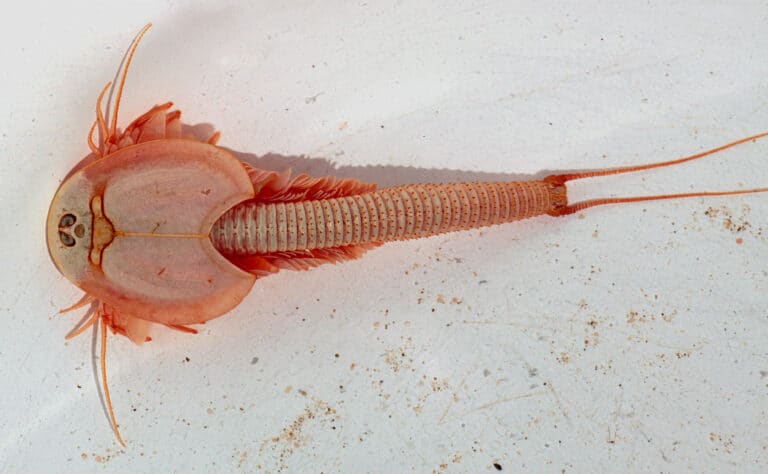
Dinosaur Shrimp
Hatch fast. Grow fast. Survive the drought.

Hatch fast. Grow fast. Survive the drought.
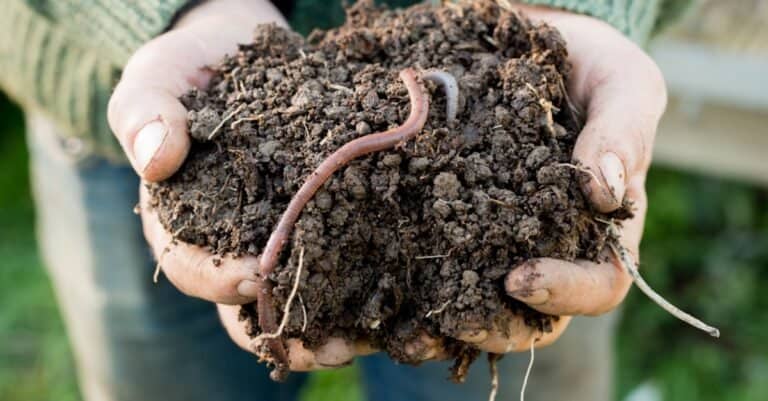
Nature's living soil mixers
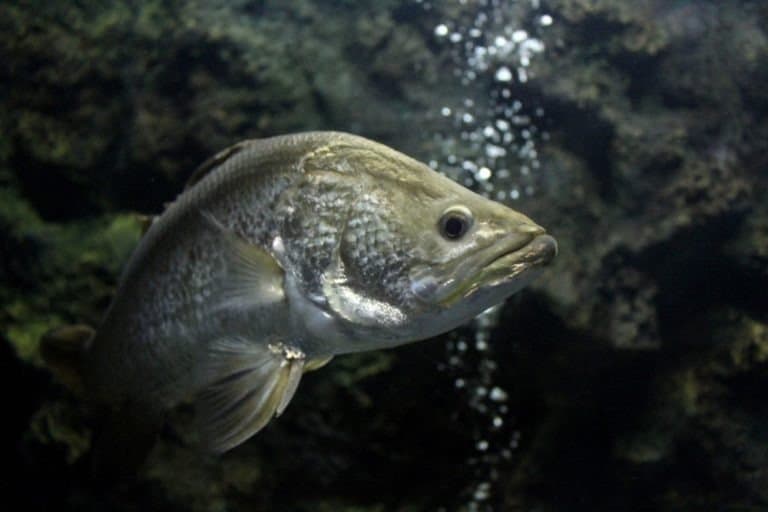
From river to reef, one fierce fish
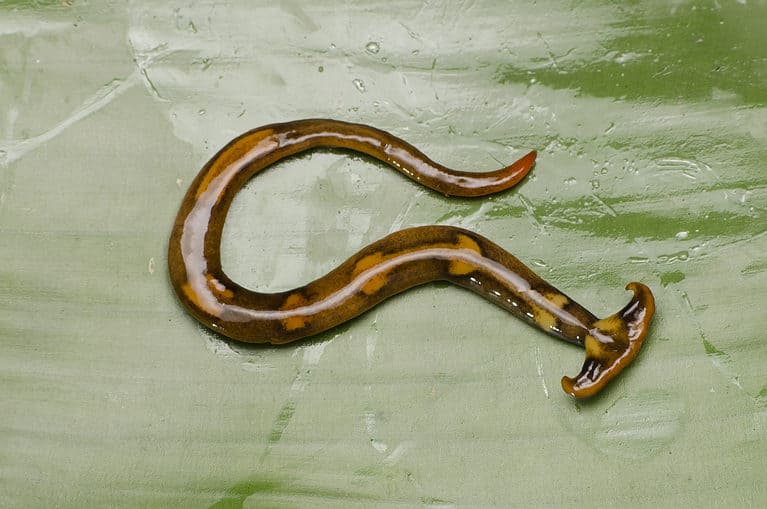
Hammerhead hunters of the soil
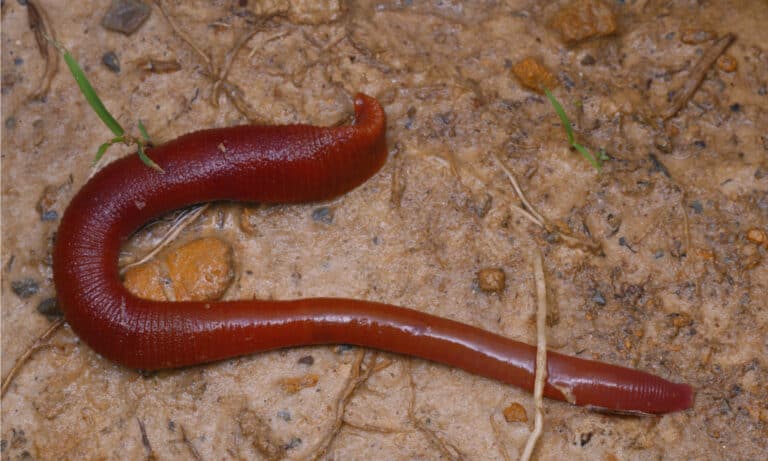
Kinabalu's scarlet forest crawler
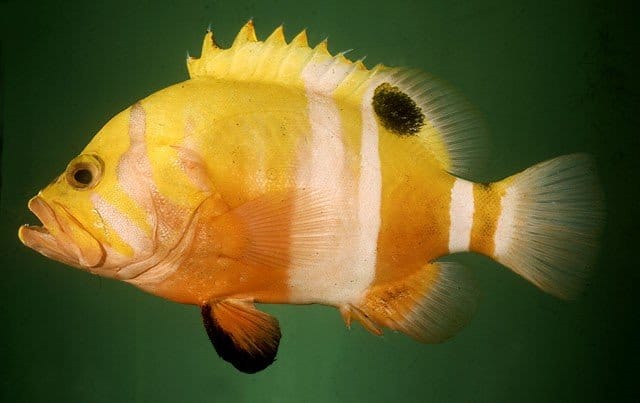
Deep reef royalty in purple and gold
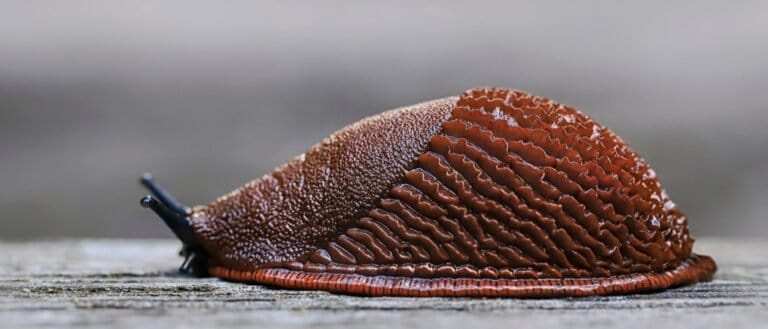
Mucus-powered recyclers of the land
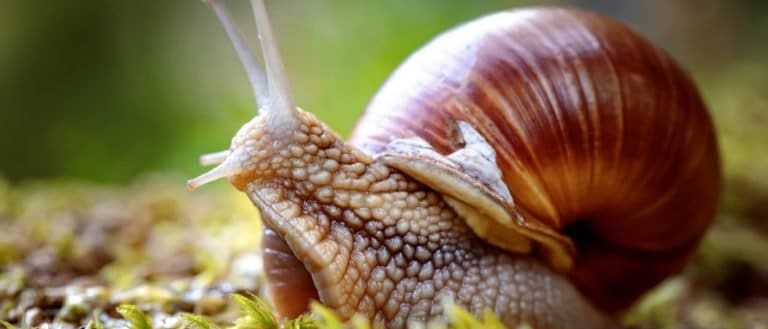
One class, a thousand ways to snail.
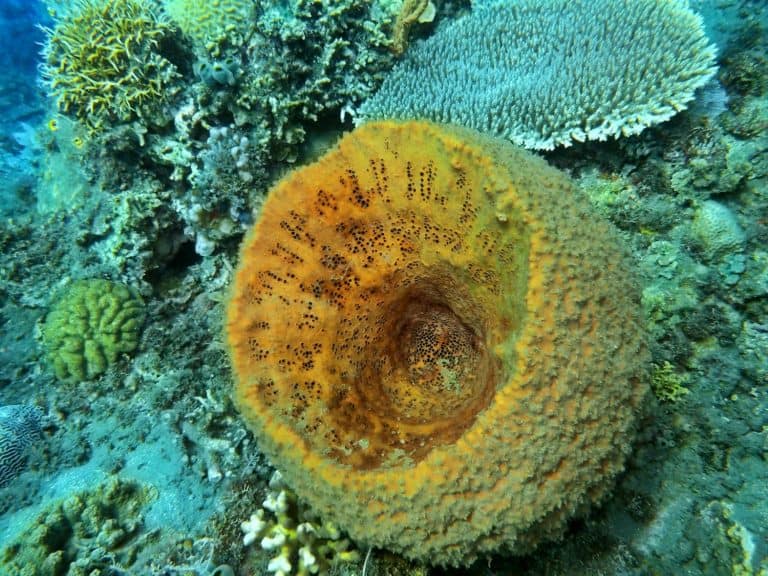
Porous powerhouses of the sea
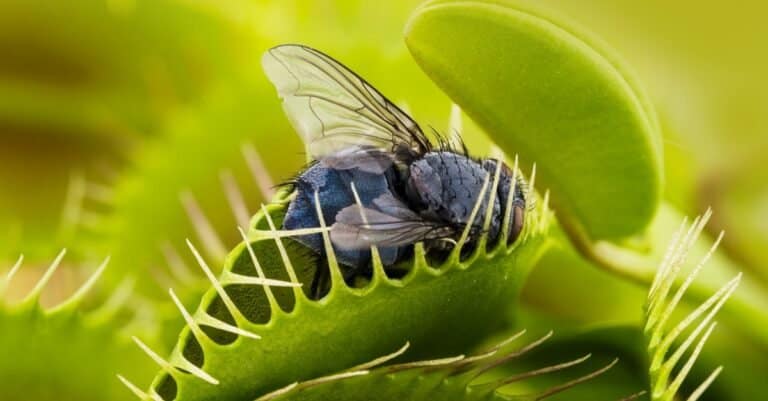
Snaps fast, eats smarter.
Hermaphroditism is a reproductive system in which a single individual possesses both male and female reproductive functions. Depending on the species, reproduction can occur by self-fertilization or by mating with another individual to exchange gametes.
Hermaphroditic mating systems are ones where an individual can act as male, female, or both. Simultaneous hermaphrodites make eggs and sperm at the same time and often mate with each other, swapping sperm. Sequential hermaphrodites change sex during life (male-to-female or female-to-male). Some can self-fertilize (selfing) when mates are rare, though this lowers genetic diversity. More often they mate with others and negotiate roles, store sperm, or change sex depending on the environment.
Etymology: From Greek Hermaphroditos (Hermaphroditus), the mythological figure associated with having both male and female traits; via Latin hermaphroditus and later scientific Latin/English usage.
Found across: Many gastropod mollusks (snails, slugs) - often simultaneous hermaphrodites, Annelids (e.g., earthworms; some polychaetes) - many simultaneous hermaphrodites, Platyhelminthes (flatworms) - widespread simultaneous hermaphroditism, Cirripedia (barnacles) - many simultaneous hermaphrodites, Cnidarians (many corals, some anemones) - hermaphroditism common, often via broadcast spawning, Tunicates (sea squirts) - frequent hermaphroditism, Teleost fishes - sequential hermaphroditism occurs in a minority of species (protandry/protogyny), including clownfish, wrasses, parrotfishes, and some groupers
Many hermaphrodites still prefer partners: in lots of species, exchanging sperm with another individual (reciprocal mating) produces healthier, more genetically diverse offspring than selfing-even though self-fertilization is "available."
In some hermaphroditic animals, sex roles are negotiable: individuals can bias investment toward "male" (making sperm) or "female" (making eggs) functions depending on condition, partner quality, or sperm storage-like dynamically choosing where to spend reproductive energy.
Sperm trading can look like economics: some species engage in "sperm reciprocity," where individuals are more willing to donate sperm if they receive it too-turning mating into a cooperation-versus-cheating game.
Hermaphroditism can solve the "lonely organism" problem: if you're rare, slow-moving, or live in the deep sea, being able to reproduce with any conspecific you meet (and sometimes even self-fertilize) dramatically increases the odds of successful reproduction.
Having both sets of reproductive organs doesn't mean equal use: in many simultaneous hermaphrodites, egg production is far more energetically costly than sperm production, so individuals often compete over who takes the "female" role in a given mating.
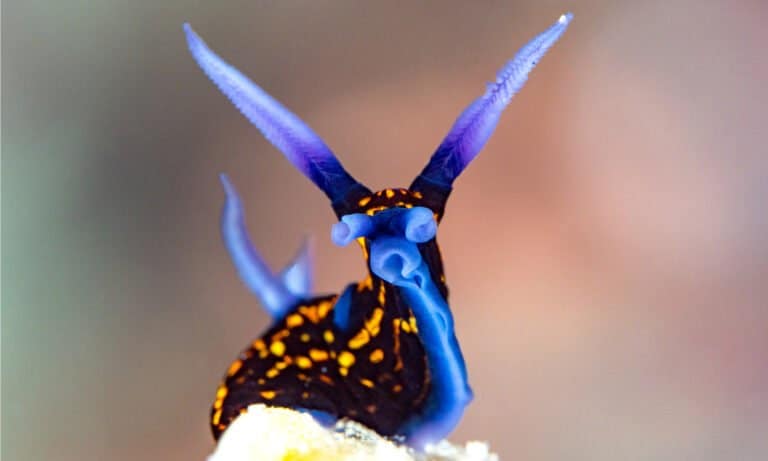
Naked gills, wild skills.
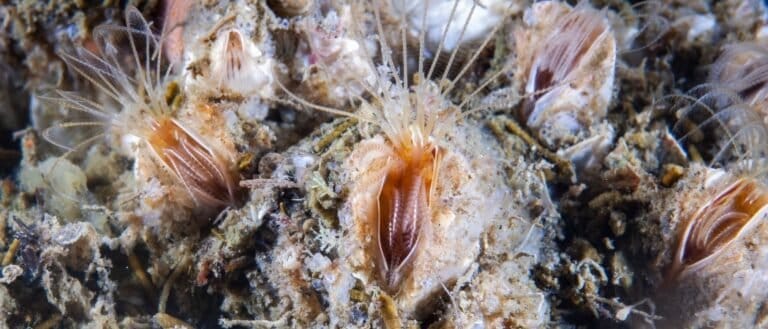
Crustaceans that live like living glue
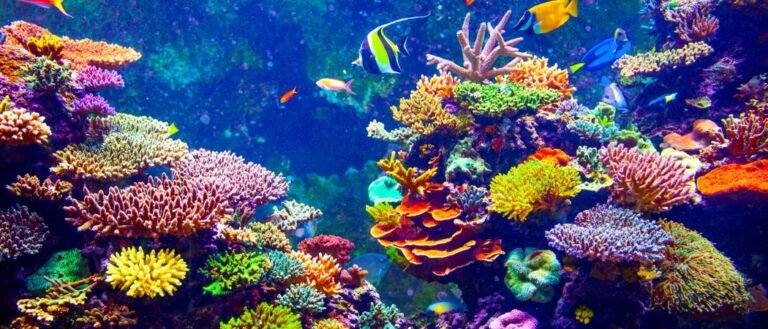
Tiny polyps, massive oceans
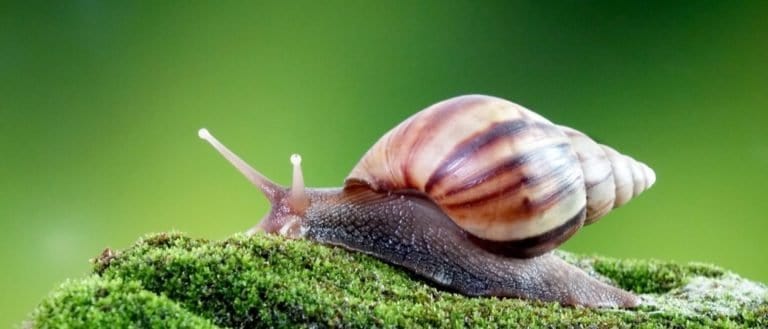
Big shell, bigger invasion story
Porous powerhouses of the sea
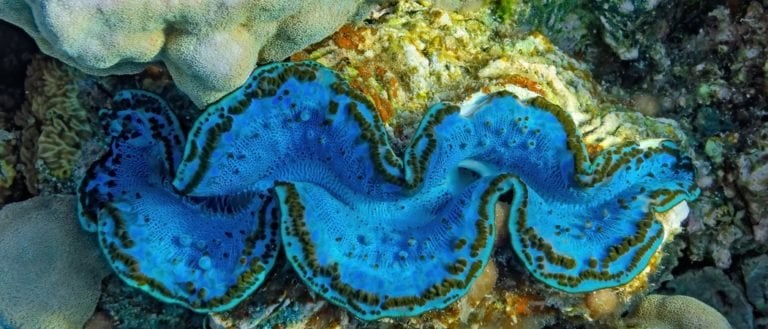
The clam that runs on sunlight.
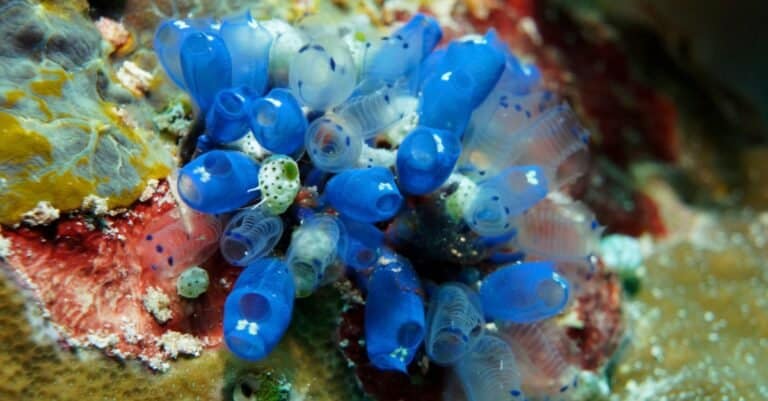
Tadpole larva, siphon-powered adult
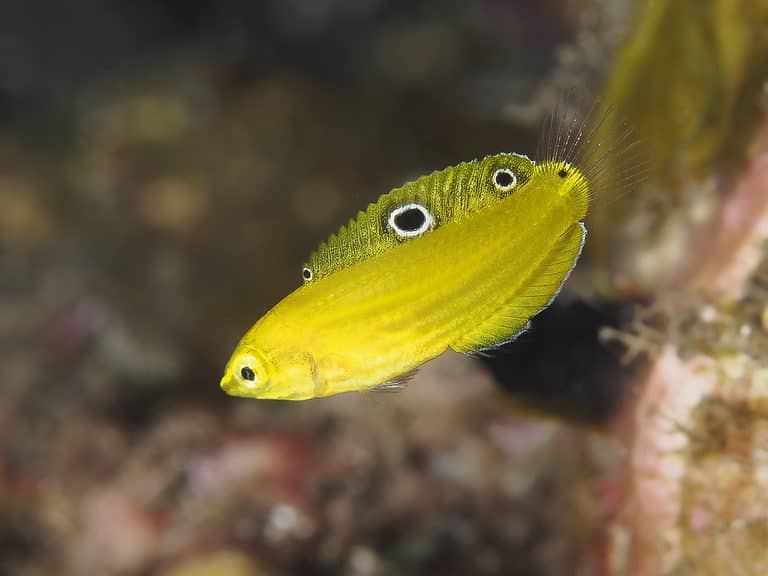
Wrasses: the reef's colorful caretakers
One class, a thousand ways to snail.
From river to reef, one fierce fish
Mucus-powered recyclers of the land
Nature's living soil mixers
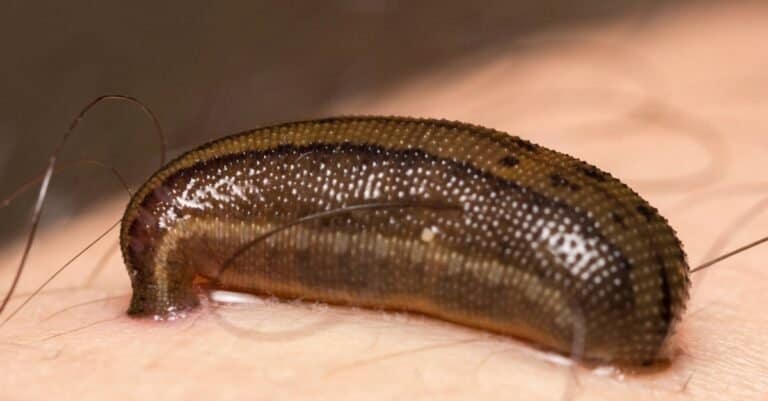
Two suckers, many lifestyles.
Snaps fast, eats smarter.
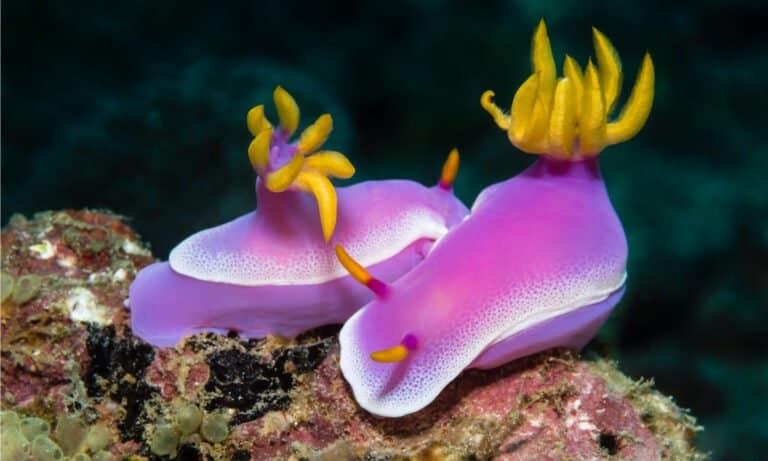
Nature's neon, toxin-borrowing sea slugs
Deep reef royalty in purple and gold
Kinabalu's scarlet forest crawler
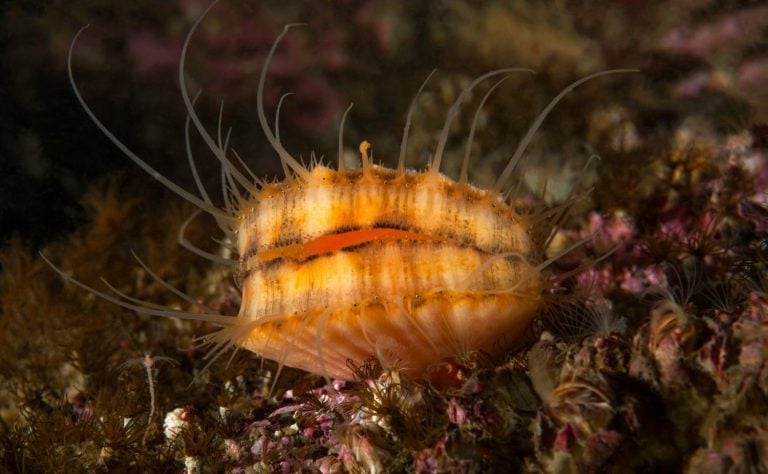
The clapping swimmers of the seafloor
Hatch fast. Grow fast. Survive the drought.
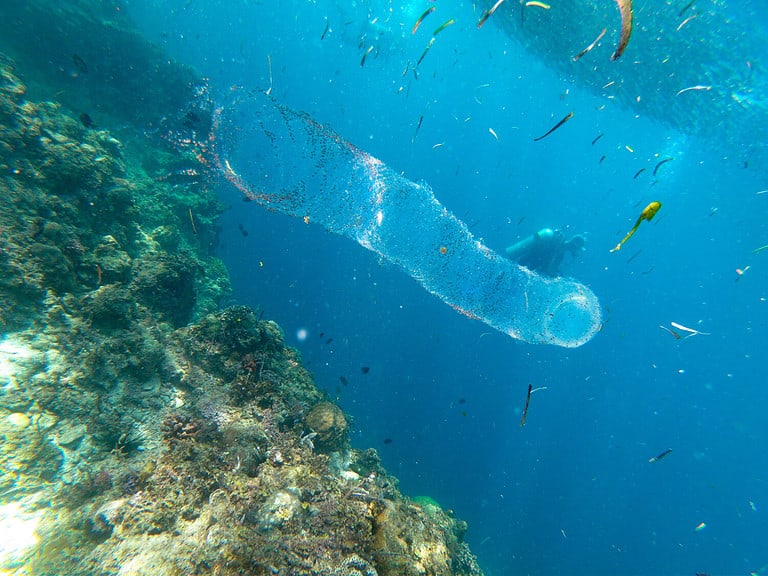
Glowing tubes that filter the sea
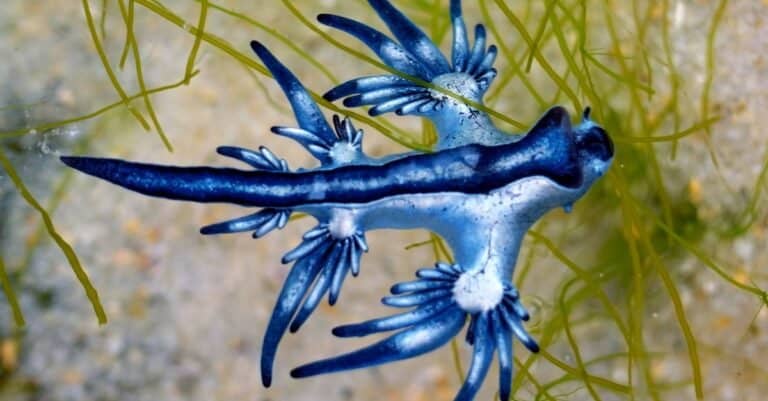
Steal the sting. Ride the waves.
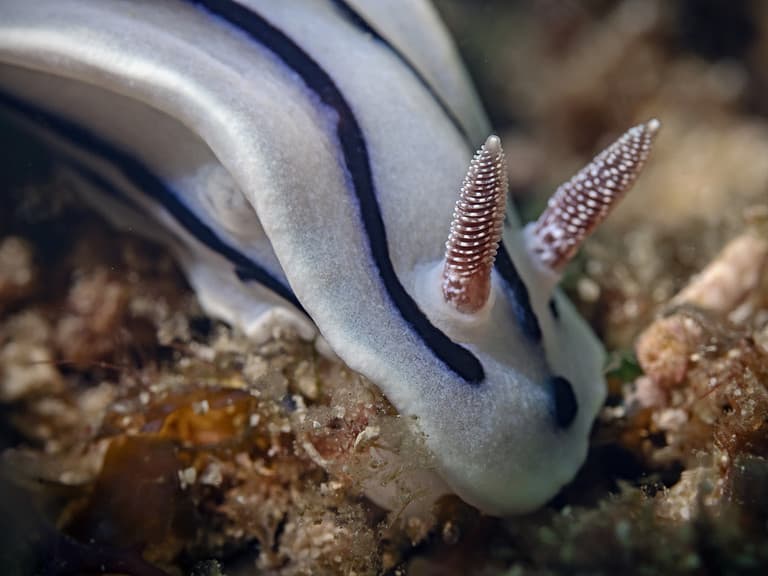
Bright colors, borrowed chemistry
Hammerhead hunters of the soil
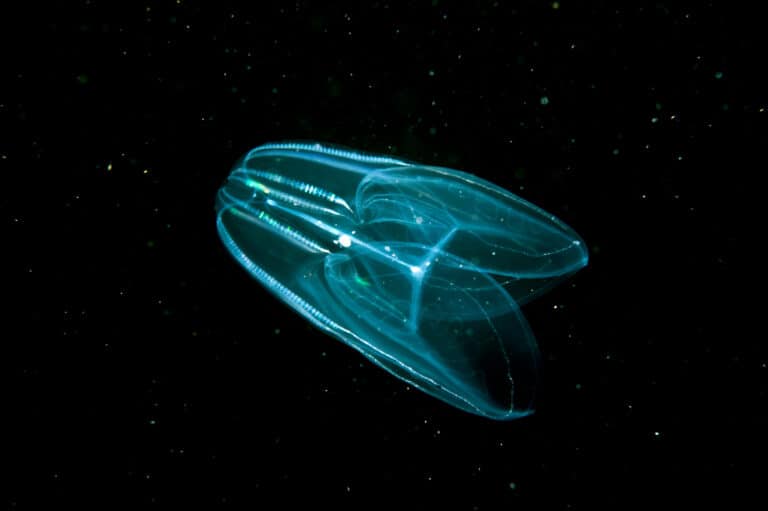
Eight comb rows, endless glow
Thank you for reading! Have some feedback for us?
We appreciate your help in improving our content.
Our editorial team will review your suggestions and make any necessary updates.
There was an error submitting your feedback. Please try again.