
Quick Take
- Some breeds marketed as hypoallergenic may actually trigger worse reactions than regular dogs, and science has a provocative explanation for why this happens. See what science says →
- Dog allergies have nothing to do with fur, and the real culprit is something most owners never think to control. Meet the real culprits →
- One common grooming choice for a popular hypoallergenic breed can actually make your allergy symptoms worse. See how clipping backfires →
- There's a little-known dog allergen that only affects people around one specific type of male dog, and most allergy sufferers have never heard of it. Explore lesser-known allergens →
Hypoallergenic dog breeds are a hotly debated topic in the dog world. Though some will claim dogs that shed little are hypoallergenic, those breeds may still trigger dog allergies in many people. In this article, we’ll discuss the credibility of hypoallergenic dogs and take a look at some of the breeds that may be best for allergy sufferers.
Are Any Dog Breeds Truly Hypoallergenic?
Hypoallergenic doesn’t mean that an animal won’t cause allergies. The word simply means that the breed is less likely to cause a reaction. “Hypo” essentially means “less than,” so hypoallergenic dog breeds may cause a less-than-normal reaction. So any dog marketed as hypoallergenic can still cause dog allergies in some people.
This is because dog allergies are not caused by fur. Allergies are caused by an immune response to the proteins found in the dog’s dander (dead skin flakes), saliva, sebaceous oils, or urine. When these allergens become airborne, they can stick to carpet, furniture, walls, and other surfaces, as well as your dog’s bedding and your clothing.
Dog Allergens
According to the American Academy of Allergy, Asthma, and Immunology, these are the most well-known allergens in dogs:
- Can f 1: Made by the tongue and found in your dog’s dander, hair, and saliva
- Can f 2: Found in your dog’s tongue and salivary glands
- Can f 3: Serum albumin from your dog’s blood
- Can f 4 and Can f 6: Found in your dog’s skin, saliva, and urine
- Can f 5: A male-specific allergen from the prostate, which is found in the urine and saliva of unneutered male dogs
The AAAAI notes that scientific studies have shown no conclusive evidence that hypoallergenic breeds produce fewer allergens. In fact, some people say dogs that are supposedly hypoallergenic actually give them more allergy symptoms. Some hypoallergenic breeds were found to have equal or higher amounts of Can f 1 in their fur and dander when compared to non-hypoallergenic breeds. While there are no truly hypoallergenic dogs, as it comes down to the dog and the person, some breeds are generally better for those with allergies.
1. Poodle
All three sizes of poodle are considered hypoallergenic because they shed very little. They have dense, woolly coats that trap dander and other allergens. However, they need regular bathing and frequent brushing to prevent matting. Many owners take their poodles to professional groomers for specialized cuts.
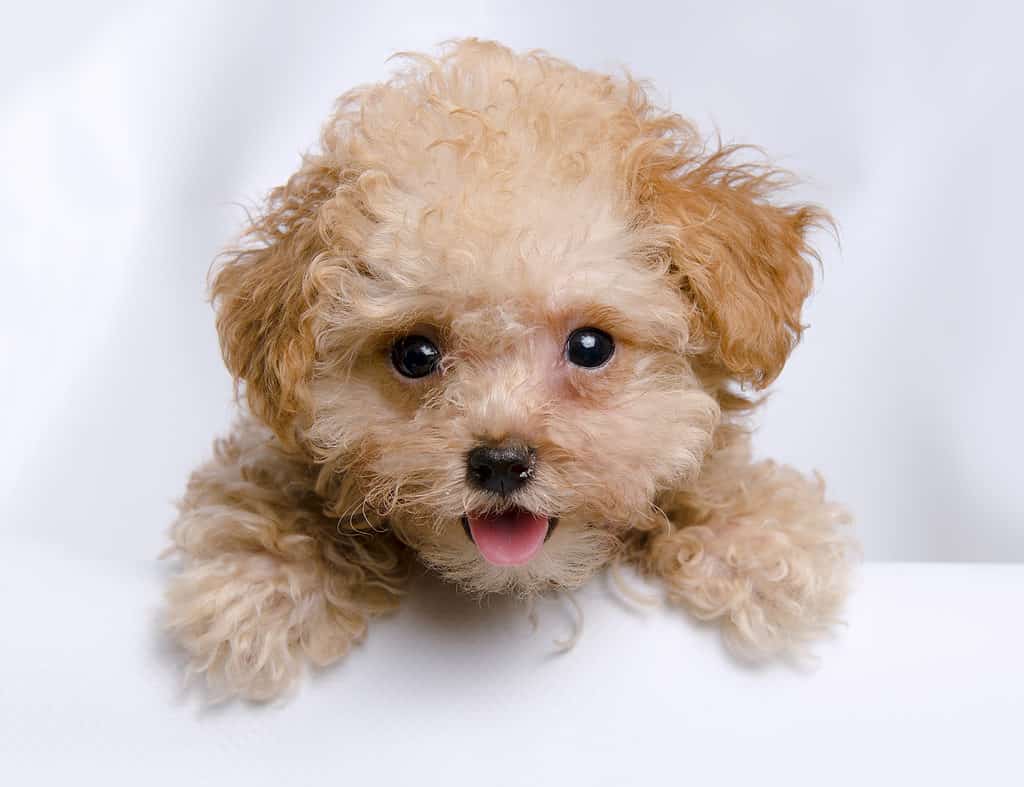
Poodles have woolly coats that trap dander and allergens.
©Eloine Chapman/Shutterstock.com
2. Shih Tzu
Shih tzus are also considered a good choice for allergy sufferers because they have hair instead of fur. Their coats tend to trap more dander and they shed less. However, they require brushing several times a week and regular bathing. Many owners prefer a “puppy cut,” which prevents allergens and dander from collecting in their longer coat.
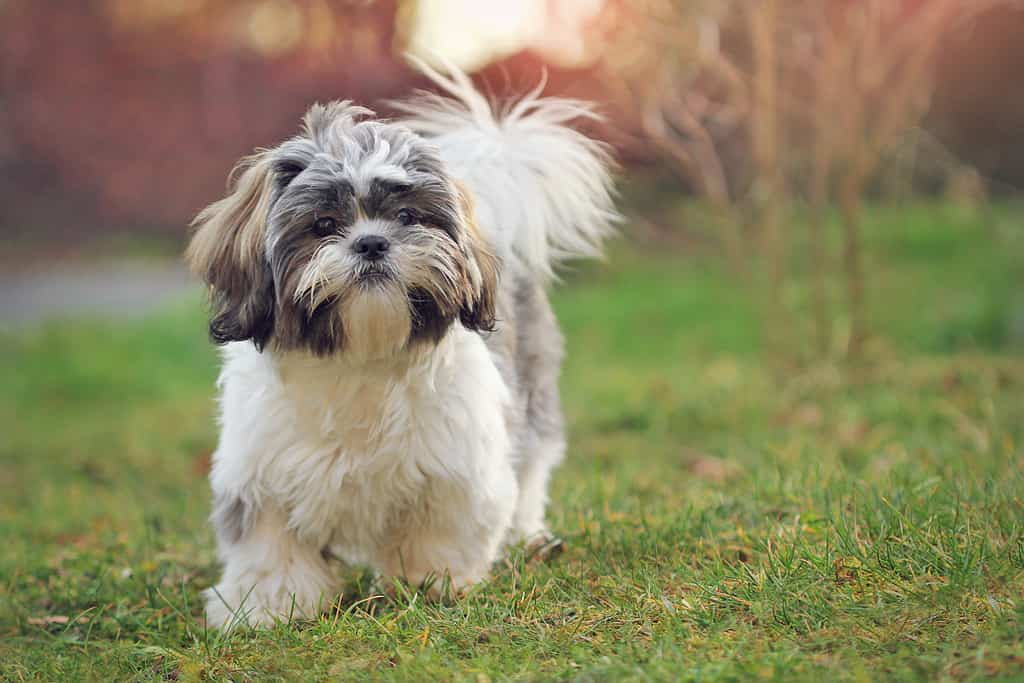
Shih tzus have hair instead of fur, so they shed less than other breeds.
©iStock.com/elenasendler
3. Maltese
Maltese also have hair instead of fur, so their silky coats have minimal shedding. To prevent painful mats, they require daily brushing. Regular bathing is also necessary to keep dander and other allergens from getting out of control.
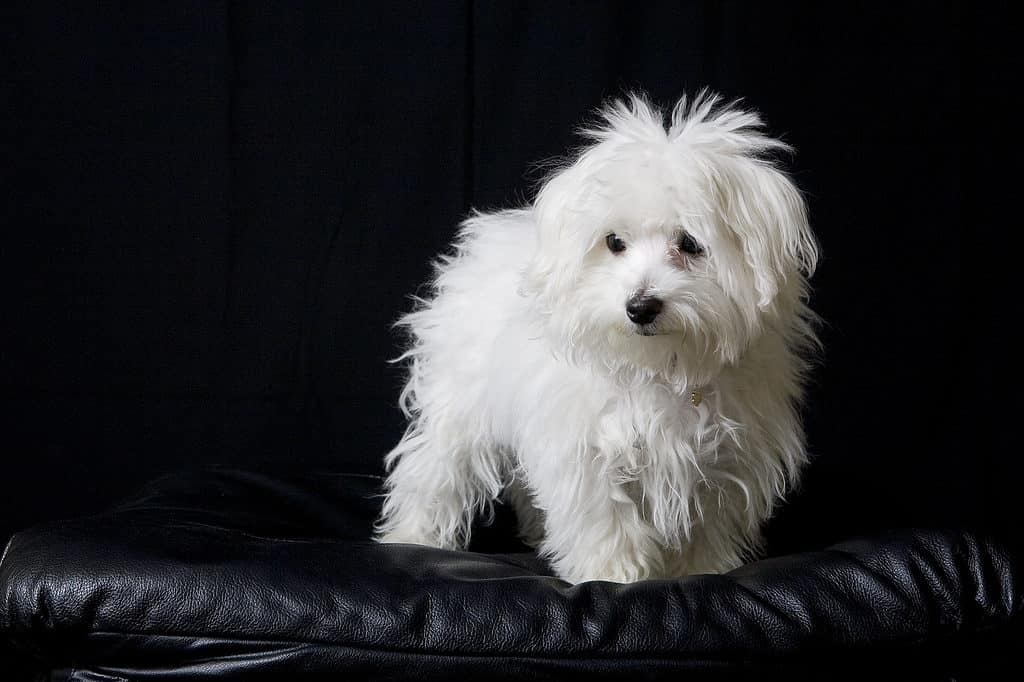
Maltese require daily brushing to ensure they do not get mats.
©May Rice/Shutterstock.com
4. Schnauzer
Like Poodles, there are multiple sizes of schnauzer. Standard schnauzers and miniature schnauzers both have unique, wiry coats that are more like hair than fur. To ensure your schnauzer doesn’t shed much, you’ll need to have them hand-stripped by an experienced groomer and maintain the coat daily by brushing and pulling out dead fur. Though the fur can be clipped short, this will damage the coat, make it softer, and increase the amount your dog sheds.
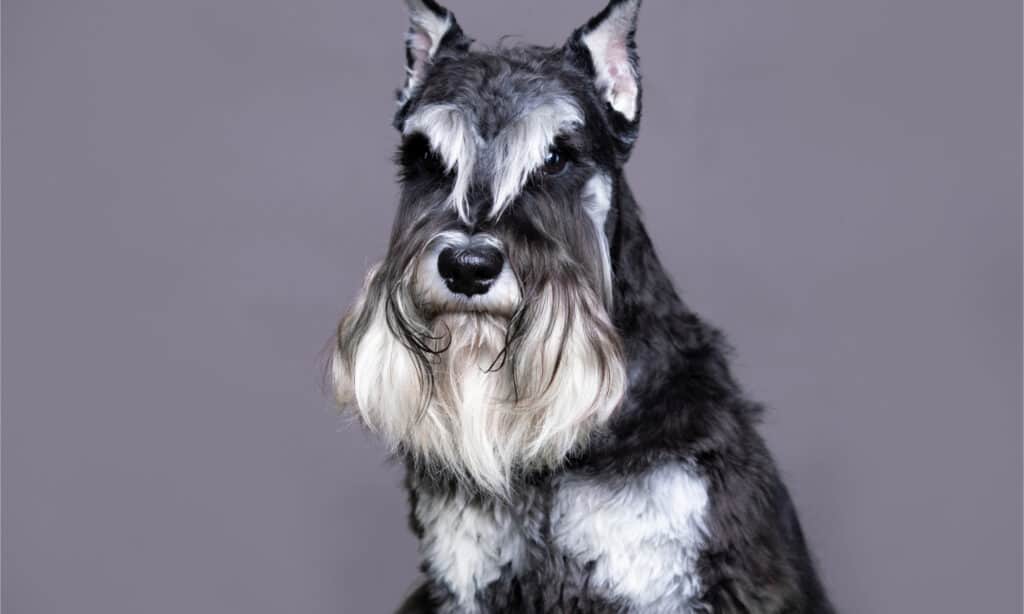
Schnauzers come in standard and mini sizes, but both shed less than non-hypoallergenic breeds.
©Liliya Kulianionak/Shutterstock.com
5. Yorkshire Terrier
Yorkshire terriers, or Yorkies, have straight, silky coats that are like human hair. Because they shed less, they are a good choice for those who suffer from allergies. Regular bathing, brushing, and trimming are required to prevent matting and keep their coat looking its best.
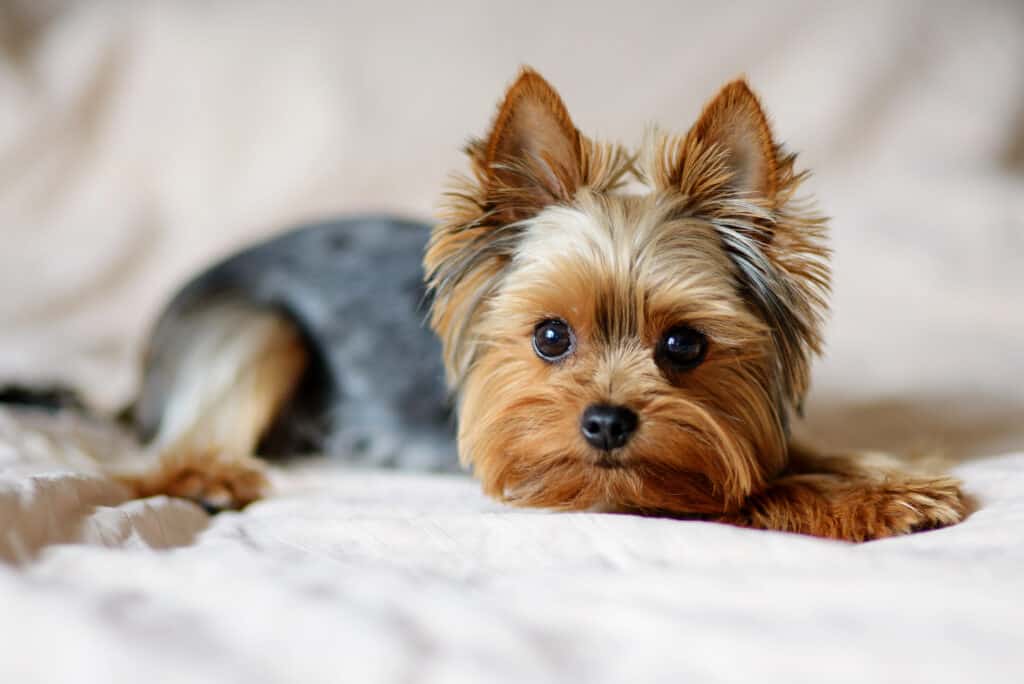
Yorkies have silky coats that are like human hair.
©Anna Vasiljeva/Shutterstock.com
6. Portuguese Water Dog
Portuguese water dogs, or Porties, have long, dense, curly, water-resistant hair. Their coats trap dander and allergens, and they do not shed much. However, they do require regular bathing and frequent brushing and clipping.
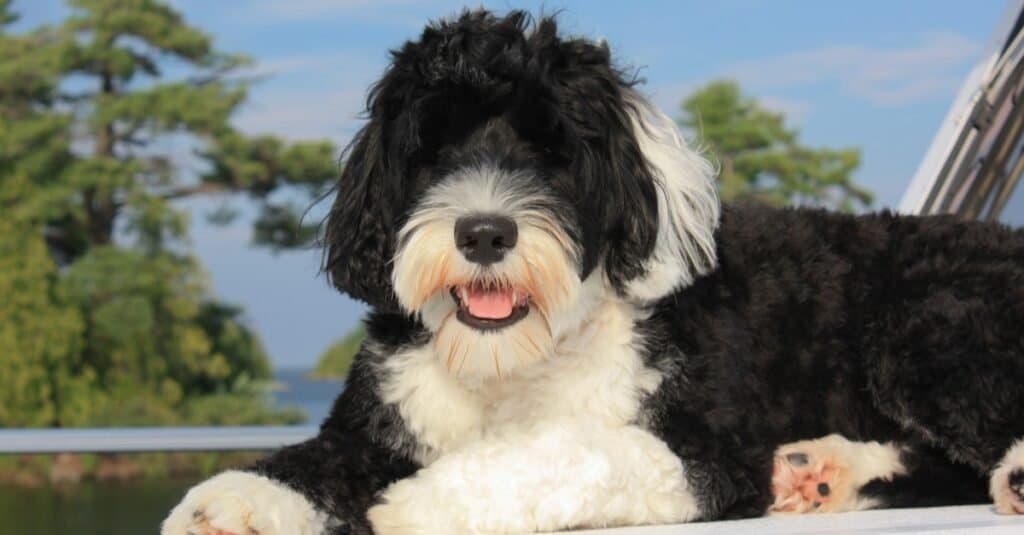
Portuguese water dogs have dense, water-resistant hair that traps allergens.
©Lynda McFaul/Shutterstock.com
7. Afghan Hound
Afghan hounds are known for their long, silky, flowing hair. Although they have long hair, they shed very little, and tend to have less dander than other breeds. However, they require daily brushing to ensure they do not get mats. Never brush dry hair (mist the coat with conditioning spray) and brush in sections from the skin outward. Check hidden areas for knots, such as behind the ears, under their forelegs, and between the toes.
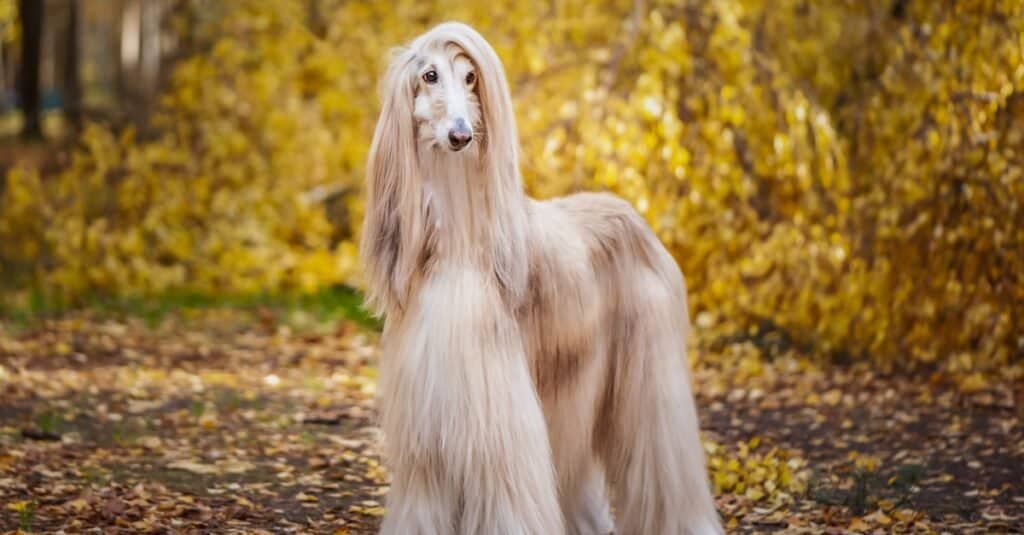
©WildStrawberry/Shutterstock.com
8. Chinese Crested
Chinese crested dogs can be either hairless (with tufts of fur on their heads, tails, and feet) or powderpuff, which means they have long, soft, silky hair all over their bodies. Hairless Chinese cresteds have minimal dander and only require bathing and occasional brushing. However, they require protection from the sun. Powderpuffs shed little, but they require regular bathing and daily brushing to prevent mats.
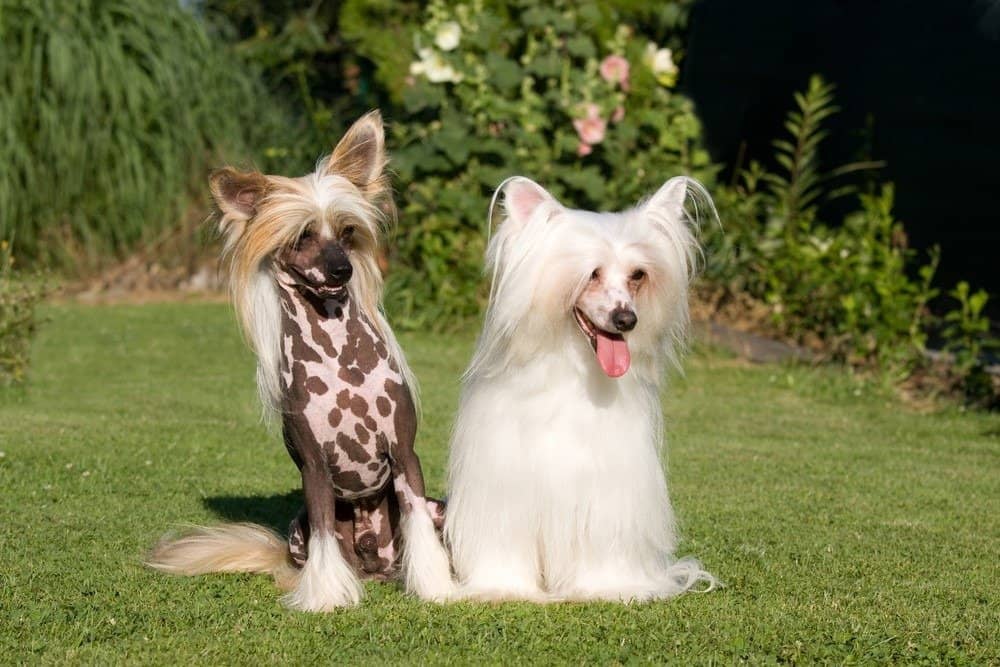
©Lenkadan/Shutterstock.com
9. Irish Water Spaniel
Irish water spaniels have dense, curly, water-resistant double coats. Their curls trap dander and loose hairs, so they shed very little. Their coats require weekly brushing to prevent painful matting. They also need regular bathing and trimming to keep their coats clean and tidy.
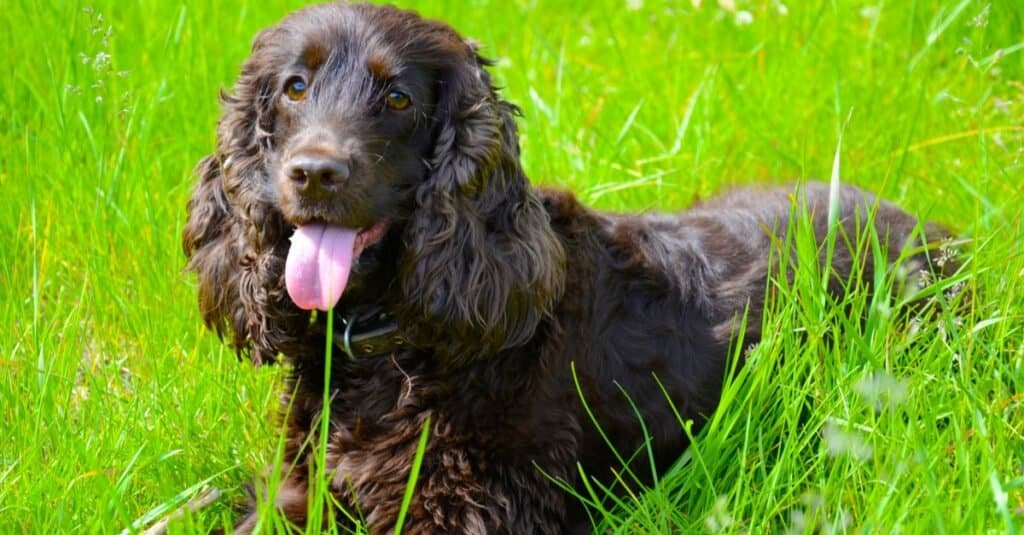
Irish water spaniels have dense, curly, water-resistant coats that shed little.
©Nikolai Belyakov/Shutterstock.com
10. Bichon Frise
The bichon frise has a double coat with a soft, dense undercoat and a soft, curly outer coat. Their curls trap dander and allergens, making them a great option for people with allergies. However, they need regular bathing and daily brushing to prevent painful matting in their dense, curly double coats. Many owners take their pups to professional groomers due to their high-maintenance grooming needs.
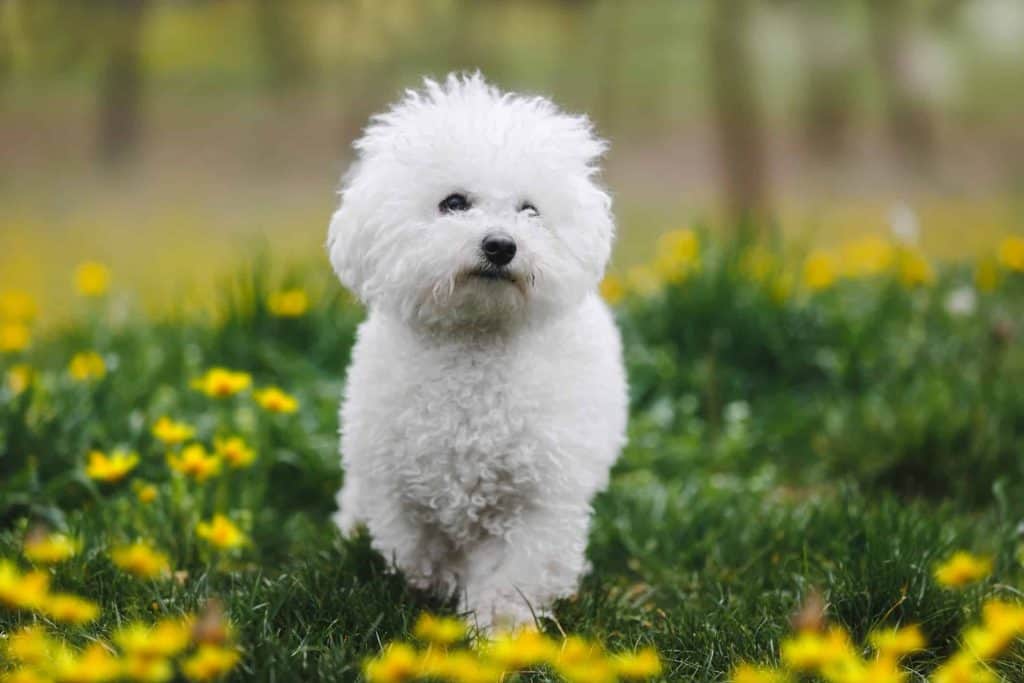
Bichon frises may be hypoallergenic, but their grooming can be high-maintenance.
©iStock.com/SStajic