The huacrapona palm is a species of South American palm that is not commonly cultivated in other parts of the world. It is extremely common across its native range and fulfills many ecological roles. Not only is it an important part of its native forests, but it is also a source of useful material for local people.
If you live in a warm climate and want to grow one of these unique palms at home or just want to learn about interesting rainforest plants, the information in this guide will be useful to you. Below, we’ll not only talk about how to care for a huacrapona palm but also describe how it grows and some of the ways that humans and other animals make use of it.
| Botanical Name | Iriartea deltoidea |
| Common Name | Huacrapona palm, stilt palm, pona palm, bombona |
| Sunlight | Shade when young, more light with age |
| Water | Lots of water. Soil should remain moist. |
| Soil Conditions | Must be well draining. High organic matter content is ideal, and mulching is important. |
| Beginner Friendly? | Yes. Easy to grow. |
| Indoors or Outdoors? | Can be grown indoors for part of its lifespan. Should eventually be planted outdoors. |
What Is a Huacrapona Palm?
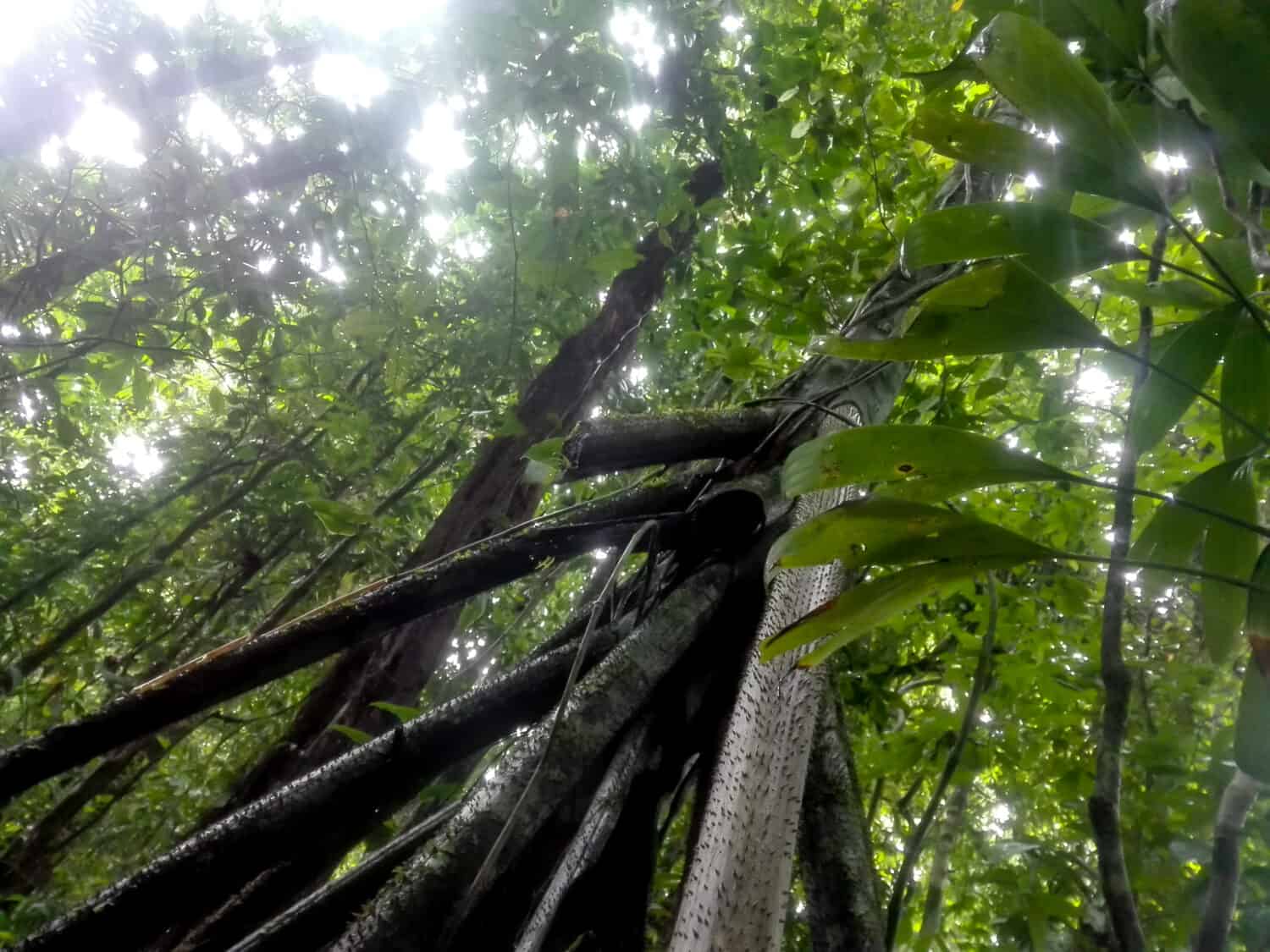
Huacrapona palm tree lives in areas like Nicaragua and Panama, across a wide range of South American countries including Brazil, Colombia, Peru, and Venezuela.
©The beauty of the world/Shutterstock.com
The huacrapona palm, or Iriartea deltoidea, is a true palm. Like all other true palms, it belongs to the family Aracaceae. Although it seems to share its genus with other species, it is suspected that it may be the only true member. It is native from Nicaragua to Panama and across many South American countries including Brazil, Colombia, Peru, and Venezuela. The huacrapona palm is very common in Ecuador and grows practically anywhere there are moist, humid valleys. Oftentimes, this species is so abundant that it accounts for the majority of trees in its native forests.
Each plant produces a single trunk that is covered with smooth, light grey bark. Though they are slow-growing, these palm trees form large portions of their native canopies and can reach towering heights of over 100 feet. They bear between 4 and 6 large, feather-shaped, compound leaves that can reach up to 15 feet long. Incredibly, the entire tree is held up above the ground by many thick, stilt-like roots.
Like many other palms, flowers appear from growth points along the trunk. In the case of the huacrapona palm, each inflorescence is creamy-white and very large, growing to between 3 and 10 feet in length overall. The long, finger-like branches of the inflorescence hang down in a tight drooping cluster from the peduncle. Many small, white flowers grow along each finger and eventually produce an abundance of purplish-black fruits.
What Are Huacrapona Palms Used For?
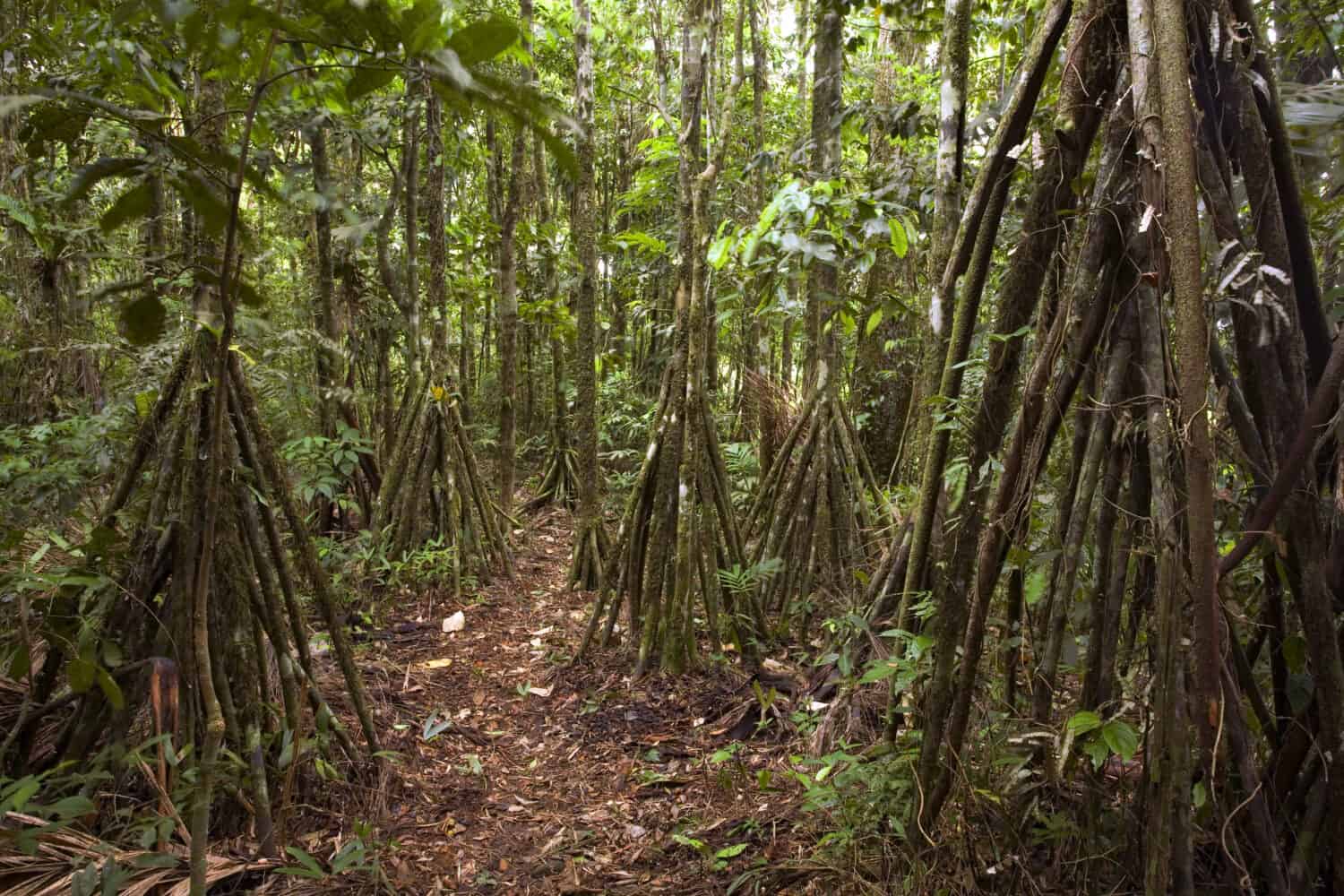
The Huacrapona palm tree is often used as lumber for flooring.
©Dr Morley Read/Shutterstock.com
The huacrapona palm is harvested throughout its native range primarily for its thick trunk. Once cut down, the trunk can be split and cored, and processed into lumber for structural application and flooring. People also use them to create dugout canoes. The tree is especially valuable for these purposes, as its lumber is naturally rot-resistant and can endure for many years in wet and humid conditions.
Animals make use of this plant as well. Monkeys, toucans, and bats all eat abundant fruits that appear along each inflorescence. Once fruits have fallen to the ground, they are an easy food source for other animals like brocket deer and peccaries. Because they make up such large portions of the forest canopies of their native range, they are also an important source of cover for birds and insects. They also provide an ideal growing surface for local epiphytes like orchids, tillandsia, and some ferns.
How to Grow a Huacrapona Palm
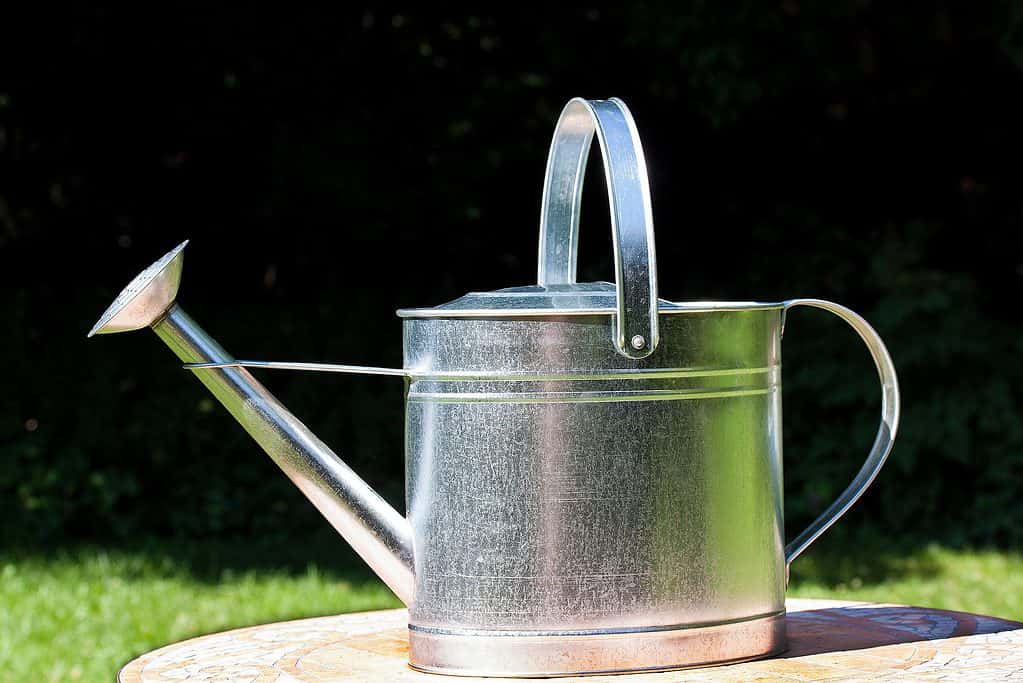
Focus on keeping your palm moist but not waterlogged.
©
These beginner-friendly palms are easy to grow at home as long as you can keep them warm and give them plenty of space. Because they are tropical canopy trees, they will not tolerate freezing temperatures. And while they may start small, they can become massive and do their best outdoors. If you want to keep your palm indoors for a longer period, some growers recommend allowing your plant to become partially root bound before increasing the size of its pot. This will slow its growth but is not great for the plant’s health.
When growing any plant, it is best to mimic its natural conditions as closely as possible. The guidelines below will give you a good start and help you ensure that your plant has what it needs to look and feel its best.
Sunlight
The lighting needs of this plant can vary. Early in their life, wild huacrapona palms can survive under the shade of their parent plants. They may focus on growing thicker rather than taller trunks in shady conditions. As they age and reach higher levels of the canopy, they can better access sunlight.
If you are growing your young huacrapona palm indoors, it will do well in indirect lighting. After several years, you will likely need to plant it outside where it can gather more sunlight. Outdoors, make sure you plant your palm in an area where it can spread its expansive root system and grow to its mature height. Remember — Even though it will take many years, your palm will eventually become very tall.
Water
In their native rainforest habitat, huacrapona palms receive lots of water. The shade of the canopy and the large amount of organic matter that covers the ground ensure that their soil remains moist for long periods. You will want to replicate these conditions at home. Monitor your plant’s soil and ensure that it stays moist but not waterlogged. Oversaturated soil prevents root oxygenation, weakening your plant and creating conditions that are ripe for root rot.
Soil Conditions
Rainforest soils are very biologically active. They tend to be loose and well-draining as well. Perhaps counterintuitively, rainforest soils are often very low in overall nutrient content. The great volume of rain that occurs in these forests rapidly washes away nutrients, and the incredible mass of microbes and vegetation quickly reabsorb those that remain.
That being said, the huacrapona palm is not picky about its soil conditions as long as it is loose and well-draining. Palms grown in containers, indoors or outdoors, will do well in any average potting mixture. If you are planting your palm in the ground, be sure to loosen the soil around the planting area and incorporate organic matter.
No matter where you are growing your palm, make sure that you always top-dress your soil with a layer of mulch. This will keep your plant’s soil cool and increase the length of time that it can retain moisture. Not only that, but it also helps foster the microbial communities that are vital to plant and soil health.
Pests and Disease
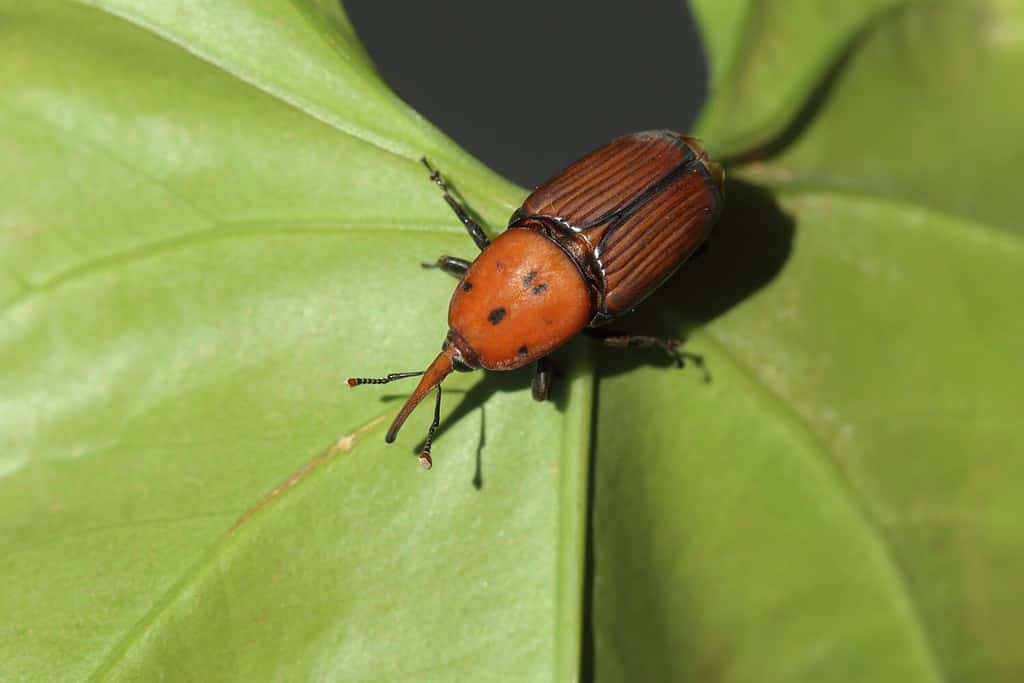
The red palm weevil will feed on the huacrapona palm.
©Uunal/Shutterstock.com
Although pests often target sick or vulnerable plants, even healthy ones can suffer from infestation. You will want to look out for the following pests and take the steps necessary to prevent insects from spreading. In the case of weevil infestations, you will likely need to remove and dispose of the entire tree.
Red Palm Weevil (Rhynchophorus ferrugineus)
The red palm weevil is an incredibly aggressive and successful non-native insect pest that will feed on the huacrapona palm. The insect is native to Southeast Asia but has spread worldwide due to the trading of live palm plants. They attack the main growing site of the trunk and can severely damage or kill your palm.
Although they are large and may be vibrant in color, they may go undetected for long periods because they feed and reproduce inside the plant’s trunk. Be on the lookout for the appearance of small tunnels through the bark of the trunk, especially if new leaf growth appears stunted or damaged. Insect frass, or waste, may be present in large amounts at the bases of leaves. Unfortunately, once symptoms of infestation appear, it is likely too late.
South American Palm Weevil (Rhynchophorus palmarum)
The South American palm weevil exists in the United States in both Texas and Southern California. It preys on palm trees like the red palm weevil and can fatally damage a palm in just a few weeks. Unfortunately, it is too late once these insects have thoroughly invaded a tree enough to cause symptoms. Palms harboring these pests may produce a pungent, rotting odor caused by internal tissue death. If you notice drying, yellowing, or deformation of new leaves, you should have a local arborist inspect your tree for signs of infestation or disease.