





B
Species Profile

Biewer Terrier

Canis lupus familiaris

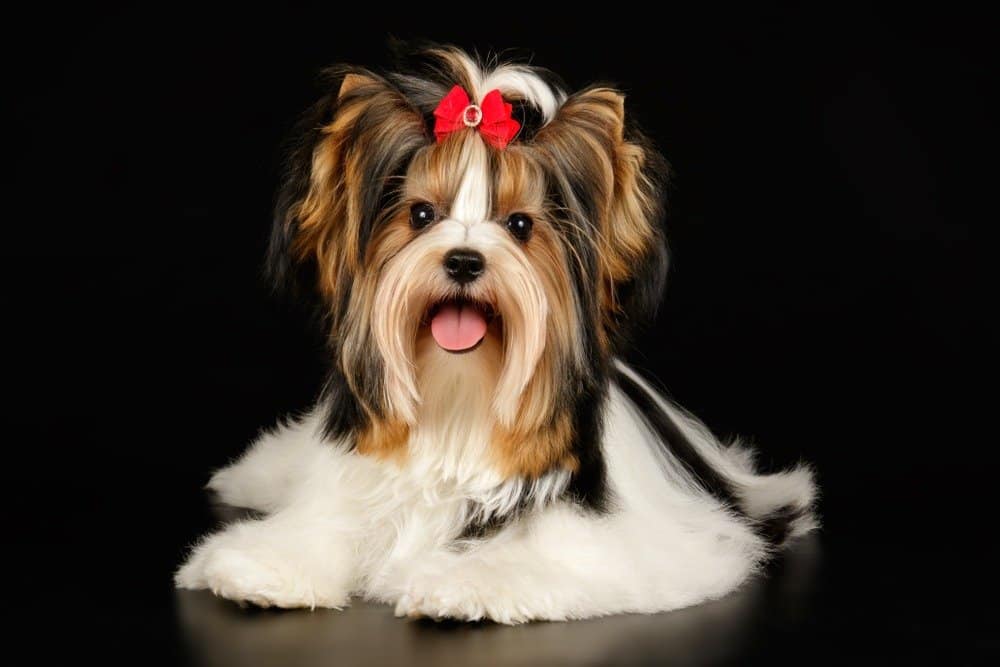
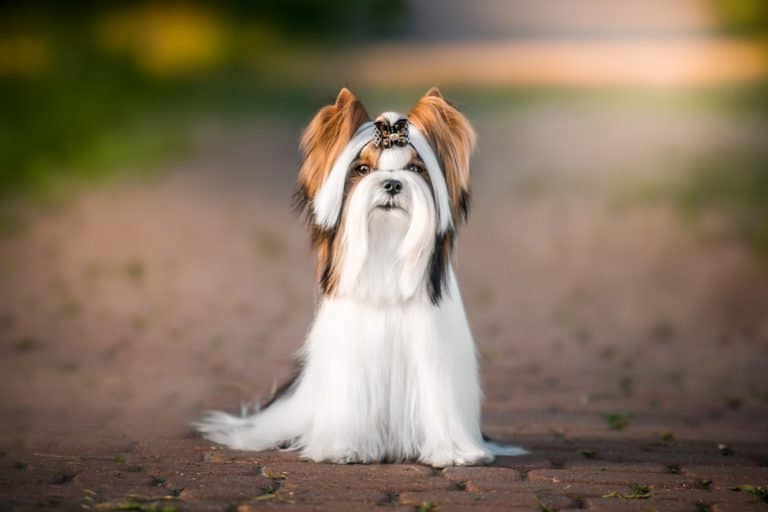
Tri-color charm in a tiny terrier
Radek Havlicek/Shutterstock.com

Biewer Terrier Distribution

Click a location to explore more animals from that region

Origin Location

This map shows the native origin of the Biewer Terrier. As a domesticated species, they are now found worldwide.

Loading map...

Found in 1 country

Size Comparison

Human 5'8"
Biewer Terrier 9 in

Biewer Terrier stands at 13% of average human height.

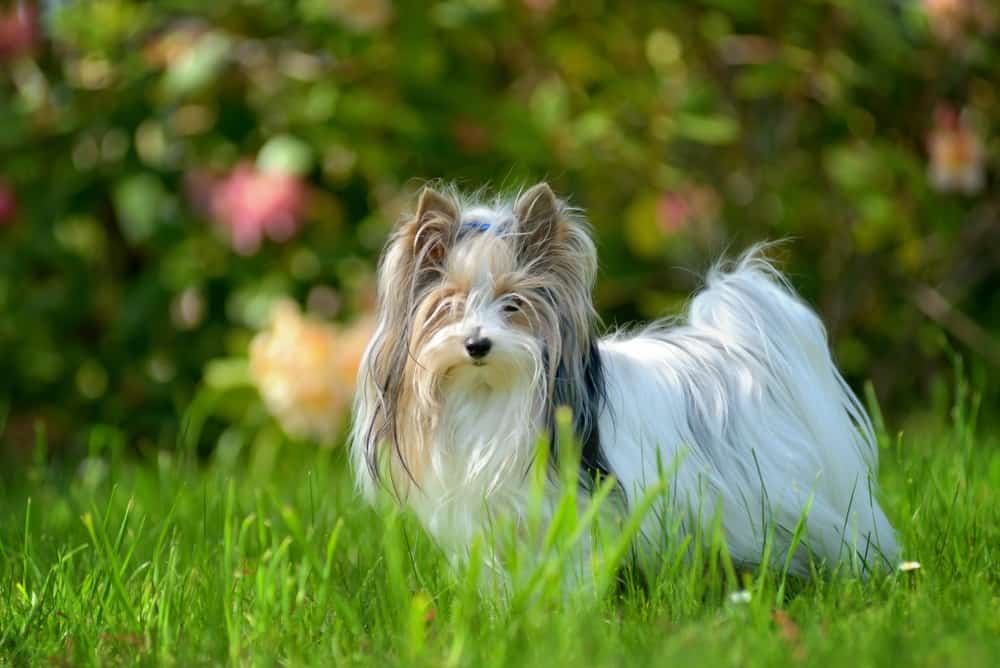
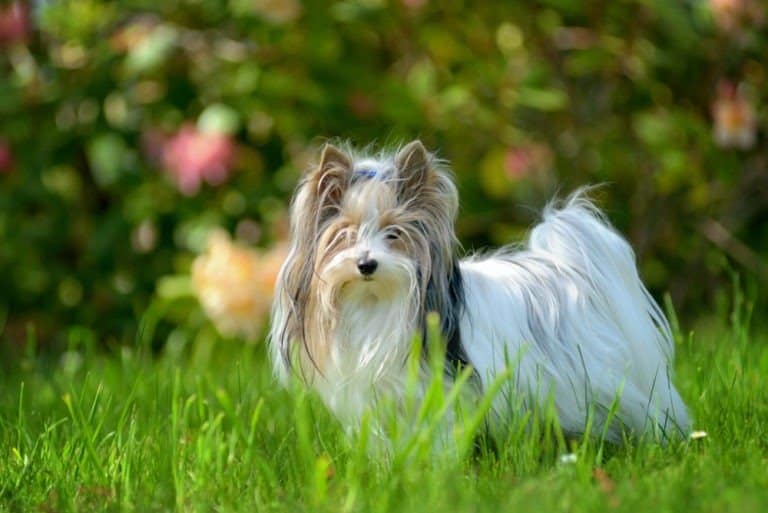
Biewer Terrier in the grass

At a Glance

Domesticated
Also Known As Biewer Yorkshire Terrier, Biewer Yorkie, Biewer
Diet Omnivore
Activity Diurnal+
Lifespan 14 years
Weight 3.6 lbs
Status Not Evaluated
Did You Know?

The breed began in Germany in the 1980s from Yorkshire Terrier parentage, when a distinctive tri-colored puppy appeared and was selectively bred.

Scientific Classification

The Biewer Terrier is a small companion (toy-type) domestic dog breed that originated in Germany from Yorkshire Terrier lineage, recognized as a distinct breed by some kennel organizations. It is known for its long, silky coat and characteristic tri-color patterning.

Kingdom
Animalia
Phylum
Chordata
Class
Mammalia
Order
Carnivora
Family
Canidae
Genus
Canis
Species
Canis lupus familiaris

Distinguishing Features

  • Small toy-sized terrier-type companion dog
  • Long, straight, silky coat often kept parted along the back
  • Commonly tri-colored patterning (e.g., white with blue/black and gold/tan patches)
  • Drop ears and a compact frame; often groomed with topknot/coat styling

Physical Measurements

Males and females differ in size

Height
9 in (8 in – 11 in)
9 in (7 in – 11 in)
Length
1 ft 5 in (1 ft 3 in – 1 ft 7 in)
1 ft 2 in (12 in – 1 ft 4 in)
Weight
7 lbs (4 lbs – 8 lbs)
6 lbs (4 lbs – 8 lbs)
Tail Length
5 in (5 in – 6 in)
Top Speed
16 mph
About 25 km/h

Appearance

Primary Colors
Secondary Colors
Skin Type Biewer Terrier has a single, low-shedding coat, not a double coat. Skin is darker under dark patches, lighter under white, and may get dry or irritated from too much bathing or poor grooming.
Distinctive Features
  • Domestic dog (Canis lupus familiaris) toy companion breed developed in Germany from Yorkshire Terrier lines; selected for a stable companion temperament and distinctive tri-color parti coat rather than working/wild ecology traits.
  • Small, compact, fine-boned terrier build; carried tail with a plume; alert but typically less driven for vermin work than many larger terriers due to companion-focused selection.
  • Signature long, straight, silky coat (hair-like texture) that can reach floor length; often groomed with a center part along the topline; facial furnishings form a pronounced "mustache/beard."
  • Breed-typical head patterning: white blaze/face area with black and tan/gold accents is commonly desired; overall look is high-contrast and "cleanly patched."
  • Care requirements (breed-typical): frequent brushing/combing to prevent matting, routine bathing with thorough drying, regular trimming of sanitary areas/feet, and ear/eye hygiene due to long furnishings.
  • Care requirements (general toy-breed context): dental care is especially important (regular brushing and professional cleanings) and nails often need frequent trimming due to light wear.
  • Health concerns seen in small companion dogs and reported in this breed population can include dental crowding/periodontal disease and patellar luxation; monitor for respiratory sensitivity in hot/humid weather due to small size.
  • Additional health considerations to discuss with a veterinarian/breeder: screening practices for hereditary issues in lines (e.g., orthopedic and ocular checks) and maintaining healthy weight to reduce joint stress.

Sexual Dimorphism

Sexual dimorphism is mild, typical of many toy companion dogs; differences are subtle compared with wild canids.

  • On average slightly larger/heavier with a marginally broader head and chest in some individuals.
  • May show a more pronounced neck ruff/furnishings depending on coat growth and grooming.
  • On average slightly smaller/finer in build; head and chest may appear more refined.
  • Coat length/quality is generally comparable to males; grooming and genetics drive appearance more than sex.

Did You Know?

The breed began in Germany in the 1980s from Yorkshire Terrier parentage, when a distinctive tri-colored puppy appeared and was selectively bred.

Its hallmark coloring is a piebald-style tri-color pattern (white with blue/black and gold/tan), unlike the typical blue-and-tan Yorkie look.

Biewers are often described as "big-dog" confident in a very small body-alert, curious, and people-focused.

The breed is named after the Biewer family, and it was first promoted under a name that translates to "Biewer Yorkshire Terrier in the style of a pom-pom."

The coat is hair-like (continuously growing), which can reduce shedding in the home compared with many double-coated breeds (though no dog is truly hypoallergenic).

Many owners keep a "puppy cut" for practicality, but the breed can also be shown in a long, floor-length coat with careful grooming.

Despite being a toy companion, they still share core domestic dog traits: strong social bonding, trainability, and sensitivity to routine and human cues.

Unique Adaptations

  • Toy-size portability paired with strong human-directed social cognition-an adaptation of domestic dogs intensified by companion breeding.
  • Long, silky single coat (hair-like) that can be styled and protected; it offers less seasonal shedding but requires regular grooming to prevent mats.
  • Tri-color piebald patterning: an aesthetic trait selected by breeders that visually distinguishes it from its Yorkshire Terrier ancestors.
  • Small jaw and delicate dentition typical of toy breeds-drives specific dental-care needs compared with larger domestic dogs.
  • High responsiveness to human attention and routines-useful for training but can predispose to separation-related stress if overdependent.

Interesting Behaviors

  • Shadowing their person from room to room-classic companion-dog attachment and social tracking behavior.
  • Terrier-style alerting: quick to announce visitors or new sounds, sometimes escalating into yappiness if not guided.
  • Play "pounce" and quick bursts of zoomies-short, energetic sprints followed by cuddling.
  • Investigating and "checking" new objects with nose and paws; many enjoy puzzle toys and treat searches.
  • Prefers being carried or close on furniture, but still benefits from structured walks and short training games.
  • May show selective boldness-confident with familiar people, cautious with rough handling or chaotic environments.

Cultural Significance

The Biewer Terrier (Canis lupus familiaris) grew in modern European companion-dog culture by breeding from terrier lines to make a small, family-friendly toy dog loved for looks, friendliness, and city life. Some clubs call it a separate breed; others link it to Yorkshire Terriers.

Myths & Legends

A popular origin story says a striking tri-colored puppy was born to Yorkshire Terriers in Germany. Werner and Gertrud Biewer then created and named a new line, a common breed tale.

In early German history, the founders registered and promoted the Biewer Yorkshire Terrier with a French phrase meaning "in the style of a pom-pom," which became part of the breed's origin story among fanciers.

In European household superstition around small lapdogs, tri-colored dogs are sometimes treated as "good-luck" companions-an informal cultural belief occasionally echoed by Biewer owners who prize the breed's distinctive three-color pattern.

Conservation Status

NE Not Evaluated

Has not yet been evaluated against the criteria.

Population Stable

Life Cycle

Birth 2 pups
Lifespan 14 years

Lifespan

In the Wild
12–16 years
In Captivity
12–16 years

Reproduction

Mating System Polygynandry
Social Structure Managed Domestic
Breeding Pattern Transient
Fertilization Managed Selective
Birth Type Managed_selective

Biewer Terrier breeding is like other dogs: internal fertilization but usually managed by humans. Breeders pick mates to meet breed standards, reduce inherited disease, and keep pedigree diversity. Pairings are temporary; mothers care for pups with human help.

Behavior & Ecology

Social Pack Group: 2
Activity Diurnal, Crepuscular, Cathemeral
Diet Omnivore chicken (lean, cooked; commonly well-tolerated protein in small-breed diets)

Temperament

Affectionate, people-focused companion; distinguishes from the base species by strong selection for lap-dog sociability, reduced roaming, and high tolerance for close handling/grooming when conditioned early.
Playful and lively with bursts of energy; benefits from short, frequent play sessions and brief walks rather than sustained endurance exercise.
Alert and sometimes vocal (watchdog tendency); may bark at novel sounds/visitors-training and controlled exposure help prevent nuisance barking.
Generally friendly with family and familiar pets; can be reserved with strangers if under-socialized. Toy breeds often show wide variation from outgoing "social butterfly" to cautious "shadow" depending on early socialization and owner reinforcement.
Trainable and responsive to positive reinforcement; may be sensitive to harsh correction. Benefits from routine, reward-based manners work (handling, leash skills, cooperative grooming).
Potential separation sensitivity due to strong attachment; gradual alone-time training and enrichment reduce anxiety-driven vocalization/destructiveness.
Care requirements: long, silky tri-color coat needs frequent brushing/combing to prevent mats; regular bathing/trim options; eye/ear hygiene and paw-pad hair management help comfort and traction.
Watch for dental crowding and disease (regular tooth brushing), patellar luxation, tracheal collapse risk—use a harness, occasional puppy hypoglycemia, and small-breed bone/joint fragility—supervise rough play and high jumps.

Communication

sharp alert barking
excited yips
whining/whimpering for attention or discomfort
low growl when threatened or guarding resources
soft grumbles during play or handling
rare/howl-like vocalizations in response to sirens or other dogs
close-contact seeking (lap sitting, leaning, following) as affiliative signaling
tail carriage/wag speed changes to indicate arousal vs friendliness
ear set and facial expression (wide eyes, lip licking) signaling uncertainty or appeasement
pawing/nudging and bringing toys to solicit interaction
play bow and bouncy approach to initiate play
scent investigation and limited urine marking More common in intact males
freezing/avoidance or hiding as stress signals-important to respect in grooming/vet contexts
mouthiness/licking as appeasement and bonding behavior

Habitat

Biomes:
Temperate Forest Temperate Grassland Mediterranean Tropical Dry Forest Tropical Rainforest Desert Hot Desert Cold Boreal Forest (Taiga) Tundra Alpine Freshwater Wetland +6
Terrain:
Plains Hilly Coastal
Elevation: Up to 16404 ft 3 in

Ecological Role

Domestic companion animal (toy breed) derived from Canis lupus familiaris; primarily human-supported feeder rather than an ecological predator.

companionship and social bonding with humans alerts/early warning via barking (home awareness) minor household pest deterrence (occasional chasing of small vermin/insects) participation in assisted activities/therapy-like roles in some contexts (individual-dependent)

Diet Details

Main Prey:
Small rodents Small birds Insects
Other Foods:
Starchy roots and tubers Cooked grains Vegetables Fruits

Human Interaction

Domestication Status

Domesticated

Biewer Terrier (Canis lupus familiaris) is a small toy companion dog from Germany in the 1980s, bred from Yorkshire Terrier stock for a tri-color (blue/black, white, gold) pattern and long silky coat. As domestic dogs shaped by people, Biewers were selected for very small size, friendly nature, low working drive, and high coat care; some registries recognize them.

Danger Level

Low
  • Minor bite risk if fearful/roughly handled (common to many small dogs), especially around children who do not respect handling boundaries
  • Trip hazard due to small size underfoot
  • Allergen exposure (dander/saliva); coat is long/silky but not truly hypoallergenic
  • Zoonotic risks are low with routine hygiene and veterinary care (e.g., parasites if preventives are neglected)

As a Pet

Suitable as Pet

Legality: Generally legal as a pet wherever domestic dogs are permitted. Subject to standard local rules (licensing, leash laws, vaccination requirements). Rarely affected by breed-specific bans because it is a small companion breed; always verify local ordinances and housing/HOA restrictions.

Care Level: Moderate

Purchase Cost: $1,500 - $4,500
Lifetime Cost: $18,000 - $45,000

Economic Value

Uses:
Companion animal industry Professional grooming Veterinary care and prevention Responsible breeding and stud services Conformation shows and dog sports Pet retail (food, dental care, accessories)
Products:
  • puppies from registered breeders
  • grooming services (bathing, trimming, coat maintenance)
  • specialty coat-care products (conditioners, detanglers, brushes, bows)
  • routine and dental veterinary services
  • training classes and behavioral support
  • pet insurance policies and wellness plans
  • boarding/daycare and pet sitting

Relationships

Ecological Equivalents 7

Animals that fill a similar ecological role in their ecosystem

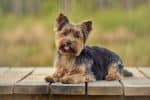
Yorkshire Terrier
Yorkshire Terrier Canis lupus familiaris Closest functional/ecological analogue in the pet niche and key lineage source: a small companion terrier type with similar size, temperament (alert, people-focused), and high-maintenance coat care. The Biewer is distinguished by its consistent tri-color/piebald pattern and breed identity developed from Yorkshire Terrier stock.
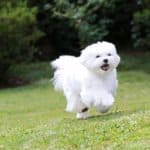
Maltese
Maltese Canis lupus familiaris Toy companion dog. Similar niche: small indoor lifestyle, strong bonding with humans, and high grooming demands due to a long, silky coat. Often requires daily brushing and regular professional grooming to prevent matting.
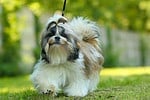
Shih Tzu
Shih Tzu Canis lupus familiaris Comparable companion role and care profile: small size, apartment-friendly exercise needs, and routine coat, skin, and eye maintenance. Both can be prone to dental disease typical of small breeds, requiring consistent oral care.
Havanese
Havanese Canis lupus familiaris Similar small companion niche with emphasis on sociability and moderate daily exercise. Coat upkeep is a shared constraint (regular brushing, trimming), and both are sensitive to being left alone for long periods, exhibiting separation-related behaviors.
Papillon
Papillon Canis lupus familiaris Occupies a similar toy-companion niche, with higher-than-expected trainability and activity for its size. Both benefit from structured enrichment (training, scent games) and from careful injury prevention because of relatively fragile legs and joints compared with larger dogs.
Miniature Schnauzer Canis lupus familiaris Small companion with terrier-like alertness and a history of vermin control. Included as a niche-relative due to shared tendencies toward watchdog behavior and chasing small animals, although the Schnauzer is generally more robust and often has different grooming needs (hand-stripping or clipping).
Domestic Dog
Domestic Dog Canis lupus familiaris The Biewer Terrier is a tiny companion dog from Germany, bred from Yorkshire Terriers for a long silky tricolor coat. It requires frequent grooming and dental care, short daily exercise, and monitoring for patellar luxation and breathing sensitivity.

A rare purebred dog, the Biewer Terrier, owes its breeding to the occurrence of a recessive piebald gene. Terriers are known to be energetic, friendly, and playful — making them one of the most desired dog breeds. While they can range in size, this pup is relatively small, typically weighing between 4 and 8 lbs.

Puppy terriers are extraordinarily playful. However, these dogs also maintain their beauty and charm while transitioning into adulthood.

Interestingly, the name Biewer is not phonetic. Instead of using a strong “w” sound, you say it in the same way as the word “beaver” is pronounced. As a plus for pet owners, the Biewer terrier is hypoallergenic, making it easy for owners to eliminate shedding and other allergens.

3 Pros and Cons of Owning a Biewer Terrier

Here are a few pros and cons of owning a Biewer Terrier:

ProsCons
Small size
Being a toy dog, these dogs are pretty small and compact in size, which makes it easier for the owners to carry them around.
Low tolerance levels
If you are looking for a dog that is calm and patient and mingles well with other dogs, this might not be the best pick for you. They tend to become a bit noisy around others.
Great companions
If you are looking for a companion dog, this could be a great choice for you. They have a fun-loving attitude, making them entertaining pets to engage with.
Despises rough behavior
Terriers want to be handled with gentle care. Younger children may be overwhelming for them, especially considering the innate desire to become rough with small animals. If you still want to get one of these dogs, make sure to supervise children carefully.
Great travel partners
Biewer Terriers are great travel partners. Their compact stature and ability to live easily in small spaces are both distinct advantages.
Misses owners
Even though these dogs are relatively easy to train, they form a deep bond with their owners and are known to whine when they are away. While it is easy to take them along, they may need someone to keep them company when their owner is away.
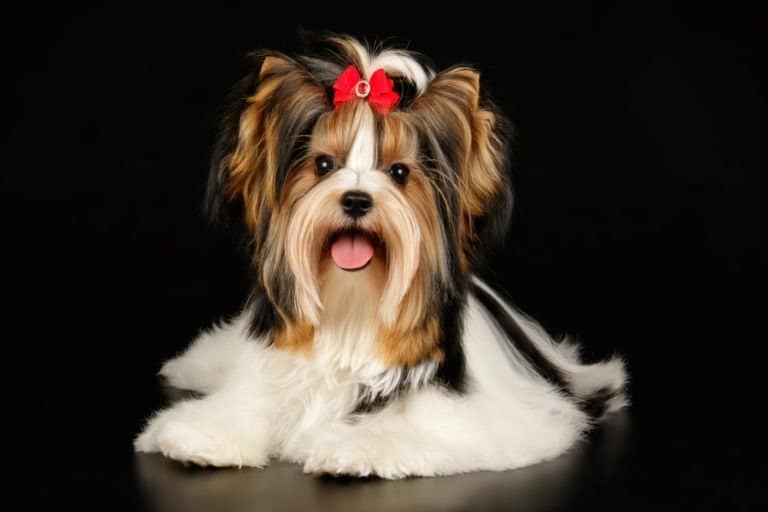
Biewer Terrier with bow in her hair

Biewer Terrier with a bow in her hair.

Origin

The Biewer Terrier first emerged in Germany in 1984 when Yorkie breeders Werner and Gertrud Biewer noticed a striking anomaly amongst some of the pups in one of their litters: vibrant white fur interspersed with more traditional colors for the Yorkshire Terrier. The two sought to further develop this unique and beautiful trait over successive generations until the Biewer Terrier was recognized by the American Kennel Club in 2021 as its own distinct breed. Prior genetic testing done in 2007 comparing Biewer Terriers and regular Yorkies had proven beyond a doubt that these dogs had become genetically diverse enough to no longer be purebred Yorkies but instead possessed enough traits of their own to be acknowledged as a new breed entirely.

Size and Weight

These dogs are usually very small, and most of them are about seven to eleven inches long. Meanwhile, most of them weigh around four to eight pounds. Small bodies are relatively common amongst terriers, which is part of their appeal to owners.

Common Health Issues

Biewer Terrier resting its head

There are many health concerns Biewer Terrier owners must keep an eye out for in order to keep this breed healthy.

Like all the other pets, the Biewer Terrier is also prone to a number of health issues, including Distichiae. This condition naturally occurs as a result of the extra eyelash along the eyelid. Rather than lining up with the rest of the eyelashes, it sprouts from the meibomian gland, causing severe irritation.

Legg-Calve-Perthes Syndrome is another common issue, which happens when bone death begins to occur as a result of issues with blood flow. Eventually, the bone can lose its natural shape and break down painfully.

That’s hardly the only joint-related problem. In the knee, Biewer terriers are prone to a luxating patella, which is just an upscale way to describe a trick knee, causing the kneecap to move where it ought not to. It commonly occurs in terrier breeds, and the Biewer Terrier is no exception.

The blood and veins are also prone to problems in Biewer terriers. They may suffer from a portosystemic shunt (an abnormal vein that transports the blood supply from the intestines to the heart) or malocclusions (improper teeth alignment while the mouth is closed). They are also at risk for hypoglycemia (low blood sugar).

Temperament

The temperament of these dogs is easygoing, and they do not bark much, though they tend to yip and become excited around new people. They are friendly, playful, and very energetic, which is part of the immense appeal.

They are great family as well as companion dogs and love to spend time with the owner’s family. Meanwhile, they are also great with children, though it is best to teach children the best way to handle a dog this small, as they are more delicate than larger dogs.

Biewer Terriers are attention seekers and love being the center of attention. Even though they are small in size, they can guard themselves against large dogs. They tolerate other animals well, making it easy to add them to a home that already has animals.

How to Take Care of a Biewer Terrier
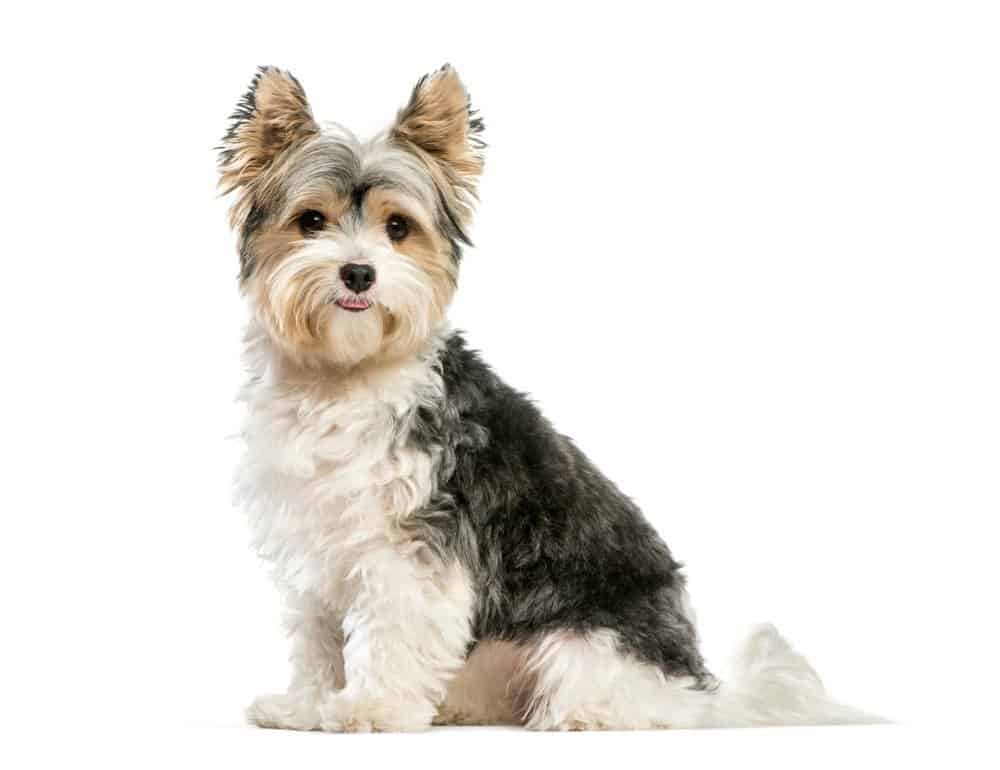
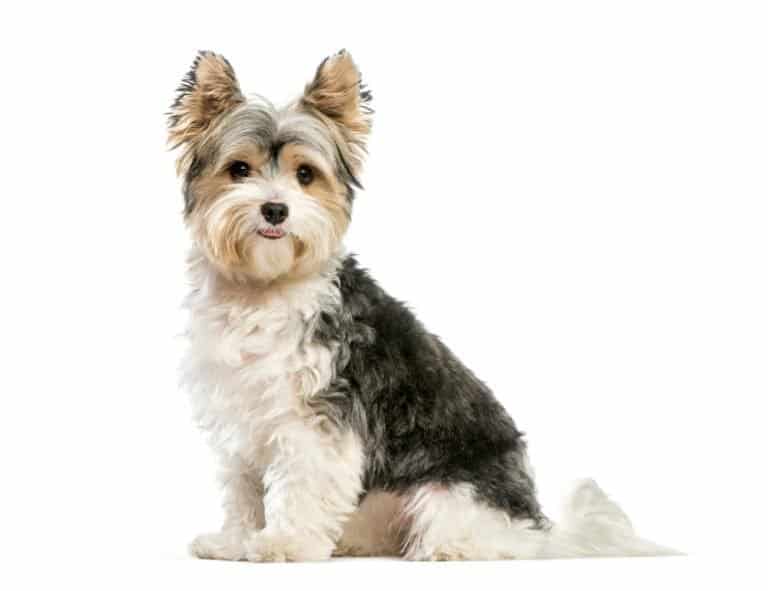
Biewer Terrier isolated on white background

There are many things to know about this breed before you bring a Biewer Terrier into your home.

Considering how small and prone to health concerns the Biewer terrier can be, it is important to properly prepare the home for this sweet dog. Here are some things that you should keep in mind before adopting a Biewer Terrier as a pet dog:

The Best Dog Food

A Biewer terrier should be given enough protein, fats, and carbohydrates as part of their diet, as they thrive on these. Meanwhile, adult terriers should be fed about three times a day, while puppies should be fed about four times a day, as they have small stomachs that are not able to digest a lot of food in one go.

Biewer terriers tend to have a rather sensitive gastrointestinal tract, so they will not need much protein in their diet. Make sure to avoid gluten and soy, which can irritate their stomach lining.

To avoid hypoglycemia, make sure your Biewer Terrier eats a square meal ninety minutes before exercise. Because of this breed’s range of bone, joint, and jaw worries, owners should look for dog food with adequate calcium.

Maintenance and Grooming

The Biewer Terrier requires regular grooming. Grooming includes brushing their coat and fur, and regularly bathing them. They will need regular cleaning and brushing of their single coat that would look shiny and would reflect in the sunshine once cleaned.

Training

These dogs are smart and easy to train, but sometimes they can also be stubborn, creating training problems for the owner. Still, these dogs enjoy learning, so they listen well during these sessions.

With terriers, “small dog syndrome” can become common, making them feel inadequate so that they have to overcompensate with other behaviors.

Exercise

These dogs are active and need regular daily exercise. A routine walk or some playtime at home should be enough to fulfill the exercise requirements of these dogs.

Lack of exercise could cause negative and destructive behaviors to come up in the Biewer Terriers, and they could indulge in digging and chewing instead.

Puppies

The Biewer Terrier puppies are to be taken care of the same way, except that they need to be fed more times a day in comparison to adults, as they have small stomachs and can’t take a lot of food in one go.
If you start training with puppies themselves, the results come out great, as the dog would then develop habits from a very young age.
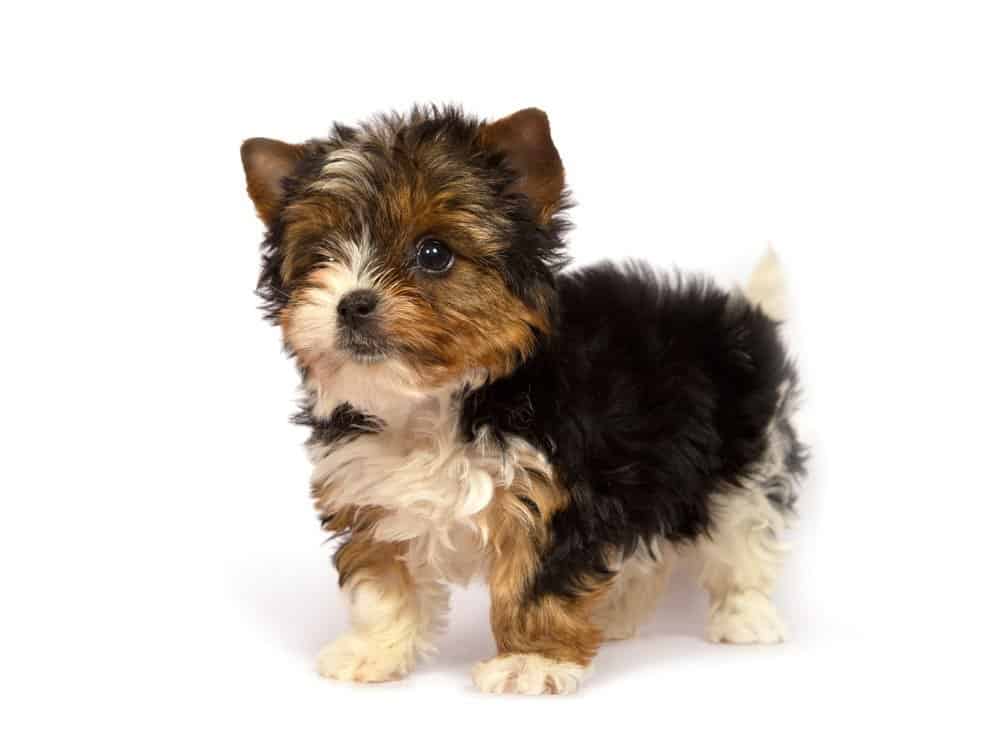
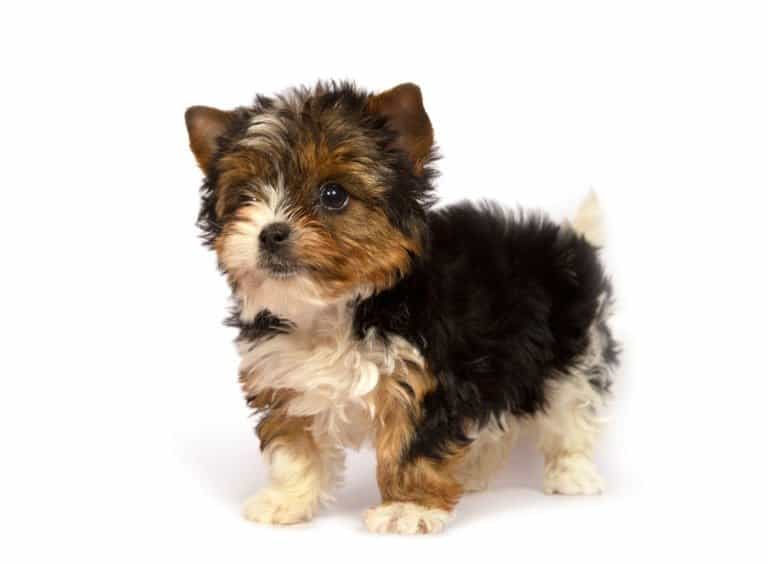
Biewer Terrier puppy isolated on white background

It is best to start training when your dog is still a puppy.

Biewer Terriers and Children

Biewer Terriers make great family and companion dogs. They are active and playful and are especially great with children. They are known to be very friendly and playful with the children of the family.

As with any dog, parents need to teach their children proper behavior to avoid detrimental damage. Since this dog only weighs 4 lbs. when it reaches its maximum weight, its compact body needs as much care as possible.
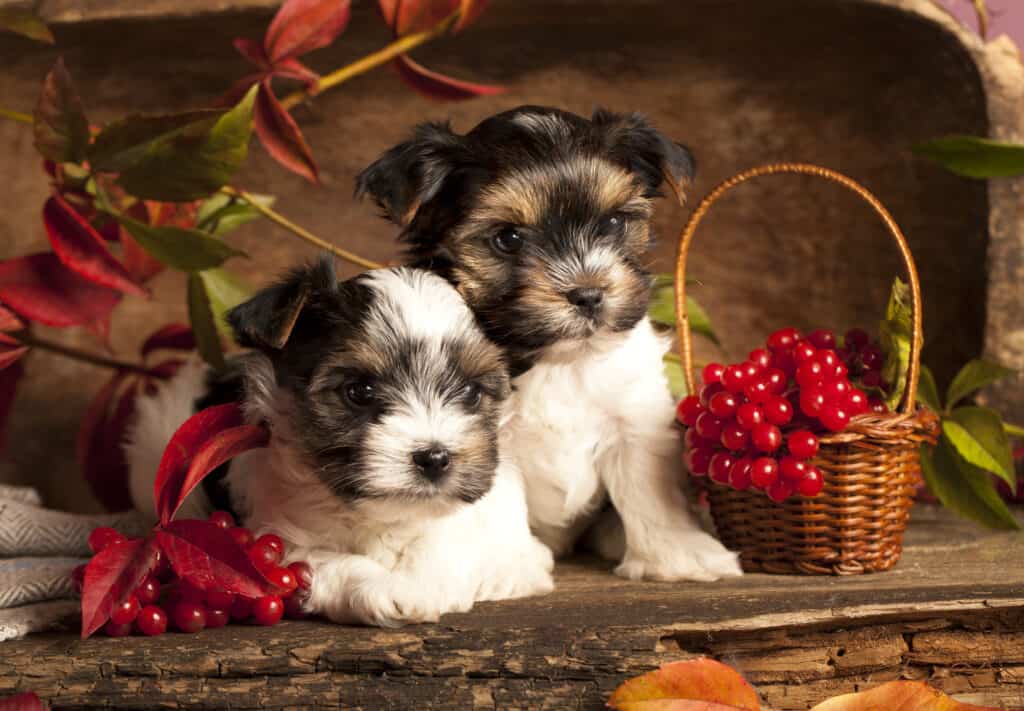
Biewer terrier puppies and cranberries

Biewer terriers are absolute sweethearts and make perfect companions for children.

Similar Breeds

As wonderful as the Biewer terrier is, it may not be for everyone. Here are a few dogs that are similar to Biewer Terriers:

  • Poodles: These are elegant and clever dogs with beautiful hairdos. They are just as loyal as the Biewer terrier, though they need much more social time and can be fairly vocal.
  • Maltese: These dogs are great family pets and are very cute to look at. They are small in size, much like the Biewer terrier. While they may nip while chasing (like the Biewer terrier), they are also perfect for owners who live in apartments.
  • Yorkshire Terrier: These dogs have similar hair and are clever and elegant. They are known to be great family dogs, but they may not be the best choice for a first-time owner, due to the amount of care needed.

View all 453 animals that start with B

Sources

  1. American Kennel Club / Accessed December 9, 2020
  2. Dog Time / Accessed December 9, 2020
  3. Pets4Homes / Accessed December 9, 2020
  4. VCA Hospitals / Accessed December 9, 2020
  5. Mayo Clinic / Accessed December 9, 2020
  6. Pet Guide / Accessed December 9, 2020
  7. Doglime / Accessed December 9, 2020
  8. Espree / Accessed December 9, 2020
  9. Paw Buzz / Accessed December 9, 2020
  10. The Happy Puppy Site / Accessed December 9, 2020
  11. Wag! / Accessed December 9, 2020
Corinna Cybele

About the Author

Corinna Cybele

My name is Corinna! In my profile photo you can see me with one of my two cats, Bisky! The other's name is Yma and she's a beautiful black Bombay kitty. I'm 24 years old and I live in Birmingham, AL with my partner Anastasia and like to spend my free time making music, collecting records and reading. Some other animals I've owned were a hamster, 2 chihuahuas and many different kinds of fish.

Thank you for reading! Have some feedback for us?


Biewer Terrier FAQs (Frequently Asked Questions)

A Biewer Terrier is a small toy dog and is very friendly and energetic. These dogs are known to make great family and companion dogs. The pronunciation of Biewer is actually Beaver. These dogs are considered to be hypoallergenic which means that they rarely shed.