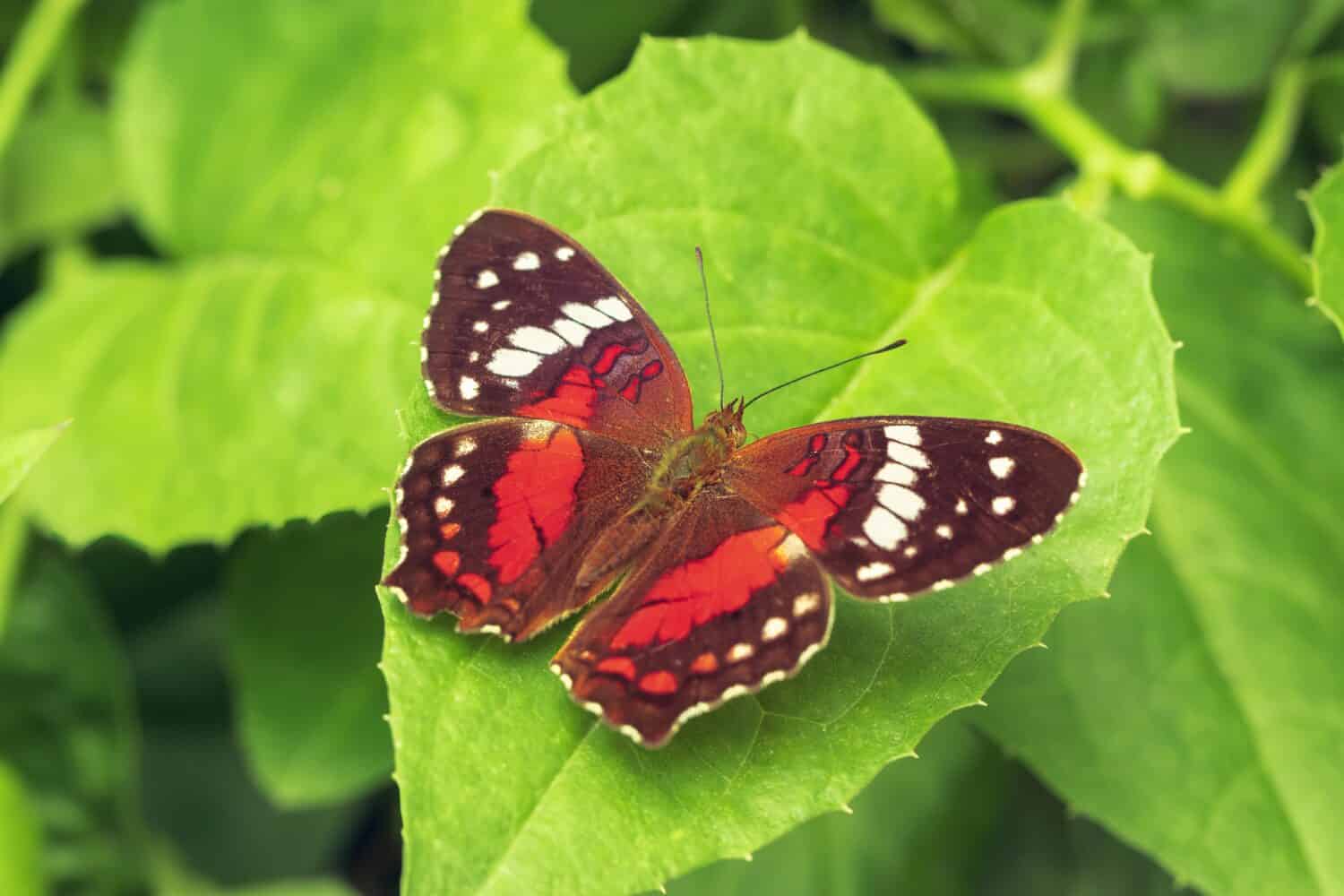

Clad in all kinds of ornate and beautiful colors, the butterfly is a winged insect that flies from flower to flower, consuming the rich, sugary nectar inside. There are nearly 20,000 species of butterflies worldwide, spread across nearly all of the planet’s major ecosystems.
They vary greatly in terms of color, shape, and behavior, but all butterflies undergo a four-stage life cycle to complete metamorphosis. But do butterflies lay eggs to begin the life cycle? Whether you’re a butterfly enthusiast or just looking for some basic information, keep reading to learn whether butterflies lay eggs.
Butterfly Courtship and Mating
To answer the question, yes, butterflies do lay eggs. The four stages of the butterfly life cycle include: egg, larva (or caterpillar), pupa, and adult. However, first, butterflies must experience courtship and mating. Males attempt to identify females of their species by colors, patterns, or even chemical signals. Males can even send acoustic signals to let females know they are looking for a mate. Once the male has found a potential mate, he may court her by performing an aerial dance. If the female accepts, then they will connect their abdomens. This can take place while flying, on the ground, or some type of perch.
The male will then transfer packages of sperm to the female. These sperm packets are called spermatophores. The sperm in these packets is used to fertilize the female’s eggs. She can also store the sperm in an organ called the bursa copulatrix before transferring it to the spermatheca, where fertilization occurs. In some species, the female can digest the spermatophore, which also contains nutrients. After mating, the female will depart to either mate again or find an appropriate place to lay her eggs.
What Do the Eggs Look Like?
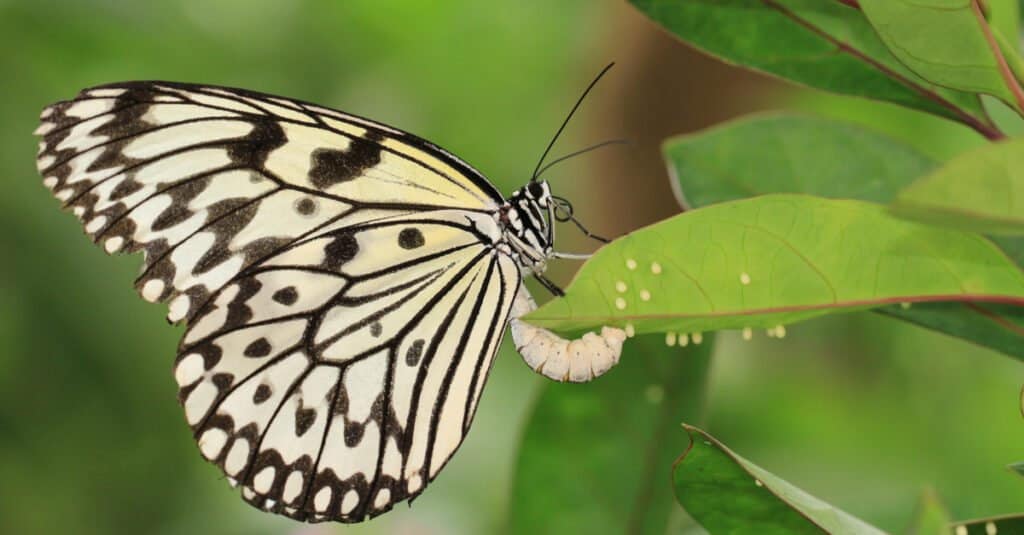
The appearance of butterfly eggs is unique to each species.
©happykamill/Shutterstock.com
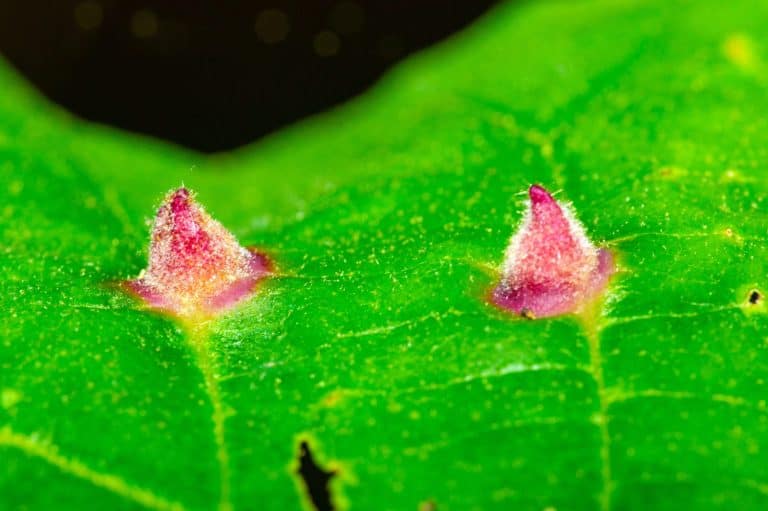
The appearance of the eggs is unique to each species, though many eggs may look similar. They can come in many different shapes and textures, including round, smooth, oval, bumpy, cylindrical, and wrinkled. The eggs can be different colors as well, including white, yellow, orange, green, and brown. The shape and color will also change as the embryo inside develops.
Most are incredibly small, measuring only about 1-3mm long, or about the same size as a pinhead. However, the size of the egg can also be affected by the environment. The eggs of the squinting bush brown butterfly were shown to increase in size at lower temperatures.
When and Where Do Butterflies Normally Lay Their Eggs?
Most species of butterflies mate and lay their eggs at some point in the spring and early summer, although some species may wait as late as the autumn. The time of year when the eggs are laid can also help in identifying the species. For example, spring azure, mourning cloak, and black swallowtail butterflies lay their eggs in the spring. Monarch butterflies lay eggs in the spring, summer, and fall, producing multiple generations each year. Tiger swallowtails prefer the summer. Giant swallowtails and great spangled fritillaries lay their eggs in the fall.
Each butterfly species also has specific host plants where they lay their eggs. For example, the monarch butterfly prefers milkweed, the European peacock butterfly favors nettles, and the eastern tiger swallowtail butterfly is adapted for tulip trees and wild black cherry trees. The host plant is crucial for the caterpillar’s survival, as it provides the food needed to reach the next stage of their life cycle.
The female butterfly will attempt to identify the correct host plant by shape, size, and even scent. She will fertilize the eggs with the sperm stored in her bursa copulatrix just before they emerge from her body. The nutrients delivered by the male during mating are essential for egg production of the egg. The males will often spend extra time gathering nutrients just for this purpose.
Laying the Eggs
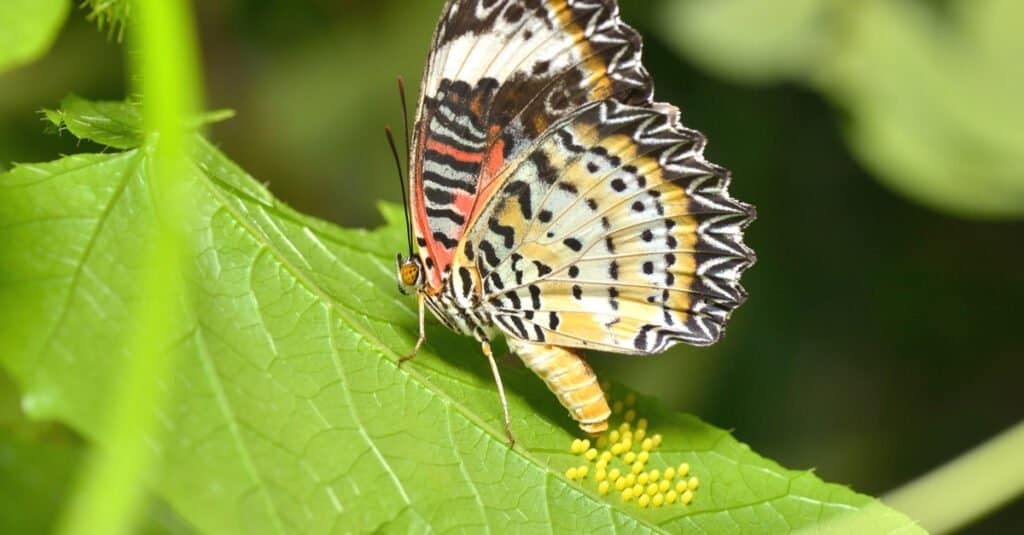
Different butterfly species lay their eggs on different parts of the plant.
©jakrit yuenprakhon/Shutterstock.com
Butterflies have various strategies for laying their eggs. Some species will lay their eggs individually, one at a time, while others will lay an entire cluster all at once. Some lay their eggs on the tops of plants, while most choose the underside for protection against predators. Female butterflies typically lay from 200 to 500 eggs during their lifetime, although it varies by species.
The mother must also take special care to ensure the temperature and humidity levels are just right. Too little moisture will dry out the eggs, whereas too much moisture can result in rot or fungus setting in. Once she has finished laying the eggs, the female will then affix the eggs to the plant with a sticky substance secreted from her colleterial glands, which are part of her reproductive system.
How Long Do the Eggs Take to Hatch?
Once the eggs are laid, the female does not provide any further care for the young. While they are well-hidden from predators, few will actually hatch. Most will fall prey to ants, birds, small mammals, and other predators. Experts estimate that only about 2 out of 100 eggs survive to adulthood.
If they manage to survive, the eggs can take anywhere from a few days to a few weeks to hatch. However, some species have adapted to overwinter in the egg stage. For instance, the banded hairstreak and the black hairstreak overwinter as eggs. This is a process called “diapause,” in which they will spend the entire winter in a state of suspended development and growth with metabolic activity reduced to a bare minimum.
While diapause can occur at any stage of a butterfly’s life cycle, it’s the most common in either the egg stage or the larval, or caterpillar, stage. Eggs in a state of suspended development during the winter won’t hatch until the following spring. This process is similar to hibernation in mammals; caterpillars in diapause will not eat again until spring.