

D
Species Profile

Danish Swedish Farmdog

Canis lupus familiaris

Small dog. Big farm skills.
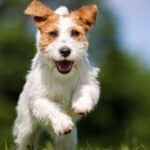
BIGANDT.COM/Shutterstock.com

Danish Swedish Farmdog Distribution

Click a location to explore more animals from that region

Origin Location

This map shows the native origin of the Danish Swedish Farmdog. As a domesticated species, they are now found worldwide.

Loading map...

Size Comparison

Human 5'8"
Danish Swedish Farmdog 1 ft 2 in

Danish Swedish Farmdog stands at 20% of average human height.

Danish Swedish farmdog

At a Glance

Domesticated
Also Known As Dansk-svensk gårdshund, Gårdshund, Danish Farmdog, Swedish Farmdog
Diet Omnivore
Activity Diurnal+
Lifespan 4 years
Weight 12 lbs
Status Not Evaluated
Did You Know?

Despite the name, it's one shared landrace developed across Denmark and Sweden, long before modern borders mattered on farms.

Scientific Classification

A small-to-medium, smooth-coated Scandinavian farm dog traditionally kept as an all-purpose working dog (ratting, watchdogging, general farm utility). Today it is primarily a companion/working breed recognized in kennel-club systems (not a wild species).

Kingdom
Animalia
Phylum
Chordata
Class
Mammalia
Order
Carnivora
Family
Canidae
Genus
Canis
Species
Canis lupus

Distinguishing Features

  • Small-to-medium, compact and athletic build
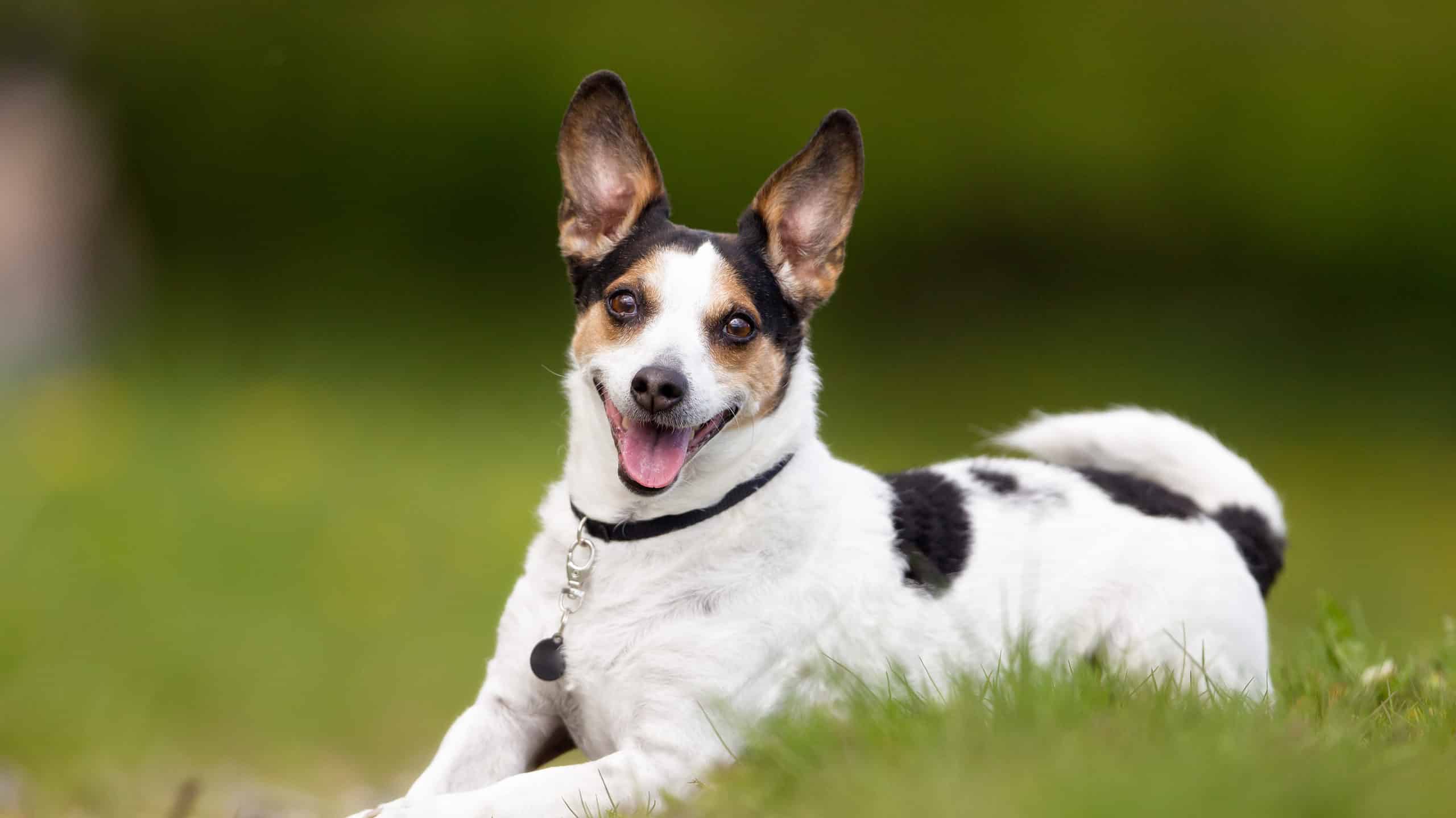
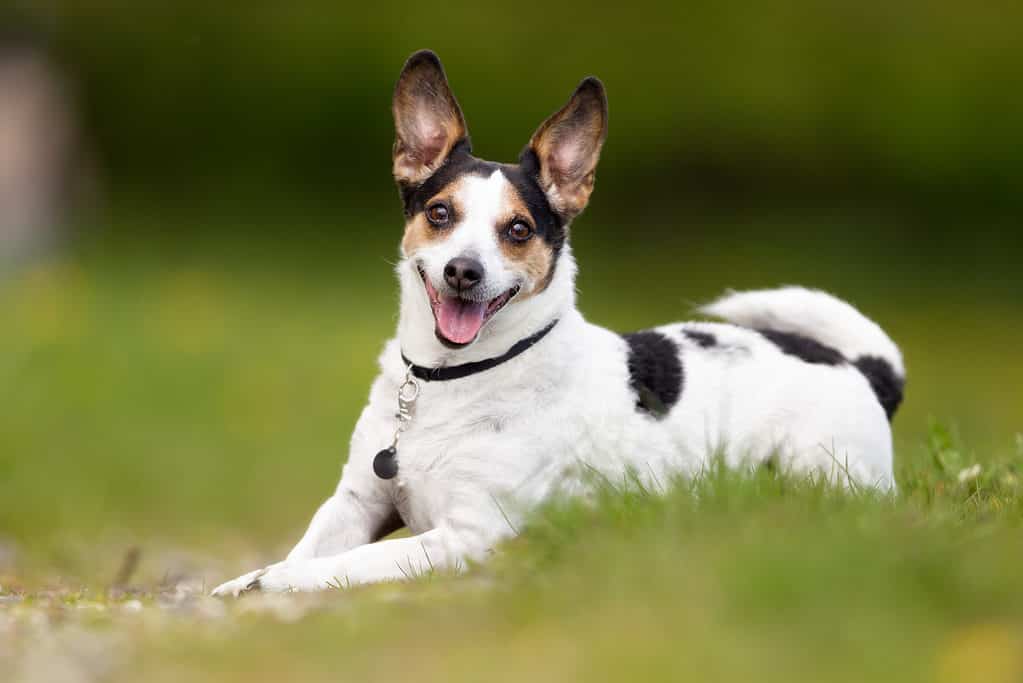
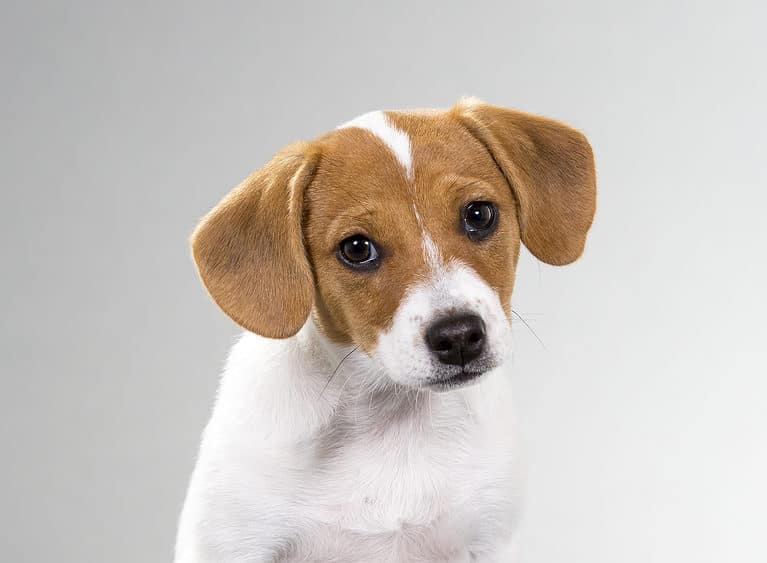
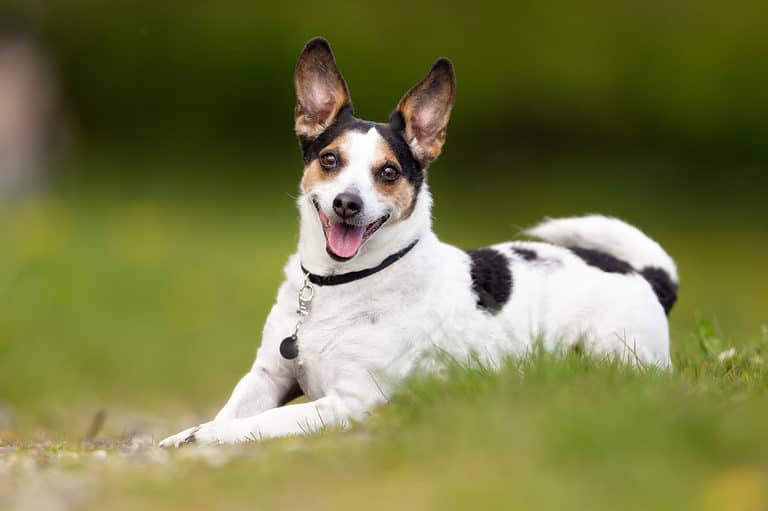
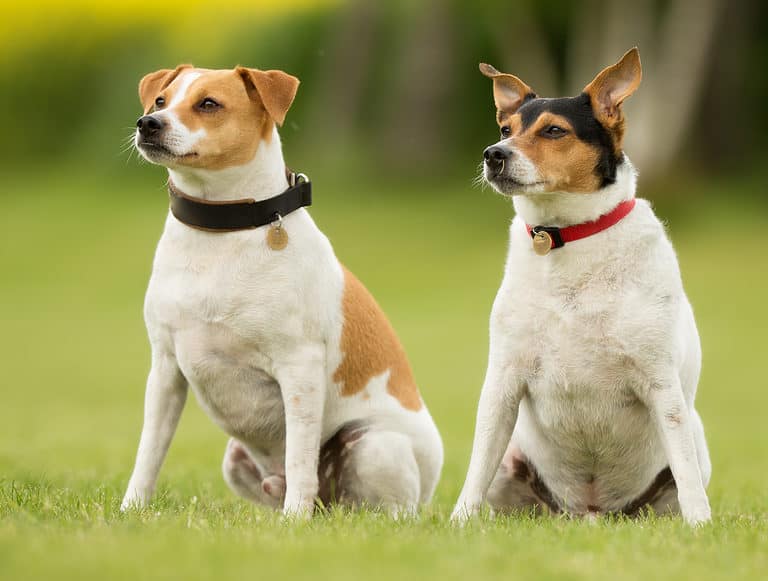
  • Short, smooth coat often predominantly white with patches (commonly black/tan or tricolor)
  • Natural ears that may be rose or semi-erect
  • Farm utility background: alert, lively, suited to vermin control

Physical Measurements

Males and females differ in size

Height
♂ 1 ft 2 in (1 ft 1 in – 1 ft 3 in)
♀ 1 ft 1 in (1 ft 1 in – 1 ft 2 in)
Length
♂ 1 ft 11 in (1 ft 3 in – 2 ft 4 in)
Weight
♂ 22 lbs (18 lbs – 26 lbs)
♀ 20 lbs (15 lbs – 26 lbs)
Tail Length
♂ Up to 10 in
♀ Up to 10 in
Top Speed
25 mph
short sprints

Appearance

Primary Colors
Secondary Colors
Skin Type Danish-Swedish Farmdog (Canis lupus familiaris) has a smooth, short, close-lying coat with little feathering; skin is usually normal but can be irritated by over-bathing or strong soaps. Moderate seasonal shedding.
Distinctive Features
  • Domestic dog breed from Denmark and Sweden, a small Scandinavian farm working dog bred by people; more compact and people-focused than the gray wolf, with a shorter muzzle and friendly, hardworking nature.
  • Small-to-medium, compact athletic proportions: slightly rectangular outline, strong but not heavy bone; built for agility, quick turns, and endurance around farmyards (ratting and general-purpose work).
  • Smooth short coat: low grooming needs compared with many spitz-type Scandinavian breeds; coat lies close and highlights a clean, tidy silhouette.
  • Head and expression: wedge-like head with moderate stop; alert, bright expression suited to watchdogging and vermin work.
  • Ears: typically semi-erect or rose ears that can vary with attention; contributes to the breed's keen, responsive look.
  • Tail: commonly carried as a gentle curve/sickle; natural bobtail can occur in the breed (where present, manage care to avoid tail-base injuries and monitor spinal health if any concerns arise).
  • Working role traits: high prey drive for small vermin, quick responsiveness, and a clear alarm bark-distinct from the base species' hunting ecology because this behavior is directed toward farm pests and human-centered guarding.
  • Health considerations seen in the breed: patellar luxation (kneecap instability), hip dysplasia (generally not high incidence but screened in responsible programs), and hereditary eye conditions (e.g., cataract/PRA-spectrum concerns in some lines).
  • Needs daily exercise and mental games like training, scent work, or agility. Short coat needs weekly brushing; trim nails, care for teeth, and watch weight—can gain if under-exercised.
  • Climate/comfort: short coat offers limited insulation-may need additional warmth during prolonged cold/wet exposure despite Scandinavian origins, especially for pet dogs not continuously acclimated outdoors.

Sexual Dimorphism

Moderate sexual dimorphism typical of many domestic dogs: males tend to be slightly larger and more robust; females often appear a bit finer and lighter in build. Both sexes share the same coat types and color patterns.

♂
  • Slightly broader head and chest; heavier bone and more pronounced musculature.
  • Often a more substantial neck/forequarter appearance within breed-typical proportions.
♀
  • Generally finer-boned with a slightly narrower head and chest.
  • Often a lighter overall outline while retaining the same compact, athletic structure.

Did You Know?

Despite the name, it's one shared landrace developed across Denmark and Sweden, long before modern borders mattered on farms.

It's one of the few Scandinavian breeds purpose-built for "everything on the farm": vermin control, alerting, and day-to-day help.

Its short, smooth coat is practical for working in barns and yards-low maintenance and quick to dry.

Many individuals show strong "busy helper" tendencies: they like having a job and checking on their people's routines.

The breed is known for agility-style athleticism-quick turns, bursts of speed, and strong jumping ability for its size.

Common colors are white with patches (often black or tan); the high-contrast pattern historically made farm dogs easy to spot around livestock.

It's recognized in modern kennel-club systems, but its roots are in functional farm work rather than show breeding.

Unique Adaptations

  • Domestic-dog specialization (vs. the gray wolf, the domestic dog's wild ancestor): selectively bred for reduced wariness around humans, biddability, and thriving in human-managed environments.
  • Compact, athletic build: efficient acceleration and tight maneuvering in barns and farmyards-useful for chasing rodents in confined spaces.
  • Smooth short coat: less debris-catching than longer coats; typically minimal grooming and easier parasite checks after outdoor work.
  • High alertness with manageable size: provides early warning on a property without the mass of larger guardian breeds.
  • Generalist working temperament: balanced drive (hunt/alert/play) suited to varied tasks rather than a single narrowly specialized job.
  • Strong environmental resilience: developed in Scandinavian farm conditions, often coping well with cool, damp weather when active (coat is short, so shelter is still important).

Interesting Behaviors

  • Vermin-hunting focus: intense interest in small fast-moving animals; many will stalk, pounce, and "shake" toys-echoes of ratting work.
  • Alarm-first watchdogging: typically quick to alert with voice and body language, then looks to the handler for what to do next.
  • Shadowing/"foreman" behavior: follows family members from task to task as if supervising work around the home and yard.
  • Terrain scanning: frequent head turns and pausing to listen-useful on farms where noticing movement matters.
  • Object play and carrying: many enjoy retrieving and carrying items, reflecting general-utility handling on farms.
  • Digging and sniffing in edges: works fence lines, brush piles, and barn corners where rodents hide.
  • High social engagement: tends to prefer being near people; can become restless if under-stimulated.

Cultural Significance

The Danish–Swedish Farmdog (Canis lupus familiaris) is a small Scandinavian farm dog. It chased rats, warned of strangers, and was a yard companion. Its modern return and kennel-club recognition show Nordic efforts to save traditional working dogs as heritage.

Myths & Legends

No well-known myths or legends are linked to the Danish–Swedish Farmdog (Canis lupus familiaris); it is a useful Scandinavian farm dog used for vermin control and as a watchful companion.

Rural anecdotes from Denmark and Sweden often describe the farmdog as the barn's "rat-king's bane," a near-legendary mouser-and-ratter whose presence meant fuller grain bins and healthier animals through the winter.

Old farm sayings show the farm dog as a small guardian of boundaries, tiny enough to sleep by the hearth and brave enough to scare intruders; Scandinavian folk tales repeat that about clever small animals.

Naming lore links the breed's identity to the everyday farmstead (farmyard), emphasizing that its 'origin story' is not a single inventor but generations of practical farmers selecting the best little helpers for the job.

Conservation Status

NE Not Evaluated

Has not yet been evaluated against the criteria.

Population Stable

Life Cycle

Birth 5 pups
Lifespan 4 years

Lifespan

In the Wild
1–8 years
In Captivity
10–15 years

Reproduction

Mating System Polygynandry
Social Structure Managed Domestic
Breeding Pattern Serial
Fertilization Managed Selective
Birth Type Managed_selective

Danish–Swedish Farmdog (Canis lupus familiaris): Dogs have one or two heat cycles yearly, internal mating with a mating 'tie.' In this breed, mating is planned by people; pairs do not bond and usually change each season, with separation during heats.

Behavior & Ecology

Social Pack Group: 3
Activity Diurnal, Crepuscular
Diet Omnivore Meat-forward foods (especially poultry or beef) and high-value training treats; many individuals also strongly prefer smelly proteins (fish-based treats).

Temperament

Breed-distinctive profile (vs. general domestic dog): compact, agile, high-alert farm utility dog with pronounced vermin-chase/ratting motivation and quick reactivity to novel stimuli; typically more 'busy' and environmentally engaged than many companion-only breeds.
Human sociality: generally affectionate, people-oriented, and handler-attentive; tends to form strong bonds with household members and can be reserved or barky with unfamiliar visitors if under-socialized (watchdog heritage).
Dog sociality: often sociable and playful, especially when raised with other dogs; may show assertiveness with pushy dogs and can be selective in adulthood without ongoing social exposure.
Work/drive: energetic, persistent, and problem-solving; benefits from daily structured outlets (training games, scentwork, agility, barn-hunt style activities) to prevent nuisance behaviors (barking, pacing, digging, opportunistic chasing).
HUBS (common across Danish-Swedish Farmdogs, with variation): high trainability with a streak of independence; medium-to-high prey interest; alert vocal tendencies; typically stable in busy environments when well-socialized-individuals vary from very outgoing to moderately reserved.
Care requirements: needs consistent positive-reinforcement training, early socialization (people, dogs, livestock/pets), and impulse-control practice around fast-moving small animals; thrives with multiple short activity sessions rather than one long outing.
Health concerns (breed-relevant considerations): generally robust; monitor for common small-to-medium breed issues such as patellar luxation, hip dysplasia, dental disease/periodontal buildup, and eye conditions; maintain lean body condition to reduce orthopedic strain and support longevity.

Communication

alert barking Watchdog signaling, environmental notifications
excited yips/short barks during play or arousal
growls Boundary-setting, resource guarding in some individuals
whines Attention-seeking, anticipation, mild frustration
highly expressive body language Upright posture, bouncing gait, play bows; rapid shifts from alert to affiliative
tail and ear signaling to modulate approach/avoidance Breed-typical high alert display when noticing movement
scent investigation and marking Urination/ground sniffing to gather social information
muzzle contact, pawing, and nudging to solicit interaction from humans
staring and 'freeze' with orienting toward small moving animals Prey-sequence initiation; important to manage with training

Habitat

Biomes:
Temperate Forest Temperate Grassland Boreal Forest (Taiga) Alpine Mediterranean Desert Hot Freshwater Wetland +2
Terrain:
Plains Coastal Hilly Valley
Elevation: Up to 14763 ft 9 in

Ecological Role

Domesticated commensal omnivore and farm utility predator (pest controller)

Rodent and nuisance-invertebrate control around farms/homesteads Reduction of feed/grain losses by limiting rodent populations Sentinel/alert function as a watchdog (deterrence/early warning) Human companionship and working partnership (cultural ecosystem service)

Diet Details

Main Prey:
Rats and mice Vole Small birds and eggs Rabbits Insects and other invertebrates Carrion and discarded animal scraps
Other Foods:
Grains and starches Roots and vegetables Leafy greens Berries and fruits Fermented and yeast-derived fiber sources

Human Interaction

Domestication Status

Domesticated

The Danish–Swedish Farmdog (Canis lupus familiaris) is a fully domesticated small farm dog from rural Denmark and southern Sweden. Made by centuries of practical farm use, it was bred for ratting, vermin control and alert watchdog work without strong guarding drive. As farming modernized, it became a companion and show-working breed kept by kennel clubs in Europe and beyond.

Danger Level

Low
  • defensive nipping if frightened, mishandled, or cornered (especially in poorly socialized individuals)
  • resource guarding or reactivity if training/socialization is inadequate
  • accidental scratches/knocks during high arousal play
  • bite risk increases around unfamiliar dogs/people if not managed; severity typically limited by small-to-medium size

As a Pet

Suitable as Pet

Legality: Generally legal as a companion animal where domestic dogs are permitted; not typically subject to breed-specific bans. Local rules (licensing, leash laws, import/quarantine, housing/HOA restrictions) may apply.

Care Level: Moderate

Purchase Cost: $1,200 - $2,500
Lifetime Cost: $15,000 - $32,000

Economic Value

Uses:
Companion animal Working/utility (farm, barn, vermin control) Sport/competition (agility, obedience, rally, nosework) Breeding/kennel-club showing
Products:
  • paid vermin-control/barn dog services (informal/limited markets)
  • training, boarding, grooming (minimal grooming needs but routine services still used)
  • sport titles/competition participation supporting training industries
  • responsibly bred puppies (primary direct economic value)

Quick Take

The Danish Swedish farmdog is a small breed that originated primarily in Denmark and southern Sweden, though its ancestors could also be found in Great Britain, Germany, and France as far back as the 1700s. Although they are often mistaken for the Jack Russell terrier or similar breeds, they are actually classified as pinschers. In the past, they were used as watchdogs, hunting dogs, and rodent catchers. Today, they are more often family pets. They are full of love and enthusiasm for humans and other dogs. This friendly temperament, combined with their diminutive size, makes them excellent companion dogs even for people who live in small apartments. However, these little dogs are smart and full of energy! Be prepared to provide them with 45 minutes to an hour of vigorous play every day. And when both of you are tired out at the end of the day, don’t be surprised if your little buddy jumps up into your lap and falls asleep.

An infographic detailing the Danish Swedish Farmdog, featuring maps of Scandinavia, a dog profile illustration, and lists of breed characteristics and care needs.
Think you're getting a quiet lap dog? Think again. This pint-sized powerhouse demands a daily workout that would put most athletes to shame. © A-Z Animals

3 Pros and Cons of Owning Danish Swedish Farmdogs

ProsCons
Highly affectionate
Danish Swedish farmdogs are good with other pets, children, and strangers. They’re playful and like to cuddle.
Big barkers
They bark a lot more than other dogs, and this cannot be completely trained out of them. You’ll have to get used to it.
Low-maintenance coat
This breed does shed, but not excessively. Occasional brushing is enough to keep them looking good.
They like to nip and chew
Danish Swedish farmdogs like to chew, nip, and play-bite. They will also try to herd people, especially children.
Super healthy
These little guys have very few health issues. Give them a healthy diet, regular exercise, and routine vet checkups, and you’ll be able to enjoy them for many years.
Separation anxiety
These dogs love their people and become anxious when separated from them for too long. They will act out by barking and destroying everything they can to let you know they missed you.

Size and Weight

On average, these dogs get to be 12 to 15 inches tall and weigh 15 to 20 pounds.

Common Health Issues

These are generally healthy dogs, but together with your vet, watch out for MDR1 medication sensitivity and primary lens luxation, which is a displacement of the lens from its normal position in the eye due to weakened ligaments. Here are links to learn more about these conditions:

Temperament and Behavior
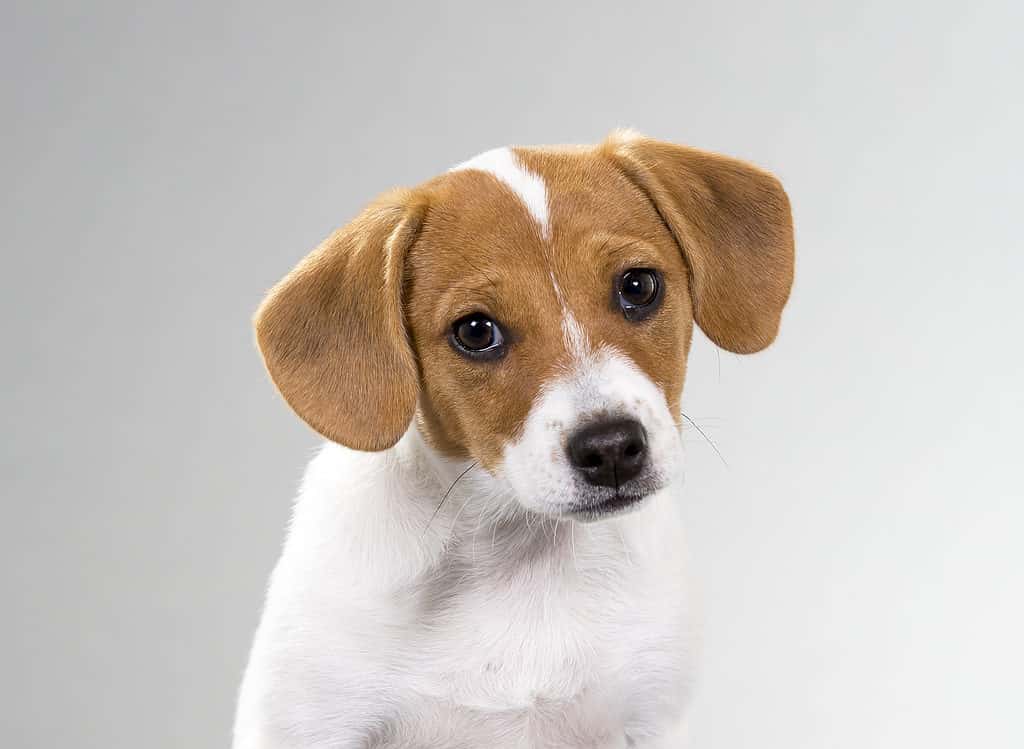
Danish Swedish farmdog

Danish Swedish farmdogs are a very intelligent breed and are easily trainable.

These lovable little canines genuinely enjoy people’s company and want to spend all their time with their owners. They get along great with everyone: other pets, children, and strangers. They’re super playful and need an energetic walk or playtime every day. They’re easy to train and will enjoy doing tricks that make you laugh and praise them. On the flip side, if left alone too long, they manifest signs of separation anxiety and will bark, howl, dig, and chew on anything they can find to work out their frustration.

How To Take Care of Danish Swedish Farmdogs

The Best Dog Food

Even though Danish Swedish farmdogs are an extremely healthy breed, you can’t take their health for granted. Your dog will do best with a high-quality diet sourced with natural ingredients and specially formulated for small breeds.

Maintenance and Grooming

Dogs of this breed have very low-maintenance coats. They just need to be brushed now and then to remove loose hair and control shedding. They need to be given a bath occasionally if they roll in something unpleasant, such as dead animals or dung. Their nails need to be clipped regularly and their ears checked for parasites and wax. It’s especially important to brush the teeth of this breed. Their mouths are small, so their teeth can get crowded. Poor oral hygiene can lead to infections that can endanger your dog’s health and lead to it losing some of its teeth.

Training

This breed is smart and likes to be praised, so it is easy to train. Positive reinforcement methods are recommended, such as praise, treats, or a toy. Being overly harsh can make them timid and excessively submissive, suppressing their naturally happy and playful nature.

Exercise

Danish Swedish farmdogs have a very high energy level and will need 45 minutes to an hour of rigorous activity a day. Take your dog on a brisk walk, play tug-of-war or fetch, or do agility trials with it.

Danish Swedish Farmdogs and Children

Kids and Danish Swedish farmdogs were made for each other. This breed is funny, playful, and loving. Involve your kids in training them to do tricks so the dog sees the child as having a higher pack status and will not be as likely to try to correct them as it would a puppy. Be sure to provide your dog with enough stimulation and sturdy dog toys of its own; it may steal and chew up your children’s toys.

Dogs similar to Danish Swedish Farmdogs

  • Chihuahua: Chihuahuas are much smaller than Danish Swedish farmdogs and have a longer lifespan, typically 14–16 years. Chihuahuas are considered an easier dog for new pet owners, but they can be less friendly towards other pets and strangers.
  • Jack Russell Terrier: This breed is smaller but very similar in appearance to the Danish Swedish farmdog. Jack Russells are known for their high energy and assertiveness, while Danish Swedish farmdogs tend to have a more easygoing temperament.
  • Shih Tzu: This breed is smaller than the Danish Swedish Farmdog, which stands 12.5–14.5 inches tall and weighs 15–20 pounds, compared to the Shih Tzu’s 9–10.5 inches and 9–16 pounds. Shih Tzus do need more grooming, but they don’t shed very much.
View all 450 animals that start with D

Sources

  1. AKC / Accessed December 1, 2022
  2. Wisdom Panel / Accessed December 1, 2022
  3. Dog-Learn / Accessed December 1, 2022
  4. Dogell / Accessed December 1, 2022
Drew Wood

About the Author

Drew Wood

Drew is a college professor and freelance writer who graduated from the University of Virginia. His travels have taken him to 25 countries and 44 states, where he has enjoyed learning about wildlife in a wide range of environments. In addition to his love of animals, he enjoys scary movies, landscaping, strategy games, and philosophical discussions over a cup of coffee. He is also an emotional support human to a neurotic Spanish Water Dog and a hyperactive Chihuahua mix.

Thank you for reading! Have some feedback for us?


Danish Swedish Farmdog FAQs (Frequently Asked Questions)

A Danish Swedish farmdog pup will typically cost about $650. Food and maintenance for this small-breed dog will cost an additional $650 annually.