

F
Species Profile

Fila Brasileiro

Canis lupus familiaris

Brazil's bold guardian with a keen nose
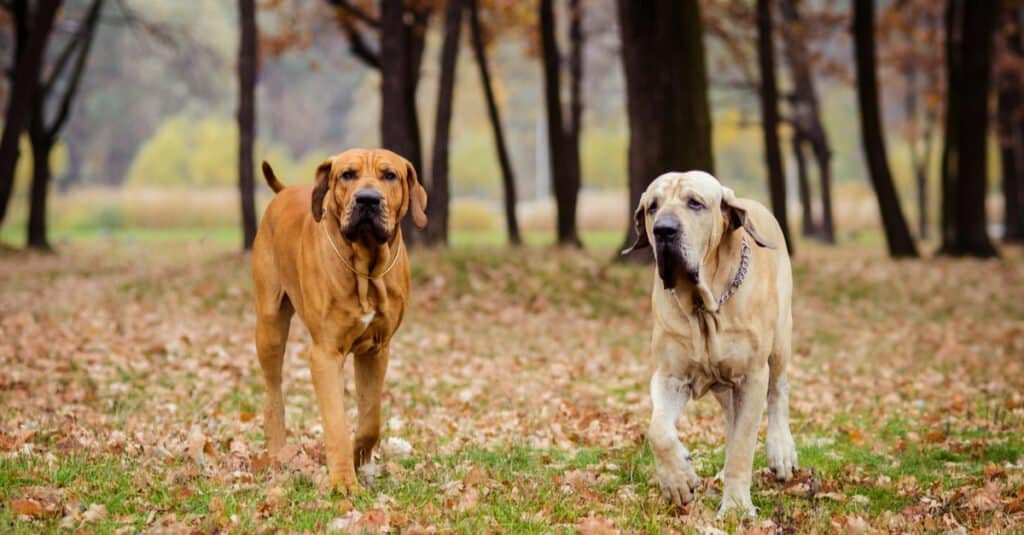
iStock.com/olgagorovenko

Fila Brasileiro Distribution

Click a location to explore more animals from that region

Origin Location

This map shows the native origin of the Fila Brasileiro. As a domesticated species, they are now found worldwide.

Loading map...

Found in 1 country

Size Comparison

Human 5'8"
Fila Brasileiro 2 ft 2 in

Fila Brasileiro stands at 39% of average human height.

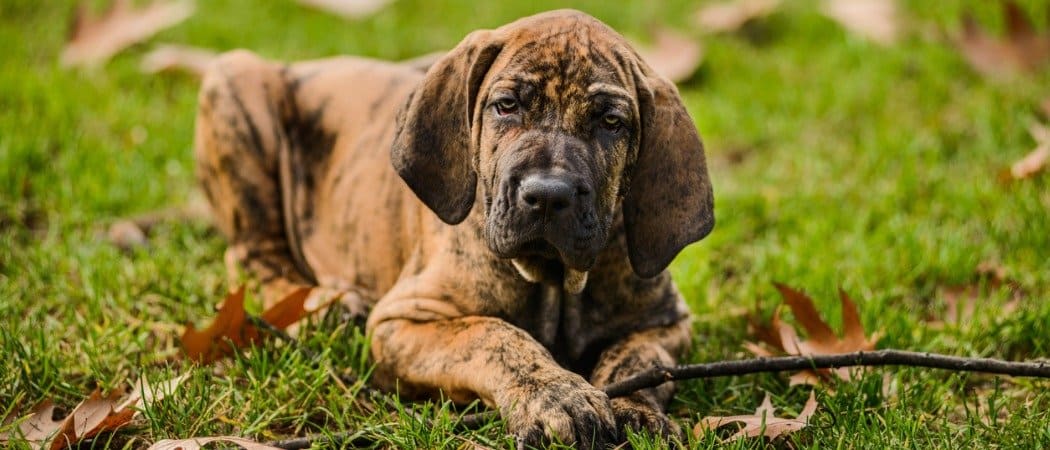
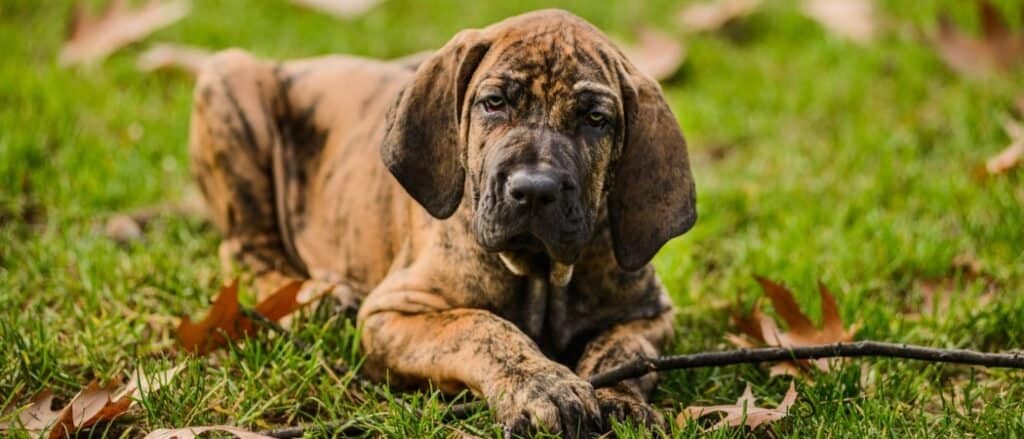
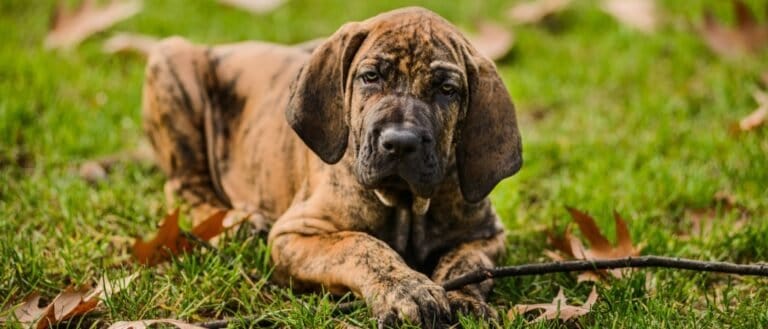
Fila Brasileiro chewing on a stick

At a Glance

Domesticated
Also Known As Fila, O Fila, Cão de Fila, Cao de Fila
Diet Omnivore
Activity Diurnal+
Lifespan 4 years
Weight 60 lbs
Status Not Evaluated
Did You Know?

The Brazilian Mastiff is famed for pronounced aversion toward strangers-an unusually strong, breed-noted guarding trait.

Scientific Classification

The Fila Brasileiro is a large Brazilian mastiff-type dog breed historically used for guarding, tracking, and holding livestock and, historically, for apprehension work. It is known for strong guarding instincts, physical power, and a distinctive loose-skinned, mastiff-like build.

Kingdom
Animalia
Phylum
Chordata
Class
Mammalia
Order
Carnivora
Family
Canidae
Genus
Canis
Species
Canis lupus

Distinguishing Features

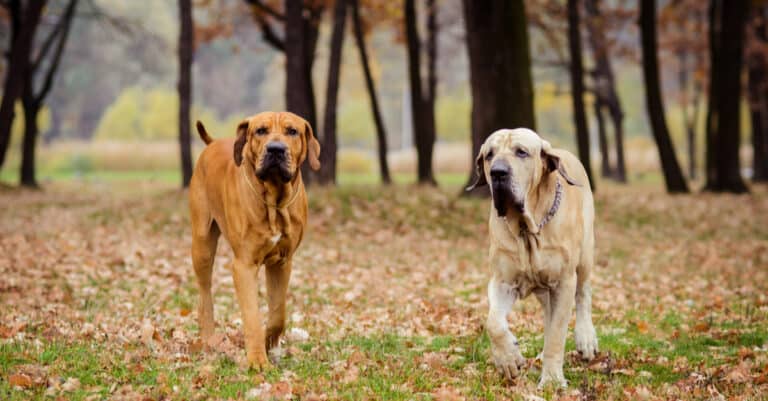
  • Large, heavy, mastiff-type build with substantial bone and musculature
  • Loose skin, especially around neck and head (dewlap)
  • Short coat; commonly fawn, brindle, or black (breed standards vary by kennel club)
  • Strong protective/territorial behavior; often reserved with strangers
  • Deep chest and powerful head/jaws typical of mastiff-type dogs

Physical Measurements

Males and females differ in size

Height
2 ft 4 in (2 ft 2 in – 2 ft 6 in)
2 ft 2 in (1 ft 12 in – 2 ft 4 in)
Length
4 ft 11 in (4 ft 5 in – 5 ft 5 in)
3 ft 11 in (3 ft 7 in – 4 ft 3 in)
Weight
143 lbs (110 lbs – 181 lbs)
104 lbs (88 lbs – 121 lbs)
Tail Length
1 ft 4 in (1 ft 2 in – 1 ft 6 in)
1 ft 8 in (1 ft 6 in – 1 ft 10 in)
Top Speed
25 mph
Short, powerful bursts

Appearance

Primary Colors
Secondary Colors
Skin Type Mammalian skin with characteristically loose, thick, and highly mobile skin (notably a pronounced dewlap and neck folds). Short, dense, smooth coat; folds can trap moisture/debris, increasing risk of irritation if not kept clean and dry.
Distinctive Features
  • Domesticated dog breed selectively developed in Brazil for guardian, tracking, and holding/containment work-distinguished from the general domestic dog by an especially mastiff-like, heavy-boned build and very loose, mobile skin.
  • Large, powerful mastiff-type body with substantial bone, broad chest, and strong forequarters; built for endurance and grappling/holding rather than sprinting.
  • Distinctive loose skin with pronounced dewlap and neck/body folds; skin mobility is a hallmark compared with many other large breeds.
  • Short, dense coat that lies close to the body; comparatively low shedding/low grooming complexity, but skin-fold hygiene is important.
  • Head is large with a broad muzzle; ears are medium, pendant, and set low; expression typically serious/alert.
  • Strong guard instinct; very loyal to family, often wary of strangers. Needs early, lots of socializing, steady training, secure fencing, and careful introductions. Not naturally aggressive—behavior shaped by care.
  • Care requirements common to giant/large working breeds: controlled growth in puppyhood (avoid overfeeding and excessive high-impact exercise), joint-friendly conditioning, and regular low-to-moderate exercise plus mental work (scent work/tracking-style games).
  • Large mastiff health issues: hip and elbow dysplasia; gastric dilatation-volvulus (bloat); dilated cardiomyopathy; entropion/ectropion; skin-fold dermatitis/pyoderma; obesity increasing joint strain; heat sensitivity—needs shade, water, and care in hot weather.
  • Handling and housing: best with experienced guardians/handlers; needs structured boundaries and obedience foundations. Not ideal for off-leash in unfenced areas due to protective/reaction potential; prioritize humane training and professional guidance if needed.

Sexual Dimorphism

Sexual dimorphism is typical of large mastiff-type domestic dogs: males are generally noticeably larger and more massive, with broader heads/neck musculature; females tend to be slightly smaller and more refined while maintaining the breed's loose-skin silhouette.

  • Larger overall frame and heavier bone
  • Broader head with more pronounced stop/cheeks
  • Thicker neck and more substantial dewlap/skin folds on average
  • More robust chest and forequarter musculature
  • Slightly smaller, lighter build with more refinement through the head and neck
  • Looser skin and dewlap still present but often less massive than males
  • Proportionally lighter bone and musculature while retaining working structure

Did You Know?

The Brazilian Mastiff is famed for pronounced aversion toward strangers-an unusually strong, breed-noted guarding trait.

Its loose skin and heavy dewlap help protect vital areas during confrontations and allow flexibility when grappling livestock or threats.

Historically, it was used to track and hold (not kill) large animals and to guard rural properties-work requiring both scenting and strength.

Despite its mastiff build, it's also valued for tracking ability, reflecting influence from scent-hound-type dogs in its development.

The short coat is low-maintenance, but the skin folds and ears may need routine checks and cleaning.

Breed standards in Brazil emphasize courage and steadiness with the family, combined with pronounced reserve toward outsiders.

As with many giant/large breeds, careful growth management (diet, exercise) helps protect developing joints.

Unique Adaptations

  • Loose, thick skin and pronounced dewlap that reduce the risk of injury to vital structures during physical confrontation and allow turning inside the skin when grabbed.
  • Large, muscular frame with strong bone and broad chest optimized for restraint/holding work rather than speed.
  • Short, dense coat suited to warm climates and outdoor guarding in much of Brazil.
  • High pain tolerance and persistence typical of catch/hold guardian types-an advantage in demanding ranch work.
  • A temperament profile selected for intense loyalty to the household paired with marked suspicion of unfamiliar people, reinforcing its guard role.

Interesting Behaviors

  • "Shadow guarding": calmly positioning between family and a doorway/gate, watching without constant barking.
  • Body-blocking and herding-like pressure on livestock or people to control movement-often more "holding" than chasing.
  • Scent-led tracking with head-low searching, then a confident stand-and-hold when it locates a target.
  • Deep territorial awareness: patrolling boundaries and reacting strongly to unfamiliar approach, especially on home ground.
  • Family-centric attachment: intense loyalty and preference for staying near trusted people; can be wary of handling by strangers.
  • Mouthy investigation: using the mouth to grip and control objects (or a sleeve/toy) in a deliberate, sustained way rather than quick nips.

Cultural Significance

The Fila Brasileiro (Brazilian Mastiff, Canis lupus familiaris) is linked to Brazil's rural past. Used on large farms to guard land, move and hold livestock, and track intruders. Today it stands for loyalty and the need for careful breeding, ownership, training, and socializing.

Myths & Legends

Breed histories describe the Brazilian Mastiff as a powerful working dog valued for its strong scent-tracking ability on ranches and plantations, used to locate and hold cattle or large game until the handler arrived.

Old estate stories tell of Brazilian Mastiffs that would not accept food or handling from outsiders, a trait celebrated as proof of incorruptible loyalty and a true guardian spirit.

Naming lore commonly links the breed's name to a Portuguese verb meaning "to hold" or "to secure," repeated in breed circles as a traditional explanation for its hallmark hold-and-guard work style.

Breed histories describe the Brazilian Mastiff as a large working dog developed in Brazil to guard rural estates and plantations, manage cattle, and track, becoming closely associated with steadfast property protection.

Breed folklore and breeder stories often portray early Fila Brasileiro dogs as exceptionally determined trackers and fearless guardians, reflecting the breed's historically described strengths in tracking ability and courage.

Conservation Status

NE Not Evaluated

Has not yet been evaluated against the criteria.

Population Stable

Life Cycle

Birth 8 pups
Lifespan 4 years

Lifespan

In the Wild
2–8 years
In Captivity
8–12 years

Reproduction

Mating System Polygynandry
Social Structure Managed Domestic
Breeding Pattern Transient
Fertilization Managed Selective
Birth Type Internal_fertilization

Fila Brasileiro (Canis lupus familiaris) dogs reproduce by internal fertilization with short mating ties and do not form long-term pair bonds. Free-ranging dogs may be promiscuous, but breeders control mate choice, timing, and prevent accidental matings.

Behavior & Ecology

Social Pack Group: 3
Activity Diurnal, Crepuscular, Cathemeral
Diet Omnivore Meat-forward complete large-breed dog food (often beef or chicken-based), with controlled fat and joint-supporting nutrients

Temperament

Strong territorial guarding instinct (breed-defining); markedly more defensive and stranger-averse than typical pet-line domestic dogs.
Deep loyalty and close bonding to family/handler; can be affectionate and physically 'clingy' with trusted people (leaning/close contact).
High suspicion/low tolerance of unfamiliar people entering territory; requires proactive management, secure fencing, and controlled greetings.
Confident, powerful, and persistent; may use 'hold/contain' behavior (body blocking, pinning, grabbing) rather than chasing-reflecting historical holding/guarding work.
Can be dog-selective; risk of same-sex aggression or intolerance in mature individuals, especially without early socialization and structured handling.
Moderate exercise needs but high need for purposeful work (obedience foundations, tracking/scent games, boundary training) to prevent frustration-based reactivity.
Handler requirement: best suited to experienced, consistent owners; inconsistent rules can increase guarding escalation and resource/control behaviors.
Watch for heat sensitivity (can overheat), hip/elbow dysplasia—avoid too much jumping when young, bloat risk—manage meals and rest after eating, eye problems (ectropion/entropion), and skin-fold dermatitis.
Care requirement that affects social behavior: extensive early, positive socialization and lifelong neutrality training (calm exposure without forced contact) to reduce over-guarding; muzzle training and reliable recall/lead skills are prudent.
Low tolerance for chaotic environments; thrives on predictable routines and clear boundaries within the household social structure.

Communication

Deep, low-frequency barking used for territorial warning; typically escalates with proximity of a perceived threat.
Growling/rumbling and sharp alarm barks when boundary is challenged; may vocalize less until highly motivated to intervene Quiet watchfulness
Whines/whimpers or soft grumbles with family during appeasement, anticipation, or seeking proximity.
Intense staring, still posture, and forward weight shift as early threat assessment signals; may 'freeze' before acting.
Body blocking/shoulder check and close-in pressure to control movement Breed-typical holding/containment style
Piloerection, high tail carriage, and slow, deliberate approach to signal confidence and territorial intent.
Scent marking and perimeter patrolling; repeated boundary checks are common in guardian breeds, with individual variation in frequency.
Physical contact communication with trusted humans (leaning, placing body between family and visitor) reflecting protective affiliation.
Facial/jowl tension and lip lifts; because of loose skin and heavy flews, subtle changes in mouth/eye tension can be important early warning cues for handlers.
Environmental signaling: positioning at gates/doors, blocking entry paths, and using elevation (porch/steps) to monitor territory.

Habitat

Biomes:
Tropical Rainforest Tropical Dry Forest Savanna Desert Hot Desert Cold Mediterranean Temperate Grassland Temperate Forest Temperate Rainforest Boreal Forest (Taiga) Tundra Alpine Freshwater Wetland Marine +9
Terrain:
Plains Hilly Plateau Valley Coastal Riverine
Elevation: Up to 14763 ft 9 in

Ecological Role

Human-associated omnivorous domestic canid; primarily a guardian/working companion rather than a wild predator. In the same species context, it can function as an opportunistic mesopredator/scavenger when free-ranging, but for this breed the dominant role is territorial deterrence and tracking/holding work under human direction.

Property and livestock guarding (deterrence of intruders and predators) Tracking/holding assistance in working contexts Rodent/pest pressure reduction in rural/yard settings when roaming is prevented from harming wildlife Nutrient cycling via consumption of human-provided food waste (where practiced; not recommended as primary diet) Human social/working utility (security companionship), indirectly affecting local human-wildlife interactions

Diet Details

Main Prey:
Domestic livestock Fish-based animal proteins Organ meats Small prey
Other Foods:
Cooked starchy plants Fiber-rich vegetables Fruits Grass

Human Interaction

Domestication Status

Domesticated

Canis lupus familiaris (domestic dog) were shaped from wolves by people for guarding, herding, hunting, and company. The Fila Brasileiro (Brazilian Mastiff) was developed in Brazil for plantation work: strong, loose-skinned mastiffs with high pain tolerance chosen for guarding, tracking, and holding livestock. They are very territorial, wary of strangers, and need special training and controlled public use.

Danger Level

High
  • Strong territorial guarding and stranger-directed suspicion can increase bite risk if not expertly managed; many lines are intentionally selected to be intolerant of unfamiliar approach.
  • High strength and mass: incidents can cause severe injury even from a single bite or knockdown.
  • Handler error risk: inadequate containment, poor introductions, or reliance on 'socialization' alone (without lifelong management) can lead to dangerous situations.
  • Same-sex or dog aggression can escalate and spill over to human injury during intervention.
  • Typical large-breed risks (barrier frustration, resource guarding) may present with higher consequence due to power and drive.

As a Pet

Not Suitable as Pet

Legality: Laws vary. Fila Brasileiro may be legal with normal dog rules in some places but can face breed-specific laws, muzzle or leash rules, insurance requirements, or bans. Check national, state, local, housing, and insurance rules.

Care Level: Expert Only

Purchase Cost: $1,500 - $3,500
Lifetime Cost: $25,000 - $60,000

Economic Value

Uses:
Working/guardian dog (estate, farm, and property protection) Security and deterrence (specialized training/handling markets) Breeding (rare/working-line puppies, stud services) Pet and veterinary services (large-breed food, orthopedic care, training)
Products:
  • Puppy sales from registered/working lines
  • Stud services and breeding contracts
  • Specialized protection/guardian training and handling services
  • Large-breed equipment (heavy-duty leashes, collars, crates, muzzles)
  • Veterinary services commonly associated with giant breeds (orthopedic evaluation, imaging, surgery)

Relationships

Ecological Equivalents 6

Animals that fill a similar ecological role in their ecosystem

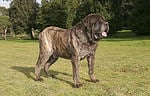
English Mastiff
English Mastiff Canis lupus familiaris Has a similar mastiff-type build and traditional role as a powerful guardian/estate protection dog. Compared with the Fila, it is typically less specialized for tracking and holding and generally less intensely suspicious or defensive toward strangers.
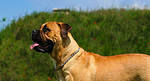
Bullmastiff
Bullmastiff Canis lupus familiaris Bred for guarding and 'holding' intruders. Shares the close-in apprehension/holding niche with a large, muscular body, though it usually has tighter skin and a different temperament profile than the Fila.
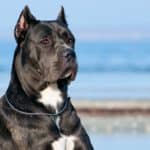
Cane Corso
Cane Corso Canis lupus familiaris Large guardian/working mastiff used for property and livestock protection. Overlaps in deterrence and handler-focused roles, and is typically more athletic and less loose-skinned than the Fila.
Dogue de Bordeaux
Dogue de Bordeaux Canis lupus familiaris Heavy mastiff historically used for guarding; shares strong protective instincts and physical power, but was generally not selected for the same track-and-hold style of work typical of the Fila.
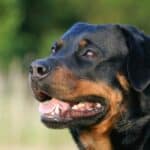
Rottweiler
Rottweiler Canis lupus familiaris Guardian and cattle-driving/holding heritage. Occupies a similar working-dog niche (protection and control of stock) but typically has a different physical structure (tighter skin) and broader modern working roles.
Domestic Dog
Domestic Dog Canis lupus familiaris Fila Brasileiro (Brazilian Mastiff) (Canis lupus familiaris) is a large guardian mastiff with strong guarding instincts, loose skin and a dewlap, great strength, special care needs, and risks such as hip and elbow dysplasia, bloat, and eyelid, skin, and ear problems.

The Fila Brasileiro is a rare, large dog breed also known as the Brazilian Mastiff or Brazilian Molosser. Its original purpose was to catch runaway slaves when slavery was legal in Brazil. It has also been used on ranches and plantations as a cattle dog, guard dog, tracking dog, and dangerous game-catching dog, as well as in military service. With an excellent tracking ability, intelligence, and courage, and a loyal, affectionate, docile, protective temperament, it is a unique companion animal as well as a working or hunting dog.

The Different Types and Mixes

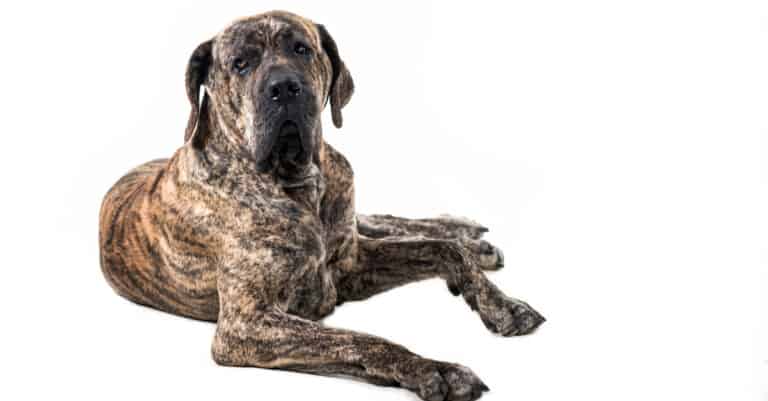
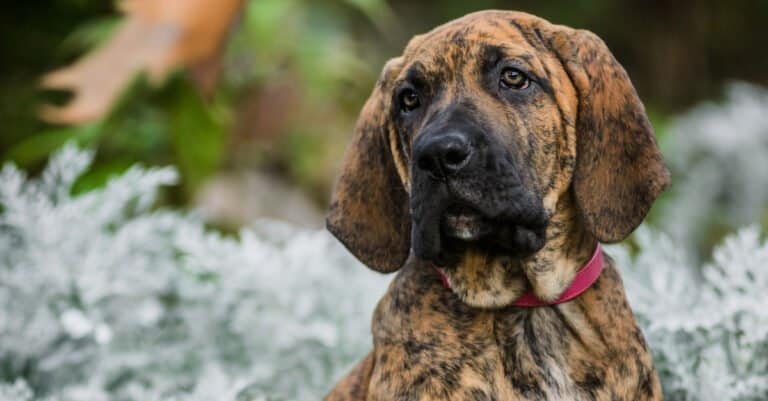
There is only one type of Fila Brasileiro. It has a short, smooth coat and can be fawn, black, brindle, or light grey in color with or without a black mask (white is rare). A variety of coat colors and patterns are acceptable. The original Brazilian Mastiff comes from Brazil, but Fila Brasileiro mixes are from the United States. Fila Brasileiro mixes occur when one parent is a Bloodhound-Mastiff crossbreed, Neopolitan Mastiff, English Mastiff, or a Great Dane. A Fila Brasileiro mix can be larger or healthier, or have a longer life span than the original Brazilian Mastiff.
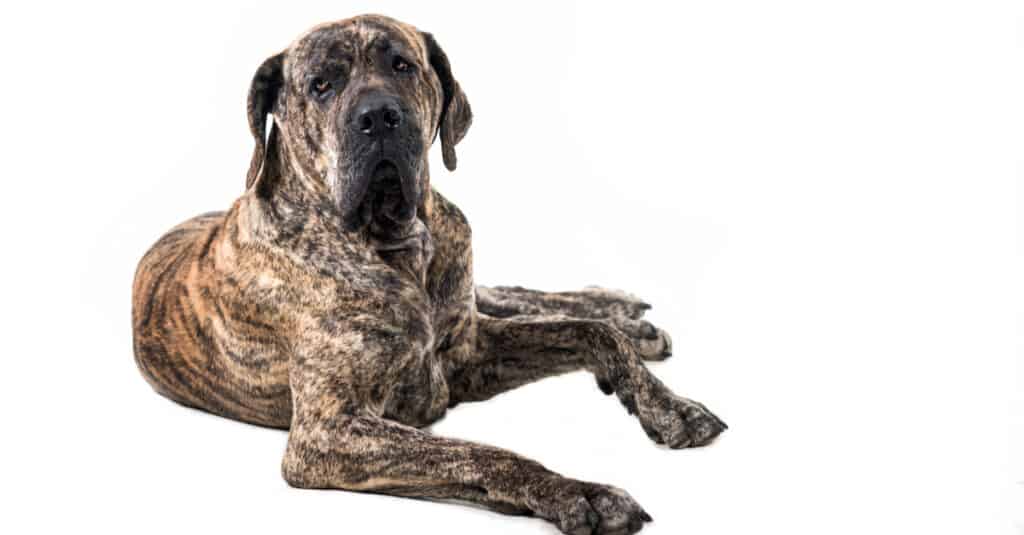
isolated Fila Brasileiro

The Fila Brasileiro has a short, smooth coat that is fawn, black, brindle, or light grey color.

3 Pros and Cons of Ownership

ProsCons
A temperament, unlike any other breed: How it treats strange people and animals depends on genetics and socialization. However, although it should be generally trusting and friendly, it is often more discriminating with age.Attacks to protect: This dog defends its owner. It’s distrusting of strange people and dogs, and without proper socialization, it can attack, although not fatally. Thus, it is banned in some countries. It’s not recommended to keep this breed in your house with another dog, especially a smaller dog, or a cat.
Protectiveness: If you’re looking for a guard dog, you couldn’t ask for a better breed. Its large size and calm and quiet demeanor can change to athletic agility and speed in an instant.Health issues: Irresponsible breeders have increased the likelihood of hip and elbow dysplasia in this breed, crippling the dog and costing owners thousands of dollars in pain medications and surgeries.
Very loyal: “Faithful as a Fila” is an old saying in Brazil. It perfectly describes the extreme loyalty of this breed.Messiness: Not only does this breed shed despite its short fur, but it also drools and slobbers. It can also be prone to gassiness, especially without a natural raw diet.

Fila Brasileiros are very loyal, protective dogs. Their protective side makes them more aggressive.

Size and Weight

The Fila Brasileiro is a large, short-hair dog with a height of 25 to 30 inches for males and 23 to 28 inches for females. Its weight is 125 to 181lbs, with an average of 141 to 181 for the male, fully grown, and 125 to 161 for the female, fully grown. Puppies weigh an average of 20 pounds at 12 weeks and reach full maturity around 19 to 24 months.

Common Health Issues

The Fila Brasileiro has a lifespan of 9 to 12 years. Like many large breeds, the Fila Brasileiro is prone to certain health issues such as hip and elbow dysplasia, bloat, and some heart conditions. Responsible breeding can help reduce the risk of these problems. It also has a risk of cancer. Like many large breeds with a deep chest, it runs a risk of having gastric torsion (bloat), which is a life-threatening condition.

Temperament
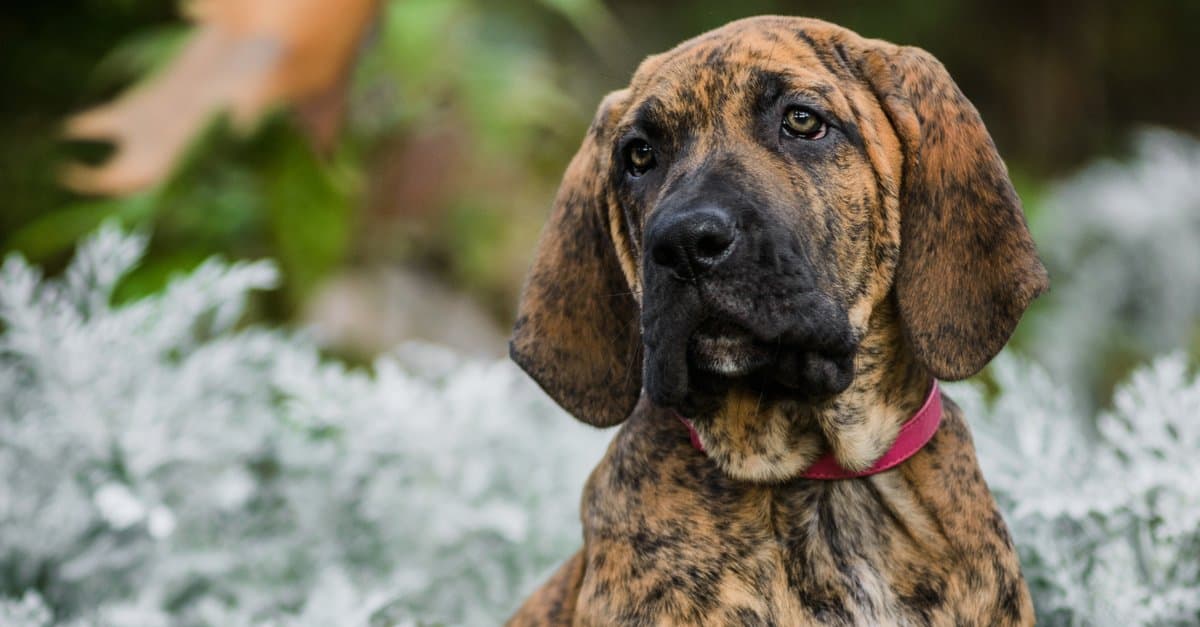
Fila Brasileiro close up

A Fila Brasileiro is a natural guard dog, loyal to its owner but suspicious of strangers.

The temperament of the Fila Brasileiro, with its owner, is affectionate, serene, loyal, intense, and protective, with a determined, courageous, confident, and hardy personality. Its behavior is impulsive, independent, and stubborn with a natural tendency to being a guard dog. It is detached and suspicious of strangers. For this reason, it can engage in sudden attacks, especially if not socialized properly. Although it was developed as a tracking and catch dog, the Fila Brasileiro is known for its strong grip and ability to hold prey or intruders, rather than retrieving them gently. In Brazil, it is said to have ojeriza, or distrust towards strangers.

Care

The Fila Brasileiro has unique health needs. Whether it’s to control shedding, its physical features, or dietary needs, the breed has its own regimen of care that prospective owners should consider.

Best Dog Food

The Fila Brasileiro is a large breed of dog with a deep chest and massive bulk. It can be quite athletically agile and move quickly. Its diet can make a huge difference in its health and lifespan, so prospective owners should choose a dog food that fits the breed, its size, age, and nutritional needs.

Fila Brasileiro puppy food: Your Fila Brasileiro puppy needs a large breed puppy formula. It must be rich in protein and specifically for puppies until it reaches 18 to 24 months of age. Do not overfeed your puppy, which can result in excessively rapid development or weight gain and health issues down the line.

Fila Brasileiro adult dog food: This breed is prone to gassiness (flatulence), but you can cut down on this issue if you choose a natural raw diet, but any premium large breed adult dog food is enough. Once your dog has reached full maturity, you can feed it one large bowl a day or two smaller bowls of food. Do not overfeed to avoid gastric torsion (bloat).
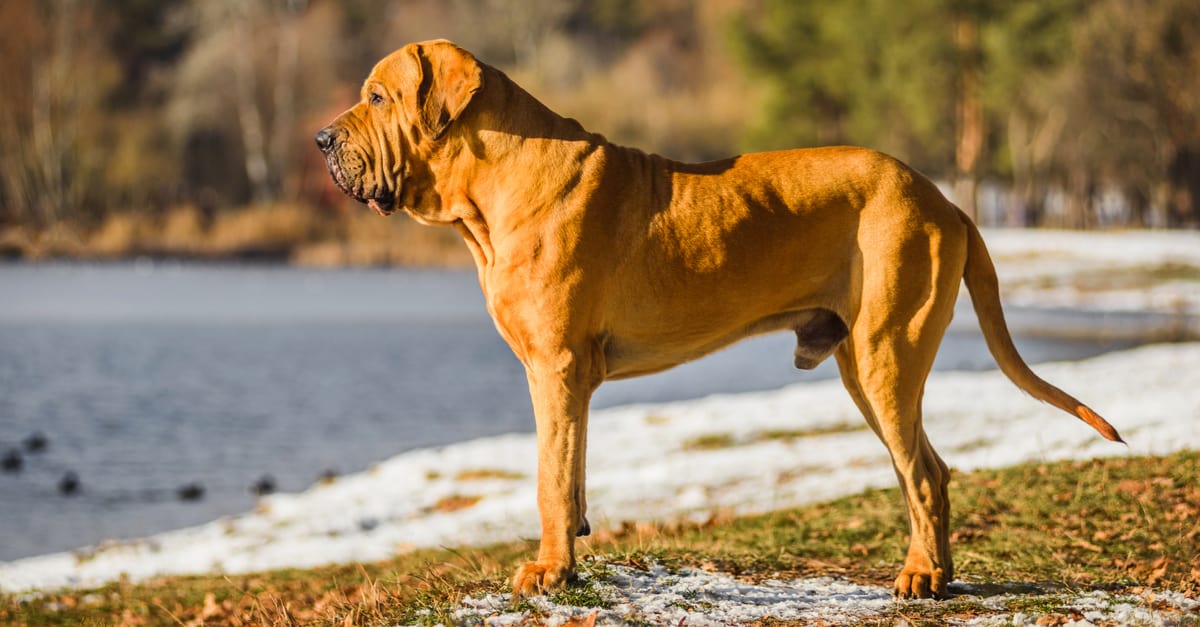
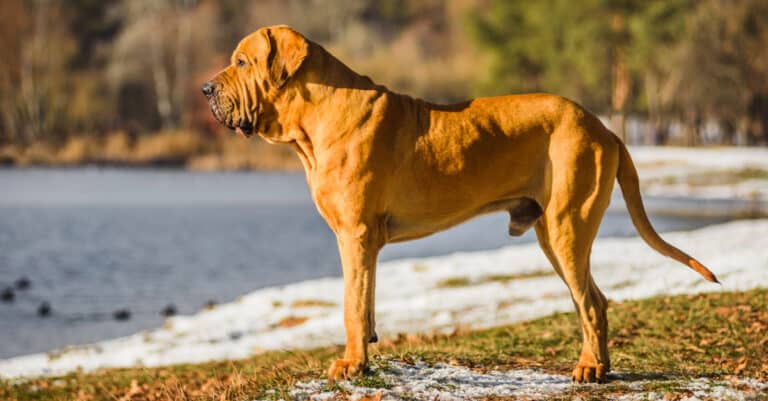
Fila Brasileiro looking out over the water

Fila Brasileiro looking out over the water

Maintenance And Grooming

The Fila Brasileiro is a shedder in spite of its short fur. However, you can control it with brushing at least once a week and monthly bathing, plus a soft grooming glove in the meantime. No particular grooming for the breed is necessary other than what is common for dogs, including the trimming of claws, and cleaning of ears, eyes, and teeth.

Training

The Fila Brasileiro puppy needs to have training and socialization as early as possible. That’s because it has an independent and stubborn temperament. The best trainer has a gentle but firm and consistent attitude, which will help to restrain the breed’s impulsive tendency. It will also help to avoid separation anxiety, which is a tendency that results from the breed’s need to be part of a pack, and destructive tendencies resulting from boredom or isolation. Early crate training during puppyhood has many benefits.

Exercise

The Fila Brasileiro can be quite playful and outgoing. However, it needs only a moderate level of exercise. It especially enjoys having jobs to do. It needs to have a large backyard to run around in.

Puppies

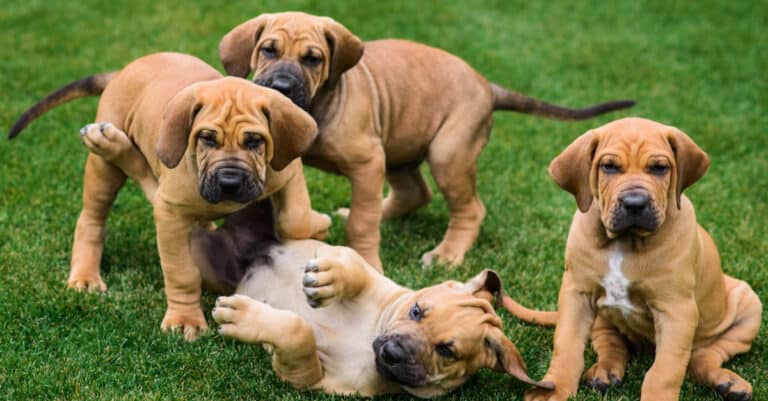
Fila Brasileiro puppies don’t need exercise other than their own spontaneous playfulness. Five minutes per month of age is enough.
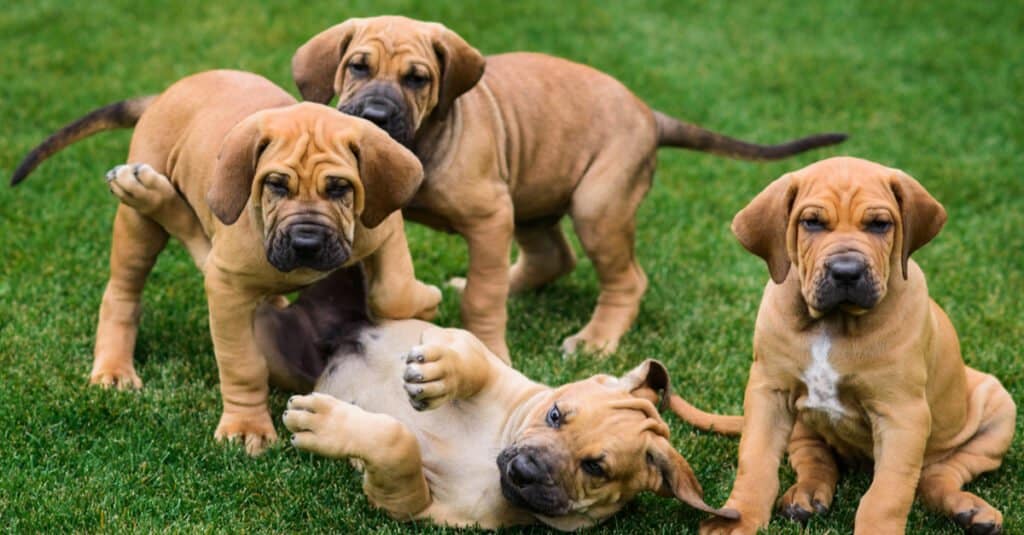
With its independent and stubborn temperament, this breed needs to have proper training and socialization early on.

Children

It’s not recommended to have an adult Fila Brasileiro with children, especially in isolation. However, it is different when it’s a puppy. Early socialization with children can make it used to them and not engage in attacks from horseplay and perceiving them as threatening “their” children, the owner.

Similar Dogs

Some examples of dog breeds that are similar to Fila Brasileiro are English Mastiffs, bloodhounds, and Great Danes.

  • English Mastiff: One of the Fila Brasileiro’s ancestors, it is the English version of the breed.
  • Bloodhound: Another of the Fila Brasileiro’s ancestors, it is famous for being a scenthound with excellent tracking ability.
  • Great Dane: In the past the Fila Brasileiro was sometimes crossed with Great Danes to achieve a larger size. It is also called the German Mastiff.

Famous

Ama, short for Amazon, was a female born in Itanhandu kennel. She developed a reputation for breeding healthy, original Fila Brasileiro puppies.

View all 170 animals that start with F

Sources

  1. Wikipedia / Accessed September 21, 2021
  2. Harakhan Kennel / Accessed September 21, 2021
  3. MyDogBreeds / Accessed September 21, 2021
  4. PetGuide.com / Accessed September 21, 2021
  5. Dog Breed Info / Accessed September 21, 2021
  6. the sprucePets / Accessed September 21, 2021
  7. yourpurebredpuppy / Accessed September 21, 2021
  8. unbelievable facts / Accessed September 21, 2021
  9. dogsplanet.com / Accessed September 21, 2021
  10. belpatt / Accessed September 21, 2021
  11. thedogvisitor.com / Accessed September 21, 2021
  12. Pet ID Register / Accessed September 21, 2021
  13. Dog-Learn / Accessed September 21, 2021
  14. kidadl / Accessed September 21, 2021
  15. cutiepet / Accessed September 21, 2021
  16. PetHelpful / Accessed September 21, 2021
  17. vetSTREET / Accessed September 21, 2021
  18. Black River Bullmastiffs / Accessed September 21, 2021

Thank you for reading! Have some feedback for us?


Fila Brasileiro FAQs (Frequently Asked Questions)

It is a large, rare breed of working dog from Brazil.