
G
Species Profile

Great Pyrenees Mix

Canis lupus familiaris

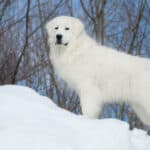
Big fluff, bigger guardian vibes
Back garden photography/Shutterstock.com

Great Pyrenees Mix Distribution

Click a location to explore more animals from that region

Origin Location

This map shows the native origin of the Great Pyrenees Mix. As a domesticated species, they are now found worldwide.

Loading map...

Found in 1 country

Size Comparison

Human 5'8"
Great Pyrenees Mix 2 ft 4 in

Great Pyrenees Mix stands at 42% of average human height.

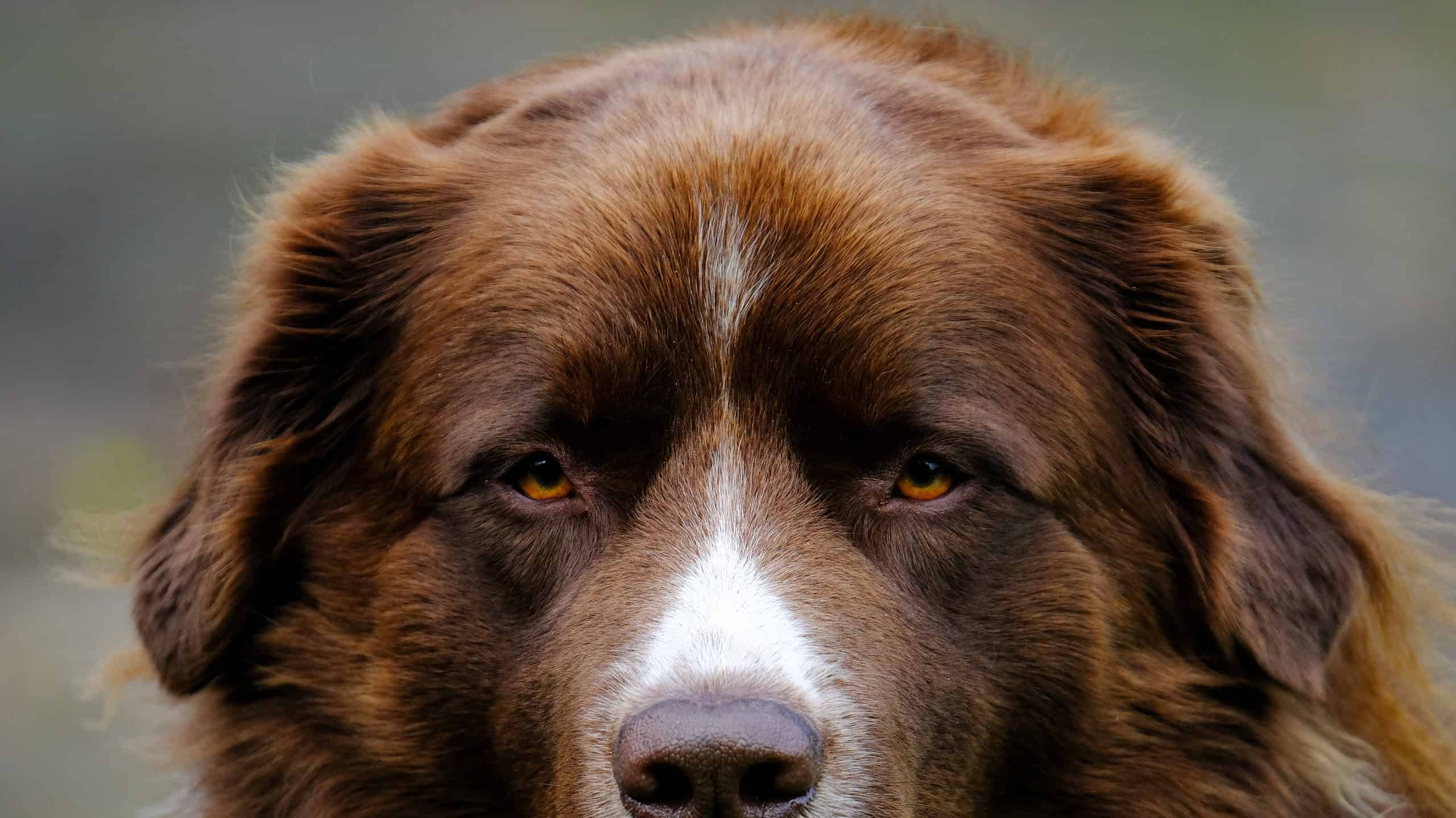
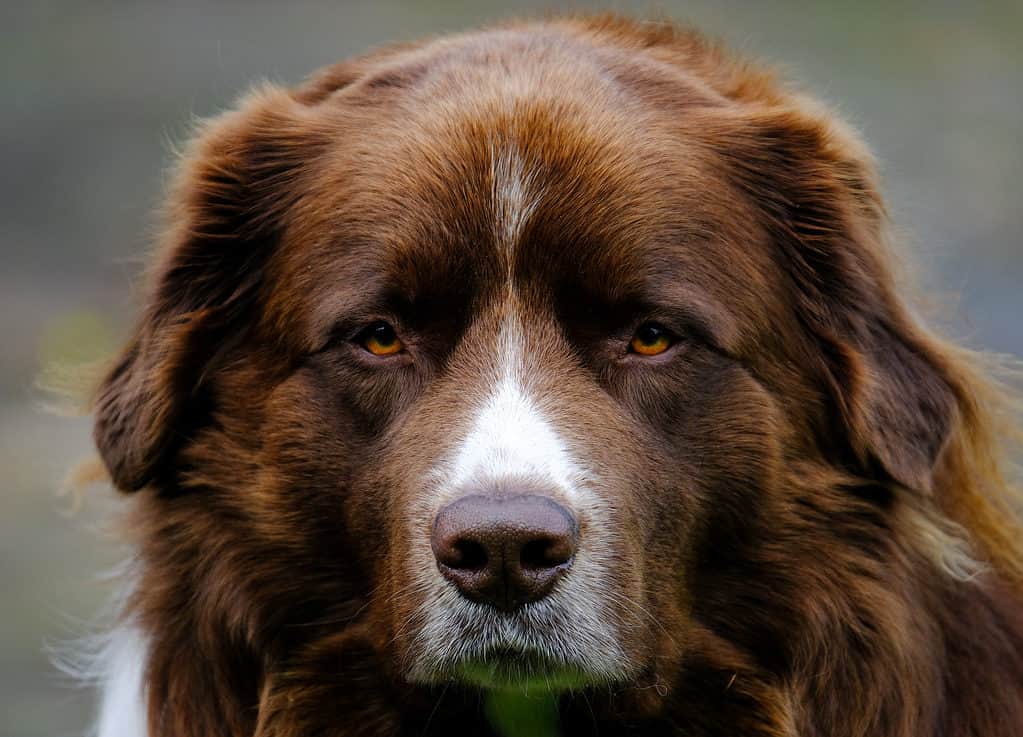
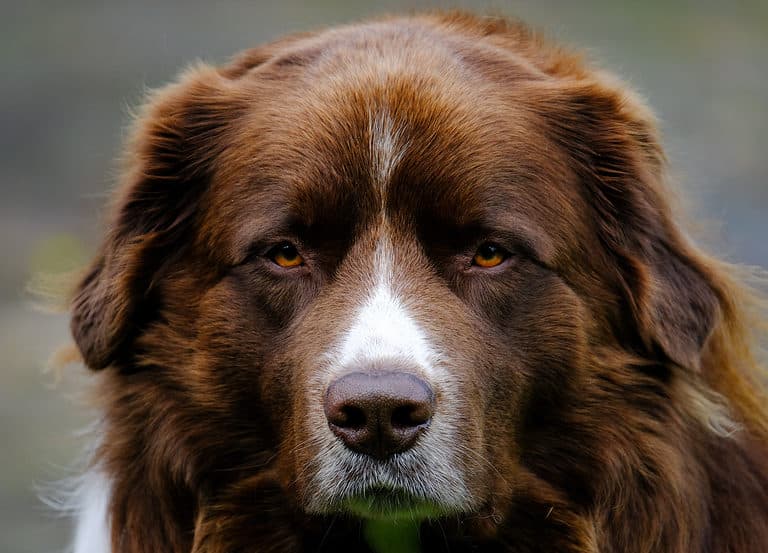
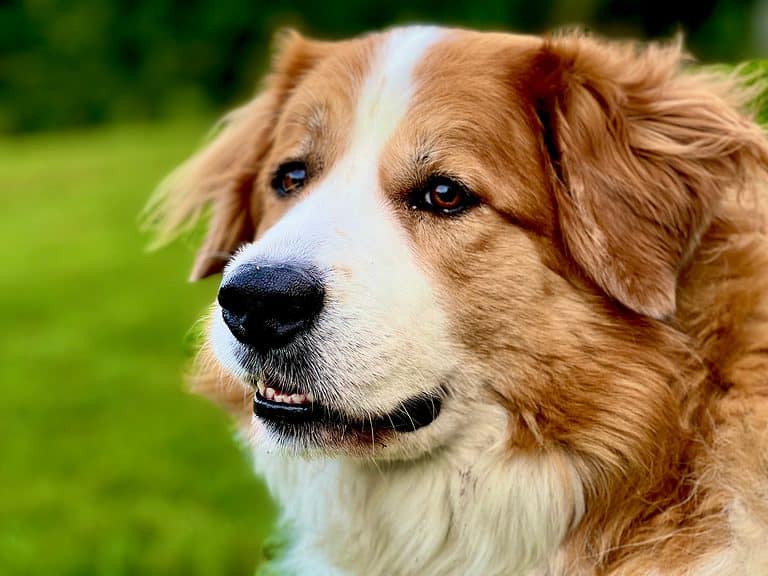
Close up shot of a collie Pyrenees

At a Glance

Domesticated
Also Known As Pyrenees mix, Pyrenean mix, Great Pyrenees cross, Pyrenees cross, Livestock guardian dog (LGD) mix, White mountain dog mix
Diet Omnivore
Activity Cathemeral+
Lifespan 4 years
Weight 65 lbs
Status Not Evaluated
Did You Know?

Great Pyrenees Mixes aren't a single standardized breed-size, coat, and temperament can vary widely depending on the other parent(s).

Scientific Classification

A large, typically heavy-coated mixed-breed dog with ancestry from the Great Pyrenees, a traditional livestock guardian breed developed in the Pyrenees mountains. Mixes can vary widely in size, coat type, temperament, and working instincts depending on the other parent breed(s).

Kingdom
Animalia
Phylum
Chordata
Class
Mammalia
Order
Carnivora
Family
Canidae
Genus
Canis
Species
Canis lupus

Distinguishing Features

  • Often large-bodied with sturdy bone structure (typical of Great Pyrenees ancestry)
  • Dense double coat common; coloration frequently white/cream with possible markings depending on mix
  • Many individuals show guardian tendencies: alertness, territorial/protective behavior, nighttime vigilance
  • Drop ears and a thick, plume-like tail are common Great Pyrenees traits, but can vary with the mix

Physical Measurements

Males and females differ in size

Height
2 ft 5 in (2 ft 2 in – 2 ft 8 in)
2 ft 3 in (1 ft 12 in – 2 ft 6 in)
Length
4 ft 5 in (3 ft 9 in – 5 ft 1 in)
Weight
115 lbs (88 lbs – 143 lbs)
93 lbs (71 lbs – 115 lbs)
Tail Length
1 ft 5 in (1 ft 2 in – 1 ft 8 in)
1 ft 4 in (1 ft 1 in – 1 ft 7 in)
Top Speed
25 mph

Appearance

Primary Colors
Secondary Colors
Skin Type Dense double coat with coarse outer coat that sheds weather and undercoat that keeps warm. Nose and eye rims often dark; white areas may show pink spots. Prone to hot spots if undercoat stays damp.
Distinctive Features
  • Classification: mixed-breed domestic dog (Canis lupus familiaris) with Great Pyrenees ancestry; appearance and temperament can vary substantially depending on other parent breed(s).
  • Compared to wild Canis lupus, Great Pyrenees mixes are usually heavier with thicker coats, broader blocky heads, softer faces, often drooping triangular ears, and varied coat colors from breeding.
  • Great Pyrenees heritage tendency: large to giant frame with substantial bone, deep chest, and a calm-but-alert guardian posture; mix may range from large to very large depending on the other parent(s).
  • Coat often long to medium-long with feathering on legs/tail and a prominent neck ruff; seasonal shedding can be heavy ("blowing coat").
  • Tail commonly long and plumed, often carried low at rest and raised into a gentle curve when alert.
  • Ears frequently medium, triangular, and drop; some mixes may have semi-erect ears if the other parent breed contributes that trait.
  • Feet may be large and compact; some individuals inherit Great Pyrenees-style rear dewclaws (sometimes double), which can require nail care and monitoring for injury.
  • Behavioral tendencies (not guarantees): livestock-guardian heritage may express as watchfulness, protectiveness of home/family/animals, independence, and increased vocalizing (territorial/alert barking), especially at night; outcomes depend strongly on socialization and training.
  • Care requirements commonly needed: routine brushing (often 2-4x/week; more during shedding), undercoat management to prevent matting, regular ear checks/cleaning, nail/declaw trimming, and attention to heat management (shade/water, avoid strenuous exercise in hot weather).
  • Exercise and enrichment: typically moderate daily exercise plus mental work (training, scent games, structured walking); many do best with secure fencing due to roaming/guardian patrol tendencies.
  • Training approach: consistent, reward-based methods with early socialization; expect a more independent decision-making style than many companion breeds-focus on recall, leash manners, and calm greetings to reduce nuisance barking/guarding.
  • Great Pyrenees mixes may get hip and elbow dysplasia, cruciate injury, bloat (GDV), bone cancer risk in large dogs, eye problems, ear infections, hot spots, and low thyroid; weight control and regular vet checks.

Sexual Dimorphism

Often noticeable: males tend to be taller/heavier with broader heads/neck ruff; females commonly appear slightly lighter-framed. Degree of dimorphism varies with the other parent breed(s) and individual genetics.

  • Typically larger overall size and heavier bone
  • Broader head and thicker neck/ruff appearance
  • May show more pronounced territorial patrolling/marking behaviors (individual variation; training-dependent)
  • Typically slightly smaller/lighter frame
  • May appear more refined in head/neck proportions
  • May mature slightly earlier; temperament can be equally guardian-inclined depending on individual and upbringing

Did You Know?

Great Pyrenees Mixes aren't a single standardized breed-size, coat, and temperament can vary widely depending on the other parent(s).

Many inherit the Great Pyrenees' livestock-guardian tendency: watchful, territorial, and more likely to bark at night-useful on farms, challenging in suburbs.

Their heavy double coat is designed for mountain climates; some mixes keep the dense undercoat, others inherit a lighter coat from the second breed.

Like many big dogs, they mature slowly-mental and physical "adult" behavior may not fully show until ~2-3 years.

Guardian breeds often make decisions independently; Pyr ancestry can mean they respond best to calm, consistent training rather than repeated drilling.

Domestic dogs (Canis lupus familiaris) share ancestry with gray wolves (Canis lupus), but mixes like this are shaped mainly by human selection for companionship/working roles rather than wild survival.

Unique Adaptations

  • Cold-weather insulation: Great Pyrenees ancestry commonly contributes a weather-resistant double coat and thick ruff that helps shed snow and rain.
  • Low-energy efficiency for long watches: many can remain calm for long periods, then react quickly-suited to guarding rather than constant sprinting.
  • Powerful frame and broad chest: advantageous for deterring predators and enduring rugged terrain; however, it also raises orthopedic and bloat-risk considerations.
  • Independent problem-solving: a working heritage that favors assessing situations without constant human cues-an "adaptation" to guarding flocks far from shepherds.
  • Often pale/white coat influence: historically helpful for shepherds to distinguish guardian dogs from predators at night (a traditional practical advantage, not a guarantee in mixes).

Interesting Behaviors

  • Perimeter "patrolling": walking fence lines/yard boundaries and stopping to scan and listen-common in guardian-line dogs.
  • Alarm barking with escalation: a low "warning" bark that can become persistent if the perceived threat remains (delivery trucks, wildlife, strangers).
  • Body-blocking and "leaning": placing their body between family/stock and something they don't trust; leaning can be affection or mild herding/guarding control.
  • Selective friendliness: often polite but reserved with strangers; may warm up slowly and prefer calm introductions.
  • Night vigilance: increased alertness after dusk, reflecting traditional flock-guarding schedules when predators are active.
  • Gentle "mouth" carry and careful movement around smaller animals/kids-seen in many well-socialized individuals, though supervision is always needed.

Cultural Significance

Great Pyrenees mixes (Canis lupus familiaris) come from white shepherd dogs of the Pyrenees that guarded sheep from wolves and bears. Today they stand for steady protection and gentle strength as family, farm, and therapy dogs. They also show how people bred dogs from wolves for work and company.

Myths & Legends

Royal association (France): The Great Pyrenees is historically known as the "Royal Dog of France," linked to 17th-century French court fashion and prestige (often associated with Louis XIV-era popularity).

Mountain guardian lore: Pyrenean pastoral stories say big white mountain dogs kept watch at night to keep wolves away. Tales tell of lone dogs guarding flocks while shepherds slept, common on farms.

Protective collars in shepherd tradition: Accounts from European livestock cultures describe guardian dogs wearing wide collars-sometimes with spikes-to defend the neck in wolf encounters; these collars became part of the iconic "guardian dog" image.

"Belle" in popular storytelling: The French novel/film tradition of *Belle et Sébastien* features a Great Pyrenees-type dog whose loyalty and gentleness helped cement the breed's cultural image as a misunderstood but noble protector.

The name "Pyrenees" links the dog to the mountain borderlands between France and Spain, where guardian dogs were valued both as workers for flocks and as loyal friends to people.

Conservation Status

NE Not Evaluated

Has not yet been evaluated against the criteria.

Population Stable

Life Cycle

Birth 8 pups
Lifespan 4 years

Lifespan

In the Wild
2–10 years
In Captivity
8–13 years

Reproduction

Mating System Polygynandry
Social Structure Managed Domestic
Breeding Pattern Not Applicable
Fertilization Managed Selective
Birth Type Internal_fertilization

Great Pyrenees Mix (Canis lupus familiaris) have the species' capacity for multi-partner mating (polygynandry), but mating is usually controlled by owners. Their large size, heavy double coat, guardian instincts, and health risks affect breeding choices and care.

Behavior & Ecology

Social Pack Group: 3
Activity Cathemeral, Crepuscular, Nocturnal
Diet Omnivore Meat-forward, high-quality complete dog food (animal-protein-based), often highly palatable options like cooked chicken or beef used sparingly as training rewards.

Temperament

Guardian-oriented and territorial: more likely than many domestic dog populations to assess strangers at the perimeter, posture/block access, and escalate from warning to defense if they perceive a threat; requires proactive management and clear boundaries.
Great Pyrenees mixes are independent and sometimes stubborn, often not eager to follow orders. They learn best with short, steady training and tasty rewards, and may still pick when to listen.
Calm, steady, and patient with familiar people/animals: many are gentle with children and bonded family members, but size/strength makes supervision and manners training essential.
Aloof to neutral with unfamiliar people and dogs: early, ongoing socialization is especially important to prevent over-guarding; some mixes can develop dog selectivity or same-sex tension in adulthood.
Moderate exercise needs but high environmental needs: tends to prefer purposeful walks, perimeter patrol, and enrichment over nonstop fetch; boredom can increase nuisance barking and fence-running.
Roaming tendency and boundary testing: Pyrenees ancestry often increases wandering/patrol drive; secure fencing and leash reliability are key safety requirements.
Heat sensitivity and coat management needs (common distinguishing care trait): many mixes retain a dense double coat; they may rest more in warm weather and need shade, water, and careful summer activity planning.
Great Pyrenees-type mixes face hip/elbow dysplasia, cranial cruciate ligament (knee) injuries, bloat (GDV), osteosarcoma, eyelid issues (entropion/ectropion), and ear/skin problems; keep them lean, feed large-breed puppy food, and limit high-impact exercise while growing.

Communication

Deep alarm barking Often frequent and persistent; hallmark of livestock guardian ancestry, especially at night or when hearing distant stimuli
Low growls and rumbling 'warning' vocalizations paired with stillness or forward posture.
Whines/whimpers for attention, social contact, or frustration when confined away from their watch area.
Howls or long-range calls Variable; more common in some mixes
Perimeter patrol and sentry positioning: chooses vantage points, monitors doors/windows/fence lines, and repositions to keep stimuli in view.
Body blocking/leaning: steps between family and perceived threat, stands broadside, or leans into handlers as a control/comfort signal.
Posture-based signaling: high head/forward weight shift for alert; stiff tail carriage and hard stare for escalation; relaxed ears/soft eyes for affiliative states.
Scent marking and investigation: urine marking along boundaries and intensive sniffing to update 'who has been here,' often stronger than in many purely companion-bred dogs.
Pawing/nudging and 'check-ins': brief contact to solicit interaction, then returning to watch-common in guardian-type social style.

Habitat

Biomes:
Alpine Temperate Forest Temperate Grassland Boreal Forest (Taiga) Tundra Mediterranean Desert Hot Desert Cold Wetland Freshwater Marine Savanna Tropical Dry Forest Tropical Rainforest +8
Terrain:
Mountainous Hilly Plateau Plains Valley Coastal Island Riverine +2
Elevation: Up to 13123 ft 4 in

Ecological Role

Domesticated commensal and working guardian; primarily a human-supported omnivore rather than a wild predator. Great Pyrenees ancestry often shifts behavior toward livestock/territory guarding rather than active hunting.

Livestock and property protection (deterrence of predators such as coyotes/wolves in working settings) Human companionship and security presence Occasional scavenging of food waste in human environments (where permitted/managed) Potential reduction of mesopredator pressure locally via deterrence (behavioral, not dietary-driven)

Diet Details

Main Prey:
Small mammals Birds and eggs Carrion Invertebrates
Other Foods:
Grasses Fruits Vegetables Starches, grains and plant-derived ingredients

Human Interaction

Domestication Status

Domesticated

Great Pyrenees Mix: a mixed-breed dog with Great Pyrenees ancestry. Often large with a thick double coat and strong guardian instincts. Can be calm at home but wary of strangers and likely to bark. Needs early socialization, steady training, secure fencing, regular grooming, and care for heat. Watch for hip problems, bloat, and eye issues.

Danger Level

Moderate
  • Size and strength can cause accidental injury (knocking down, pulling on leash), especially with children or frail adults
  • Territorial/guardian behaviors may escalate to threat displays or bites if poorly socialized, stressed, or encouraged to guard indiscriminately
  • Higher likelihood of defensive behavior around property boundaries, at doors/fences, or when approached by unfamiliar people at night
  • Resource guarding can occur in some individuals (food, toys, resting places), increasing bite risk without management
  • Noise-related conflict: persistent alert barking may cause neighbor disputes and handling confrontations

As a Pet

Suitable as Pet

Legality: Great Pyrenees mix (Canis lupus familiaris) is usually legal as a pet. Rules, if any, are about behavior, local dangerous-dog laws, housing or lease rules, HOA limits, insurance, or farm leash/fence rules.

Care Level: Experienced

Purchase Cost: Up to $1,500
Lifetime Cost: $18,000 - $45,000

Economic Value

Uses:
Companion animal Property and livestock guarding (deterrence/alert) Rescue and adoption services ecosystem Pet services (training, grooming, boarding) Veterinary and preventive healthcare market
Products:
  • companionship and family pet role
  • livestock guardian/yard deterrent function (non-product service value)
  • professional training/behavior consulting (barking, guarding, leash manners)
  • high-volume grooming needs (deshedding, brushing, coat maintenance)
  • large-breed veterinary services (orthopedics, bloat risk management, preventive care)

Relationships

Ecological Equivalents 8

Animals that fill a similar ecological role in their ecosystem

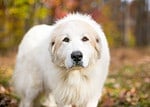
Great Pyrenees
Great Pyrenees Canis lupus familiaris A Great Pyrenees mix is a livestock-guardian type bred for low prey drive, strong guardian instincts, night alertness, independence, large size, and a thick weatherproof double coat. Watch for large-breed joint problems, eye disorders, bloat, bone cancer, and thyroid problems.
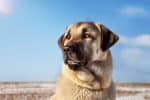
Anatolian Shepherd Dog
Anatolian Shepherd Dog Canis lupus familiaris Livestock guardian dog (LGD) occupying a similar niche — a large, independent, territorial flock guardian. Often compared because mixes can inherit strong roaming and guarding behaviors and a lower biddability than many companion breeds.
Maremma Sheepdog
Maremma Sheepdog Canis lupus familiaris Livestock guardian dog with a similar stock-guarding strategy (bonding to livestock and patrolling perimeters) and similar management needs, including early socialization, boundary training, coat care, and opportunities for mental stimulation.
Akbash
Akbash Canis lupus familiaris A pastoral guardian breed with a similar independent temperament, wariness of strangers, and a need for clear boundaries and substantial space.
Kuvasz
Kuvasz Canis lupus familiaris Large guardian breed with comparable protective instincts and similar training challenges — namely independence and sensitivity to handling. Relevant when a mix inherits heightened protectiveness.
Tibetan Mastiff
Tibetan Mastiff Canis lupus familiaris Mountain and estate guardian with convergent traits: heavy coat, nocturnal alerting behavior, territoriality, and significant management requirements for containment and socialization.
Saint Bernard
Saint Bernard Canis lupus familiaris Large alpine working dog with overlapping size, coat, and orthopedic considerations. Included because Pyrenees mixes are often compared with other giant mountain breeds for joint, heat, and bloat risk management.
Bernese Mountain Dog
Bernese Mountain Dog Canis lupus familiaris Large farm/mountain working dog with a similar family-guardian reputation and overlapping health issues (orthopedic problems and increased cancer risk common to large breeds). Relevant when the non-Pyrenees parent is a mountain-type working breed.

The Great Pyrenees is a powerful, large, and thick-coated working dog specifically bred to protect sheep from prowling wolves and other predators. However, today they are bred as companions and guard dogs. These gentle giants can only be described as majestic, and their caring nature makes them great for families. But because of their size and strength, they are not recommended for homes with small children. In addition, they are notorious for their Zen-like calm nature. That’s why breeders are eager to crossbreed them with other types of dogs; their traits are highly desired, but some people would prefer a smaller canine companion. That’s why this article will focus on the collie Pyrenees (border collie and great Pyrenees mix). But first, take a look at other types of Great Pyrenees mixes.

Types of Great Pyrenees Mixes

Several great Pyrenees mixes might pique your interest. Here are the three most popular hybrids:

Great Bernese ( Great Pyrenees and Bernese Mountain Dog Mix)
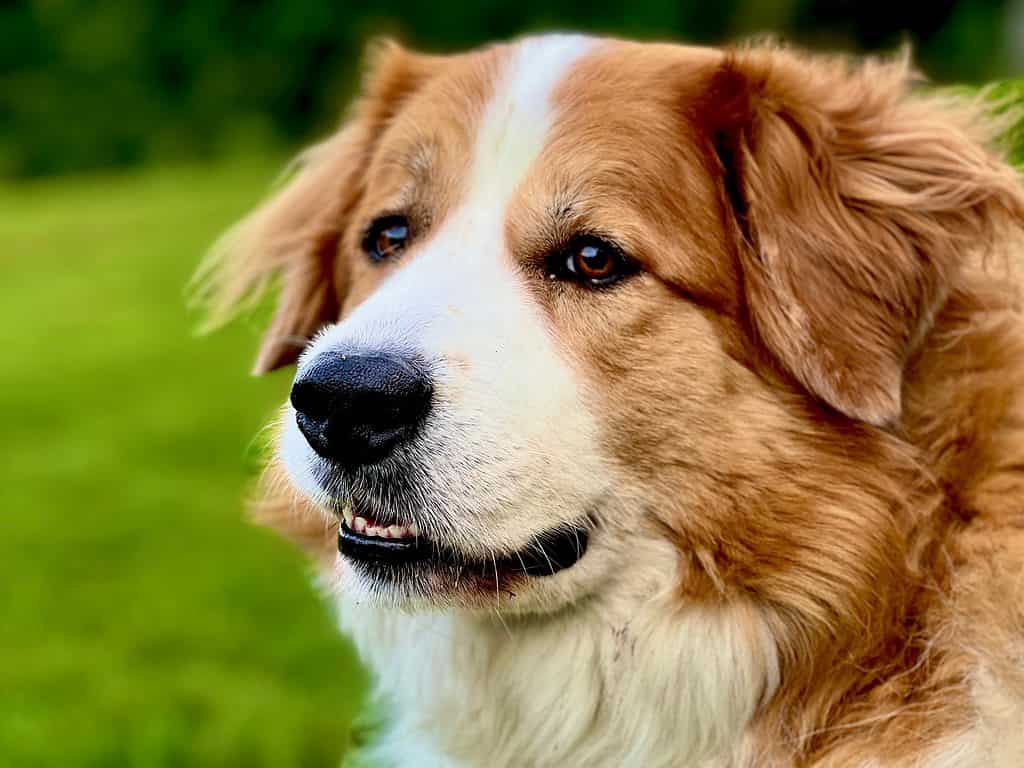
Great Bernese isolated

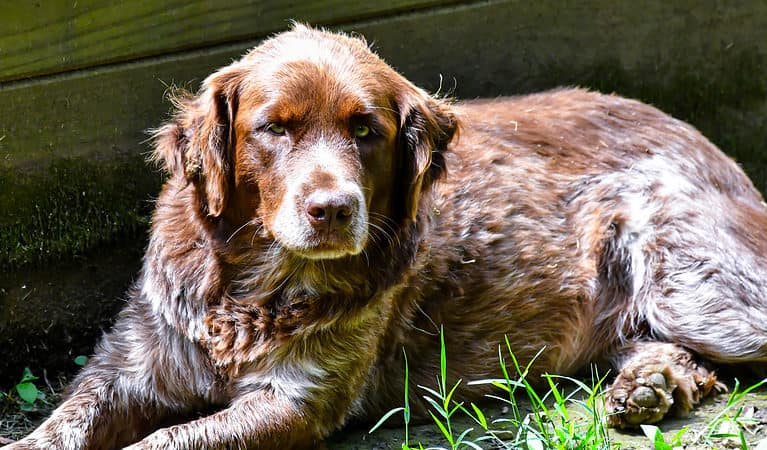
The great Bernese is a cross between a Bernese mountain dog and a great Pyrenees.

This is not a hybrid for people looking for a smaller breed, as both of these dogs are massive! However, their appearance will differ because some look like the Bernese mountain dog, while others take after the great Pyrenees. But regardless, these mixes are non-aggressive and patient.

While they may be protective of their loved ones, they are still great dogs to have if you have a lot of visitors, as they get along with strangers. Additionally, they are playful and love the outdoors, especially in a cooler climate.

Training might be challenging as this hybrid has a stubborn and independent streak. But they are very intelligent, so with a lot of patience and persistence, training them is not impossible. But, still, these mixes are best suited to owners with training experience.

Pyrador (Great Pyrenees and Labrador Retriever Mix)
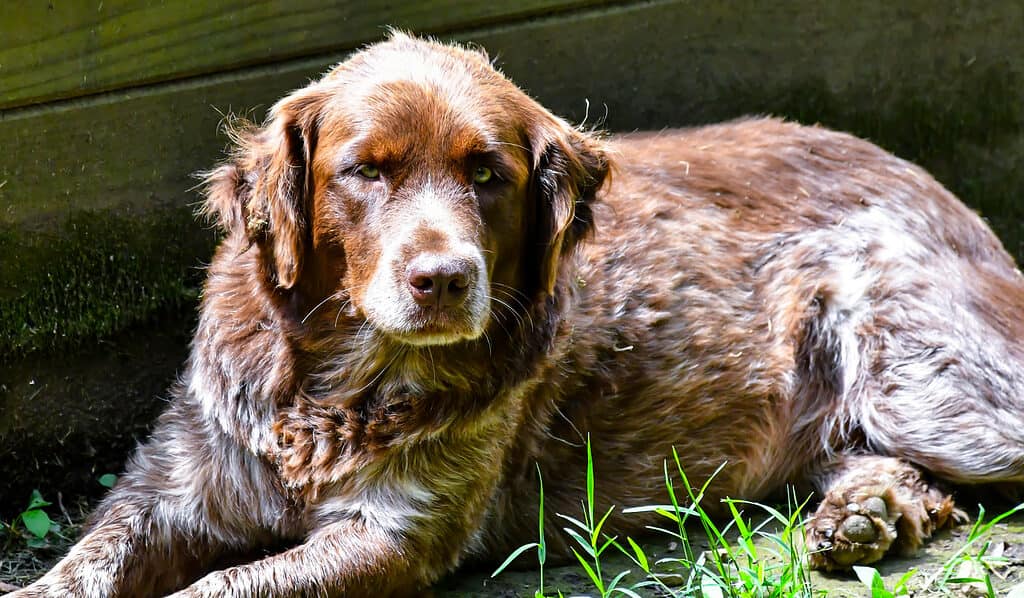
Pyrador on the grass

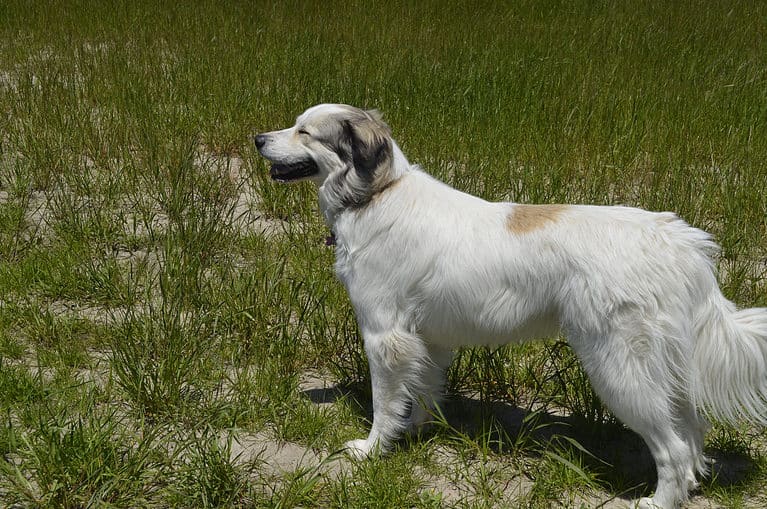
The Pyrador is a cross between the great Pyrenees and a Labrador retriever.

The great Pyrenees and Labrador mix has two incredible parents, providing them with excellent traits. However, due to the great Pyrenees’ tendency to herd, it might not be the best breed to have around smaller pets like dogs and cats. Additionally, they can exhibit guarding tendencies as they are loyal and territorial. For example, these hybrids usually growl or bark at a perceived threat entering their home. But if they take after their Labrador parent, they are generally energetic and mischievous. In addition, they may suffer from separation anxiety if left alone for extended periods. Therefore, if owners need to leave home for work, getting a pet sitter or dog walker is best to keep them company.

Anatolian Pyrenees (Great Pyrenees and Anatolian Shepherd Mix)
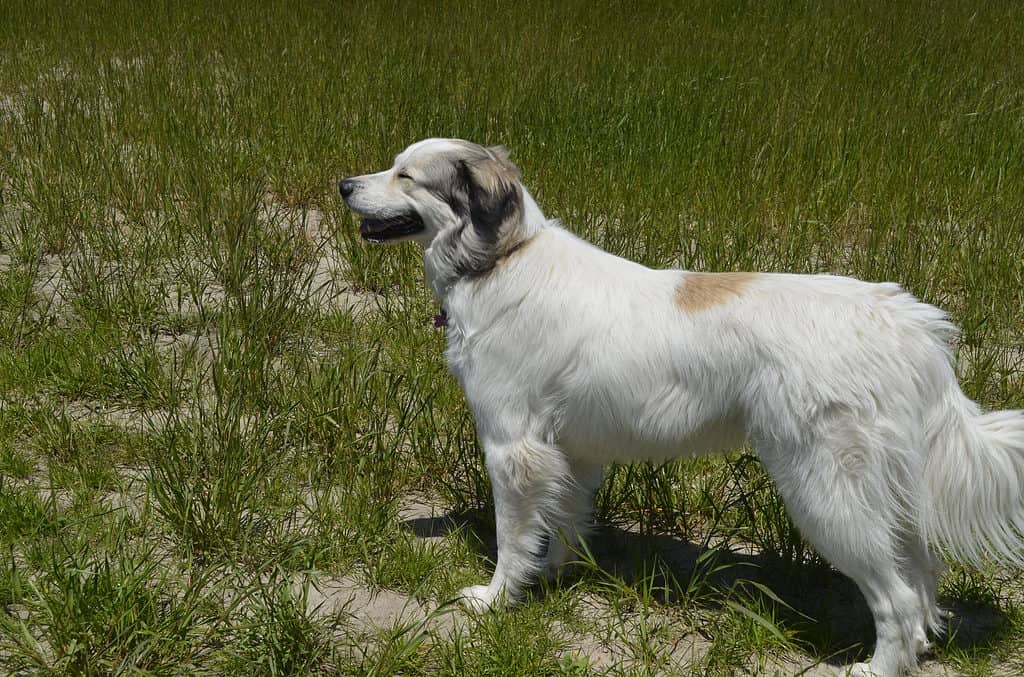
Anatolian Pyrenees on grass

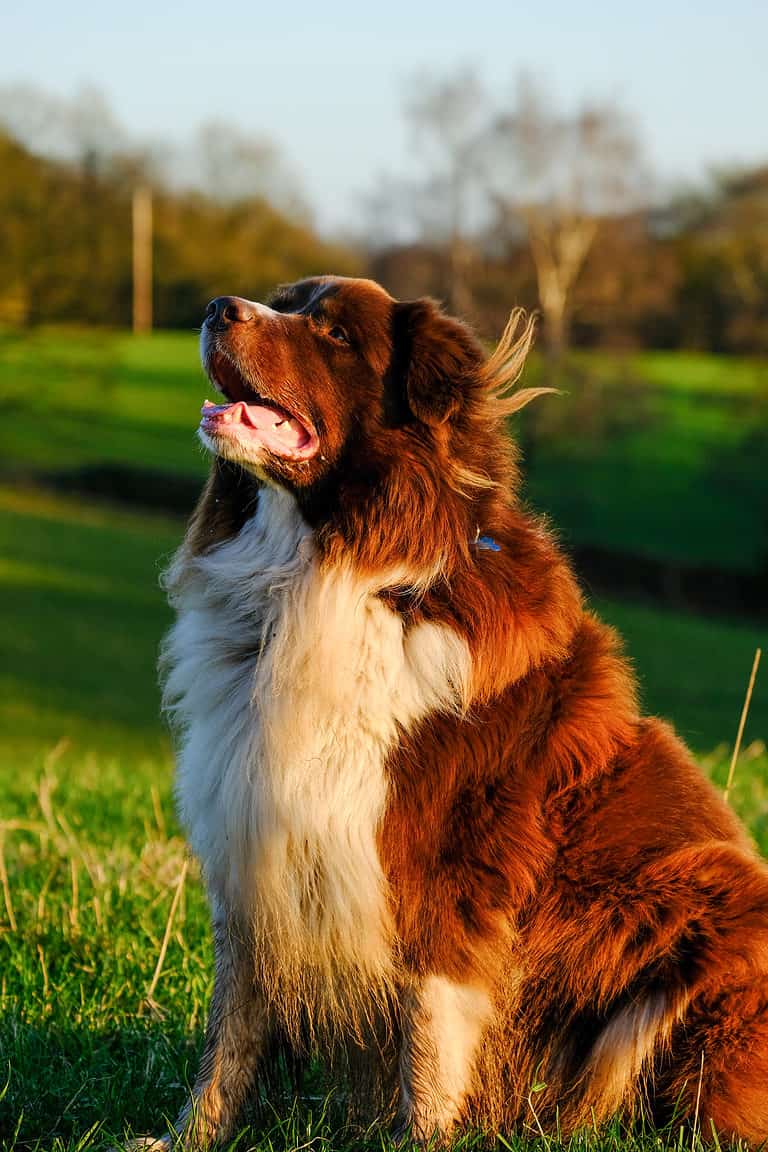
The Anatolian Pyrenees is a cross between an Anatolian shepherd and the great Pyrenees.

This designer breed is the result of crossbreeding an Anatolian shepherd and the Great Pyrenees. As both breeds are large and were initially bred as livestock guardians, this hybrid has serious guarding abilities. However, they are gentle and excellent with children if socialized and trained from a puppy.

The Anatolian Pyrenees can be stubborn and require a lot of grooming. In addition, they need a lot of mental and physical stimulation to keep them entertained. While these great Pyrenees mixes can live in apartments if they receive plenty of time outdoors, they thrive in homes with large backyards and tons of space to roam.

Pros and Cons of Owning a Great Pyrenees Mix

ProsCons
Good with older childrenTends to roam
Excellent watchdogsHeavy shedders
Very few health issuesGuarding instincts may cause them to chase non-canine pets

The Best Dog Food for a Great Pyrenees Mix

Because the Collie Pyrenees is an active breed, it requires a lot of food. While you won’t find a breed-specific dog food for this hybrid, there are premium dry dog foods specially formulated for active and large breeds. If you are still unsure about what dog food to buy for your Great Pyrenees mix, always check the ingredients; if protein is not first on the list, move on! Top-quality dog food will always contain a majority percentage of protein; this can be in the form of red meat, poultry, or fish.

Great Pyrenees Mix Size and Weight

The weight and size of a collie Pyrenees widely vary as they can take after either parent. However, they do generally grow quite large. Their average height ranges from 20-32 inches, and they can weigh between 45-120 pounds.
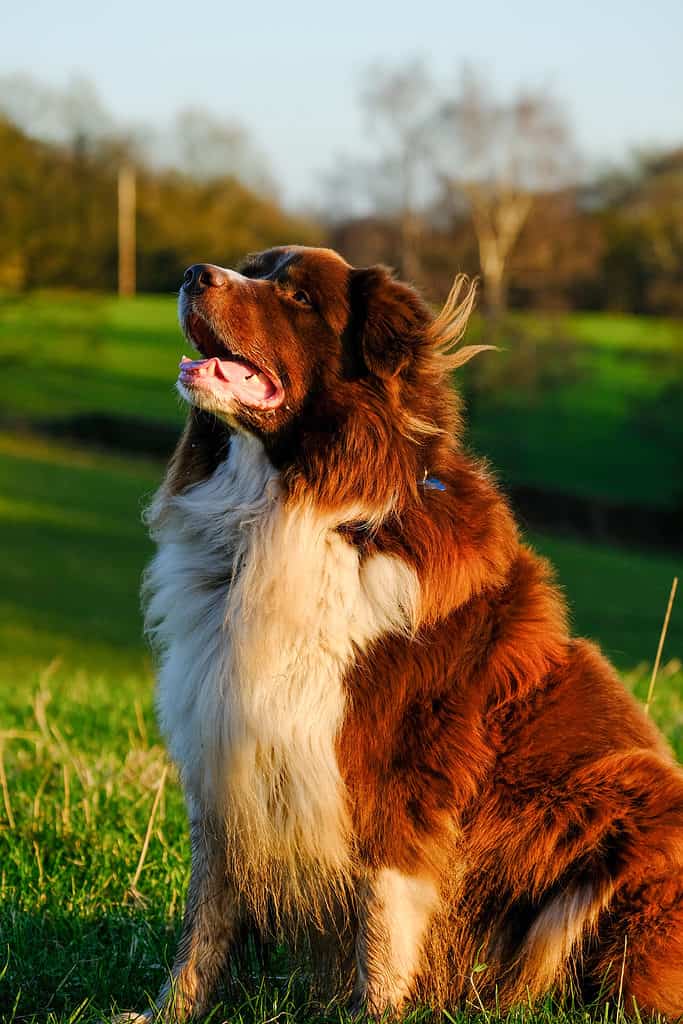
Collie Pyrenees on the grass

Collie Pyrenees are generally large-sized dogs.

Great Pyrenees Mix Common Health Issues

This hybrid is generally healthy and doesn’t inherit many genetic health problems from its parents. However, there are a couple of conditions to look out for:

Hip Dysplasia

The Collie Pyrenees is a large breed, so they are prone to hip dysplasia, especially in their old age. This could cause loss of mobility, arthritis, and much more, so it’s best to visit your local veterinarian immediately.

Deafness

Unfortunately, the collie Pyrenees’ hearing issues are genetic. However, this will not affect their quality of life, and there are many hearing aids available that might help.

Life Expectancy

The Collie Pyrenees has a relatively long lifespan for a large breed. They can live between 10 to 13 years old.

Great Pyrenees Mix Temperament

The Collie Pyrenees is a brilliant dog, and who can fault that since it comes from two incredibly intelligent parents? This hybrid is great with children as they are friendly, playful, and have endless stamina. They are also alert and natural guarders, making them excellent watchdogs. However, they generally get along with strange visitors but become defensive or protective if they sense any sort of danger. Unfortunately, when this happens, there is no stopping them until they are satisfied that the threat poses no more harm.

Unlike the eager-to-please border collie, the collie Pyrenees mix is incredibly independent thanks to its livestock-guarding genes. Therefore, they often ignore commands but can be bribed into performing a task with the promise of a treat.

If you are looking for a brave, alert, and intelligent guard dog that gets along with children, this hybrid is right up your alley. They have no problem alerting you when something is wrong and will attack if a stranger enters your home without an invitation.

How to Take Care of a Great Pyrenees Mix

Taking care of a collie Pyrenees is a big job. This designer breed has a lot of care requirements that might intimidate novice dog owners. Therefore, the great Pyrenees mix is best suited for experienced dog lovers.

Grooming

The Collie Pyrenees requires a moderate amount of grooming. They have a thick double coat that needs a thorough brush at least three times a week. They are heavy shedders in general, but twice a year, they undergo seasonal shedding, which can be overwhelming. When this happens, you will need to brush these hybrids daily to control the hair.

Bathing them is not easy, so limit these encounters to once every three months or when absolutely necessary. Their ears can trap lots of dirt and debris, so inspect them often and get them cleaned regularly. In addition, their nails will need trimming every three months or when they touch the ground. Lastly, you need to look after their teeth; oral hygiene is just as important in dogs as in humans. Brushing their chompers at least three times a week with dog-friendly toothpaste is ideal.

Training

Because the Collie Pyrenees inherit their intelligence from both parents, they are relatively easy to train. However, it may be more challenging if they have a stubborn or independent nature. But, with some creativity, patience, and positive reinforcement, you can make training fun, slowly coaxing them to respond.

Due to their size, they must be socialized from a young age if you want them to get along with other pets or strangers. That’s why you should introduce them to as many animals and people as possible while they are puppies and throughout their adolescence.

Exercise

This great Pyrenees mix is extremely active and needs tons of mental and physical stimulation to keep them happy and healthy. In fact, they need at least an hour of vigorous exercise daily. Therefore, they require busy owners who will provide plenty of exercise. For example, they are great jogging companions, and afterward, when you are ready to crash, they will be rearing to go again. On the other hand, these hybrids also need a lot of mental stimulation, which can be anything from a visit to the dog park to maze games, etc.

Puppies

Collie Pyrenees can have between eight to 10 puppies per litter. Training and socializing these pups as early as possible is vital, as they are big balls of energy and can be a handful. While they are smart, they can be unruly if not trained properly, and due to their size, this can become an issue. But luckily, they are fast learners and usually enjoy engaging with their owners in fun activities. However, obedience training might be more challenging due to their stubborn nature. It’s hard to find this hybrid in warmer climates, as they are more comfortable in the cold because of their thick fur. It is actually quite cruel to keep them in hot temperatures.

Great Pyrenees Mix and Children

This great Pyrenees mix is an excellent addition to families with older children. However, while they are gentle and affectionate to little ones, they can easily injure a small child accidentally in a moment of excitement. They will thrive with a family that has a home with a sizable fenced-off backyard. While they enjoy the outdoors, they are very much indoor dogs, as they love human attention and always want to be by your side.

A Border Collie Pyrenees will become destructive if left alone with little to do or no toys to play with. They are big chewers, especially shoes. And you can expect to come home to a few ripped cushions. These dogs have no problem expressing how frustrated they are, so leaving them with various toys while you are out is best. The Collie Pyrenees is good with other pets. They enjoy socializing and making new friends.

Great Pyrenees Mix Cost

The collie Pyrenees is quite expensive, with puppies from reputable breeders starting at $1000. However, depending on the pedigree and breeder, they can fetch twice that price.

While it is unlikely you will find one of these mixes at a pet store or backyard breeder, it is always best to work with a reputable breeder, as they screen for genetic health conditions and take the best care of their pups.

Dogs similar to the Great Pyrenees Mix

View all 261 animals that start with G

Sources

  1. Hepper / Accessed January 28, 2023
  2. Dog-Learn / Accessed January 28, 2023
  3. American Kennel Club / Accessed January 28, 2023
Chanel Coetzee

About the Author

Chanel Coetzee

Chanel Coetzee is a writer at A-Z Animals, primarily focusing on big cats, dogs, and travel. Chanel has been writing and researching about animals for over 10 years. She has also worked closely with big cats like lions, cheetahs, leopards, and tigers at a rescue and rehabilitation center in South Africa since 2009. As a resident of Cape Town, South Africa, Chanel enjoys beach walks with her Stafford bull terrier and traveling off the beaten path.
Connect:

Thank you for reading! Have some feedback for us?


Great Pyrenees Mix FAQs (Frequently Asked Questions)

The collie Pyrenees is a brilliant dog, and who can fault that since it comes from two incredibly intelligent parents. This hybrid is great with children as they are friendly, playful, and have endless stamina.