
Penguins are different from mammals in that they have feathers instead of hair or fur and lay eggs instead of giving live birth. Like all modern birds, penguins don’t have teeth, though most mammals do. They also don’t feed their babies with milk exactly the way mammals do.
This is what makes a penguin a bird rather than a mammal, along with some other fascinating facts about them.
Why Do People Think Penguins Are Mammals?
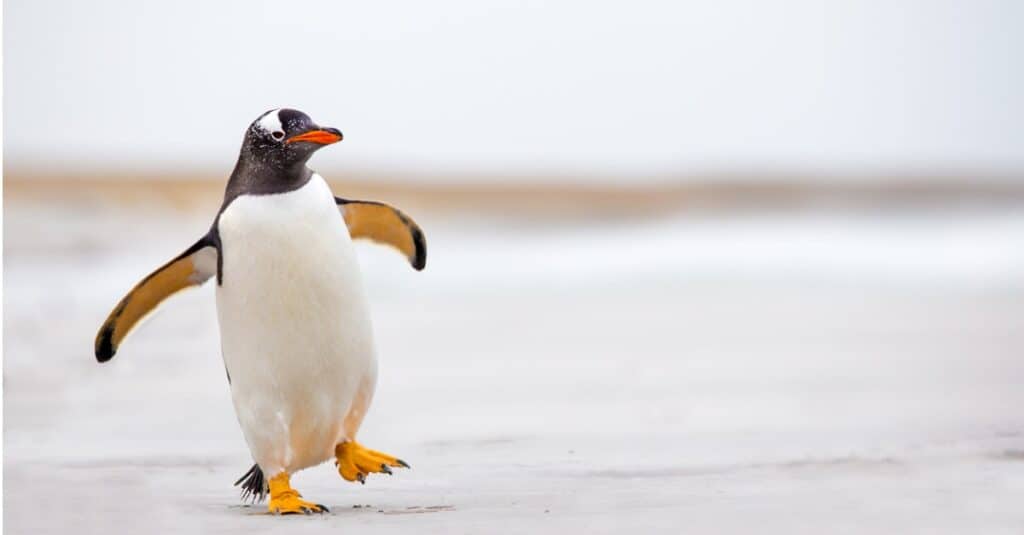
Unlike mammals, penguins lay eggs rather than giving live birth.
©iStock.com/fieldwork
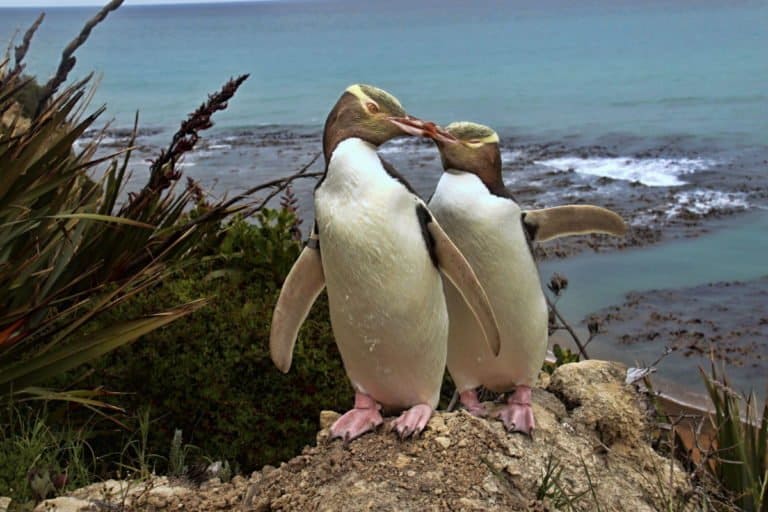
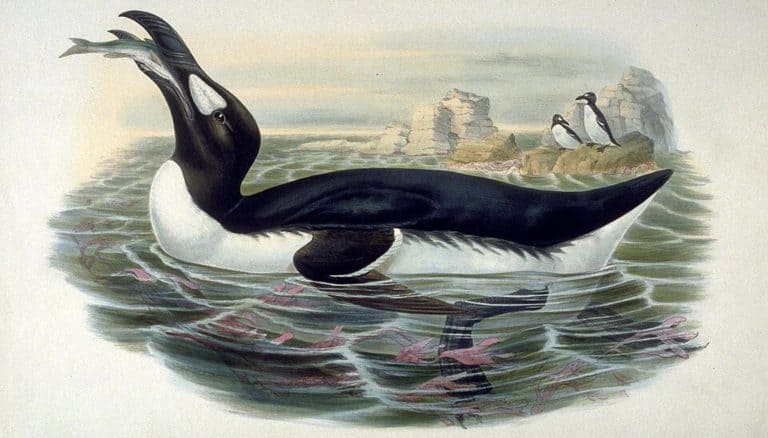
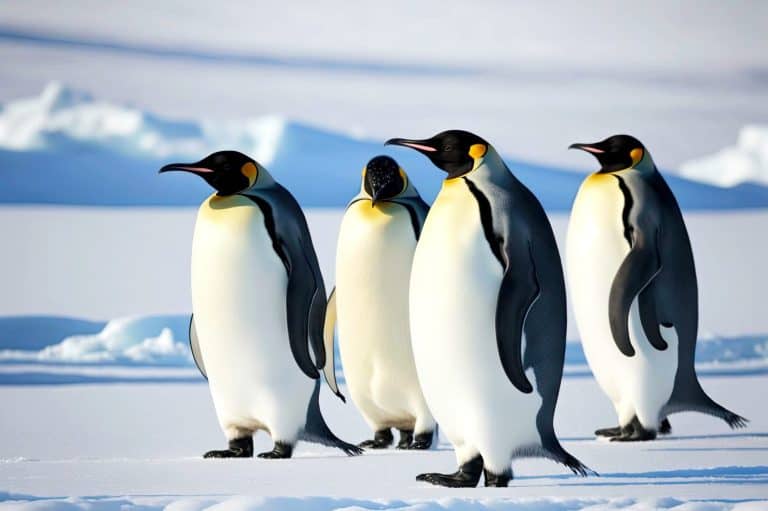
People might mistake penguins for mammals because they really don’t look like any other type of bird. Auks look somewhat like them, but auks can fly. Sphenisciformes are bipedal, and they have given up the power of flight. Their wings have developed into flippers that help them swim, which they do as gracefully as other birds fly.
They are warm-blooded, and their smooth, dense plumage sometimes looks more like sleek fur than feathers. Their chicks often look like they’re wearing dust-colored fur coats, but they are covered with down. The black and white coloration of their plumage may also make people think of a mammal such as a honey badger, a skunk, or even a killer whale.
Can Penguins Produce Milk?
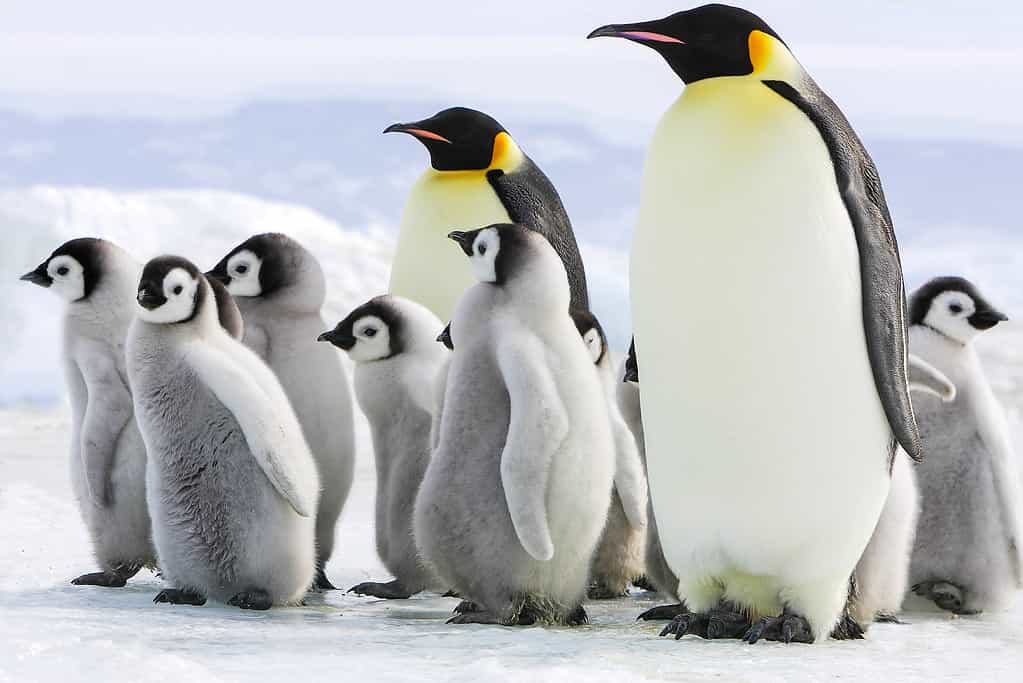
Male emperor penguins produce a milk-like substance for their chicks.
©Michel VIARD/ via Getty Images
Emperor penguin fathers do feed their chicks with crop milk when they’re first hatched. This is a substance that resembles cottage cheese and is made of proteins and fats. It’s not regurgitated fish but a nutrient the bird actually produces from a gland in its throat. This still doesn’t make a penguin a mammal.
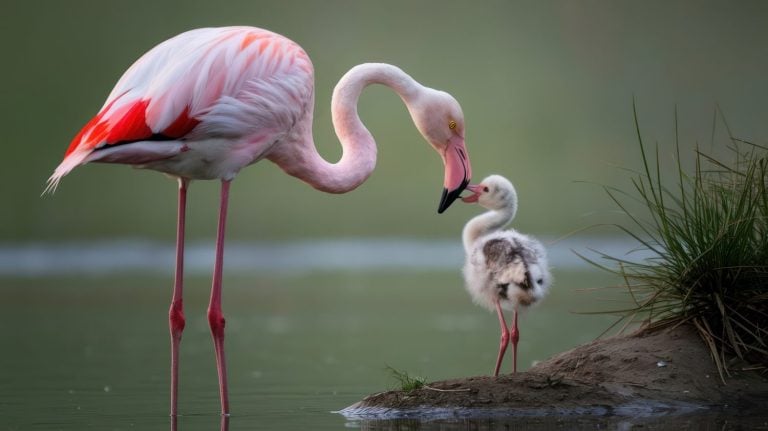
Only a few bird species are known to produce crop milk: emperor penguins, pigeons, and flamingos. In emperor penguins, only the males produce it, while in pigeons and flamingos, both sexes can produce crop milk. Second, only the father emperor penguin produces it. Mammalian milk is produced exclusively by the mother’s mammary glands.
A Penguin’s Devotion: Raising Their Young Like Mammals Do
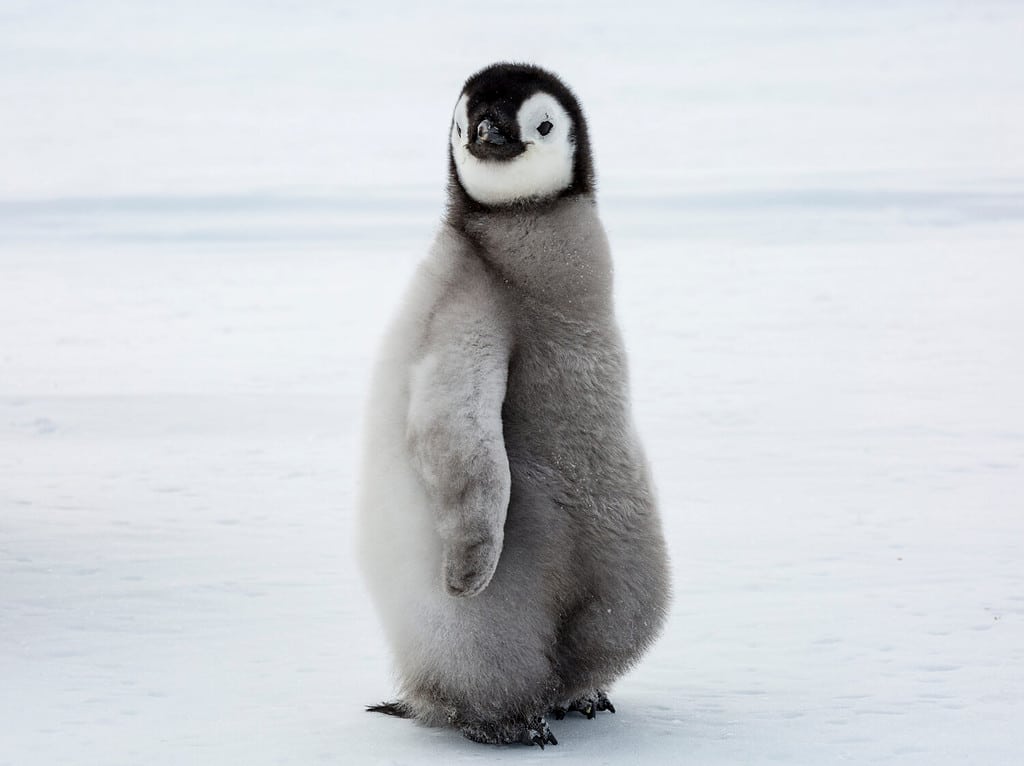
Penguins care for their young impeccably well.
©Roger ARPS BPE1 CPAGB/Shutterstock.com
Another thing that might make people think penguins are mammals is that they take great care of their young. Emperor penguins are famous for the extremity of their devotion. The male stands around in subzero temperatures for weeks incubating the egg, then keeps the chick from freezing in his brood pouch. He does this until the mother returns from the sea, where she has been feeding.
He then surrenders the chick to the mother and goes to the sea himself to feed, as he has not eaten during the whole time and is half-starved. He no longer produces crop milk, but he and the mother take turns feeding the chick regurgitated fish and krill. They do this for five months.
Monogamous, But Still Not Mammals

Monogamy is common in many penguin species.
©Alexey_Seafarer/ via Getty Images
Penguins, like many birds, are devoted parents who work together to raise their young. They are monogamous during their set breeding season, though may find a different mate the following year. We humans tend to think of this as a human trait, but many species of birds share this behavior.
Like humans, the babies of birds are very helpless and require extensive care until they grow enough to survive on their own. Penguins often live in very harsh climates so good parenting is a must if the babies are to survive.