






S
Species Profile

Shichi

Canis lupus familiaris

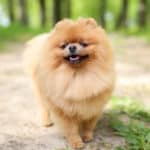
Small body, huge personality
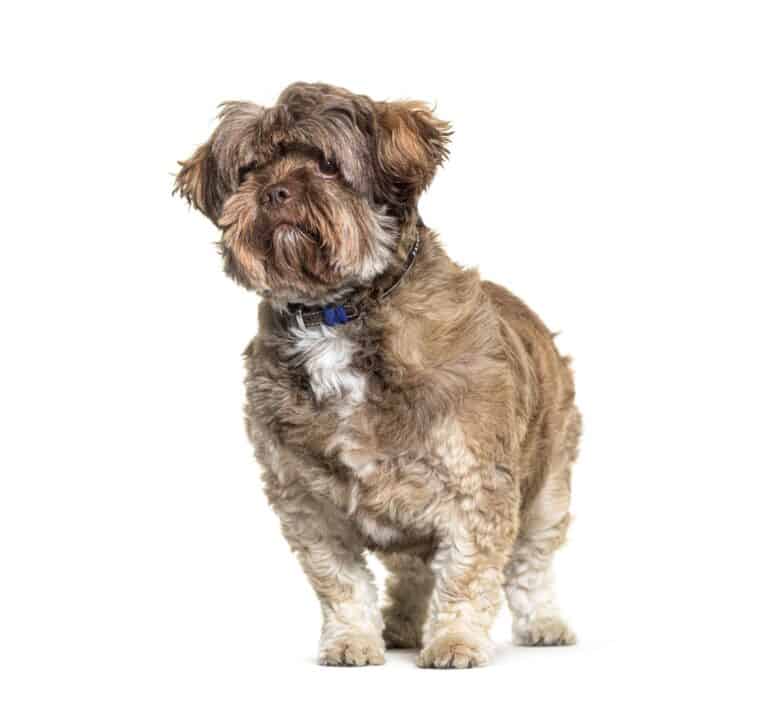
Eric Isselee/Shutterstock.com

Shichi Distribution

Click a location to explore more animals from that region

Origin Location

This map shows the native origin of the Shichi. As a domesticated species, they are now found worldwide.

Loading map...

Found in 1 country

Size Comparison

Human 5'8"
Shichi 9 in

Shichi stands at 13% of average human height.

Shichi

At a Glance

Domesticated
Also Known As Shih-Chi, Chi-Tzu, Chihuahua–Shih Tzu mix, Shih Tzu Chihuahua mix, Shihhuahua
Diet Omnivore
Activity Cathemeral+
Lifespan 4 years
Weight 7 lbs
Status Not Evaluated
Did You Know?

Shichis can inherit either the Shih Tzu's long, silky coat or the Chihuahua's short, low-shed coat.

Scientific Classification

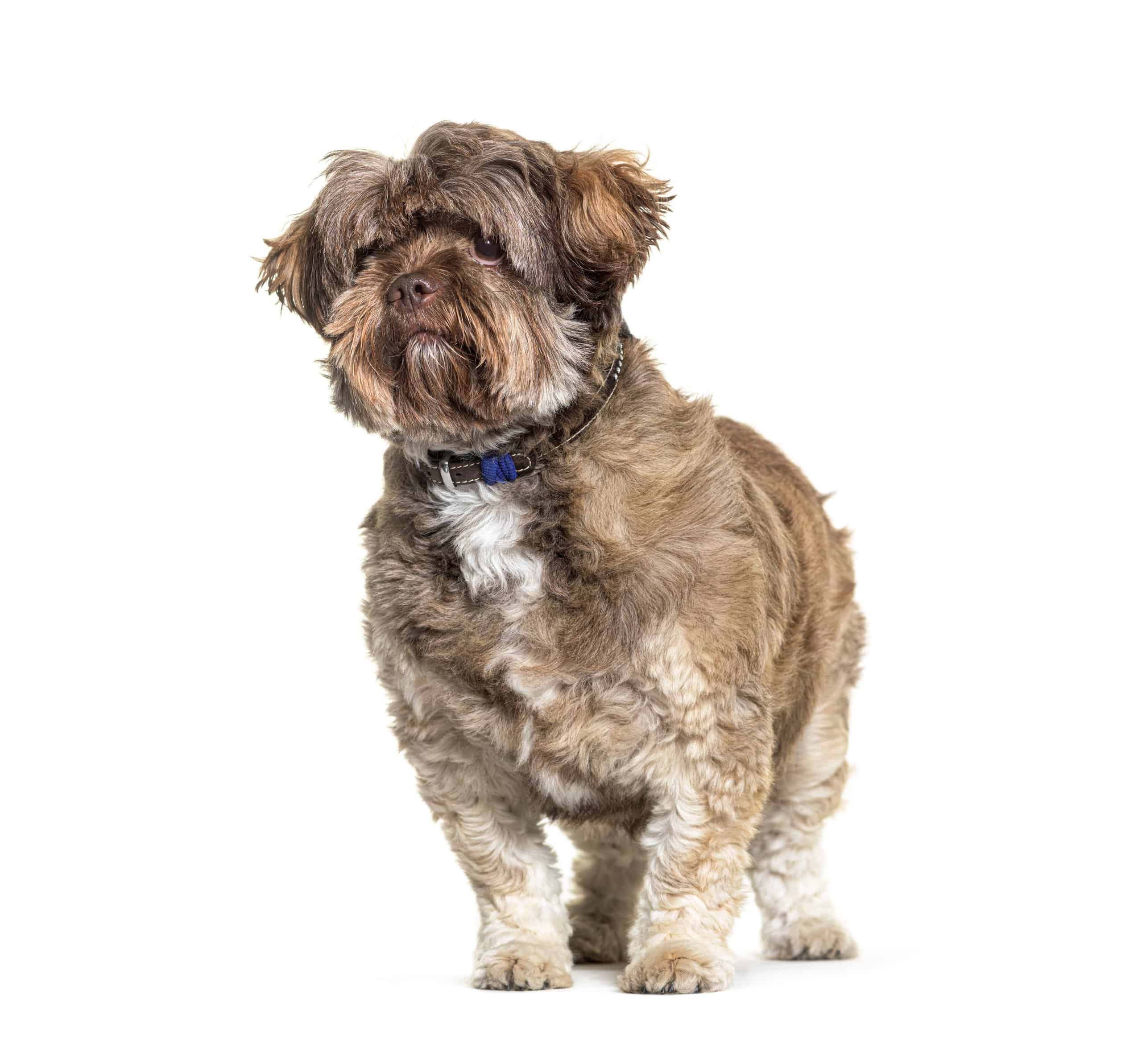
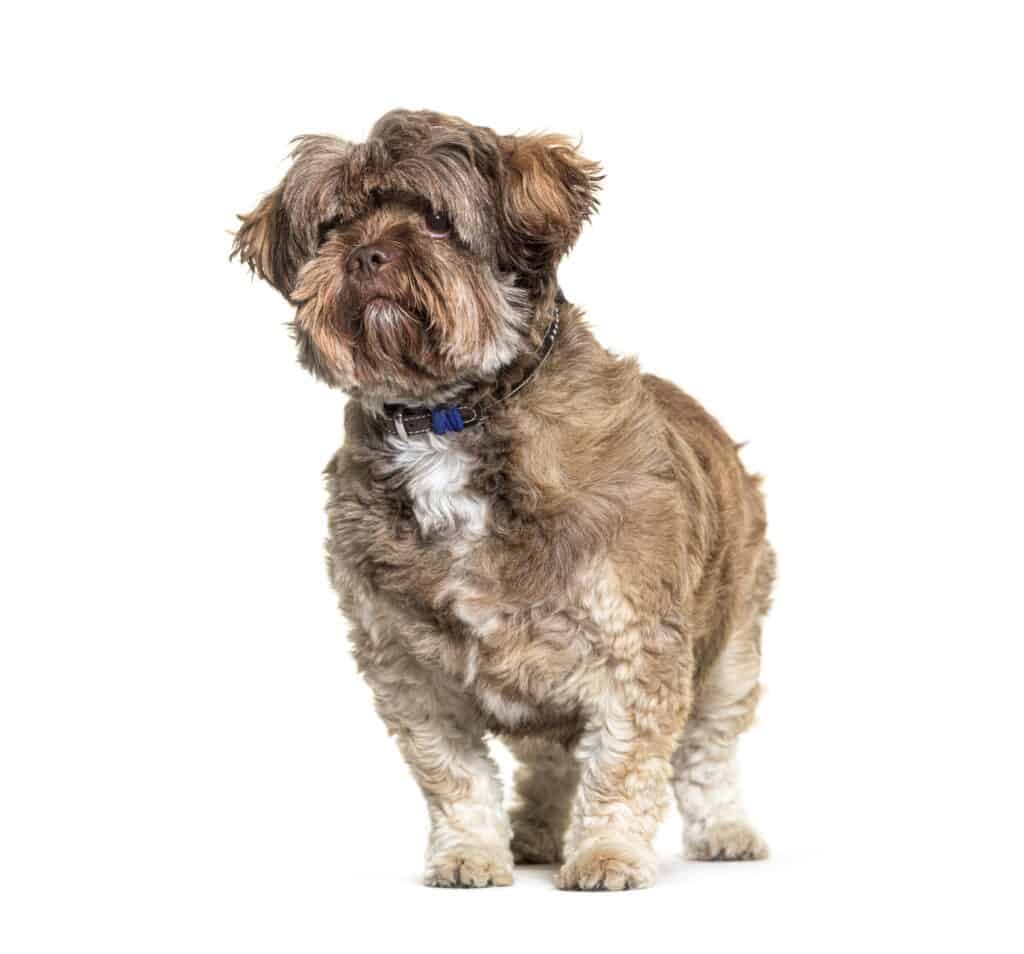
The Shichi (Shih-Chi) is a small companion dog produced by crossing a Shih Tzu with a Chihuahua. Traits vary widely between individuals, often combining a compact body, large eyes/ears, and a short-to-medium coat. Like other toy mixes, temperament and health risks depend on parentage and breeding practices.

Kingdom
Animalia
Phylum
Chordata
Class
Mammalia
Order
Carnivora
Family
Canidae
Genus
Canis
Species
Canis lupus

Distinguishing Features

  • Toy-size companion dog mix
  • Shih Tzu × Chihuahua parentage
  • Coat length highly variable
  • Often large eyes and ears
  • May show brachycephalic facial traits

Physical Measurements

Males and females differ in size

Height
9 in (8 in – 11 in)
9 in (8 in – 11 in)
Length
1 ft 6 in (1 ft 2 in – 1 ft 10 in)
Weight
10 lbs (7 lbs – 13 lbs)
8 lbs (4 lbs – 12 lbs)
Tail Length
Top Speed
17 mph
running

Appearance

Primary Colors
Secondary Colors
Skin Type Single/double coat
Distinctive Features
  • Toy-sized companion build; much smaller than the ancestral wolf species.
  • Highly variable appearance from Shih Tzu and Chihuahua parent influence.
  • Large, round eyes; prone to tear staining and irritation.
  • Muzzle length varies; some show mild brachycephalic facial structure.
  • Ears may be erect, semi-erect, or floppy with feathering.
  • Coat ranges short-smooth to medium-long; may be straight or wavy.
  • Tail often carried curved over back, sometimes plumed.
  • Dental crowding common; needs routine brushing and professional cleanings.
  • Patellar luxation risk; keep lean and avoid repetitive high-impact jumps.
  • Possible tracheal collapse; use a harness instead of a neck collar.
  • Can be cold-sensitive; may need a sweater in cool weather.
  • Grooming needs vary: regular brushing, eye cleaning, and coat trims if long.

Sexual Dimorphism

Sexual dimorphism is subtle: males are often slightly heavier with broader heads, while females tend to be a bit finer-boned. Individual variation from mixed parentage often exceeds sex-based differences.

  • Slightly broader skull and chest in some individuals.
  • May carry more neck ruff in longer-coated types.
  • Often slightly lighter frame and narrower muzzle.
  • May appear more refined through shoulders and hips.

Did You Know?

Shichis can inherit either the Shih Tzu's long, silky coat or the Chihuahua's short, low-shed coat.

Adults commonly weigh about 2.3-6.8 kg, but size varies widely with parent size and lineage.

Many show "Velcro dog" tendencies, following one favorite person from room to room.

Their bark often resembles the Chihuahua's alert watchdog style despite their companion-dog origins.

Coat colors can be highly mixed: sable, black, white, cream, fawn, and parti patterns are common.

Like all dogs (Canis lupus familiaris), Shichis read human gestures well and thrive on routine and cues.

Toy mixes often have longer lifespans than larger dogs, but dental and airway issues can dominate care.

Unique Adaptations

  • Compact, lightweight build makes them efficient indoor companions with modest space needs compared to their wolf ancestors.
  • Coat flexibility (short to long) allows adaptation to different climates with grooming or seasonal clothing.
  • Large eyes and short muzzles in some lines increase expressiveness but require careful eye and heat protection.
  • Fast learning of household routines-dogs are evolutionarily tuned to human schedules and cues.
  • Toy-dog metabolism and small stomachs suit small, frequent meals; hypoglycemia risk rises in tiny puppies.

Interesting Behaviors

  • Quick alert barking at door sounds, then rapid switching to cuddly lap-dog mode once introduced.
  • Burrowing under blankets and nesting in soft beds, a common toy-dog comfort behavior.
  • Shadowing a preferred person and becoming uneasy when separated without gradual training.
  • Zoomies in short bursts, then long naps-energy tends to come in compact, intense sessions.
  • Selective stubbornness: may test boundaries, especially if Chihuahua boldness shows through.
  • Face-licking and "kissing" greetings are common in affectionate individuals, especially Shih Tzu-leaning types.

Cultural Significance

As a modern "designer" companion mix, the Shichi reflects urban pet-keeping trends: small dogs bred for family companionship. It also carries the Shih Tzu's imperial lapdog heritage and the Chihuahua's strong association with Mexico's national identity.

Myths & Legends

Tibetan and Chinese court lore celebrates the Shih Tzu as a sacred "lion dog," linked to Buddhist guardian lions and palace companionship.

A popular tradition says the Shih Tzu was bred in imperial China to resemble a small lion, echoing protective lion symbolism in temple art.

Mexican cultural associations often link the Chihuahua to the ancient Techichi, a small companion dog kept by Toltec peoples in pre-Columbian Mexico.

In Mesoamerican tradition, small companion dogs were believed to guide souls through the underworld, a theme later echoed in Mexican folklore about dogs as spiritual guides.

Victorian-era European superstition held that small lapdogs could absorb illness or misfortune by staying close to their owners, enhancing their "comfort animal" mystique.

Conservation Status

NE Not Evaluated

Has not yet been evaluated against the criteria.

Population Stable

Life Cycle

Birth 3 pups
Lifespan 4 years

Lifespan

In the Wild
1–10 years
In Captivity
10–18 years

Reproduction

Mating System Polygynandry
Social Structure Managed Domestic
Breeding Season Year-round; females cycle about twice yearly
Breeding Pattern Transient
Fertilization Managed Selective
Birth Type Internal_fertilization

As a toy companion mix (Shih Tzu × Chihuahua), Shichi mating is typically human-managed: selected pairs are briefly introduced during the female's heat. Small size can raise whelping risk (dystocia/C-section); common concerns include dental disease and patellar luxation.

Behavior & Ecology

Social Pack Group: 3
Activity Cathemeral, Diurnal, Crepuscular
Diet Omnivore chicken

Temperament

Affectionate
Alert
Bold
Clingy
Wary
Stubborn
Playful
Reactive
Trainable
Sensitive
Dental-prone
Fragile-build
Heat-sensitive
Eye-sensitive
Patellar-prone

Communication

high-pitched barks
yips
whines
growls
snorts
body language
scent marking
pawing
face licking
lap seeking
trembling signals
resource guarding
avoids rough handling

Habitat

Biomes:
Temperate Forest Boreal Forest (Taiga) Tundra Alpine Temperate Grassland Savanna Mediterranean Desert Hot Desert Cold Tropical Rainforest Tropical Dry Forest Temperate Rainforest Wetland Freshwater Marine +9
Terrain:
Plains Coastal Hilly Mountainous Island
Elevation: Up to 18044 ft 8 in

Ecological Role

Domesticated companion; human-associated omnivorous scavenger, not a wild apex predator

companionship pest control early-warning barking

Diet Details

Other Foods:
Cooked rice Oats Sweet potato Pumpkin Carrots Apple (seedless) Commercial dog kibble (plant fraction) +1

Human Interaction

Domestication Status

Domesticated

As a Canis lupus familiaris toy mix, the Shih-Chi is a modern companion cross (U.S./global, late 20th-21st c.) bred for small size and sociability; human interactions span family homes, grooming services, training, vet care, and occasional therapy work.

Danger Level

Low
  • fear-based nipping when handled
  • resource guarding around food/toys
  • scratches from struggling during grooming
  • allergen exposure to dander/saliva

As a Pet

Suitable as Pet

Legality: Generally legal as a domestic dog pet.

Care Level: Moderate

Purchase Cost: $200 - $1,200
Lifetime Cost: $15,000 - $40,000

Economic Value

Uses:
Companionship Pet-trade Services Therapy
Products:
  • breeding
  • grooming

Quick Take

  • Reaching full physical maturity requires only 10 months of growth for this specific toy breed.
  • Surprisingly, these toy breeds require a higher calorie density than significantly larger dog breeds.
  • Completing early socialization is the only way to counteract the breed’s inherent possessive nature.

The Shichi has the personality of a Chihuahua and the fluffy Shih Tzu coat. These parent breeds created the most adorable little furball on the planet.

However, their small size is misleading; these pups have big personalities. And while they are mostly fun, they can be demanding of your time, to the point of possessiveness. In addition, they can be aggressive and may attack if provoked.

Shichi have a shrill bark, and they use it often. So, while you will always know if a stranger is at the door, their constant yapping could become too much for you. However, training can resolve some of these bad habits.

So, dog lovers looking for a relaxed breed should not consider the Shichi, but if you want a loyal, alert, and crazy companion, this is the perfect breed.

An infographic guide to the Shichi dog breed, featuring an illustration of a fluffy brown and white puppy surrounded by care instructions and breed statistics.
Don’t let the adorable exterior deceive you—this high-energy crossbreed demands a specific lifestyle to keep its feisty nature in check. © A-Z Animals

Three Pros and Cons of Owning a Shichi 

ProsCons
Relatively long lifespanCan be aggressive
Minimal GroomingNot good with children
Good Watch DogPossessive nature

The Best Dog Food for a Shichi 

Shichis are tiny dogs, so they fall into the toy breed category. Because of their size, they need food formulated for small dogs and maybe even kibble for toy breeds. In addition, small dogs need a higher calorie content than larger breeds because they have faster metabolisms.

Size and Weight

These tiny dogs are fully grown by 10 months old. However, they barely reach 10 inches tall and weigh around 9 to 16 pounds.

Common Health Issues

The Shichi has a relatively long lifespan but is prone to their parents’ diseases. For example, both the Shih Tzu and Chihuahua suffer from eye conditions. Therefore, Shichis suffer from eye conditions. Other health issues include:

On average, the shichis’ lifespan ranges from 12 to 14 years.

Temperament

This breed inherits its personality from its parents. Like the Shih Tzu, they are playful and affectionate. But they get their attitude from the Chihuahua. Shichis are very social dogs and love being around people. However, they won’t do well in big family settings as they attach themselves to one person and tend to snap at children if they provoke them.

How to Take Care of a Shichi 

With such a tiny body, you would think caring for the Shichi would be easy. However, although they may be small, there is still a lot of maintenance that goes into caring for this feisty breed.

Grooming

It’s hard to tell which parent the Shichi will take after regarding their coat. The Shih Tzu is hypoallergenic, which could be passed onto the Shichi pup. But if Shichis take after the Chihuahua, they will have short hair and barely shed, making them easy to groom.

No matter the length of their coat, they need a good brush once a week. However, unlike other breeds, the Shichi only needs a bath when necessary because they shouldn’t be stripped of the natural oils protecting their skin.

Their nails should be trimmed as soon as they start touching the floor, usually once every two to three months. In addition, they need their teeth brushed with dog toothpaste 3 times a week to avoid any dental problems.

Training

Their eagerness to follow commands will depend on which parent they take after. The Shih Tzu is generally calm, intelligent, and eager to learn, making them a breeze to train. However, the Chihuahua is stubborn, independent, and less likely to follow commands.

However, finding the proper training method will help, along with a lot of persistence. In addition, no matter which parent they take after, socialization from a young age is vital.

Exercise

While Shichis are enthusiastic, they are actually a low-energy breed. This means that they do not require a lot of exercise and make great apartment dogs. These dogs typically need about 20 to 30 minutes of exercise per day, which can be split into shorter walks or play sessions.

Puppies

Because Shichis are classified as toy dogs, their puppies are tiny. That’s why they are not the best breed for small children, who may squish them accidentally and cause serious injuries.

These pups will set you back $300 to $1000: the price depends on the breeder’s reputation and location.

Shichi and Children

The Shichi is excellent with older children; however, they are not the best dogs around younger kids. They are not very patient animals and won’t stand by and take all the poking and tail pulling. Even though they are so small, they still have sharp teeth and could injure a small child if provoked.

Shichi’s ability to get along with other pets depends on which parent they take after. The Shih Tzu is a social breed that, if socialized early, gets along well with other dogs. However, the Chihuahua is more independent and jealous, which could lead to aggressive behavior around other dogs.

Dogs similar to the Shichi 

There are a few other breeds that share the Shichis’ behavioral traits; they include:

View all 391 animals that start with S

Sources

  1. Wag Walking / Accessed September 29, 2022
  2. Hepper / Accessed September 29, 2022
  3. Pet Guide / Accessed September 29, 2022
Chanel Coetzee

About the Author

Chanel Coetzee

Chanel Coetzee is a writer at A-Z Animals, primarily focusing on big cats, dogs, and travel. Chanel has been writing and researching about animals for over 10 years. She has also worked closely with big cats like lions, cheetahs, leopards, and tigers at a rescue and rehabilitation center in South Africa since 2009. As a resident of Cape Town, South Africa, Chanel enjoys beach walks with her Stafford bull terrier and traveling off the beaten path.
Connect:

Thank you for reading! Have some feedback for us?


Shichi FAQs (Frequently Asked Questions)

These pups will set you back $300 to $1000: the price depends on the breeder’s reputation and location.