
Quick Take
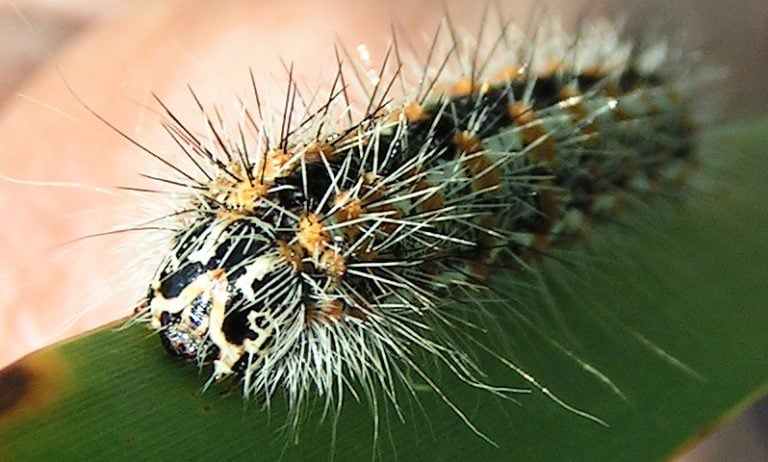
- One Florida spider doesn't use a web or jumping to catch prey, and its hunting method is unlike anything most people have seen. See how it hunts →
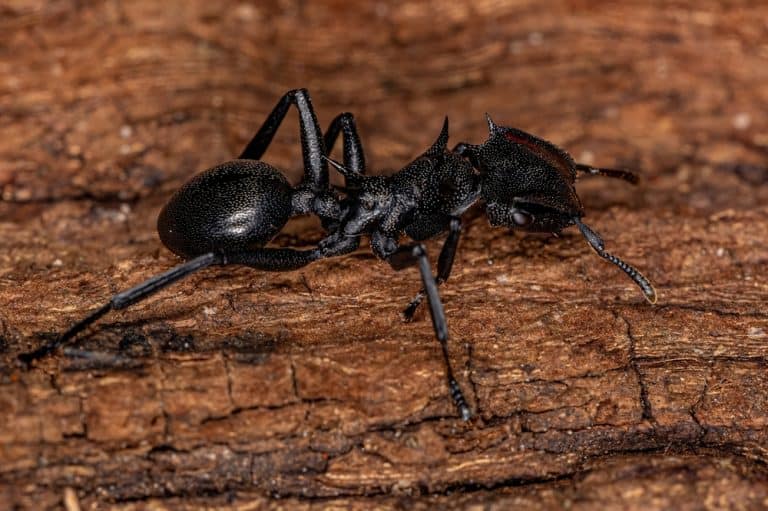
- A spider living in Florida disguises itself so convincingly as another creature that its targets never see the ambush coming. Meet the ant impersonator →
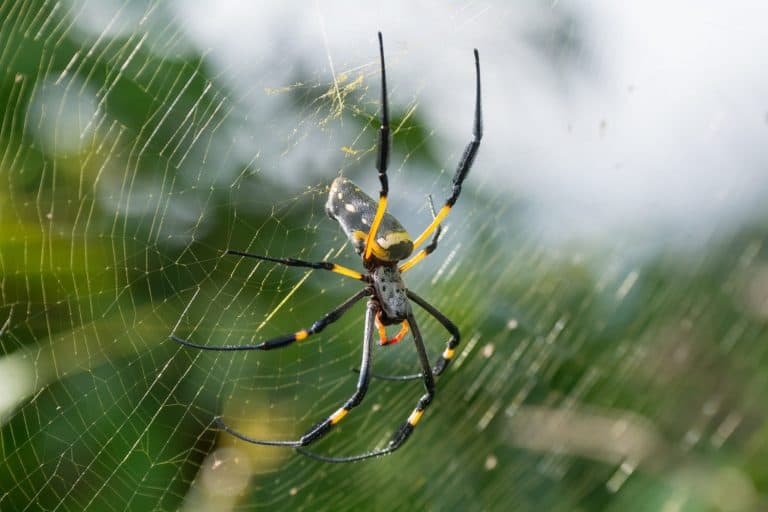
- Florida's largest spider isn't native, and the reason it thrives here says something unsettling about the state's environment. Florida's largest invasive spider →
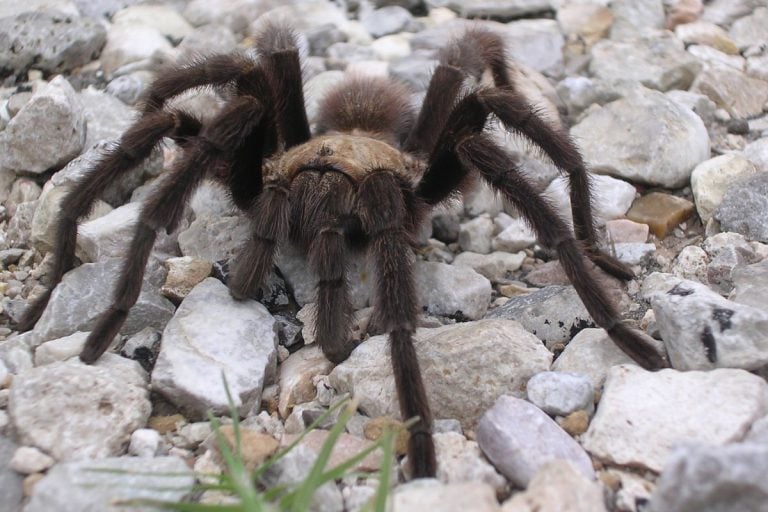
- Not all of Florida's venomous spiders hide in the woods. Some prefer the exact spots you check least often at home. Where it hides at home →
Florida is home to some of the most fascinating creatures, from manatees to roseate spoonbills. Still, some of its most incredible creatures are often the ones hidden right under our noses. There is an incalculable number of spider species that call Florida home. From orb weavers to nursery spiders and jumping spiders, the state has its fair share of spider species. It also shelters some of the most venomous and largest spiders in North America. If you’re a Florida native or planning to visit Florida sometime soon, you’ll want to know just what sort of arachnids you can expect to find while wandering through the woods or sorting clothes in your closet. Continue reading to learn about 10 spiders found in Florida.
Southern Black Widow Spider
Almost no spider in North America strikes fear into people’s hearts as much as the black widow spider. One such black widow that you can find in Florida is the Southern black widow (Latrodectus mactans), which produces venom that affects its prey’s nervous system. While rarely fatal to humans, bites can cause muscle aches, nausea, and difficulty breathing.
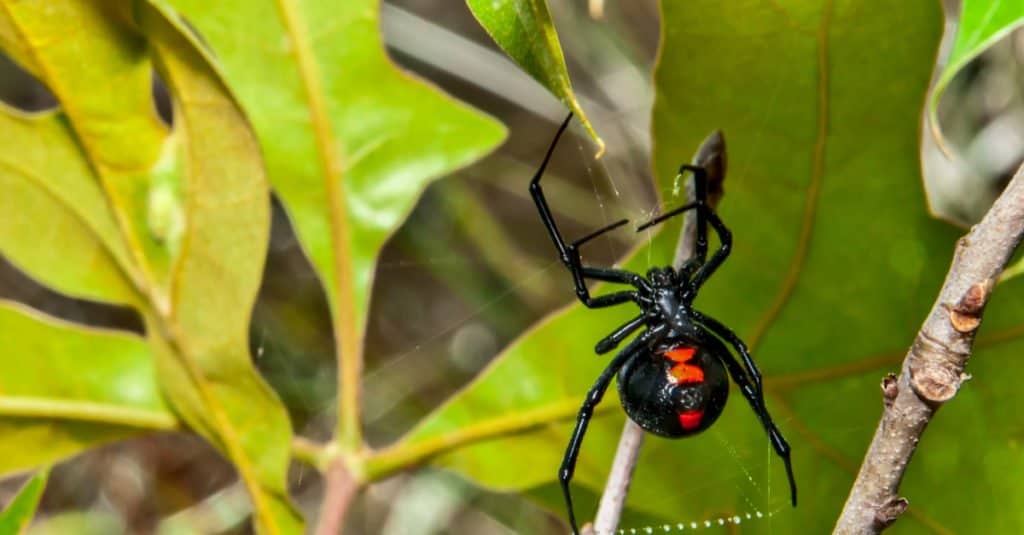
The Southern black widow spider features a red hourglass-shaped marking on its abdomen.
©Jay Ondreicka/Shutterstock.com
The Southern black widow is the largest venomous spider in Florida. Females grow to sizes between 1.48 to 1.97 inches long, with bodies around 0.49 inches long. You can identify the females by their distinctive black bodies and the red hourglass-shaped marking on their abdomens, and by the large webs they create to capture prey and hold their eggs.
Widow spiders get their name from the belief that females kill and cannibalize males shortly after mating. While observed, this practice is not ubiquitous.
Golden Silk Orb Weaver
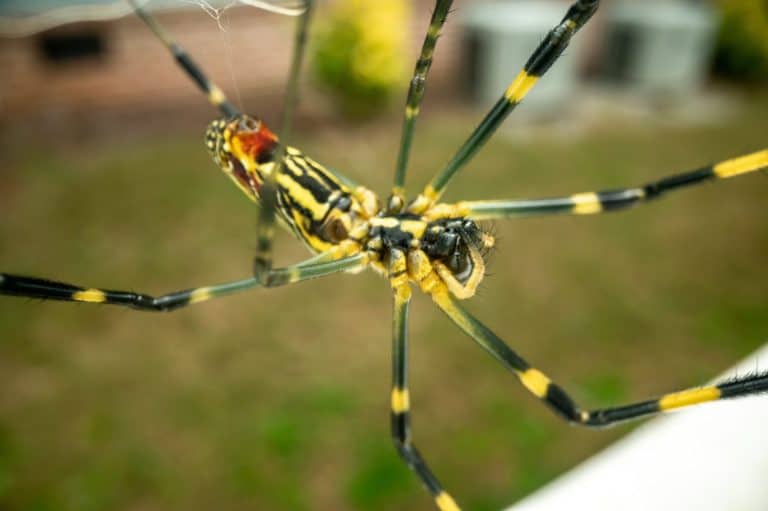
The golden silk orb weaver (Trichonephila clavipes) is one of the most common spiders in Florida, particularly in open woodlands or forests. Hikers and other nature enthusiasts often inadvertently walk into their sticky webs, which can reach nearly 5 feet in diameter.
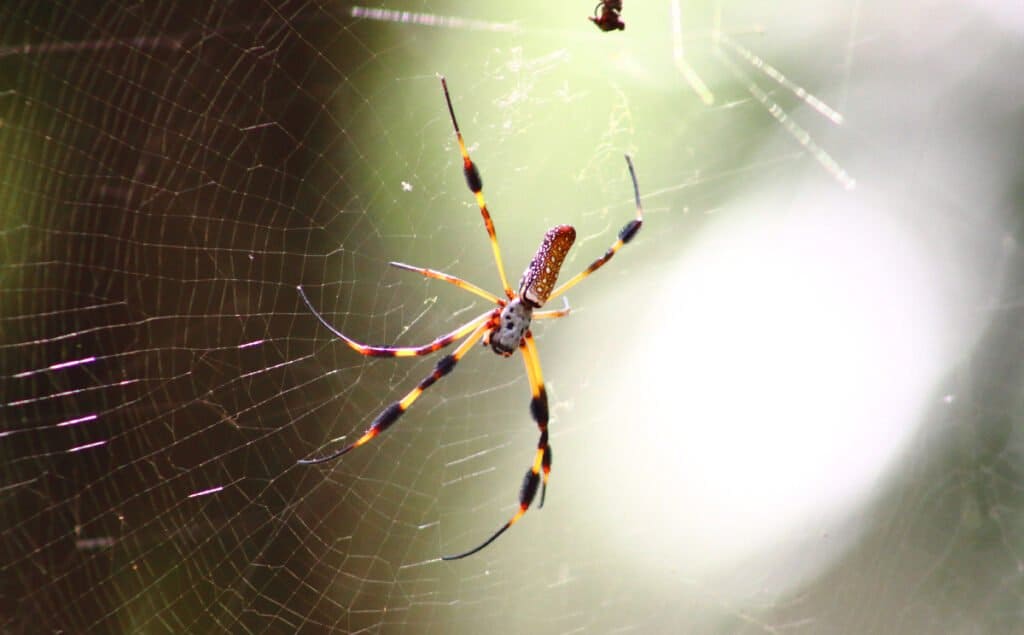
The golden silk orb weaver builds a web that measures nearly 5 feet in diameter.
©Max Rossa/Shutterstock.com
The golden silk orb weaver’s webs appear yellowish-gold in the sunlight, which is where they get their name. Their bite is not medically significant to humans and usually only causes mild pain and some localized swelling.
Female golden silk orb weavers are quite large and their bodies regularly measure between 1.89 to 2.01 inches long. Males are significantly smaller in comparison. Aside from their large size, you can identify female golden silk orb-weavers by their silvery carapace and yellow- and brown-striped legs.
Magnolia Green Jumper
The magnolia green jumper (Lyssomanes viridis) gets its name from its distinctive translucent green color. Females measure around 0.28 to 0.31 inches long, while males measure slightly smaller at 0.20 to 0.24 inches in length.
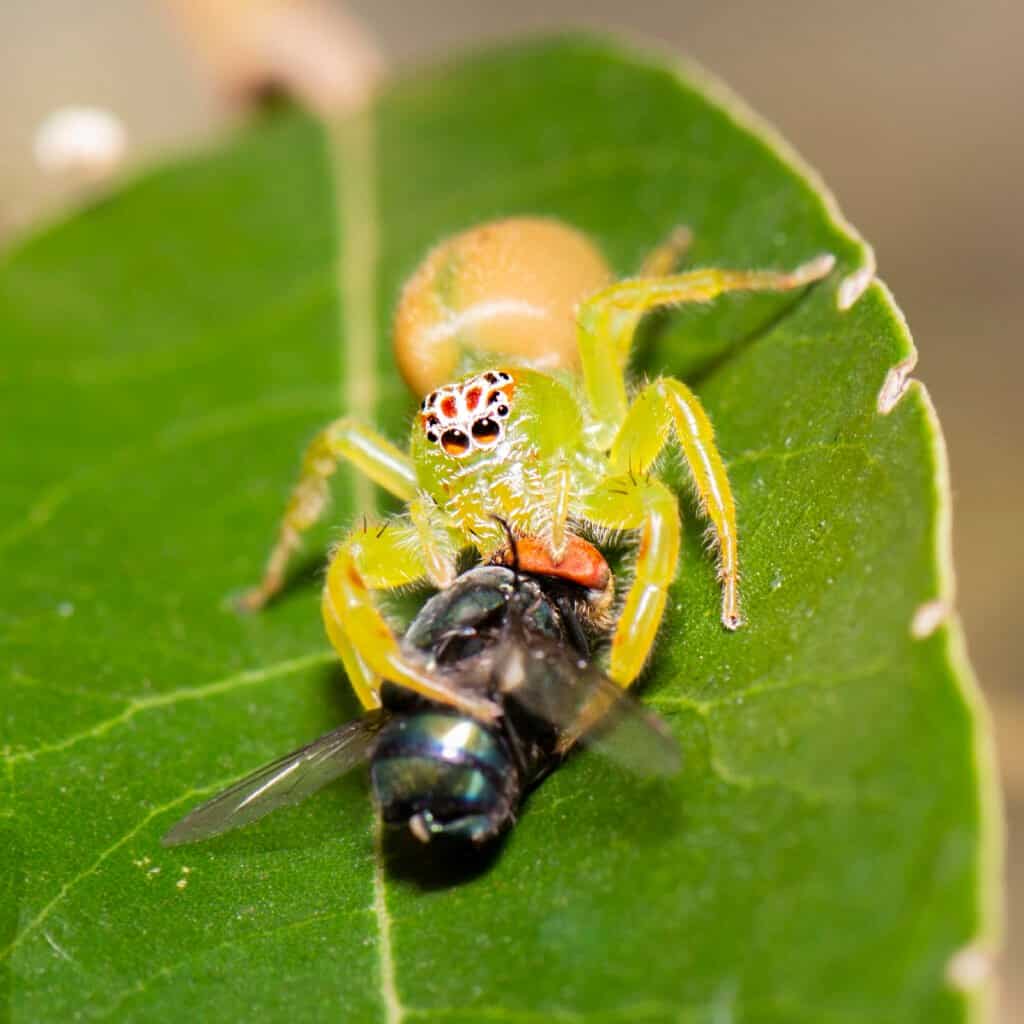
The magnolia green jumper gets its name from its bright green color and amazing jumping ability.
©iStock.com/RobertDowner
Although they cannot jump as far as some other jumping spiders, magnolia green jumpers possess longer legs relative to their body size than other jumpers. Although they have large chelicerae, or mouthparts, a distinct feature of jumping spiders, they are not likely to bite, and if they do bite, it does not pose a threat nor require medical attention.
You can usually find them on leaves on trees or bushes, where they like to ambush their prey and build their nests.
Six-Spotted Fishing Spider
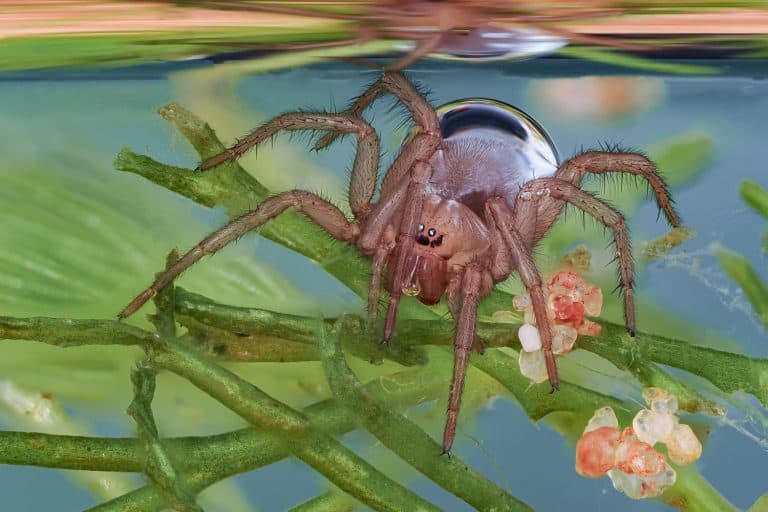
The six-spotted fishing spider (Dolomedes triton) belongs to the nursery web spider family Pisauridae. You’re most likely to encounter these spiders in Florida wetlands and near ponds. They are also called dock spiders, due to their habit of living near boat docks.
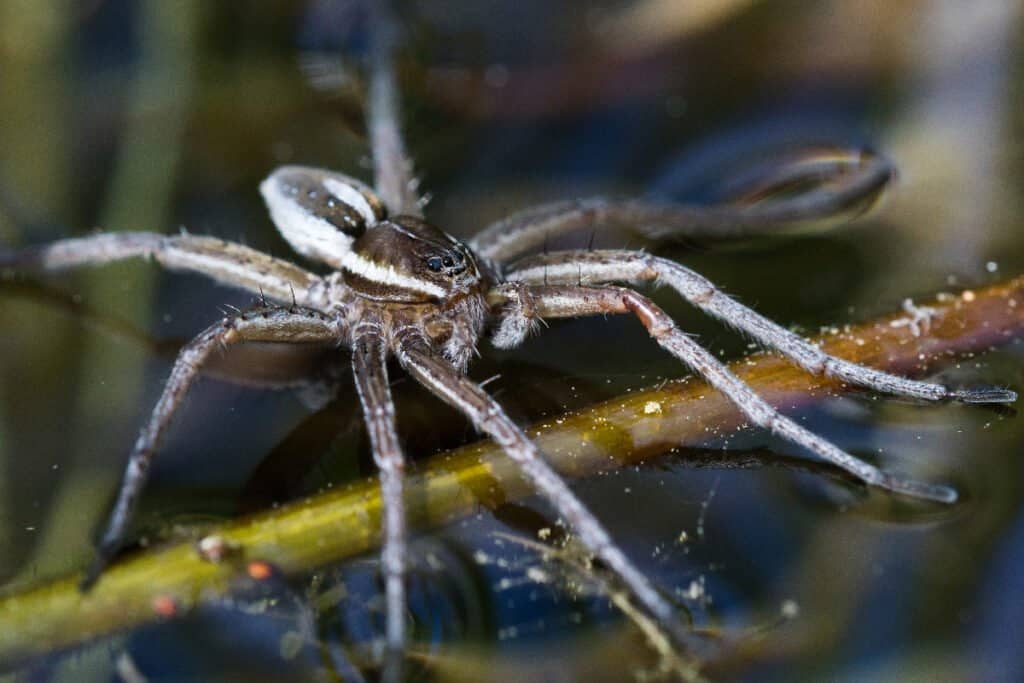
The six-spotted fishing spider can catch fish more than five times its own size.
©Jukka Jantunen/Shutterstock.com
Females can reach up to 2.36 inches long, with a body length ranging from 0.59 to 0.79 inches. Meanwhile, males measure between 0.35 to 0.51 inches long. Their bodies appear grey or brown, and sport two light lines running down each side of the abdomen. They also sport six dark spots underneath their abdomen, which is where they get their name.
The six-spotted fishing spider is one of the few spiders capable of catching vertebrate prey. They can catch fish measuring five times their size, which they kill using their venomous bite. While hunting, they will either wait near the water’s surface or dive underwater to catch their prey.
Red-Spotted Ant Mimic
The red-spotted ant mimic (Castianeira descripta) gets its name from its habit of imitating the appearance of an ant. Unlike other spiders, this curious creature walks on six legs instead of eight and uses its front two legs like antennae. This allows it to blend in with ants, which mistake the spider for one of their own, enabling it to ambush unsuspecting ants.
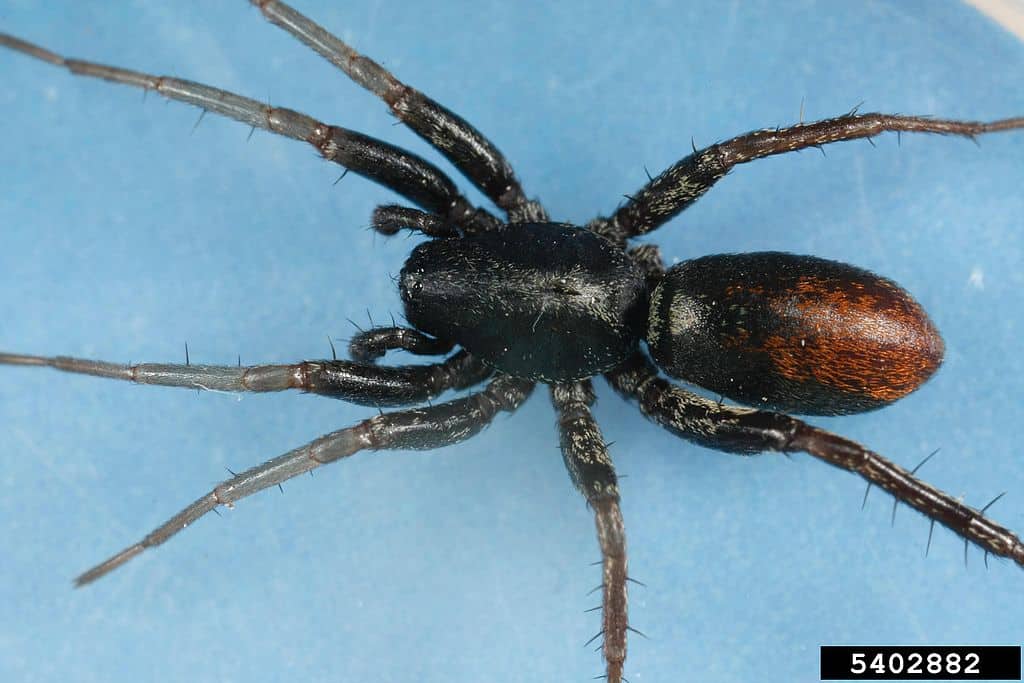
The red-spotted ant mimic disguises itself to look like an ant.
©Joseph Berger, Bugwood.org; University of Georgia / CC BY 3.0, via Wikimedia Commons – Original / License
Female red-spotted ant mimics measure from 0.20 to 0.51 inches long, with the males measuring smaller. They feature a black body with a reddish-brown abdomen and a white line running down the middle of their carapace.
Red-spotted ant mimics often make their nests in shrubs, parks, and wooded areas close to ant hills. While their venom is deadly to small insects, it is harmless to humans and produces only mild pain.
Regal Jumper
The regal jumper (Phidippus regius), is one of the species of jumping spiders in Florida. It gets its name, not from a royal decree, but because it is the largest species of jumping spider found in the Eastern United States. Males measure from 0.24 to 0.71 inches long, while females range from 0.28 to 0.87 inches in length.
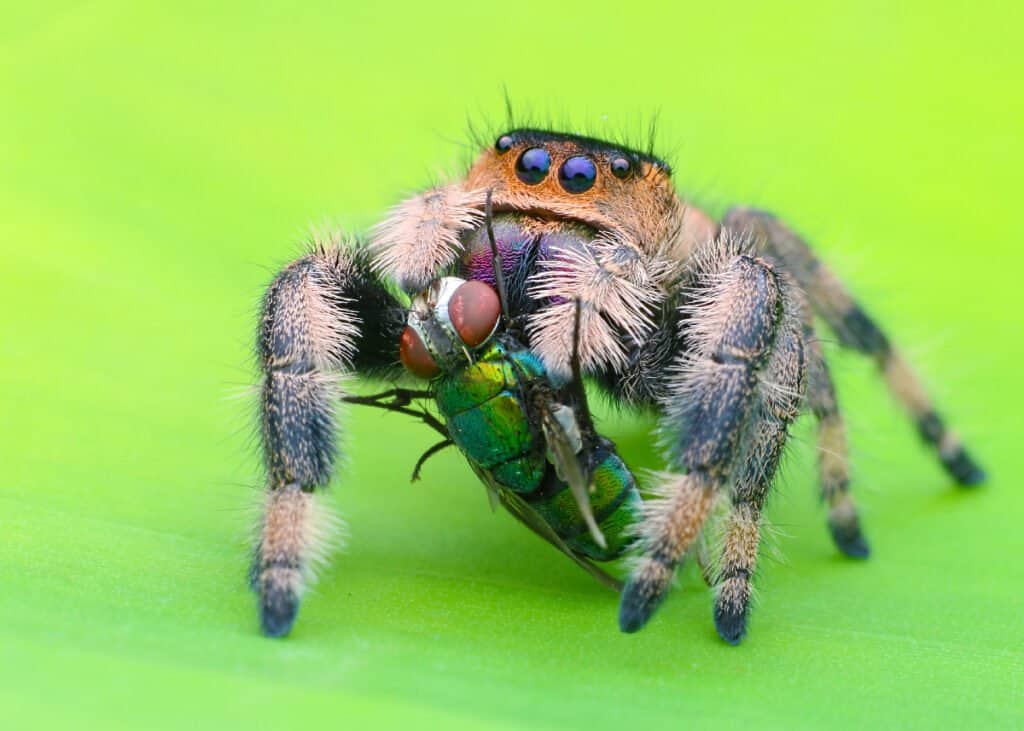
The largest species of jumping spider found in the Eastern United States is the regal jumping spider.
©Farid Irzandi/Shutterstock.com
While male regal jumpers typically appear black with white spots and stripes, females vary from gray to reddish-orange in color. Both males and females feature three dots on their abdomens that look similar to a smiling face.
You’ll most likely encounter a regal jumper in fields or lightly wooded areas, particularly near trees or buildings. They prefer to build their nests in secluded areas with plenty of cover, but will hunt in open areas where they can easily pounce on their prey. While not venomous enough to be dangerous, their bite can still be painful to humans.
Spiny-Backed Orb Weaver
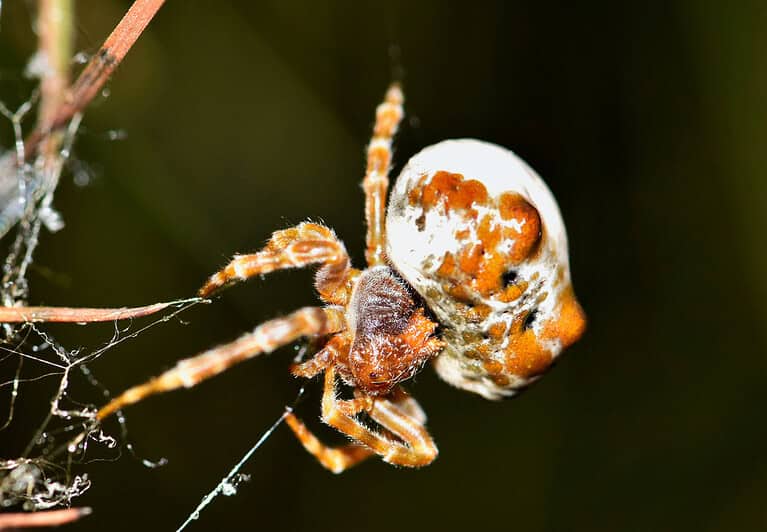
Also known as thorn spiders or star spiders, spiny-backed orb weavers (Gasteracantha cancriformis) are fascinating to behold. The females of the species possess brightly colored reddish spines on their white and black abdomens, which is where they get their name. They typically measure 0.20 to 0.35 inches long and around 0.39 to 0.51 inches wide. Meanwhile, the males do not have spines and are drabber in appearance and smaller in size.
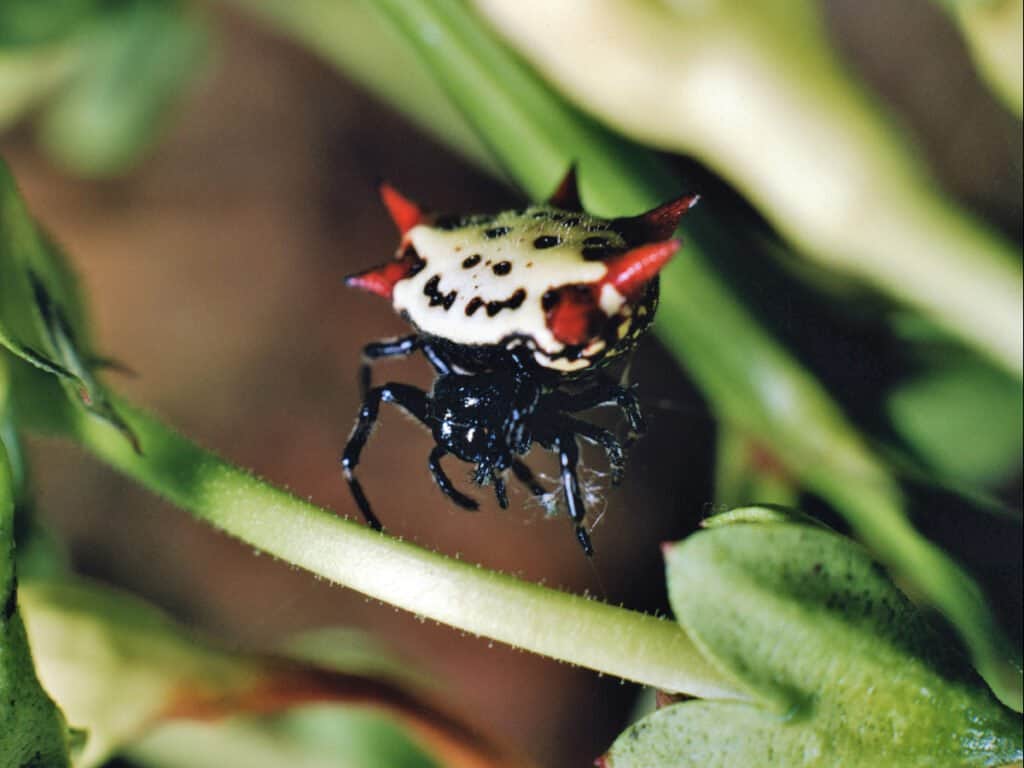
The spiny-backed orb weaver is also called the star spider due to its spiky appearance.
©iStock.com/Weber
Spiny-backed orb weavers prefer warm, wet climates, and often make their homes in lightly wooded areas. In particular, they seem to enjoy spinning their webs in citrus orchards, which explains why you can find these spiders in Florida. Given that they prey on pests and pose little threat to humans, spiny-backed orb weavers are considered beneficial to humans. Unfortunately, they have short lifespans and rarely live longer than 9 to 12 months.
Brown Spitting Spider
The brown spitting spider (Scytodes fusca) is another spider that you’re likely to encounter if you spend enough time in Florida. Unlike most spiders, it features 6 eyes instead of the usual 8, and sports an unusually sloped carapace. Females range from 0.12 to 0.24 inches long, with the males measuring smaller. They typically look light brown in color and sport black markings on the body and dark stripes on the legs.
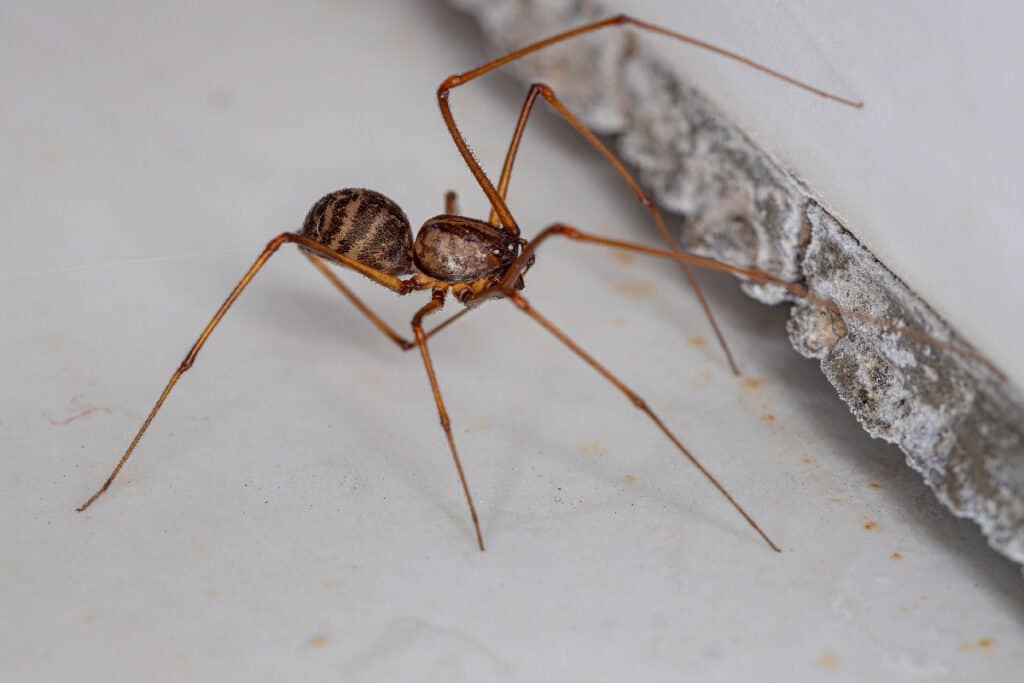
The brown spitting spider catches prey with venomous silk that it shoots from its abdomen.
©iStock.com/ViniSouza128
The brown spitting spider is unique among spiders in its method of catching prey. Compared to other spiders, it is very slow and does not catch prey with a web or by jumping. Instead, it ambushes its prey by firing venomous silk from its abdomen from about 10 millimeters away. The silk immobilizes the prey, enabling the spider to then feast on it at its leisure.
Brown Recluse
Another poisonous spider in Florida is the brown recluse (Loxosceles reclusa). This spider can deliver necrotic venom which may cause nausea, vomiting, muscle aches, fever, and even death. That said, brown recluses rarely bite, unless pressed up against the skin. Their bites are usually only fatal to children or people with weak immune systems.
Brown recluses measure between 0.24 and 0.79 inches in body length and vary in appearance from light to dark brown or gray. They possess dark markings that look similar to a violin, lending them their nickname the fiddleback or violin spider.
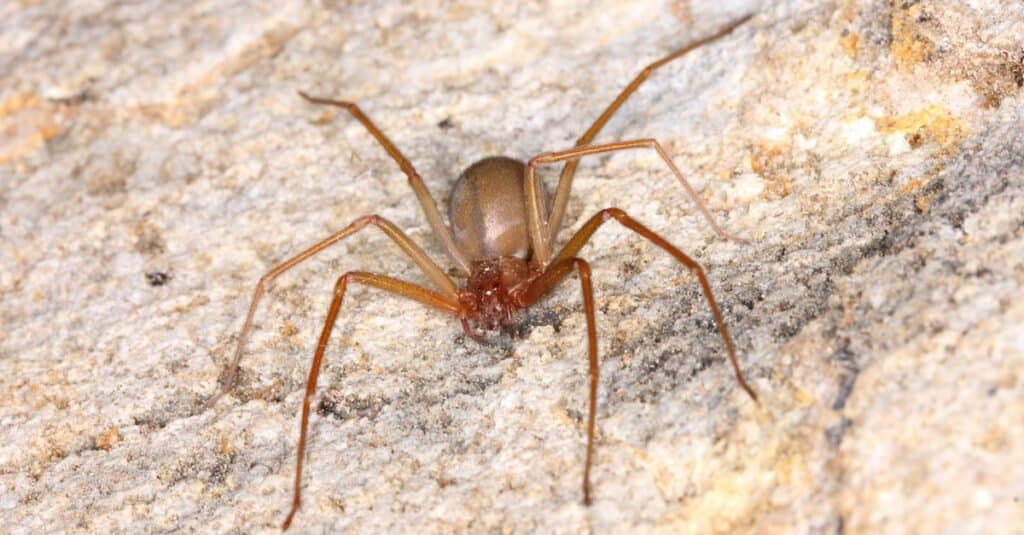
The brown recluse’s venom destroys the walls of blood vessels near the site of the bite, sometimes causing a large skin ulcer.
©Pong Wira/Shutterstock.com
You’ll most likely encounter a brown recluse in dry, secluded spaces, which is where they like to build their irregular-shaped webs. Common areas include woodpiles, sheds, closets, garages, and cellars. At night, they leave their webs to hunt, which is a rare trait among web-weaving spiders.
Pantropical Huntsman Spider
Also known as giant crab spiders due to their size and appearance, pantropical huntsman spiders (Heteropoda venatoria) are the largest spiders in Florida. Females typically measure between 3 to 5 inches long, but especially large specimens can reach nearly 6 inches in length. Their bodies typically appear grey or brown but often carry black, white, or red markings on the abdomen.
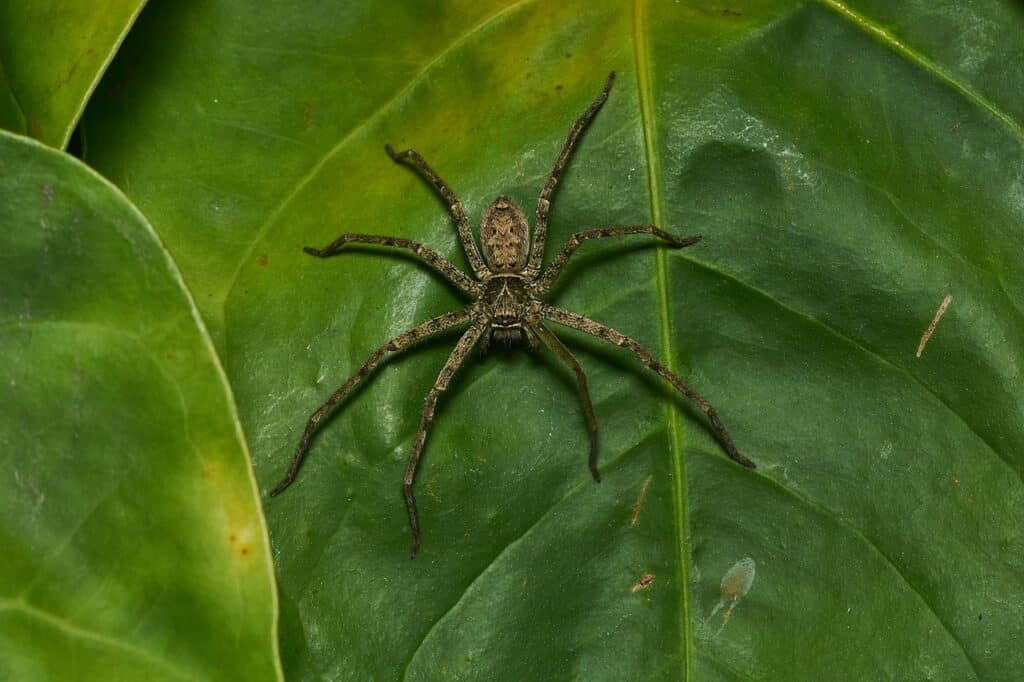
Pantropical huntsman spiders can measure nearly 12 centimeters long with their legs extended
©Jee & Rani Nature Photography / CC BY-SA 4.0 – Original / License
Unlike many other spiders, huntsman spiders do not spin webs. Instead, they hunt and scavenge for food and rely on their speed and agility to run down and catch their prey. They will prey on not only insects but also small vertebrates, including lizards.
Originally from Asia, huntsman spiders are considered an invasive species in Florida. Thanks to Florida’s hospitable, warm, wet weather, these giant spiders have found a new home in the Sunshine State. Thankfully, their bite isn’t fatal to humans, although it can cause nausea and headaches.