




Quick Take
- This breed's friendliest trait hides its most destructive tendency, and that hidden tendency could cost you more than just a chewed-up couch. See the pros and cons →
- There's a specific grooming method for this breed that most owners have never heard of, and most owners who skip it are doing it wrong. Explore hand stripping →
- One of history's most glamorous couples owned a Wirehaired Pointing Griffon, which makes for a connection more surprising than you'd expect. Meet the famous owner →
- This dog carries a common eye condition that affects its entire sporting group, one that most new owners don't spot until it's already a problem. See the eye condition →
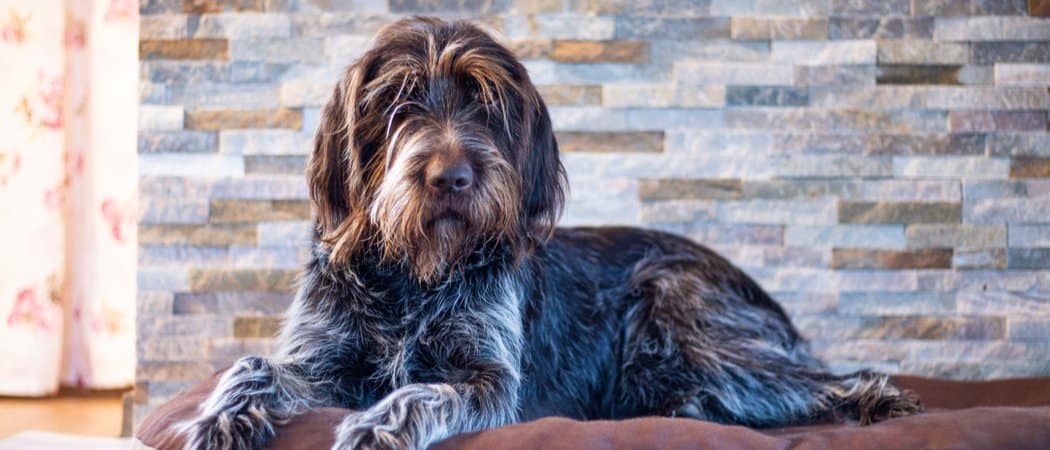
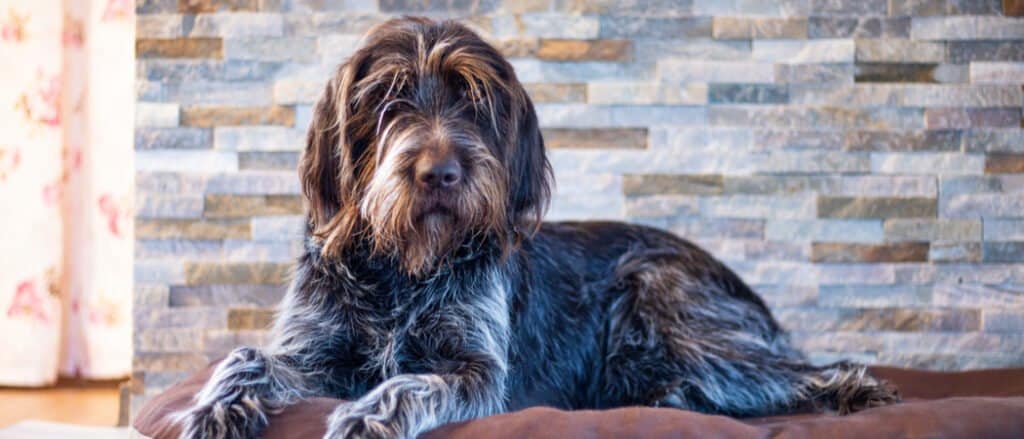
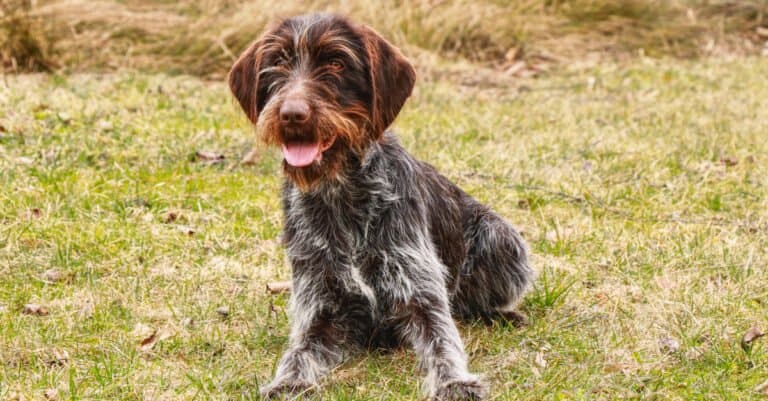
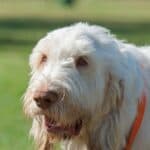
The Wirehaired Pointing Griffon is friendly, intelligent, and devoted to its owner. It’s sometimes called a gun dog because it was bred to retrieve ducks, pheasants, and other game, either on land or in the water. This dog belongs to the sporting group.
These canines are ideal family dogs and get along well with children. They have a lot of energy and love to play outside.

History Of The Breed
The history of the wirehaired pointing griffon dates back to the Netherlands in the late 1800s, when a Dutch sportsman and avid hunter, named Eduard Karel Korthals, wanted to create what he thought to be the ultimate walking hunter’s gun dog. The wirehaired pointing griffon was also referred to as the Korthals griffon and is still referred to as both in many parts of the world. This breed was developed specifically to be a hardy, close-working, all-terrain hunting dog for the marshes of the Netherlands.
The Types Of Griffons
While the wirehaired pointing griffon may be its own breed, this dog belongs to a larger grouping of dogs known as the Griffon, which has 3 different types of dogs in the line. They were all originally bred to be hunting dogs and are recognized by a rough or wire-haired coat. The following types of breeds are:
- Griffon Vendéens
- Wirehaired Pointers
- Smousje or Belgian Companion Dog
3 Pros And Cons Of Owning A Wirehaired Pointing Griffon
| Pros | Cons |
|---|---|
| A friendly temperament: This dog is friendly and likes to stay around its family. | Regular grooming needed: These dogs are not hypoallergenic and need a regular grooming routine |
| A good watchdog: These dogs are alert and will let the family know when someone is at the door. | Wary of strangers: Some Wirehaired Pointing Griffons can be wary of strangers. |
| An active companion: This dog is an excellent choice for a family that loves to spend time outdoors. | Separation anxiety: This social dog doesn’t like to be left alone for hours at a time. Its separation anxiety may cause it to chew or destroy household items. |
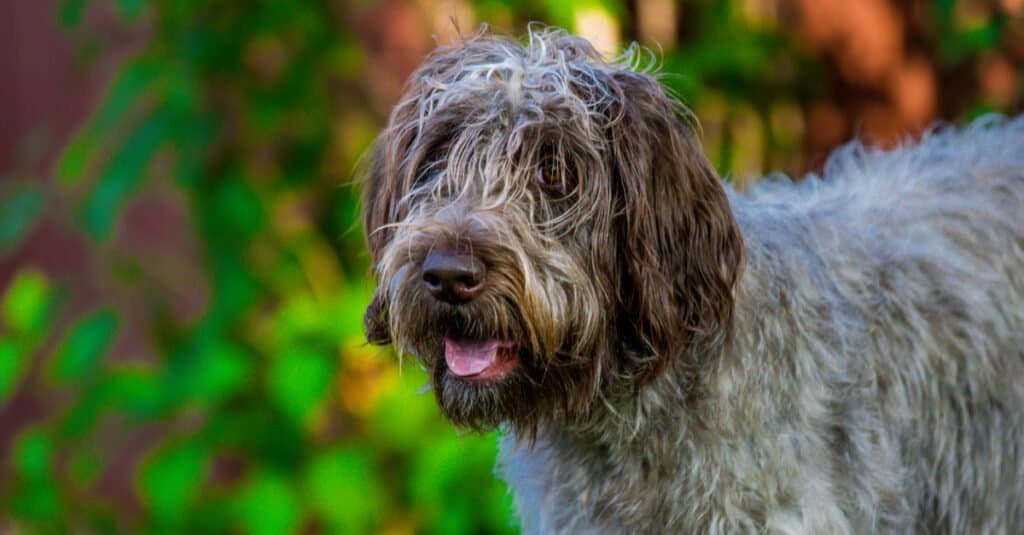
The Wirehaired Pointing Griffon is friendly, devoted, and intelligent.
©iStock.com/PharmShot
Size And Weight
A male Wirehaired Pointing Griffon can be as tall as 24 inches at the shoulder, whereas a female can be 22 inches tall. Male dogs weigh up to 70 pounds while females weigh as much as 50 pounds, fully grown. At eight weeks old, a Wirehaired Pointing Griffon weighs around 10 pounds. These dogs are considered full-grown between the ages of 12-18 months.
Common Health Issues
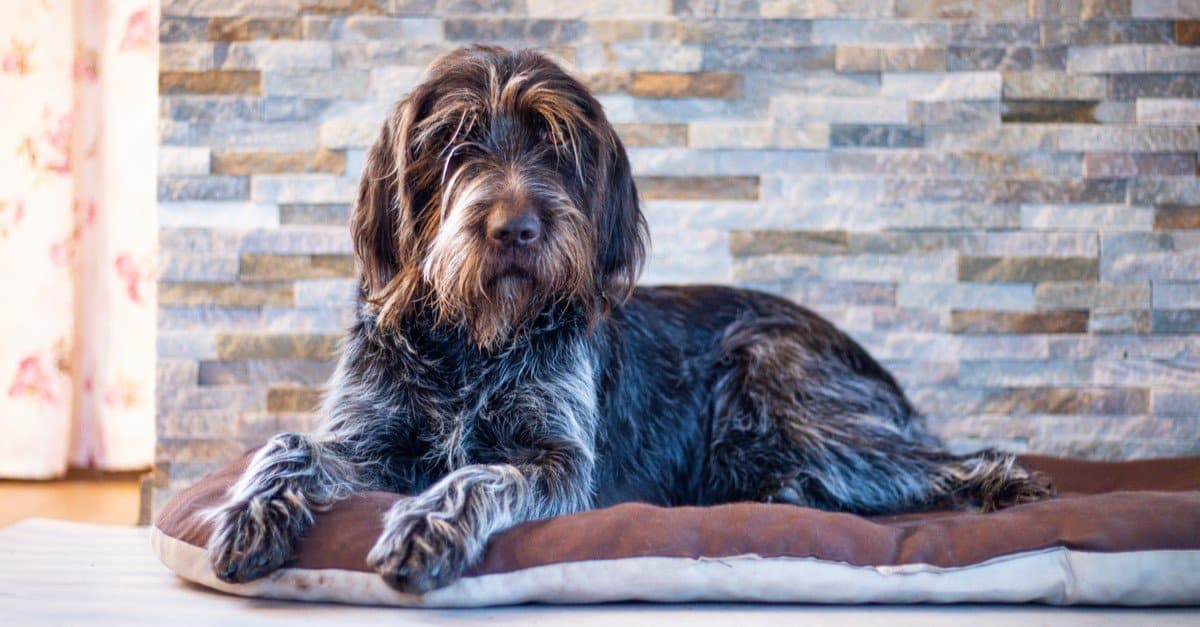
Wirehaired pointing griffons are known to get hip dysplasia.
©Vaclav Sonnek/Shutterstock.com
As with most breeds, Wirehaired Pointing Griffons have their own set of common health issues. Hip dysplasia is one of those health issues. Hip dysplasia happens when this dog’s hip joint (ball and socket) moves out of alignment. Physical therapy, weight loss, and surgery are all potential treatments. Ear infections are common in this dog. The outer or inner area of the dog’s ear becomes red and irritated. The dog may start to scratch its ears more frequently. An ear infection can be diagnosed and treated by a veterinarian.
Ectropion is a third common health issue of this breed. Ectropion occurs when a dog’s eyelid rolls outward, exposing the red tissue beneath its eye or eyes. This can be caused by malfunctioning tear ducts and can lead to eye disease. Antibiotics, a new program of hygiene, and even surgery are all potential treatments. This condition is seen in many dogs belonging to the sporting group.
Temperament And Behavior
The Wirehaired Pointing Griffon is friendly, devoted, and intelligent.
©iStock.com/PharmShot
This breed has a playful temperament. They enjoy running, jumping, and swimming with their family as well as other dogs. These canines get along well with children. When it’s out in the field on a hunting trip, this dog’s behavior is focused. It’s ready to retrieve quail, pheasants, or other game when it’s time.
How To Take Care Of The Wirehaired Pointing Griffon
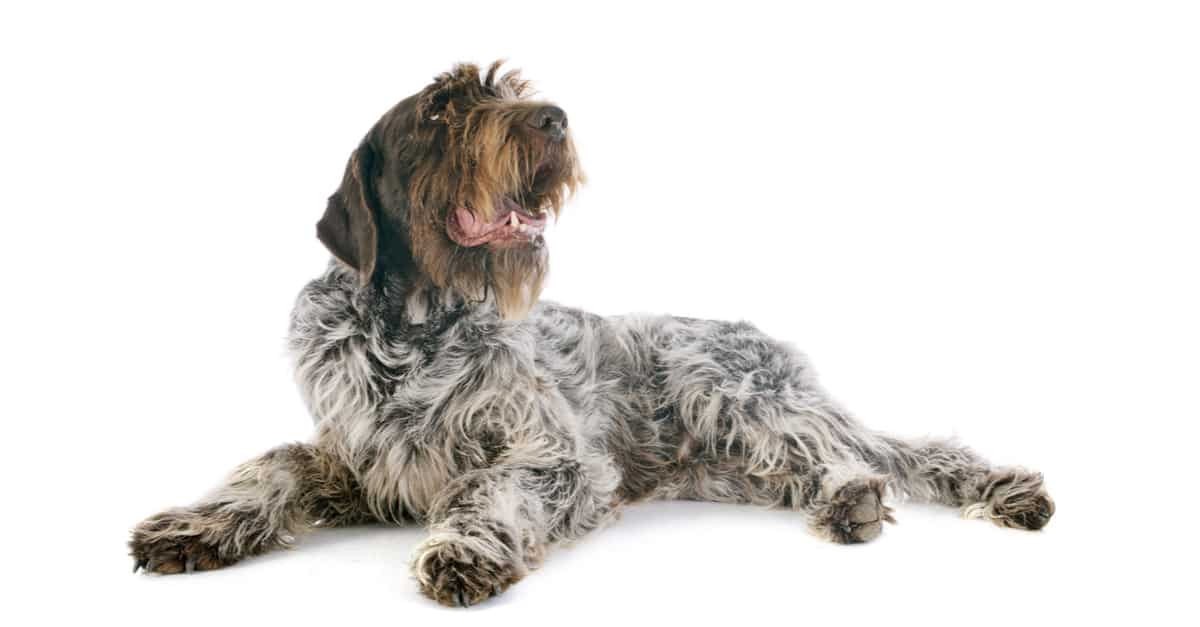
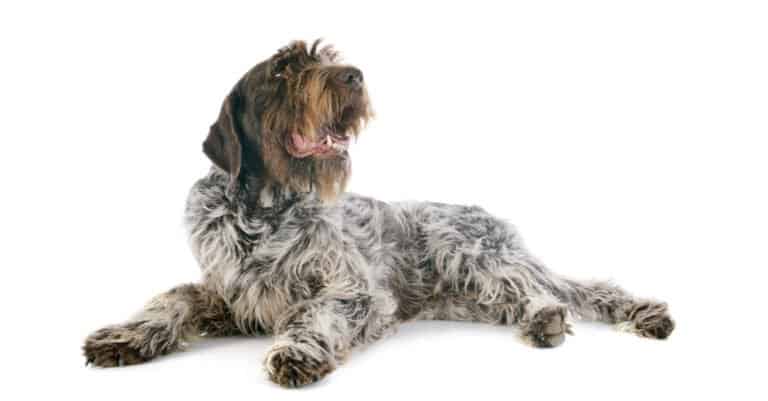
It’s always best to learn about the breed before you adopt one for your pet.
©cynoclub/Shutterstock.com
Before getting a Wirehaired Pointing Griffon as a pet, it’s smart to learn as much as possible to give it the proper care. Being aware of the specific diet, exercise, healthcare, and grooming needs of a puppy or adult dog can make all the difference in its quality of life. It may even extend their lifespan.
The Best Dog Food For Wirehaired Pointing Griffons
Not surprisingly, puppies and adult dogs need different diets to stay healthy. For all ages, find a high-quality dog food that meets your Wirehaired Pointing Griffon’s health needs.
Puppy food: Lean protein, such as chicken or fish in this puppy’s diet can help to strengthen its growing muscles, joints, tissue, and cartilage. Protein is particularly important for a breed prone to hip dysplasia. Fat in the diet of a puppy gives it the energy it needs to explore. Omega-3 fatty acids in its diet help with healthy brain and eye development in this intelligent canine. Calcium is necessary for a growing puppy’s strong bones and teeth. Vitamin C provides antioxidants that can help a puppy fight off illness.
Adult dog food: A diet of lean protein is beneficial to an adult dog as well. Protein nourishes joints, muscles, and tissue. A limited amount of fat is recommended for this dog, so it has the energy it requires each day while avoiding extra pounds. Vitamin A is important for the eye health of this breed. Vitamin E supports the healthy metabolism of an adult dog. Omega-3 fatty acids contribute to a dog’s healthy coat and skin. Fiber supports proper digestion.
Maintenance And Grooming
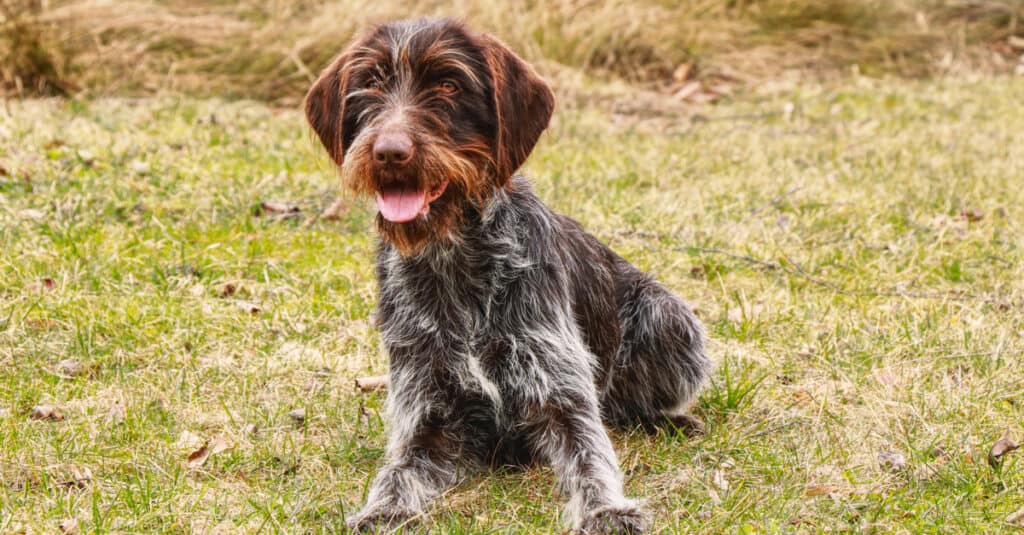
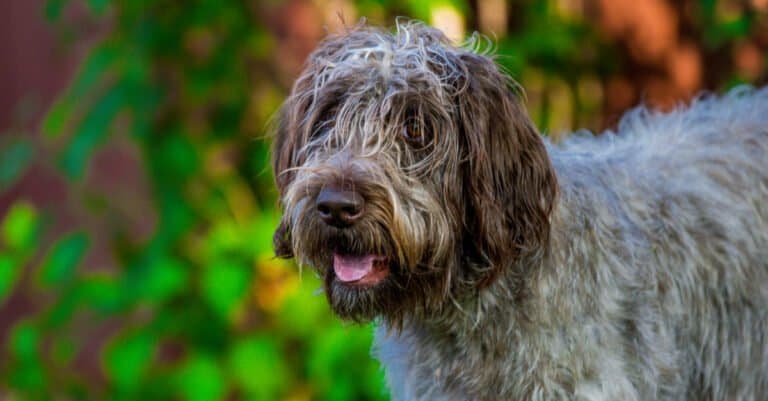
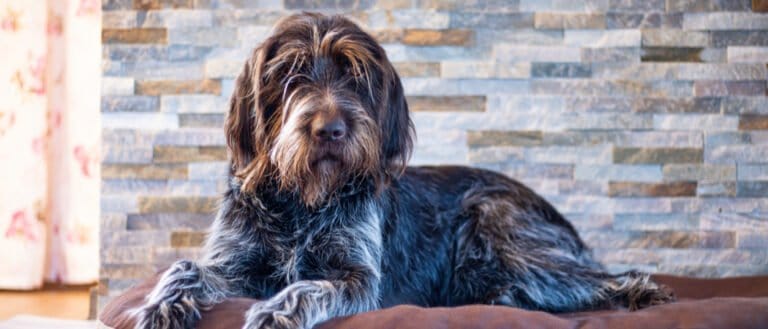
Wirehaired Pointing Griffons are not hypoallergenic, but they do not shed much.
©Vaclav Sonnek/Shutterstock.com
How much does this breed shed? Though this dog is not hypoallergenic, it only sheds a small amount of hair. However, it does need regular grooming to maintain the health and appearance of its double coat. It’s a good idea to brush it at least once a week. A slicker brush is helpful in removing dirt, loose hair, and tangles from its wiry fur.
A method of grooming called hand stripping is also recommended for this dog. This method removes a large amount of loose hair in an efficient way.
Since this breed is prone to ear infections, inspecting its ears should be a part of its grooming routine. Look for excessive wax, redness, or odor. These things can indicate an ear infection. Cleaning their ears with a gentle solution designed for a canine’s ears is another step an owner can take to prevent ear infections.
Training
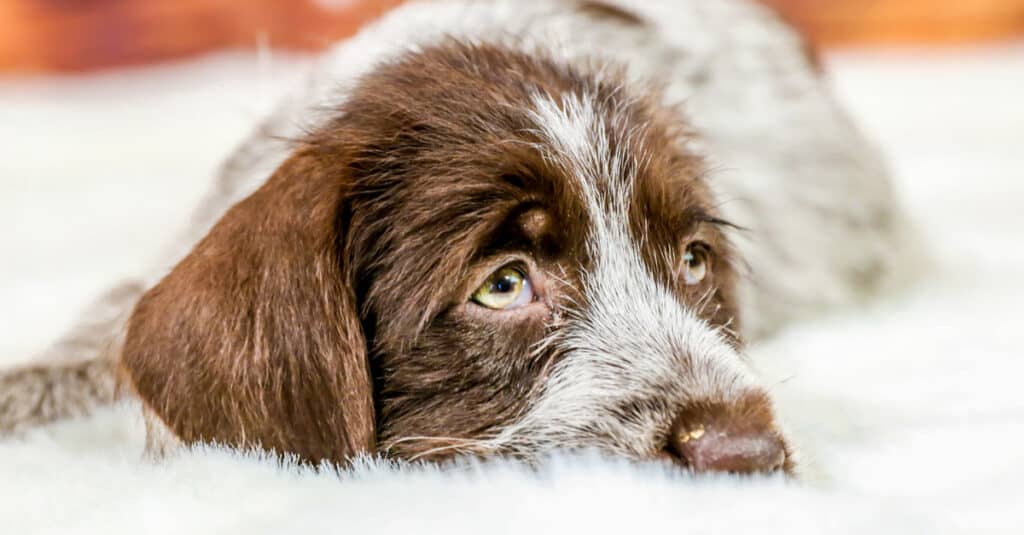
An 8-month-old Wirehaired Pointing Griffon is easy to train, especially if you start when they are young.
©PharmShot/Shutterstock.com
One of the best qualities of this hunting dog is that it is easily trainable. They are alert and intelligent, which makes obedience training relatively easy.
Exercise
This breed is energetic. They need around 60 minutes of exercise each day to maintain their health. Running and playing at a dog park is a great way to give this pet exercise. Walking trails in the woods, running in a meadow, or swimming in a pond are other ways to provide this dog with adequate exercise.
This breed isn’t a good choice for someone who lives in an apartment. They need lots of space to move around.
Puppies
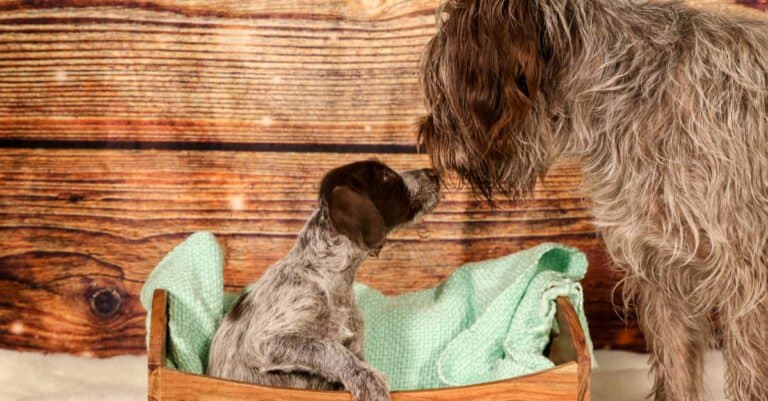
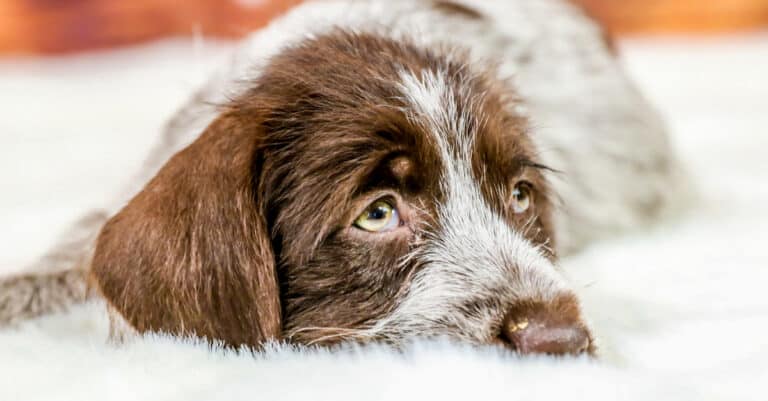
Wirehaired Pointing Griffon puppies need a lot of space to run. They should have access to a large yard where they will be able to explore without an owner worrying about their safety. These puppies are a very trainable breed and will want nothing more than to please their humans and spend as much time as they can with them.
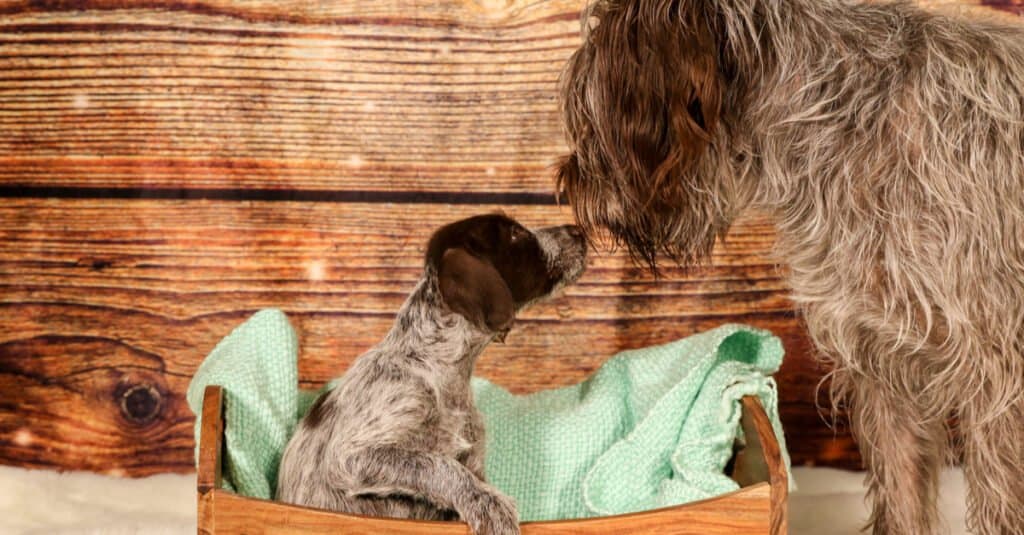
Wirehaired Pointing Griffons need a lot of space to run.
©PharmShot/Shutterstock.com
Wirehaired Pointing Griffon And Children
Socialized Wirehaired Pointing Griffons are good with kids. Even as adult dogs, they still have a playful nature and are up for a game of chase or fetch with younger family members.
Dogs Similar To The Wirehaired Pointing Griffon
Other canines that resemble this breed include German Wirehaired Pointers, Chesapeake Bay Retrievers, and the Brittany.
- German Wirehaired Pointer: This hunting dog shares the same easygoing, friendly temperament, although the German Wirehaired Pointer has a shorter, flatter coat.
- Chesapeake Bay Retriever: This smart canine has the same playful temperament, and they are both considered gun dogs, although the Chesapeake Bay Retriever sheds more.
- Brittany– Both of these breeds are alert with pleasant temperaments, but the Brittany is shorter and weighs less.
Famous Wirehaired Pointing Griffons
One claim to fame of this breed is that a Wirehaired Pointing Griffon named Odin was owned by Prince Rainier III of Monaco, husband of the famous actress Grace Kelly.
Wirehaired Pointing Griffon Pictures
View all of our Wirehaired Pointing Griffon pictures in the gallery.

PharmShot/Shutterstock.com
Sources
- American Kennel Club / Accessed August 2, 2021
- BondVet / Accessed August 2, 2021
- VetStreet / Accessed August 2, 2021
- American Kennel Club / Accessed August 2, 2021
- Wikipedia / Accessed August 2, 2021