
Quick Take
- One Missouri sanctuary keeps its wetlands flooded using an unexpected water source that has nothing to do with rivers or rain. See the wastewater wetlands →
- A bird once on the brink of extinction now winters in massive numbers at a single Missouri spot, yet most birders have never heard of it. Discover the trumpeter swan haven →
- One prairie site was spared the plow for a reason that had nothing to do with conservation, and that accident is what made it a National Natural Landmark. Explore the never-plowed prairie →
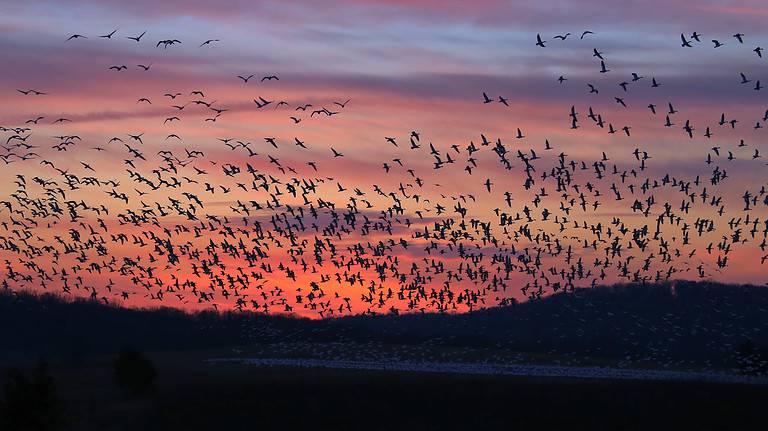
- Missouri's skies carry millions of birds in a single night during peak season, though you have to know which spots actually sit in their path. Find peak migration flyway spots →
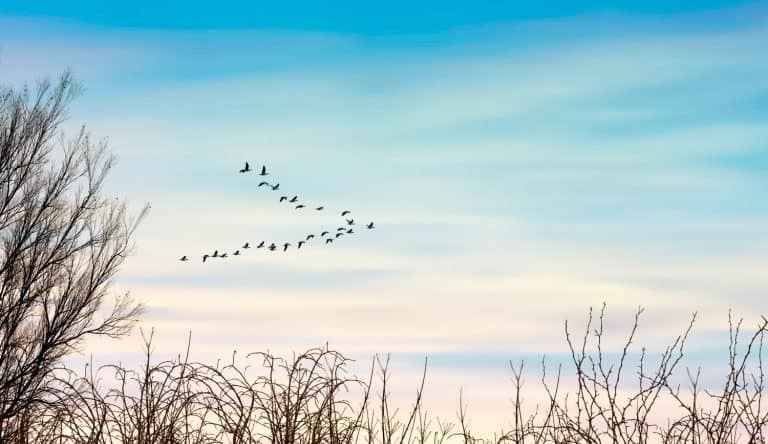
There are more than 150 species of birds that regularly nest and breed in Missouri, out of the 330 to 350 species observed in the state annually. As part of the Mississippi Flyway, Missouri serves as a vital crossroads for bird migration, offering diverse habitats ranging from wetlands and open plains to dense woodlands. During peak spring and fall migration, Missouri experiences waves of nocturnal flight traffic, consisting of millions of birds. Continue reading to learn about some of the best birdwatching spots in Missouri.
Loess Bluffs National Wildlife Refuge
Loess Bluffs National Wildlife Refuge, in the northwest part of the state, is a 7,350-acre refuge that was constructed in 1935 as a resting, feeding, and nesting area for migrating birds and other animals. Birdwatchers flock to Loess Bluffs for its dense populations of bald eagles, snow geese, and other waterfowl.
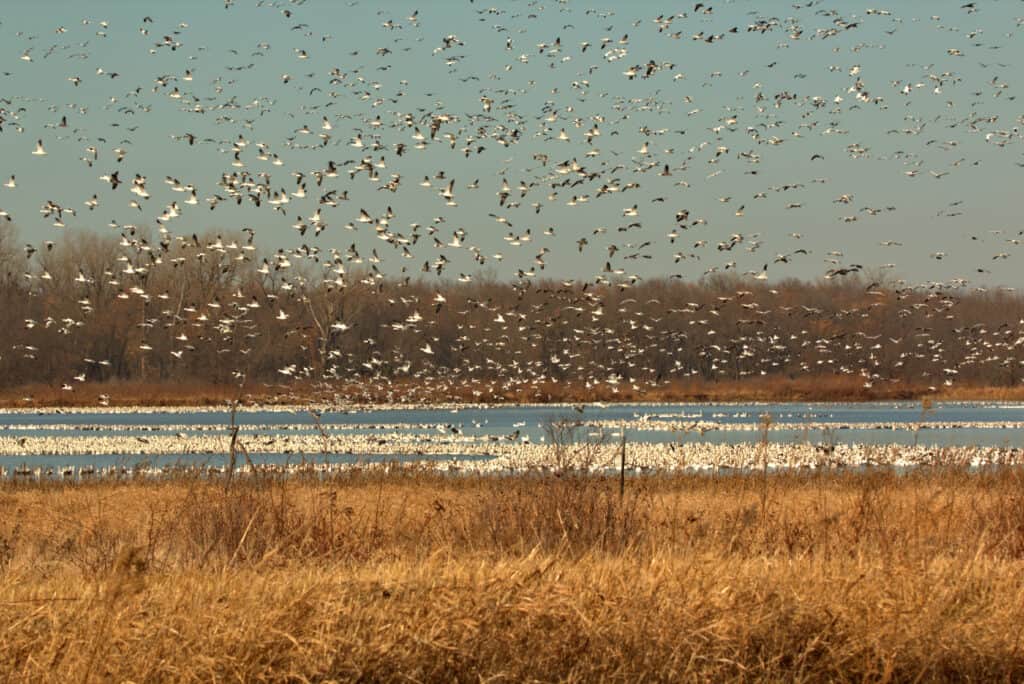
Loess Bluffs National Wildlife Refuge is an excellent place to view migrating snow geese.
©ron99/Shutterstock.com
A key resting place for waterfowl, the refuge attracts more than 500,000 birds in the autumn and fewer, but still impressive numbers, in the spring. The sanctuary lies within the Mississippi Flyway. Approximately 309 species of birds visit Loess Bluffs National Wildlife Refuge annually.
Swan Lake National Wildlife Refuge
Located in north-central Missouri, Swan Lake National Wildlife Refuge is an Important Bird Area (IBA) with approximately 260 total recorded bird species. IBA is an official designation created and managed globally by BirdLife International and administered in the United States by the National Audubon Society to identify, monitor, and conserve essential habitats for breeding, wintering, and migrating bird populations. Birdwatching highlights include wading birds like great blue herons and great egrets, alongside diverse shorebirds foraging in refuge pools.
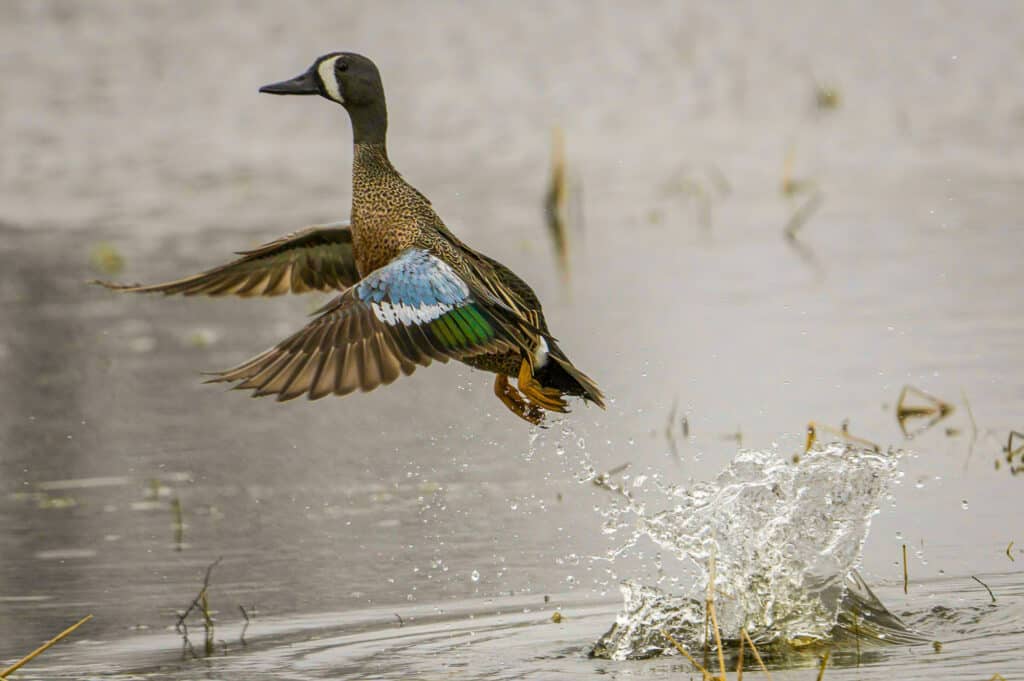
Swan Lake hosts thousands of migrating birds.
©iStock.com/Brian Reinke
Eagle Bluffs Conservation Area
Located near Columbia, the Eagle Bluffs Conservation Area encompasses approximately 4,431 acres of restored wetlands. It serves as a major haven for over 260 bird species, including nesting bald eagles, migrating waterfowl such as mallards and Canada geese, and seasonal shorebirds including herons, egrets, pelicans, and terns.
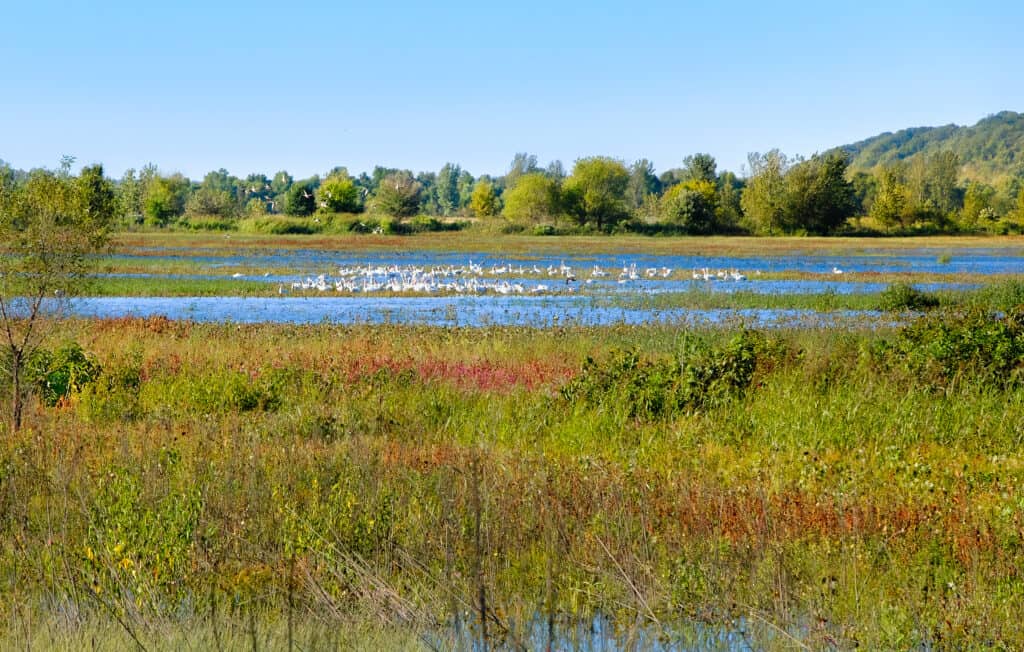
A flock of migrating American White Pelicans is shown resting in one of the shallow, managed wetland pools at Eagle Bluffs Conservation Area.
©LanaG/Shutterstock.com
Instead of relying on water from the Missouri River, the area uses a state-of-the-art cooperative pipeline that recycles treated wastewater from the City of Columbia. The treated water travels through a network of levees and water control structures to keep Eagle Bluffs’ shallow pools continuously flooded.
Riverlands Migratory Bird Sanctuary
The Riverlands Migratory Bird Sanctuary spans 3,700 acres north of St. Louis near the confluence of the Mississippi and Missouri rivers. Over 300 bird species visit this Mississippi Flyway spot, including wintering American bald eagles and trumpeter swans, migrating warblers and shorebirds, and resident great blue herons, pelicans, and Eurasian tree sparrows.
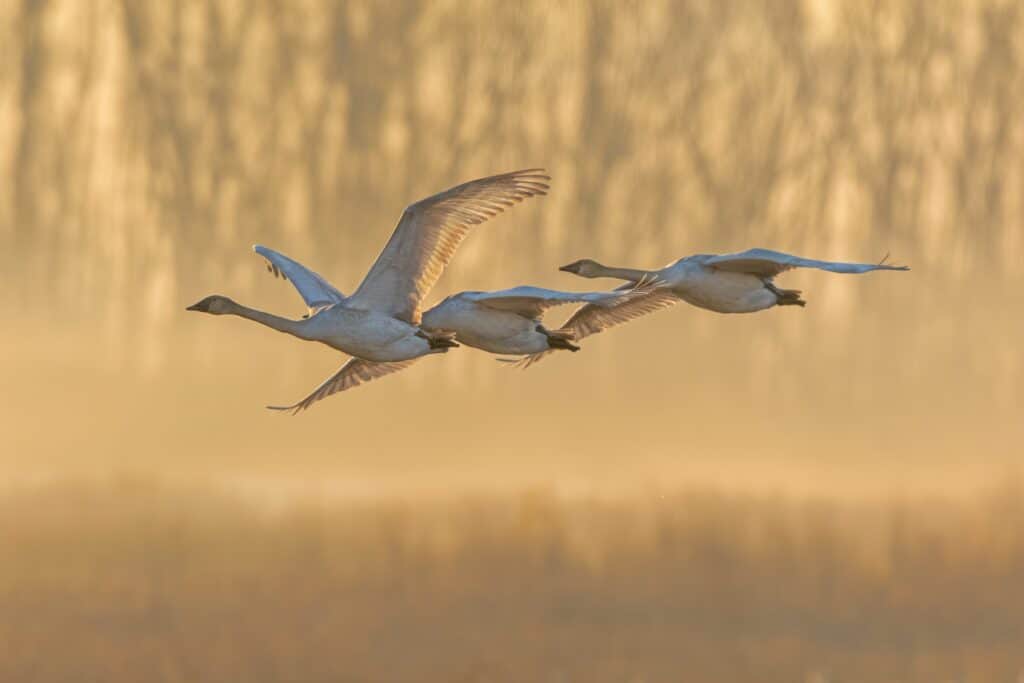
Trumpeter Swans Are Found At The Riverlands Migratory Sanctuary
©Danita Delimont/Shutterstock.com
The Riverlands Migratory Bird Sanctuary hosts one of the largest wintering concentrations of trumpeter swans in the interior United States. Once nearly extinct, hundreds of these magnificent birds now travel from the upper Midwest each winter to the sanctuary.
August A. Busch Memorial Conservation Area
The August A. Busch Memorial Conservation Area spans 6,987 acres west of St. Louis. The area consists of lakes, wetlands, and forests, where more than 230 bird species are found. The area provides habitats for American woodcocks, indigo buntings, and all sorts of warblers.
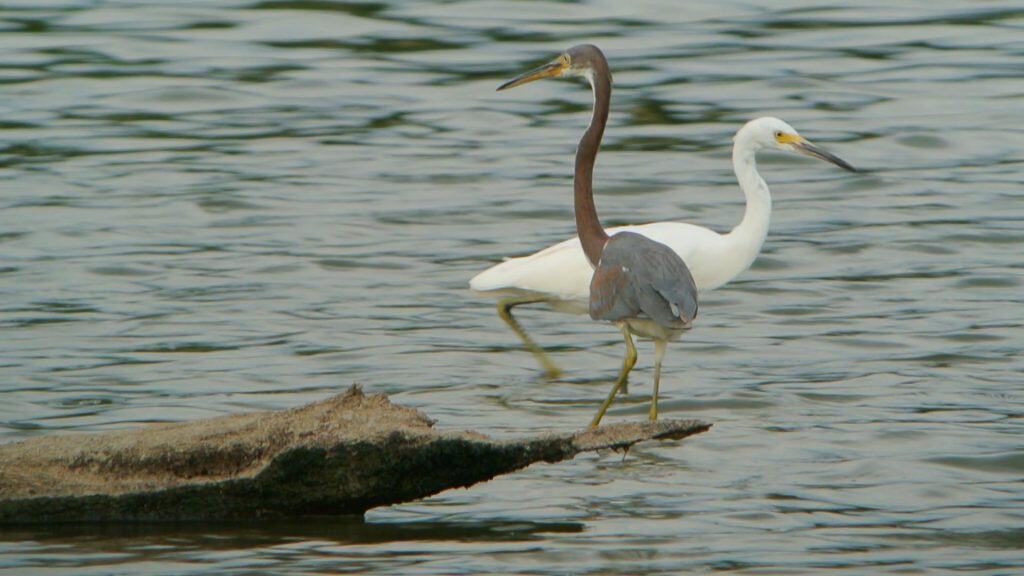
A tricolored heron and a snowy egret strike a pose at the August A. Busch Memorial Conservation Area.
Barred owls, Eastern whip-poor-wills, and chuck-will’s-widows can be heard in the evening. Wading birds such as yellow-crowned night-herons, ospreys, and large, cooperative flocks of migrating American White Pelicans make use of the area’s wetlands.
Schell-Osage Conservation Area
The 8,600 acres that make up this great birding hotspot in West-Central Missouri are designated as a conservation reserve. Its abundance of productive habitats makes it an ideal location for both birds and birdwatchers to observe and enjoy a variety of species. Lakes, ponds, farms, fields, woodlands, tallgrass grasslands, and other natural features abound in the region.
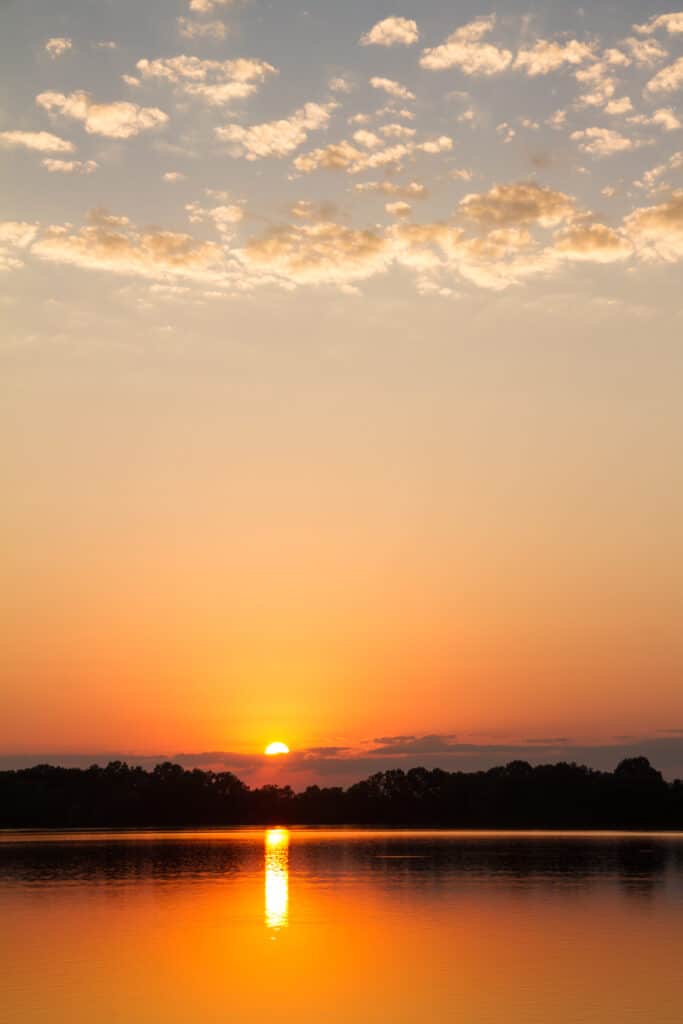
The Schell-Osage area has recorded more than 270 birds across 8,600 acres
©TommyBrison/Shutterstock.com
More than 270 species of birds, including shorebirds and songbirds, can be viewed in the area. Some of the most commonly spotted birds at the Schell-Osage Conservation Area are the Canada goose, prothonotary warbler, and bald eagle.
Taberville Prairie Conservation Area
Taberville Prairie Conservation Area’s 1,680 acres represent a small percentage of the grassland ecosystem that once encompassed approximately one-third of Missouri.
With less than 0.5% of Missouri’s original grasslands remaining, many native species are vanishing. Management at Taberville Prairie focuses on protecting critical nesting and breeding habitats for declining birds, including bobwhite quail, greater prairie-chickens, upland sandpipers, and Henslow’s sparrows.
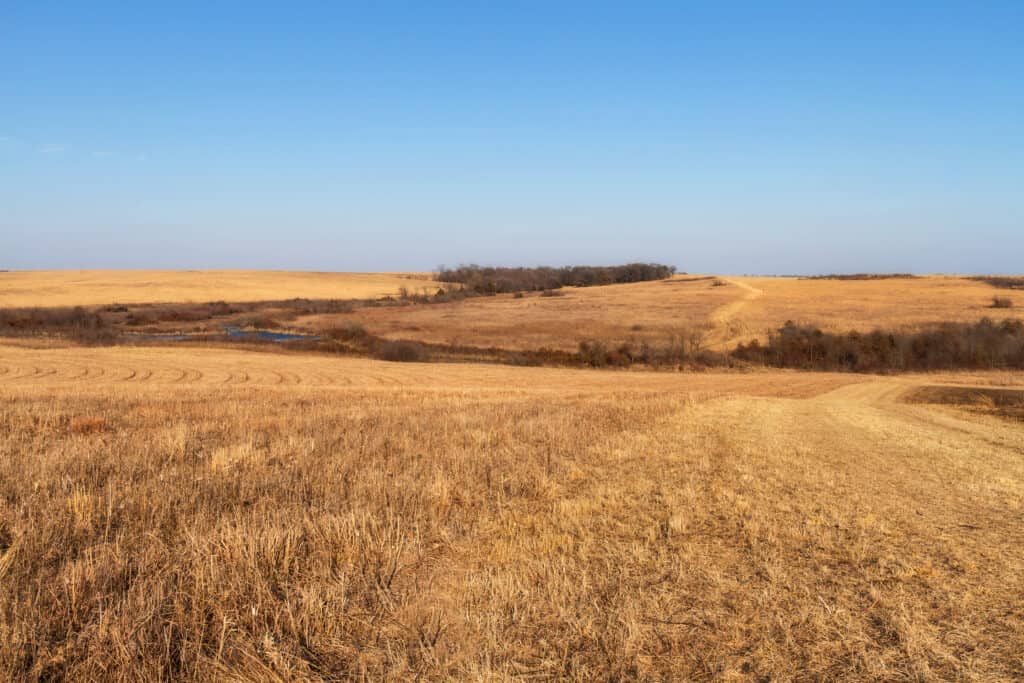
The Taberville Grassland provides habitat for sandpipers and sparrows.
©TommyBrison/Shutterstock.com
The Taberville Prairie Conservation Area is a designated National Natural Landmark because it has never been plowed. The presence of heavy sandstone and shale outcrops made the ground too rocky for plowing, preserving its untouched, original tallgrass prairie.
Mingo National Wildlife Refuge
The Mingo National Wildlife Refuge encompasses approximately 21,592 acres in Southeastern Missouri. Established to protect bottomland hardwood forests and cypress-tupelo swamps, it serves as a crucial stop along the Mississippi Flyway, providing habitat for over 250 bird species, including migratory waterfowl such as mallards and snow geese, bald eagles, and prothonotary warblers.
The rare Purple Gallinule has been spotted at the Mingo National Refuge
©Brandon B/Shutterstock.com
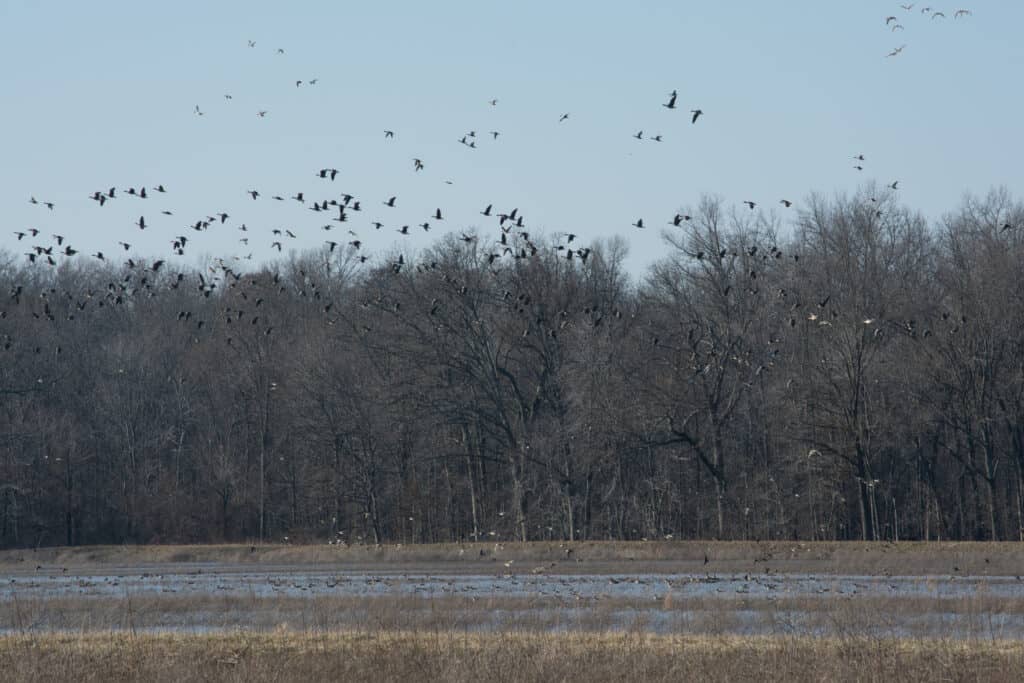
Because of its marshes and cypress swamps, the Mingo National Wildlife Refuge is a resting stop along the Mississippi Flyway. During peak migration seasons, it is common to see hundreds of thousands of migratory waterfowl packed into the waters.
Mark Twain National Forest
The Mark Twain National Forest spans 1.5 million acres in the Ozark Highlands. The forest provides habitat for over 300 bird species, including roadrunners, painted buntings, wood ducks, wild turkeys, warblers, and various migratory songbirds.
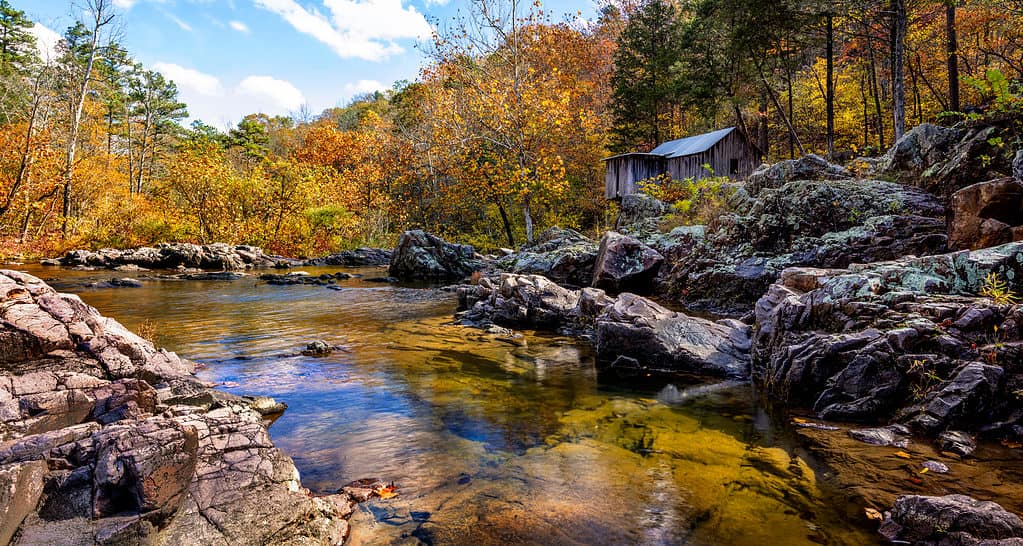
Mark Twain National Forest was established in 1939 to save Missouri’s natural resources.
©Randy Kostichka/Shutterstock.com
Clarence Cannon National Wildlife Refuge
The Clarence Cannon National Wildlife Refuge is a 3,750-acre protected wetland in Eastern Missouri, situated in the Mississippi River floodplain. The refuge is a vital stopover along the Mississippi Flyway due to its diverse marshes and bottomland habitats, which support nearly 300 bird species, including large numbers of migrating waterfowl, wading birds such as herons, shorebirds, and various hawks and eagles.
The Clarence Cannon National Wildlife Refuge has been on a continuous, multi-decade journey to actively rebuild its ecosystem since a major flood in 1993. The flood transformed how the sanctuary manages its wetlands and led to the restoration of its lost bottomland forests.
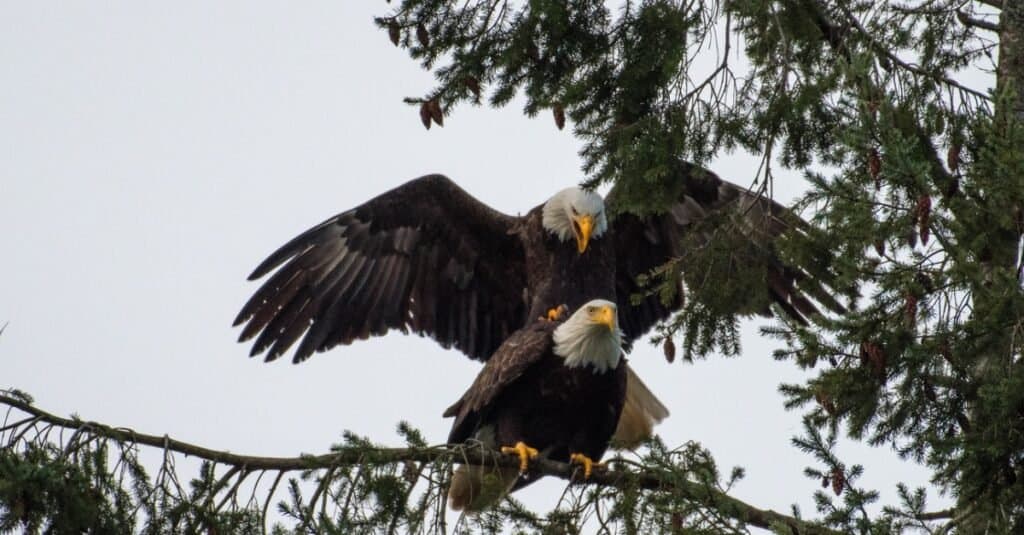
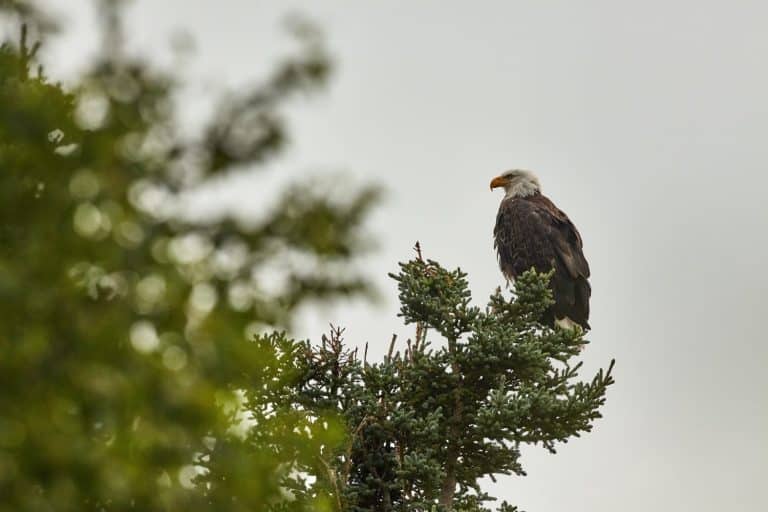
Clarence Cannon National Refuge has resident bald eagles.
©iStock.com/Binkmann