
Quick Take
- In urban areas, hedgehogs are swapping leaves for litter and weaving plastic bags, duct tape, and foam into their winter shelters. See the nest findings →
- Urban hedgehogs may benefit from using trash in their nest, but will it harm them? Explore the tradeoffs →
- What hedgehogs are doing in urban neighborhoods raises an uncomfortable question about how other mammals may be quietly adapting to our waste. See the broader implications →
- There's a specific type of litter in your yard that poses a hidden danger to hedgehogs, and it's probably not what you'd guess. Discover the hidden danger →
Scientists have long known that birds use our trash to build their nests. Researchers have found bird nests that incorporate everything from candy wrappers to cigarette butts. Although this displays the adaptability and resourcefulness of birds, there are plenty of downsides to using human trash in a nest. For example, birds can get entwined in plastic debris, and much of our waste contains toxic chemicals that may harm them. Now, scientists have uncovered that mammals may be engaging in the same behaviors. A recently published research study found plastic bags and foil wrappers inside hedgehog hibernation nests. Beyond just hedgehogs, this study raises many questions about how wildlife is adapting to urban sprawl.
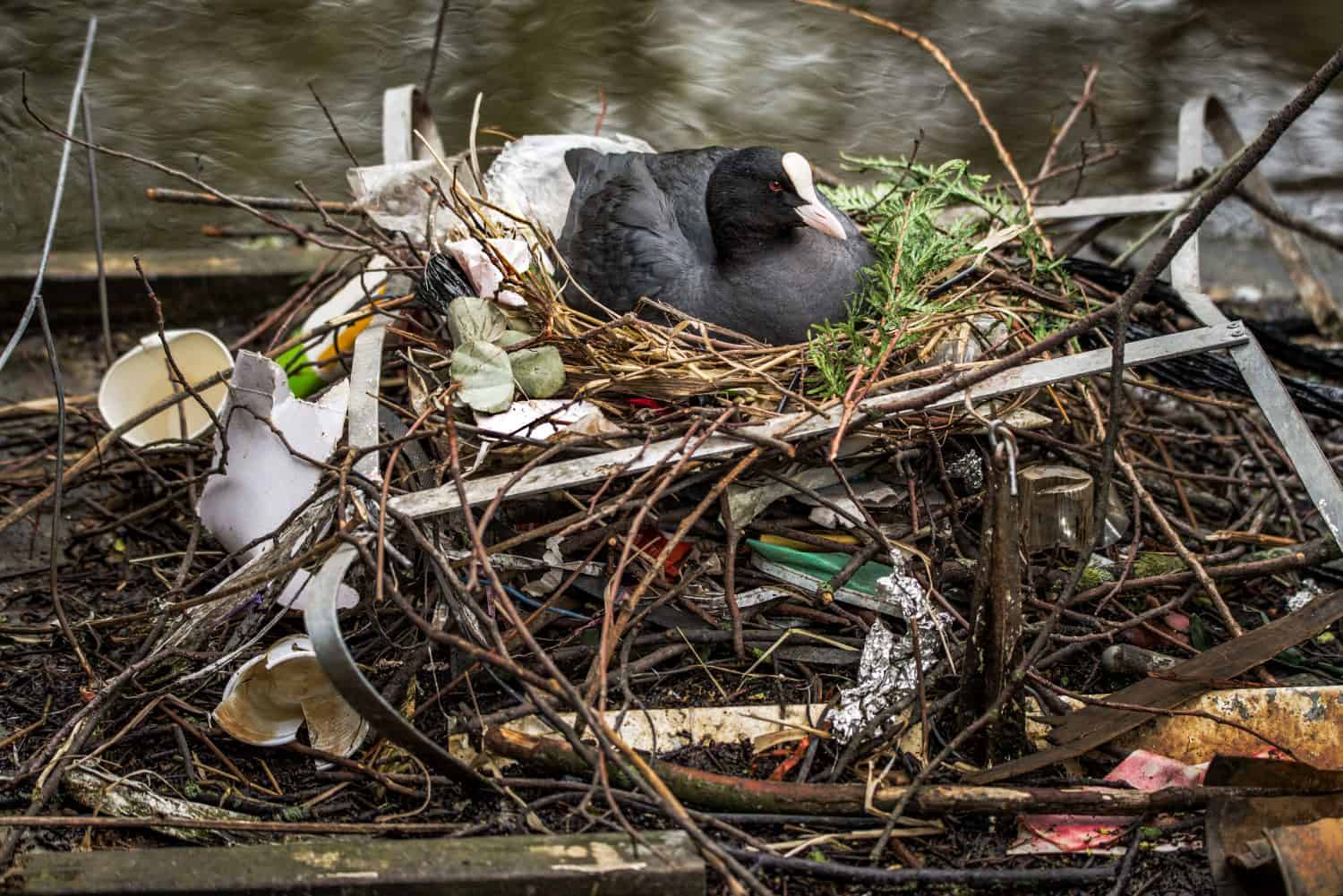
This Eurasian coot has built a nest using trash and plastic waste.
©Photography by Adri/Shutterstock.com
Researchers Found Something Strange Inside Hedgehog Hibernation Nests
The study, published in the journal Ecology and Evolution in January 2026 and led by Katie Crawford, investigated four nests of European hedgehogs (Erinaceus europaeus). In two of the four nests, the scientists found human-made materials, including foil, plastic, and polystyrene.
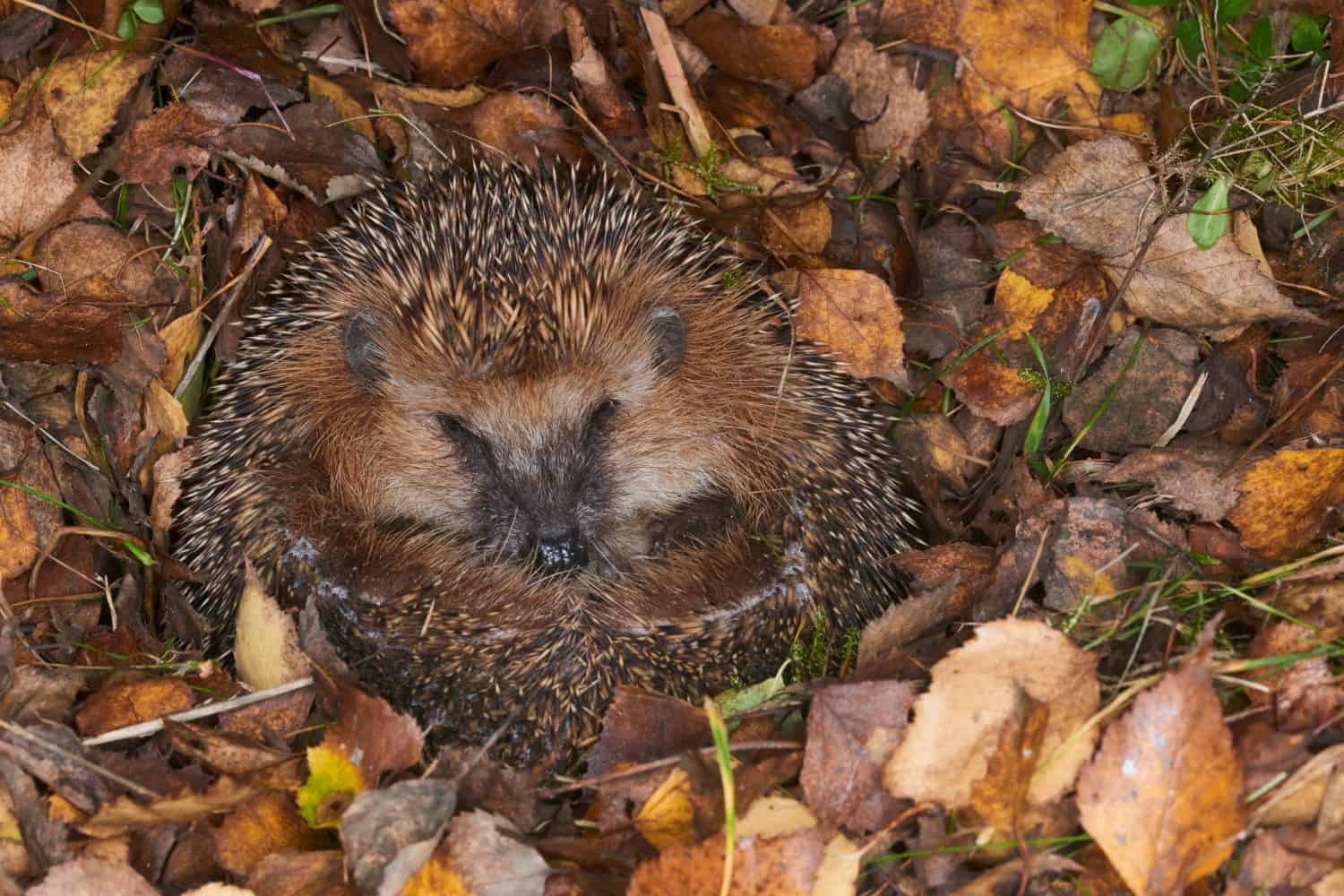
Hedgehogs hibernate during the winter. To survive the cold, these nocturnal mammals build sturdy nests inside shelters such as old rabbit burrows or under hedges. Typically, they construct messy-looking, but sturdy, insulated nests from natural materials, including leaves, twigs, and other vegetation.
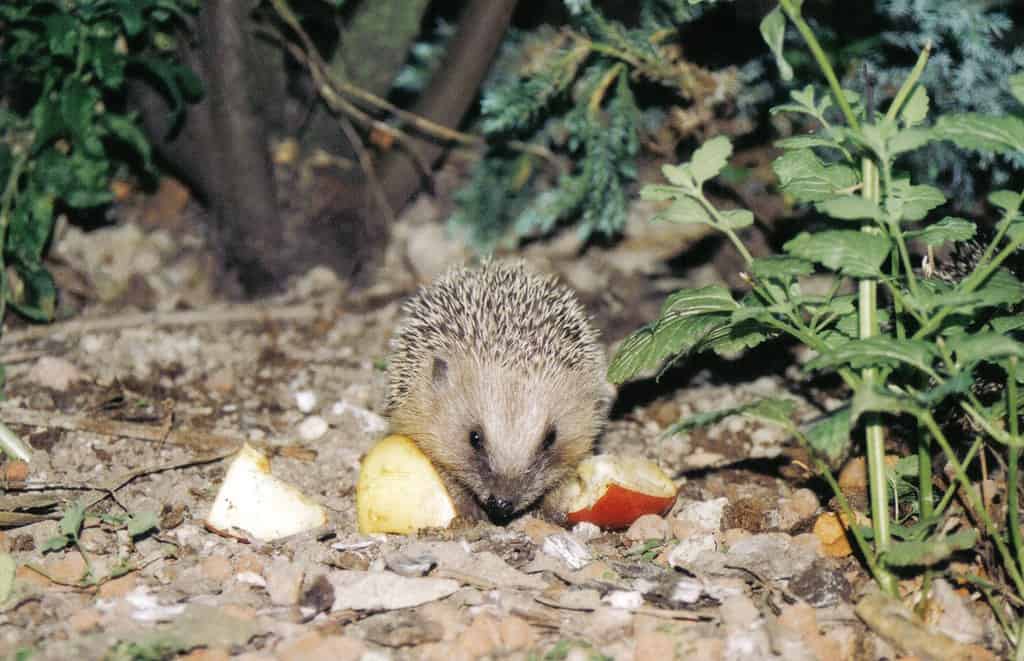
Hedgehogs are native to Europe, Asia, and Africa.
Of the four hibernation nests in the study, the one in the most urban location contained a variety of human materials, including a plastic bag, duct tape, and several pieces of plastic. The hedgehog had built its nest underneath an old, unused car. Even though there were plenty of leaves nearby, the hedgehog did not use them in its construction.
Researchers inspected a second nest that was found in a suburban yard littered with debris, and the nest was surrounded by rope and plastic. The hedgehog had constructed its nest using both litter and natural materials. Items such as foil wrap and expanded polystyrene were woven into dried grasses and leaves.
Hedgehogs Are Adapting to Our Waste, for Better or Worse
The authors of the study speculated that there could be a positive side to hedgehogs using whatever materials they find in their environment for nests. For one thing, habitat destruction has driven wild animals, including hedgehogs, to live in more urban areas. Hedgehogs living in residential neighborhoods or cities have less access to natural nest-building materials. By being versatile and using a variety of different items, these small mammals can create warm nests that help them survive a cold winter.
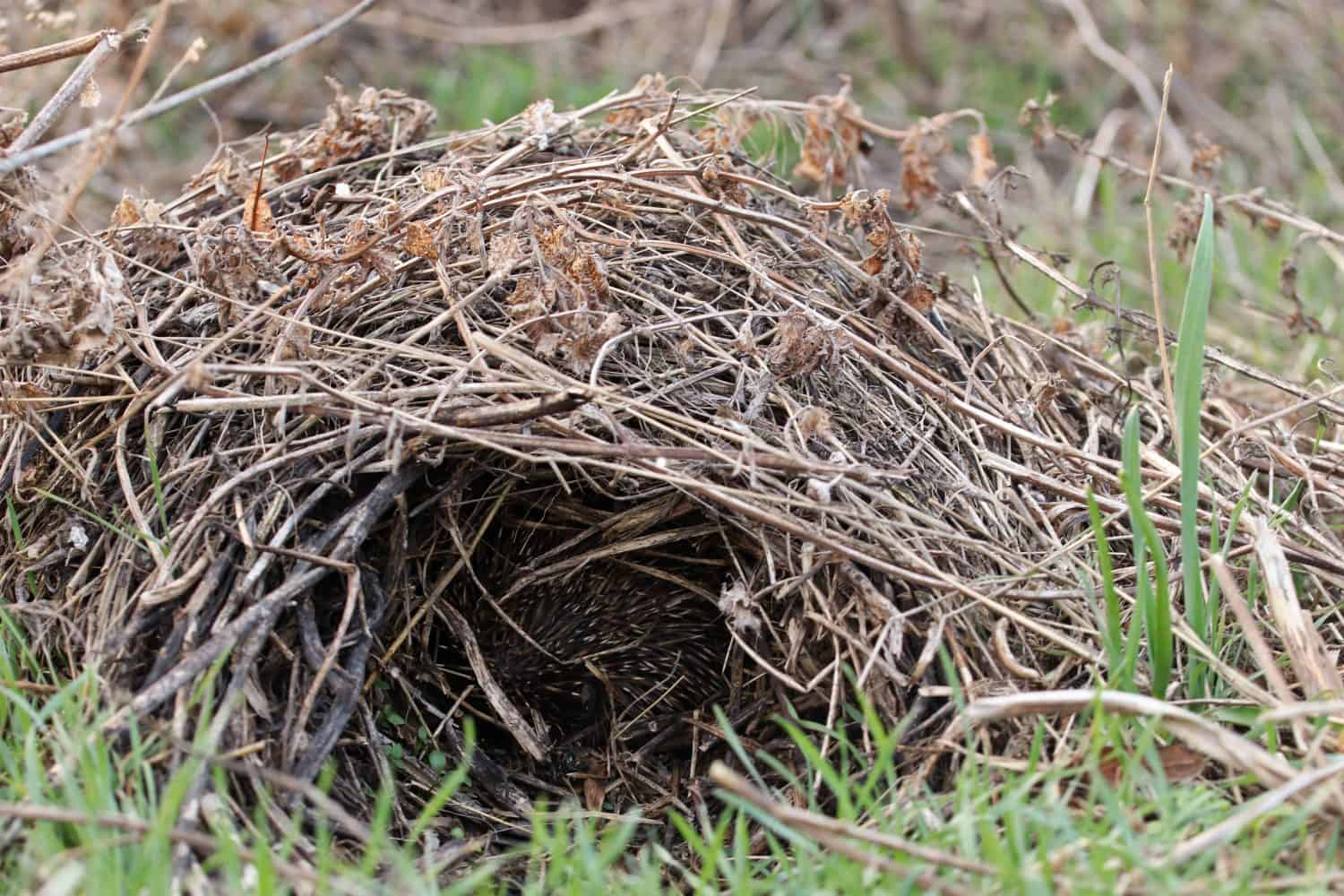
Hedgehogs typically make their winter nests out of grass and leaves.
©Oleksandr_U/Shutterstock.com
Some of the artificial materials the hedgehogs used may have been beneficial for their homes. For instance, expanded polystyrene, found in one nest, is used to insulate buildings and may have helped the hedgehog maintain warmth. The authors also pointed to other research findings where plastic used by birds increased nest stability.
Unfortunately, it’s not all good news. Studies have shown plastic in birds’ nests as a cause of bird mortality. Hedgehogs can also get trapped in plastic litter. A wildlife rescuer detailed the dangers plastic can cause to hedgehogs and other wildlife. According to the blog, “Little Silver Hedgehog, “The poor hedgehog had got tangled in the plastic netting that is used for bird fat balls. The plastic was all around it, cutting deep into its flesh.”
How Humans Can Help Urban Wildlife Without Leaving a Trail of Trash
As wildlife and human habitats further intersect, wild animals continue to adapt. The scientists call for more research to determine whether or not the litter nests cause harm to the hedgehogs. By studying hedgehog behavior in urban environments, researchers can better understand the implications of living alongside humans, not just for hedgehogs, but for other mammals as well.
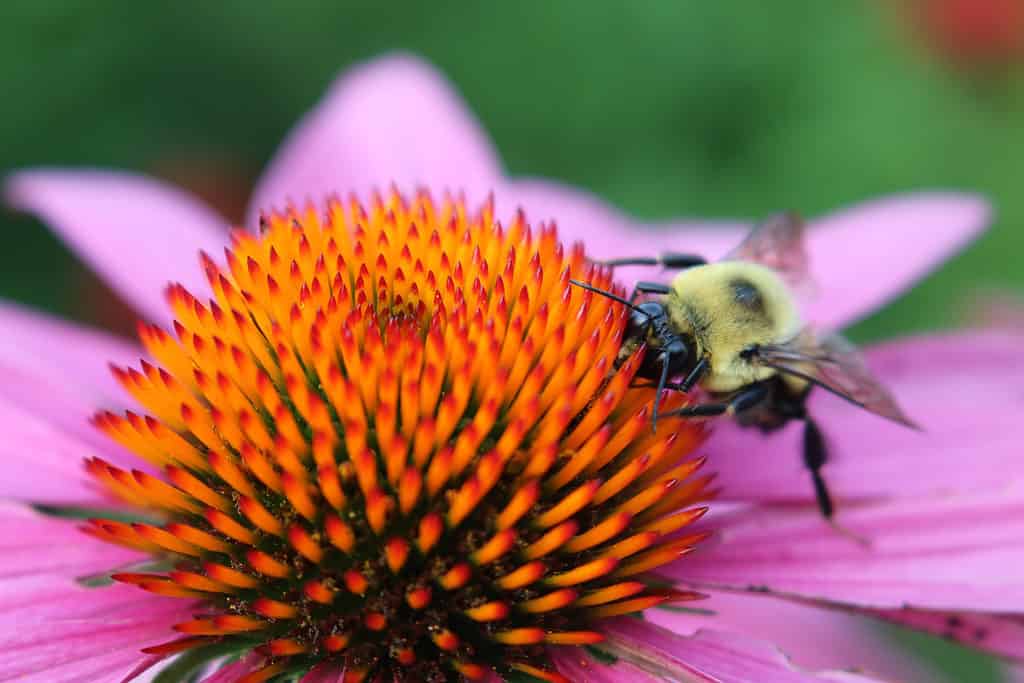
Even small spaces can provide beneficial native plants for bees and other pollinators.
©Cassandra Haizlip/Shutterstock.com
If you’d like more information on how to help hedgehogs, Hedgehog Street, a non-profit run campaign in the UK raising awareness for hedgehog conservation, provides tips for creating a hedgehog-friendly garden. Some of their suggestions that benefit all wildlife include picking up all litter and netting and not using pesticides or chemicals.
Whether or not you live in a country where hedgehogs are present, you can create a safe space for wildlife, even in compact, urban yards. Some ideas include:
- Plant native plants (even if you live in a shady area, there are plenty of native plants that thrive in shade)
- Try container gardening for small or paved spaces
- Help pollinators out during multiple seasons by planting native blooming plants with different bloom times
- If you have the space, plant a small tree or shrub
- Add a birdbath or butterfly puddling dish