
Considering going swimming on the shoreline of Connecticut? Like any untamed place, the ocean is home to many animals, and some of these may be dangerous. Connecticut’s oceans are no different. While they are generally considered safe, several dangerous animals are still swimming in Connecticut’s oceans.
Of course, you have your “usual” dangerous ocean animals, like sharks. However, there are a few that might surprise you. Take a look below at the most dangerous animals in Connecticut’s oceans.
Are Connecticut’s Oceans Dangerous?
Connecticut’s oceans have inherent risks, just like any other natural environment. However, its oceans are generally safe for recreational activities and swimming. There isn’t anything particularly dangerous about this stretch of coastline.
Swimming always carries an innate risk, though. It’s important to be mindful of potential hazards, like strong rip currents, which can make swimming particularly challenging. Always mind the news and surf warnings. Many people overestimate their swimming abilities, so play it safe.
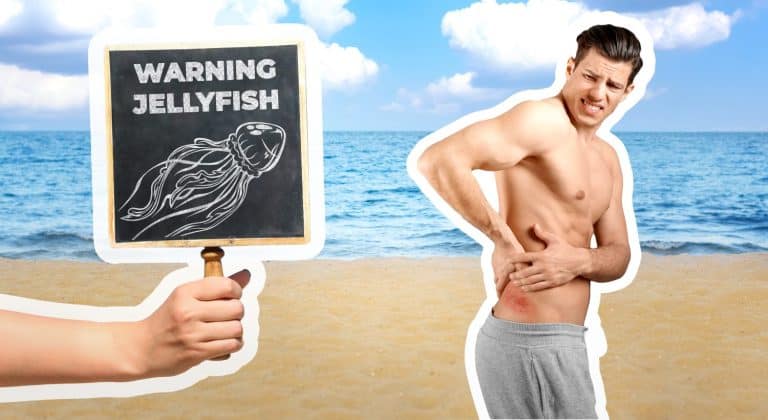
Marine life can also play a risk, though “attacks” are very rare. Often, marine animals only do harm when threatened, even accidentally. Jellies may sting when stepped on, for instance.
Boating in the oceans can be enjoyable, but accidents happen there, too. Be sure to wear a life jacket and practice safe boating if you decide to hit the ocean in this manner.
Of course, knowledge can help you avoid many of these hazards. Learning about the animals in Connecticut’s oceans can be extremely helpful when trying to stay safe.
A List of the Most Dangerous Animals In Connecticut’s Oceans
There are only a few animals that are dangerous in Connecticut’s oceans. None of these animals attack if unprovoked, though.
1. Sharks
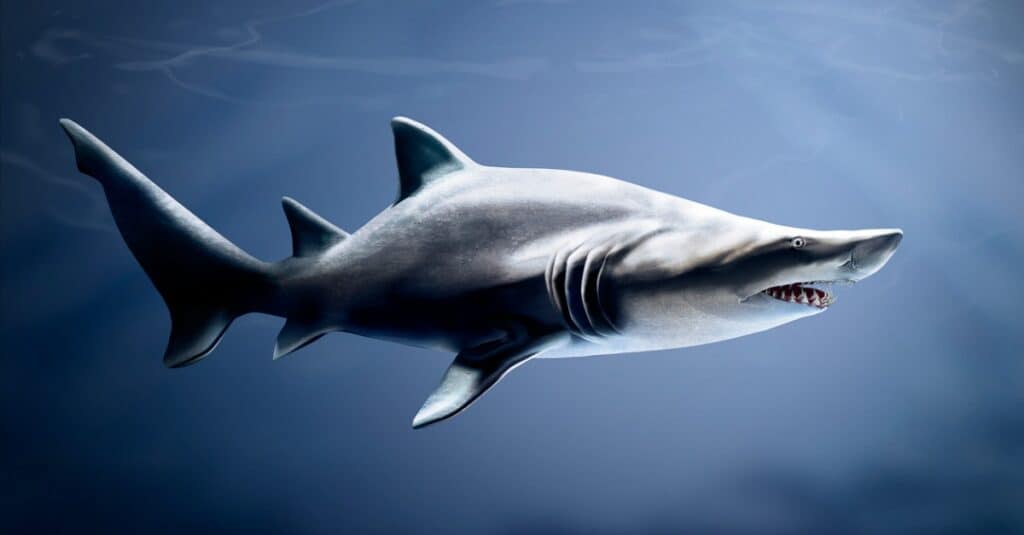
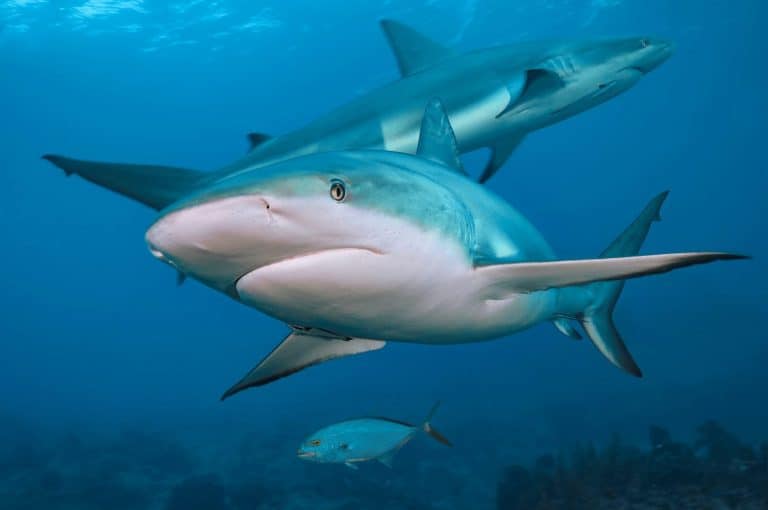
Sand tiger sharks are one of the most common sharks off the coast of Connecticut.
©iStock.com/mirror-images
Connecticut’s ocean is the ocean. Therefore, you can expect to find a range of sharks inhabiting it. These sharks typically steer clear of humans and don’t pose much risk. Here are some of the shark species you may see near Connecticut’s shores:
- Sand Tiger Shark: The sand tiger shark is commonly found in the waters in this area. It looks intimidating with many rows of sharp teeth but is considered unaggressive. They mostly eat small fish, which leaves humans firmly off the menu. They aren’t likely to mistake humans for their prey because humans are much larger than their typical meal. They’re known for being rather docile around swimmers and divers.
- Smooth Dogfish: The smooth dogfish is another common shark in Connecticut’s waters. They are small, only around 4 feet long, making them pretty harmless. They eat small fish and the occasional bottom-dwelling invertebrate.
- Basking Shark: The basking shark is the second-largest shark in the world, which makes it sound pretty scary! However, these sharks only consume plankton, so they don’t pose a risk to humans.
It’s important to note that while these shark species are generally non-threatening, caution should still be exercised when encountering any marine animal. It’s advisable to avoid provoking or approaching sharks, as with any wildlife, to minimize the chance of an incident.
2. Atlantic Stingray
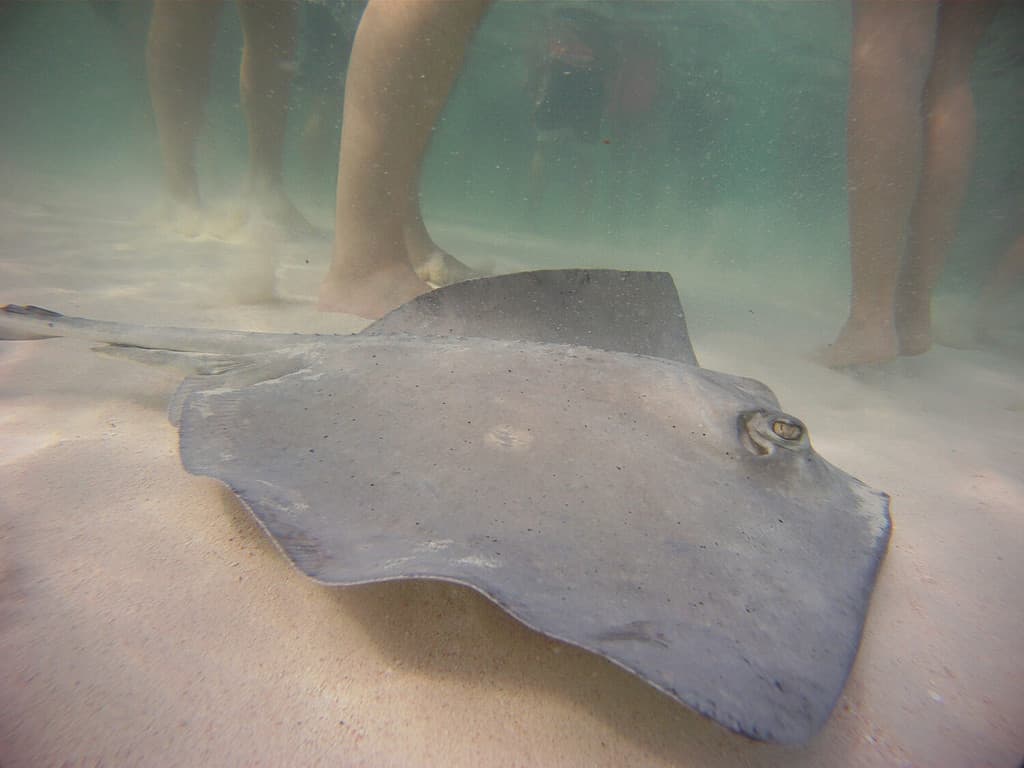
Stingrays spend much of their time near the ocean floor.
©Drop Zone Drone/Shutterstock.com
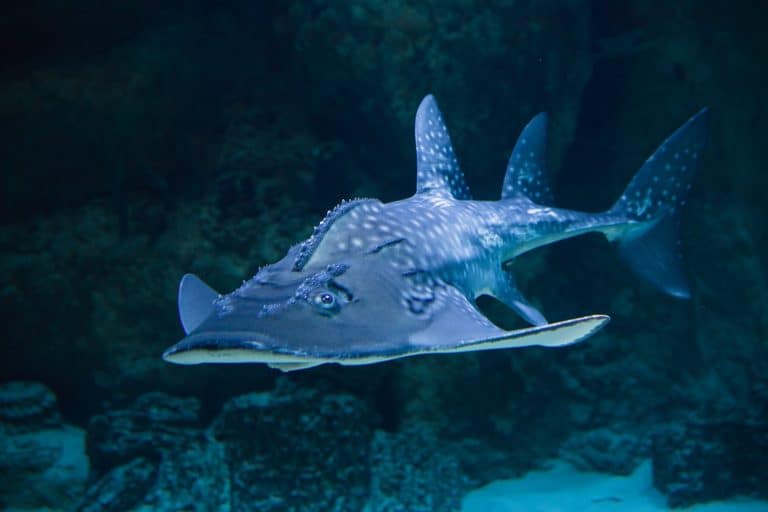
Atlantic stingrays are a species of stingray that you can find in the Atlantic Ocean, including off the coast of Connecticut. They have a distinctive diamond-shaped body and can reach up to three feet wide. They’re typically light brown or gray with a long, whip-like tail. Their tail ends in a barb, which they use for defensive purposes.
While these stingrays can absolutely sting humans, they are generally docile and non-aggressive. They spend much of their time on the sandy or muddy bottoms of shallow coastal waters, where they white themselves in the sand. Therefore, it isn’t absolutely uncommon for humans to accidentally step on them.
To avoid getting stung, it’s recommended that you shuffle your feet on the sandy ocean floor when walking. This shuffle creates vibrations that alert stingrays to your presence and allows them to move away.
If you do get stung, get medical help right away. Wash the wound with warm water and apply pretty to stop the bleeding. Luckily, these stings are not typically life-threatening, though medical treatment is necessary to avoid infections.
Encounters with Atlantic stingrays in Connecticut’s waters are infrequent. However, they aren’t completely unheard of. They tend to be more common in the warmer months.
3. Lion’s Mane Jellyfish
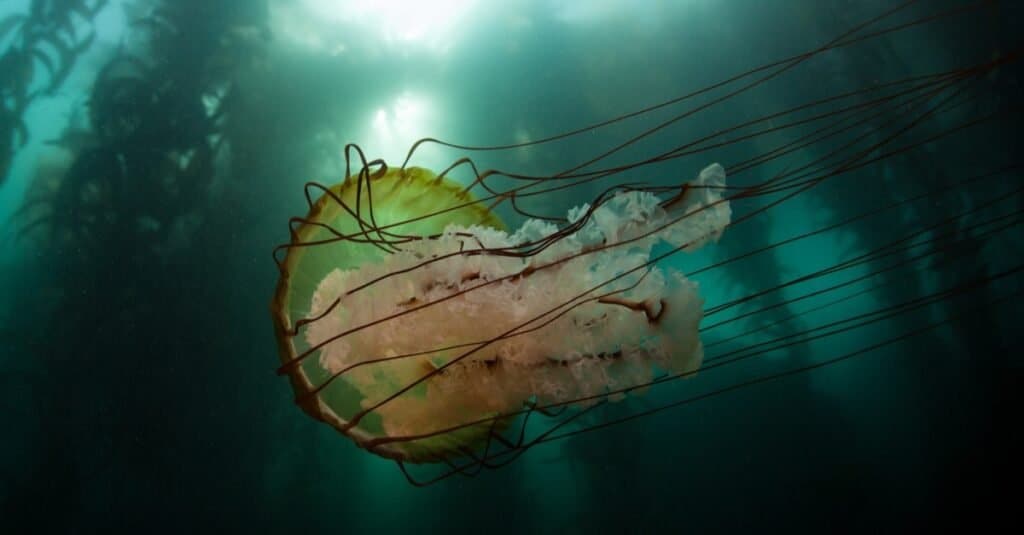
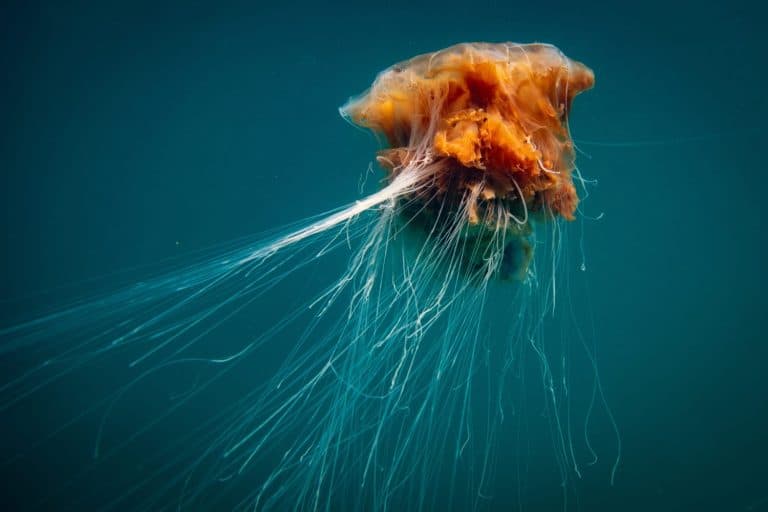
Lion’s Mane Jellyfish can get extremely large.
©Ethan Daniels/Shutterstock.com
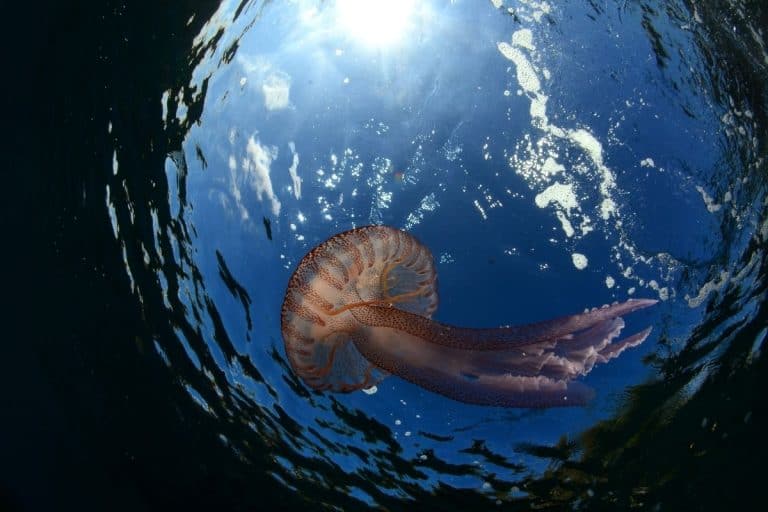
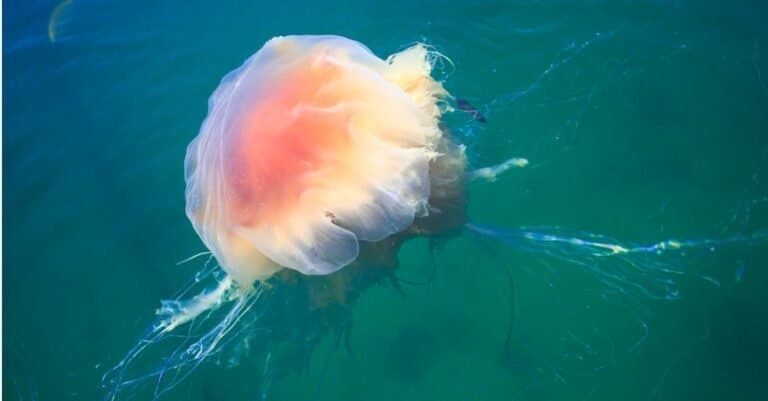
You may also spot some Lion’s Mane Jellyfish in Connecticut’s oceans. They have an impressive size and very distinctive appearance. Their bell-shaped body usually measures several feet wide, and their tentacles can grow up to 100 feet long. These tentacles have many stinging cells, which they use to capture prey.
These cells release a toxin that immobilizes anything that touches them, typically small fish and plankton. This venom can also cause discomfort for larger animals, like people. However, it usually isn’t deadly.
If a person comes into contact with the tentacles of a lion’s mane jellyfish, they may experience a painful, burning sensation at the site of the sting. Redness, swelling, and welts can also occur. In some individuals, particularly those with allergies or sensitivities, more severe reactions such as difficulty breathing or chest pain may occur.
If you notice any severe reactions, you should seek medical attention right away.
You should avoid swimming where jellyfish have been spotted to minimize the chance of stings. If you spot one, you should maintain a safe distance. Wearing protective clothing like a wetsuit can help reduce exposed skin that can be stung.
If you are stung, rinse the affected area with salt water and remove any tentacles attached to the skin. You can apply a hot pack and take over-the-counter pain medication to alleviate the discomfort. Seeking medical advice is typically recommended.
Summary of the Most Dangerous Animals Swimming in Connecticut’s Oceans
| Rank | Animal |
|---|---|
| 1 | Shark |
| 2 | Atlantic Stingray |
| 3 | Lion’s Mane Jellyfish |