
Minnesota is a stunning state located in the Upper Midwest region. It is the second most northerly state after Alaska and is the twelfth largest in the US. Although Minnesota has a diverse range of habitats, many of them are aquatic, owing in part to its position in the Great Lakes region. The state is home to 17 species of snakes and three of these are water snakes. So, let’s discover everything you need to know about the water snakes in Minnesota, including where they live, what they look like, and whether any of them are dangerous!
1. Northern Water Snake (Nerodia sipedon)
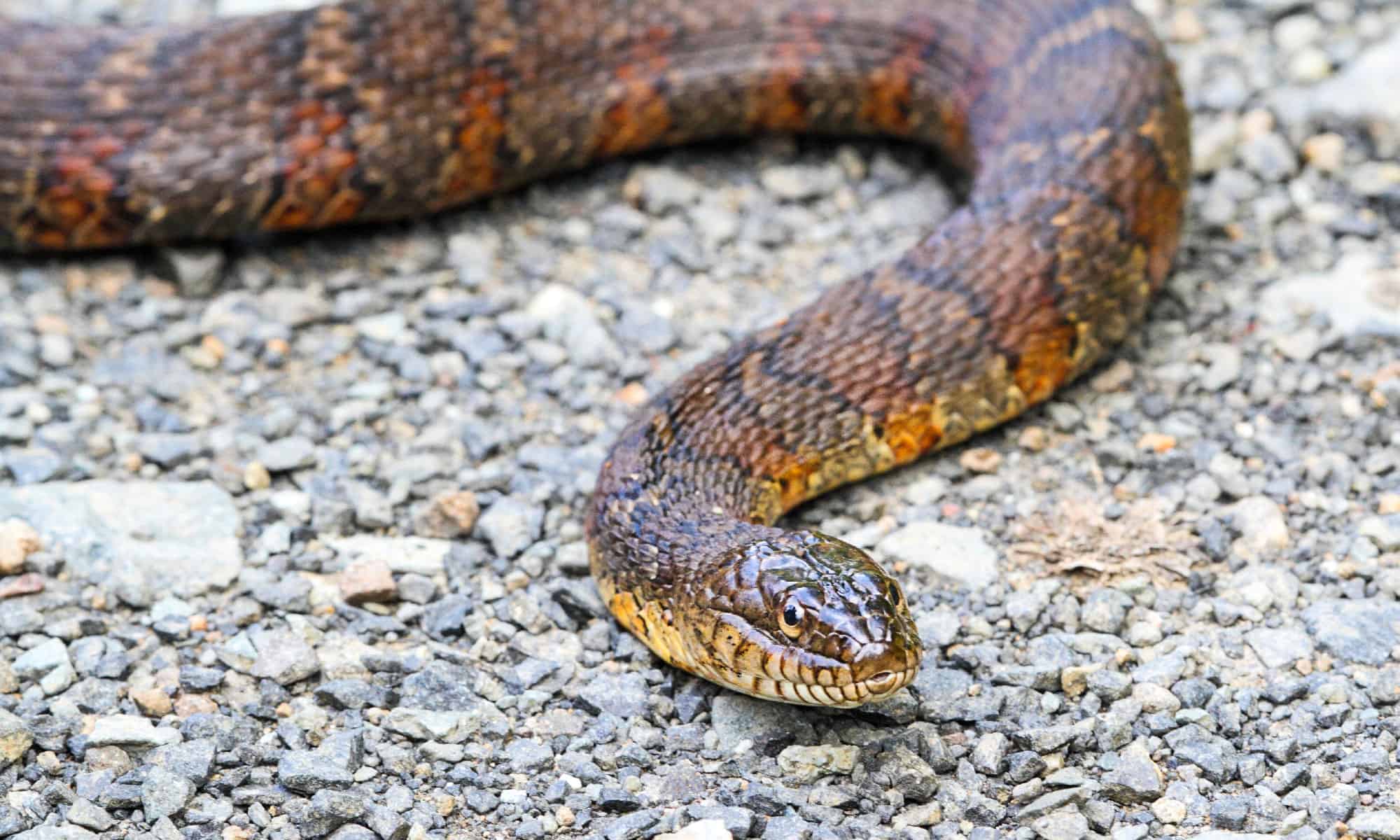
In Minnesota the northern water snake inhabits the area around the Minnesota, Mississippi, and St Croix rivers.
©iStock.com/IcemanJ
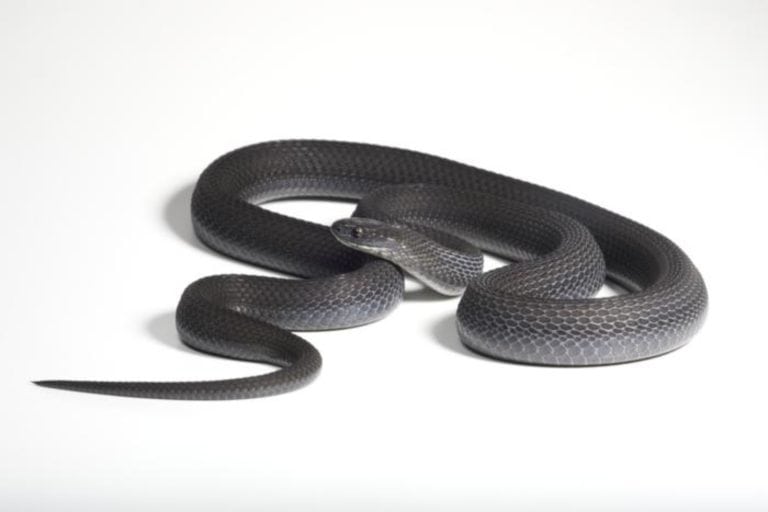
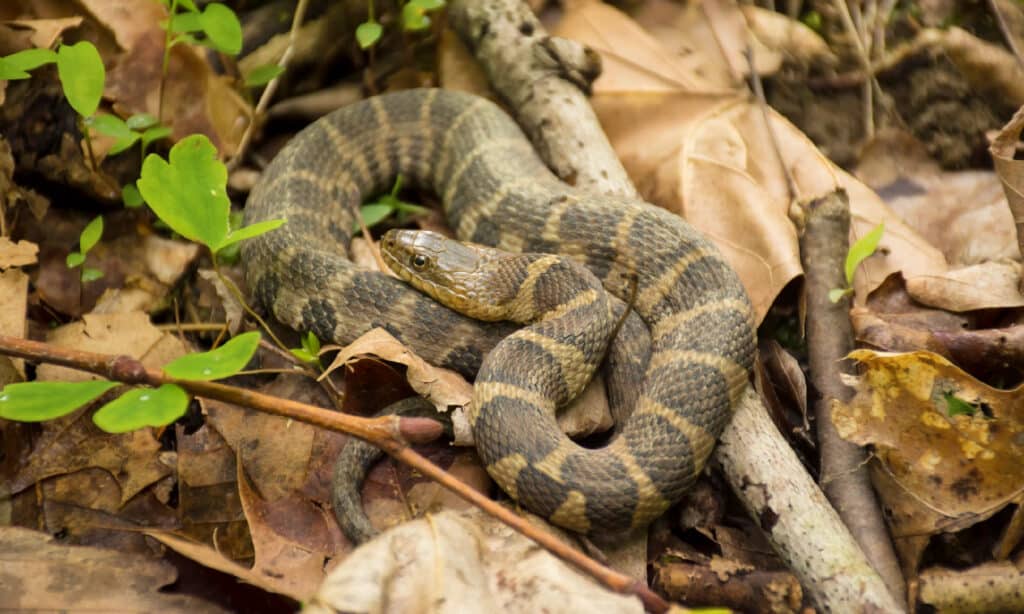
The northern water snake is the only true water snake in Minnesota, being a member of Nerodia. Northern water snakes are large, powerful snakes which can reach approximately five feet long. They are dark brown to black with dark crossband markings in the neck region and blotches along the rest of their body. Although the venomous cottonmouth snake does not inhabit Minnesota, the northern water snake is commonly mistaken for it in states where their range overlaps. Northern water snakes are not venomous but they can still inflict a painful bite with their sharp teeth. Their saliva contains a mild anti-coagulant which prevents blood from clotting properly. This means that any wounds caused by these snakes tend to bleed quite a lot.
Northern water snakes can live in virtually any freshwater environment. However, they only occur in the southeastern region of Minnesota, particularly near the Minnesota, Mississippi and St Croix rivers. They rarely stray far from water, and can sometimes be seen hanging from branches near the shore or basking in the sun. During the winter, they typically brumate in rock crevices with other snakes. However, they will sometimes come outside during warm, sunny afternoons.
Northern water snakes mainly prey on fish, although they will also eat frogs, salamanders, turtles, and some small mammals. Females give birth to live young between June and August. The juveniles are typically between six and 10 inches long.
2. Plains Garter Snake (Thamnophis radix)
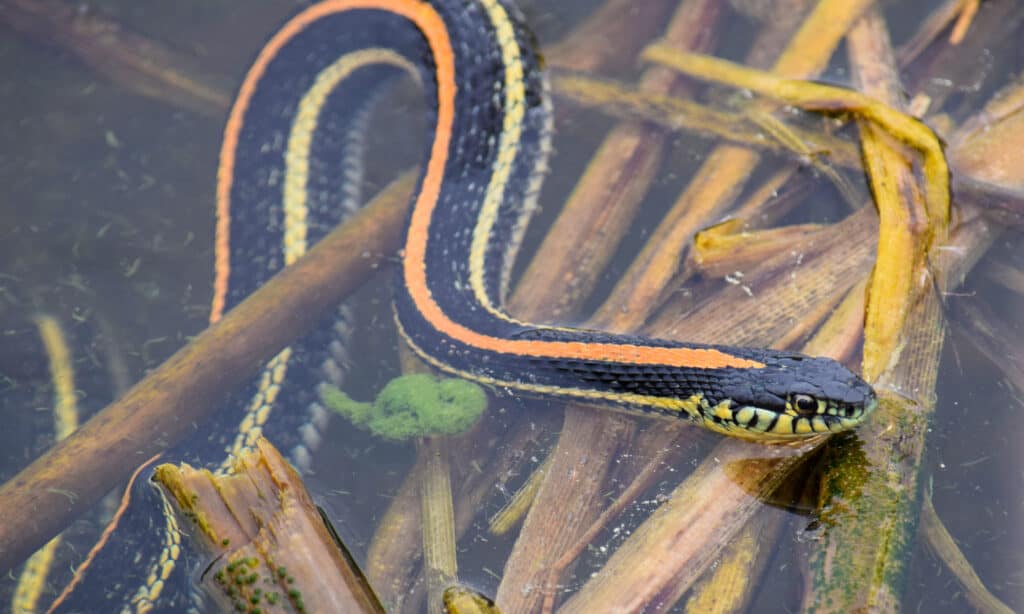
Plains garter snakes live close to water and prey heavily on fish and frogs.
©Alyssa Metro/Shutterstock.com
Although not a true water snake, plains garter snakes live in areas close to water across the majority of the state, with the exception of the northeastern region. Their habitats include prairies and meadows close to a permanent source of water such as swamps, streams, and ponds. They are accomplished swimmers and rely on the water for a large portion of their food. Their diet consists of a variety of fish and frogs, as well as slugs, worms, insects, and small mammals. They are mildly venomous to their prey, although they are not considered to be dangerous to humans.
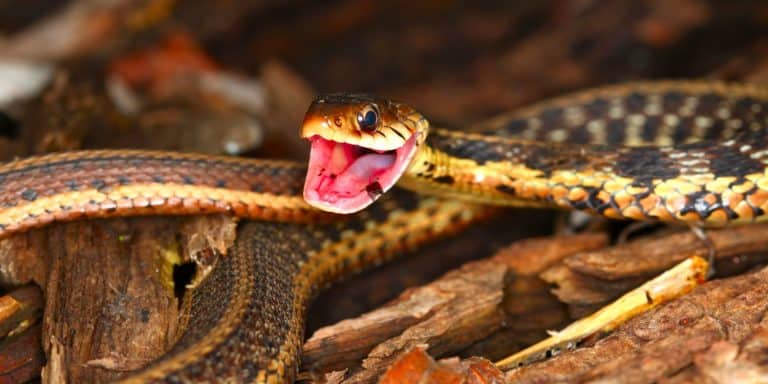
Plains garter snakes are typically 15 to 28 inches long. They have black or brown bodies with yellow or orange stripes. They also sometimes have green, red, or yellow markings between their stripes. Their belly is light-colored and has a row of dark spots on it.
Plains garter snakes mate during the spring and the juveniles are born between August and October. The young snakes are usually between five and eight inches long, meaning that they are at great risk of predation by animals such as hawks, owls, skunks, and raccoons. However, the snakes begin to brumate when winter arrives, nesting in mammal burrows or rock crevices with other snakes. Like the northern water snake, plains garter snakes often emerge during warm winter days to bask in the sun.
3. Common Garter Snake (Thamnophis sirtalis)
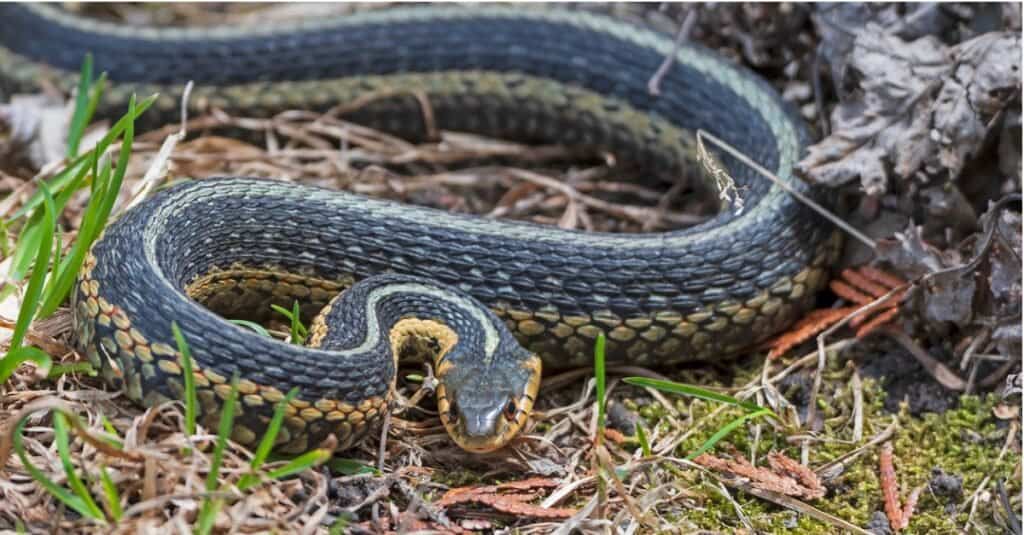
Common garter snakes are mildly venomous to their prey but are not considered to be dangerous to humans.
©iStock.com/Wildnerdpix
The final water snake in Minnesota is the common garter snake. Like the plains garter snake, these snakes are not true water snakes but do spend a lot of their lives in and around water. Common garter snakes are one of the most common and widespread snakes in the state and live in a variety of habitats, often near swamps, streams, and ponds. They are good swimmers and prey on a wide range of fish and amphibians. However, they also eat worms, slugs, insects, lizards, rodents, small birds, and even other snakes.
Common garter snakes are not considered to be dangerous to humans, although they are venomous to their prey. This is because they contain a venom-like substance in their saliva to slow down their prey. However, bites from these snakes typically only cause localized swelling and itching.
Common garter snakes are approximately 22 to 32 inches long and can be a variety of colors, depending on the subspecies. However, in Minnesota most tend to be black or brown with three yellow stripes. Their belly is not patterned and is typically cream or gray. Juveniles are born between July and September and are typically between five and nine inches long. The female leaves them to fend for themselves as soon as they are born. Common garter snakes have many predators — including birds, squirrels, raccoons, turtles, bullfrogs, and larger snakes.